

Dorylus nigricans
- Scientific Name
- Dorylus nigricans
- Subfamily
- Dorylinae
- Author
- Illiger, 1802
- Distribution
- Found in 21 countries
Dorylus nigricans Overview
Dorylus nigricans is an ant species of the genus Dorylus. It is primarily documented in 21 countries , including Benin, Congo, Democratic Republic of the. Detailed taxonomic data and occurrence records can be further explored via authoritative databases such as AntWeb or the Global Biodiversity Information Facility (GBIF).
Dorylus nigricans
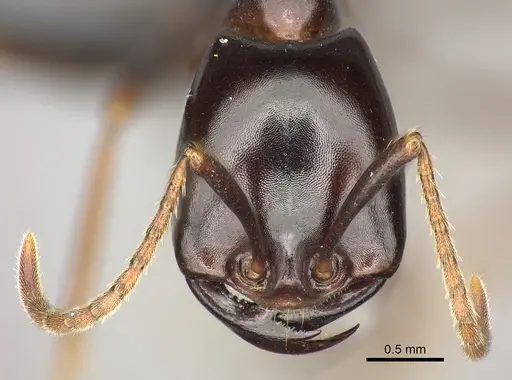
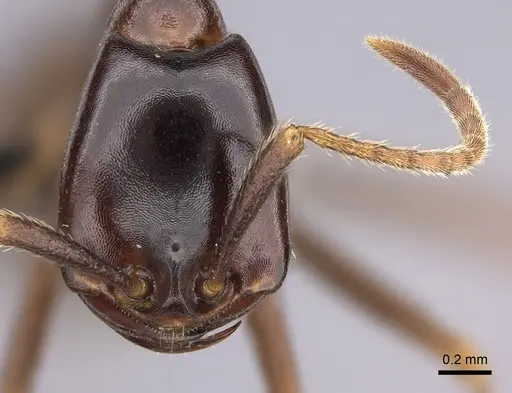
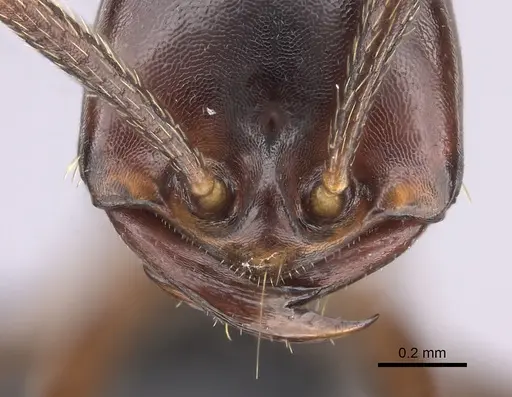
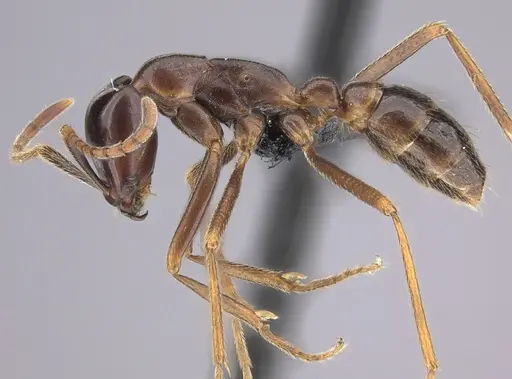
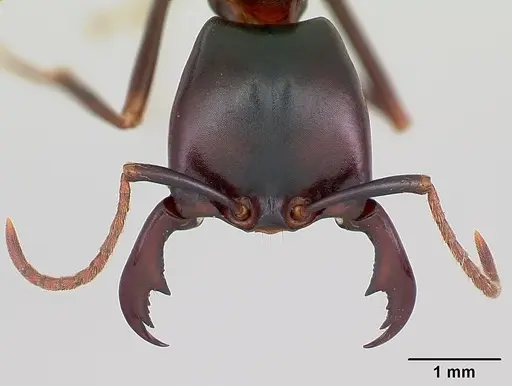
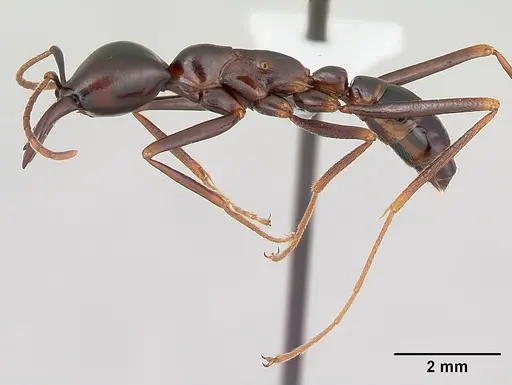
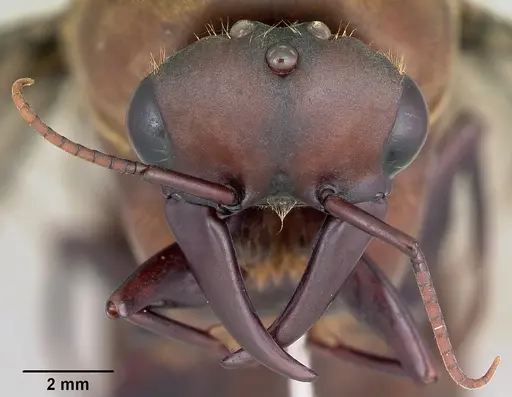
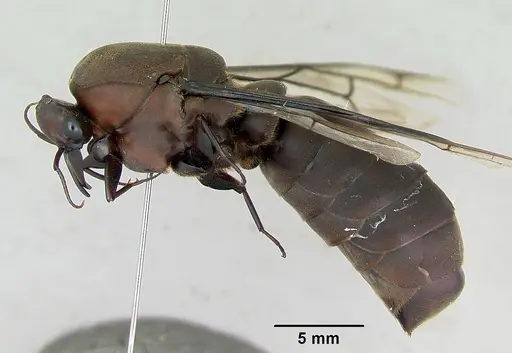
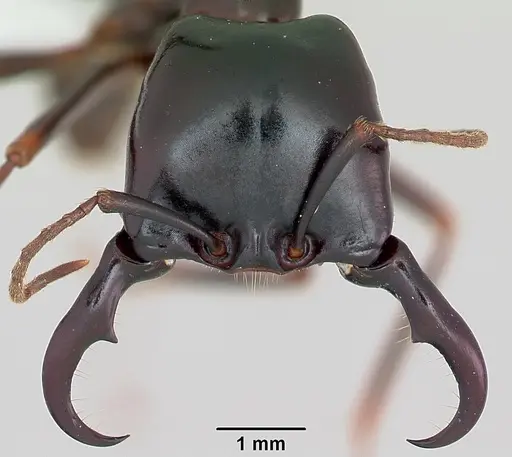
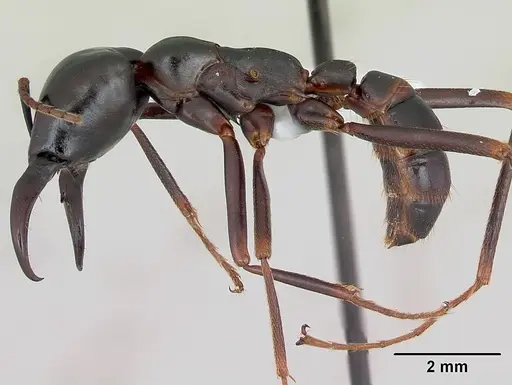
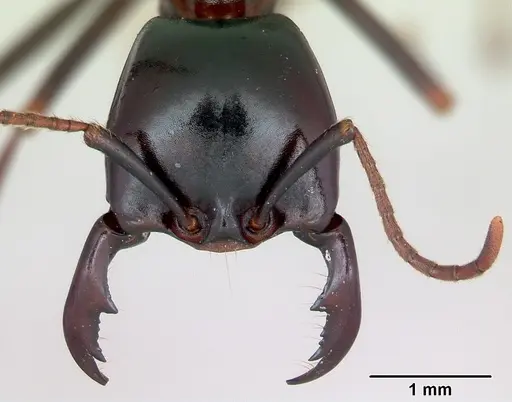
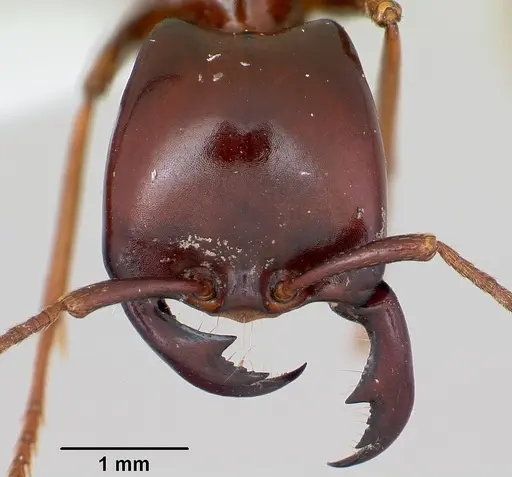
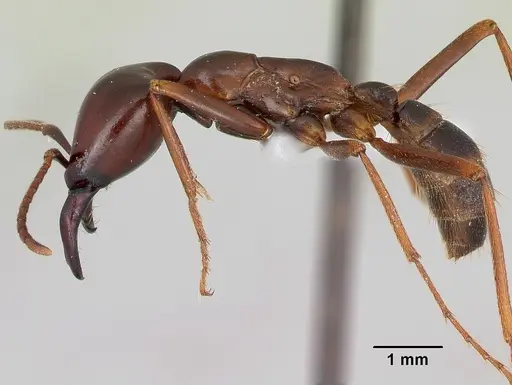
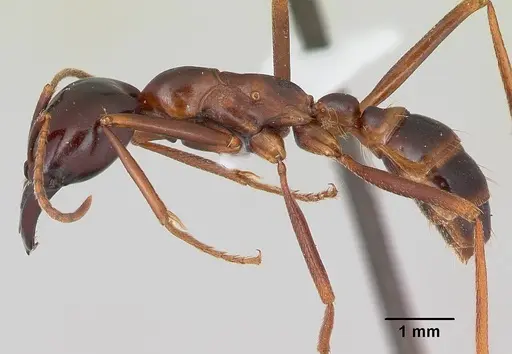
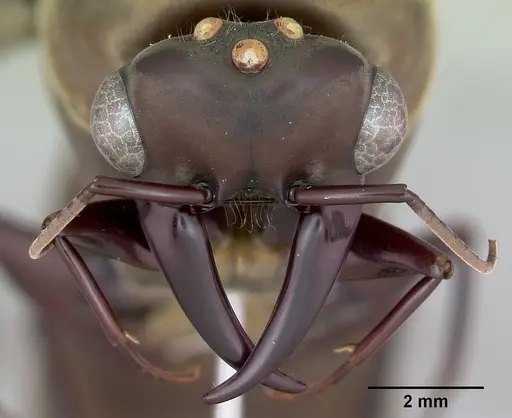
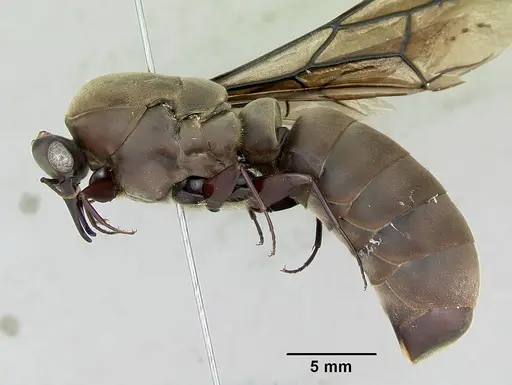
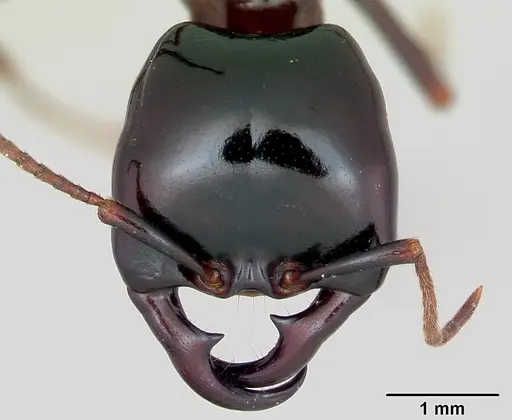
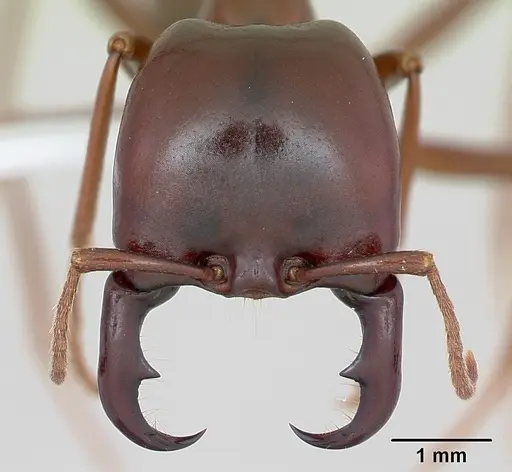
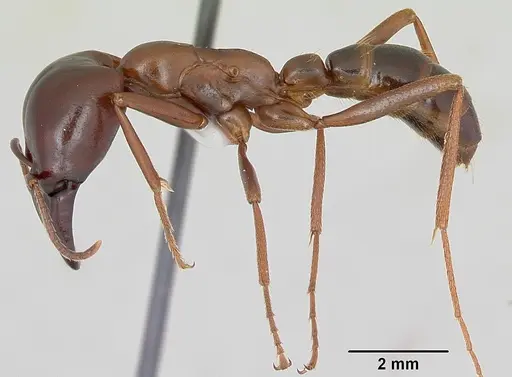
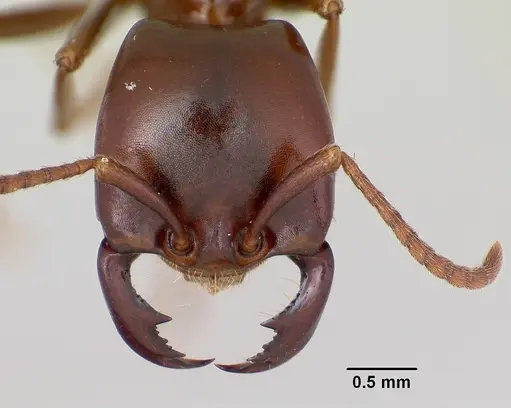
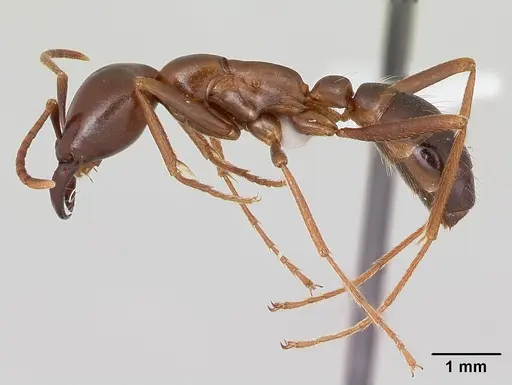
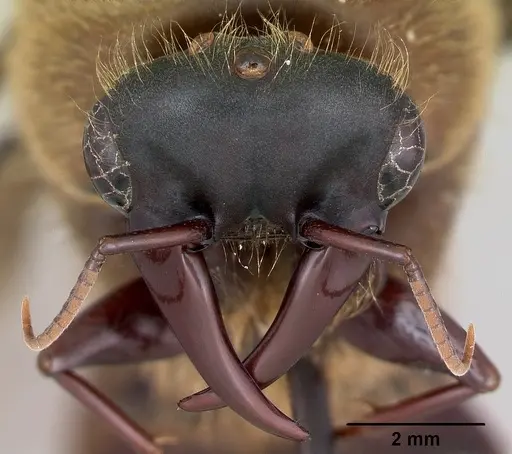
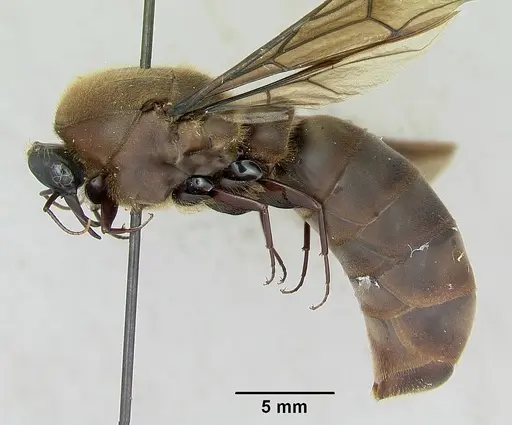
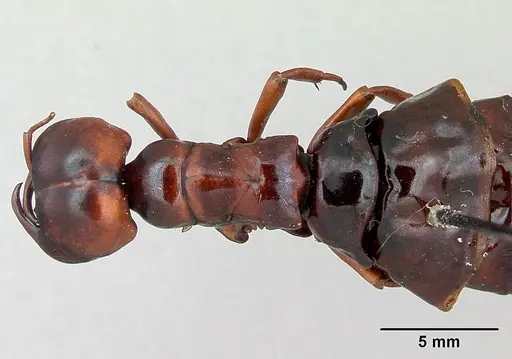
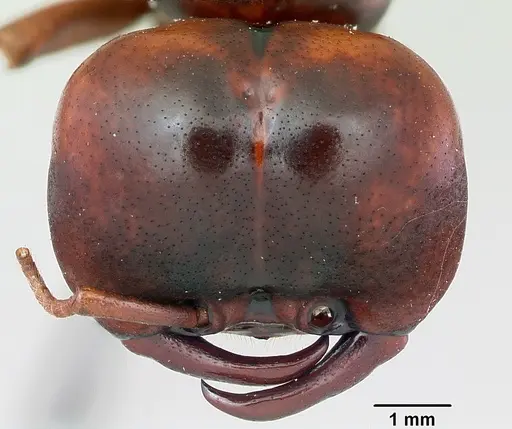
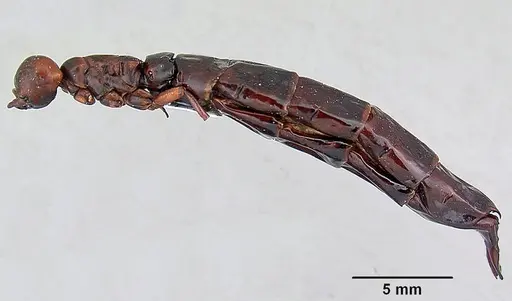
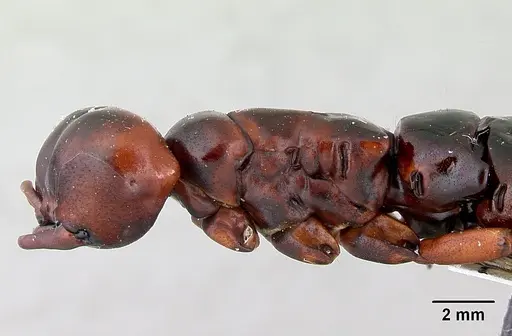
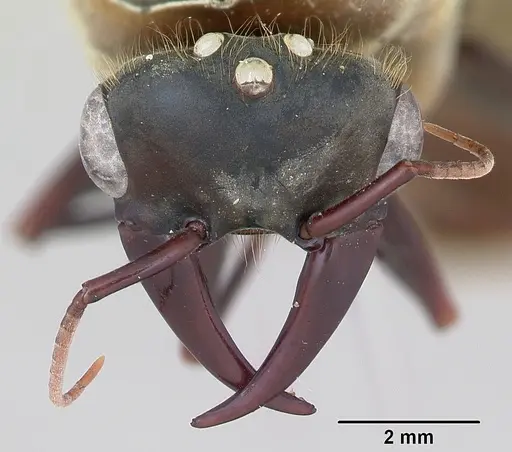
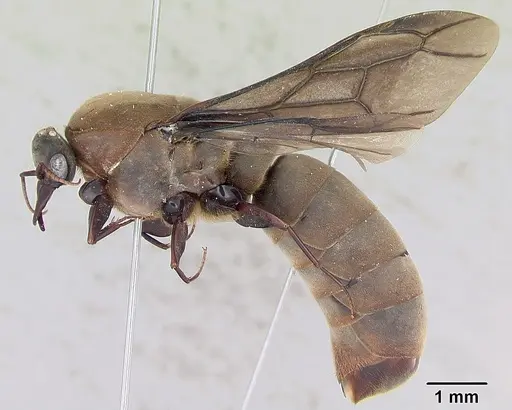
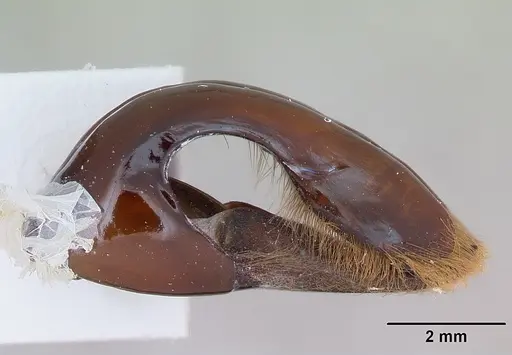
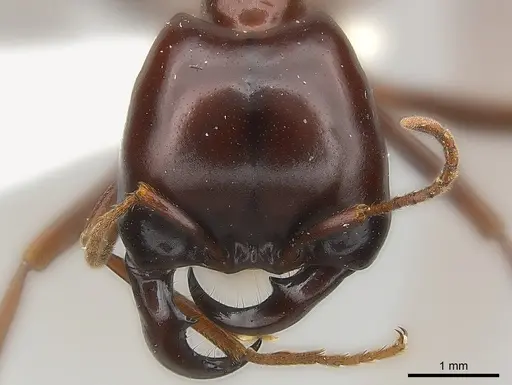
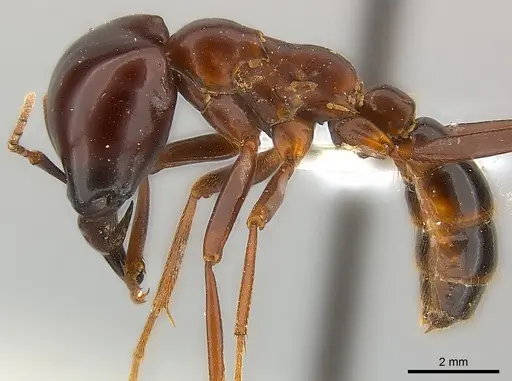
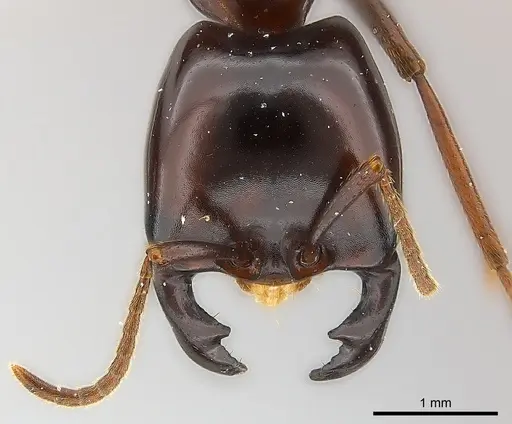
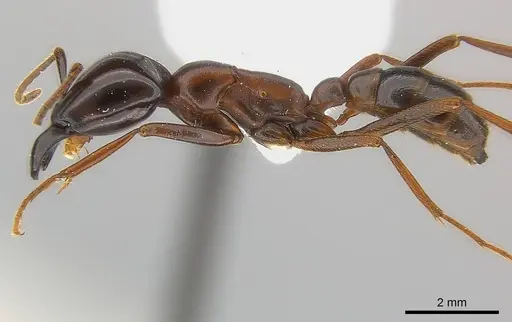
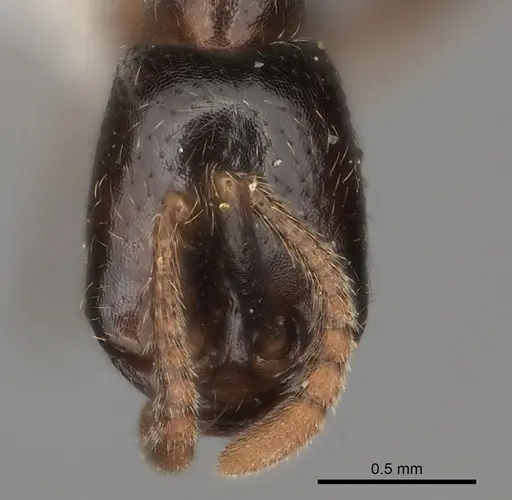
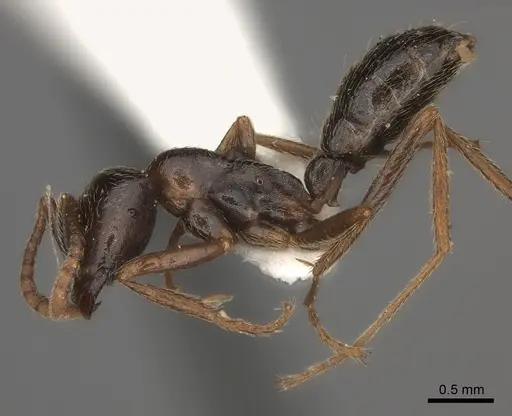
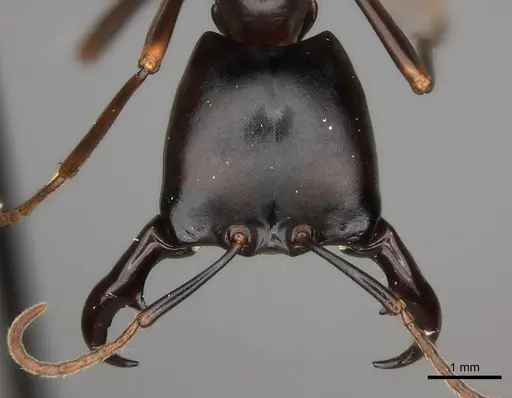
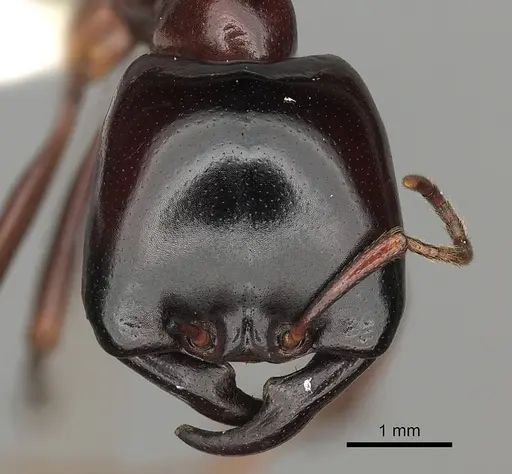
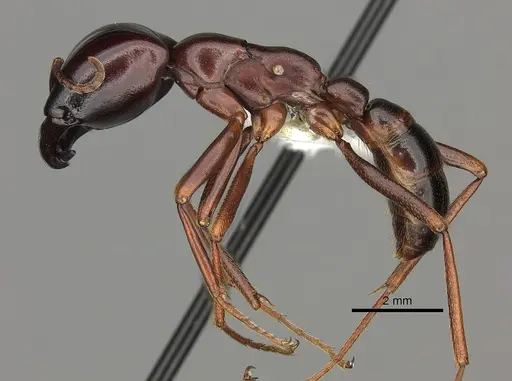
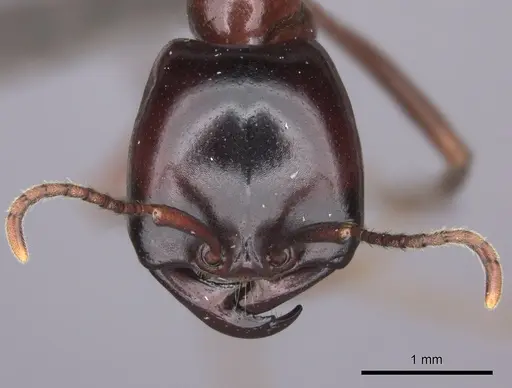
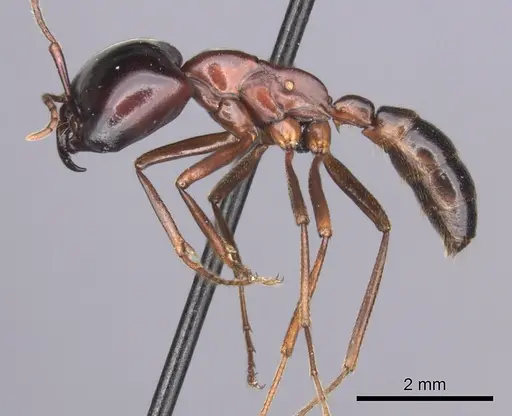
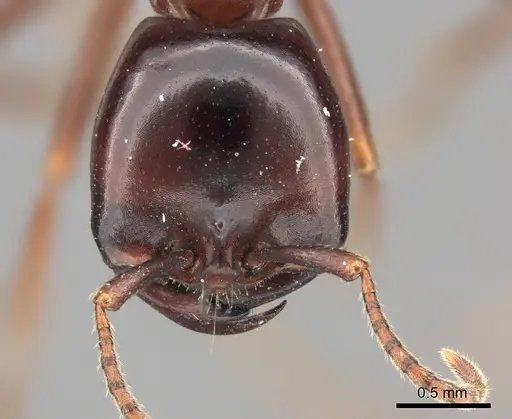
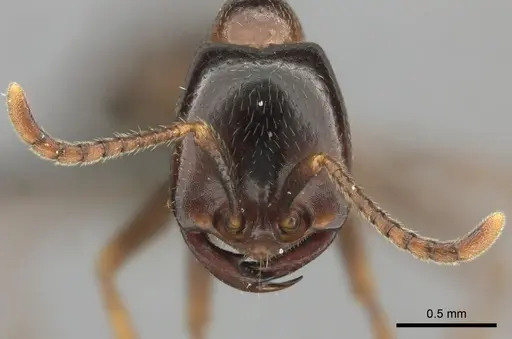
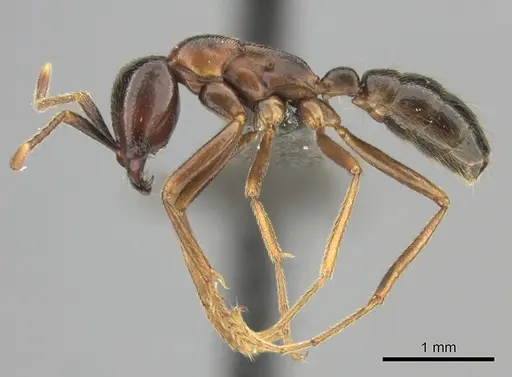
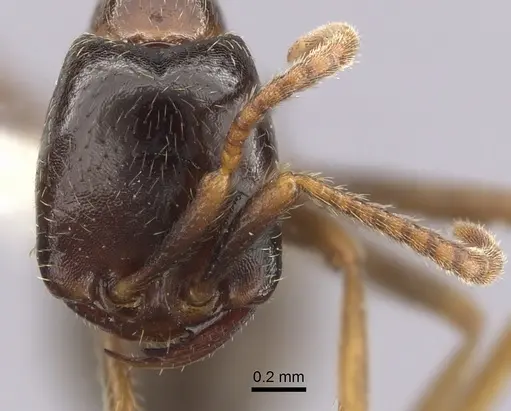
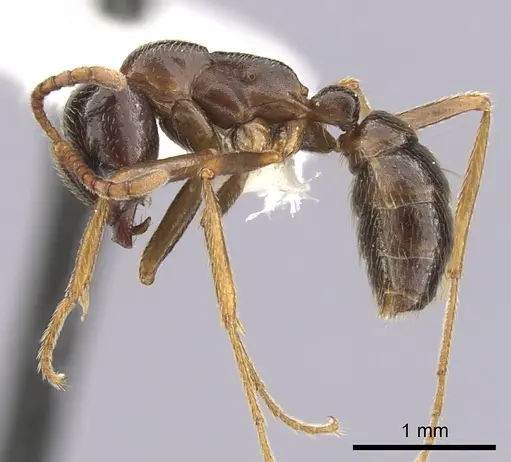
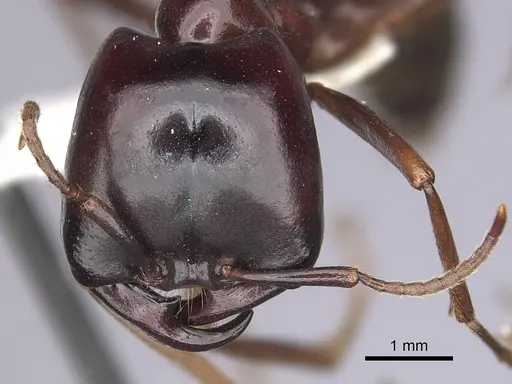
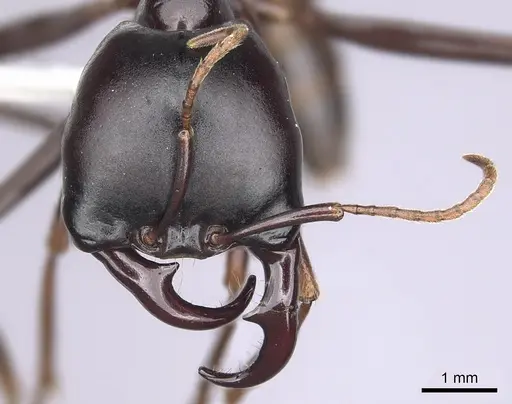
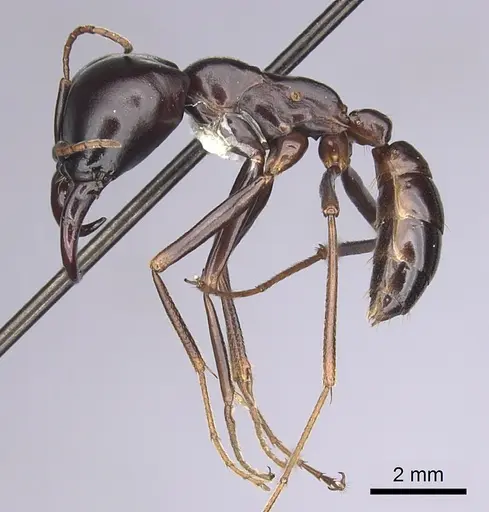
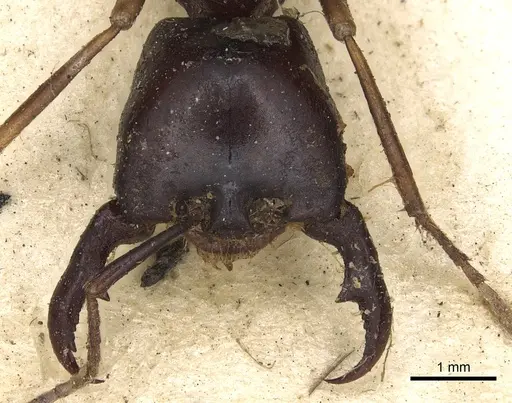
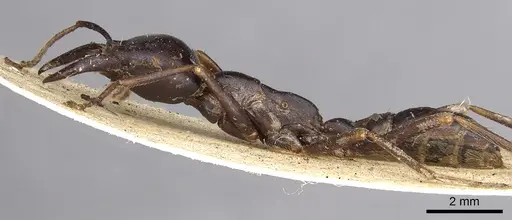
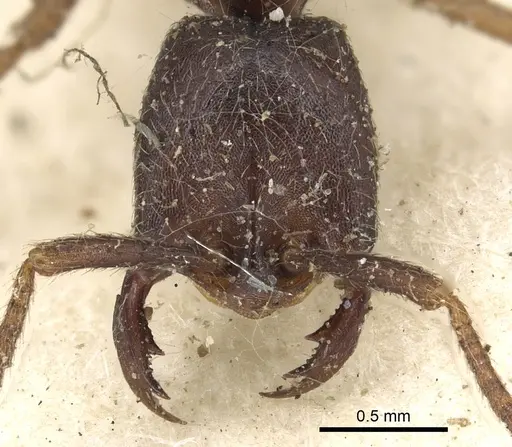
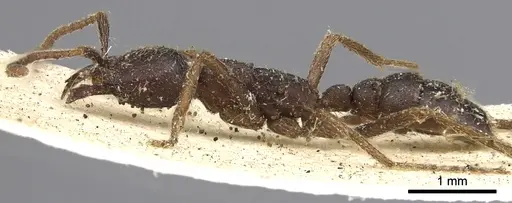
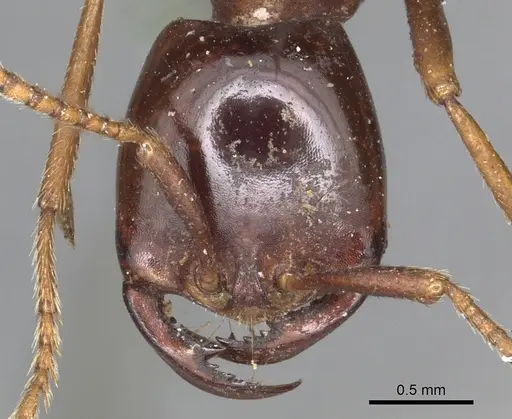
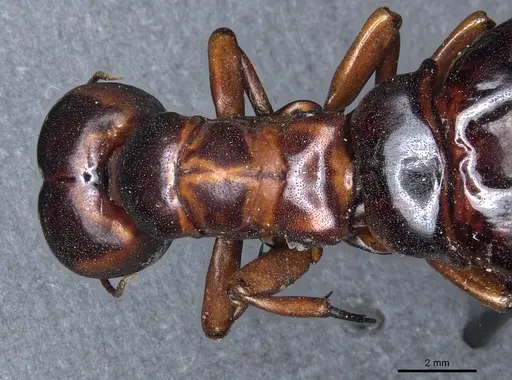
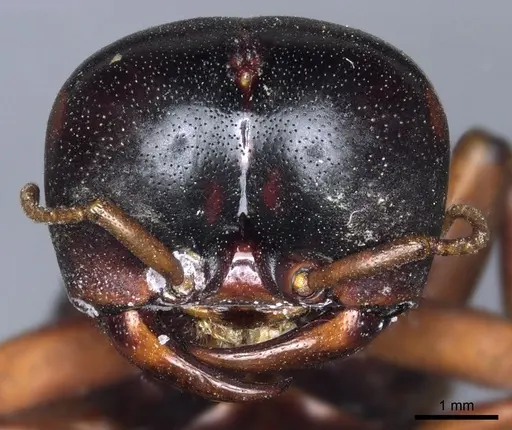
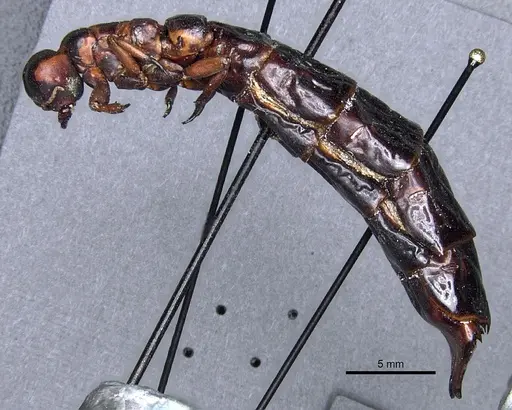
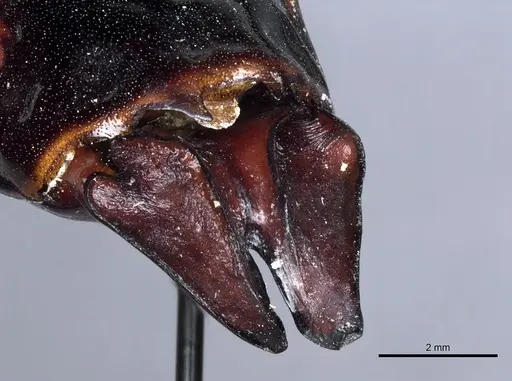
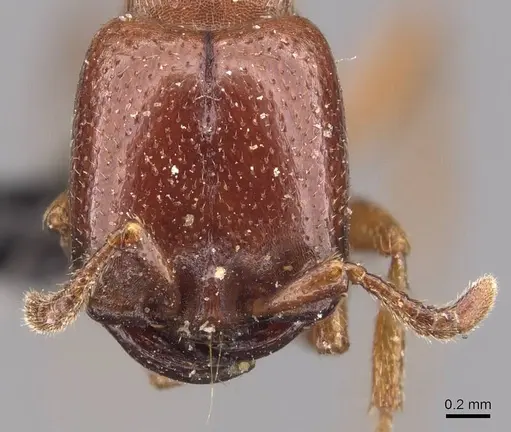
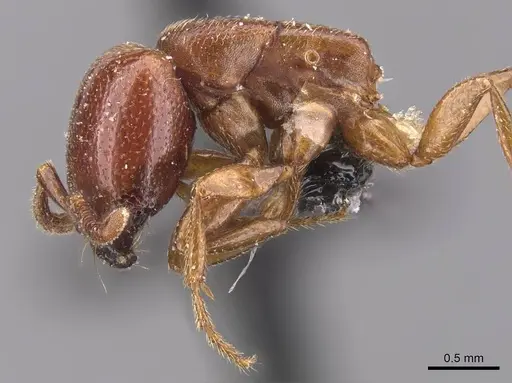
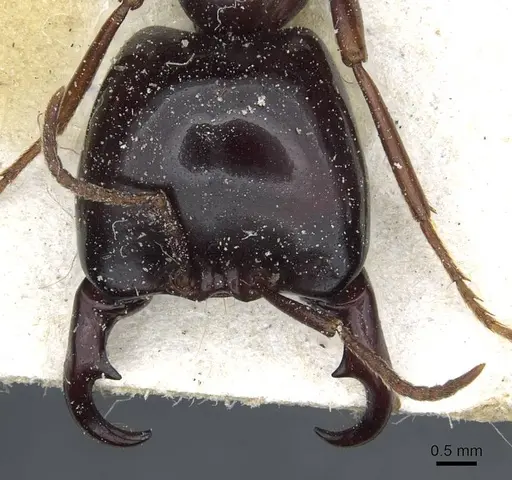
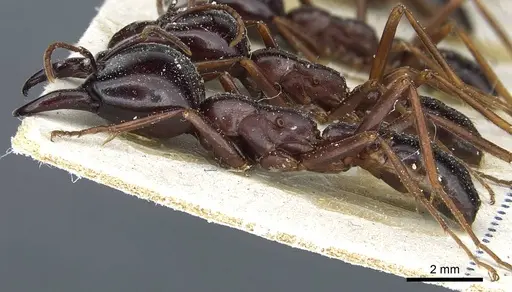
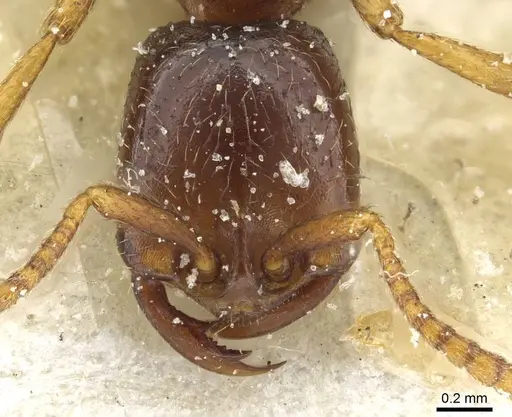
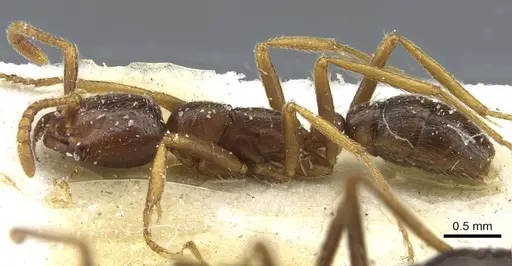
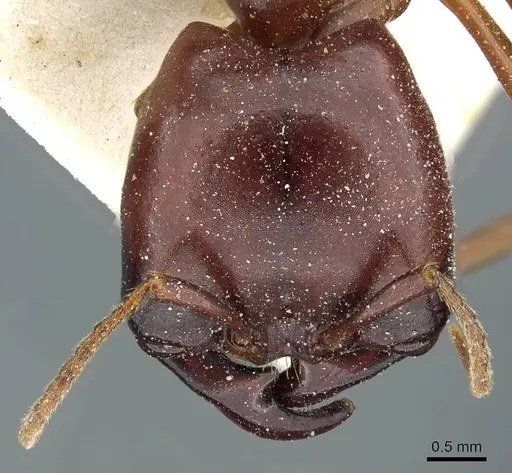
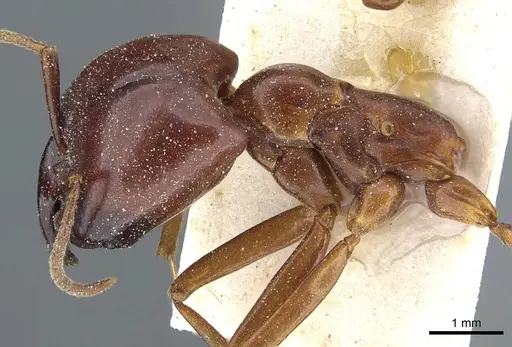
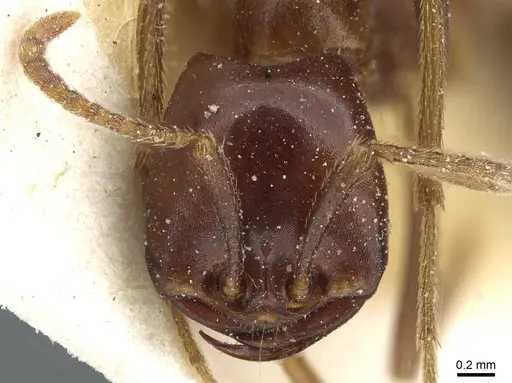
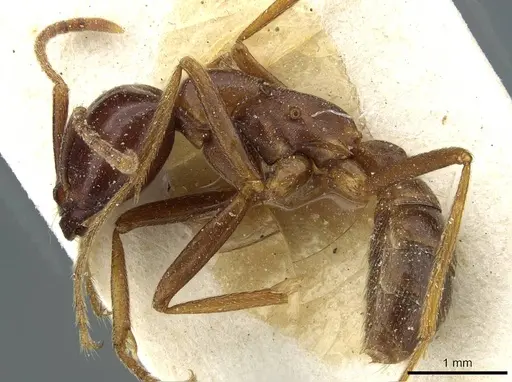
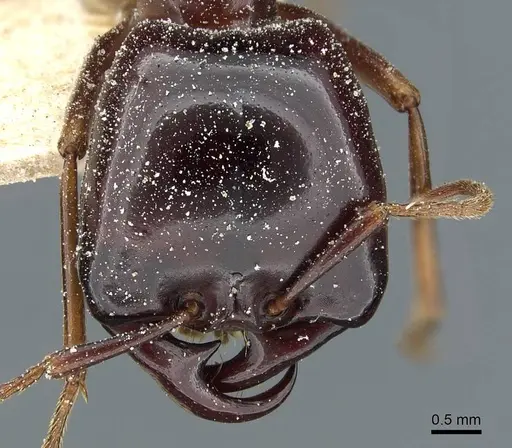
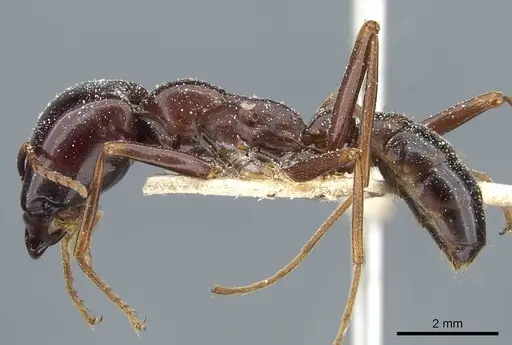
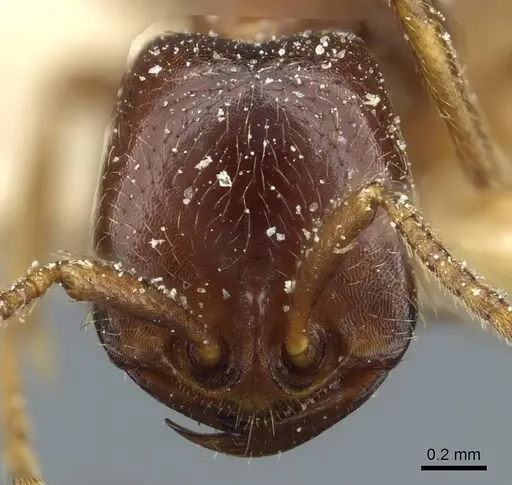
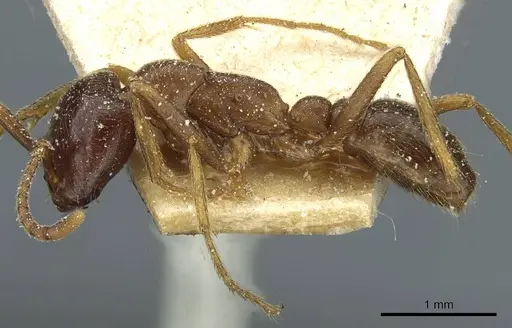
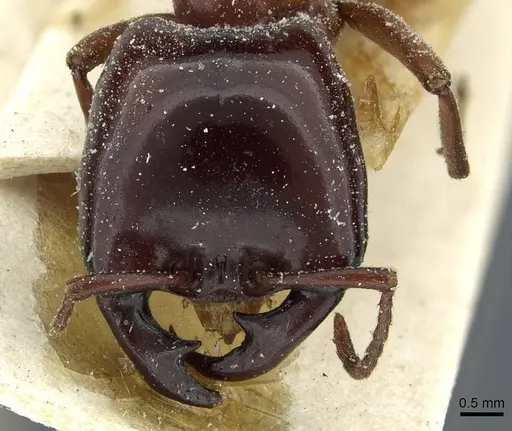
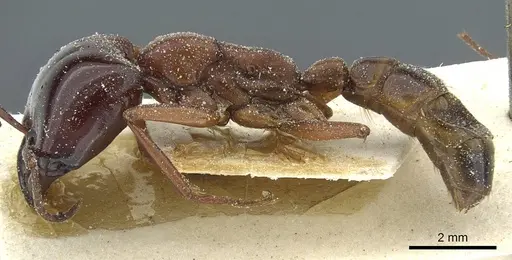
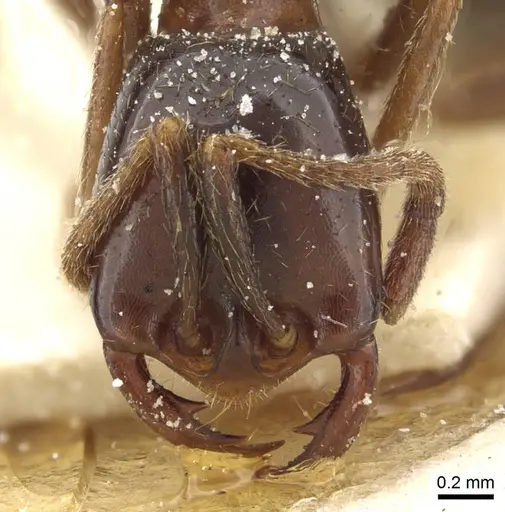
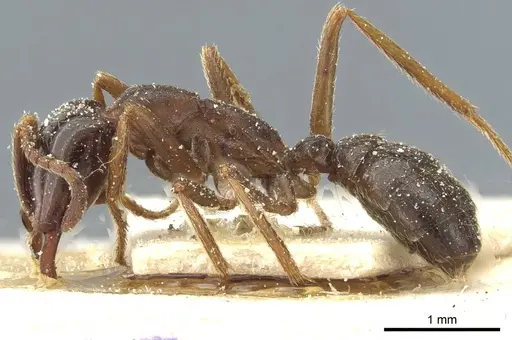
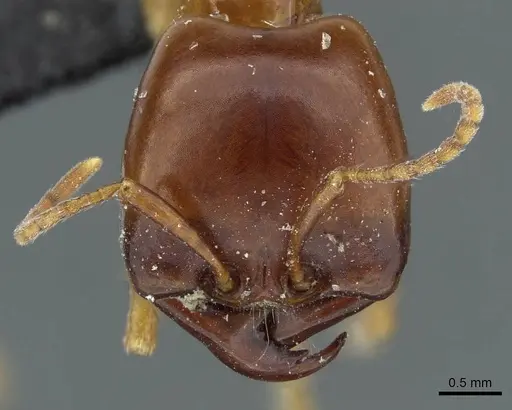
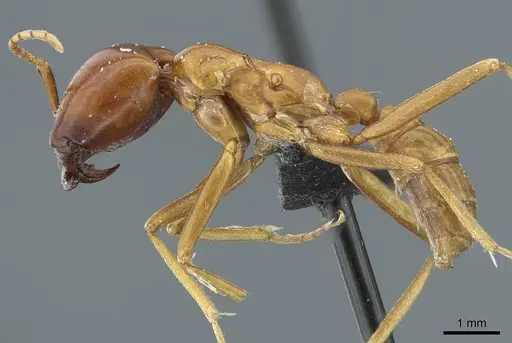
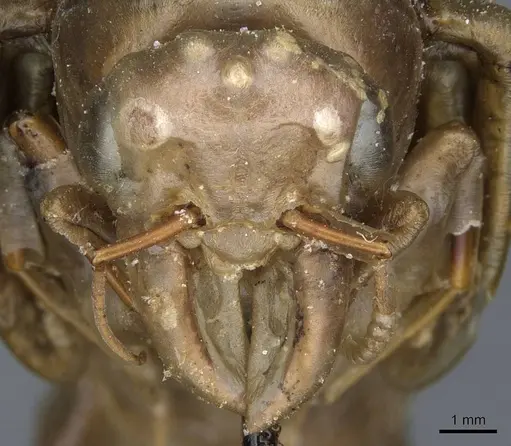
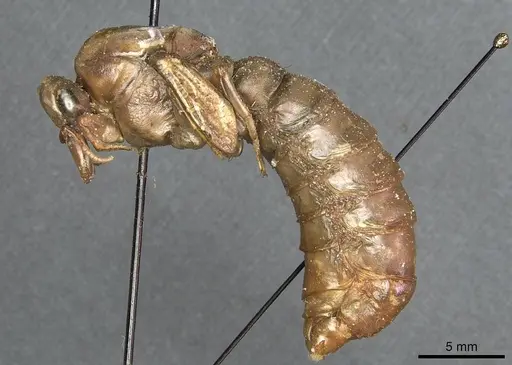
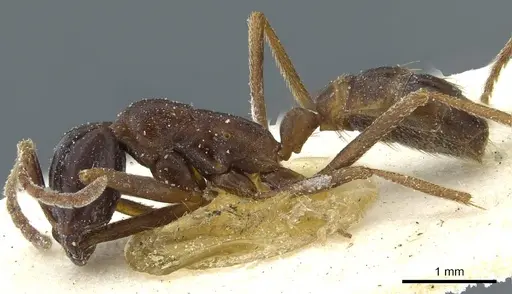
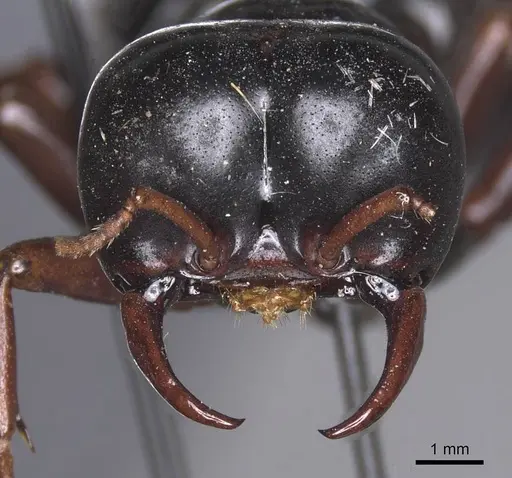
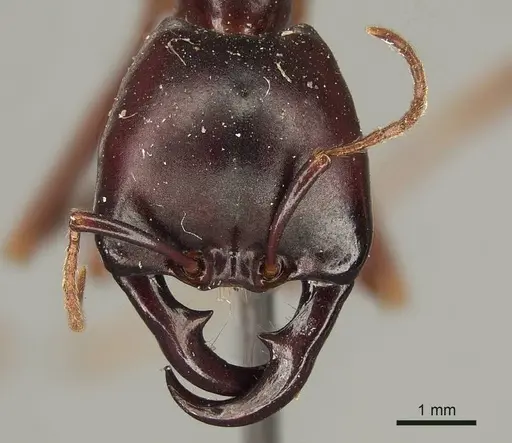
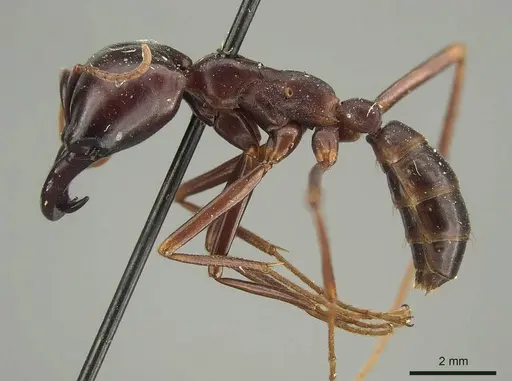
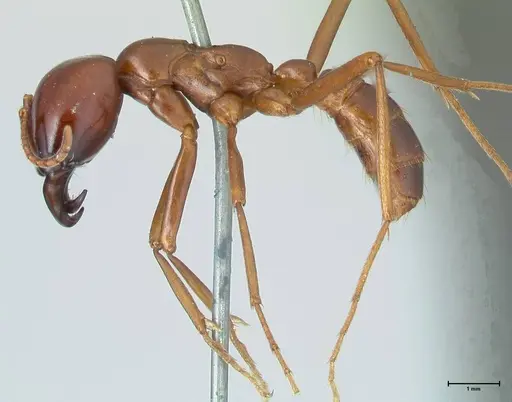
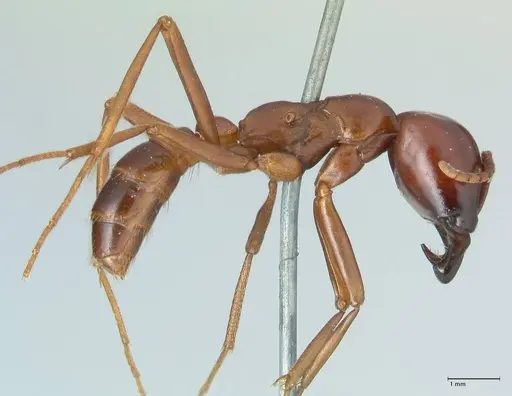
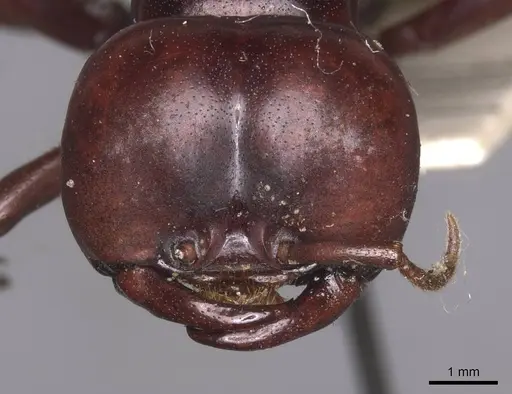
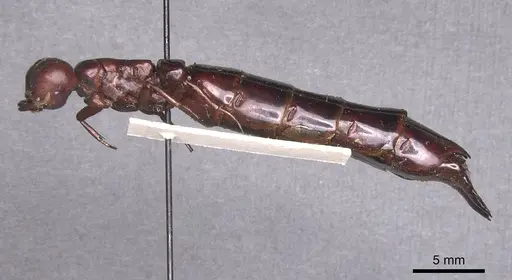
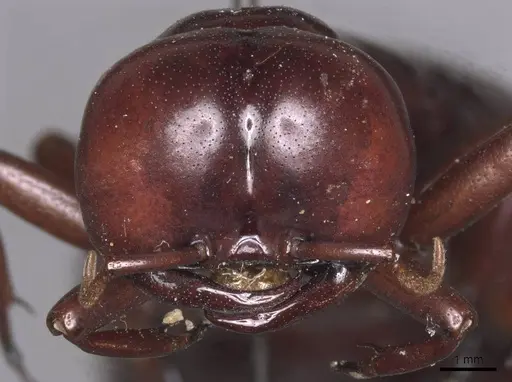
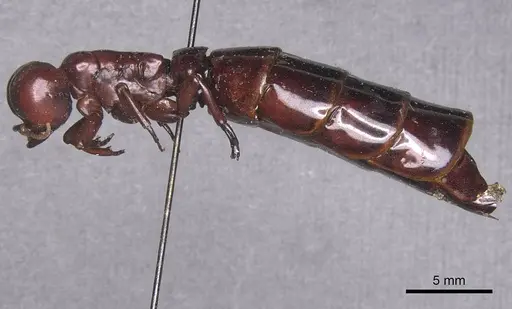
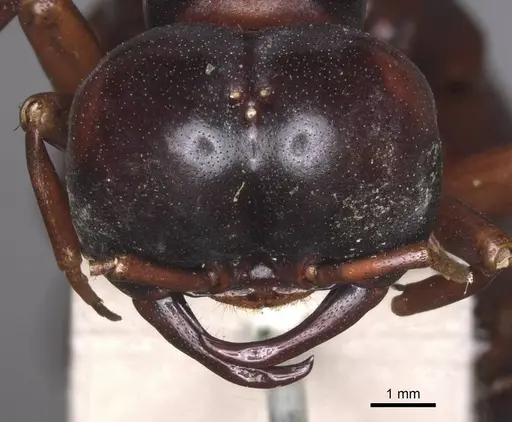
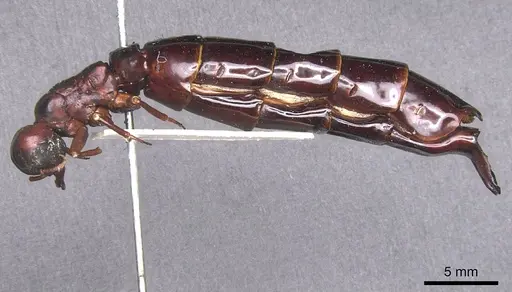
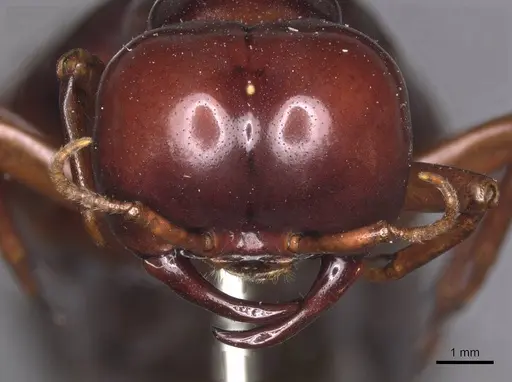
Dorylus nigricans is a large, aggressive army ant species native to sub-Saharan Africa. Workers are highly polymorphic, ranging from 4.5-5mm in smaller forms to 10.5-11mm in the largest soldiers [1]. The species has 11-segmented antennae, dark coloration, and powerful sickle-shaped mandibles in larger workers [1]. This species belongs to the Dorylus nigricans species group and was formerly classified under the subgenus Anomma, commonly known as driver ants [2][3].
What makes Dorylus nigricans unique is its swarm-raiding lifestyle. Unlike many ants that establish permanent territories, these army ants are nomadic predators that march in columns, build covered passages underground, and form living bridges and balls when flooded [1]. They are epigaeic (ground-active) and known for aggressive raids on other ant colonies and termite nests [4][5].
Quick Summary
- Difficulty: Expert
- Origin & Habitat: Sub-Saharan Africa, including Benin, Democratic Republic of Congo, Gambia, Guinea-Bissau, Ivory Coast, Liberia, Nigeria, Sierra Leone, Tanzania, Rwanda, and surrounding nations [AntWiki]. Found in tropical forests and savanna habitats, typically ground-nesting in natural cavities [1].
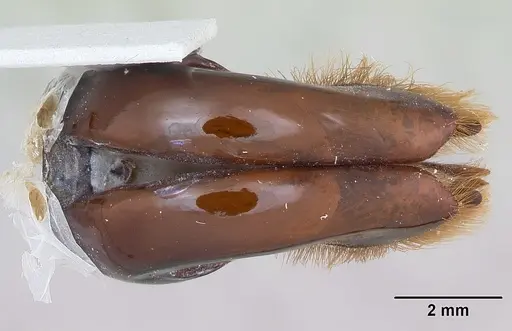
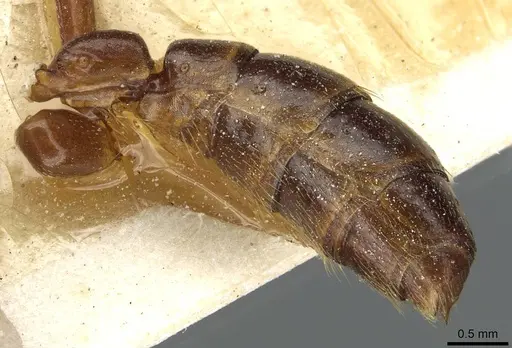
- Colony Type: Colony structure is monogyne (single queen) with colonies capable of reaching very large sizes. Queens are dichthadiiform (wingless, physogastric) with a thorax volume 37 times that of workers [6].
- Size & Growth:
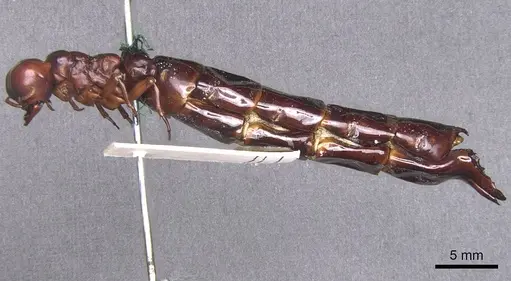
- Queen:{.size-link} Queens are dichthadiiform with extremely enlarged abdomens, physogastric condition allows extreme ovarian development [6]. Exact measurements not specified in available literature.
- Worker:{.size-link} Highly polymorphic: larger workers 10.5-11mm, smaller workers 4.5-5mm [1].
- Colony: Colonies can reach very large sizes, related Dorylus species have been documented with up to 9 million adult individuals [7].
- Growth: Fast, army ant colonies grow rapidly due to high reproductive output of the physogastric queen.
- Development: Development timeline is unconfirmed for this species. (Development is temperature-dependent, optimal development occurs in warm tropical conditions.)
- Antkeeping:
- Temperature: Keep at 24-28°C (tropical room temperature). Army ants are adapted to warm, humid forest conditions.
- Humidity: High humidity (70-80%) is essential. These ants inhabit damp forest floors and build covered tunnels in moist soil [8]. Keep substrate consistently moist but not waterlogged.
- Diapause: No, as a tropical species, Dorylus nigricans does not require hibernation. Colony activity continues year-round in captivity.
- Nesting: This is the critical challenge: army ants are nomadic. They do not establish permanent nests but move every few weeks. In captivity, provide a large foraging area with multiple temporary shelter options. Traditional formicariums are NOT suitable. A naturalistic setup with a deep soil layer (10+ cm), multiple hiding structures, and a large outworld is required. The colony must be able to relocate freely.
- Behavior: Dorylus nigricans is aggressive and predatory. Workers raid in columns, attacking other ant colonies and termite nests [4][5]. Larger soldiers have powerful sickle-shaped mandibles used for defense and attacking prey [1]. They are epigaeic (ground-active) and build extensive tunnel systems. They do not forage on vegetation but remain ground-focused [9]. Escape prevention is critical, they will readily exit any enclosure and can form temporary bivouacs in unexpected locations. The sheer colony size and nomadic nature make them challenging even for experienced antkeepers.
- Common Issues: nomadic behavior makes permanent housing impossible, colonies must be allowed to relocate regularly or they will stress and decline, colony size can become unmanageable in captivity, millions of workers require enormous space and food, aggressive predation means they will attack and consume any arthropods in their path, cannot be housed with other ant species, stress from confinement can cause colony abandonment or queen mortality, finding adequate food for a colony of this size is challenging, requires constant prey availability
Housing and Colony Management
Housing Dorylus nigricans is fundamentally different from keeping typical ants. These are nomadic army ants that do not establish permanent nests, they move their entire colony every few weeks in the wild. In captivity, you must replicate this by providing a large, open foraging area with multiple potential bivouac sites. A naturalistic setup with deep, moist soil (at least 10cm) works best, with various hiding structures like logs, stones, and cork bark pieces that the ants can use as temporary shelters. The key is allowing the colony to relocate without interference. Traditional formicariums with fixed chambers are NOT suitable, the ants will become stressed and may abandon the queen. Expect to provide increasingly larger spaces as the colony grows. Many experienced antkeepers ultimately release large army ant colonies because they become impractical to house. [1][7][9]
Feeding and Diet
Dorylus nigricans is an obligate predator. In the wild, they raid colonies of other ants (particularly Cremastogaster species) and termite nests, with documented captures of 100,000 Macrotermes termites in a single raid [5][4]. In captivity, you must provide constant prey, this means daily feedings of live insects. Suitable prey includes crickets, mealworms, roaches, and other arthropods. The colony will consume enormous quantities. They do not collect honeydew or tend aphids, sugar sources are not part of their natural diet. Some protein sources like raw meat may be accepted, but live prey is preferred. The sheer volume of food needed is one reason army ant keeping is considered expert-level.
Temperature and Humidity
As a tropical species, Dorylus nigricans requires warm, humid conditions. Keep temperatures in the range of 24-28°C. This can typically be achieved with standard room temperature in heated homes, but a heating cable on one side of the enclosure can provide a gradient if needed. Humidity should be high (70-80%), these ants naturally inhabit damp forest floors and build covered tunnels in moist soil [8]. The substrate should remain consistently moist but never waterlogged. Mist the enclosure regularly and ensure good ventilation to prevent mold while maintaining humidity. Unlike temperate species, no hibernation or cooling period is needed or recommended.
Behavior and Foraging
The defining behavior of Dorylus nigricans is swarm raiding. Columns of workers emerge from the nest or bivouac to attack nearby insect colonies. Larger soldiers with their powerful mandibles lead the raid, while smaller workers carry captured brood and prey back to the colony [1]. They build covered passages underground, emerging only at raid fronts. When flooded, they form living balls or bridges to survive [1]. In captivity, you will observe this dramatic raiding behavior when prey is introduced, a swarm of workers will rapidly emerge, overwhelm the prey, and carry pieces back to the colony. The colony operates as a coordinated unit with different worker castes performing specific roles. Their activity levels are highest during warm, humid conditions and increase during rainy seasons in the wild [10].
Ecological Role and Predators
In the wild, Dorylus nigricans plays a crucial ecological role as a top predator in African ecosystems. They are significant predators of termites and other ants, influencing community structure [11]. However, they themselves face predation pressure. Various birds follow army ant raids to capture fleeing insects [12]. Amphibians including toads (Bufo regularis, Bufo funereus, Bufo superciliaris) and frogs (Rana occipitalis, Kassina senegalensis) consume workers in the Congo [12]. Most remarkably, West African chimpanzees actively hunt these ants, with documented yields of 2,000-9,000 ants per hunting session [13]. This predator-prey relationship has been extensively studied in Taï National Park, Ivory Coast, and Bossou, Guinea.
Frequently Asked Questions
Can I keep Dorylus nigricans in a test tube?
No. Test tubes are completely unsuitable for Dorylus nigricans. This is an army ant species with colonies that can reach millions of individuals. They are nomadic and do not stay in fixed nests. You would need a large naturalistic setup with deep, moist soil and ample foraging space. Even a small colony requires significantly more space than a test tube provides.
When should I move Dorylus nigricans to a formicarium?
Never use a traditional formicarium. Army ants are nomadic and need to relocate regularly. A naturalistic terrarium-style enclosure with deep soil (10+ cm), multiple hiding structures, and a large outworld is the only appropriate setup. The ants must be able to form bivouacs and move freely within the enclosure.
How long until first workers in Dorylus nigricans?
Development timeline is unconfirmed for this species. Army ant queens are extremely prolific once established, producing eggs in rapid succession. Expect several weeks to months for first workers under optimal conditions.
How fast do Dorylus nigricans colonies grow?
Very fast. Army ant colonies grow exponentially due to the extremely high reproductive output of physogastric queens. A colony can grow from a few hundred workers to hundreds of thousands within the first year under optimal conditions. Growth is limited only by food availability.
Can I keep multiple queens together?
No. Dorylus nigricans is monogyne, colonies have a single queen. Multiple unrelated queens will fight. Even if you could successfully introduce multiple queens, the colony structure would not support multiple egg-layers as seen in some polygyne species.
How big do Dorylus nigricans colonies get?
Colonies can reach extraordinary sizes, up to 9 million workers in related Dorylus species [7]. A mature Dorylus nigricans colony would be one of the largest ant colonies possible. This is one reason they are considered expert-level only, most antkeepers cannot provide adequate space and food for such colonies.
Are Dorylus nigricans dangerous?
They are not dangerous to humans in the typical sense, they do not sting or have potent venom. However, their bites can be painful and they are aggressive defenders of their colony. The main danger is to other arthropods, they will raid and destroy any ant or termite colony in their path. For antkeepers, the main challenge is the practical difficulty of maintaining such a large, nomadic, predatory colony.
How often should I feed Dorylus nigricans?
Daily feeding is required. Army ant colonies have enormous food demands. A growing colony needs prey available constantly. A mature colony may require hundreds of prey items per week. Feed live insects (crickets, mealworms, roaches) and remove uneaten prey after 24 hours to prevent mold.
What do Dorylus nigricans eat?
They are obligate predators that eat other insects. Their natural diet consists of other ants (especially Cremastogaster), termites, and various small invertebrates [5][4]. In captivity, feed live crickets, mealworms, roaches, and other appropriately-sized insects. They do not collect honeydew or accept sugar water.
Are Dorylus nigricans good for beginners?
No. Dorylus nigricans is an expert-only species. The challenges are immense: they require enormous space, constant daily feeding of live prey, a nomadic setup that allows relocation, and management of a colony that can grow to millions of individuals. Most antkeepers should gain years of experience before attempting army ant keeping.
Do Dorylus nigricans need hibernation?
No. As a tropical African species, they do not require hibernation. Maintain warm temperatures (24-28°C) year-round. Cooling below 20°C can stress the colony and slow or stop brood development.
Why are my Dorylus nigricans dying?
Common causes include: stress from confinement (they need to relocate), insufficient food (they need constant prey), low humidity (they need moist substrate), or temperatures outside their tropical range. Army ants are sensitive to suboptimal conditions and will rapidly decline if their needs are not met. Also check for predators like mites that can plague stressed colonies.

This caresheet is licensed under CC BY-SA 4.0 .
CASENT0006798
View on AntWeb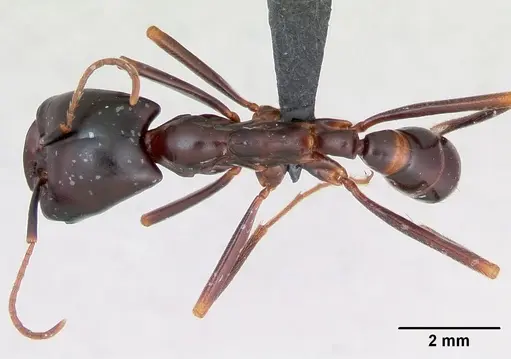
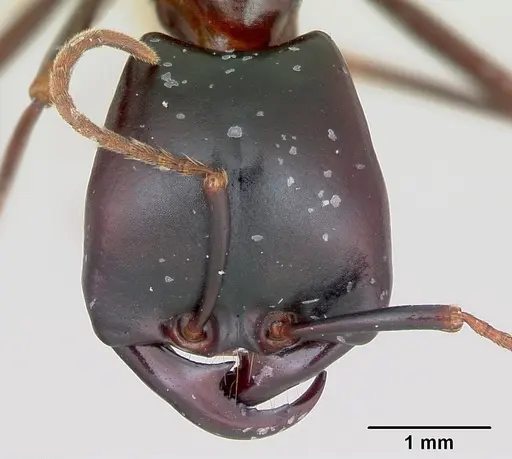
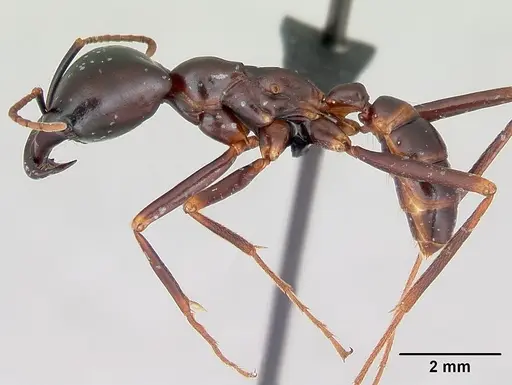
CASENT0094072
View on AntWeb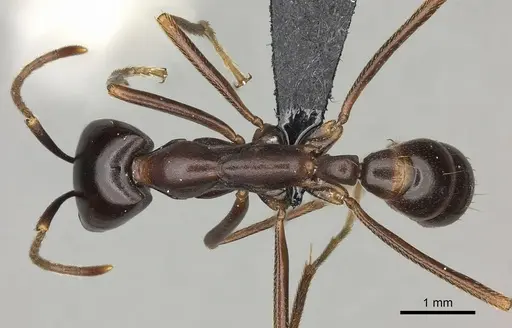
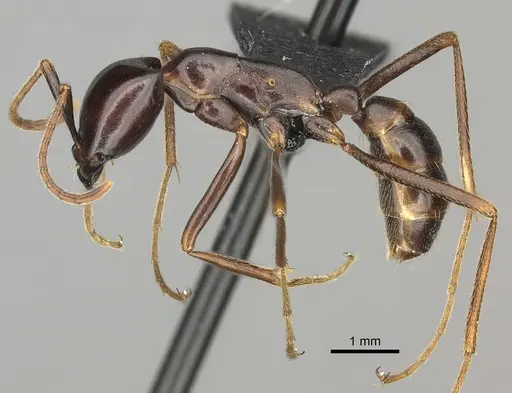
CASENT0094081
View on AntWeb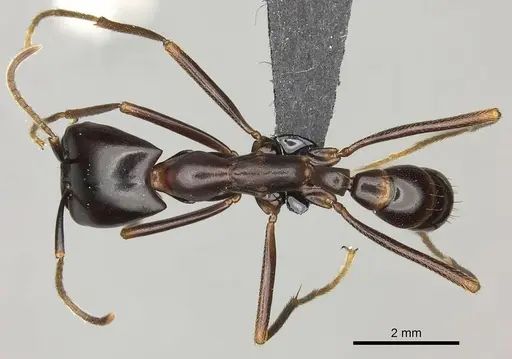
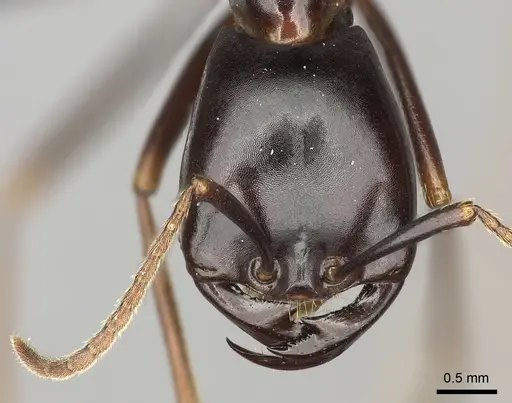
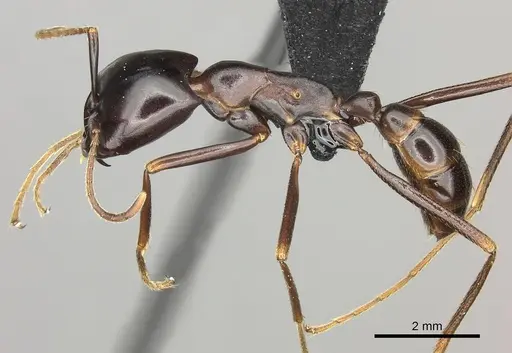
CASENT0094099
View on AntWeb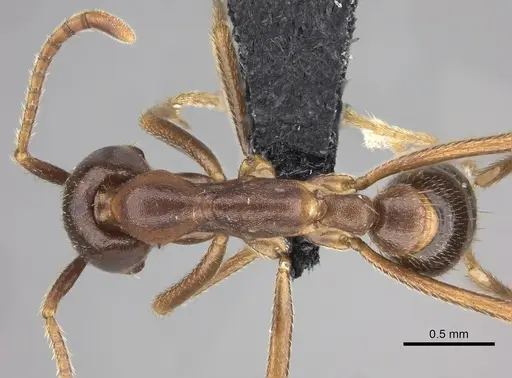
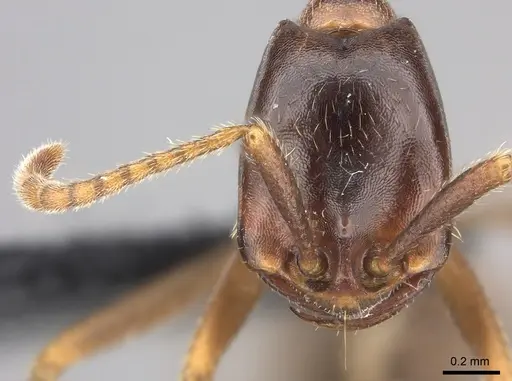
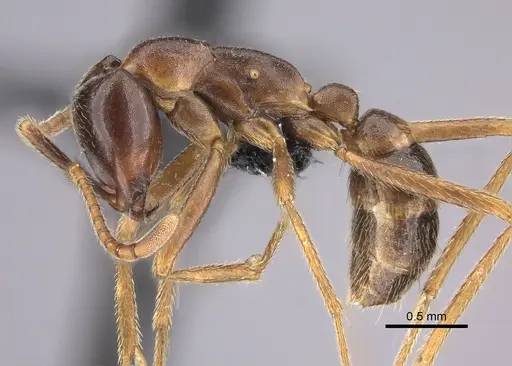
CASENT0094100
View on AntWeb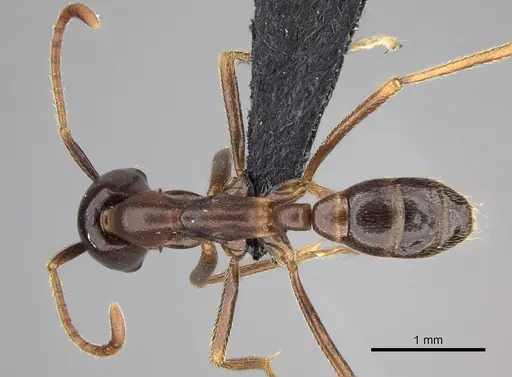
CASENT0094125
View on AntWeb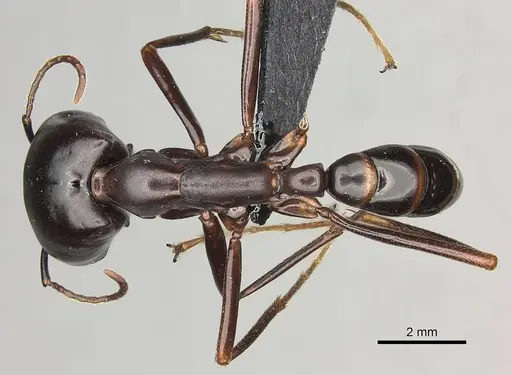
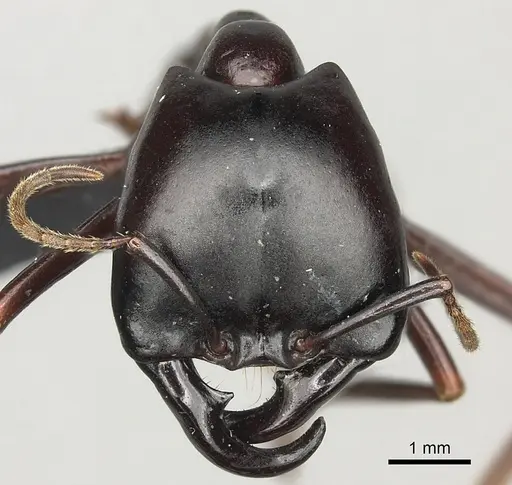
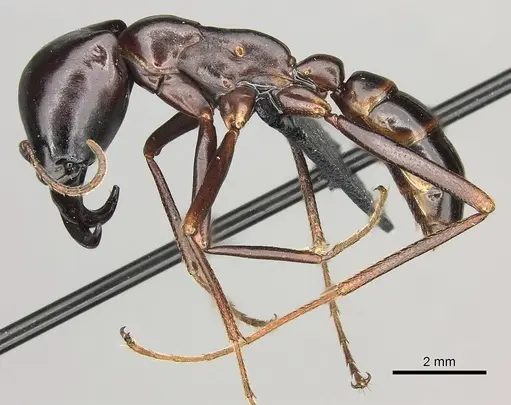
CASENT0172636
View on AntWeb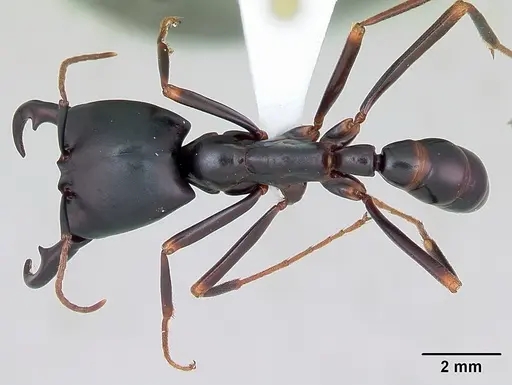
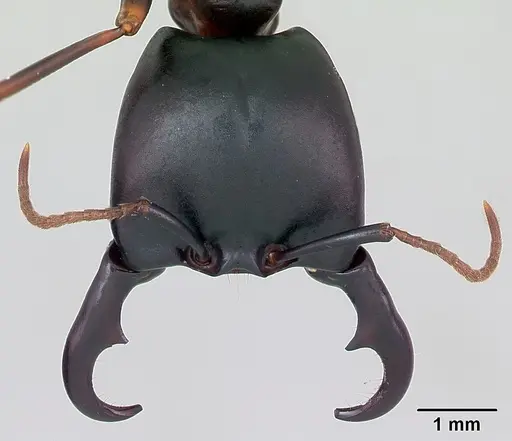
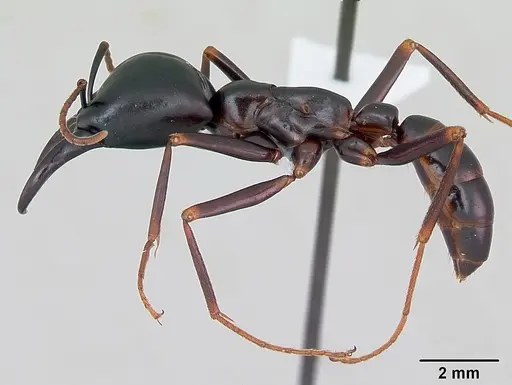
CASENT0172637
View on AntWeb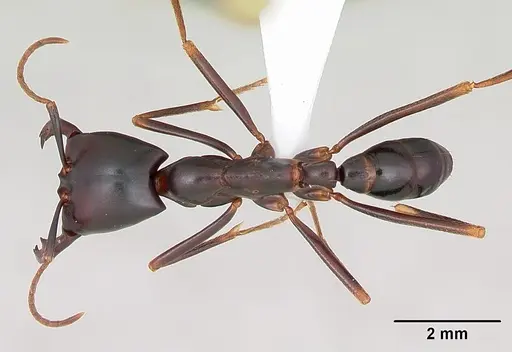
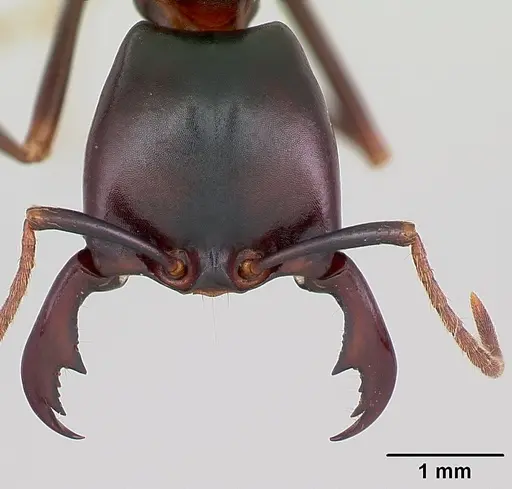
CASENT0172641
View on AntWeb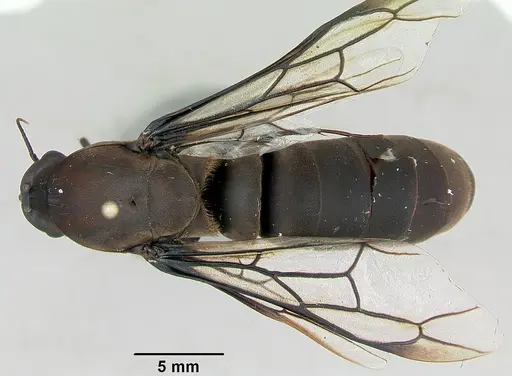
CASENT0172642
View on AntWeb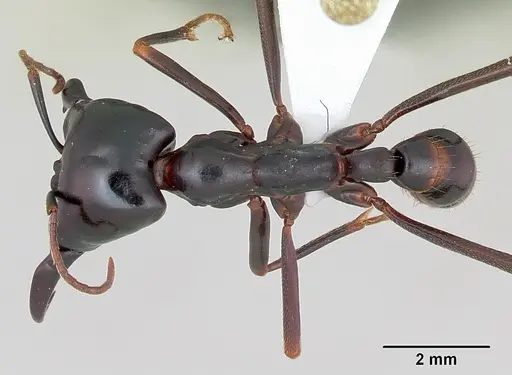
CASENT0172643
View on AntWeb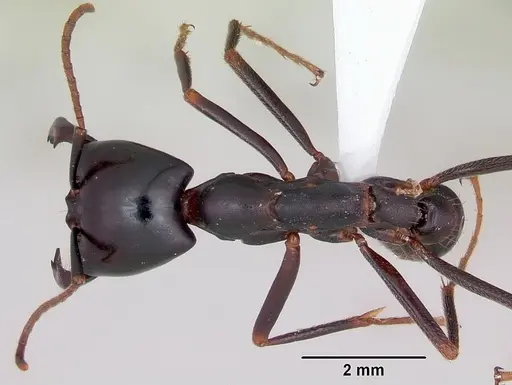
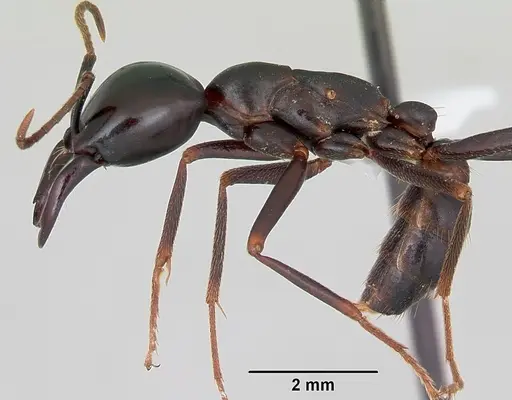
CASENT0172646
View on AntWeb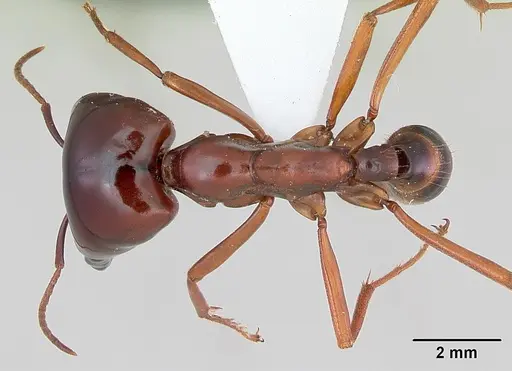
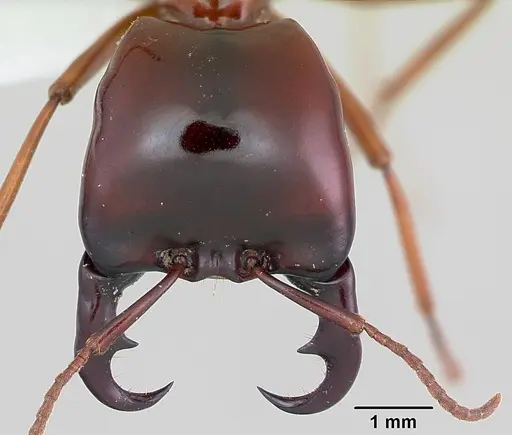
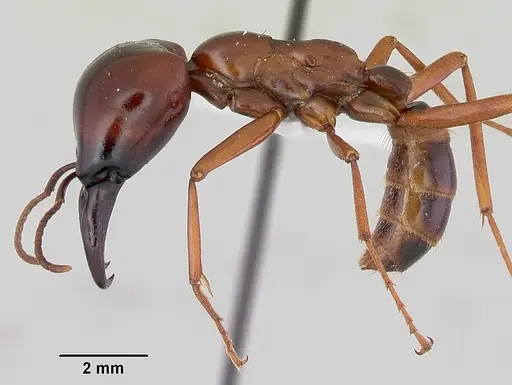
CASENT0172647
View on AntWeb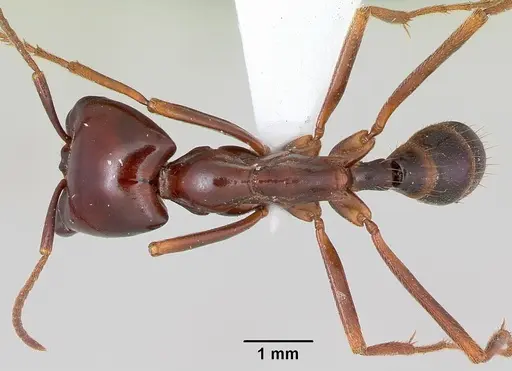
CASENT0172648
View on AntWeb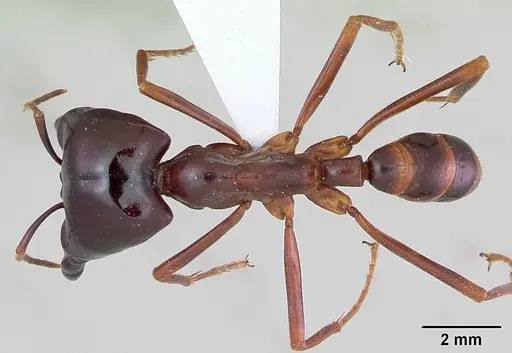
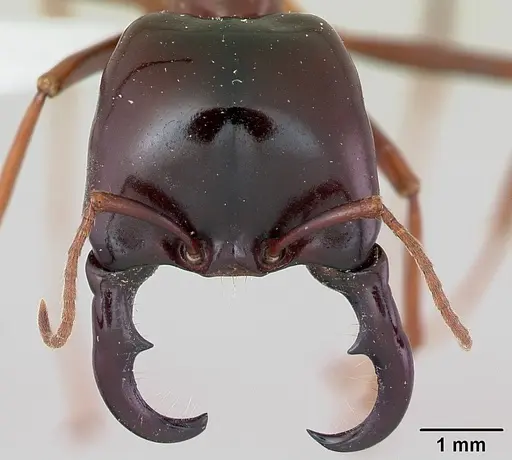
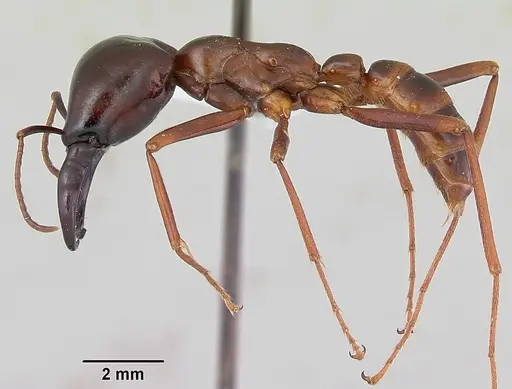
CASENT0172649
View on AntWeb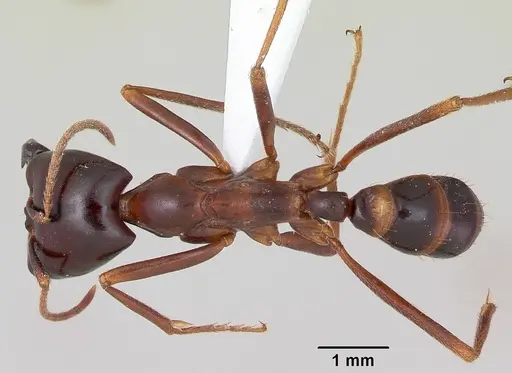
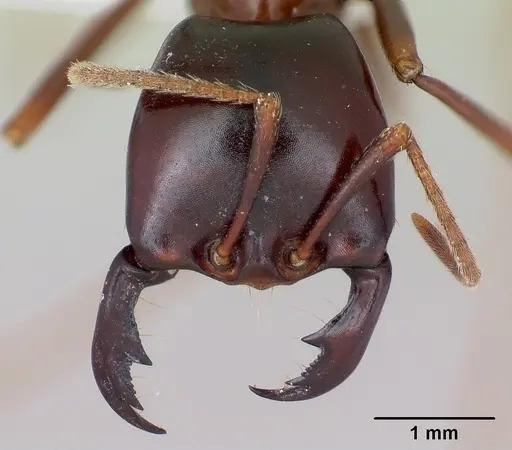
CASENT0172650
View on AntWeb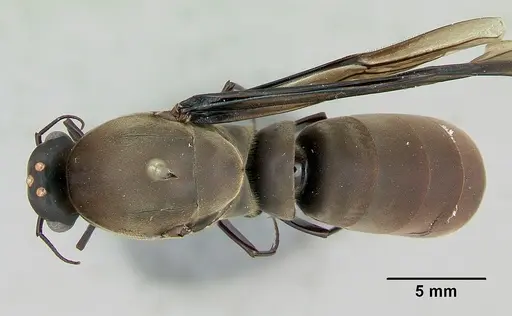
CASENT0172651
View on AntWeb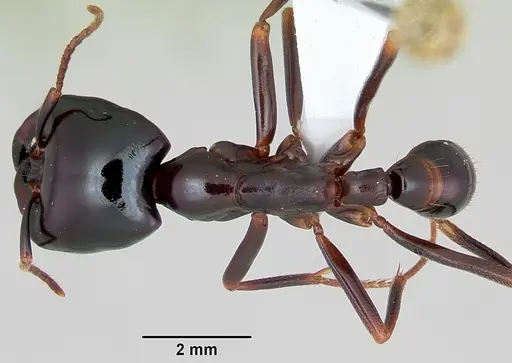
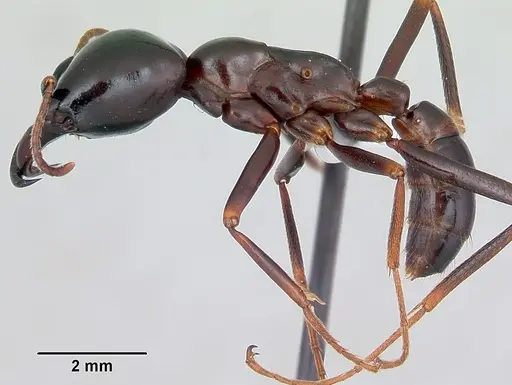
CASENT0172652
View on AntWeb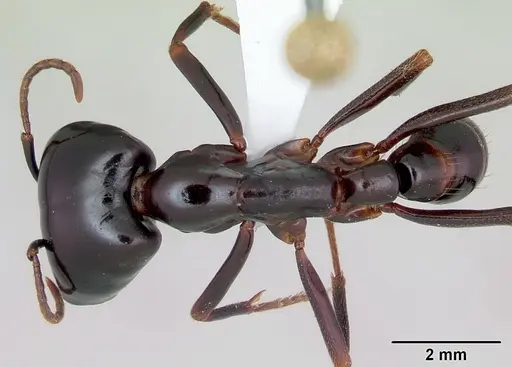
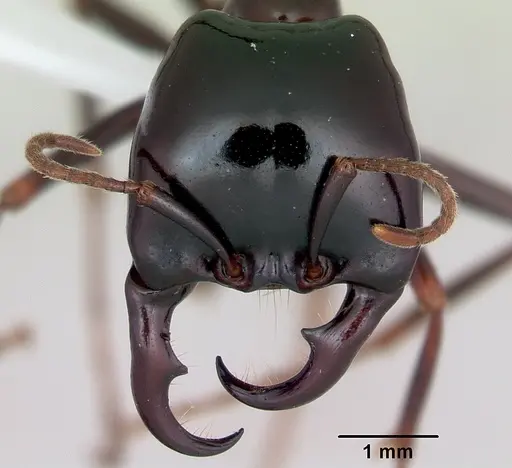
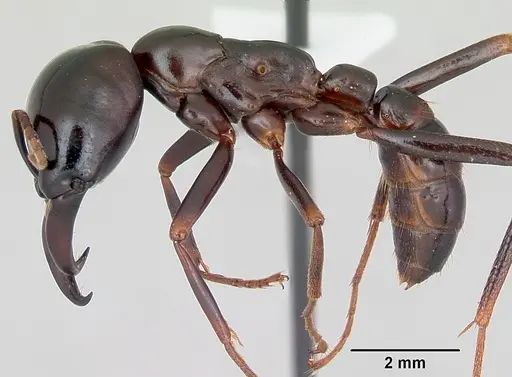
CASENT0172660
View on AntWeb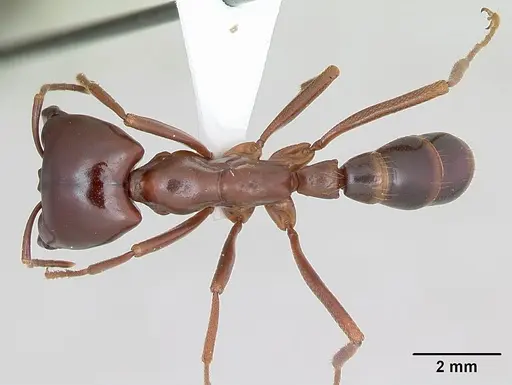
CASENT0172661
View on AntWeb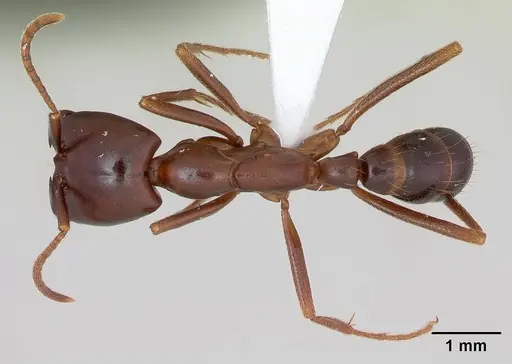
CASENT0172662
View on AntWeb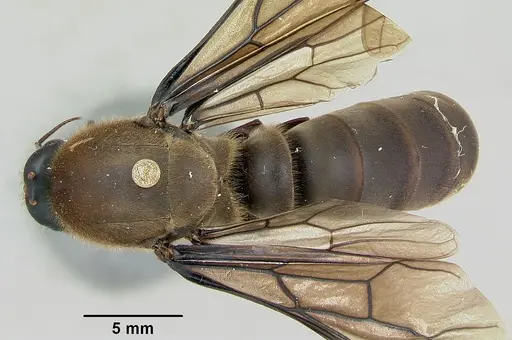
CASENT0172663
View on AntWeb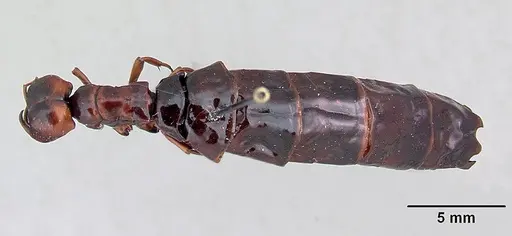
CASENT0172775
View on AntWeb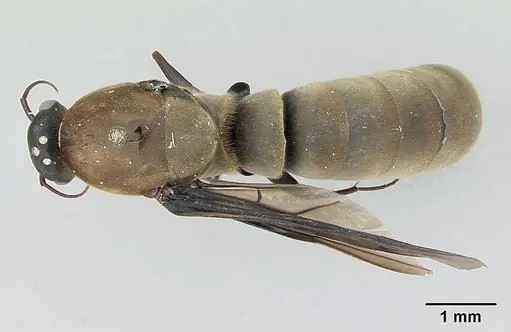
CASENT0217152
View on AntWeb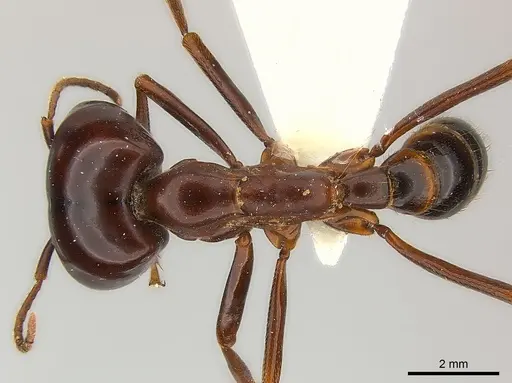
CASENT0217153
View on AntWeb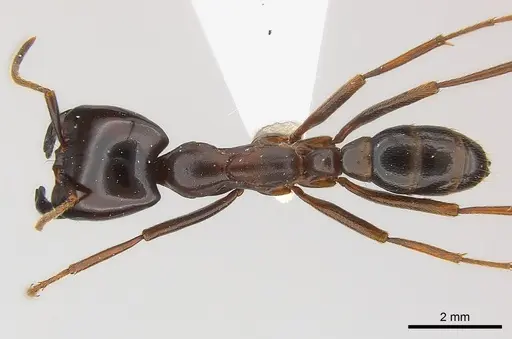
CASENT0217466
View on AntWeb
CASENT0217467
View on AntWeb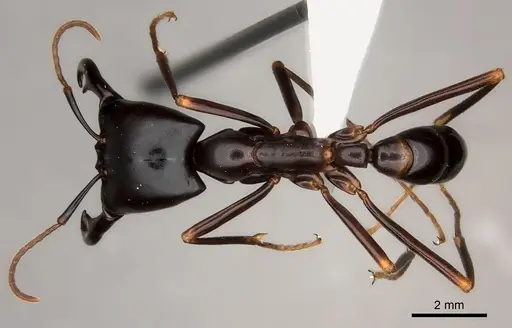
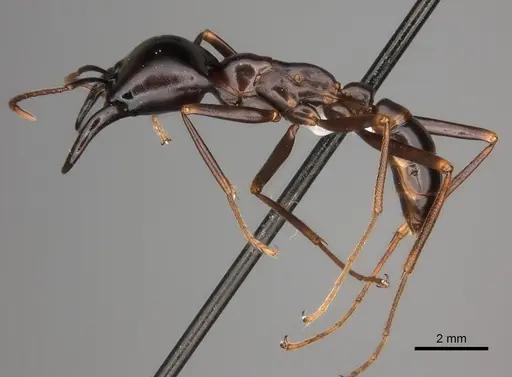
CASENT0235173
View on AntWeb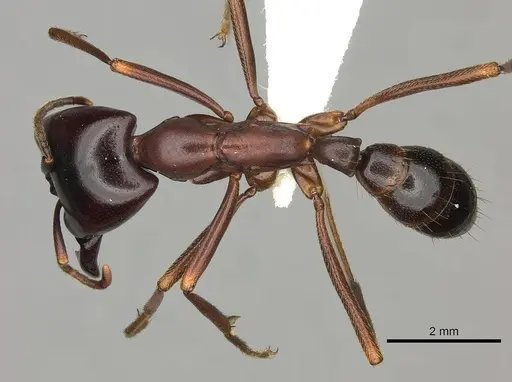
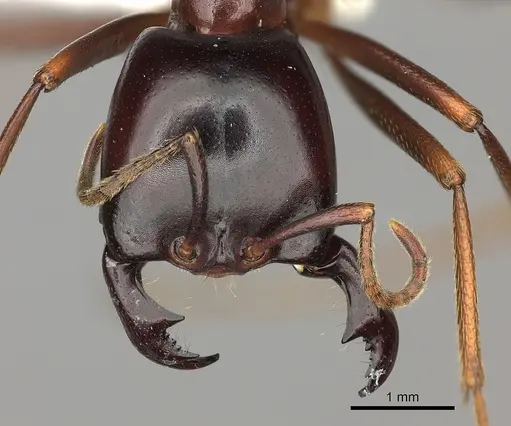
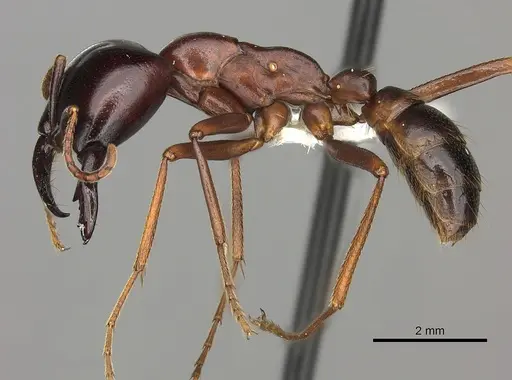
CASENT0235174
View on AntWeb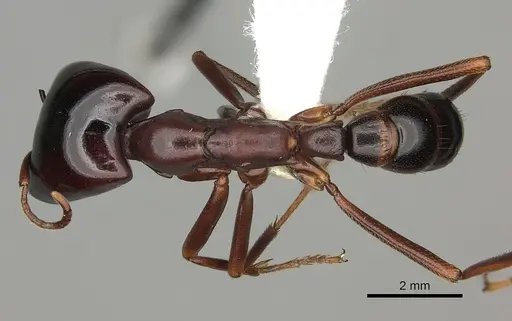
CASENT0235484
View on AntWeb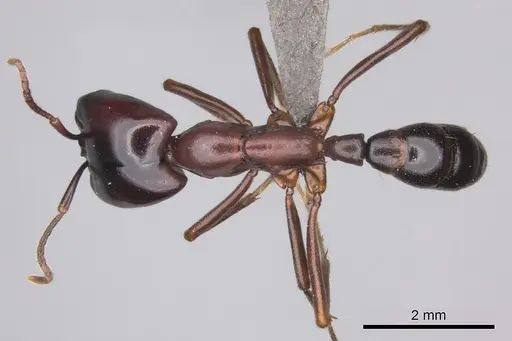
CASENT0235485
View on AntWeb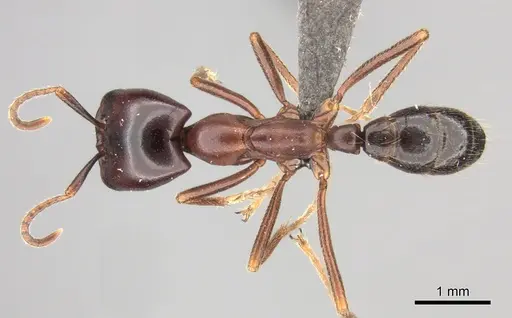
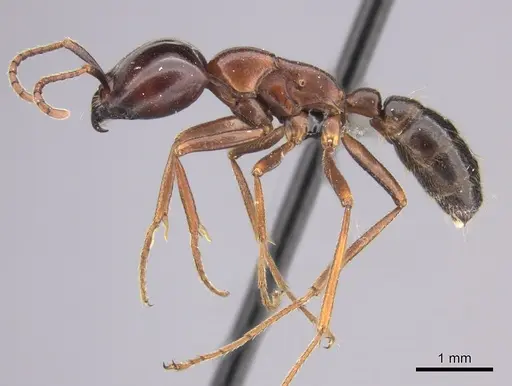
CASENT0235486
View on AntWeb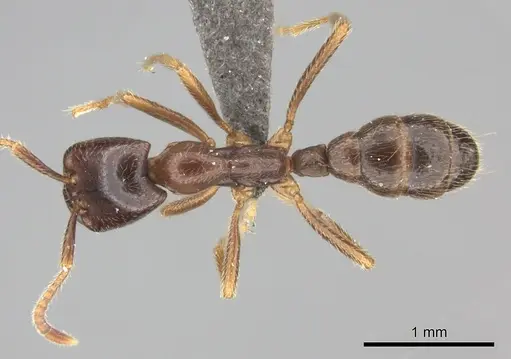
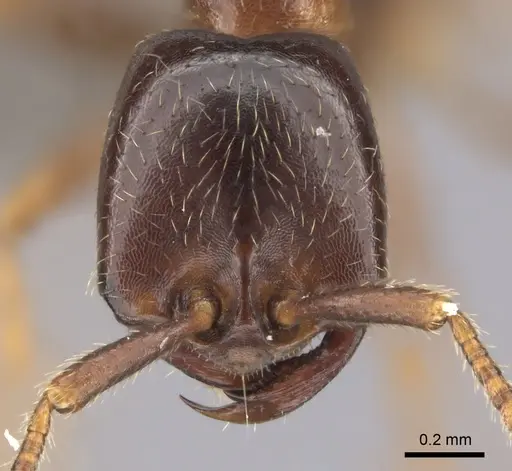
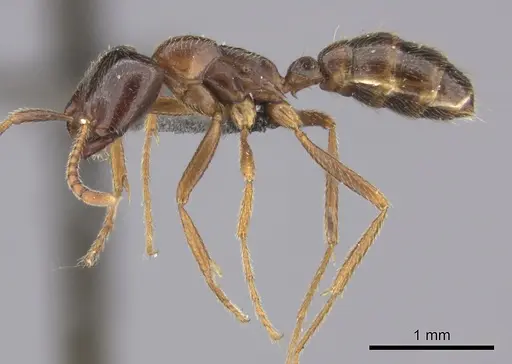
CASENT0235487
View on AntWeb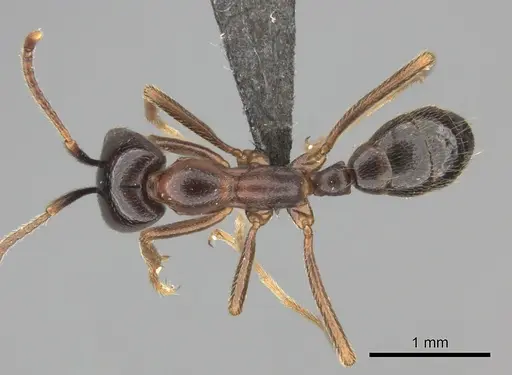
CASENT0249435
View on AntWeb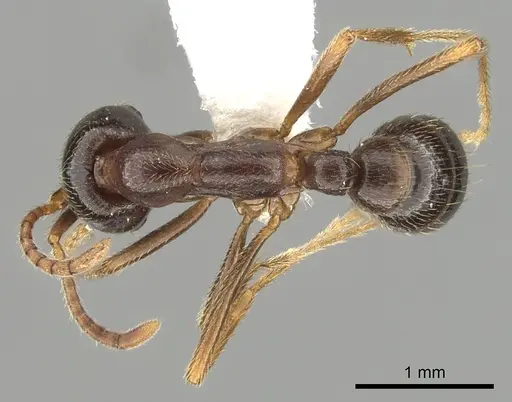
CASENT0249436
View on AntWeb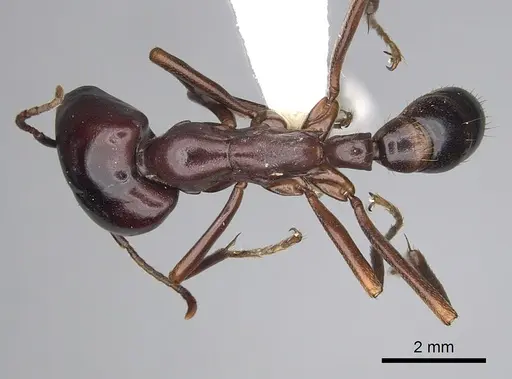
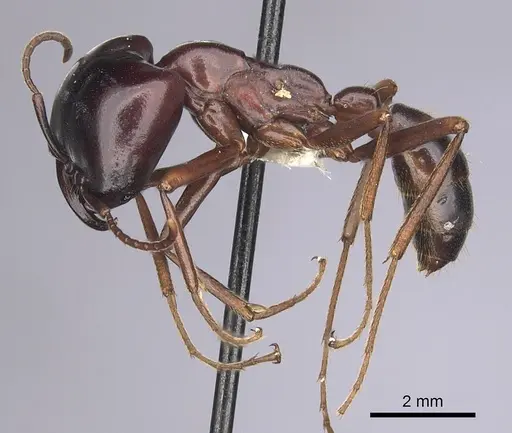
CASENT0249437
View on AntWeb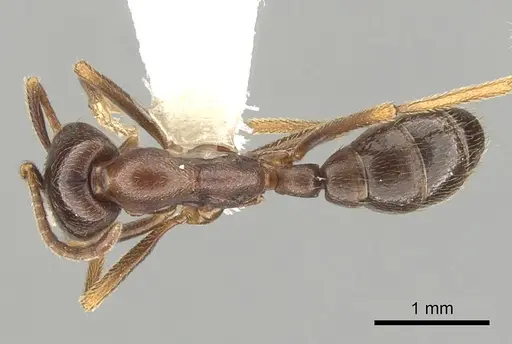
CASENT0249438
View on AntWeb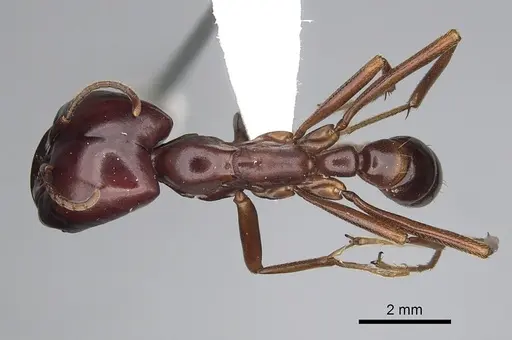
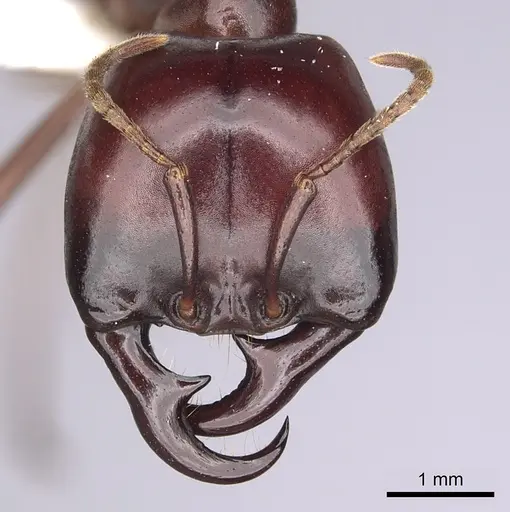
CASENT0249439
View on AntWeb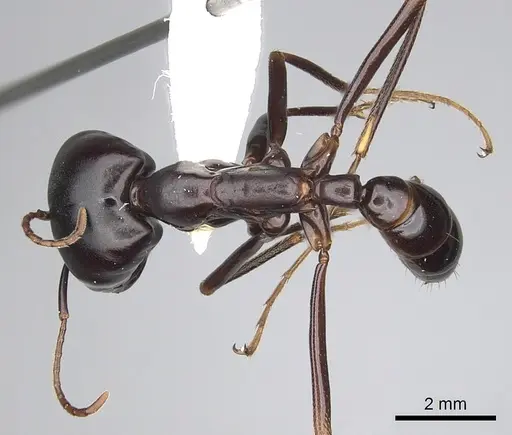
CASENT0249623
View on AntWeb
CASENT0901937
View on AntWeb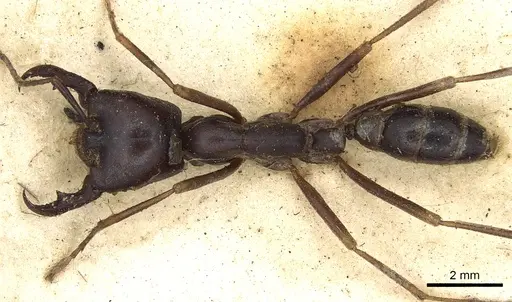
CASENT0901938
View on AntWeb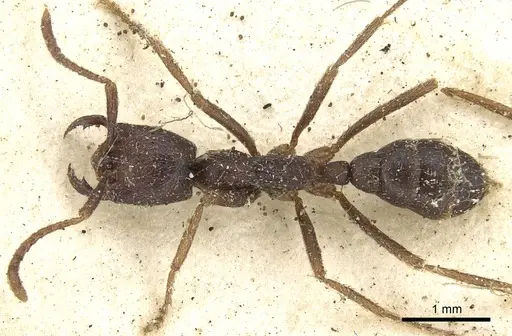
CASENT0901939
View on AntWeb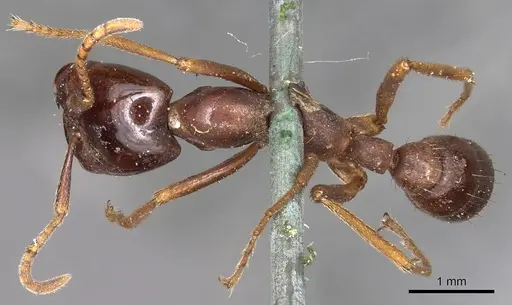
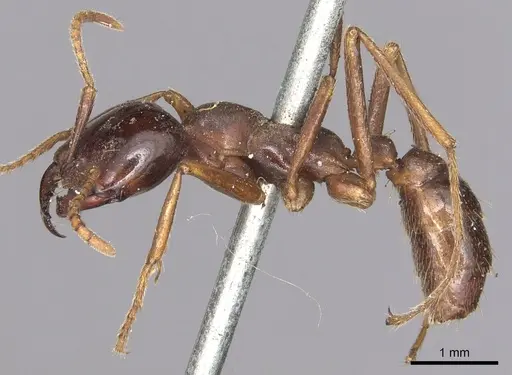
CASENT0904492
View on AntWeb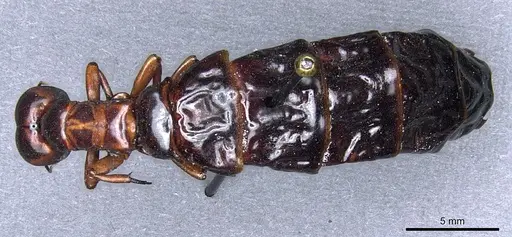
CASENT0905735
View on AntWeb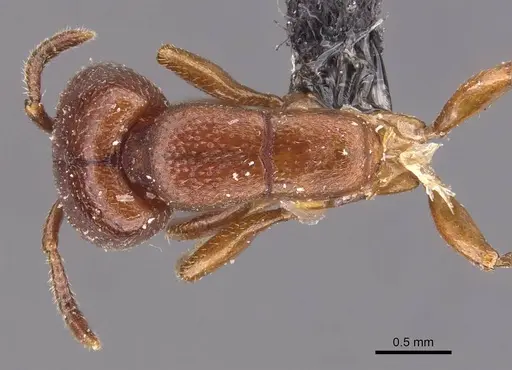
CASENT0911305
View on AntWeb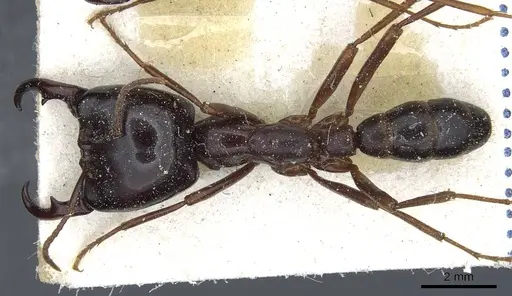
CASENT0911306
View on AntWeb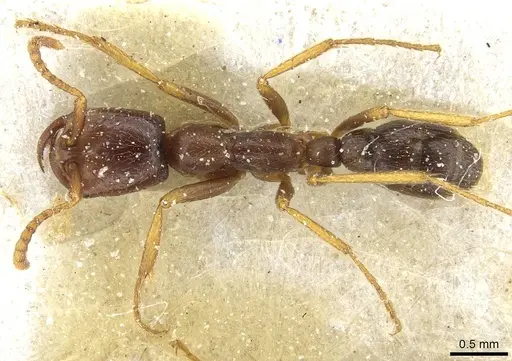
CASENT0911307
View on AntWeb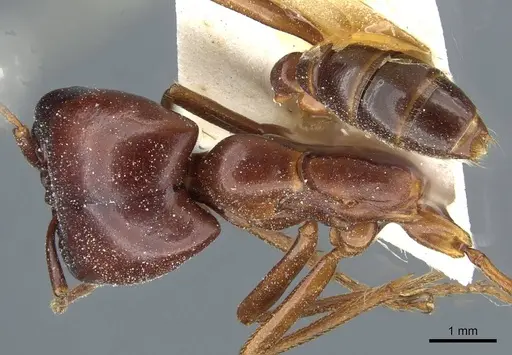
CASENT0911308
View on AntWeb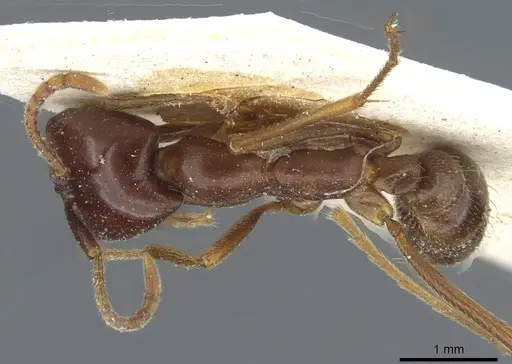
CASENT0911309
View on AntWeb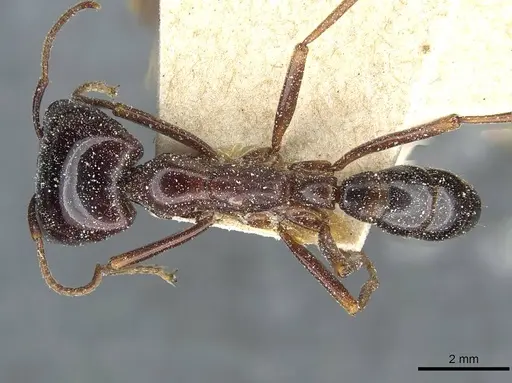
CASENT0911310
View on AntWeb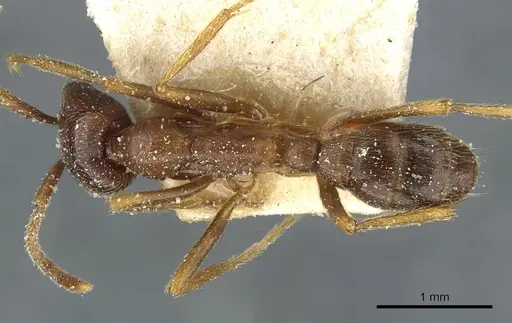
CASENT0911311
View on AntWeb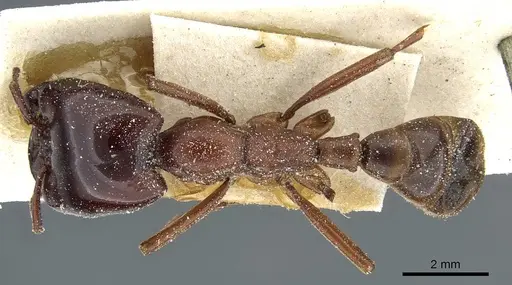
CASENT0911312
View on AntWeb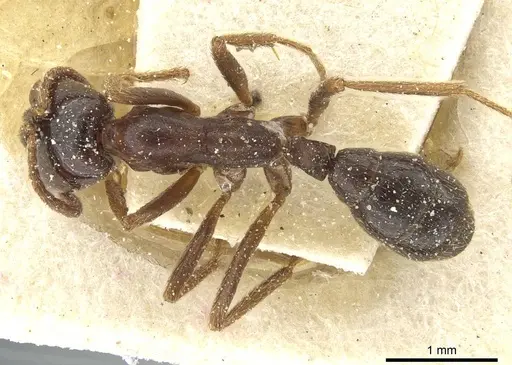
CASENT0911313
View on AntWeb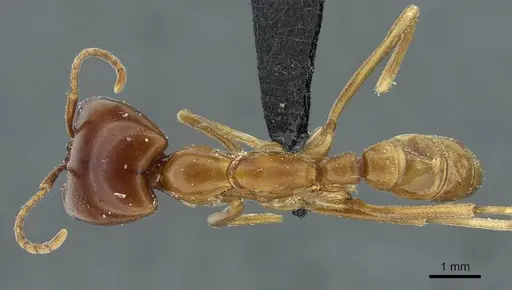
CASENT0911314
View on AntWeb
CASENT0911315
View on AntWeb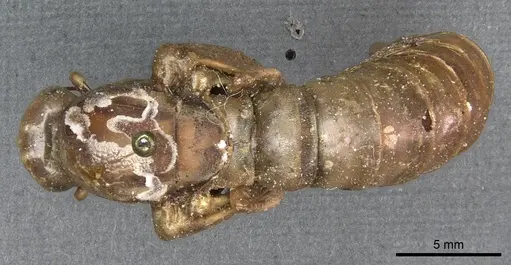
CASENT0911316
View on AntWeb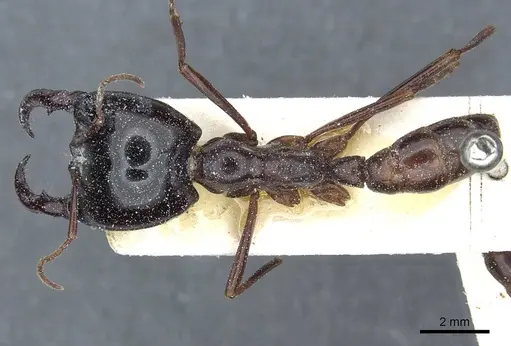
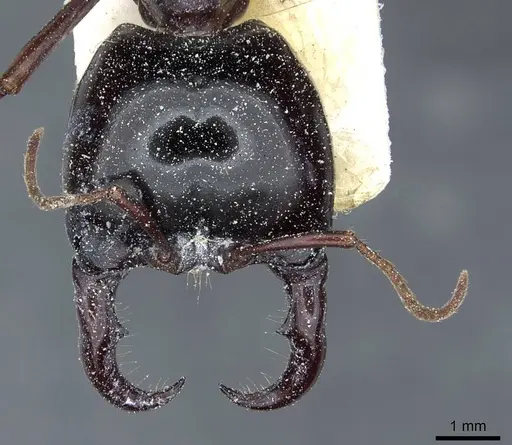
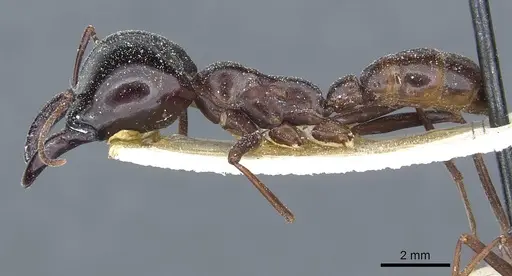
CASENT0911317
View on AntWeb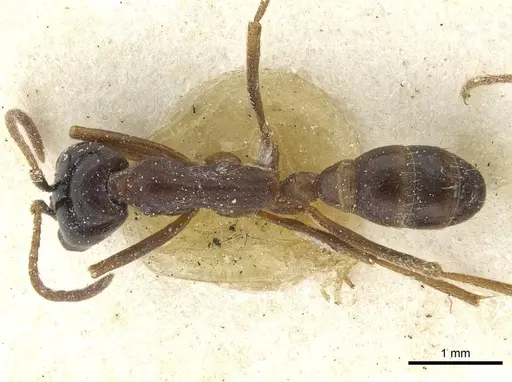
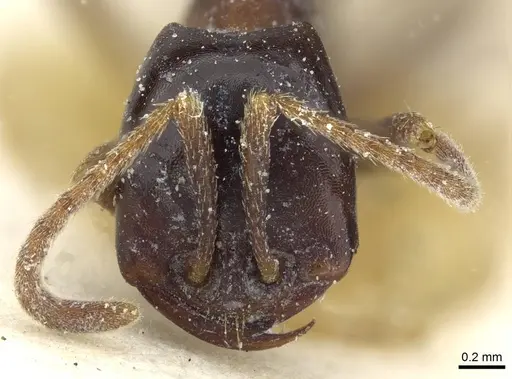
CASENT0915346
View on AntWeb
CASENT0915645
View on AntWeb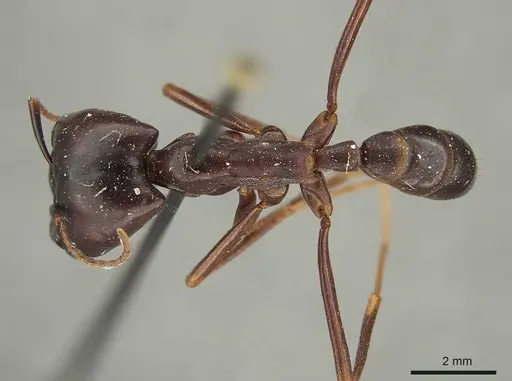
FMNHINS0000045259
View on AntWeb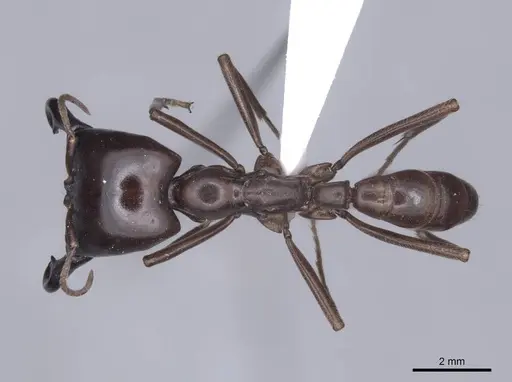
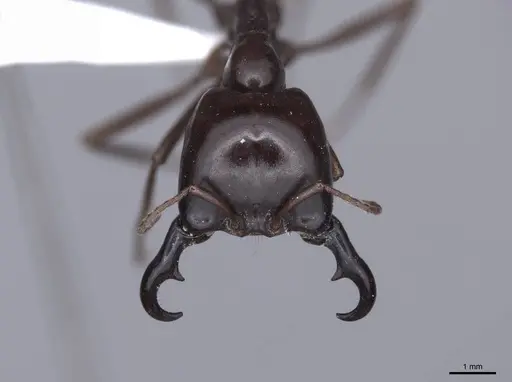
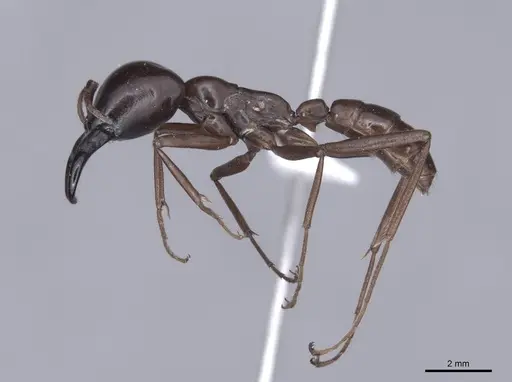
FOCOL1779
View on AntWeb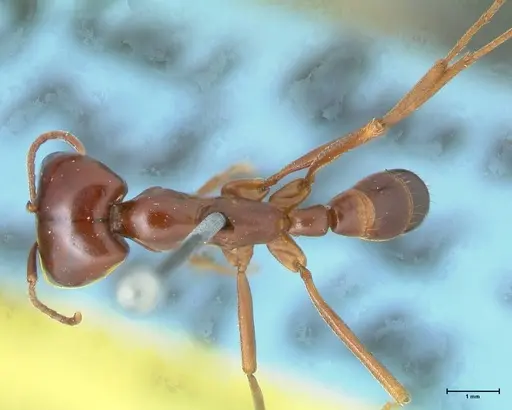
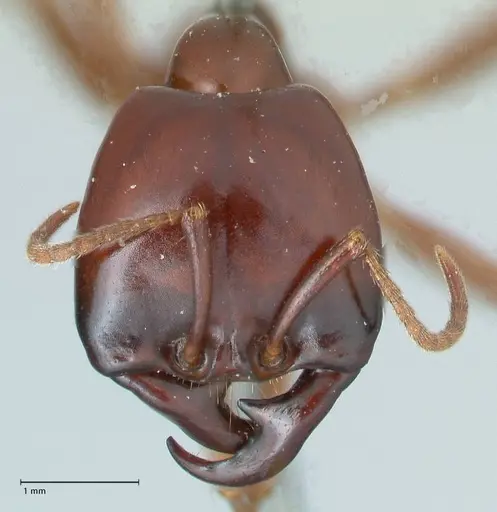
RMCAENT000017706
View on AntWeb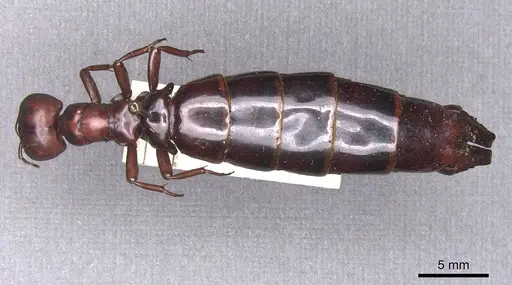
RMCAENT000017707
View on AntWeb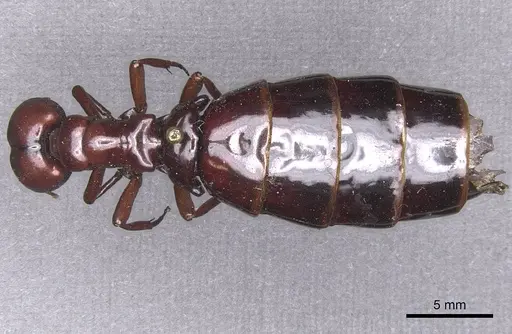
RMCAENT000017708
View on AntWeb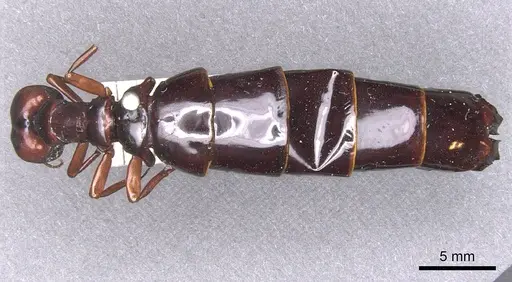
RMCAENT000017709
View on AntWeb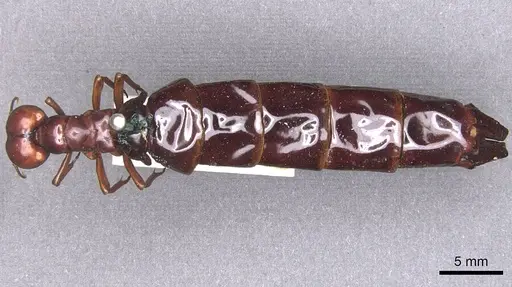
Literature
Loading...Loading products...