

Dorylus spininodis
- Scientific Name
- Dorylus spininodis
- Subfamily
- Dorylinae
- Author
- Emery, 1901
- Distribution
- Found in 5 countries
Dorylus spininodis Overview
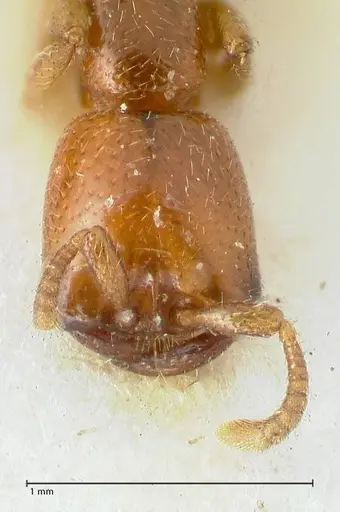
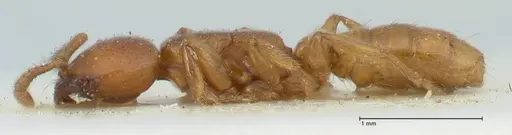
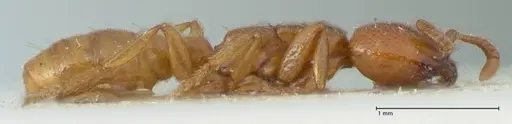
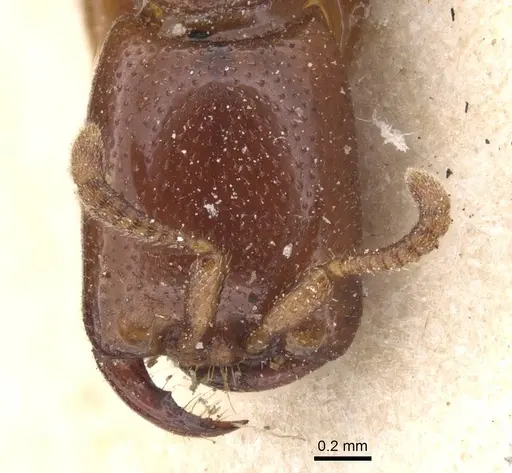
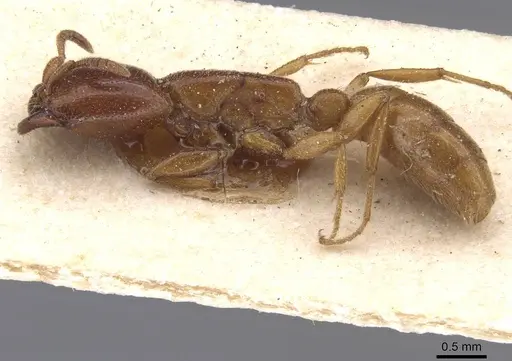
Dorylus spininodis is an ant species of the genus Dorylus. It is primarily documented in 5 countries , including Congo, Democratic Republic of the, Ghana. Detailed taxonomic data and occurrence records can be further explored via authoritative databases such as AntWeb or the Global Biodiversity Information Facility (GBIF).
Dorylus spininodis
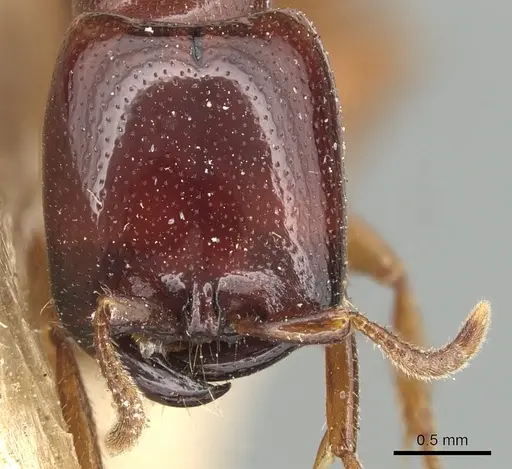
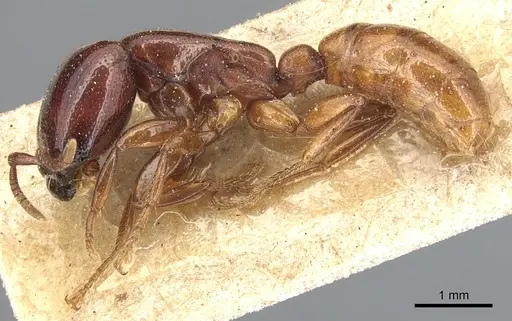
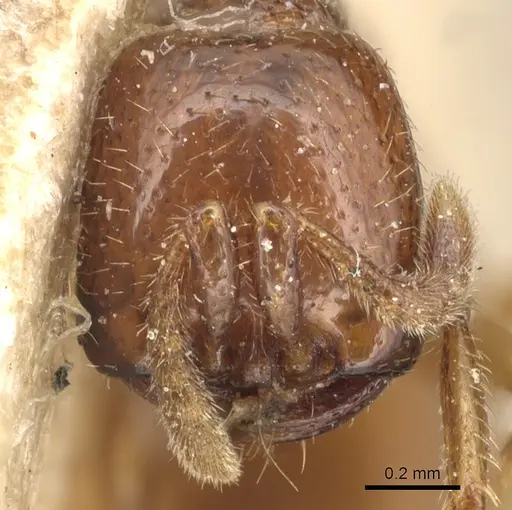
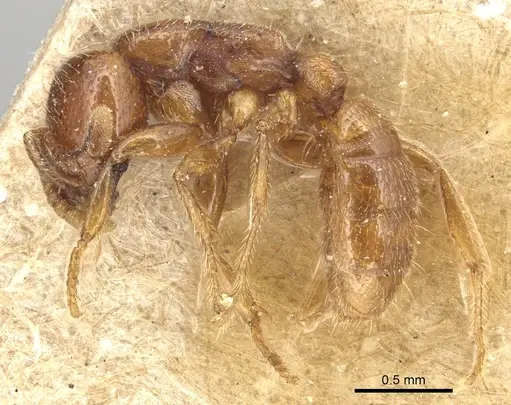
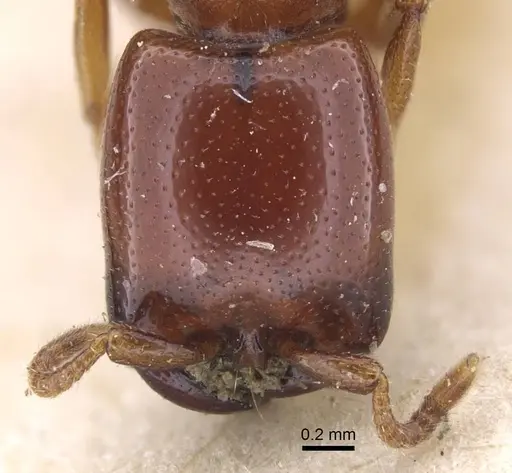
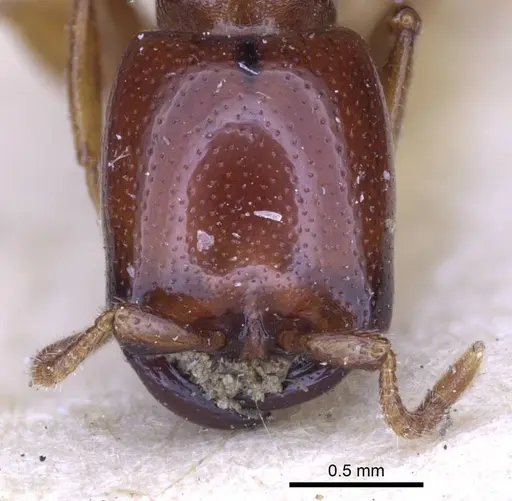
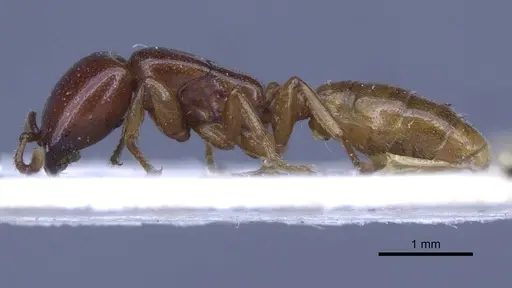
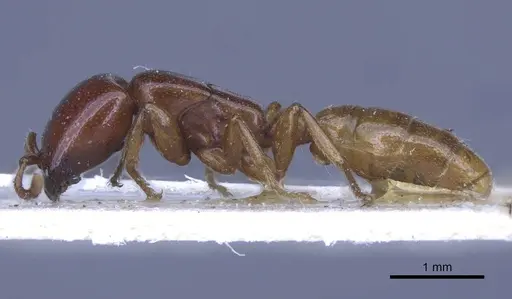
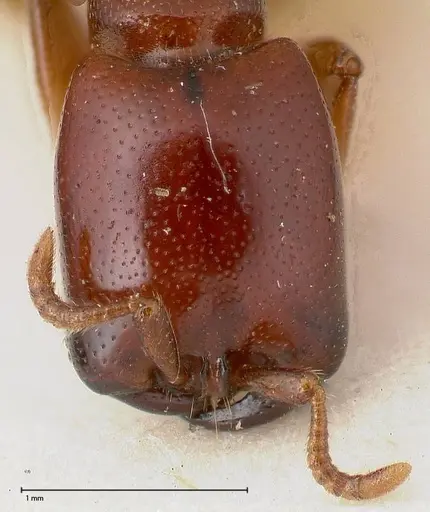
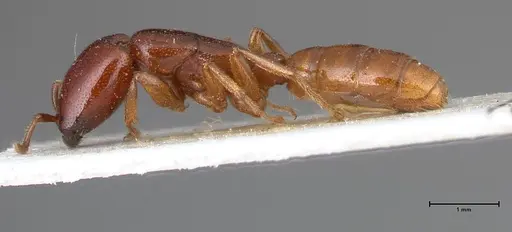
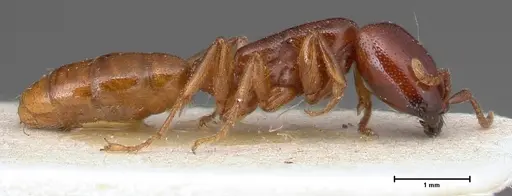
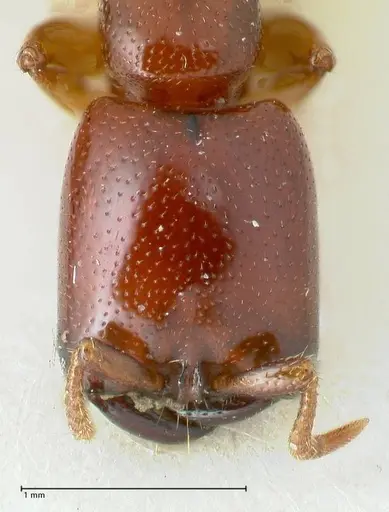
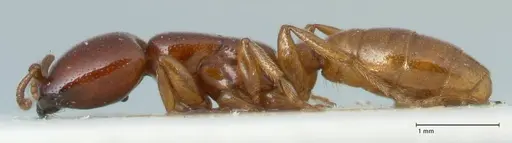
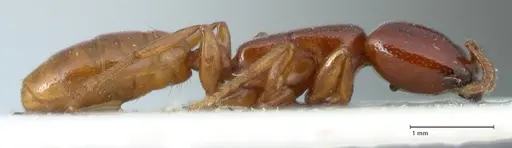
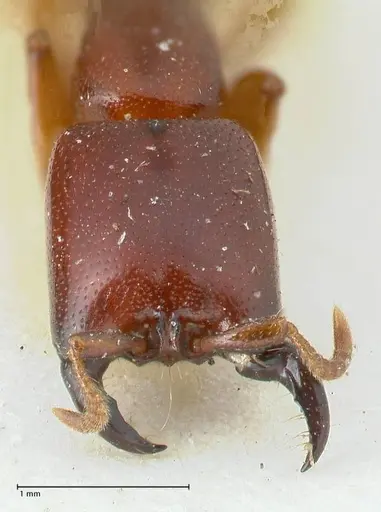
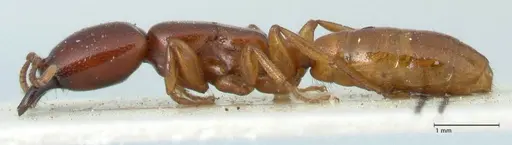
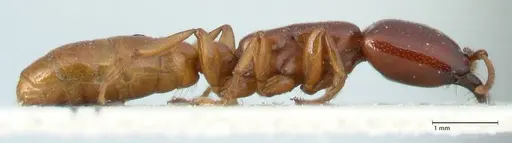
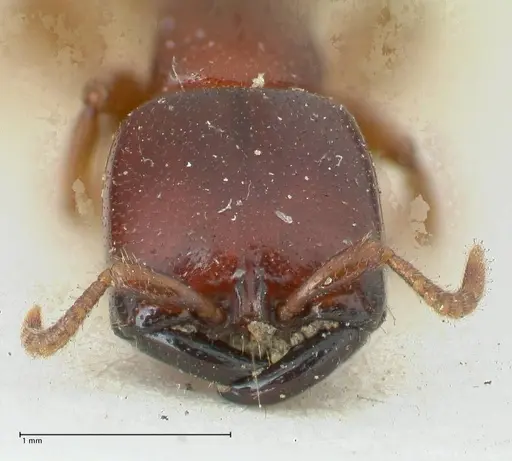
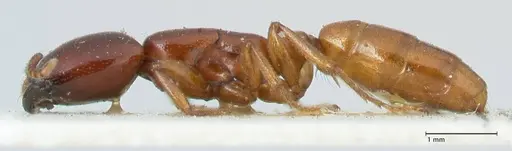
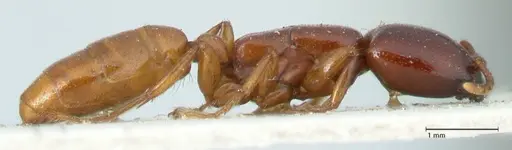
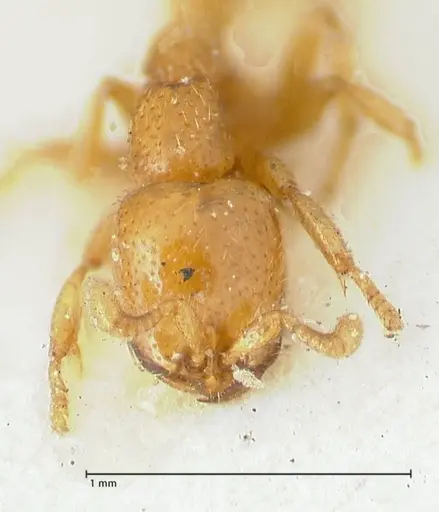
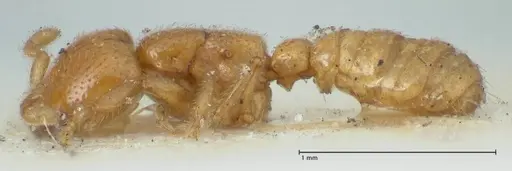
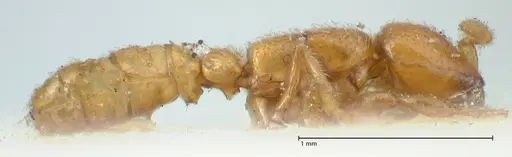
Dorylus spininodis is a species of army ant from the Dorylinae subfamily, found across the Afrotropical region including Cameroon, Guinea, Nigeria, and Rwanda [1][2]. Workers are small and reddish-brown to dark brown, typical of army ants in the Dorylus politus-group [3]. This species is part of a genus known for its distinctive raiding behavior, army ants form massive colonies that conduct coordinated raids to capture prey, making them one of the most visually spectacular ant groups in Africa [3]. Unlike most ants, army ants do not establish permanent nests. Instead, they create temporary bivouacs in sheltered locations and move their entire colony every few weeks as food sources are depleted [3].
Quick Summary
- Difficulty: Expert
- Origin & Habitat: Afrotropical region, Cameroon, Guinea, Nigeria, and Rwanda. This is a tropical species found in savanna and forest habitats across West and Central Africa [1][2][4].
- Colony Type: Colony structure is not well-documented for this specific species. Based on typical Dorylus patterns, colonies likely have a single queen (monogyne) but can reach massive sizes with hundreds of thousands of workers conducting coordinated raids [3].
- Colony: Monogyne
- Founding: Claustral
- Size & Growth:
- Queen: Estimated 15-25mm based on related Dorylus species.
- Worker: Estimated 3-12mm (polymorphic, major and minor workers) based on genus patterns.
- Colony: Likely reaches hundreds of thousands to over a million workers based on typical Dorylus colony sizes.
- Growth: Fast, army ant colonies grow rapidly when conditions are favorable.
- Development: Estimated 4-6 weeks based on related Dorylus species at optimal tropical temperatures. (Direct development data unavailable for this species. Army ant brood development is typically rapid to support their nomadic lifestyle.)
- Antkeeping:
- Temperature: Keep at 25-30°C. Army ants are strictly tropical and require constant warmth.
- Humidity: High humidity (70-90%) is essential. These ants come from humid tropical environments.
- Diapause: No, army ants are active year-round in tropical climates and do not enter hibernation.
- Nesting: Army ants do not use traditional nests. In captivity, they require a bivouac chamber (dark, humid space) connected to a foraging area. They will continuously move their bivouac location within the enclosure. Test tubes and formicaria are NOT suitable, they need space to form temporary bivouacs.
- Behavior: Extremely aggressive and predatory. Workers coordinate massive raids to overwhelm prey items including insects, spiders, and other arthropods [3]. They have functional stings and can deliver painful stings, handle with extreme caution. Escape risk is high due to their small size and active foraging behavior. They are nomadic by nature and will constantly relocate their bivouac within the enclosure.
- Common Issues: Massive colony size requirements make them impractical for most hobbyists, they need enormous space to exhibit natural raiding behavior, No established captive breeding protocols exist for Dorylus species, wild colonies are extremely difficult to establish in captivity, They require constant access to live prey to sustain their raiding lifestyle, feeding costs are substantial, Their nomadic behavior means they will destroy setups by constantly moving their bivouac, Escape prevention is critical, small workers can squeeze through standard barriers, Potent stings make them dangerous to handle without proper protection
Understanding Army Ant Biology
Dorylus spininodis belongs to the army ant genus Dorylus, one of the most distinctive and ecologically important ant groups in the world. Unlike most ant species that establish permanent nests, army ants are nomads. They create temporary bivouacs in sheltered locations, hollow logs, under rocks, or in crevices, and move their entire colony every two to three weeks as they deplete prey in the surrounding area [3]. This nomadic lifestyle is driven by their predatory nature. Army ants are obligate predators that rely on massive coordinated raids to capture prey. Workers form dense columns that sweep across the forest floor or through vegetation, flushing out insects, spiders, and other arthropods. The sheer number of workers involved in these raids makes them incredibly effective predators [3]. The colony structure of Dorylus species is highly specialized. A single queen (or occasionally multiple) produces enormous numbers of workers. The caste system includes major workers (soldiers) with large mandibles for cutting through obstacles, and minor workers that handle most foraging and brood care. This polymorphism allows the colony to function as a highly efficient raiding machine [3].
Housing Dorylus spininodis in Captivity
Housing army ants like Dorylus spininodis is among the most challenging in antkeeping and is generally not recommended for hobbyists. Traditional formicaria and test tubes are completely unsuitable, these ants need space to form bivouacs and conduct raids. A proper setup requires a large foraging area (at least 60x40cm minimum, larger is better) with a dark, humid bivouac chamber connected to the foraging space. The bivouac chamber should be dark and retain humidity well. Many keepers use layered damp sponges or soil-filled containers covered with dark material. The ants will continuously rearrange their bivouac location within the enclosure, so the setup must be robust enough to handle this. Escape prevention is absolutely critical. Despite their small size, army ants are incredibly persistent and will find any gap or seam. All connections must be sealed with silicone or tape, and the enclosure should have a fluon barrier on the upper edges. Expect to spend significant time reinforcing barriers. The foraging area should contain various hiding spots and substrates to simulate a natural environment. Include leaf litter, small pieces of wood, and other debris that would naturally harbor prey insects. This enrichment also helps the ants feel secure enough to raid.
Feeding and Nutrition
Army ants are strict predators and require a constant supply of live prey. Unlike many ants that can survive on sugar sources, Dorylus spininodis needs protein from arthropods to sustain their massive colonies. In the wild, they raid insects, spiders, centipedes, and other arthropods. Their success depends on overwhelming prey through numbers [3]. In captivity, you must provide regular live prey. Suitable options include crickets, mealworms, roaches, and various insects. The prey should be appropriately sized, too large and the ants cannot subdue it, too small and it does not justify the energy cost. Many keepers maintain cultures of feeder insects specifically for their army ant colonies. Feeding frequency depends on colony size. A small colony may need prey every few days, while a large colony may require multiple feedings daily. Watch for signs of hunger, if raid activity decreases and workers cluster around previous prey remains, increase feeding. The colony will regulate its own consumption based on brood production needs. Sugar sources are generally not necessary and are often ignored by army ants. Their metabolism is tuned for protein-rich diets. Some keepers offer sugar water occasionally, but do not rely on it as a food source.
Temperature and Environmental Control
Dorylus spininodis requires tropical conditions. Maintain temperatures between 25-30°C continuously. Unlike temperate ants that can tolerate temperature fluctuations, army ants are strictly tropical and can become sluggish or die if temperatures drop below 24°C. Use a heating mat or cable to maintain consistent warmth, placing it on the side or under part of the enclosure to create a slight gradient. Humidity is equally critical. These ants come from humid tropical environments and require 70-90% humidity. The bivouac area should remain consistently damp but not waterlogged. Mist the enclosure regularly and monitor moisture levels. A hygrometer is essential for monitoring conditions. Army ants do not enter diapause or hibernation. They remain active year-round in their native tropical habitats. In captivity, maintain consistent conditions throughout the year. Seasonal cooling or drying will stress the colony and can lead to mortality. Ventilation must be balanced with humidity needs. Poor ventilation leads to mold, while excessive airflow dries out the enclosure. Many keepers use mesh with small holes that allow some air exchange while retaining humidity.
Safety and Handling
Dorylus spininodis workers have functional stings and are capable of delivering painful stings. While individual stings are not medically significant for healthy humans, multiple stings from an attacking colony can cause significant discomfort. The more serious concern is the psychological impact of being surrounded by hundreds or thousands of stinging ants [3]. Never open the enclosure without proper preparation. Work in a well-lit area where you can see all escape routes. Have a flashlight ready and work slowly to avoid accidentally dropping ants. If ants escape, do not panic, they will scatter, but they can be collected by gently guiding them back into the enclosure or using a damp paintbrush to pick them up. Protective equipment is recommended when working with established colonies. Some keepers wear thin nitrile gloves and long-sleeved clothing when performing maintenance. However, gloves reduce dexterity and may increase the chance of accidentally crushing ants. Many experienced keepers work bare-handed but very carefully. Be aware of colony defense behavior. When the bivouac is disturbed or a raid is interrupted, workers may become highly aggressive and surge outward. This is when most stings occur. Always respect their space and avoid unnecessary disturbances.
Frequently Asked Questions
Can I keep Dorylus spininodis as a pet ant?
This species is not recommended for hobbyist antkeepers. Army ants like Dorylus spininodis require expert-level care with massive colony sizes, specialized bivouac housing, constant live prey, and tropical conditions that most hobbyists cannot provide. They are among the most difficult ants to keep successfully in captivity.
How long does it take for Dorylus spininodis to produce first workers?
Direct data is unavailable for this species, but based on related Dorylus species, expect approximately 4-6 weeks from egg to first worker at optimal tropical temperatures (25-30°C). Army ant development is typically rapid to support their nomadic lifestyle.
What do Dorylus spininodis eat?
They are strict predators that require live prey. Feed them insects like crickets, mealworms, roaches, and other arthropods. They do not typically accept sugar sources and cannot survive on honey or sugar water alone.
Do Dorylus spininodis need hibernation?
No, they do not enter hibernation. As tropical army ants, they remain active year-round and require consistent warm, humid conditions throughout the year.
How big do Dorylus spininodis colonies get?
Based on typical Dorylus patterns, colonies can reach hundreds of thousands to over one million workers. This makes them one of the largest ant colonies possible, requiring enormous enclosures to exhibit natural behavior.
Can I keep multiple Dorylus spininodis queens together?
Colony structure is not well-documented for this species, but Dorylus species are typically monogyne (single queen). Combining unrelated queens has not been studied and is not recommended.
What is the best nest type for Dorylus spininodis?
Traditional nests are not suitable. Army ants need a bivouac chamber (dark, humid space) connected to a large foraging area. They will continuously relocate their bivouac within the enclosure. Test tubes and formicaria are completely unsuitable.
Are Dorylus spininodis good for beginners?
No, absolutely not. This is an expert-level species requiring specialized knowledge, massive enclosures, constant live prey, and the ability to maintain tropical conditions year-round. Most experienced antkeepers consider army ants too difficult for captive breeding.
Why do Dorylus spininodis constantly move their nest?
This is normal army ant behavior. They are nomadic by nature and form temporary bivouacs that they relocate every few weeks as they deplete prey in the surrounding area. This is an essential behavior that cannot be prevented in captivity.
References

This caresheet is licensed under CC BY-SA 4.0 .
CASENT0903702
View on AntWeb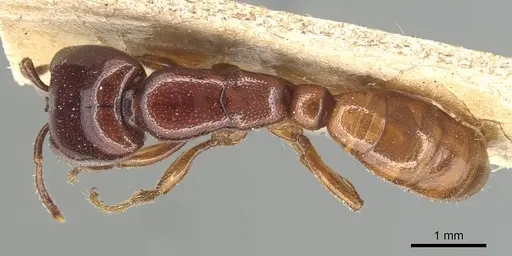
CASENT0903703
View on AntWeb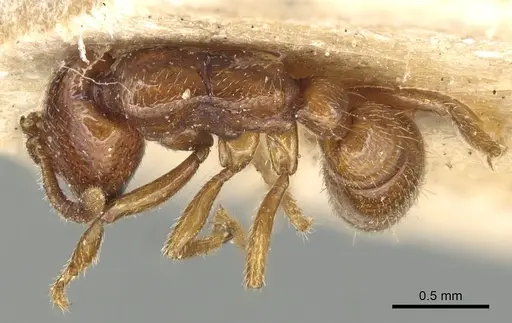
CASENT0905923
View on AntWeb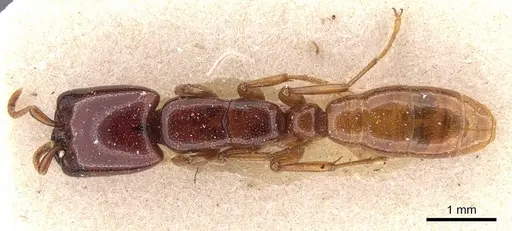
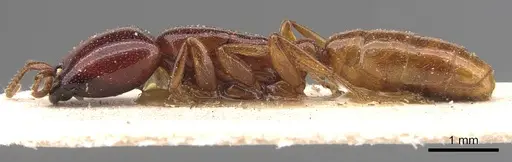
CASENT0911342
View on AntWeb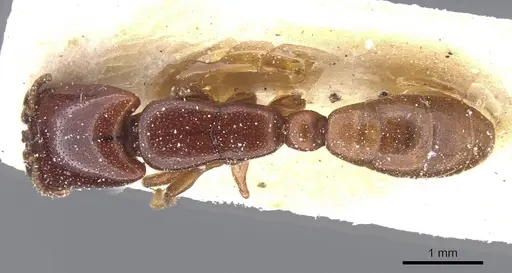
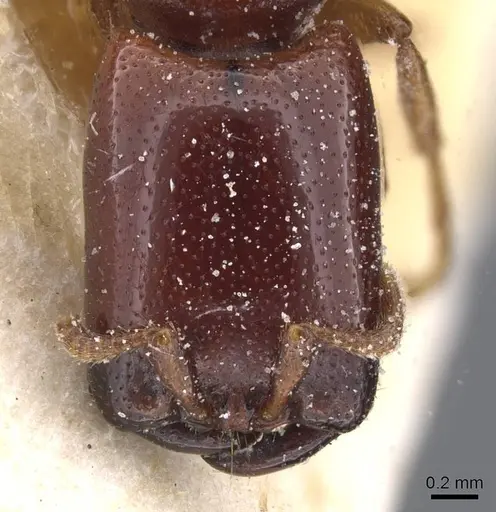
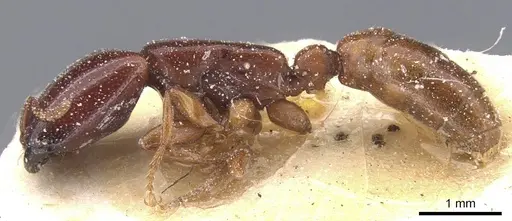
CASENT0911343
View on AntWeb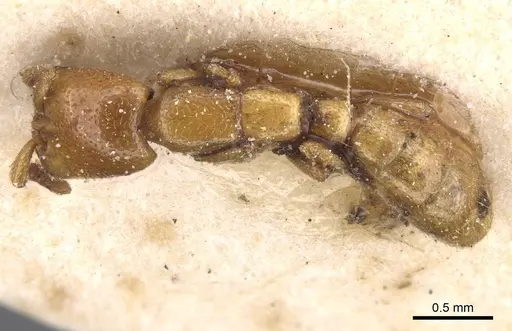
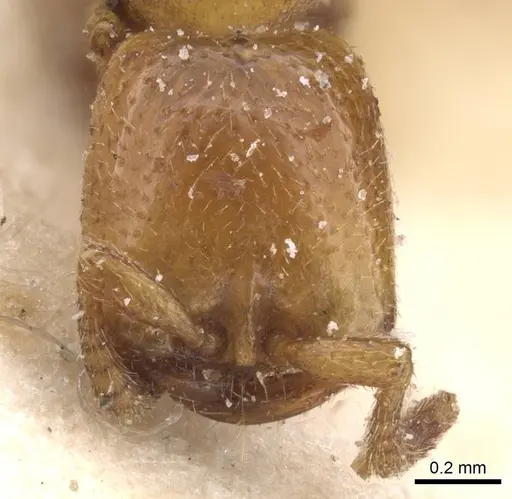
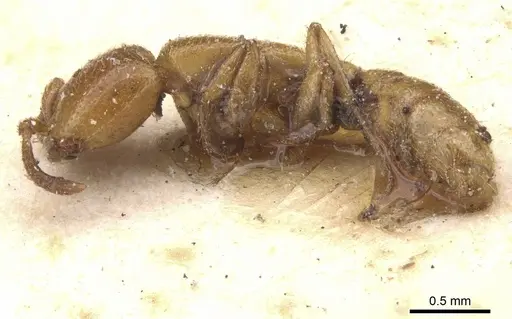
CASENT0916854
View on AntWeb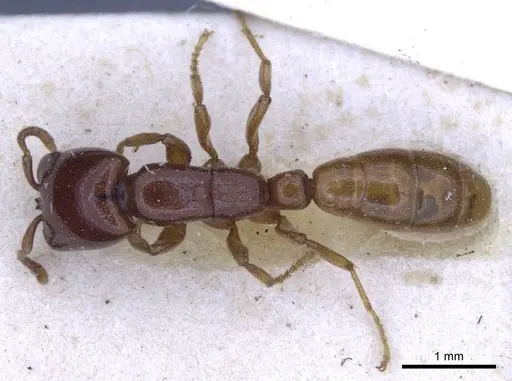
FOCOL0381
View on AntWeb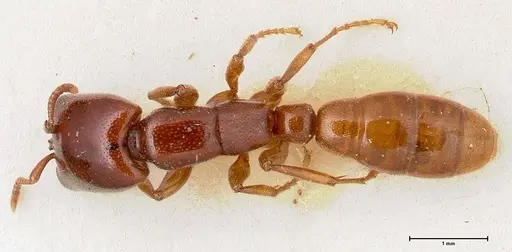
FOCOL1088
View on AntWeb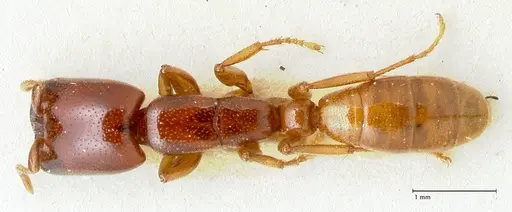
FOCOL1089
View on AntWeb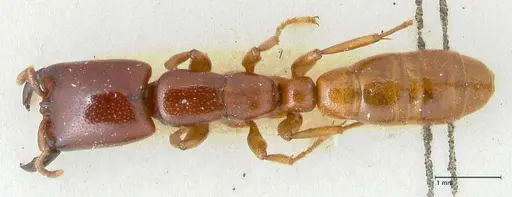
FOCOL1090
View on AntWeb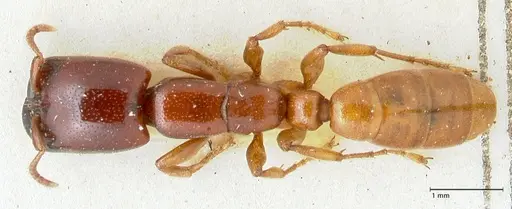
FOCOL1091
View on AntWeb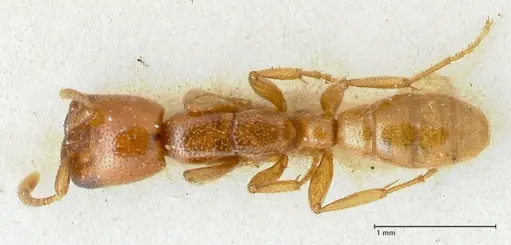
FOCOL1092
View on AntWeb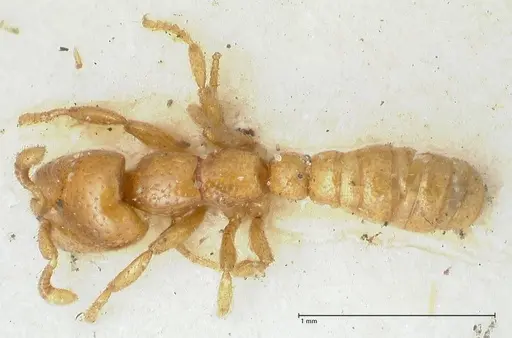
RMCAENT000017711
View on AntWeb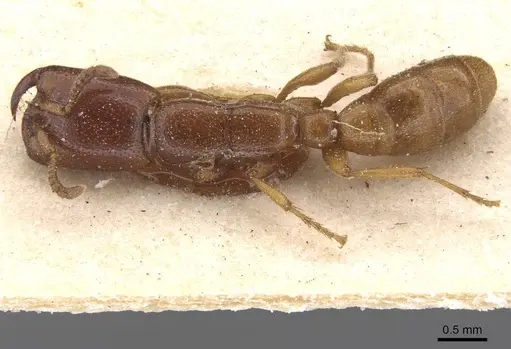
Literature
Loading...Loading products...