

Dorylus mayri
- Scientific Name
- Dorylus mayri
- Subfamily
- Dorylinae
- Author
- Santschi, 1912
- Distribution
- Found in 3 countries
Dorylus mayri Overview
Dorylus mayri is an ant species of the genus Dorylus. It is primarily documented in 3 countries , including Côte d'Ivoire, Cameroon, Gabon. Detailed taxonomic data and occurrence records can be further explored via authoritative databases such as AntWeb or the Global Biodiversity Information Facility (GBIF).
Dorylus mayri
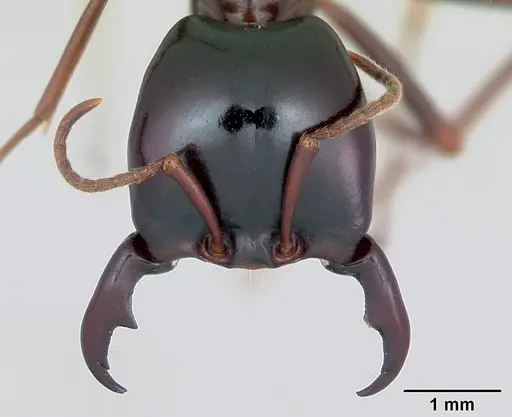
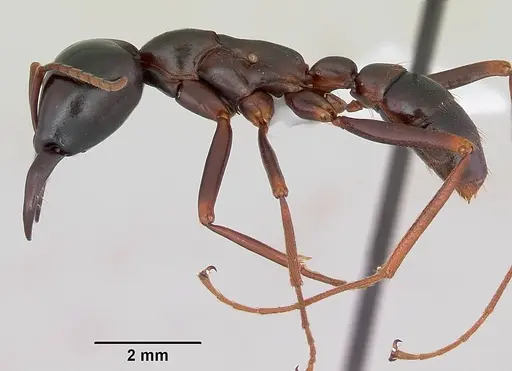
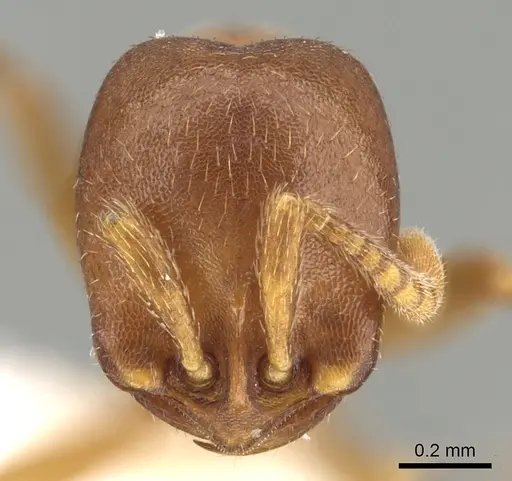
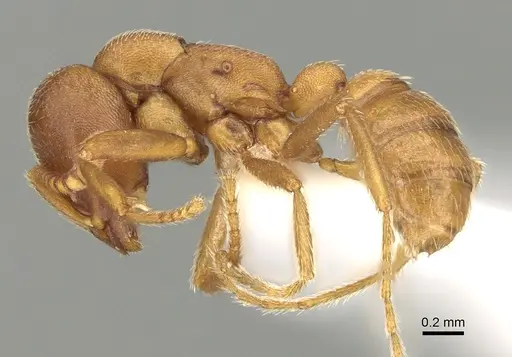
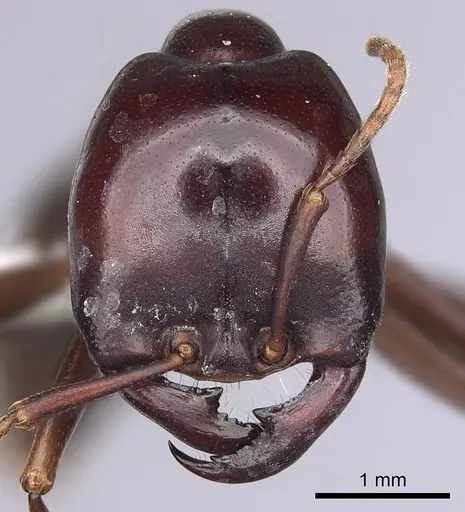
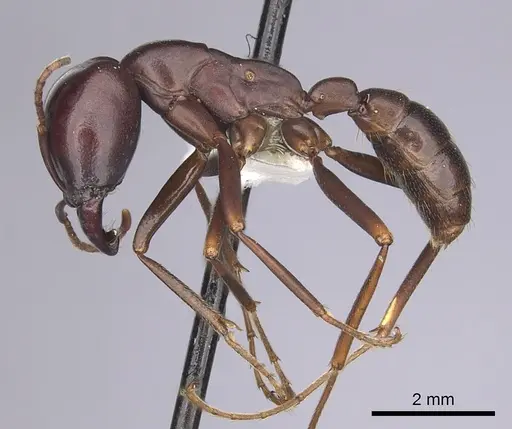
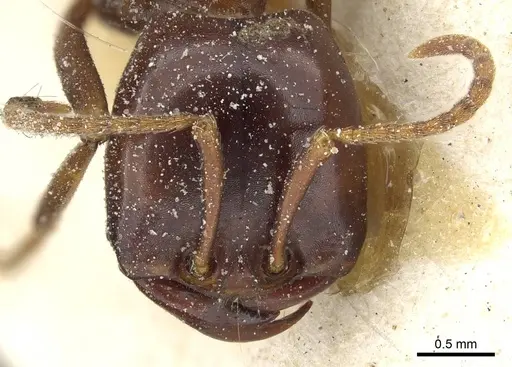
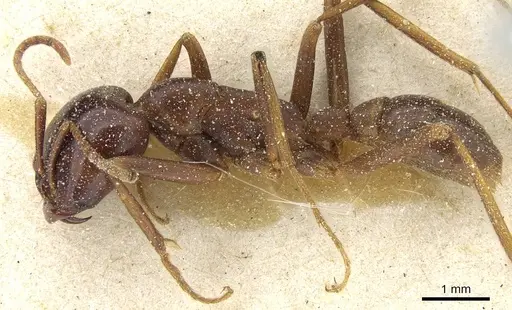
Dorylus mayri is a West African army ant species belonging to the Dorylus nigricans-group. Workers are typical army ant morphology, robust with powerful mandibles, dark coloration, and range in size within the genus. This species is epigaeic, meaning it forages actively on the forest floor surface rather than underground. Found exclusively in Cameroon, Dorylus mayri represents the army ant syndrome: large nomadic colonies that raid the nests of other ant species and other ground-dwelling invertebrates. The genus Dorylus is famous for its massive colony sizes numbering in the millions and their characteristic swarming raids that can overwhelm prey colonies within hours.
Quick Summary
- Difficulty: Expert
- Origin & Habitat: Cameroon in the Afrotropical region. This species inhabits tropical forest environments, specifically documented in Taï National Park territories where it forages on the forest floor [1]. As an epigaeic species, it actively hunts and raids on the surface rather than underground.
- Colony Type: Large colony structure typical of army ants, colonies contain millions of workers and have ergatoid (wingless) queens that remain in the nest rather than conducting nuptial flights. The colony structure is unconfirmed for this specific species, but Dorylus colonies are typically single-queen (monogyne) with permanent queen castes.
- Colony: Monogyne
- Founding: Semi-claustral
- Size & Growth:
- Queen: Unknown for this species, Dorylus queens are ergatoid (wingless) and can reach 25-50mm in related species [2]
- Worker: Within typical Dorylus worker range (3-12mm polymorphic) [2]
- Colony: Extremely large, Dorylus colonies can reach millions of workers [2]
- Growth: Fast, army ant colonies grow rapidly due to high raid success
- Development: Unknown for this species, army ant development is typically 4-8 weeks at tropical temperatures (Direct development data unavailable for D. mayri. Army ant brood development is generally rapid compared to most ants.)
- Antkeeping:
- Temperature: Keep at tropical temperatures around 24-28°C. Army ants are heat-loving and require consistent warmth
- Humidity: Maintain moderate to high humidity (60-80%) typical of tropical forest floor. Keep substrate moist but not waterlogged
- Diapause: No, as a tropical species from Cameroon, Dorylus mayri does not require hibernation. Keep temperatures stable year-round
- Nesting: Army ants do not build permanent nests. In captivity, they require a large foraging area with multiple connected chambers or a naturalistic setup. Provide deep substrate (5-10cm) for brood piles and a spacious outworld for raiding behavior. Test tubes work only for founding colonies, not established raids.
- Behavior: Dorylus mayri is a highly aggressive predatory ant with typical army ant raiding behavior. Workers are fast-moving (5-7 cm/s on foraging trails) and will swarm en masse when they detect prey [3]. They form characteristic raid columns that overwhelm other ant colonies and collect brood as food. This species is epigaeic, meaning it hunts on the surface rather than underground. Escape prevention is critical, army ant workers can squeeze through surprisingly small gaps and will explore every crack and seam in their enclosure. They are not stinging ants but their mandibles can pinch if handled carelessly.
- Common Issues: colonies are extremely difficult to establish from founding queens, army ant queens are ergatoid and require specific conditions to start a colony, large colony size makes them impractical for most antkeepers, they require massive enclosures and enormous amounts of prey, they will raid and eliminate any other ant colonies in the same enclosure, escape prevention is critical due to their small size and persistence, without constant prey availability, colonies will decline rapidly, they cannot survive on sugar alone like many ants
Understanding Dorylus mayri
Dorylus mayri is one of approximately 60 species in the genus Dorylus, commonly known as army ants. Found only in Cameroon, this species belongs to the Dorylus nigricans-group, characterized by specific morphological features. Unlike many ant species, army ants are nomadic, they do not build permanent nests but instead form temporary bivouacs made of worker bodies holding together. Every few weeks, the entire colony moves to a new location, carrying brood and the queen. This lifestyle allows them to continuously exploit new hunting grounds. Dorylus mayri is epigaeic, meaning it hunts on the forest floor surface rather than underground tunnels. Research in Taï National Park shows these ants maintain consistent foraging speeds of 5-7 cm/s, with higher yields at nest sites (up to 8000 ants per session) than on trails (around 2000 ants per session) [3]. The species is preyed upon by West African chimpanzees, who specifically target army ant colonies for their protein-rich brood.
Housing Requirements
Keeping Dorylus mayri requires expert-level antkeeping knowledge and significant resources. This species is NOT recommended for beginners or intermediate antkeepers. You will need an extremely large enclosure, a standard formicarium is inadequate for established colonies. Create a naturalistic setup with a deep substrate layer (at least 10cm) for the colony to form its bivouac, connected to a vast foraging area. The foraging area should be at least 60x40cm with smooth walls coated with fluon to prevent escape. Army ants will explore every possible gap and can squeeze through openings as small as 1mm. Provide multiple shelter structures (pieces of cork, flat stones) under which colonies can form their temporary nests. Heating is essential, maintain temperatures of 24-28°C using a heating cable or mat on one side of the enclosure to create a gradient. Humidity should be moderate to high (60-80%), misting the substrate as needed.
Feeding and Diet
Dorylus mayri is a strict predator, like all army ants. They do not collect honeydew or eat plant matter, their entire nutrition comes from hunting other ants and small invertebrates. In captivity, you must provide a constant supply of live prey. Suitable prey includes: other ant colonies (their preferred food), crickets, mealworms, roaches, and various arthropods. You will need to culture prey insects or purchase them regularly, a single large colony can consume thousands of prey items per week. Feed small prey to raiding columns directly, or place prey insects in the foraging area to trigger raid behavior. Never rely on sugar water or honey, army ants cannot survive on carbohydrates alone. The high protein demand makes this species expensive and time-consuming to keep. Some keepers report success feeding killed prey, but live prey triggers more natural raiding behavior.
Colony Structure and Reproduction
Dorylus colonies have a unique social structure. Unlike most ants where queens mate during nuptial flights, Dorylus queens are ergatoid, permanently wingless and never leave the nest to mate. Males and females mate inside the nest, and males fly only to disperse to other colonies for mating. The queen is permanently housed in the colony center, surrounded by workers that tend to her constantly. She can live for many years and lay thousands of eggs per day in established colonies. Colony reproduction occurs when a portion of workers leaves with a new queen to form a satellite colony, this is called fission. For Dorylus mayri specifically, detailed reproduction data is not documented, but the general Dorylus pattern applies. Colonies can reach astronomical sizes (millions of workers) given sufficient prey and time. This exponential growth means a small founding colony can become massive within a year under optimal conditions. [2]
Behavior and Temperament
Dorylus mayri exhibits classic army ant behavior: coordinated mass raids on other ant colonies and ground-dwelling invertebrates. Workers move in dense columns, sweeping across the forest floor and overwhelming prey through sheer numbers. When they encounter a target colony, they swarm in, seizing brood and adults to carry back to the bivouac. This species is highly aggressive toward other ants but poses minimal danger to humans, they lack a functional stinger and their mandibles, while powerful, are designed for carrying prey, not defense. In captivity, they will explore the entire enclosure systematically and will find any weakness in escape prevention. They are active primarily at night but can raid during daylight hours. The colony forms a living nest (bivouac) by workers hooking their mandibles together, creating a protective cluster that houses the queen and brood. Understanding this nomadic nature is essential, they will not settle in a fixed nest like most ant species. [3]
Frequently Asked Questions
Is Dorylus mayri suitable for beginners?
No. Dorylus mayri is an expert-level species not suitable for beginners. They require massive enclosures, constant live prey, tropical temperatures, and excellent escape prevention. Most antkeepers should start with easier species like Lasius, Camponotus, or Messor.
How long does it take for Dorylus mayri to produce first workers?
The exact development time for Dorylus mayri is unknown. Based on general army ant patterns, expect 4-8 weeks from egg to worker at tropical temperatures (24-28°C). However, obtaining a founding colony of this species is extremely difficult as ergatoid queens do not conduct nuptial flights.
Can I keep multiple Dorylus queens together?
Dorylus colonies are typically monogyne (single queen). While some Dorylus species can have multiple queens, combining unrelated queens is not recommended and has not been documented for D. mayri specifically.
What do Dorylus mayri ants eat?
They are strict predators. Feed live prey: other ant colonies, crickets, mealworms, roaches, and various small invertebrates. They cannot survive on sugar water or honey alone, they need the protein from prey.
How big do Dorylus mayri colonies get?
Dorylus colonies can reach millions of workers. This makes them one of the most resource-intensive ant species to keep. A single colony can consume thousands of prey insects per week.
Do Dorylus mayri need hibernation?
No. As a tropical species from Cameroon, they do not require hibernation. Keep temperatures stable at 24-28°C year-round. Temperature drops below 20°C can be harmful.
When should I move Dorylus mayri to a formicarium?
Never use a standard formicarium for established Dorylus colonies. They need naturalistic setups with deep substrate for bivouac formation and vast foraging areas. Only use test tubes for founding colonies.
Why are my Dorylus mayri dying?
Common causes include: insufficient prey (they need constant protein), temperatures below 24°C, low humidity, escape through small gaps, and stress from disturbance. Army ants are fragile regarding their specific requirements.
References

This caresheet is licensed under CC BY-SA 4.0 .
CASENT0172639
View on AntWeb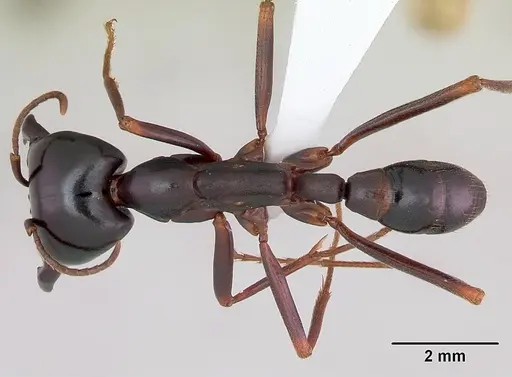
CASENT0172640
View on AntWeb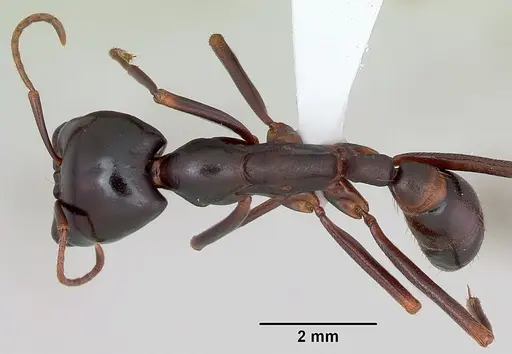
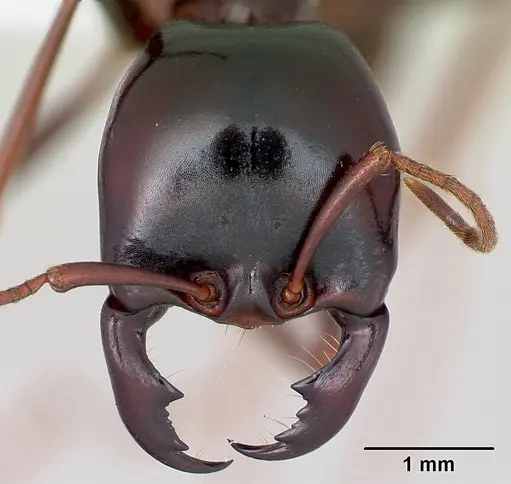
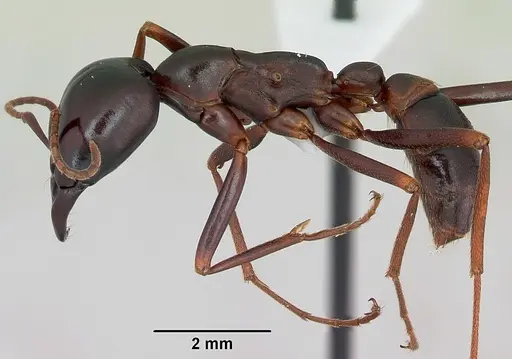
CASENT0235179
View on AntWeb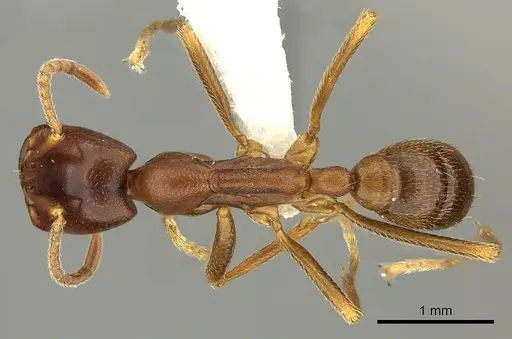
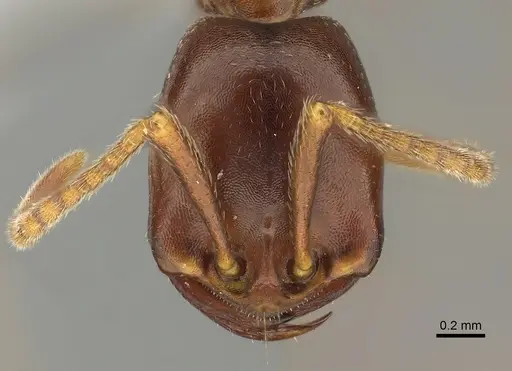
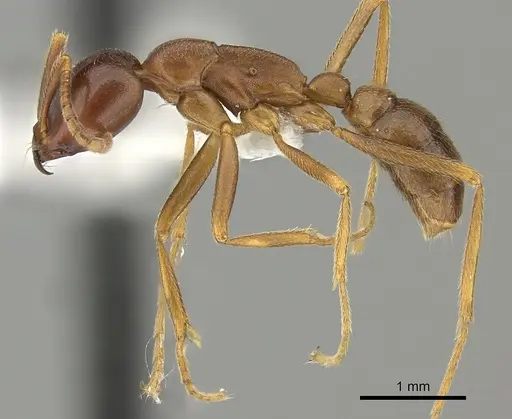
CASENT0235180
View on AntWeb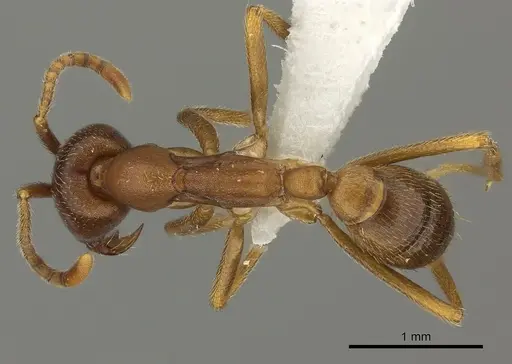
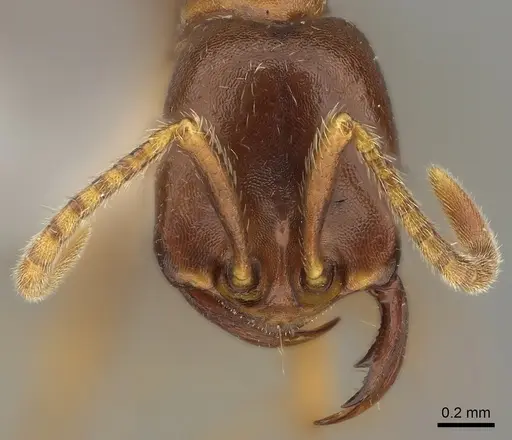
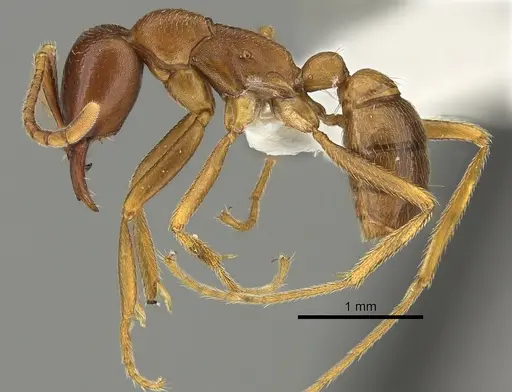
CASENT0249429
View on AntWeb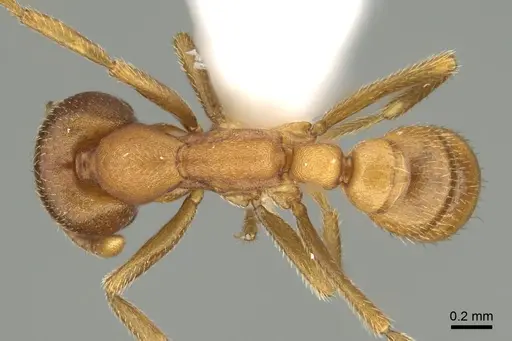
CASENT0249430
View on AntWeb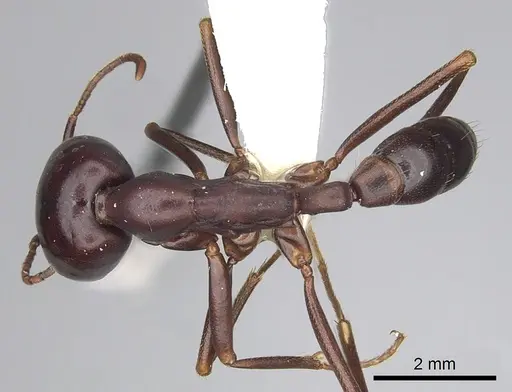
CASENT0911304
View on AntWeb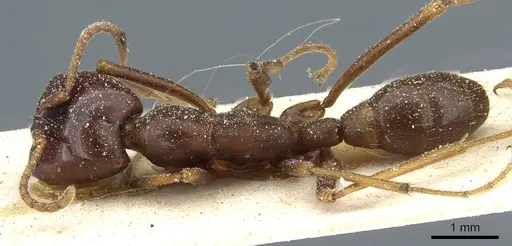
Literature
Loading...Loading products...