

Dorylus labiatus
- Scientific Name
- Dorylus labiatus
- Subfamily
- Dorylinae
- Author
- Shuckard, 1840
- Distribution
- Found in 2 countries
Dorylus labiatus Overview
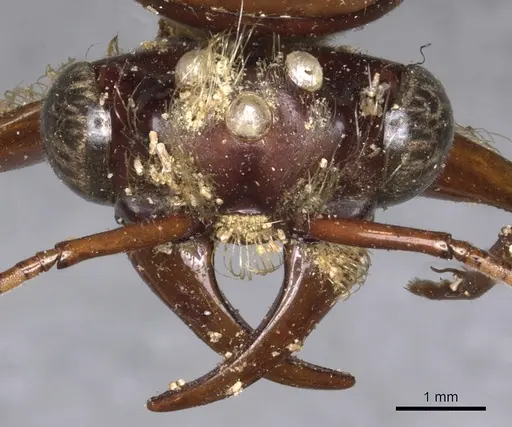
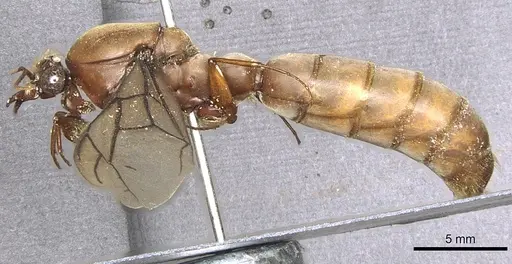
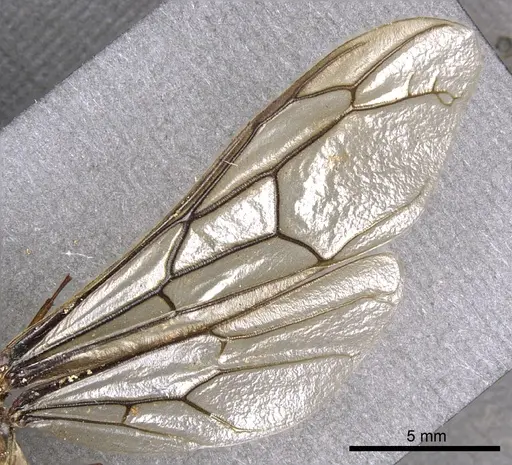
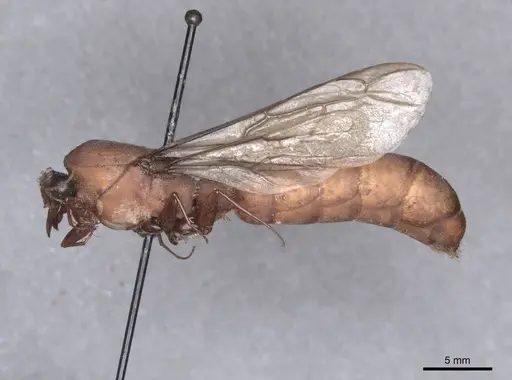
Dorylus labiatus is an ant species of the genus Dorylus. It is primarily documented in 2 countries , including India, Iraq. Detailed taxonomic data and occurrence records can be further explored via authoritative databases such as AntWeb or the Global Biodiversity Information Facility (GBIF).
Dorylus labiatus
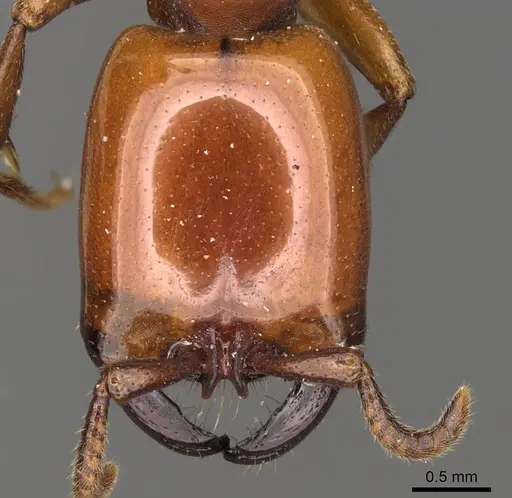
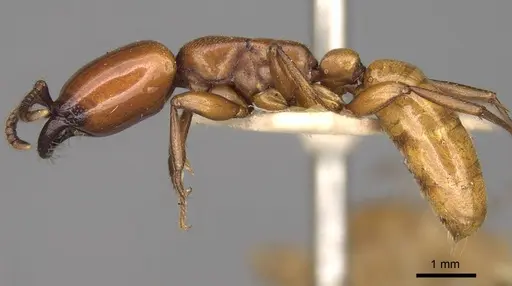
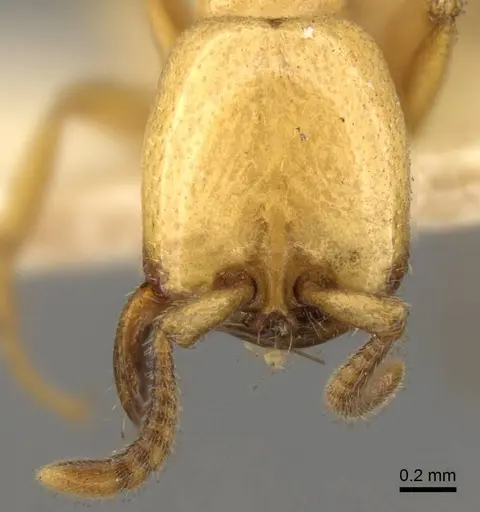
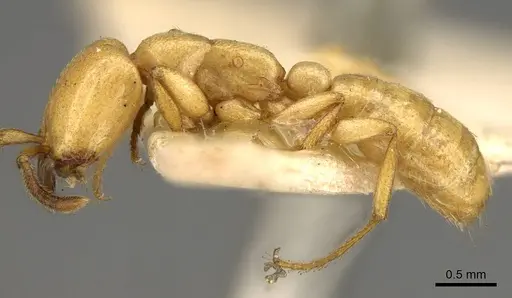
Dorylus labiatus is a large, polymorphic army ant species native to South Asia, found across India, Nepal, Pakistan, Bangladesh, and Sri Lanka [1]. Workers range from 2.5-6.8mm and are a uniform brownish yellow color, with the major workers being significantly larger than minors [2]. This is one of the true army ants (subfamily Dorylinae), highly subterranean predators that are rarely seen above ground except after heavy rains [3]. They are endogeic, meaning they live and forage primarily in soil [4]. The species is so similar to the African Dorylus fulvus that researchers have historically questioned whether they should be considered separate [2].
Quick Summary
- Difficulty: Expert
- Origin & Habitat: South Asia, found across India (multiple states including Punjab, Rajasthan, Gujarat, Maharashtra, West Bengal), Nepal, Pakistan, Bangladesh, and Sri Lanka. They inhabit elevations from 250-1200 meters in Himalayan regions [5]. These are soil-dwelling ants that prefer tropical to subtropical climates.
- Colony Type: Colony structure is not well documented in scientific literature. As a Dorylus species, they are expected to form large colonies typical of army ants, but specific queen numbers and colony size data are unavailable.
- Size & Growth:
- Queen: Not directly measured in available literature, estimated based on genus patterns
- Worker: 2.5-6.8mm (polymorphic, major workers up to 6.8mm, minors 2.5-4mm) [2]
- Colony: Unknown, likely large (thousands) based on typical Dorylus patterns
- Growth: Unknown, estimated as fast based on army ant biology
- Development: Unknown, no direct measurements available (Army ant colonies typically develop rapidly, but specific timelines for D. labiatus have not been studied)
- Antkeeping:
- Temperature: Keep warm, roughly 24-30°C. This is a tropical/subtropical species found in warm regions of South Asia. Provide a temperature gradient allowing workers to self-regulate.
- Humidity: Maintain moderate to high humidity. As endogeic (soil-dwelling) ants, they prefer consistently moist substrate. Keep the nesting area damp but not waterlogged.
- Diapause: Likely reduced activity in winter months. Studies show they are present in Summer, Rainy, and Autumn seasons but absent in Winter and Spring in Punjab regions [6][7]. This suggests a seasonal slowdown rather than true diapause.
- Nesting: As highly subterranean army ants, they require soil-based or deeply recessed nests. Standard test tubes are NOT suitable, they need a naturalistic setup with deep soil or a custom-built chamber system that allows for their nomadic bivouacking behavior. Provide darkness and minimal disturbance.
- Behavior: Army ants are nomadic predators that form temporary bivouac nests and raid in columns. They are blind or nearly blind and rely on chemical trails. Workers are aggressive predators that swarm to overwhelm prey. They are NOT suitable for typical ant-keeping setups, they need specialized care. Escape prevention is critical despite their moderate size, as they are prolific climbers and will exploit any gap. They are primarily active at night and during rainy periods when they surface [3].
- Common Issues: Army ant colonies are extremely difficult to establish in captivity, queens rarely survive founding without proper conditions, Their nomadic nature means they don't settle in typical nests, they need space to move their bivouac, They require constant prey availability, colonies can starve quickly without regular protein, They are sensitive to light and disturbance, excessive handling causes colony stress and abandonment of brood, Their subterranean lifestyle means they rarely come into artificial nests willingly, capturing and maintaining wild colonies is challenging
Understanding Dorylus Army Ants
Dorylus labiatus belongs to the subfamily Dorylinae, commonly known as army ants. Unlike typical ants that build permanent nests, army ants are nomadic predators that constantly move their colonies between temporary bivouac sites. They form massive swarms that raid in columns, overwhelming prey through sheer numbers. These ants are blind or nearly blind, they navigate entirely through chemical pheromone trails. In the wild, you rarely see them except after heavy rains when they may surface. This is a fundamentally different biology from most ants kept in captivity, which makes them one of the most challenging species to maintain. They are not recommended for typical ant-keeping setups and require specialized, expert-level care. [2][3]
Housing and Nesting
Standard ant-keeping equipment like test tubes and formicariums are NOT suitable for Dorylus labiatus. These are highly subterranean ants that need deep soil chambers to form their bivouac nests. A naturalistic setup with a deep soil container (at least 15-20cm deep) with multiple chambers connected by tunnels works best. The setup must be completely dark, army ants avoid light and will abandon exposed areas. Provide moist, compact soil that holds tunnels well. The colony needs the ability to move their bivouac within the enclosure, so multiple connected chambers are essential. Escape prevention is critical, use fluon barriers and ensure all openings are sealed, as they will exploit any gap.
Feeding and Diet
Dorylus labiatus is predatory, like all army ants. They are documented predators of Helicoverpa armigera (cotton bollworm) larvae, showing they hunt insect larvae in soil [8]. In captivity, they need a constant supply of live prey, typically other insects that can be overwhelmed by the swarm. Small crickets, mealworms, roach nymphs, and other arthropods work well. They are unlikely to accept sugar water or honey, army ants are primarily carnivorous. Feed multiple times per week, with enough prey to keep the colony actively hunting. Remove uneaten prey to prevent mold. A colony of several hundred workers can consume dozens of small insects in a single day.
Temperature and Seasonal Care
As a species from tropical and subtropical South Asia, Dorylus labiatus needs warm conditions. Keep the nest area around 24-30°C, with a slight gradient allowing the colony to self-regulate. Studies show they are active in Summer, Rainy, and Autumn seasons but largely absent during Winter and Spring in northern India [6][7]. This suggests they tolerate or prefer warm conditions year-round and may reduce activity during cooler months. Provide gentle warmth during winter if your room temperature drops below 20°C. Avoid temperature swings, stability is more important than hitting an exact number. A heating cable on one side of the nesting area can help maintain warmth.
Colony Dynamics and Behavior
Army ant colonies are fundamentally different from typical ant colonies. The queen (if present) is permanently wingless and rarely leaves the bivouac. The colony moves en masse every few days, carrying brood and queen to a new location. Workers march in columns during raids, following pheromone trails. This nomadic behavior is triggered by the need for new hunting grounds as prey in one area is depleted. In captivity, this means you must provide enough space for the colony to relocate their bivouac periodically. They are aggressive when hunting but generally avoid confrontation with larger animals. They will not sting humans, their mandibles are for hunting prey, not defense.
Legal and Ethical Considerations
Dorylus labiatus is listed as Critically Endangered in Sri Lanka according to the National Red List 2012 [9]. While more common in other parts of their range, you should never collect from the wild in Sri Lanka. For other countries in their range (India, Nepal, Pakistan, Bangladesh), wild collection may be possible but should be done sustainably. Never release these ants outside their native range, they are not established in North America or Europe, and introducing them could cause ecological damage. If you obtain a colony, maintain it responsibly or surrender to a knowledgeable keeper rather than releasing.
Frequently Asked Questions
Can I keep Dorylus labiatus in a test tube setup?
No, test tubes are completely unsuitable for this species. Dorylus labiatus is a highly subterranean army ant that needs deep soil chambers to form bivouac nests. They require naturalistic setups with at least 15-20cm of soil depth and multiple connected chambers. Standard formicariums also fail to accommodate their nomadic behavior.
How long does it take for Dorylus labiatus to develop from egg to worker?
This is unknown, no specific development timeline has been documented in scientific literature for this species. Based on typical army ant biology, development is likely faster than most ants, possibly 4-8 weeks at warm temperatures, but this is an estimate only.
Are Dorylus labiatus good for beginners?
No, absolutely not. This is an expert-level species that requires specialized knowledge of army ant biology. They need naturalistic soil setups, constant live prey, warm temperatures, and complete darkness. Most attempts to keep Dorylus species in captivity fail. Start with easier species like Lasius, Camponotus, or Messor before attempting army ants.
What do Dorylus labiatus eat?
They are predatory carnivores. Feed live insects, small crickets, mealworms, fruit fly pupae, and other small arthropods. They are unlikely to accept sugar water or honey. They need constant access to prey and can consume dozens of small insects daily. Remove uneaten prey to prevent mold.
Can I keep multiple queens together?
This has not been studied. Dorylus colony structure is not well documented, and combining unrelated queens is not recommended. In the wild, army ant colonies typically have a single queen, but some Dorylus species can have multiple. Without documented success, keep only one queen per colony.
Do Dorylus labiatus need hibernation?
They likely do not need true hibernation. Studies show they are absent during Winter and Spring in northern India [6][7], suggesting reduced activity during cooler months rather than deep diapause. Simply reducing feeding and slightly lowering temperature (to around 20°C) during winter months should suffice if your room gets cold.
Why are my Dorylus labiatus dying?
Common causes include: insufficient prey (they starve quickly without constant hunting), inappropriate nesting (they need deep soil, not test tubes), too much light or disturbance (they abandon lit areas), low humidity (they need moist soil), and cold temperatures (they need warmth). Army ants are extremely sensitive to captive conditions and most wild-caught colonies die within weeks without proper care.
How big do Dorylus labiatus colonies get?
Exact colony size is unknown but likely reaches thousands of workers based on typical Dorylus biology. They are among the largest ant colonies in the world. In captivity, maintaining a healthy colony of several hundred workers for extended periods is already a significant achievement.
References

This caresheet is licensed under CC BY-SA 4.0 .
CASENT0901950
View on AntWeb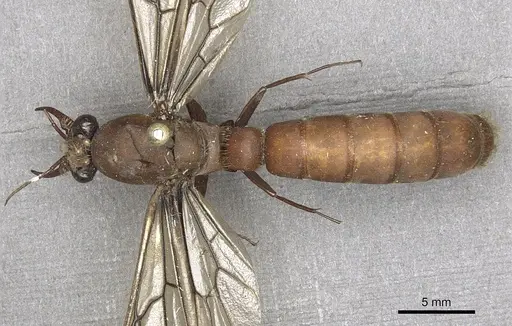
CASENT0902695
View on AntWeb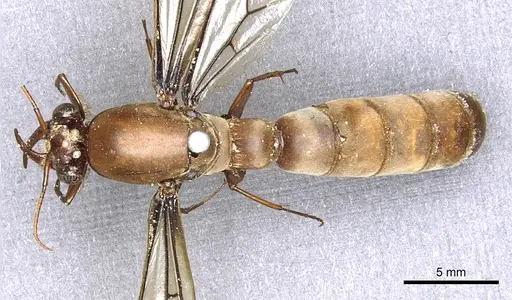
CASENT0914037
View on AntWeb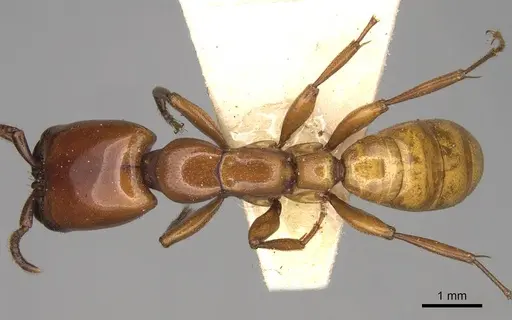
CASENT0914038
View on AntWeb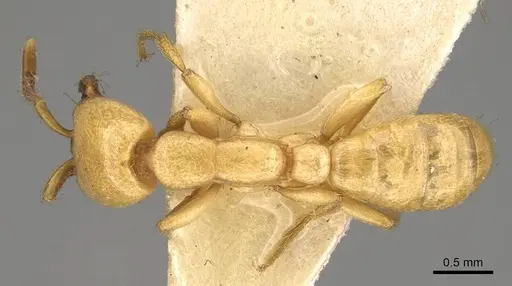
FMNHINS0000045255
View on AntWeb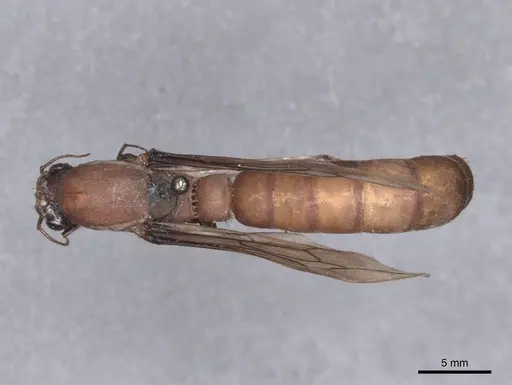
Literature
Loading...Loading products...