

Dorylus fulvus
- Scientific Name
- Dorylus fulvus
- Subfamily
- Dorylinae
- Author
- Westwood, 1839
- Distribution
- Found in 13 countries
Dorylus fulvus Overview
Dorylus fulvus is an ant species of the genus Dorylus. It is primarily documented in 13 countries , including Congo, Democratic Republic of the, Côte d'Ivoire. Detailed taxonomic data and occurrence records can be further explored via authoritative databases such as AntWeb or the Global Biodiversity Information Facility (GBIF).
Dorylus fulvus
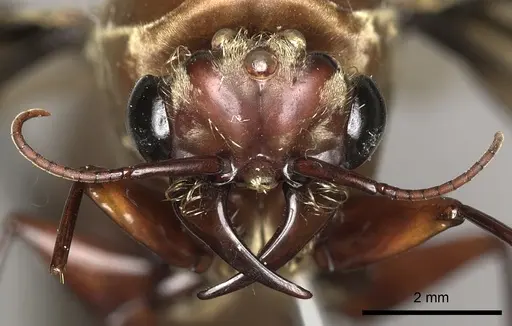
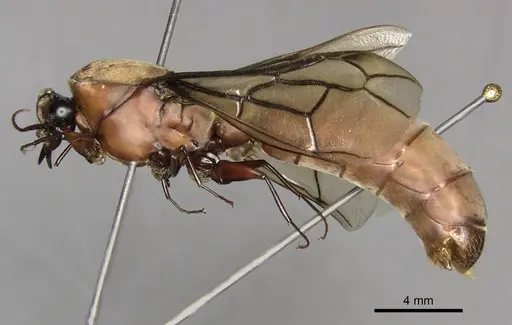
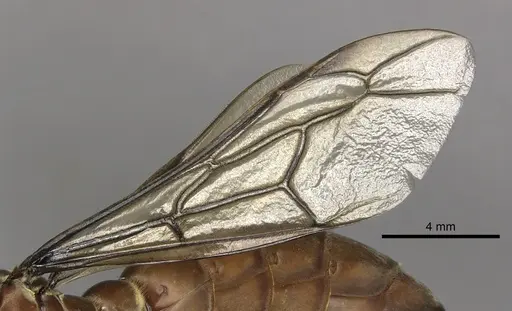
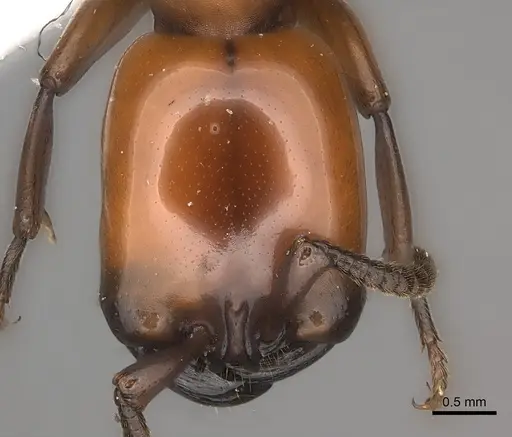
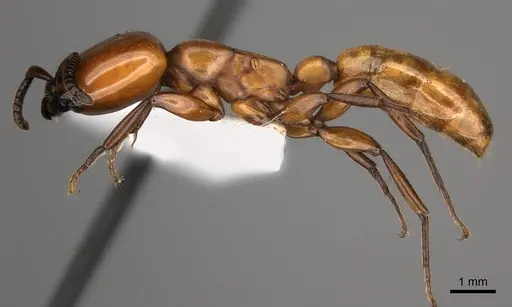
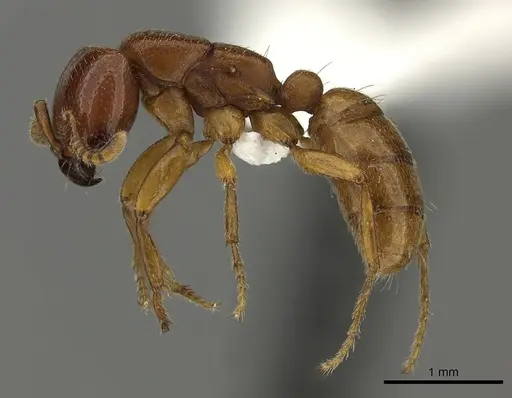
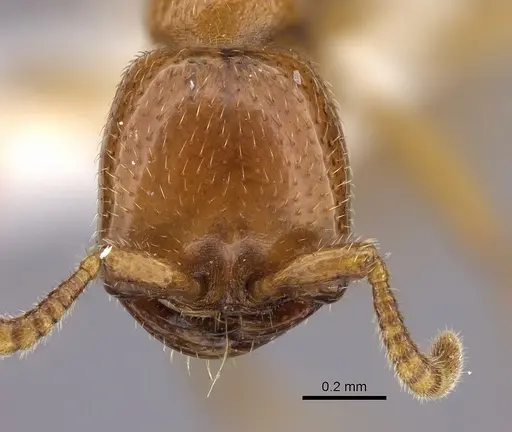
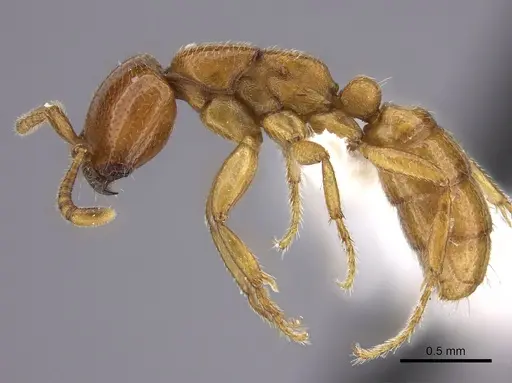
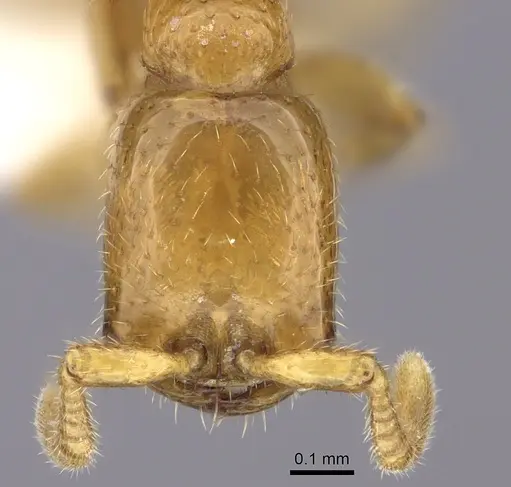
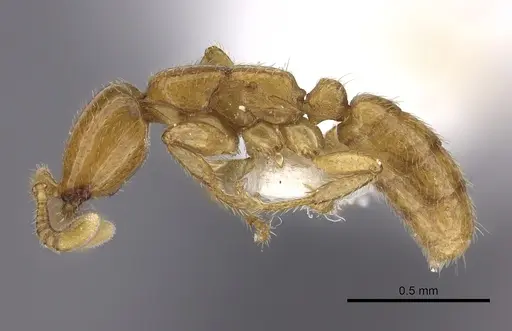
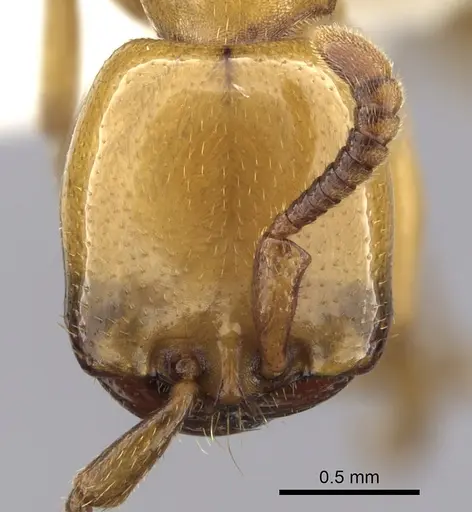
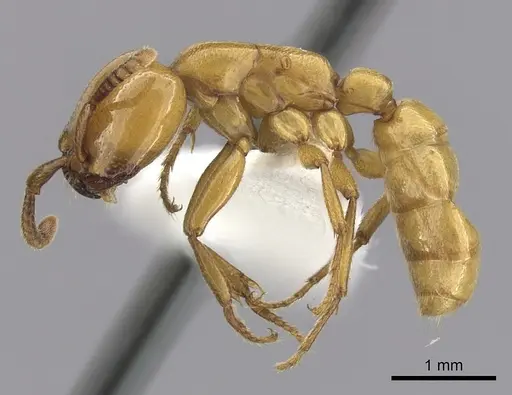
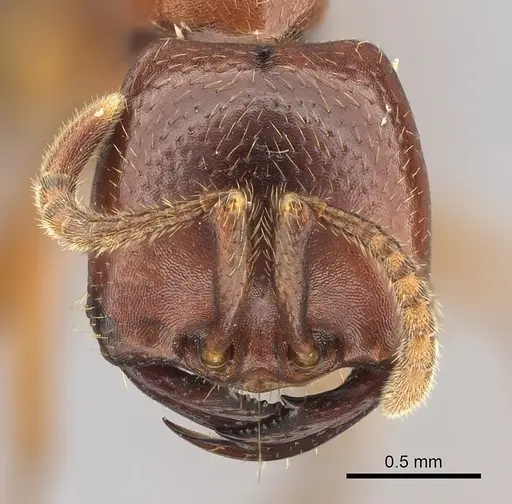
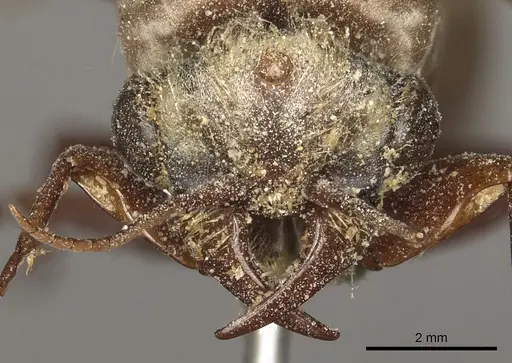
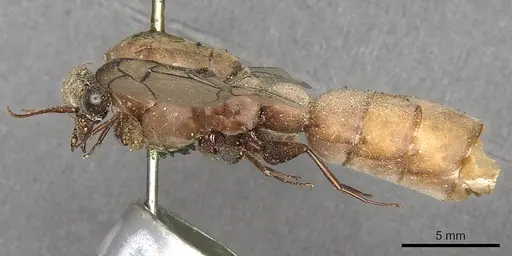
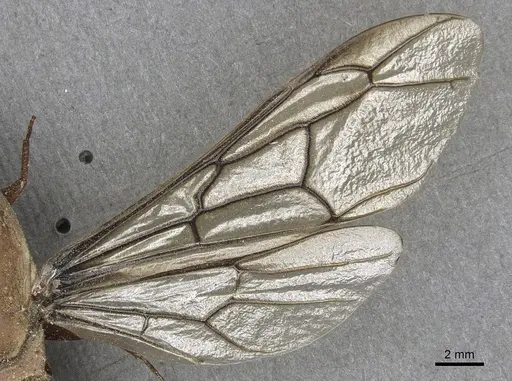
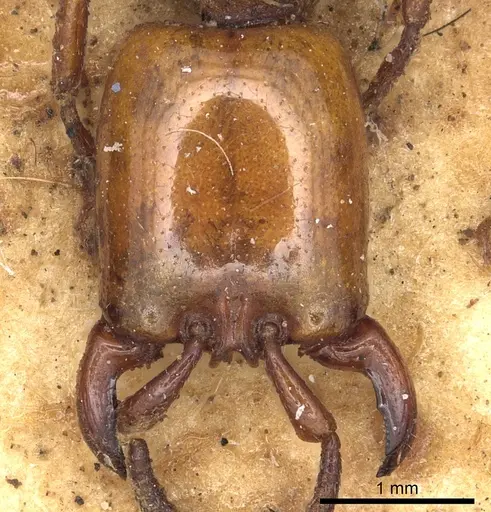
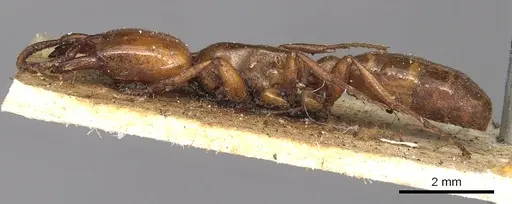
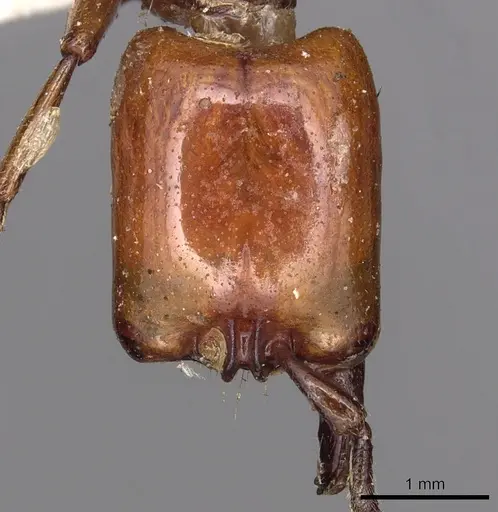
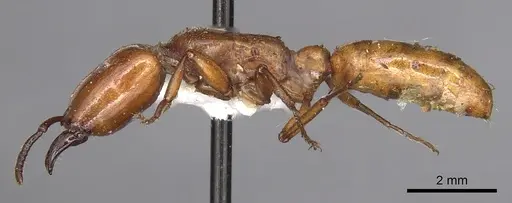
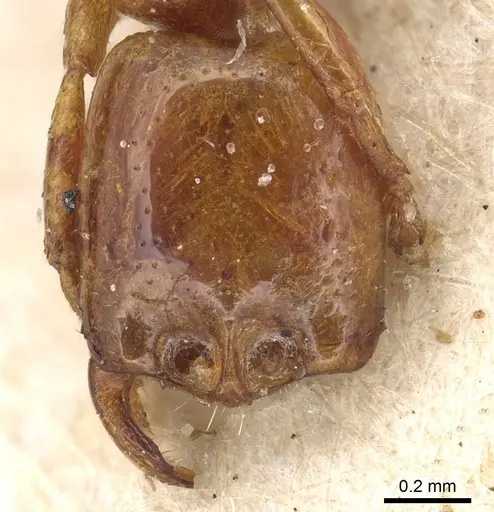
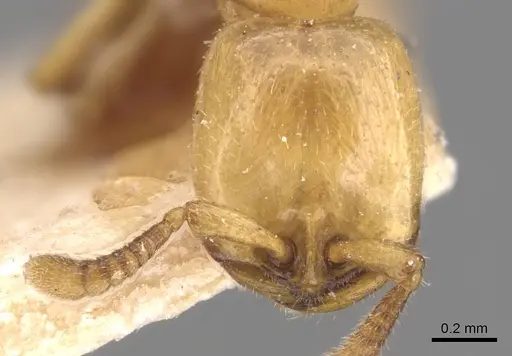
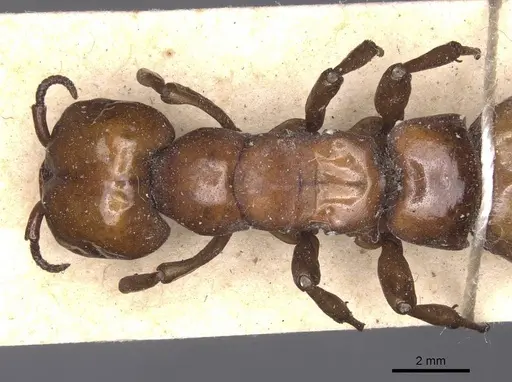
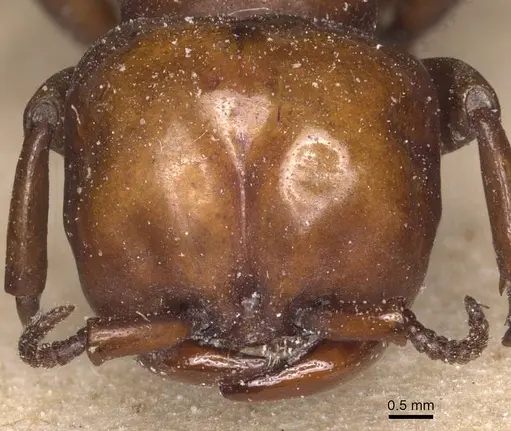
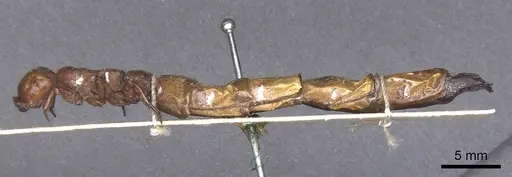
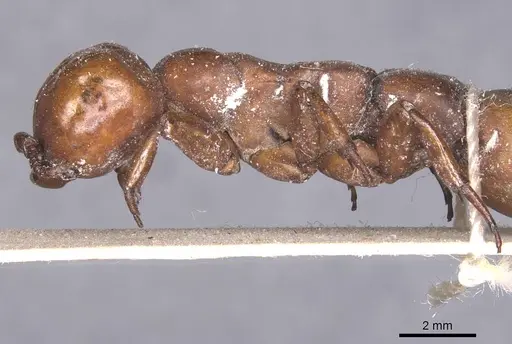
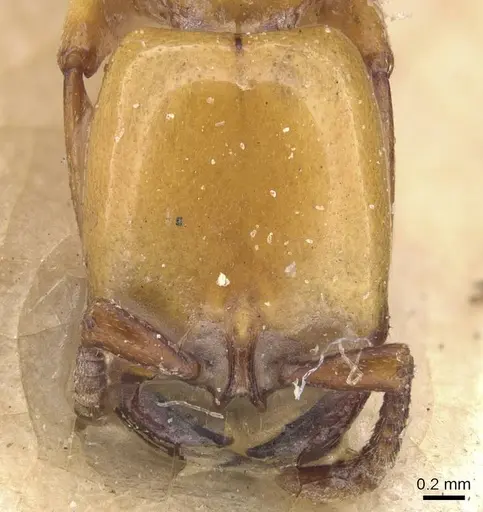
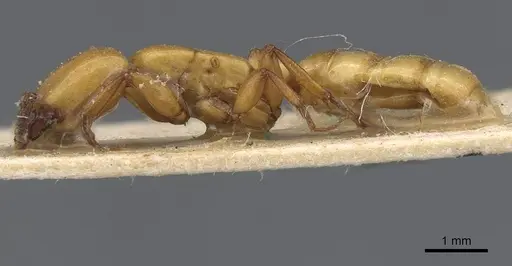
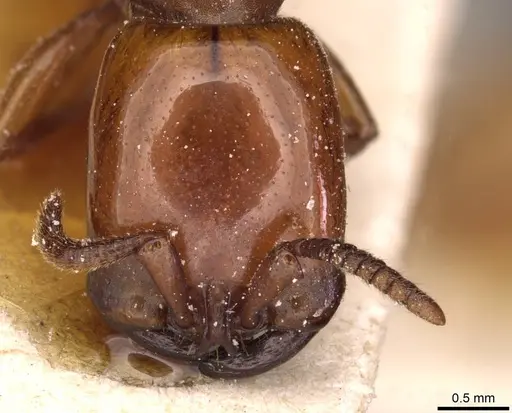
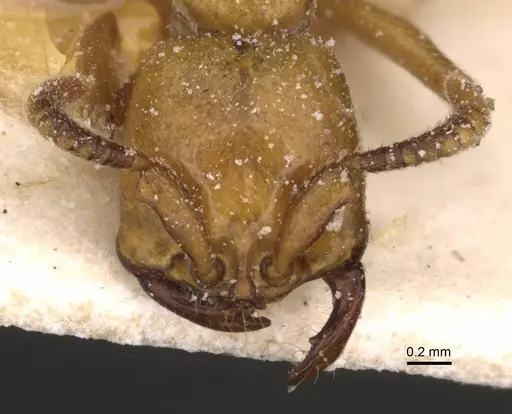
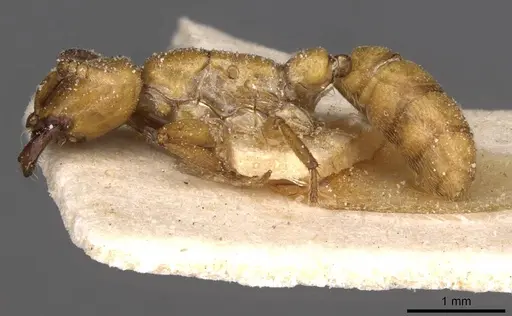
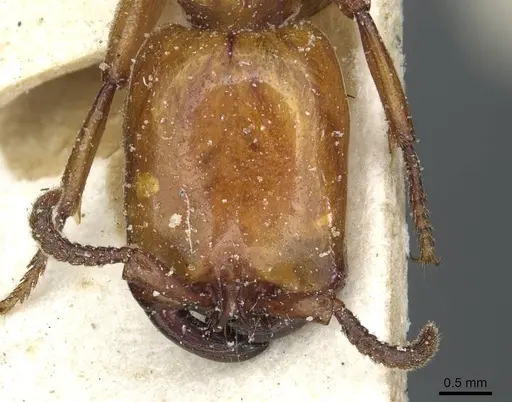
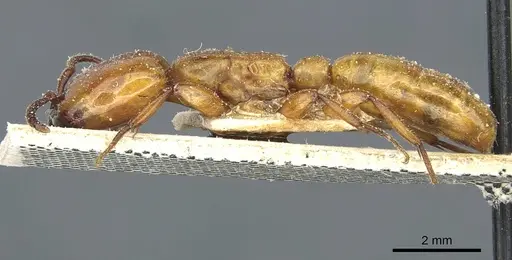
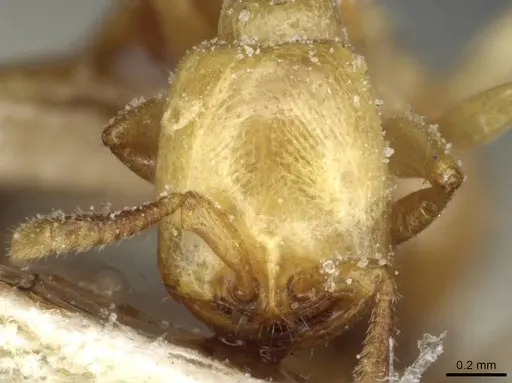
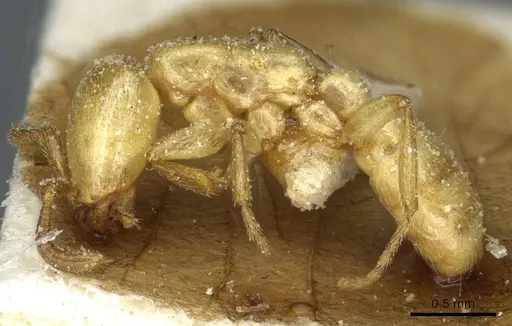
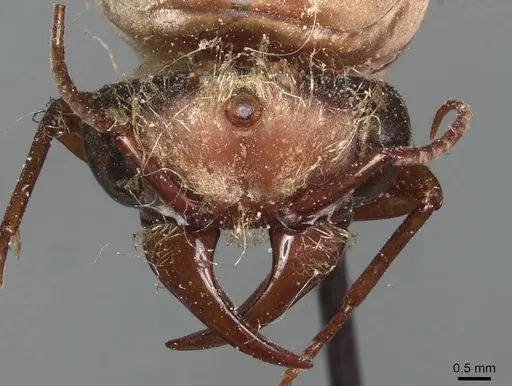
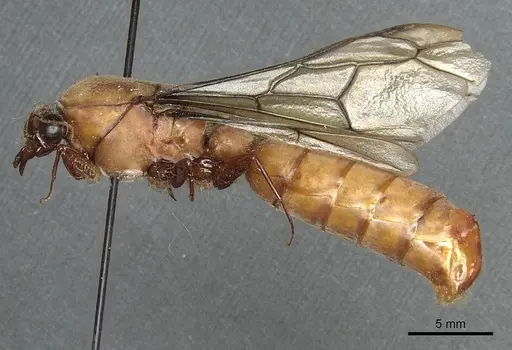
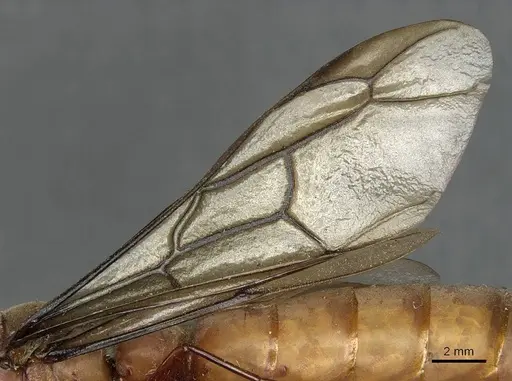
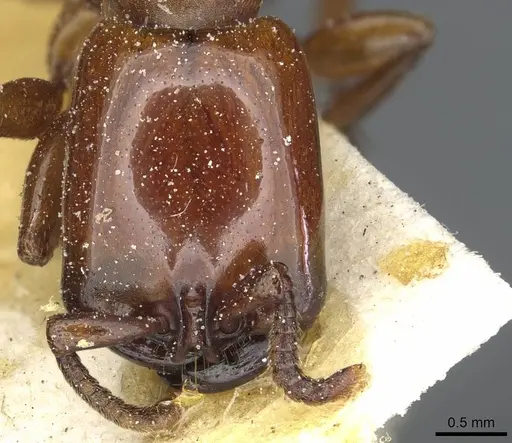
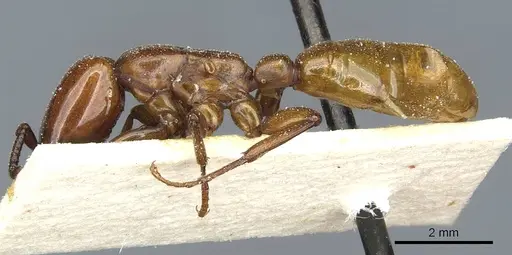
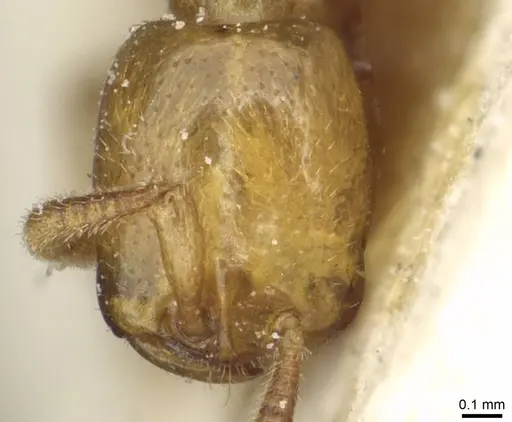
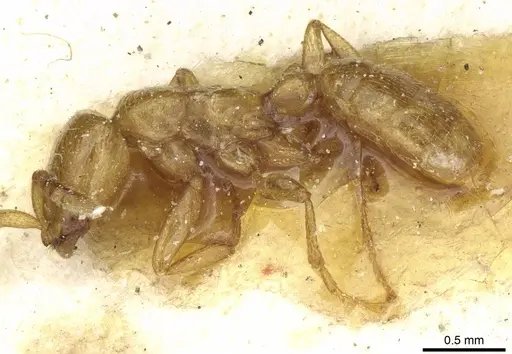
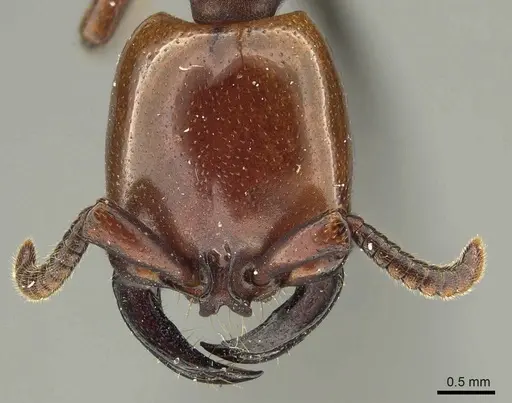
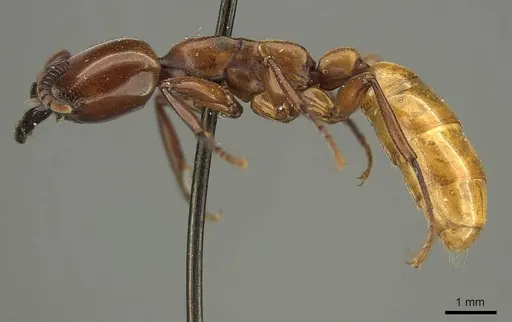
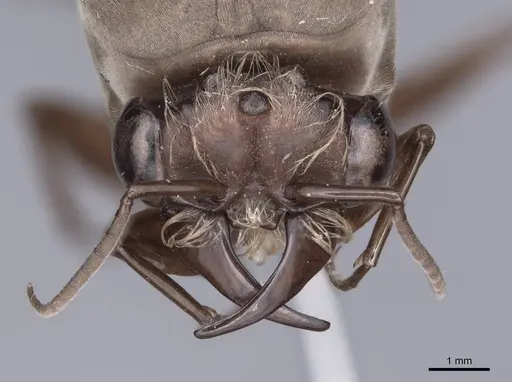
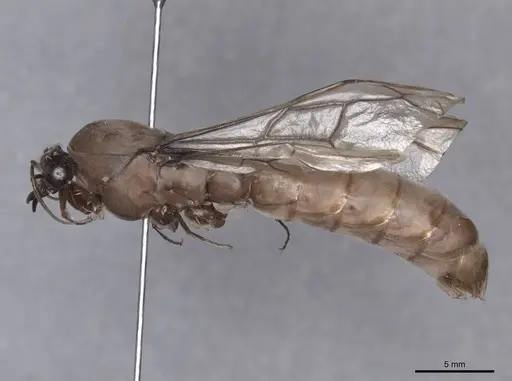
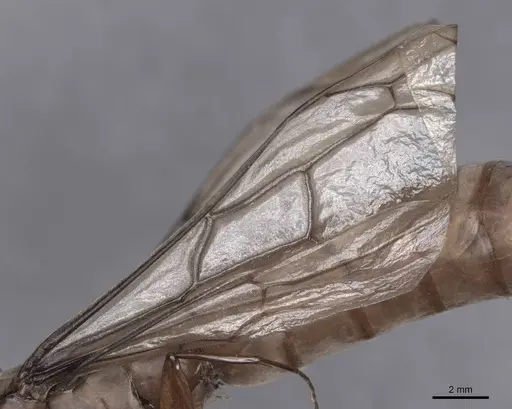
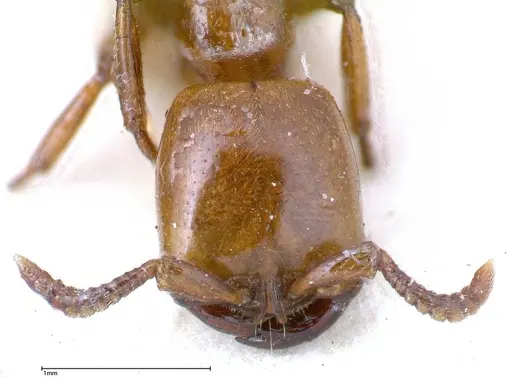
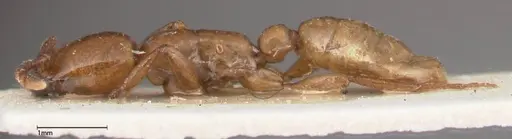
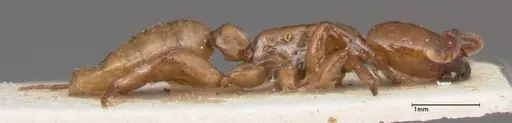
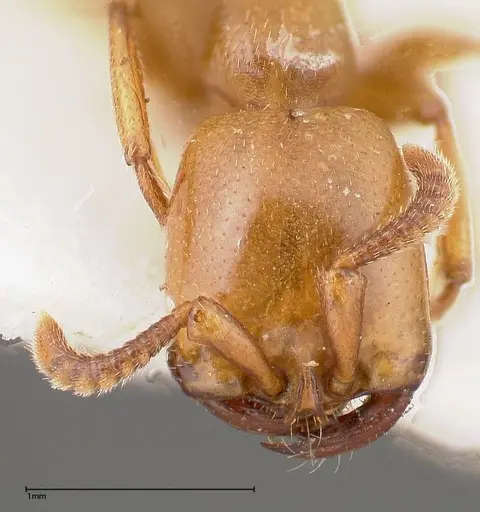
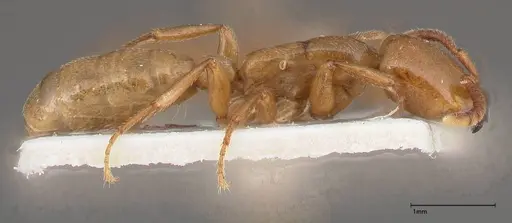
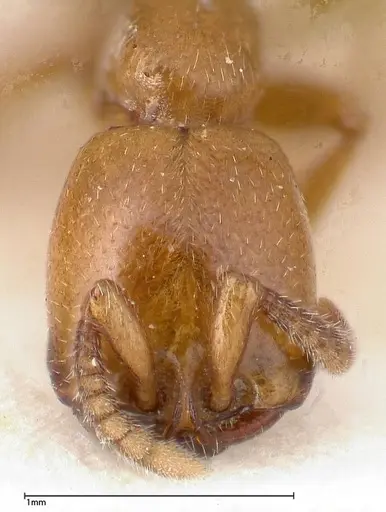
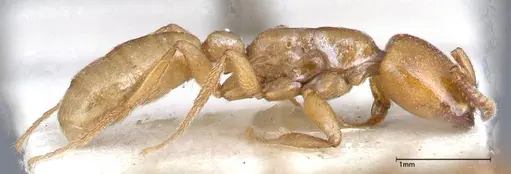
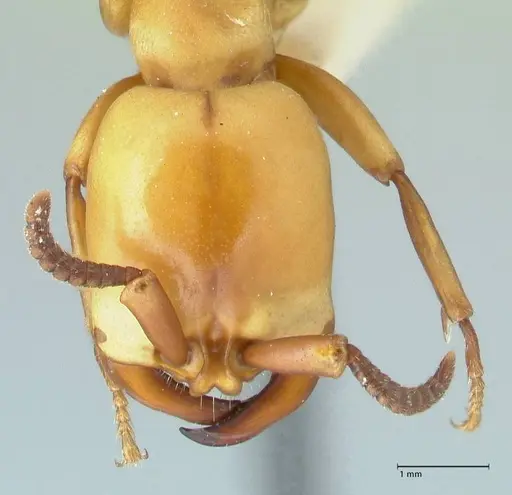
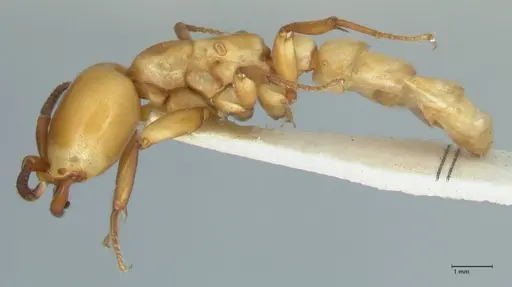
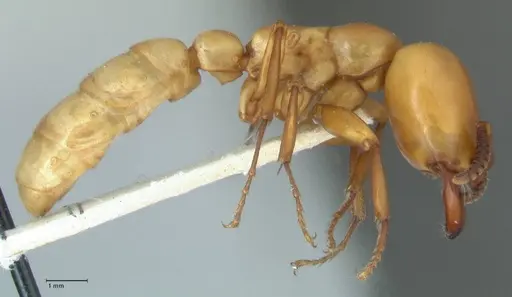
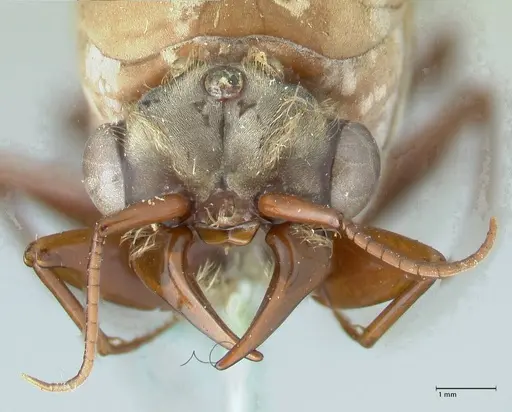
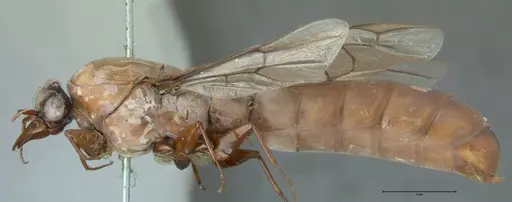
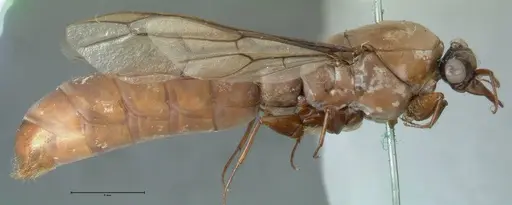
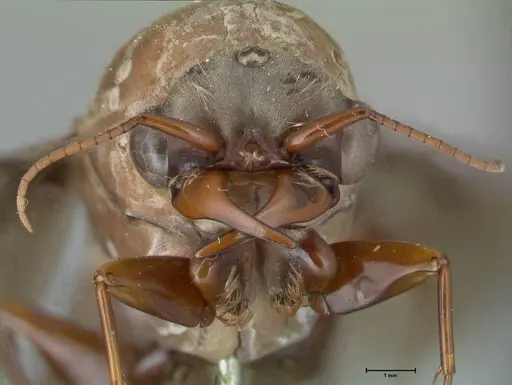
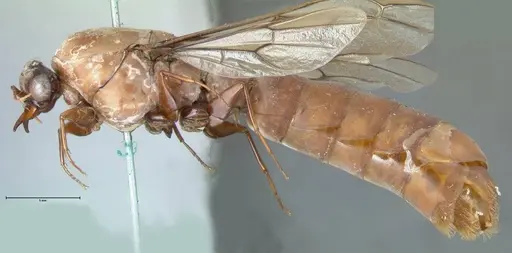
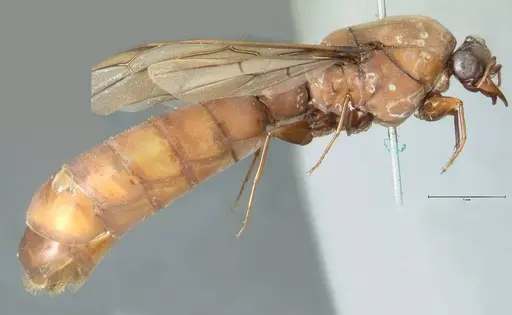
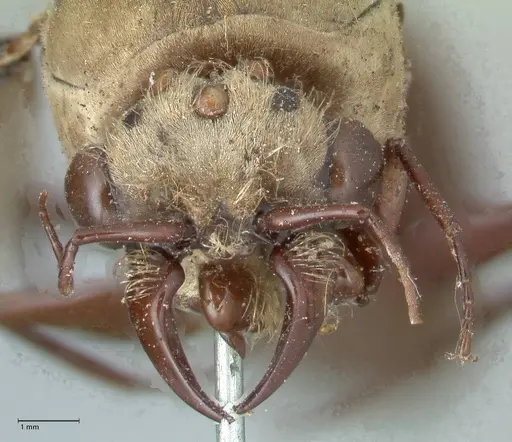
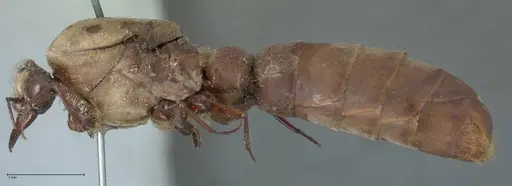
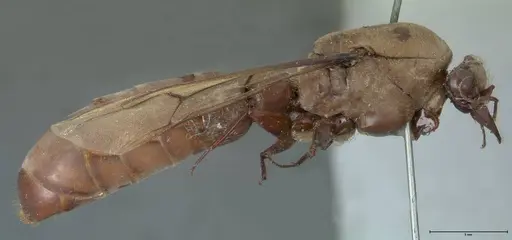
Dorylus fulvus is a subterranean army ant found across Africa, the Mediterranean, and into India and Pakistan. Workers are small at 7-13mm, with a pale yellowish color and a distinctly cylindrical, almost worm-like body. Unlike the iconic raiding army ants of the tropics, this species lives almost entirely underground, with blind workers that emerge primarily at night. The queens are permanently wingless and among the largest in the ant world, adapted to a completely subterranean lifestyle. Males are enormous, reaching over 30mm, and are strong fliers that disperse widely to find mates. This is one of the few army ant species that reaches temperate regions, found as far north as France, Serbia, and Turkey [1][2].
Quick Summary
- Difficulty: Expert
- Origin & Habitat: Wide distribution across North Africa (Morocco, Algeria, Tunisia, Libya, Egypt), the Mediterranean (France, Spain, Italy, Turkey, Greece), the Middle East (Israel, Lebanon, Syria, Saudi Arabia, Oman, Yemen), sub-Saharan Africa (Senegal, Gambia, Guinea, Sierra Leone, Ghana, Nigeria, Kenya, Tanzania, Mozambique, Zimbabwe), and into South Asia (Pakistan, India). Inhabits diverse environments from cork oak forests to arid steppe, always nesting underground in damp soil under rocks or in rotting wood [1][3][4].
- Colony Type: Single-queen colonies with permanently wingless queens that reproduce through colony fission. Queens are highly specialized for underground life and cannot fly, they disperse by budding with workers. Males are strong fliers and conduct mating flights to find queens, resulting in male-biased gene flow across populations [5].
- Colony: Monogyne
- Founding: Claustral
- Size & Growth:
- Queen: Very large (queens among the largest in the ant world), estimated 30-50mm based on genus patterns [4][6]
- Worker: 7-13mm (minor workers 7mm, major workers up to 13mm) [3][6]
- Colony: Large colonies, exact size unconfirmed but genus-level data suggests thousands of workers
- Growth: Moderate, estimated based on genus patterns for subterranean Dorylus species
- Development: Unknown, no direct studies on development timeline for this species. Estimates based on related Dorylus species suggest 2-4 months at optimal temperature. (Development is poorly documented in scientific literature. Related army ant species typically have rapid development once established, but founding stages for D. fulvus are unstudied.)
- Antkeeping:
- Temperature: Keep at 24-28°C as a starting point. This species tolerates a wide range given its distribution from temperate Europe to tropical Africa. Provide a thermal gradient so ants can self-regulate. Room temperature (20-24°C) may be acceptable if humidity is adequate.
- Humidity: Requires high humidity, nests are found in damp soil under rocks and near water sources. Keep substrate consistently moist but not waterlogged. The deeper chambers should remain damp. Mist regularly and provide a water source [4][3].
- Diapause: Likely, populations in temperate regions (France, Serbia, Turkey) likely experience winter dormancy. Reduce temperature to 15-18°C for 2-3 months in winter if your colony shows reduced activity. Tropical populations may not require diapause.
- Nesting: This species is strictly subterranean and cannot be kept in standard formicariums. Requires a naturalistic setup with deep soil (at least 15-20cm), multiple chambers, and damp conditions. Y-tong or plaster nests are unsuitable, these ants need soil to tunnel through. Provide large flat stones or a deep soil pan for them to excavate their own chambers. Keep the nest area dark as workers are blind [4][2].
- Behavior: Extremely aggressive when threatened, workers have painful bites and will swarm defensively. This is a raiding army ant that attacks other ant colonies, particularly known to raid Messor barbar nests and carry off brood and workers as food [6]. Workers are blind and emerge primarily at night to forage. They are excellent escape artists despite their size, they can squeeze through tiny gaps. Colonies are highly mobile within their underground tunnel networks. The species is not suitable for observation colonies due to its completely subterranean lifestyle, you will rarely see workers unless you disturb the nest [2][6].
- Common Issues: completely subterranean lifestyle means you cannot observe the colony, these are not display ants, large colony size requires enormous enclosure space that most hobbyists cannot provide, queens are permanently wingless, you cannot start colonies from caught queens like most ant species, aggressive defense means painful bites if colony is disturbed, blind workers and nocturnal emergence make them nearly invisible in captivity, no established captive breeding protocols exist for this species, requires deep, moist soil enclosures that are difficult to maintain properly, may raid and kill other ant colonies in multi-species setups
Why This Ant Is Extremely Difficult to Keep
Dorylus fulvus is one of the most challenging ants to keep in captivity, and most antkeepers should not attempt it. Unlike typical ants that you can observe in formicariums, this species lives almost entirely underground. Workers are blind and rarely come to the surface, you will have essentially an invisible colony. The queens are permanently wingless, meaning you cannot start a colony by catching a flying queen like you would with Lasius or Camponotus. Instead, colonies reproduce by fission: the queen takes a group of workers and moves to establish a new nest underground. This makes obtaining a founding colony nearly impossible for hobbyists. Additionally, these ants need deep, moist soil to tunnel through, not the acrylic or plaster nests commonly used in antkeeping. They also have powerful jaws and will bite aggressively if the nest is disturbed. The bottom line: this species is not suitable for captive husbandry in the traditional sense and is best appreciated in the wild or by specialized researchers [4][2][5].
Natural History and Biology
Dorylus fulvus is a subterranean army ant that has adapted to life underground more completely than most ant species. Workers are completely blind and rarely emerge during the day. They build extensive tunnel systems in damp soil, with chambers for brood, food storage, and the massive queen. The species is found across an enormous range, from temperate regions in southern Europe and the Middle East, all the way through sub-Saharan Africa to South Africa and east to India and Pakistan. This wide distribution suggests remarkable adaptability to different climates. Colonies contain thousands of workers that raid other ant colonies, particularly harvester ants (Messor species), carrying back brood and workers as food. Males are among the largest of any ant, reaching over 30mm, and are strong fliers that conduct mating flights to find queens. The queen is permanently wingless and cannot fly, she disperses by budding with workers, which explains why gene flow is male-biased: males fly to find mates while queens stay local [5][6][3].
Nesting and Habitat
In the wild, Dorylus fulvus nests underground in damp soil, typically under large stones, in rotting wood stumps, or in animal burrows. They prefer humid locations and are often found near water sources or in areas with groundwater access. The nests can be extensive, with multiple chambers at different depths. Unlike termites, they excavate the soil themselves rather than building mud structures. One unusual nesting association is with animal manure, researchers have found colonies nesting in or near compost heaps and animal waste, likely attracted to the invertebrate activity and moisture [4][3]. In captivity, this would translate to needing a deep soil enclosure (at least 15-20cm of substrate), kept consistently moist, with minimal disturbance. The nest area should be dark, these ants are adapted to complete darkness and will avoid light. Flat stones placed on top of the soil can provide the kind of cover they naturally nest under [4].
Feeding and Diet
As army ants, Dorylus fulvus is predatory and raids other ant colonies. They are known to attack Messor barbar colonies and other harvester ants, carrying back brood and workers as protein. They may also scavenge and hunt other invertebrates in their tunnels. In captivity, providing appropriate food would be challenging, you would need to establish other ant colonies (like Messor) as a food source, or provide regular offerings of live insects. They are unlikely to accept sugar water or honey as their nutrition comes from prey. Related army ant species typically feed on the brood and workers of raided colonies, so live or recently killed insects would be the most appropriate offering. However, given their subterranean nature, observing feeding would be nearly impossible [6][7].
Reproduction and Nuptial Flights
Reproduction in Dorylus fulvus is unusual compared to most ants. Queens are permanently wingless and cannot fly, they are among the most highly specialized queens in the ant world for underground life. Instead of mating and dispersing via nuptial flights like typical ants, colonies reproduce through budding: the queen takes a portion of workers and establishes a new nest nearby. Males, however, are strong fliers and conduct mating flights to find queens. This results in male-biased dispersal, males fly long distances while queens stay close to the parent colony. This explains the genetic structure observed in studies: maternal DNA shows strong population differentiation (FST = 0.85) while paternal/biparental DNA shows much weaker differentiation (FST = 0.23). Males are attracted to lights at night, which is how many specimens are collected. For antkeepers, this means obtaining a founding colony is extremely difficult, you cannot catch a flying queen [5][6].
Frequently Asked Questions
Can I keep Dorylus fulvus in a test tube?
No. This species is completely unsuitable for test tube or formicarium keeping. They are strictly subterranean and need deep, moist soil to tunnel through. A test tube would be completely inappropriate and the colony would likely die. These ants need naturalistic setups with at least 15-20cm of soil substrate [4].
Can I start a colony from a queen I catch?
No. Unlike most ant species, Dorylus fulvus queens are permanently wingless and cannot fly. You cannot catch a flying queen to start a colony. Queens disperse by budding with workers, making wild colony capture essentially impossible for hobbyists. This species is not suitable for captive breeding in the traditional sense [5].
Are Dorylus fulvus good for beginners?
No. This species is not recommended for any antkeeper except the most experienced and specialized. They are extremely difficult to keep because they are completely subterranean (you cannot observe them), require large enclosures with deep soil, need high humidity, and cannot be started from caught queens. There are no established captive protocols for this species. Most antkeepers should choose a different species.
How big do Dorylus fulvus colonies get?
Colonies are large, likely reaching thousands of workers based on genus patterns for Dorylinae. The exact maximum size is not documented in scientific literature, but related army ant species form massive colonies. This species would require enormous enclosure space to maintain a healthy colony.
Do they need hibernation?
Likely yes for temperate populations. Populations in France, Serbia, and Turkey experience cold winters and likely enter dormancy. Reduce temperature to 15-18°C for 2-3 months during winter if your colony shows reduced activity. Tropical populations from Africa likely do not require a winter rest.
What do Dorylus fulvus eat?
They are predatory army ants that raid other ant colonies, particularly harvester ants (Messor species). They carry back brood and workers as food. In captivity, you would need to provide live insects or establish other ant colonies as prey. They are unlikely to accept sugar water or honey. Feeding would be difficult to observe given their subterranean lifestyle [6].
Can I observe them in captivity?
Almost never. This is one of the least observable ant species in captivity. Workers are blind and rarely emerge above ground. They spend nearly all their time in underground tunnels. You would have essentially an invisible colony unless you destructively excavate the nest. This species is not suitable for those who want to watch their ants [2].
Where does Dorylus fulvus live?
Across a massive range: North Africa (Morocco, Algeria, Tunisia, Libya, Egypt), the Mediterranean (France, Spain, Italy, Turkey), the Middle East (Israel, Lebanon, Syria, Saudi Arabia, Oman), sub-Saharan Africa (Senegal to South Africa), and South Asia (Pakistan, India). They are found in diverse habitats from forests to arid steppe, always underground [1][3].
References

This caresheet is licensed under CC BY-SA 4.0 .
CASENT0217149
View on AntWeb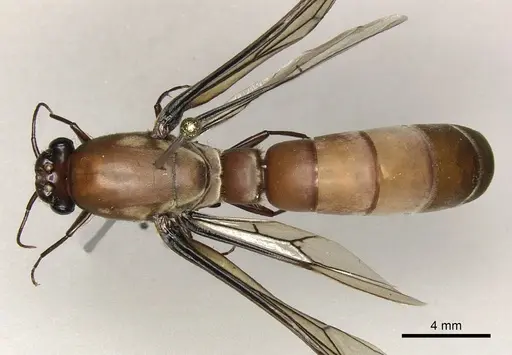
CASENT0217465
View on AntWeb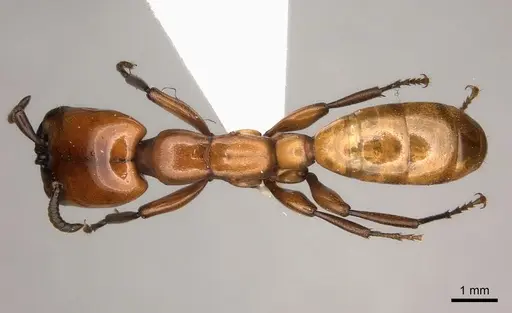
CASENT0235169
View on AntWeb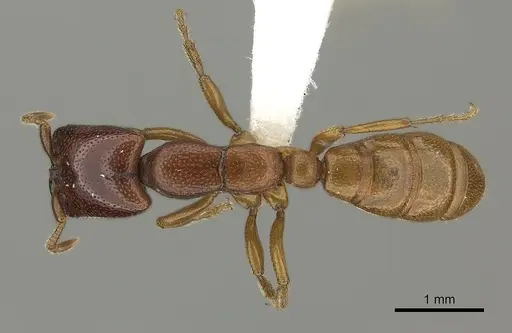
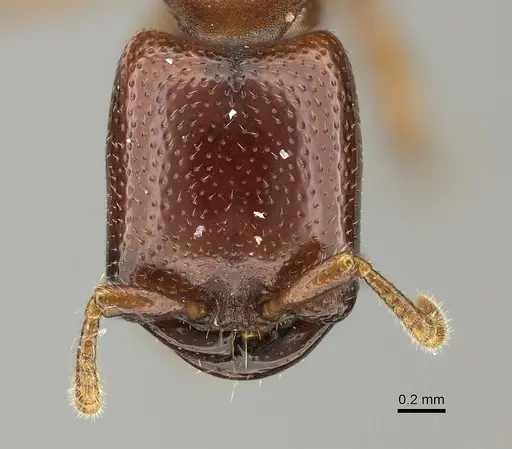
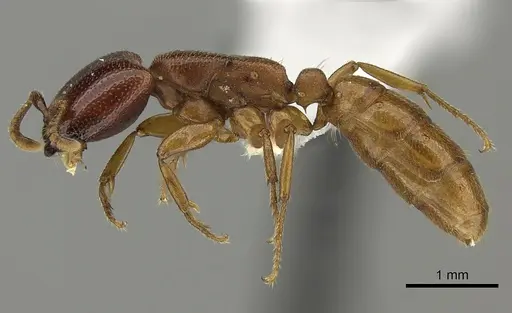
CASENT0235170
View on AntWeb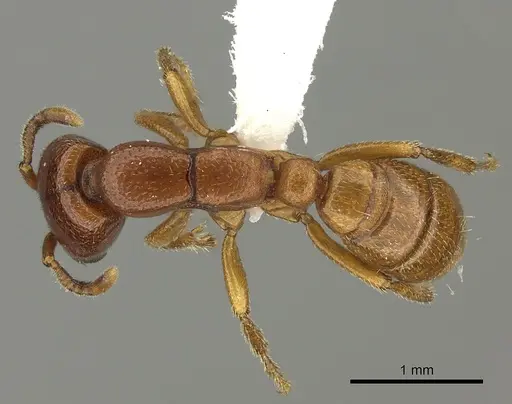
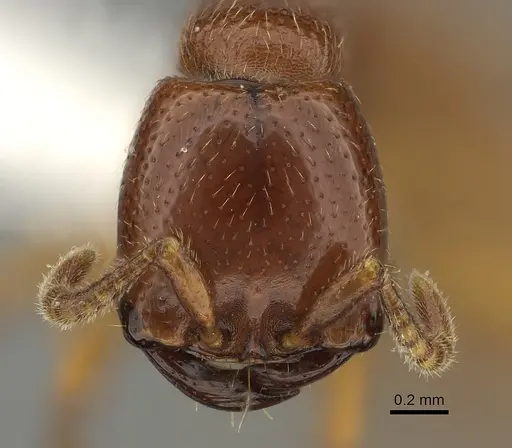
CASENT0235171
View on AntWeb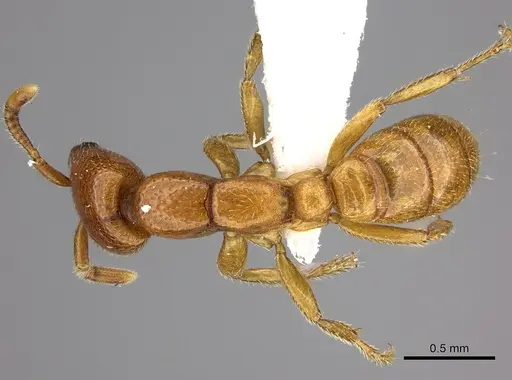
CASENT0235172
View on AntWeb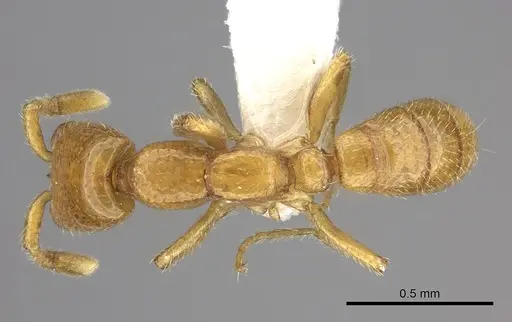
CASENT0249440
View on AntWeb
CASENT0401739
View on AntWeb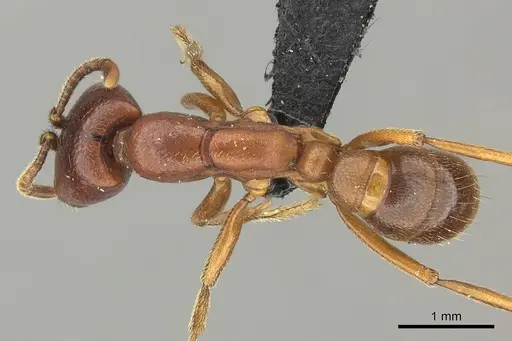
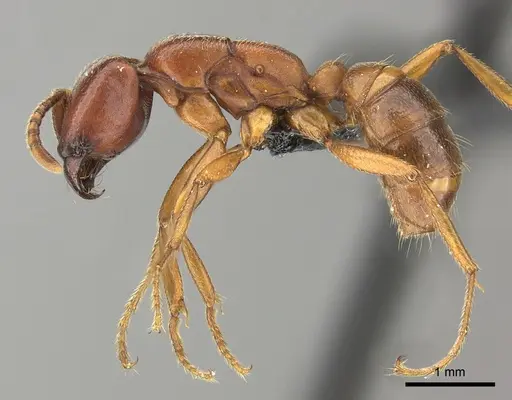
CASENT0401743
View on AntWeb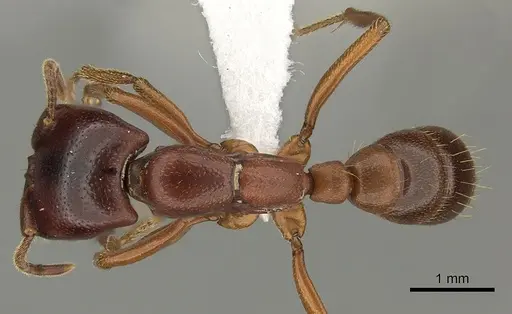
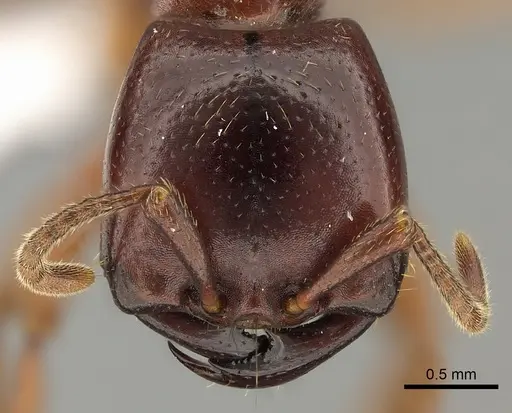
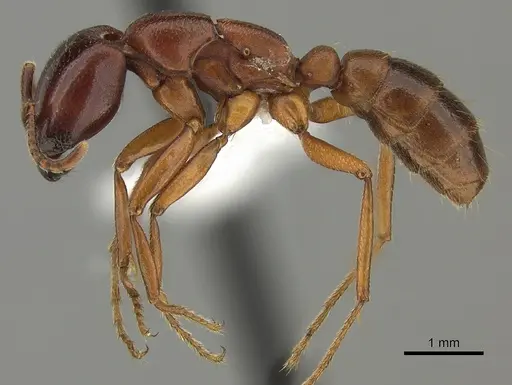
CASENT0901949
View on AntWeb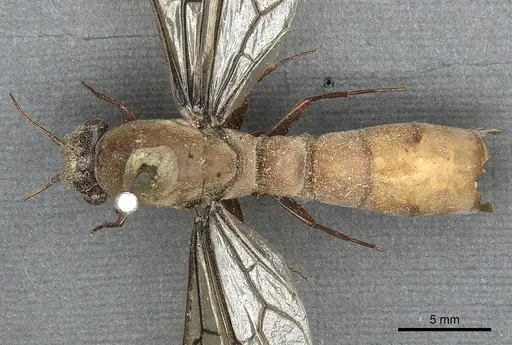
CASENT0901953
View on AntWeb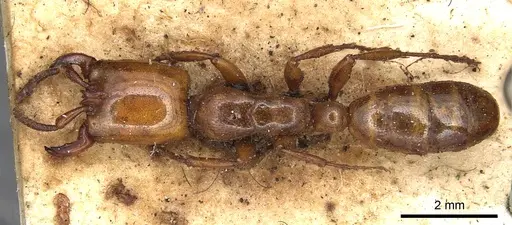
CASENT0901954
View on AntWeb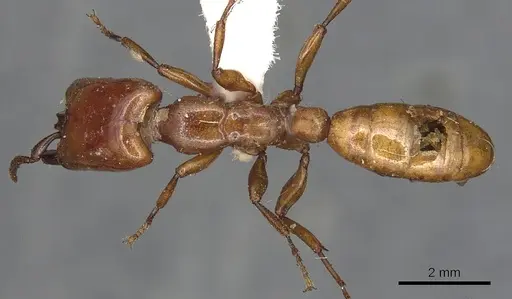
CASENT0901955
View on AntWeb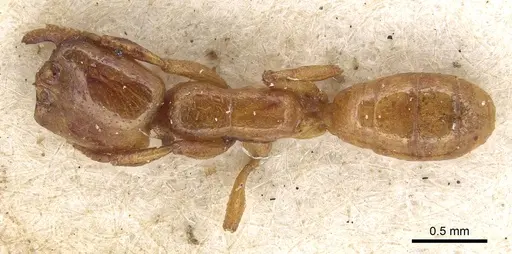
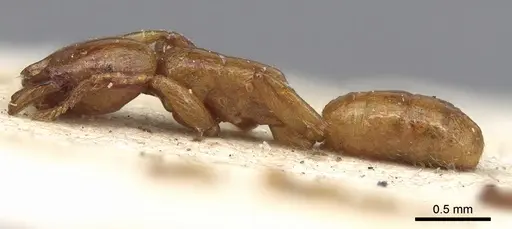
CASENT0905928
View on AntWeb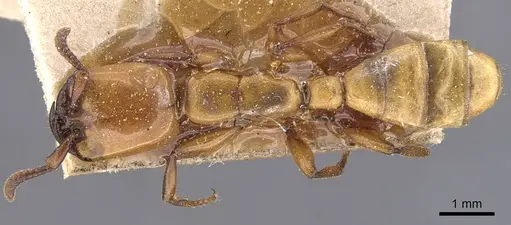
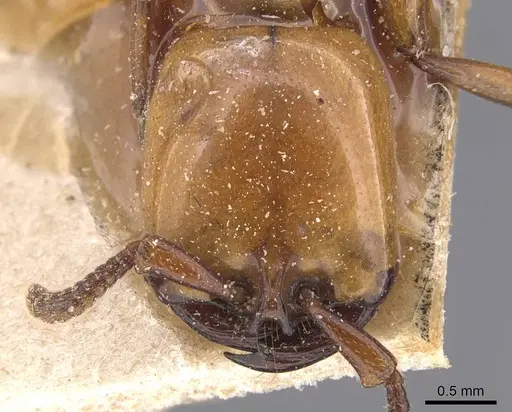
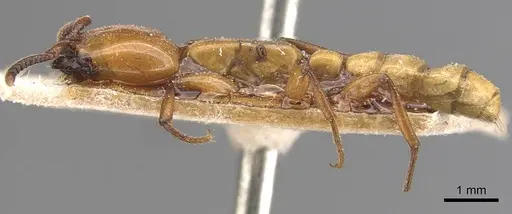
CASENT0905929
View on AntWeb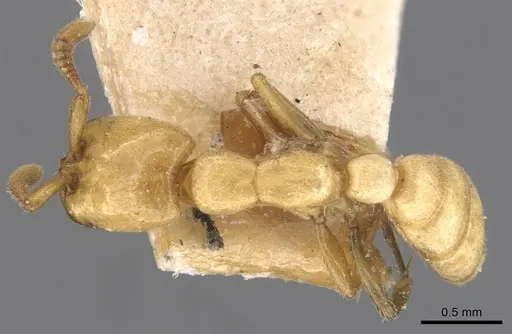
CASENT0911354
View on AntWeb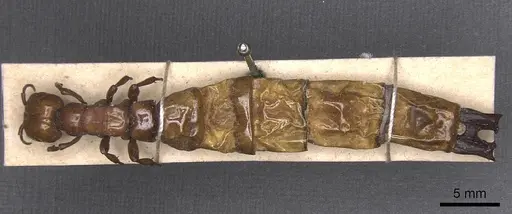
CASENT0911355
View on AntWeb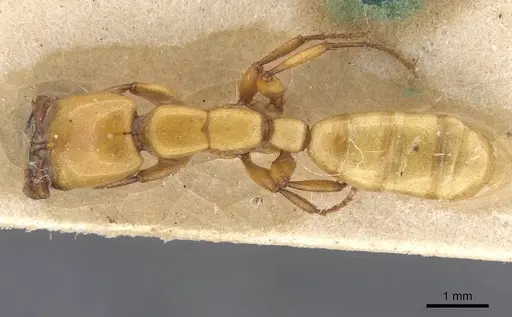
CASENT0911356
View on AntWeb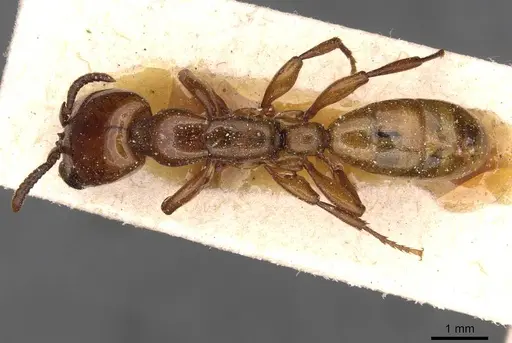
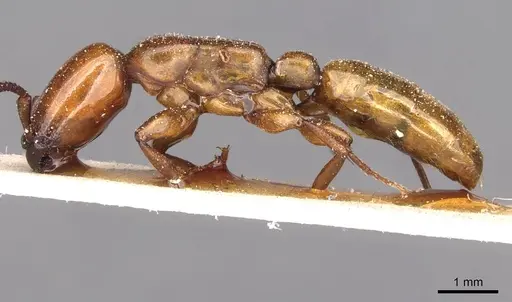
CASENT0911357
View on AntWeb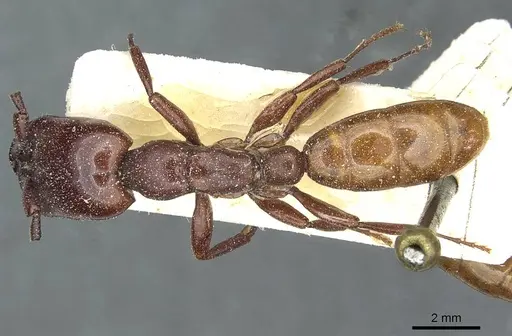
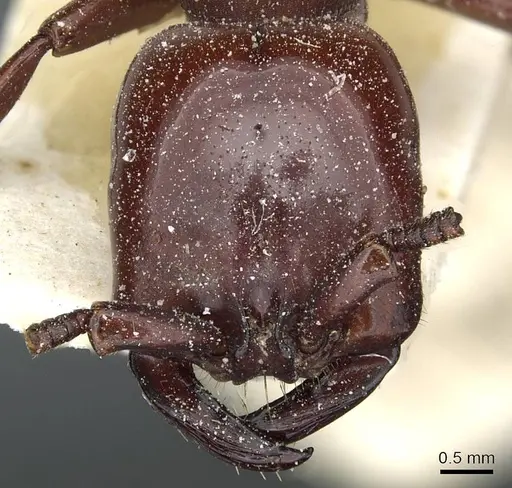
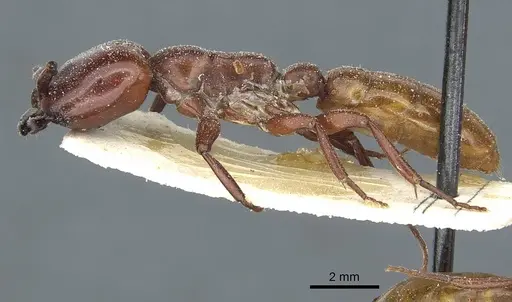
CASENT0911358
View on AntWeb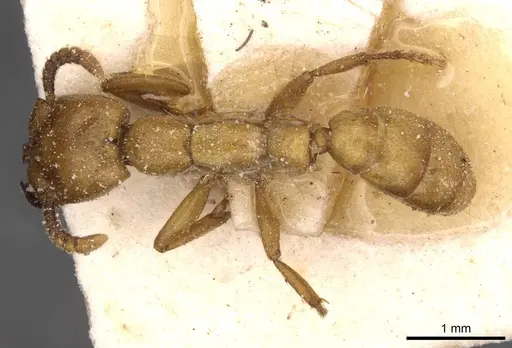
CASENT0911359
View on AntWeb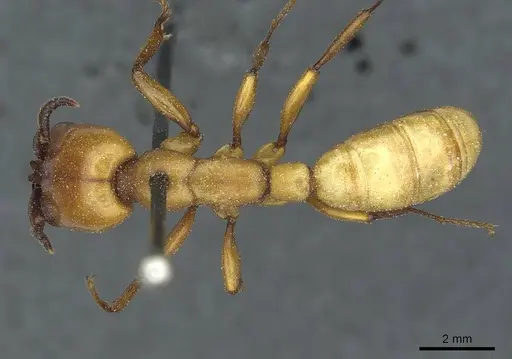
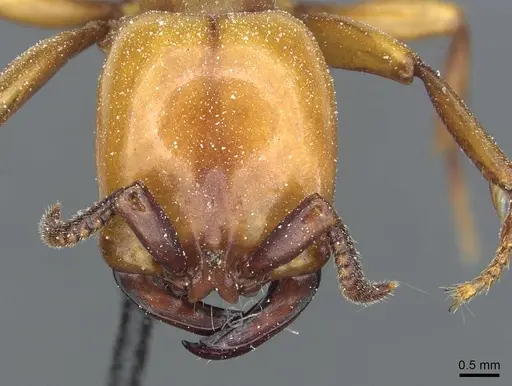
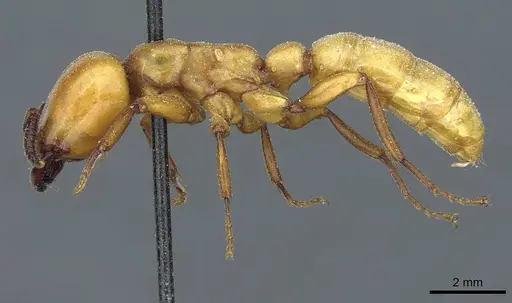
CASENT0911360
View on AntWeb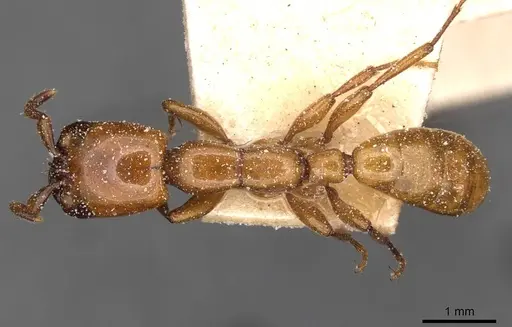
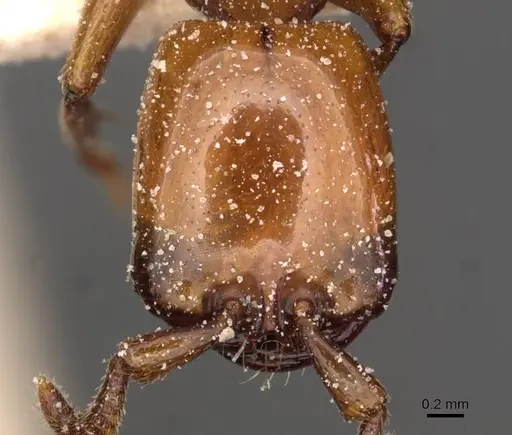
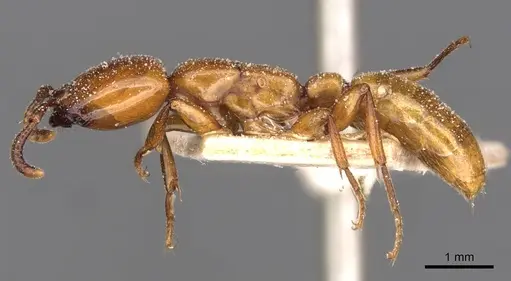
CASENT0911361
View on AntWeb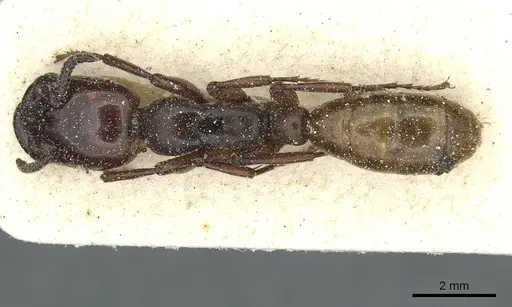
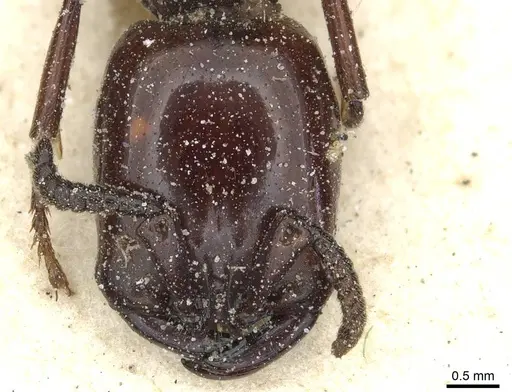
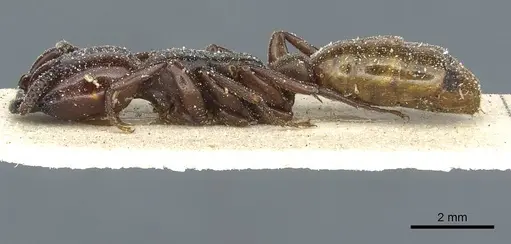
CASENT0911362
View on AntWeb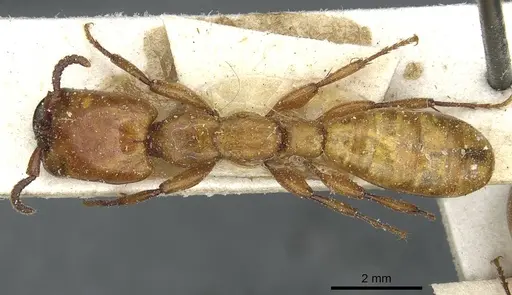
CASENT0911363
View on AntWeb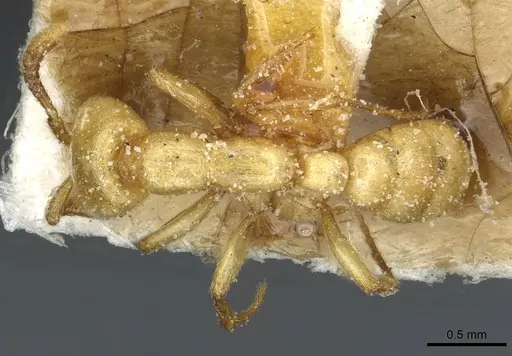
CASENT0911364
View on AntWeb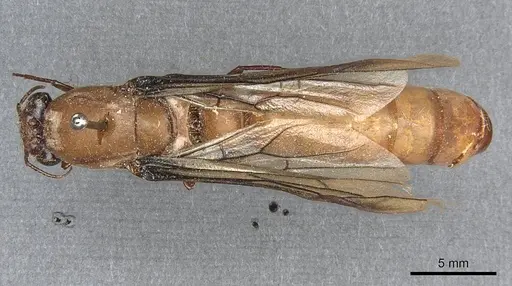
CASENT0911365
View on AntWeb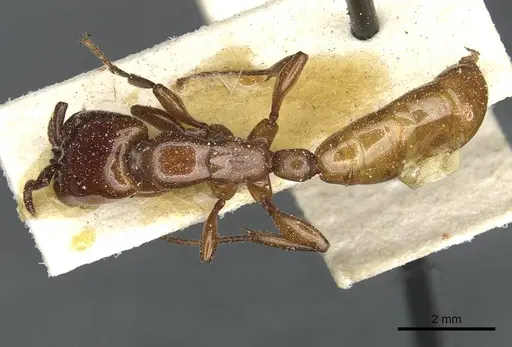
CASENT0911366
View on AntWeb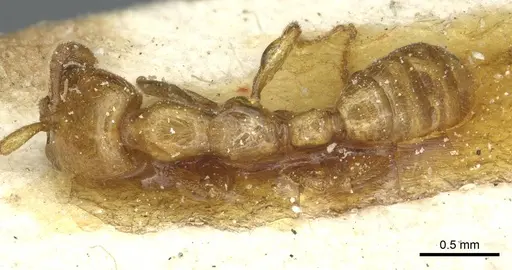
CASENT0915643
View on AntWeb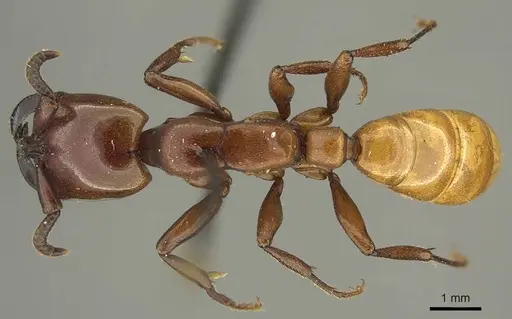
FMNHINS0000045249
View on AntWeb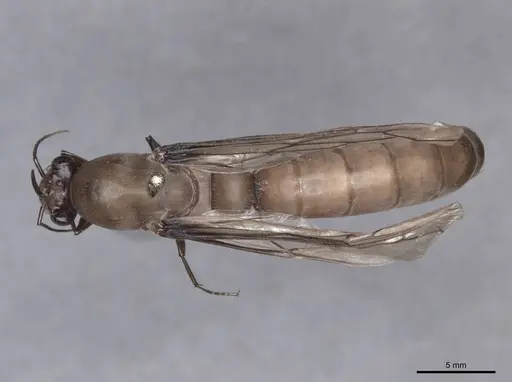
FOCOL0349
View on AntWeb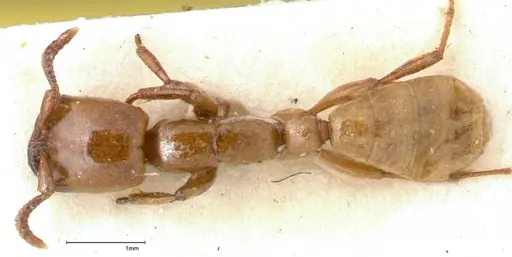
FOCOL0350-1
View on AntWeb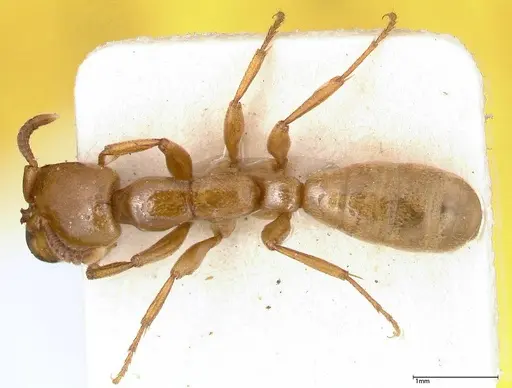
FOCOL0350-2
View on AntWeb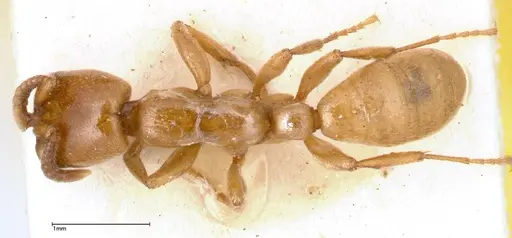
FOCOL1107
View on AntWeb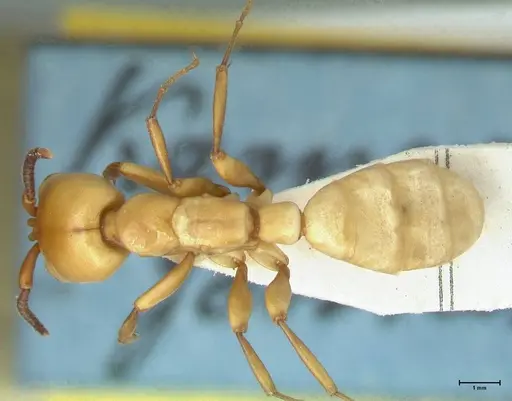
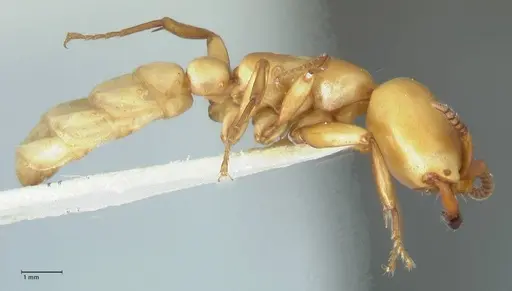
FOCOL1108
View on AntWeb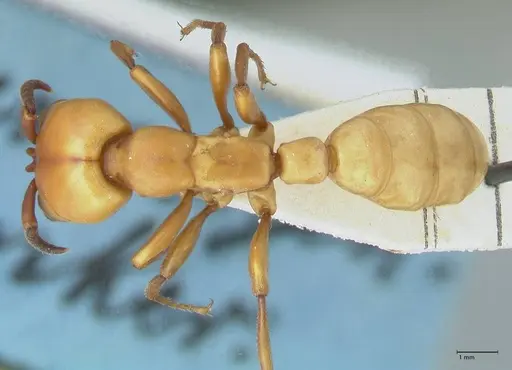
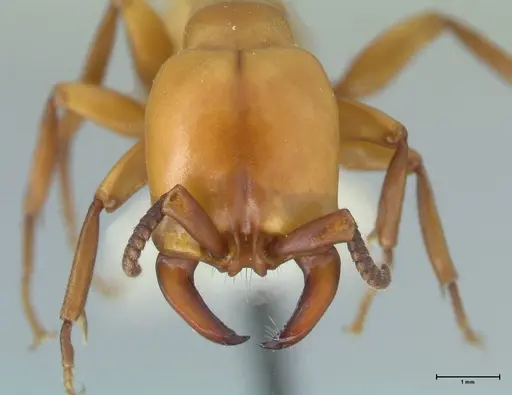
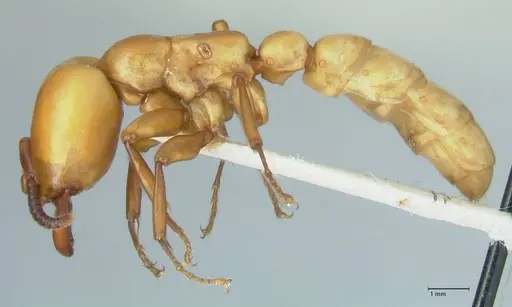
FOCOL1109
View on AntWeb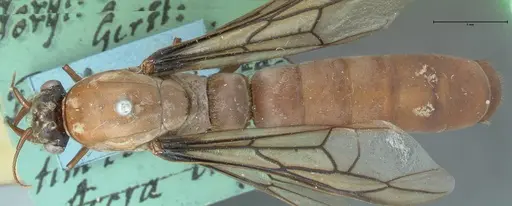
FOCOL1110
View on AntWeb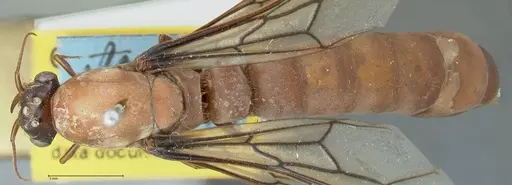
FOCOL1111
View on AntWeb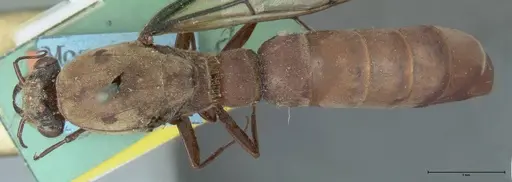
Literature
Loading...Loading products...