

Dorylus funereus
- Scientific Name
- Dorylus funereus
- Subfamily
- Dorylinae
- Author
- Emery, 1895
- Distribution
- Found in 1 countries
Dorylus funereus Overview
Dorylus funereus is an ant species of the genus Dorylus. It is primarily documented in 1 countries , including Congo, Democratic Republic of the. Detailed taxonomic data and occurrence records can be further explored via authoritative databases such as AntWeb or the Global Biodiversity Information Facility (GBIF).
Dorylus funereus
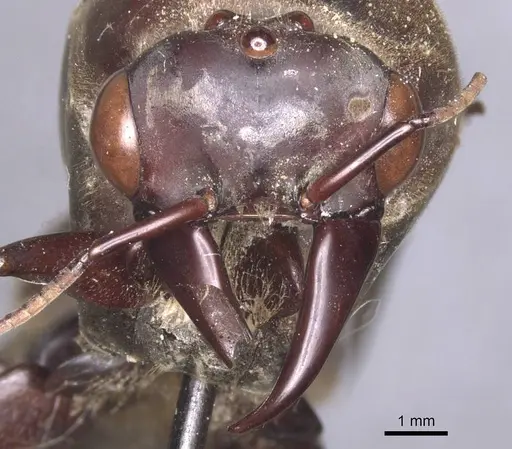
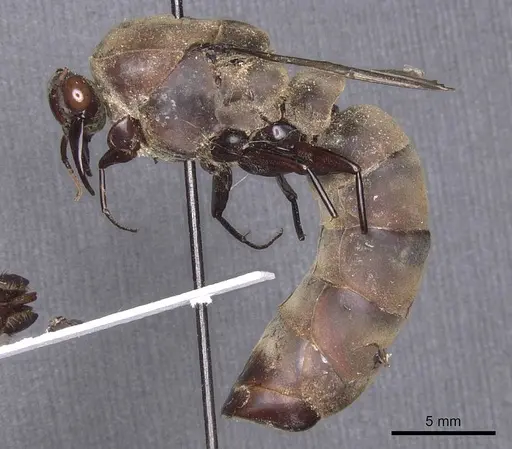
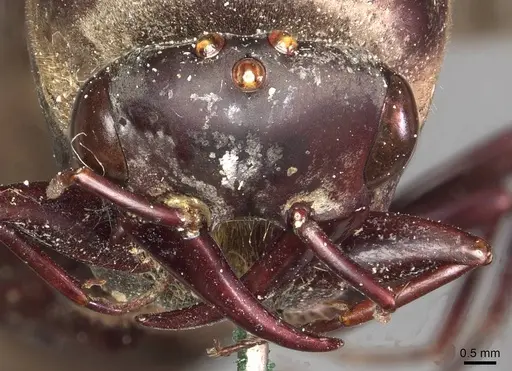
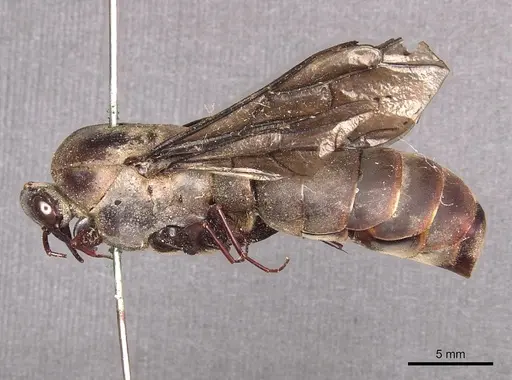
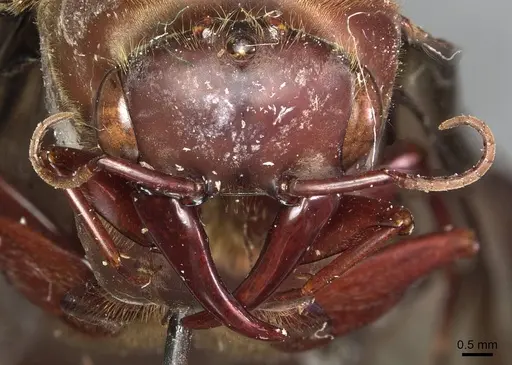
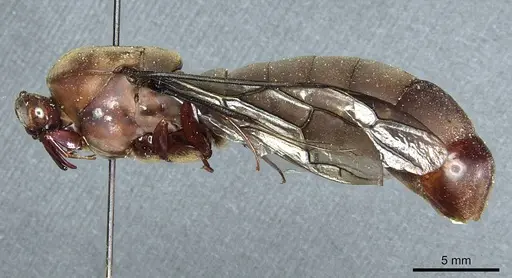
Dorylus funereus is a species of army ant found across central and west Africa. Workers are typically 3-12mm depending on their caste (major workers are larger), with a dark reddish-brown to black coloration. Like all Dorylus species, they are nomadic army ants that do not maintain permanent nests, instead, they form temporary bivouacs by clustering together, and they conduct massive predatory raids through the forest floor and undergrowth. These ants are known for their aggressive hunting behavior, moving in columns to overwhelm prey including insects, spiders, and other arthropods. Colonies can reach massive sizes, with some sources indicating hundreds of thousands of individuals. Queens are highly polymorphic, they can be very large (macrogynes over 25mm) or smaller (microgynes around 15mm), and the colony structure varies between populations. This species represents the classic army ant lifestyle: constant movement, coordinated raids, and reproduction tied to the nomadic cycle.
Quick Summary
- Difficulty: Expert
- Origin & Habitat: Central and west Africa, from Cameroon to the Democratic Republic of Congo. Found in tropical rainforest and forest edge habitats where they can conduct raids through leaf litter and undergrowth [1][2].
- Colony Type: Colony structure appears flexible, some populations are monogyne (single queen) while others are polygyne (multiple queens). Ergatoid (wingless) replacement reproductives may develop if the primary queen dies, allowing the colony to maintain reproduction without swarming. Colony size can reach into the hundreds of thousands of workers.
- Colony: Optionally polygyne
- Size & Growth:
- Queen: Polymorphic: macrogynes 25-30mm, microgynes 15-18mm, estimated from genus patterns
- Worker: 3-12mm (caste-dependent, majors are larger), estimated from genus patterns
- Colony: 100,000-500,000 workers, estimated from genus patterns
- Growth: Fast, army ant colonies grow rapidly when well-fed
- Development: Approximately 3-4 weeks at tropical temperatures, inferred from related Dorylus species (Army ant development is typically fast compared to most ants, supporting their nomadic lifestyle)
- Antkeeping:
- Temperature: Keep at 24-28°C, army ants are tropical and need consistent warmth. A heating cable on one side of the outworld can help maintain this range.
- Humidity: High humidity (70-85%) is essential. These ants are adapted to the humid tropical forest floor. Keep the outworld substrate moist but not waterlogged.
- Diapause: No true diapause, army ants are active year-round in their tropical habitat. However, colonies may have resting phases between nomadic cycles.
- Nesting: Army ants do not nest in traditional ant nests. In captivity, they require a large outworld with multiple feeding stations and a dark, humid resting area (like a plastic container with moist substrate) where they can form a bivouac. Test tubes and formicaria are NOT suitable for this species.
- Behavior: Extremely aggressive predators with a powerful bite. Workers are blind or nearly so but coordinate through chemical trails. They conduct coordinated raids in columns, overwhelming prey through sheer numbers. Escape prevention is critical, they will readily explore and find any gap in containment. They are active primarily at night and during cooler daylight hours. Major workers can deliver a painful bite if handled. This is not a species for beginners, their nomadic nature, massive colony size, and aggressive predation require expert-level management.
- Common Issues: massive space requirements make them difficult to house, colonies can outgrow even large setups quickly, escape prevention is critical, they will find and exploit any gap in their enclosure, specialized diet needs, they require constant access to live prey, not sugar water, nomadic cycle disruption can stress colonies, they need to move regularly to stay healthy, beginners often fail because they underestimate the space and prey requirements
Housing and Space Requirements
Dorylus funereus is NOT a species that can be kept in standard ant keeping setups. These are army ants that require massive enclosures to express natural behavior. You will need a large outworld (at least 60x40cm floor space, larger is better) with multiple feeding stations scattered throughout. The outworld should have a deep layer of moist substrate (coco fiber or soil mix) that they can tunnel through. Create a dark, humid bivouac area using a plastic container filled with moist material, this mimics the temporary nests they form in the wild. The key principle is space: army ants need to move to stay healthy, and cramped conditions will cause stress and colony decline. Many experienced keepers use custom-built large plastic bins or converted furniture pieces for Dorylus colonies.
Feeding and Diet
Dorylus funereus is an obligate predator, they do not collect honeydew or eat sugar. Their diet consists entirely of live arthropods including crickets, mealworms, roaches, spiders, and other insects. You must provide a constant supply of live prey. Feed small prey (crickets, flightless fruit flies) daily during active periods, with larger prey items offered 2-3 times per week. The colony will form raiding columns to overwhelm prey, so place prey at different locations to encourage natural hunting behavior. Remove uneaten prey after 24 hours to prevent mold. A well-fed army ant colony will have workers with distended abdomens, this is a sign of a healthy, well-nourished colony.
Temperature and Heating
As a tropical African species, Dorylus funereus requires warm temperatures between 24-28°C. Room temperature alone is often insufficient, especially in cooler climates. Use a heating cable placed on ONE SIDE of the outworld (never directly under the bivouac area as it can cause drying and overheating). This creates a temperature gradient allowing the ants to thermoregulate. Monitor temperatures with a digital thermometer placed at both the warm and cool ends. Avoid temperatures above 32°C as this can be fatal. Consistent warmth is more important than exact precision, stable 25°C is better than fluctuating 23-27°C.
The Nomadic Cycle
Army ants have a unique lifestyle that sets them apart from all other ants: they are nomadic. Unlike species that establish permanent nests, Dorylus colonies alternate between nomadic phases (when they move frequently, raiding and producing brood) and stationary phases (when they remain in one bivouac location while the queen lays eggs). In captivity, this means you should not expect constant growth, expect periods of relative inactivity followed by bursts of activity and expansion. The nomadic cycle is driven by brood development: when new workers emerge, the colony becomes restless and moves. Understanding this cycle is essential for proper husbandry, do not mistake stationary phases for poor health.
Behavior and Defense
Dorylus funereus workers are aggressive and will readily bite when threatened. While their bite is not dangerous to healthy humans, it can be painful and may cause irritation. More importantly, these ants are extremely persistent, once they detect a threat or a food source, they will continue investigating even after initial setbacks. Their compound eyes are reduced or absent (they are nearly blind), but they compensate with excellent chemical communication. Workers lay chemical trails to guide nestmates to food sources. In the enclosure, expect to see column formations during active raids, this is fascinating natural behavior but requires careful observation to ensure prey is being consumed and the colony is thriving.
Frequently Asked Questions
Can I keep Dorylus funereus in a test tube?
No. Test tubes and formicaria are completely unsuitable for Dorylus funereus. This is an army ant species that requires a large outworld with space to form raiding columns and a bivouac area. Attempting to keep them in small enclosures will result in colony stress and death.
How long does it take for Dorylus funereus to produce first workers?
Based on related Dorylus species, expect approximately 3-4 weeks from egg to worker at optimal tropical temperatures (around 26°C). Army ant development is faster than most ant species, which supports their nomadic lifestyle.
Can I keep multiple Dorylus funereus queens together?
Some Dorylus funereus populations are naturally polygynous (multiple queens), but combining unrelated queens in captivity is risky and not recommended unless you have extensive experience. If the colony is already established with multiple queens, leave them together, army ant colonies can be flexible about queen numbers.
What do Dorylus funereus eat?
They are obligate predators that require live prey. Feed them crickets, mealworms, roaches, spiders, and other small arthropods. They do not eat sugar, honey, or fruit. A constant supply of live prey is essential for colony health.
Are Dorylus funereus good for beginners?
No. Dorylus funereus is an expert-level species that requires specialized housing, constant live prey, and significant space. They are not suitable for beginners. If you are new to ant keeping, start with species like Lasius niger, Camponotus species, or Messor species.
How big do Dorylus funereus colonies get?
Mature colonies can reach 100,000 to 500,000 workers. This is one of the reasons they require such large enclosures, a colony of this size produces enormous amounts of waste and consumes massive quantities of prey.
Do Dorylus funereus need hibernation?
No. As a tropical species, they do not require hibernation. Keep them at warm tropical temperatures (24-28°C) year-round. Attempting to hibernate them will likely result in colony death.
Why are my Dorylus funereus dying?
Common causes include: insufficient prey (they need constant live food), temperatures too low or unstable, inadequate space causing stress, low humidity, or improper bivouac conditions. Review all care parameters and adjust accordingly. Army ant colonies that are stressed will often become inactive and decline rapidly.
When should I move Dorylus funereus to a formicarium?
Never. Standard formicaria are completely unsuitable for army ants. They need open outworld setups with space to raid, not enclosed nests. Create a naturalistic setup with a large plastic bin, moist substrate, and multiple feeding stations.
How often should I feed Dorylus funereus?
Feed small prey items daily during active periods. During stationary phases of the nomadic cycle, you can reduce feeding slightly, but always ensure prey is available. A well-fed colony will have workers with visibly distended abdomens.
References

This caresheet is licensed under CC BY-SA 4.0 .
CASENT0903695
View on AntWeb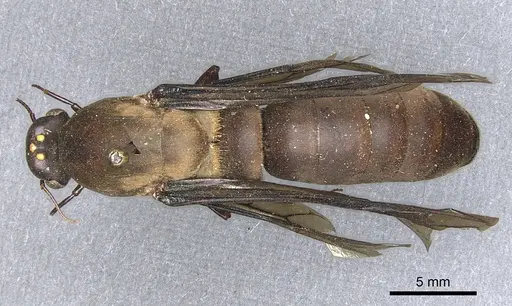
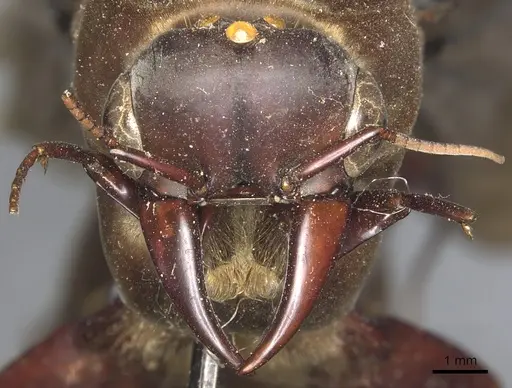
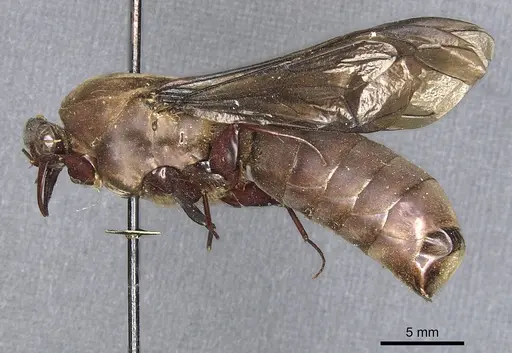
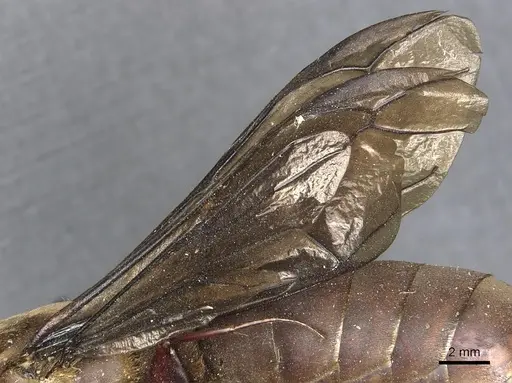
CASENT0911285
View on AntWeb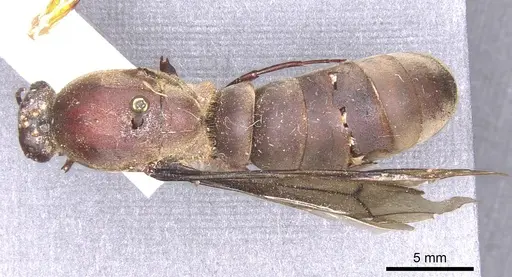
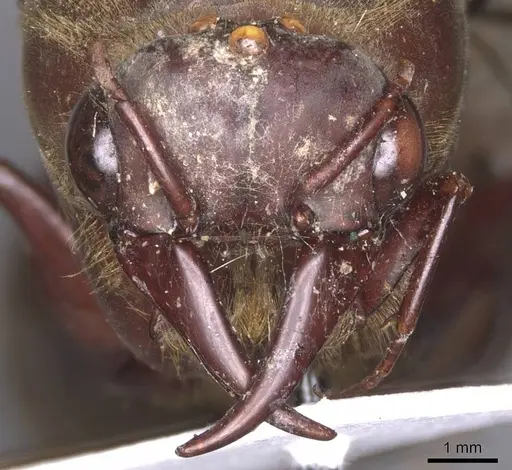
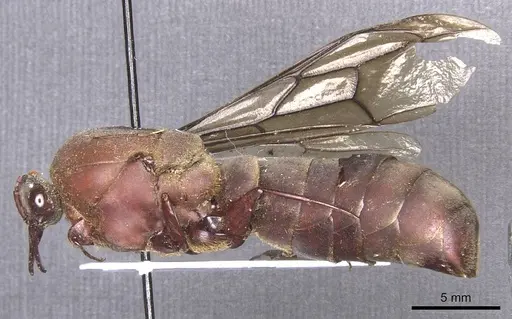
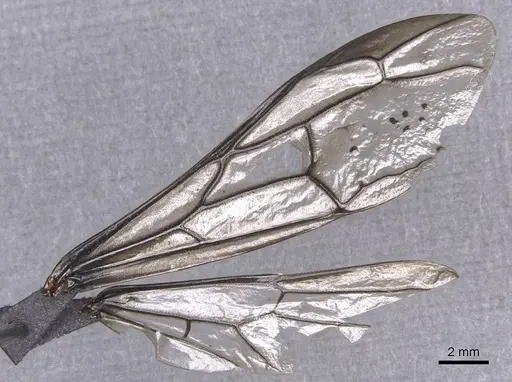
CASENT0911286
View on AntWeb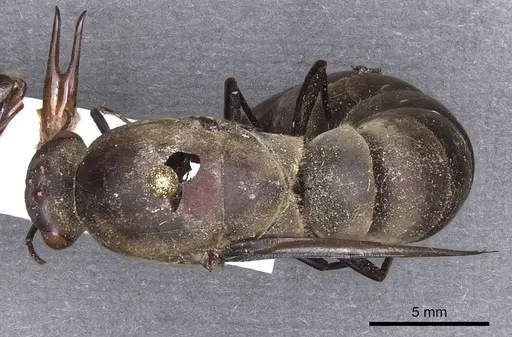
CASENT0911287
View on AntWeb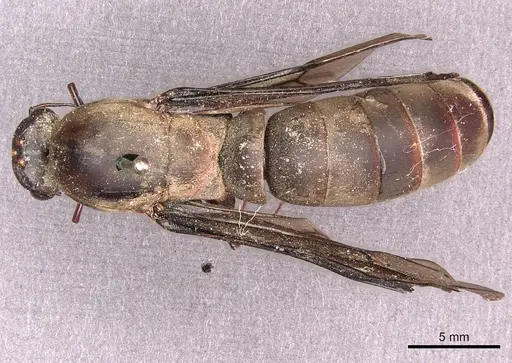
CASENT0911288
View on AntWeb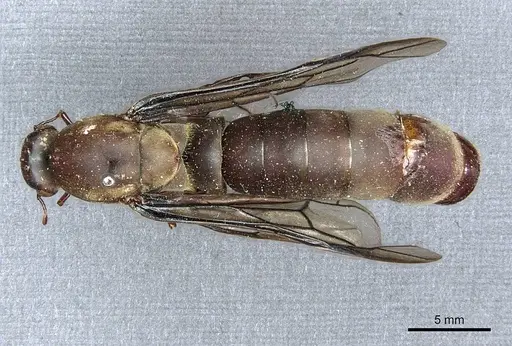
Literature
Loading...Loading products...