

Dorylus diadema
- Scientific Name
- Dorylus diadema
- Subfamily
- Dorylinae
- Author
- Gerstäcker, 1859
- Distribution
- Found in 3 countries
Dorylus diadema Overview
Dorylus diadema is an ant species of the genus Dorylus. It is primarily documented in 3 countries , including Namibia, South Africa, Zimbabwe. Detailed taxonomic data and occurrence records can be further explored via authoritative databases such as AntWeb or the Global Biodiversity Information Facility (GBIF).
Dorylus diadema
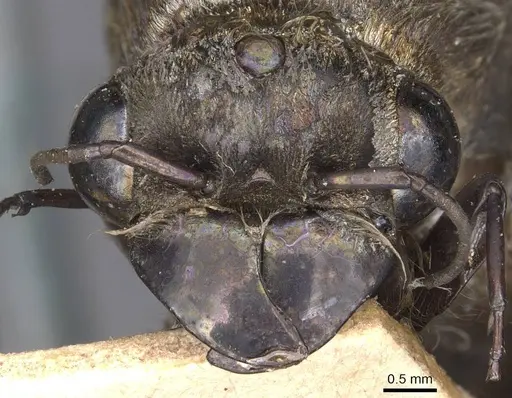
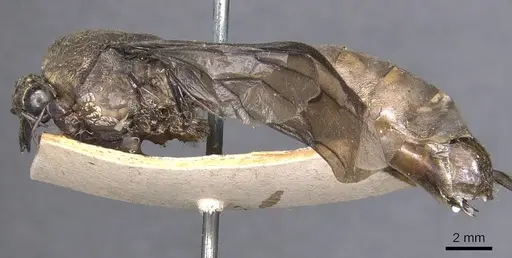
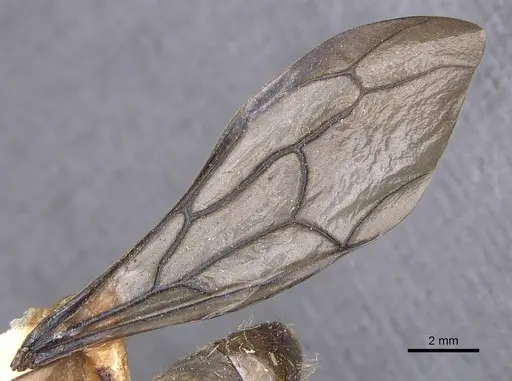
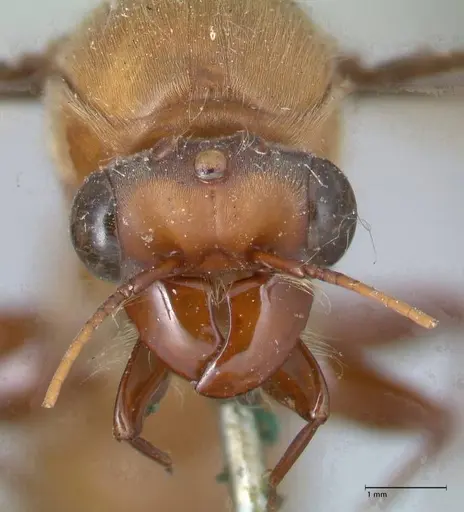
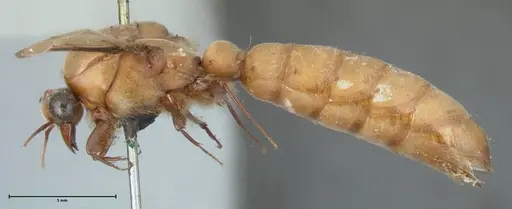
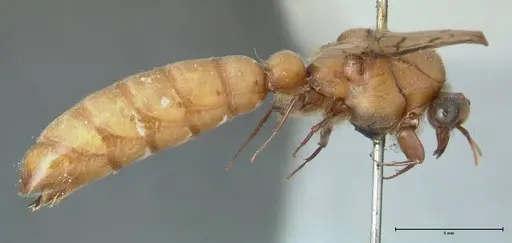
Dorylus diadema is a large army ant species found across eastern Africa, from Malawi to Mozambique and Zimbabwe. Males are distinctive with their rust-yellow body, bright rust-red head marked with blackish bands, and large wings reaching 9.5-10 lines in length (approximately 20-21mm). This species belongs to the Dorylus orientalis-group and is one of the larger driver ant species known for their predatory swarming behavior.
As an army ant, D. diadema represents a dramatically different keeping experience than typical ant species. These ants form massive colonies that raid in swarms, capturing and consuming enormous numbers of prey items. Their colonies are highly mobile, with queens that may be attended by multiple reproductive females. This is an expert-level species best suited for antkeepers with significant experience managing large, aggressive colonies.
Quick Summary
- Difficulty: Expert
- Origin & Habitat: Eastern Africa, Malawi, Mozambique, and Zimbabwe. They inhabit savanna and forest edge habitats where they can conduct large-scale raids across the landscape [1].
- Colony Type: Likely polygynous (multiple queens) based on typical Dorylus colony structure. Army ant colonies typically contain multiple reproductive queens that coordinate reproduction. Ergatoid (wingless) replacement reproductives may also be present.
- Colony: Polygyne
- Founding: Claustral
- Size & Growth:
- Queen: Likely 25-35mm based on related Dorylus species, estimated from genus patterns [2].
- Worker: Major workers 6-12mm, minor workers 3-5mm, estimated from genus patterns.
- Colony: Colonies can reach hundreds of thousands to over a million workers based on typical Dorylus colonies.
- Growth: Fast, army ant colonies grow rapidly when well-fed.
- Development: Approximately 4-6 weeks at optimal temperature, estimated from related Dorylus species. (Army ant brood development is typically rapid, with synchronized broods that develop in waves.)
- Antkeeping:
- Temperature: Keep at 24-28°C. Army ants prefer warm, stable temperatures matching their tropical African habitat. Use a heating cable on one side of the enclosure to create a gradient [2].
- Humidity: Moderate humidity around 60-70%. These ants tolerate a range of conditions but prefer environments that don't dry out completely. Provide a water source but avoid waterlogged conditions.
- Diapause: No true diapause, this is a tropical species that remains active year-round. However, colony activity may slow during cooler periods.
- Nesting: Army ants do not build permanent nests. In captivity, provide a large foraging area with multiple hides and a humid chamber. Use test tubes for founding colonies but transition to spacious formicaria or custom setups for established colonies. They prefer dark, secure spaces to cluster.
- Behavior: Extremely aggressive and predatory. Workers will swarm aggressively when disturbed, attacking and subduing prey en masse. They have powerful mandibles and can deliver painful bites. This species poses a genuine escape risk due to the massive worker population, excellent containment is essential. Workers are primarily nocturnal or crepuscular, conducting raids during cooler hours. They communicate through chemical trails and will rapidly recruit nestmates to food sources or threats. Queens are attended by large numbers of workers and are well-protected within the colony mass.
- Common Issues: massive colony size makes housing difficult, they need enormous enclosures, aggressive swarming behavior makes regular maintenance dangerous without proper equipment, escape prevention is critical given the sheer number of workers, prey requirements are enormous, maintaining sufficient live food is challenging and expensive, queens are heavily attended and difficult to locate for colony splits, transporting or moving established colonies is extremely difficult due to their structure
Understanding Army Ant Biology
Dorylus diadema is an army ant, a group of ants famous for their predatory swarming behavior and nomadic lifestyle. Unlike most ants that maintain permanent nests, army ants periodically relocate their entire colony, following prey populations across their territory. In the wild, colonies can contain over a million workers that move in massive raiding columns through the landscape, capturing insects and other arthropods.
This species belongs to the Dorylus orientalis-group, with males described from Mozambique (Tette). The males are large (9.5-10 lines or approximately 20-21mm) with distinctive rust-yellow coloration and bright rust-red heads marked with blackish bands across the vertex and sides [2]. The genus Dorylus contains some of the largest ant species in Africa, and D. diadema fits this pattern.
Army ant colonies are uniquely structured with multiple queens (polygynous) that coordinate their reproduction. This differs dramatically from most ant species kept in captivity, which are monogyne. The presence of multiple egg-laying queens allows colonies to grow enormous and sustain losses while maintaining productivity.
Housing and Enclosure Setup
Housing Dorylus diadema requires significant planning and space. Founding colonies can start in a large test tube setup with multiple tubes connected to a foraging area, but established colonies quickly outgrow conventional formicaria. You will need a custom-built enclosure with a large foraging area, multiple chambers for brood clusters, and secure barriers.
The enclosure must have excellent escape prevention, army ants will exploit any gap, seam, or imperfect seal. Apply Fluon or similar barrier products to all rim edges, and ensure any connections between sections are tightly sealed. The foraging area should be dark and secure, as these ants prefer dim conditions. Provide multiple hiding spots and structures for workers to explore.
Substrate is less critical than for nesting ants, army ants often cluster on surfaces rather than burrow. However, a thin layer of soil or sand can help absorb moisture and provide enrichment. Include a water source (test tube with cotton) and ensure humidity is maintained without creating standing water that could drown workers.
Feeding and Nutrition
Dorylus diadema is a strict predator. In the wild, these ants capture and consume enormous quantities of insects and other arthropods through their swarming raids. In captivity, you must provide a constant supply of live prey items. This is one of the most challenging aspects of keeping army ants.
Feed a variety of appropriately sized prey: crickets, mealworms, roaches, waxworms, and other insects. Prey should be no larger than the major workers can handle, typically insects under 1cm for smaller workers, though majors can tackle larger prey. Feed multiple times per week, with quantities scaled to colony size. A growing colony may require hundreds of prey items weekly.
Army ants also occasionally collect honeydew from aphids and scale insects in the wild. You can offer sugar water or honey as a supplementary energy source, but this should never replace protein-rich prey. Remove uneaten prey after 24-48 hours to prevent mold and bacterial growth.
Colony Maintenance and Handling
Working with established Dorylus colonies requires caution and preparation. Workers will aggressively swarm when the nest is disturbed, and their powerful mandibles can deliver painful bites. Always wear protective gloves and use red light or work in dim conditions to minimize agitation.
Regular maintenance involves removing dead prey, checking water supplies, and monitoring colony health. However, army ant colonies are sensitive to disturbance, minimize nest inspections to reduce stress. If you need to move or transport a colony, do so at night when the colony is less active, and transfer the entire cluster rather than attempting to separate queens.
Watch for signs of colony stress: workers clustering at enclosure edges (possibly escaping or seeking different conditions), reduced foraging activity, or brood disappearing. These can indicate temperature issues, humidity problems, or insufficient food. A healthy colony should have visible brood in various stages and active foragers throughout the enclosure.
Frequently Asked Questions
Is Dorylus diadema suitable for beginners?
No. This is an expert-level species requiring significant experience with aggressive, large colonies. The massive worker populations, enormous prey requirements, and challenging maintenance make this species unsuitable for beginners. Only experienced antkeepers should attempt this species.
How large do Dorylus diadema colonies get?
Colonies can reach hundreds of thousands to over one million workers, making them among the largest ant colonies possible in captivity. This massive size is one of the main challenges in keeping this species.
What do I feed Dorylus diadema?
They require live prey, a constant supply of insects like crickets, mealworms, roaches, and other appropriately sized arthropods. Feed multiple times weekly with quantities scaled to colony size. They may occasionally accept sugar water but protein is essential.
Can I keep multiple queens together?
Yes, Dorylus colonies are naturally polygynous (multiple queens). Unlike most ant species where multiple queens will fight, army ant queens coexist and coordinate reproduction. Do not attempt to combine unrelated foundress queens unless you have experience with this process.
How long does it take for first workers to emerge?
Based on related Dorylus species, expect first workers (nanitics) approximately 4-6 weeks after the queen lays eggs, at optimal temperature. Development is typically rapid for army ants.
Do Dorylus diadema need hibernation?
No, this is a tropical African species that does not require hibernation. Keep temperatures stable at 24-28°C year-round. Activity may naturally decrease during cooler periods but no special winter care is needed.
How do I prevent escapes with Dorylus diadema?
Excellent containment is essential. Apply Fluon or similar barriers to all enclosure edges, ensure all connections are sealed, and check regularly for gaps. The sheer number of workers means even tiny openings will be found and exploited.
When should I move them to a formicarium?
Move from test tube setups once the colony reaches several hundred workers and the test tube becomes crowded. However, standard formicaria are often too small, consider custom-built enclosures or modified setups with additional space.
Are Dorylus diadema dangerous to keep?
They pose genuine risks due to their aggressive swarming behavior and massive colony size. Bites can be painful, and the sheer number of workers means handling requires proper protection and technique. They are not suitable for keepers who are uncomfortable with aggressive species.
References

This caresheet is licensed under CC BY-SA 4.0 .
CASENT0905932
View on AntWeb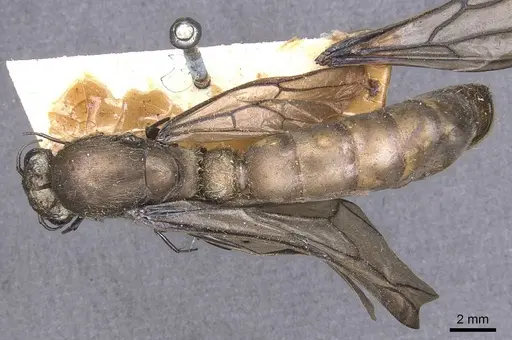
FOCOL1118
View on AntWeb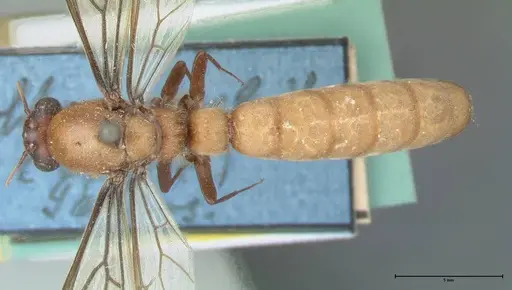
Literature
Loading...Loading products...