

Dorylus orientalis
- Scientific Name
- Dorylus orientalis
- Subfamily
- Dorylinae
- Author
- Westwood, 1835
- Distribution
- Found in 6 countries
Dorylus orientalis Overview
Dorylus orientalis is an ant species of the genus Dorylus. It is primarily documented in 6 countries , including China, Hong Kong, India. Detailed taxonomic data and occurrence records can be further explored via authoritative databases such as AntWeb or the Global Biodiversity Information Facility (GBIF).
Dorylus orientalis
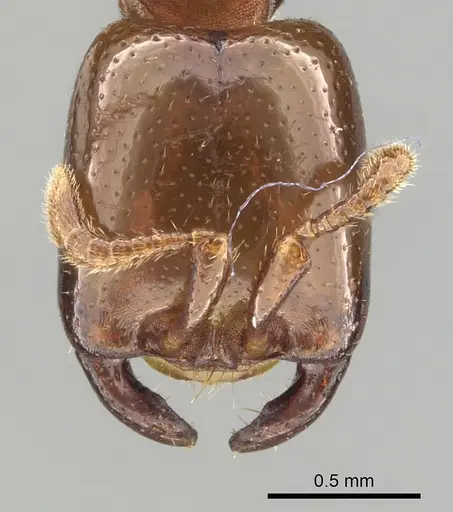
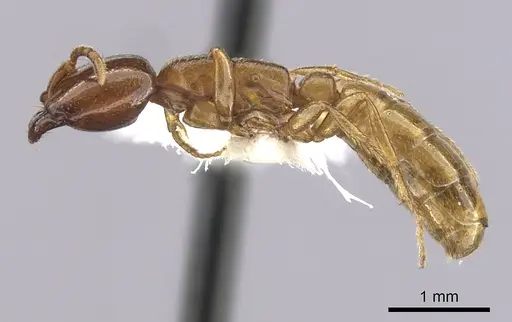
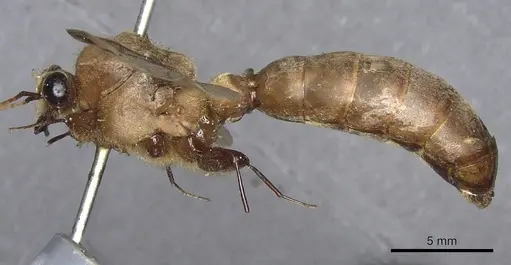
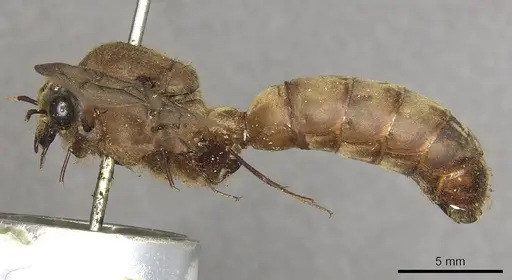
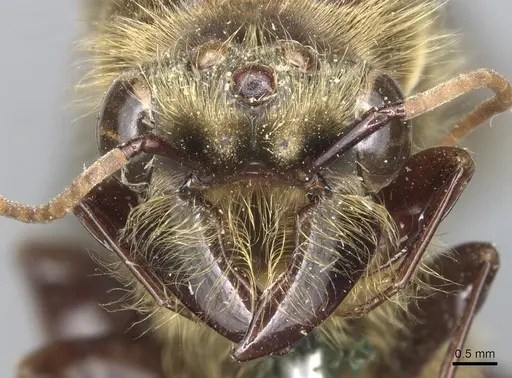
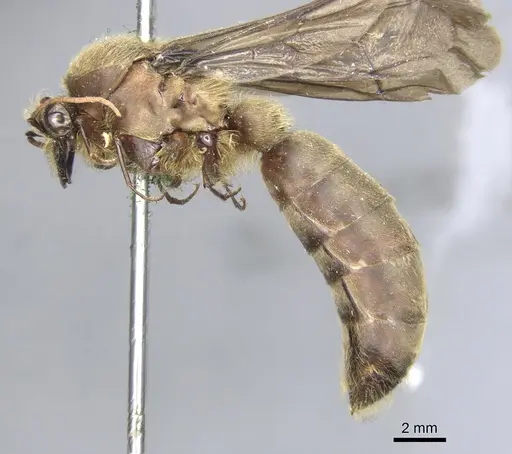
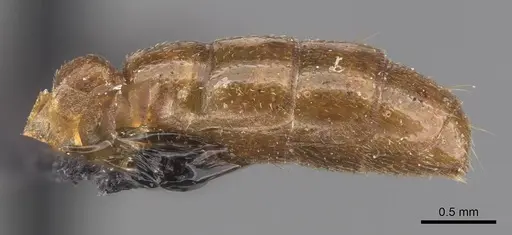
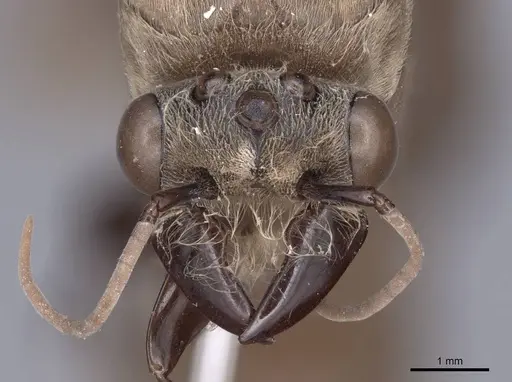
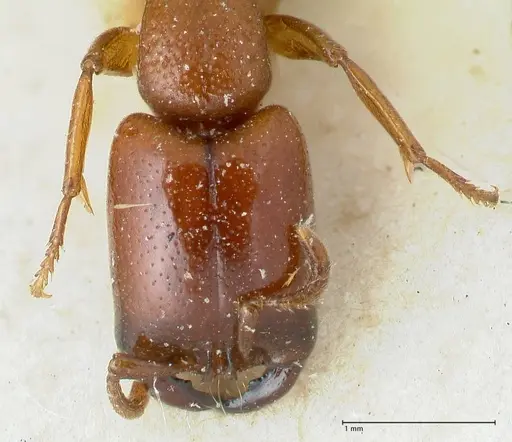
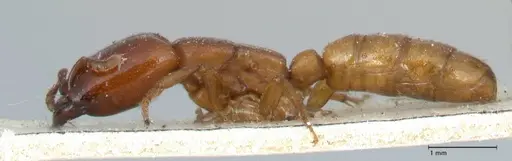
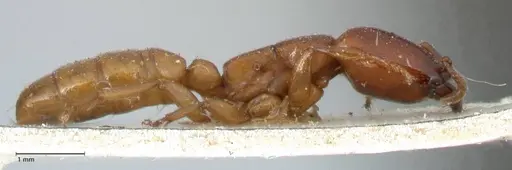
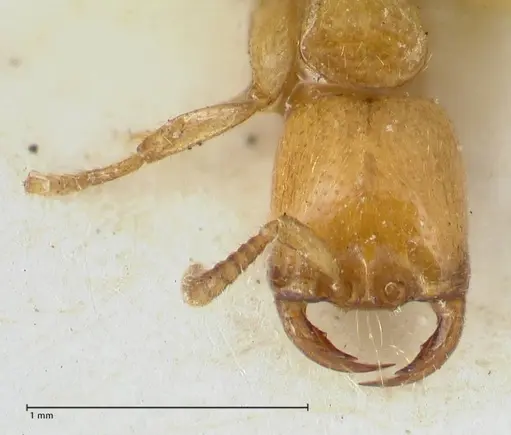
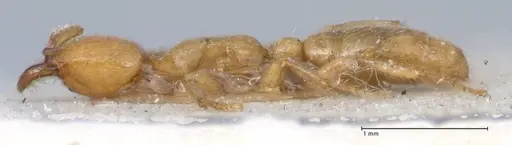
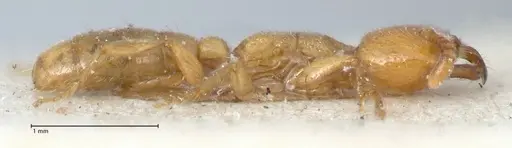
Dorylus orientalis is a subterranean army ant species native to South and Southeast Asia, ranging from Pakistan across India, Sri Lanka, Nepal, Bangladesh, Myanmar, Thailand, Vietnam, Laos, and into southern China [1][2]. Workers are polymorphic with two distinct size classes: major workers measure 5-6mm and minor workers are just 2.5-3mm [3]. They are entirely blind with no eyes, and their body coloration ranges from reddish-brown to yellowish-brown, with smaller workers appearing paler and more yellowish [4][2]. Unlike typical army ants that form massive foraging columns, this species is unique for its completely subterranean lifestyle, workers have never been observed above ground and instead create tunnels and galleries through soil to reach food [1]. This ant is also notable as a serious agricultural pest, particularly damaging potato crops where it can cause 35-90% tuber damage in heavily infested fields [5][6].
Quick Summary
- Difficulty: Medium
- Origin & Habitat: Native to the Oriental region, found across India, Sri Lanka, Nepal, Bangladesh, Myanmar, Thailand, Vietnam, Laos, southern China, Pakistan, and Brunei [1][2][7]. Inhabits a wide range of habitats from disturbed rainforests to cultivated agricultural land, at elevations from 120m to 2300m above sea level [8][2]. Workers live entirely underground in soil tunnels and galleries, never appearing on the surface [1].
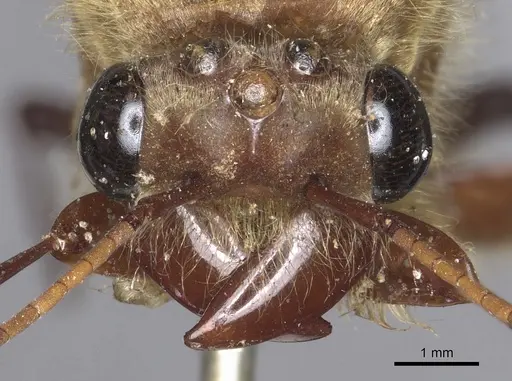
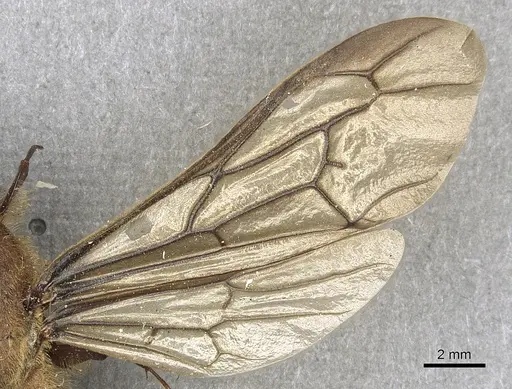
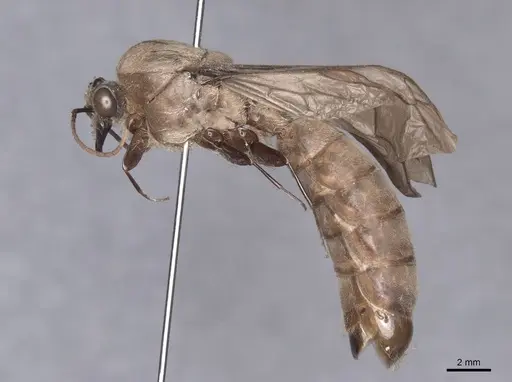
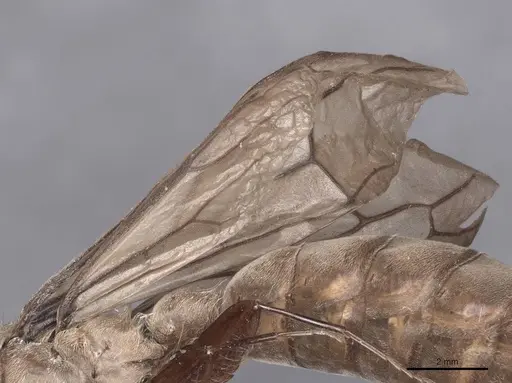
- Colony Type: Colony structure is not fully documented. No queen has been described in scientific literature, this is unusual among ants and makes colony founding behavior unclear [9]. Workers are blind and wingless, while males are winged and swarm at night. Based on the genus Dorylus patterns, likely single-queen colonies but this remains unconfirmed.
- Size & Growth:
- Queen: Unknown, queen has not been described in scientific literature [9]
- Worker: Major workers: 5-6mm, Minor workers: 2.5-3mm [3]. Head width (HW) ranges from 0.44-1.41mm across polymorphic workers [4].
- Colony: Unknown for established colonies. Large numbers of workers can be found dispersing in soil, hundreds of individuals have been collected from single locations [2].
- Growth: Unknown, development timeline has not been documented
- Development: Unknown, development time has not been studied in this species (No direct data available. Related Dorylus species typically require several months to a year for complete development from egg to adult worker.)
- Antkeeping:
- Temperature: Based on its distribution across tropical to subtropical regions (120-2300m elevation), room temperature in the range of 22-28°C should be appropriate. Adjust based on colony activity, if workers become sluggish, slightly increase temperature.
- Humidity: High humidity is essential. This species naturally lives in moist soil environments and creates tunnels in damp earth. Keep the nest substrate consistently moist but not waterlogged. The soil should feel damp to the touch.
- Diapause: Likely a seasonal slowdown period rather than true hibernation. In India, workers are most active from December through April and are absent during winter and spring months in northern regions [10][2]. During cooler months, reduce feeding and allow the colony to rest at slightly lower temperatures around 15-18°C.
- Nesting: This species requires a fully subterranean setup. A naturalistic setup with deep, moist soil (at least 10-15cm deep) works best. Test tubes are not suitable, they need space to tunnel. Use a formicarium with a deep soil chamber or a custom dirt setup. The nest must remain dark as workers are completely blind and avoid light.
- Behavior: Workers are blind and navigate entirely through chemical signals and touch. They are not aggressive and rarely come to the surface. Workers possess a sting but it is not medically significant to humans, the main concern is their ability to chew through plant material, which reflects their powerful mandibles. They are skilled tunnelers and will create extensive networks through moist substrate. Escape risk is moderate, while workers are not particularly small, they are adept at finding gaps in equipment. Always use secure barriers.
- Common Issues: colonies can be difficult to establish because queen biology is unknown, you may only be able to keep wild-caught workers, subterranean lifestyle makes them nearly impossible to observe, they tunnel hidden from view, they require deep, moist soil setups which can mold easily if ventilation is poor, as a known agricultural pest, there may be legal restrictions on keeping this species in some regions, blind workers are sensitive to light, exposing the nest can cause stress and tunneling to escape light exposure
Housing and Nest Setup
Dorylus orientalis requires a completely different approach than most ant species kept in captivity. Because they are entirely subterranean, traditional formicariums with visible chambers are not appropriate. Instead, provide a deep soil setup in a dark enclosure. A plastic container (like a kritter keeper or deep plastic bin) filled with 10-15cm of moist, loose soil works well. The soil should be a mix of sand and loam that holds moisture but also allows for easy tunneling. Cover the enclosure completely to block light, these ants are blind and will stress if exposed to bright conditions. Add a water reservoir or hydration system to maintain moisture levels over time. Because they tunnel underground, you won't see much of the colony, this is normal and expected for this species. [1][4]
Feeding and Diet
In the wild, Dorylus orientalis is primarily herbivorous, feeding on underground plant parts including potato tubers, dahlia tubers, sunflower roots, and various vegetable crops [9]. They also consume insects, earthworms, and have been observed attacking workers of other ant species like Pheidole indica [9]. For captive feeding, offer a varied diet including small pieces of potato, sweet potato, or carrot (these were their preferred plant foods in agricultural studies). Supplement with protein sources like small insects, mealworms, or earthworms. Sugar water may be accepted but is not a primary food source. Feed every few days, removing uneaten fresh food within 24 hours to prevent mold. The key insight from pest research is that they prefer large tubers and roots, in captivity, providing root vegetables mimics their natural foraging.
Temperature and Seasonal Care
This species comes from tropical to subtropical regions with wide elevation range (120-2300m), so they adapt to various temperatures. Keep the colony at 22-28°C for normal activity. More importantly, they have strong seasonal patterns, in India they are most active from December through April and appear to reduce activity during winter and spring [10][2]. During the cooler months (roughly November to February in the Northern Hemisphere), lower temperatures to around 15-18°C and reduce feeding frequency. This mimics their natural cycle where they become less active during unfavorable conditions. High temperatures above 30°C combined with dry conditions can be fatal, always maintain moisture.
Understanding Their Unique Biology
Dorylus orientalis is unusual among army ants in several ways. First, they are completely subterranean, no one has ever observed workers foraging above ground [1]. Second, they show two distinct worker morphs (typical and atypical series) that differ in head shape, antenna segment count (9 vs 8 segments), and mandibular structure. The atypical workers make up less than 1% of foraging columns and may serve specialized roles in the colony [4]. Third, and most puzzling for antkeepers, the queen has never been scientifically described, we simply do not know what the reproductive caste looks like or how founding occurs [9]. This means you cannot expect to establish a colony from a single queen. The only option is to collect wild colonies or groups of workers, which limits what keepers can achieve.
Legal and Ethical Considerations
Before acquiring Dorylus orientalis, check your local regulations. This species is classified as an agricultural pest in multiple countries, particularly in India and Nepal where it causes significant damage to potato crops and other vegetables [5][6]. Some jurisdictions may prohibit collection or keeping of known pest species. Additionally, because the queen is unknown and colony founding has never been documented, keeping this species is more of a curiosity project than traditional antkeeping. You will only be able to maintain worker groups rather than establish long-term growing colonies. Consider whether your interest is best served by studying this species in the wild or supporting research efforts rather than attempting captive keeping.
References

This caresheet is licensed under CC BY-SA 4.0 .
CASENT0217468
View on AntWeb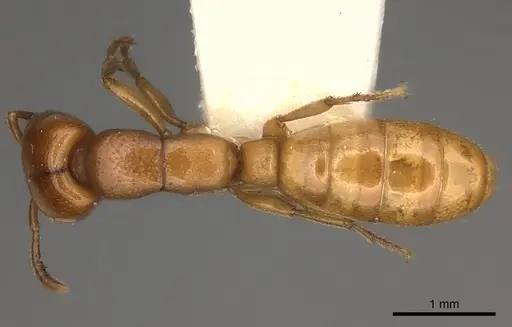
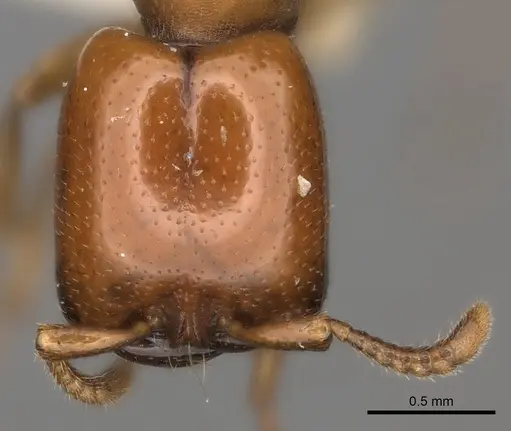
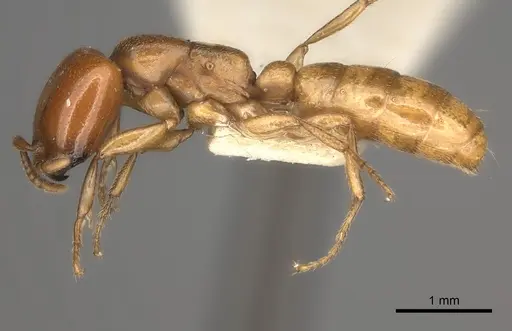
CASENT0249443
View on AntWeb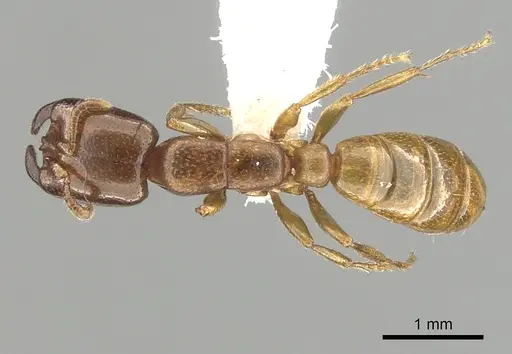
CASENT0901942
View on AntWeb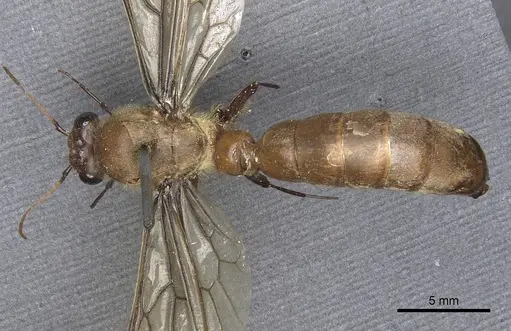
CASENT0901951
View on AntWeb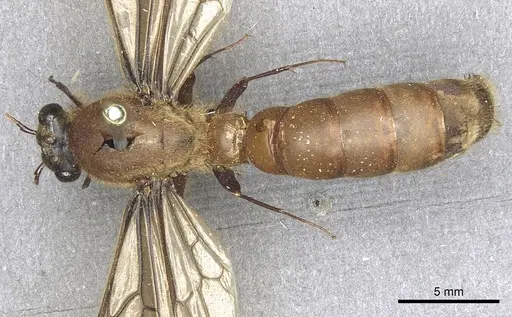
CASENT0903710
View on AntWeb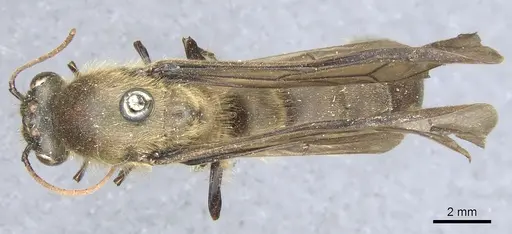
CASENT0905736
View on AntWeb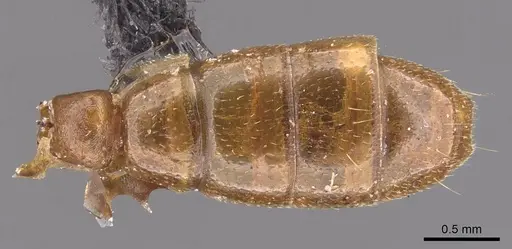
CASENT0911340
View on AntWeb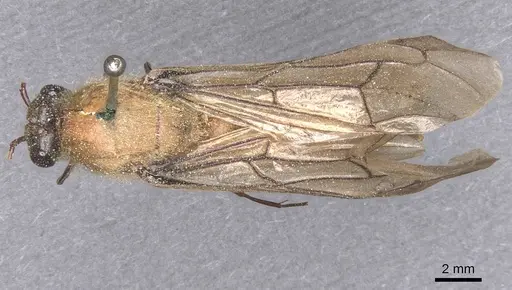
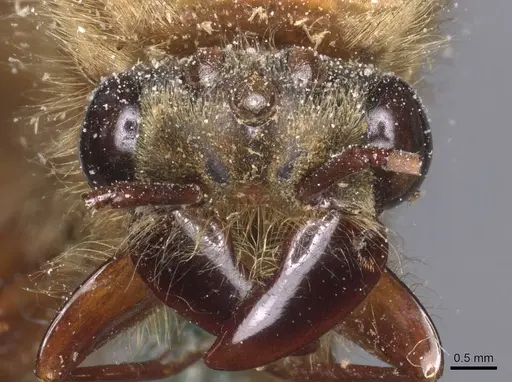
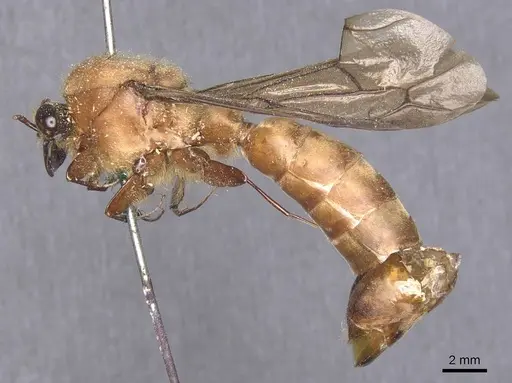
FMNHINS0000045260
View on AntWeb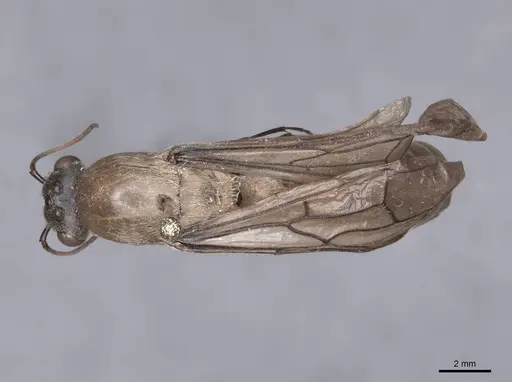
FOCOL1113
View on AntWeb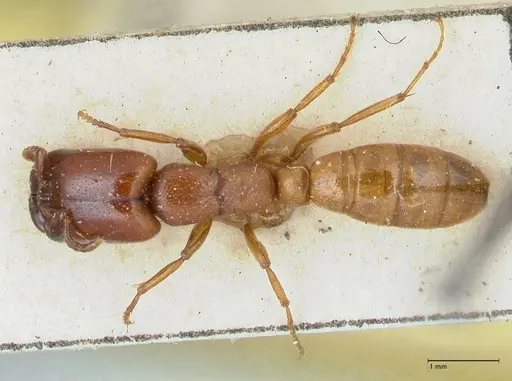
FOCOL1114
View on AntWeb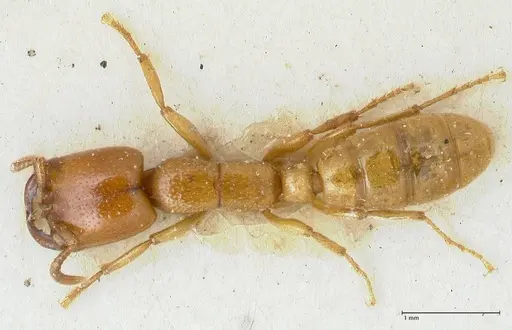
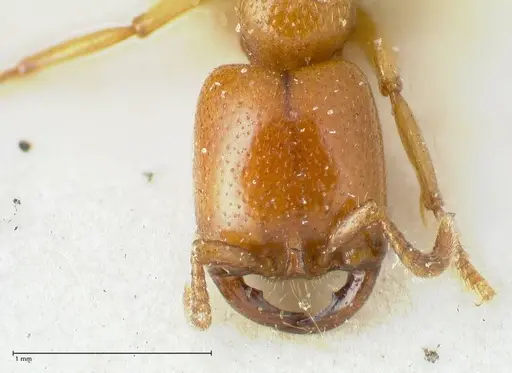
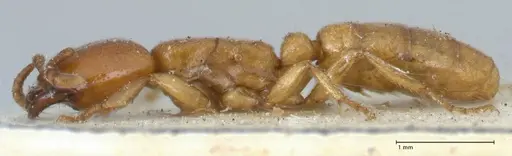
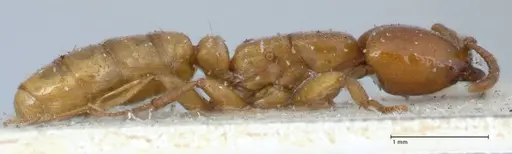
FOCOL1115
View on AntWeb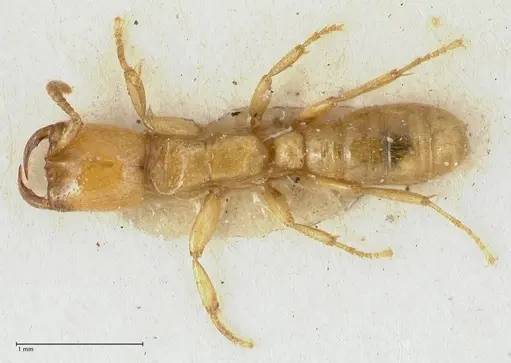
Literature
Loading...Loading products...