

Dorylus braunsi
- Scientific Name
- Dorylus braunsi
- Subfamily
- Dorylinae
- Author
- Emery, 1895
- Distribution
- Found in 5 countries
Dorylus braunsi Overview
Dorylus braunsi is an ant species of the genus Dorylus. It is primarily documented in 5 countries , including Ghana, Kenya, Nigeria. Detailed taxonomic data and occurrence records can be further explored via authoritative databases such as AntWeb or the Global Biodiversity Information Facility (GBIF).
Dorylus braunsi
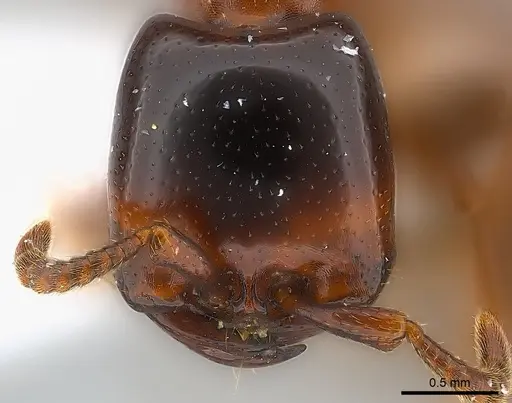
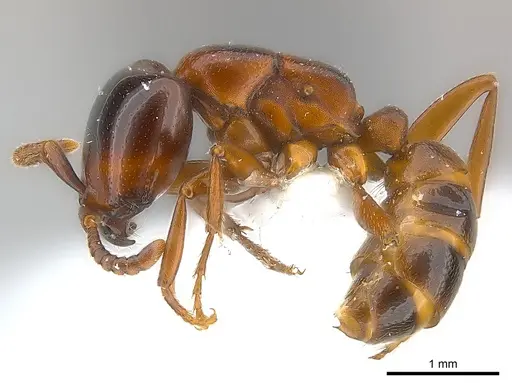
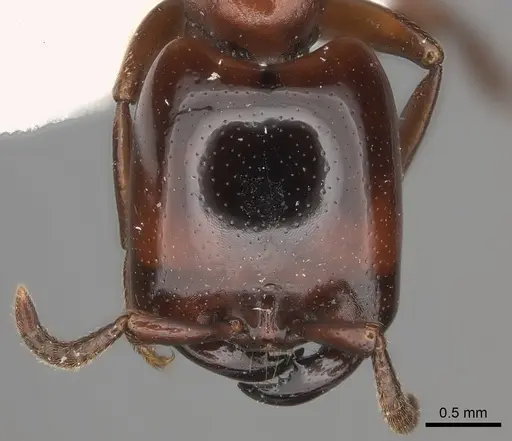
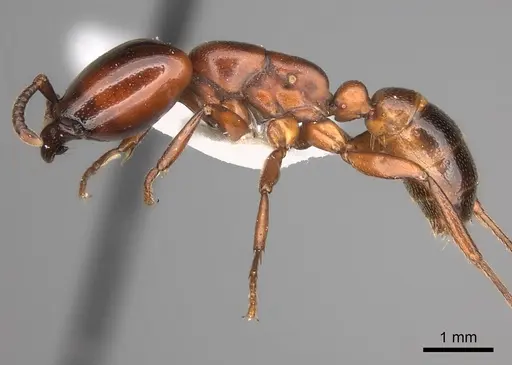
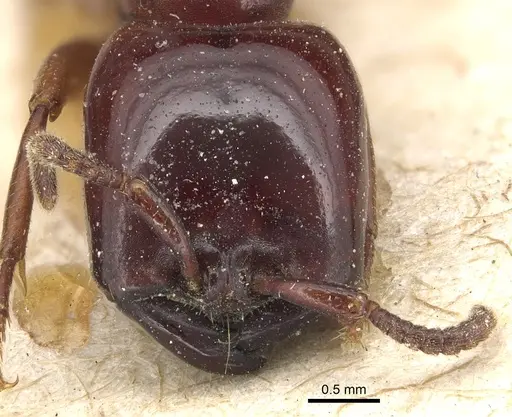
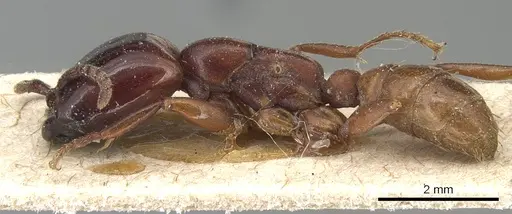
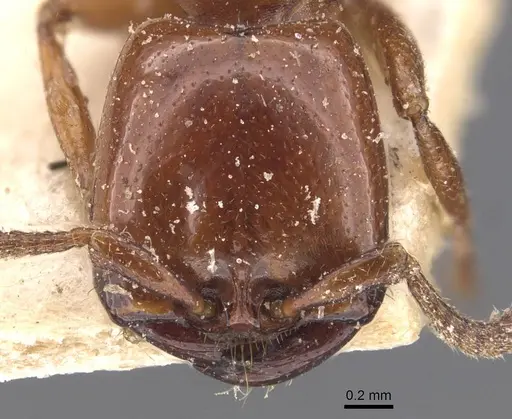
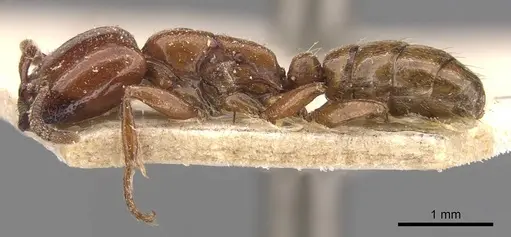
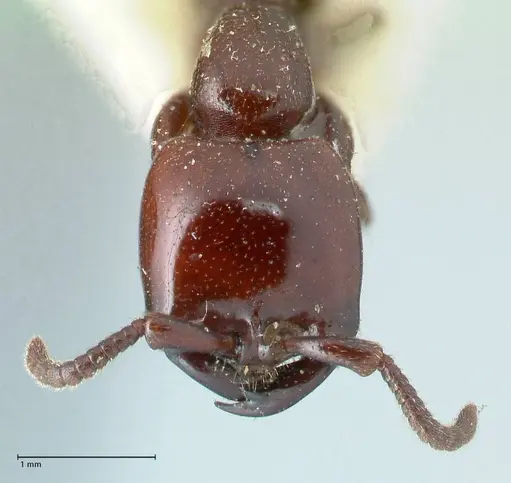
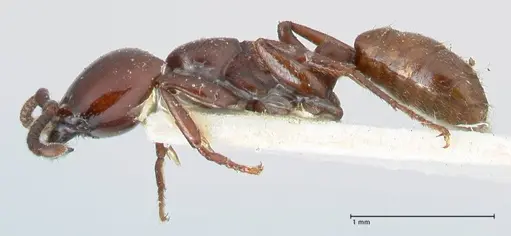
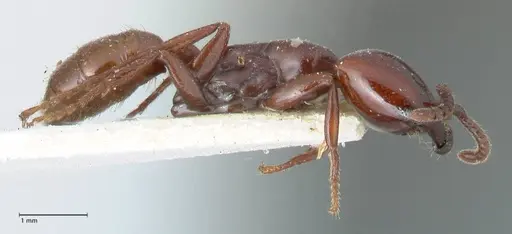
Dorylus braunsi is a predatory army ant species found across West and Central Africa, from Liberia through the Congo basin to Kenya and Zimbabwe. Workers are relatively large for a Dorylus species, reaching up to 8mm, with a distinctive dark rusty brown to almost black coloration on the head and thorax, while the abdomen and legs are noticeably lighter. The species is distinguished from related Dorylus helvolus and D. brevinodosus by its finer and sparser punctation on the head, with the punctures almost disappearing entirely on the vertex in smaller workers [1].
Army ants like D. braunsi are famous for their nomadic lifestyle and massive swarm raids that can consume thousands of prey items in a single day. These ants are apex predators in their ecosystem, hunting insects and other invertebrates through coordinated group foraging. Their colonies can reach extraordinary sizes, making them one of the most ecologically impactful ant groups in African forests and savannas. However, their specialized biology and care requirements make them among the most challenging ants to keep in captivity.
Quick Summary
- Difficulty: Expert
- Origin & Habitat: West and Central Africa including Liberia, Congo (Boma Sundi), Nigeria, Kenya, and Zimbabwe. Found in tropical and subtropical forest habitats [1][2].
- Colony Type: Large colonies with single queen (monogyne), though colonies may contain multiple reproductive queens during certain phases. Known for nomadic behavior with regular colony relocation.
- Colony: Monogyne
- Size & Growth:
- Queen: Large physogastric queens can reach 15-20mm+ when reproductive
- Worker: Up to 8mm [1]
- Colony: Extremely large, can reach hundreds of thousands to over a million workers
- Growth: Fast, colonies grow rapidly once established
- Development: Approximately 4-6 weeks at optimal temperature (Development is temperature-dependent, army ant brood develops quickly to support their nomadic lifestyle)
- Antkeeping:
- Temperature: Keep at 24-28°C with a warm gradient. These are tropical ants that need consistent warmth
- Humidity: High humidity (70-85%) is essential. Provide moist substrate and ensure the nest area stays damp but not waterlogged
- Diapause: No true diapause, maintain warm conditions year-round
- Nesting: Require very large spaces with ability to form temporary nests. In captivity, they need custom-built large formicaria with multiple chambers connected by wide passages. Natural setups with deep soil layers work best
- Behavior: Extremely aggressive predators with powerful mandibles. They conduct coordinated swarm raids on invertebrate colonies and will readily defend against threats. Workers are highly active and constantly on the move during raids. Escape prevention is critical, they will exploit any gap and can squeeze through surprisingly small openings when motivated. Their nomadic nature means colonies regularly break camp and relocate within the enclosure. They are not suitable for observation-focused keeping due to their secretive queen and underground brood chambers.
- Common Issues: Colony collapse from inadequate space, army ants need far more room than most ant species, Prey shortage leading to starvation, colonies require massive amounts of live prey daily, Escape due to their persistent foraging and small worker size relative to gaps, Stress from disturbance, colonies are sensitive to vibration and light exposure during nesting, Difficulty maintaining proper humidity in large enclosures leads to brood failure
Housing and Space Requirements
Dorylus braunsi is among the most demanding ant species to house in captivity. Their colonies can grow to contain hundreds of thousands of workers, requiring enclosures that most hobbyists simply cannot provide. A minimum enclosure size for a thriving colony would be several cubic meters, far beyond what any commercial formicarium offers. You would need to construct a custom naturalistic setup with deep soil substrate (at least 30-40cm deep), multiple connected chambers, and ample floor space for swarm raids to form. The enclosure must have absolutely secure barriers, army ants will find and exploit any gap, seam, or loose seal. Many keepers use multiple layers of fluon or other barriers, but even these require constant inspection. The key challenge is that army ants don't settle in one place like typical ants, they nomadically relocate within their enclosure every few weeks, requiring the entire space to be set up as potential habitat. This makes observation difficult and maintenance challenging.
Feeding and Nutrition
Dorylus braunsi is an obligate predator that requires massive quantities of live prey to sustain its colony. Unlike many ants that can survive on sugar water or seed protein, army ants are specialized hunters that rely almost entirely on invertebrate prey. In the wild, a single colony can consume thousands of insects and other arthropods during a raid, effectively stripping an area of available prey before moving on. In captivity, you must be prepared to provide this same level of nutrition. This means maintaining cultures of feeder insects (crickets, mealworms, roaches, fruit flies) and other invertebrates in sufficient numbers to feed hundreds of thousands of hungry workers daily. Some colonies will accept pre-killed prey if it is fresh and moving, but live prey is always preferred. Sugar sources are generally not accepted as a significant food source, these are pure predators. The cost and effort of maintaining sufficient prey cultures for a colony of this size is prohibitive for most hobbyists.
Colony Structure and Social Organization
Dorylus colonies have one of the most complex social structures among all ants. The queen (or queens) is rarely seen as she remains deep within the nest chamber, becoming physogastric, her abdomen swelling to enormous size to produce tens of thousands of eggs daily during peak reproduction. The colony operates through a sophisticated division of labor, with different worker castes specialized for different tasks: raiders, nest builders, brood caretakers, and queen attendants. Unlike most ants, army ants are nomads. They do not establish permanent nests but instead form temporary bivouacs in sheltered locations, hollow logs, underground cavities, or any protected space, and move every few weeks when local prey populations are depleted. This nomadic lifestyle is driven by their predatory nature, they must constantly follow prey populations to survive. In captivity, this means you cannot expect a stable, observable nest. The colony will regularly break camp and relocate, which can be disruptive and makes long-term observation difficult.
Legal and Ethical Considerations
Before considering Dorylus braunsi as a captive species, you must verify the legal status in your jurisdiction. Many African ant species are protected or require permits for collection and export. Additionally, Dorylus braunsi is native to multiple African nations, and international trade may be regulated under CITES or national wildlife laws. Even where legal to keep, consider whether you can ethically provide for an animal that requires such specialized conditions. Army ants kept in inadequate conditions will fail to thrive, and the cost in terms of prey, space, and constant maintenance is enormous. For the vast majority of antkeepers, this species is not a viable choice. Consider instead more manageable predatory ants like Harpegnathos (trap-jaw ants) or smaller Dorylus species if you are interested in predatory species. If you are specifically drawn to army ant behavior, consider supporting conservation efforts in their native habitat rather than attempting to replicate their complex society in captivity.
Frequently Asked Questions
Can I keep Dorylus braunsi in a test tube?
No. Dorylus braunsi colonies can grow to hundreds of thousands of workers and require massive enclosures. A test tube would be completely inadequate and the colony would die. Even a small colony would need a custom-built naturalistic setup with deep soil and multiple chambers.
How long does it take for the first workers to emerge?
Based on typical Dorylus development patterns, expect first workers (nanitics) approximately 4-6 weeks after the queen lays eggs, provided temperatures are maintained at 24-28°C. However, founding colonies are extremely difficult to establish and most attempts fail.
Can I keep multiple Dorylus braunsi queens together?
While some army ant colonies may have multiple queens during certain phases, combining unrelated foundress queens is not recommended and has not been documented in captivity. The complex social dynamics of multi-queen colonies are difficult to replicate in captivity.
Are Dorylus braunsi good for beginners?
No. Dorylus braunsi is an expert-level species requiring massive enclosures, constant access to live prey, and significant expertise in ant husbandry. Most antkeepers should not attempt this species. Even experienced antkeepers rarely keep true army ants successfully.
What do Dorylus braunsi eat?
They are obligate predators that require live invertebrate prey. In captivity, they need a constant supply of feeder insects in quantities that can feed hundreds of thousands of workers. They do not typically accept sugar water or seeds. The prey requirements alone make them impractical for most hobbyists.
Do Dorylus braunsi need hibernation?
No. As a tropical species from Africa, they do not require diapause or hibernation. Keep them warm year-round at 24-28°C. Cold temperatures will slow their metabolism and can lead to colony decline.
Why are my Dorylus braunsi dying?
Common causes include: inadequate space causing stress and colony collapse, insufficient prey leading to starvation, incorrect humidity causing brood failure, temperatures outside their optimal range, and escape through small gaps. Army ants have specific requirements that are difficult to meet in captivity.
When should I move Dorylus braunsi to a formicarium?
This species is not suitable for standard formicaria. Even the largest commercial formicaria are far too small. If you attempt to keep them, you would need a custom-built naturalistic enclosure from the start, not a transition from a founding setup.
References

This caresheet is licensed under CC BY-SA 4.0 .
CASENT0217158
View on AntWeb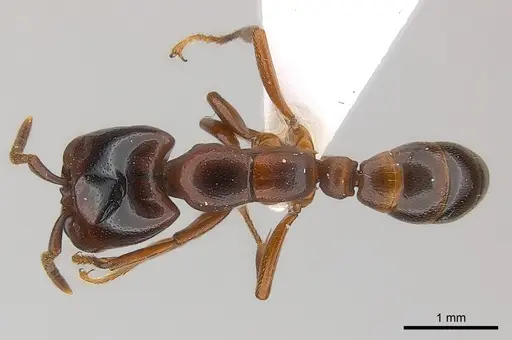
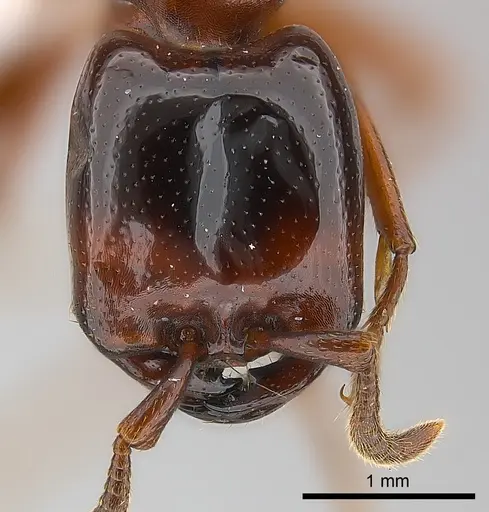
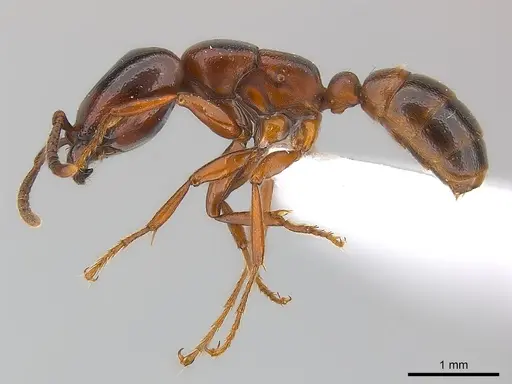
CASENT0217159
View on AntWeb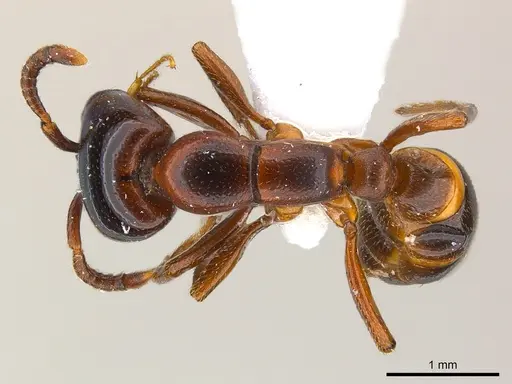
CASENT0217463
View on AntWeb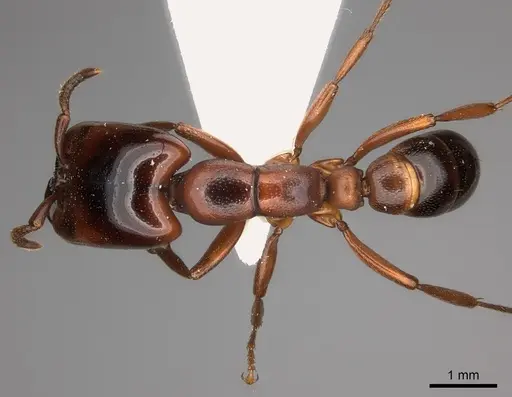
CASENT0903700
View on AntWeb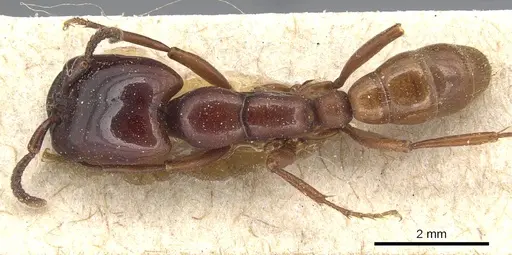
CASENT0903701
View on AntWeb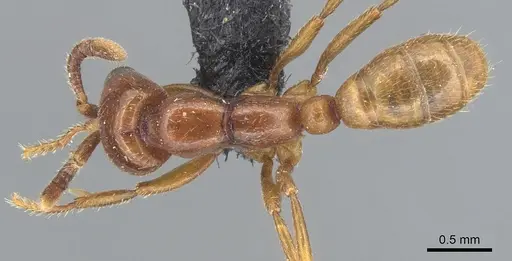
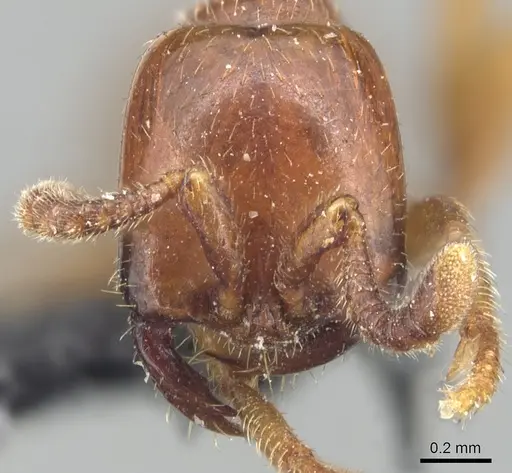
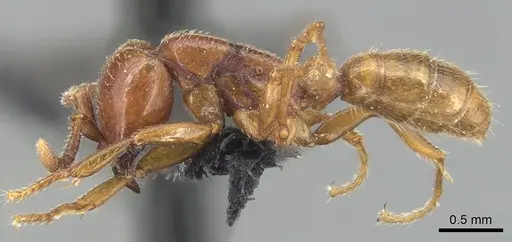
CASENT0905918
View on AntWeb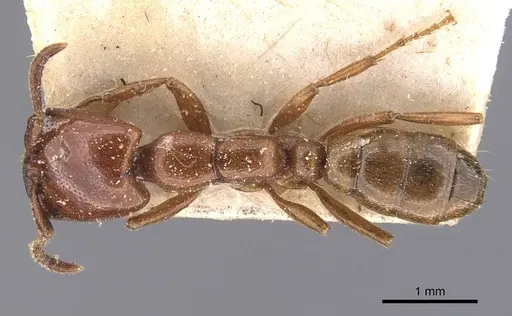
FOCOL1087
View on AntWeb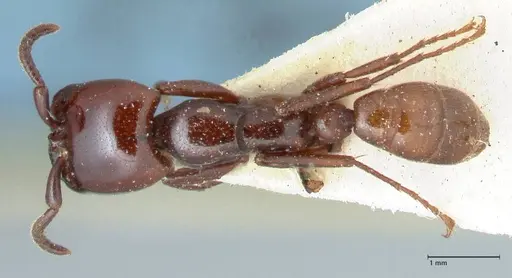
Literature
Loading...Loading products...