

Dorylus helvolus
- Scientific Name
- Dorylus helvolus
- Subfamily
- Dorylinae
- Author
- Linnaeus, 1764
- Common Name
- Red Driver Ant
- Distribution
- Found in 11 countries
Dorylus helvolus Overview
Dorylus helvolus (commonly known as the Red Driver Ant) is an ant species of the genus Dorylus. It is primarily documented in 11 countries , including Botswana, Egypt, Kenya. Detailed taxonomic data and occurrence records can be further explored via authoritative databases such as AntWeb or the Global Biodiversity Information Facility (GBIF).
Dorylus helvolus - "Red Driver Ant"
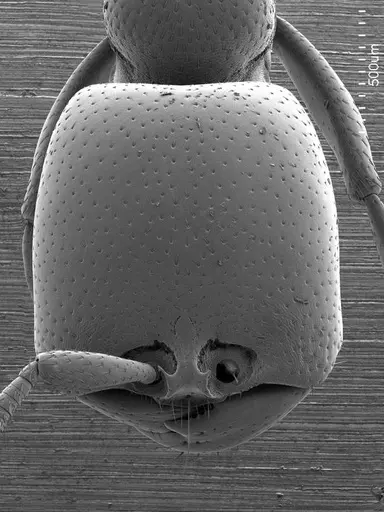
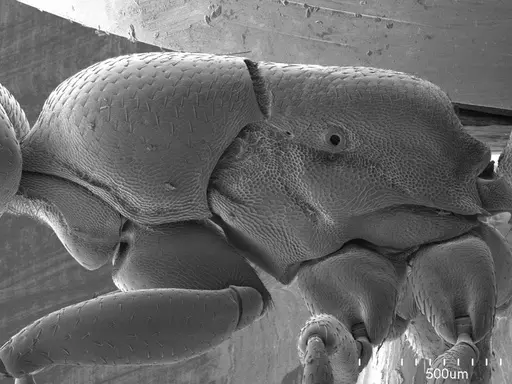
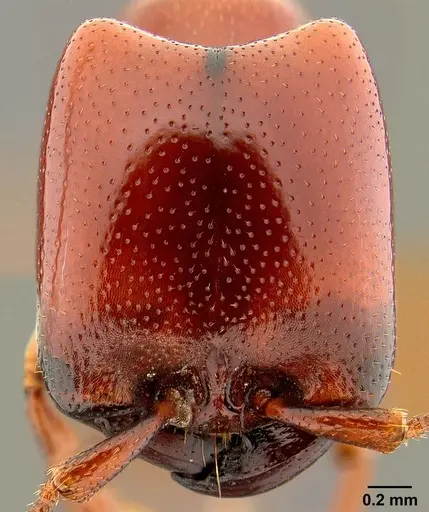
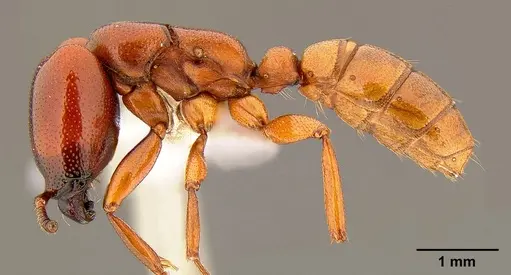
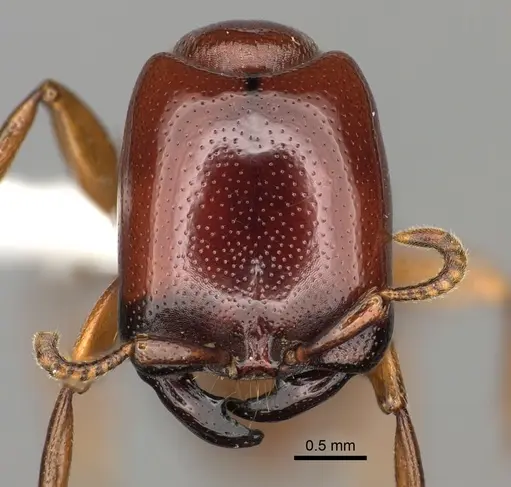
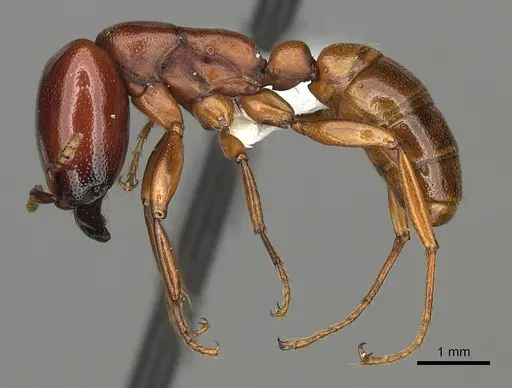
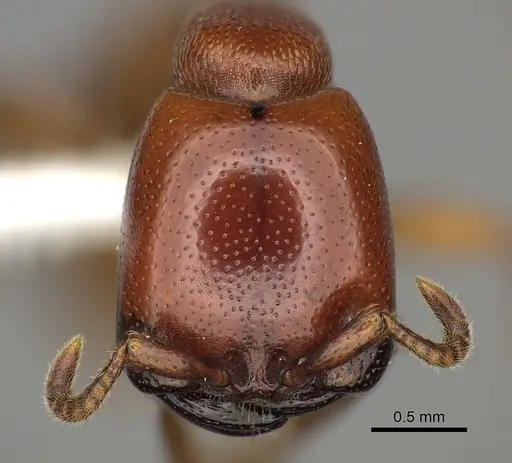
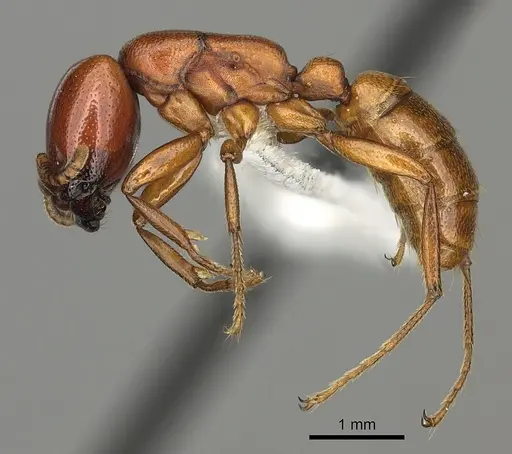
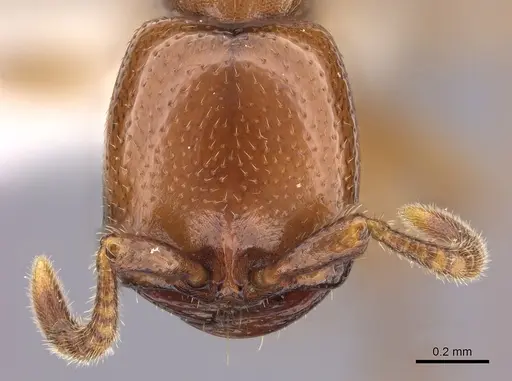
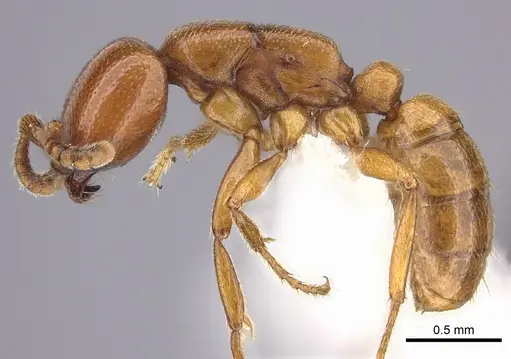
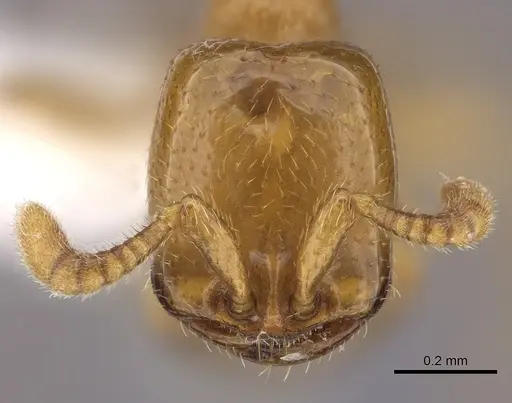
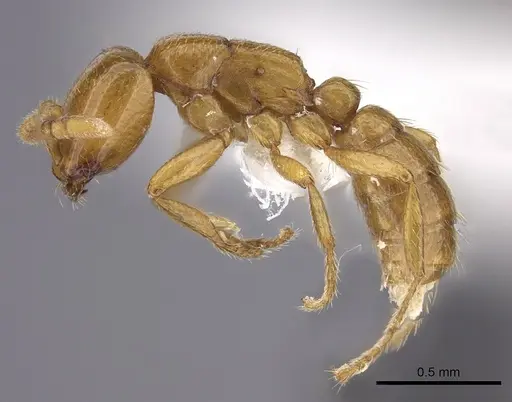
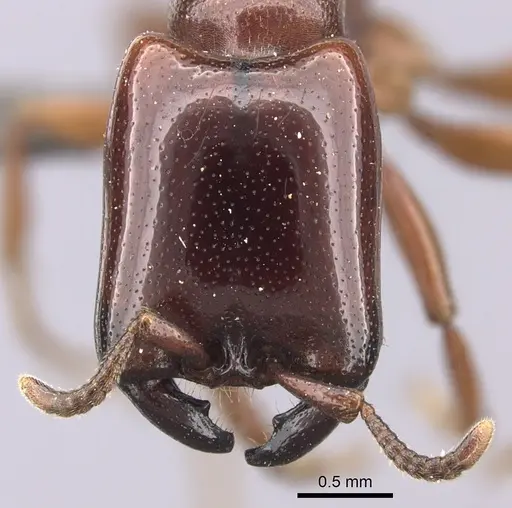
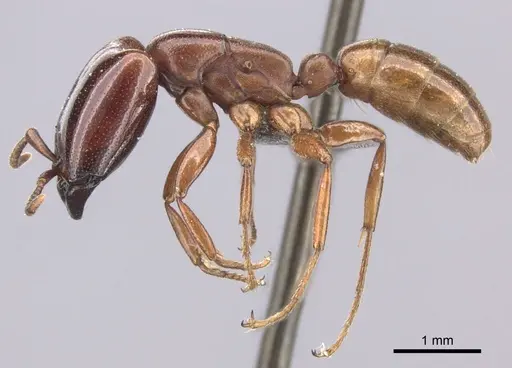
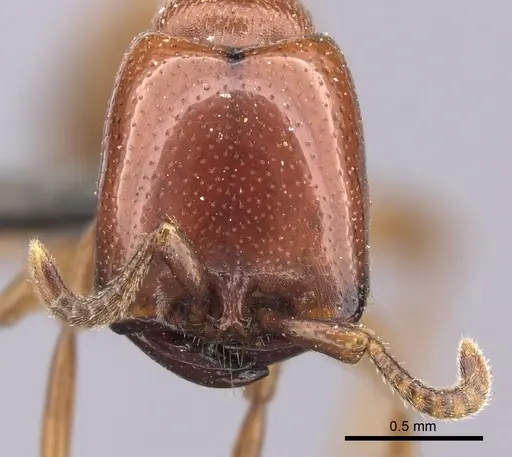
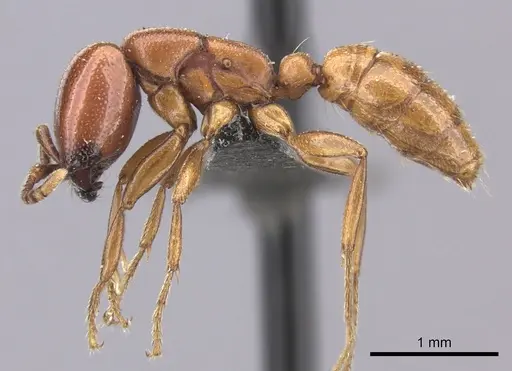
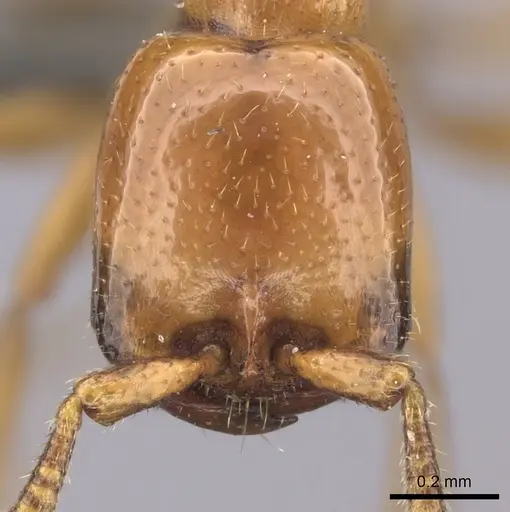
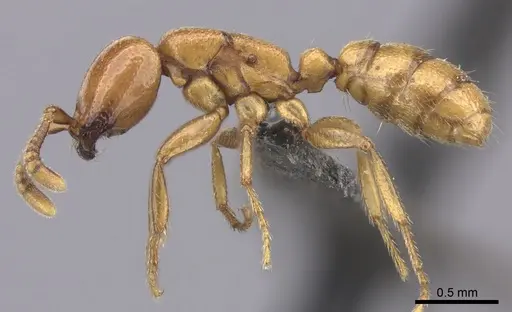
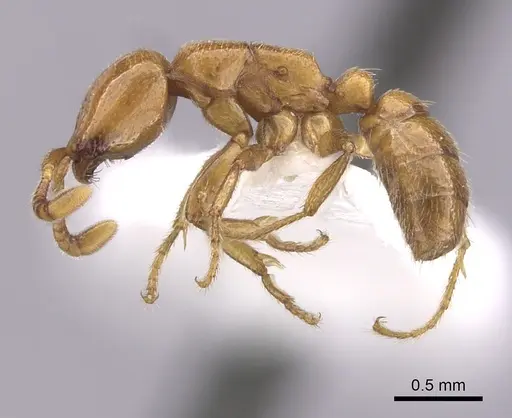
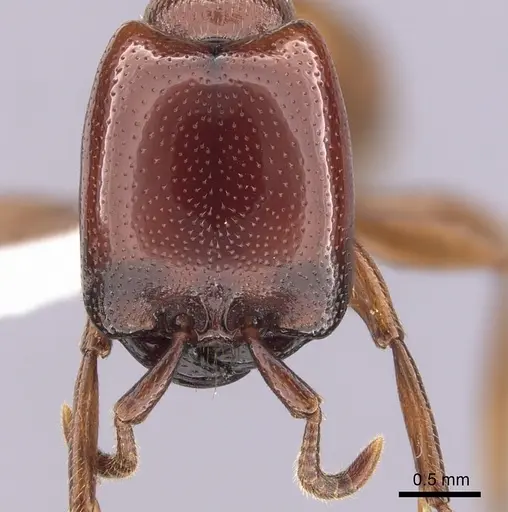
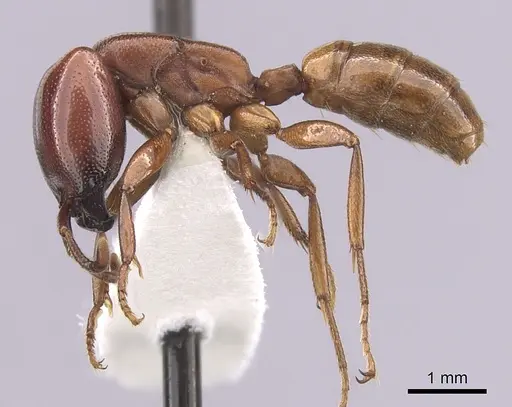
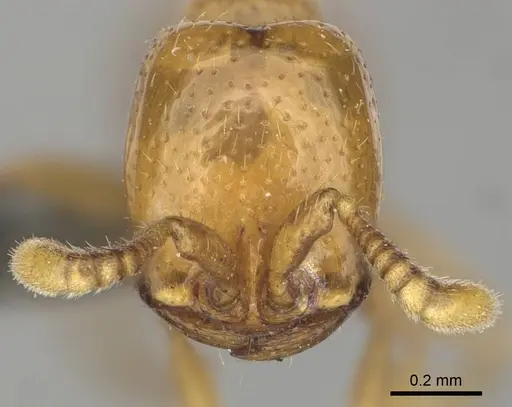
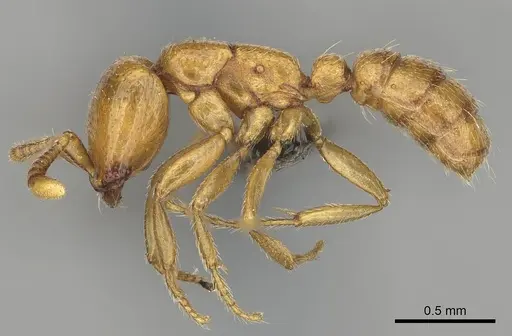
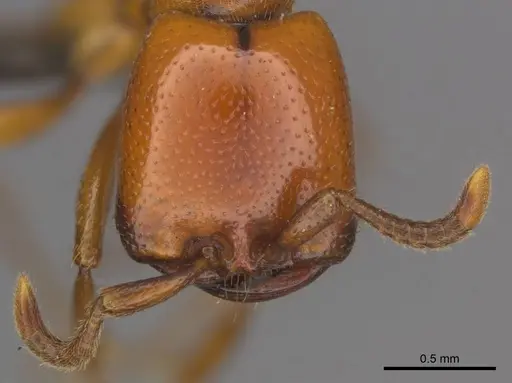
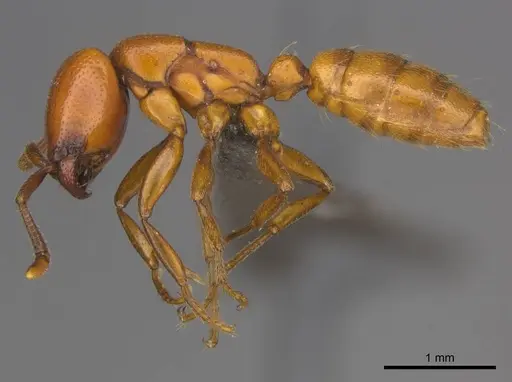
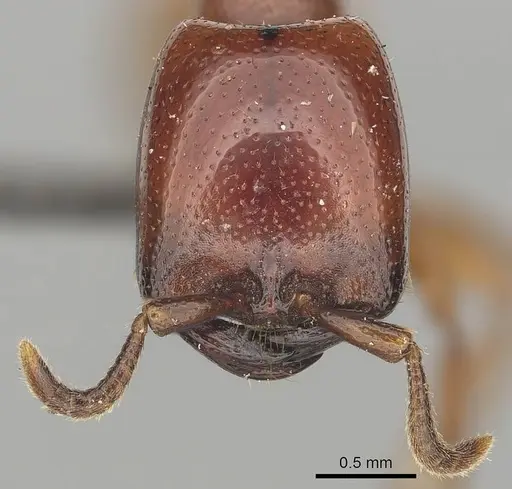
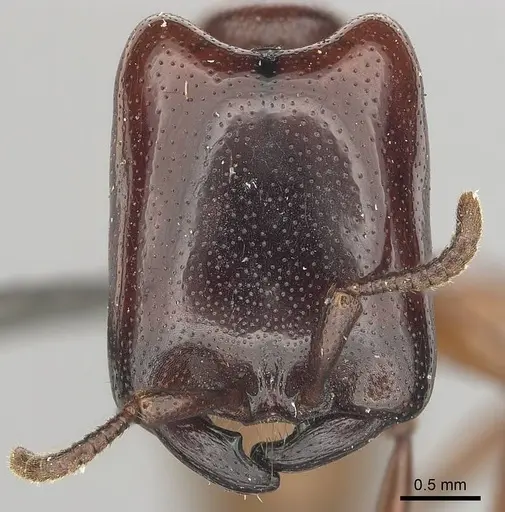
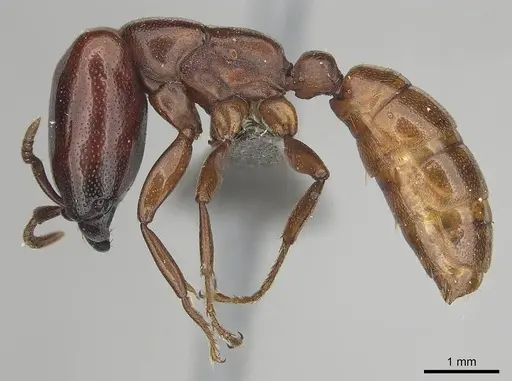
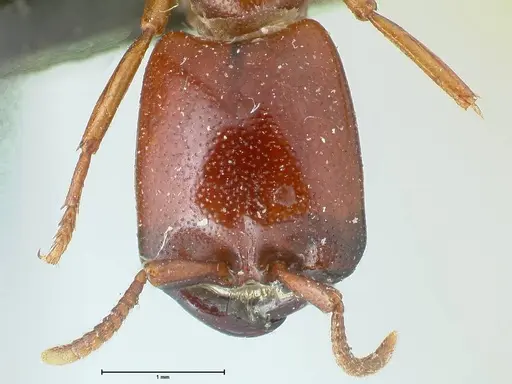
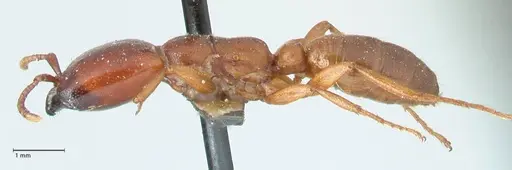
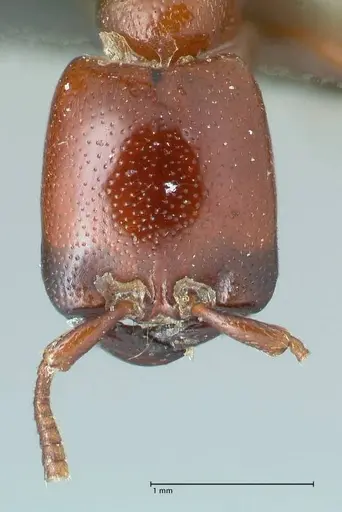
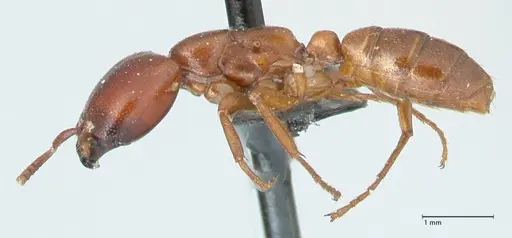
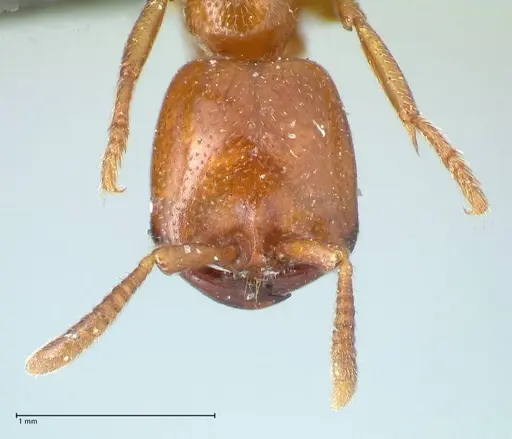
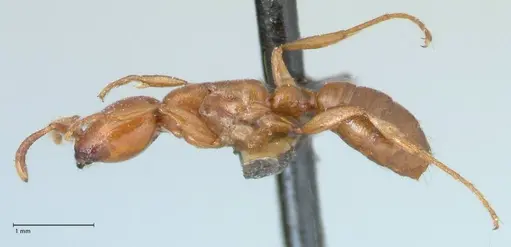
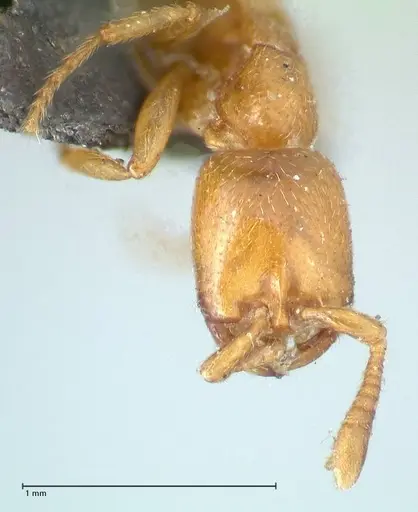
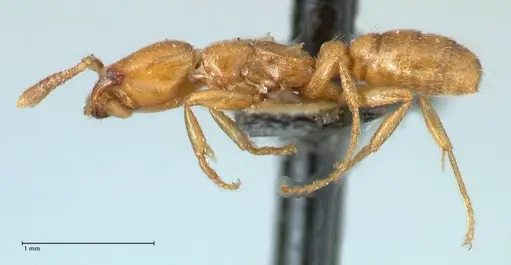
Dorylus helvolus is a striking army ant species native to southern and eastern Africa. Workers are a distinctive yellow to light rusty red color, making them easy to identify in the field. They are relatively large ants, with the biggest workers reaching around 8mm. Unlike many ants, workers are completely blind, they live and forage entirely underground in darkness. This species belongs to the Dorylinae subfamily, the famous army ants known for their massive colonies and coordinated hunting raids [1].
What makes Dorylus helvolus special is their completely subterranean lifestyle. Unlike some army ant relatives that raid above ground, these ants remain hidden beneath the soil, hunting prey in underground tunnels. They are primitive, carnivorous ants that form large colonies and play an important role in their ecosystems as predators [2]. Queens are highly specialized (Dichthadia-form) with reduced sting apparatus, a far cry from the typical ant queen [1].
Quick Summary
- Difficulty: Expert
- Origin & Habitat: Southern and eastern Africa, found in South Africa, Kenya, Tanzania, Mozambique, Malawi, Democratic Republic of Congo, Nigeria, and even Italy (Mediterranean). They live in forests, fynbos, and grassland areas, primarily underground [3][4][5].
- Colony Type: Colony structure is unconfirmed. As army ants, they likely form large colonies with a single queen, though Dorylus species can vary in their colony organization. Workers can lay haploid eggs in orphaned colonies [6].
- Colony: Monogyne
- Founding: Claustral
- Size & Growth:
- Queen: Queens are highly specialized Dichthadia-form with 11-segmented antennae, exact measurements unconfirmed but large (estimated 15-20mm based on related species)
- Worker: Up to 8mm, with a range from tiny minors to large majors [1]
- Colony: Likely large, army ant colonies can reach thousands of workers (estimated based on genus patterns)
- Growth: Likely fast, army ant colonies grow rapidly once established (estimated)
- Development: 4-8 weeks (estimated based on tropical Dorylus patterns) (Development timeline is unconfirmed for this specific species. Tropical army ants typically develop quickly due to warm conditions year-round.)
- Antkeeping:
- Temperature: Keep at 24-28°C, these are tropical ants that need warm, stable temperatures. A heating cable on one side of the nest creates a gradient. Avoid temperatures below 20°C [7].
- Humidity: Keep the nest substrate consistently moist but not waterlogged. They live underground in forests, so aim for damp soil conditions with some drier areas for escape. Monitor substrate moisture rather than relying on percentage readings.
- Diapause: No, as a tropical species, they do not require hibernation. Keep them at stable warm temperatures year-round [7].
- Nesting: These ants live entirely underground. In captivity, they need a deeply burrowed setup, either a large naturalistic terrarium with deep soil or a custom-built underground formicarium. They cannot tolerate light and will retreat from exposed areas. Provide darkness and security.
- Behavior: Workers are blind and entirely subterranean, they avoid light and navigate using chemical trails and vibrations. They are predatory and carnivorous, hunting insects and other small invertebrates underground. Colonies may be aggressive when defending the nest. Escape risk is moderate, while larger workers cannot squeeze through small gaps, they are strong and determined. Excellent escape prevention is still necessary [8].
- Common Issues: completely blind and light-sensitive, will refuse to forage if exposed to light, subterranean lifestyle makes observation difficult, you may rarely see workers, requires live prey, cannot survive on sugar alone, needs protein sources, large colony size means they need significant space and food, wild-caught colonies may have parasites that are difficult to treat, queen founding behavior is unconfirmed, may be difficult to establish new colonies
Housing and Nest Setup
Dorylus helvolus presents unique housing challenges because they live entirely underground and are blind. The best setup is a deeply burrowed naturalistic terrarium with at least 10-15cm of substrate for tunneling. Use a dark, humid environment, these ants will not tolerate bright conditions and will refuse to move into exposed areas. A two-chamber setup works well: one chamber for the nest area (kept dark and humid) and an outworld for feeding. Cover the nest chamber with blackout material. Test tubes are NOT suitable for this species, they need space to create underground galleries. The outworld should have a secure lid because these ants can climb smooth surfaces when motivated. [1][8][5]
Feeding and Diet
These are strictly carnivorous ants, they do not collect honeydew or tend aphids. In the wild, they hunt insects and other small invertebrates in underground tunnels. In captivity, you must provide live prey: mealworms, small crickets, fruit flies, and other small insects. Prey should be smaller than the workers. Feed 2-3 times per week, adjusting based on colony size and consumption. Remove uneaten prey after 24 hours to prevent mold. Sugar water is generally not accepted, these are pure predators. Some keepers report success with tiny pieces of raw meat, but live prey should be the primary food source. A well-fed colony will show active foraging behavior in their outworld. [2][1]
Temperature and Heating
As a tropical African species, Dorylus helvolus needs warm conditions. Keep the nest area at 24-28°C consistently. Use a heating cable placed on top of the nest (never under it, as this can dry out the substrate too quickly). Create a gentle temperature gradient so workers can self-regulate. Room temperature is likely too cold unless your room is already in the mid-70s°F (around 24°C). Monitor with a digital thermometer placed inside the substrate. Cold temperatures will slow or stop brood development and can weaken the colony. Unlike temperate species, they do not need any cooling period, maintain warm conditions year-round. [7]
Humidity and Moisture
These forest-floor ants need consistently moist substrate. The soil should feel damp to the touch but not form standing water. Check moisture levels every few days, if the surface starts drying, mist lightly or add water through a hydration port. A humidity gradient works well: keep one area slightly wetter than another so ants can choose their preferred zone. Good ventilation is essential to prevent mold, but avoid creating airflow that dries the substrate quickly. The key is balance, damp enough to prevent desiccation, but ventilated enough to prevent mold growth. In a deep naturalistic setup, the deeper layers tend to stay moist longer. [5][1]
Behavior and Observation
Because workers are blind and live underground, you will see them less than most ant species. They are photophobic and will retreat to darkness when exposed. In a properly set up naturalistic terrarium, you may observe them creating tunnel systems and hunting in the outworld. They use chemical pheromone trails to navigate, you may see workers following each other in lines when prey is discovered. Colonies can be aggressive when their nest is disturbed. Males are significantly different from workers, they have large compound eyes, ocelli, and wings, and are much larger. Males are produced for nuptial flights and are rarely seen inside the nest except during reproductive swarms. [8][1]
Colony Growth and Development
Army ant colonies are known for their rapid growth once established. The queen (Dichthadia-form) is highly specialized and can produce large numbers of eggs. Workers range from tiny minors to large majors, with size polymorphism being typical. The first workers (nanitics) will be smaller than mature workers. As the colony grows, you should see increasing numbers of different-sized workers. Colony size can reach into the thousands in mature colonies. Growth rate depends on temperature, food availability, and queen health. Expect significant population growth within the first year if conditions are optimal. The colony will expand their tunnel system as they grow. [1]
Legal and Ethical Considerations
Dorylus helvolus is native to Africa. If you live outside their natural range, never release these ants into the wild, they are not established in most regions and could become invasive. In their native range, they play important ecological roles as predators. When collecting from the wild, do so responsibly and check local regulations. Captive colonies should be maintained responsibly, these are long-lived insects that require commitment. If you can no longer keep them, contact experienced ant keepers or breeders rather than releasing them. [3]
Frequently Asked Questions
Can I keep Dorylus helvolus in a test tube?
No, test tubes are completely unsuitable. These ants live entirely underground and need deep substrate for tunneling. Use a naturalistic terrarium with at least 10-15cm of soil or a custom underground formicarium.
How long until first workers in Dorylus helvolus?
Exact timeline is unconfirmed, but based on related tropical army ants, expect 4-8 weeks from egg to first worker at optimal temperature (24-28°C).
What do Dorylus helvolus eat?
They are strictly carnivorous, feed live prey like mealworms, small crickets, fruit flies, and other small insects. They do not accept sugar water or honey. Prey should be smaller than the workers.
Are Dorylus helvolus good for beginners?
No, this is an expert-level species. They require specific conditions (darkness, humidity, warmth), cannot be observed easily, need live prey, and need significant space for large colonies. They are not recommended for beginners.
Do Dorylus helvolus need hibernation?
No, as a tropical African species, they do not require hibernation. Keep them at warm, stable temperatures (24-28°C) year-round.
Why can't I see my Dorylus helvolus workers?
Workers are blind and photophobic, they live underground and avoid light. You will see them most when they come to the outworld to hunt. Keep their nest area dark and covered to encourage natural behavior.
How big do Dorylus helvolus colonies get?
Based on army ant patterns, colonies likely reach thousands of workers. They are among the larger ant colonies in Africa.
Can I keep multiple queens together?
Colony structure is unconfirmed for this species. Army ants typically have single-queen colonies, but combining unrelated queens is not recommended as it has not been studied.
When should I move Dorylus helvolus to a formicarium?
Start them in a test tube setup for founding if you obtain a queen, then move to a naturalistic terrarium once workers are established. They need deep substrate from the beginning, a pre-made formicarium with deep chambers works better than trying to move them later.
Are Dorylus helvolus dangerous?
Not particularly, they are not aggressive toward humans and their sting is reduced. However, they are predators that will hunt small insects, so handle with care. They are not dangerous to people.
What temperature do Dorylus helvolus need?
Keep them at 24-28°C. Use a heating cable on top of the nest to maintain warmth. They are tropical and cannot tolerate cold temperatures.
References

This caresheet is licensed under CC BY-SA 4.0 .
ANTWEB1008522
View on AntWeb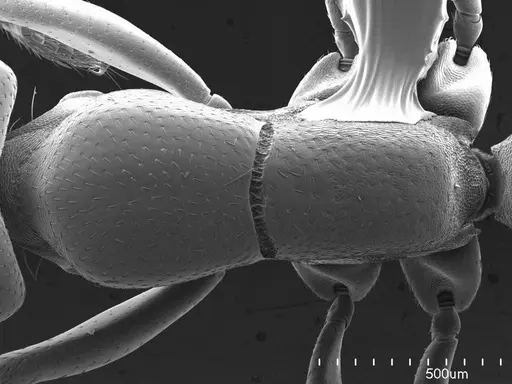
CASENT0106079
View on AntWeb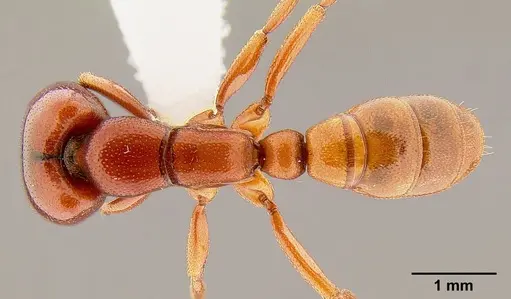
CASENT0235175
View on AntWeb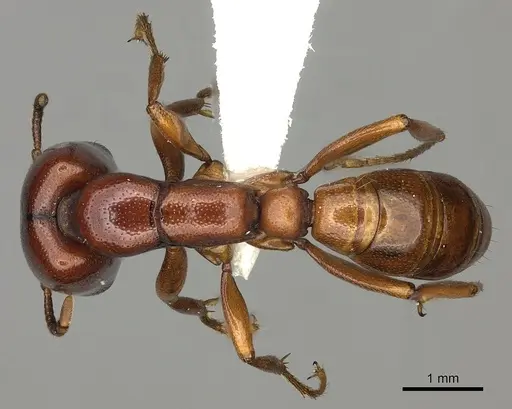
CASENT0235176
View on AntWeb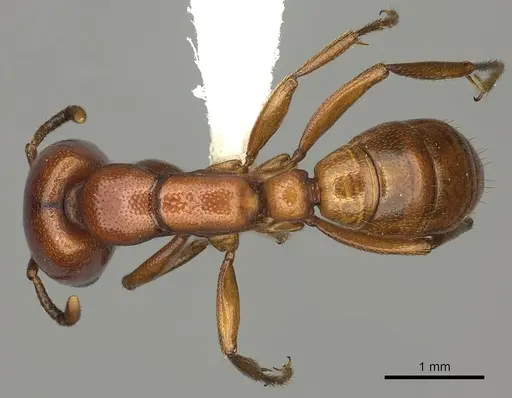
CASENT0235177
View on AntWeb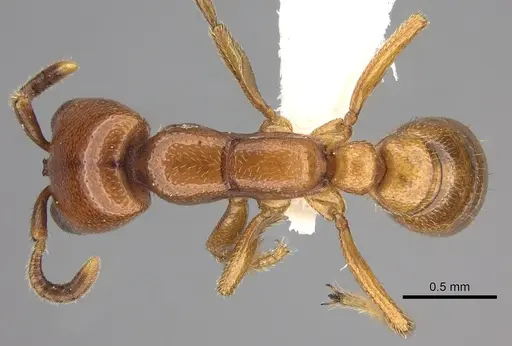
CASENT0235178
View on AntWeb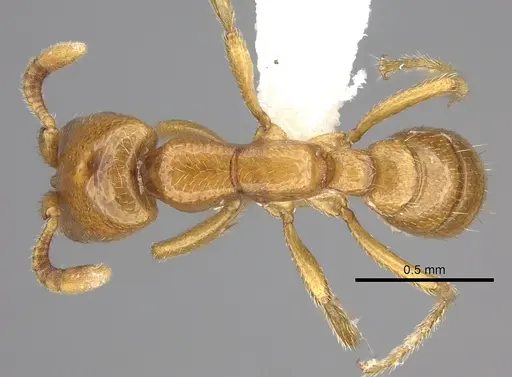
CASENT0235880
View on AntWeb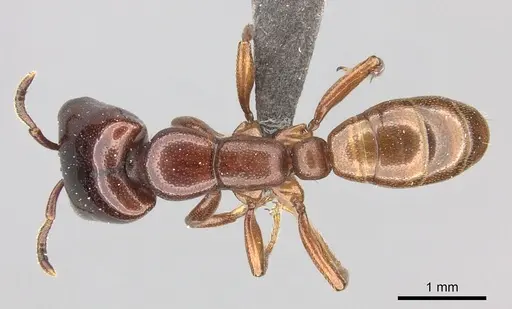
CASENT0235881
View on AntWeb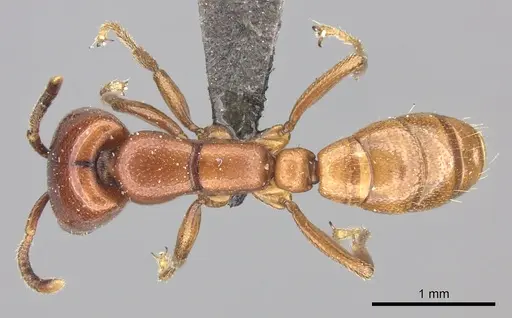
CASENT0235882
View on AntWeb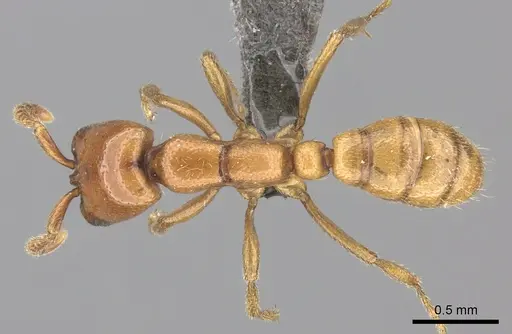
CASENT0235883
View on AntWeb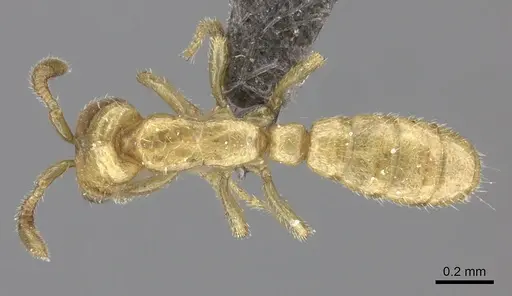
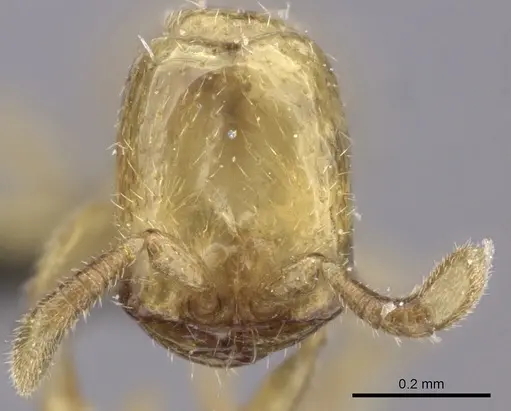
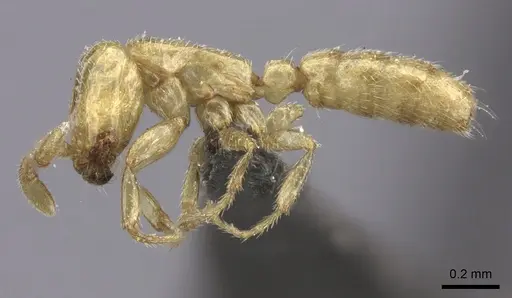
CASENT0249446
View on AntWeb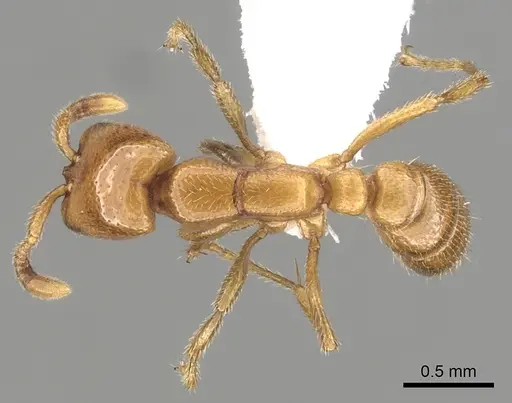
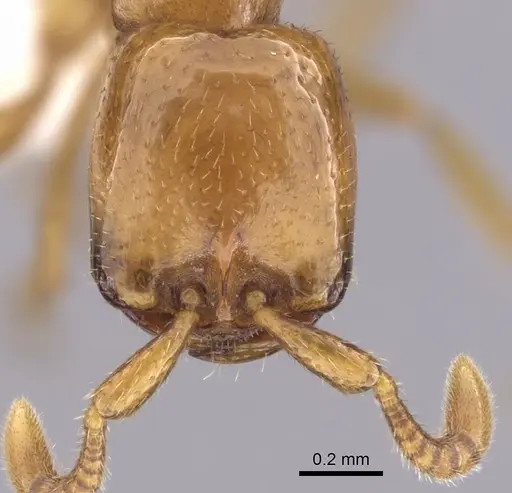
CASENT0249447
View on AntWeb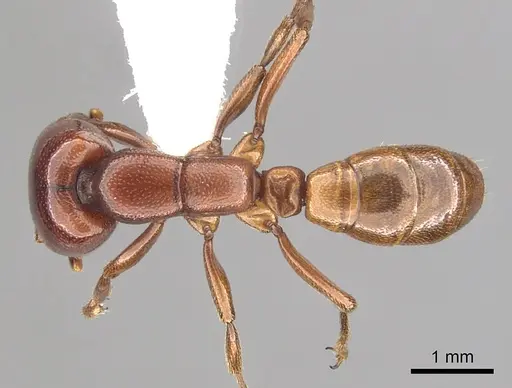
CASENT0252061
View on AntWeb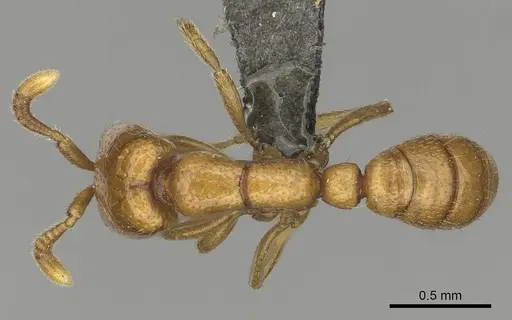
CASENT0252070
View on AntWeb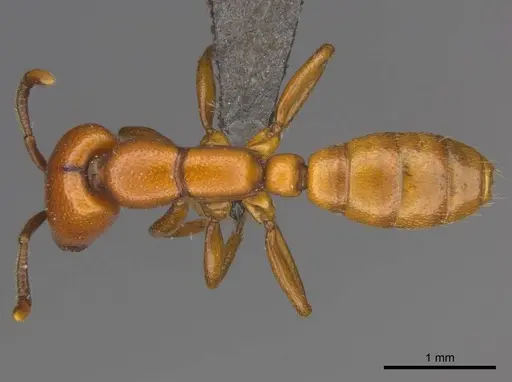
CASENT0256787
View on AntWeb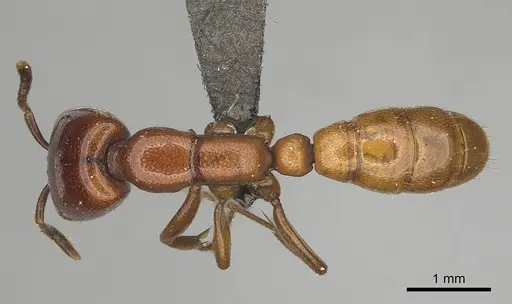
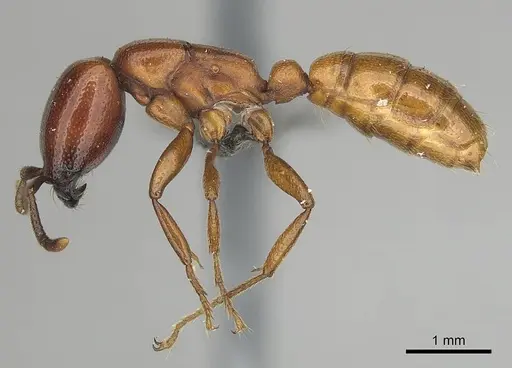
CASENT0256789
View on AntWeb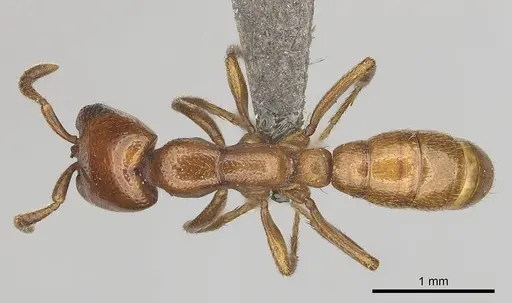
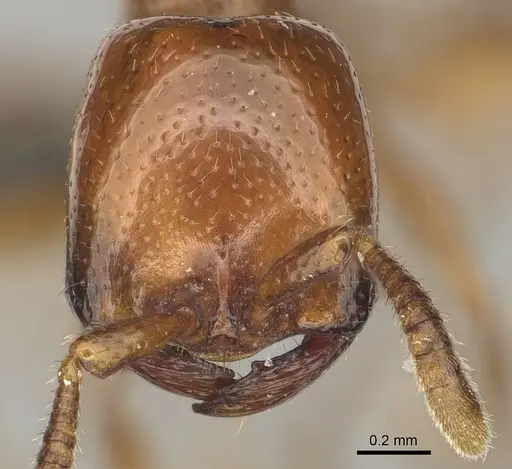
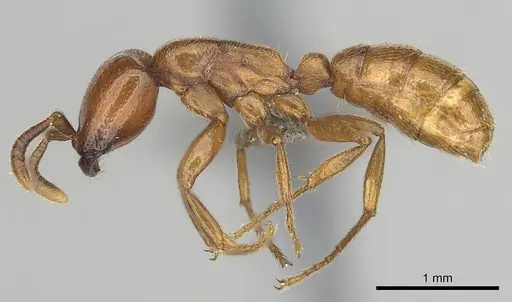
CASENT0256791
View on AntWeb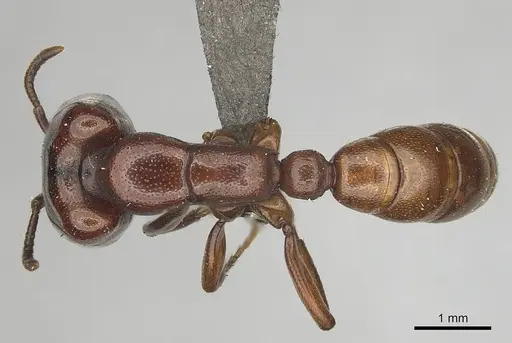
FOCOL1083
View on AntWeb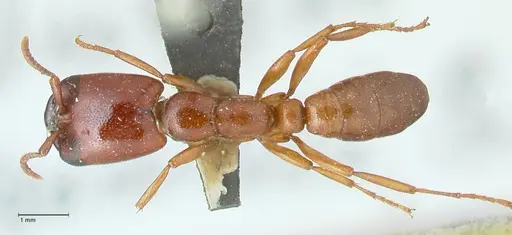
FOCOL1084
View on AntWeb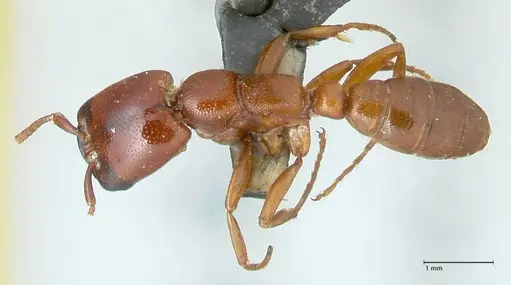
FOCOL1085
View on AntWeb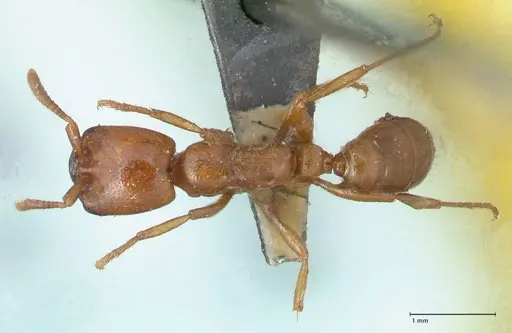
FOCOL1086
View on AntWeb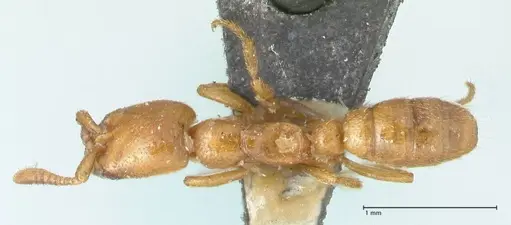
Literature
Loading...Loading products...