

Dorylus affinis
- Scientific Name
- Dorylus affinis
- Subfamily
- Dorylinae
- Author
- Shuckard, 1840
- Distribution
- Found in 6 countries
Dorylus affinis Overview
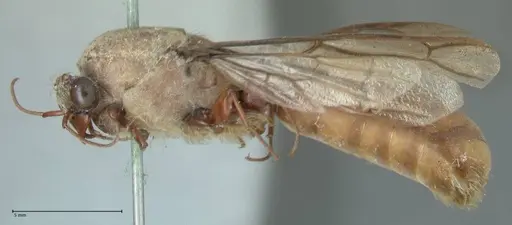
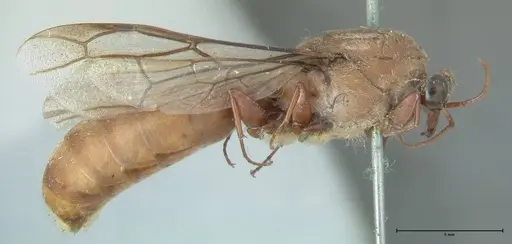
Dorylus affinis is an ant species of the genus Dorylus. It is primarily documented in 6 countries , including Ethiopia, Equatorial Guinea, Kenya. Detailed taxonomic data and occurrence records can be further explored via authoritative databases such as AntWeb or the Global Biodiversity Information Facility (GBIF).
Dorylus affinis
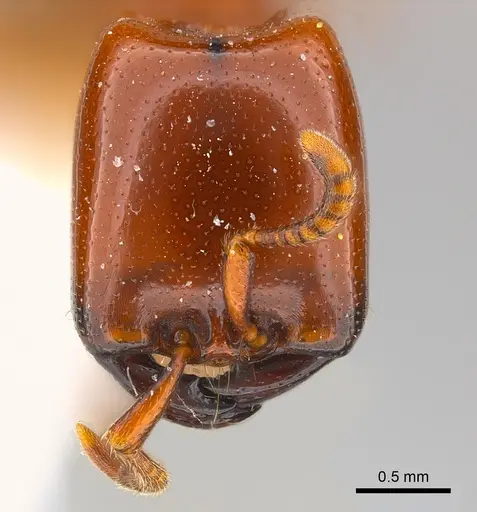
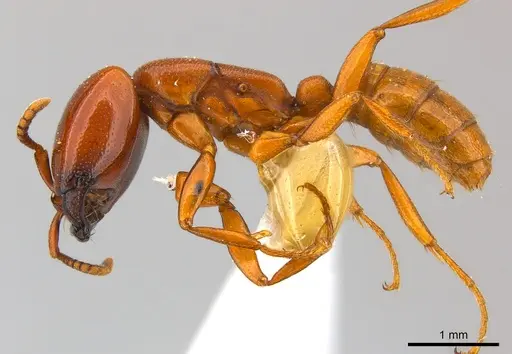
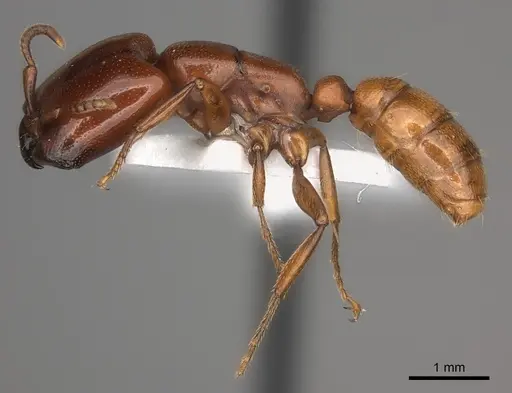
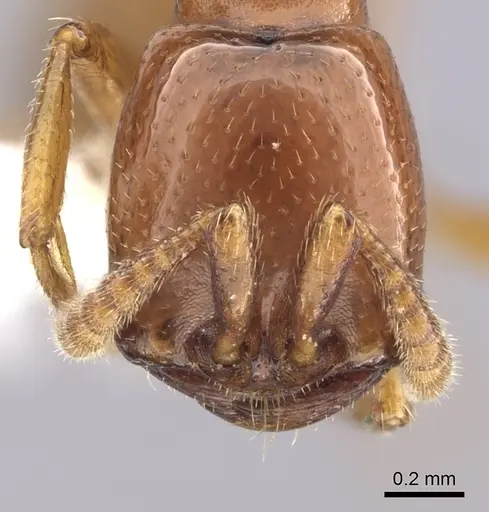
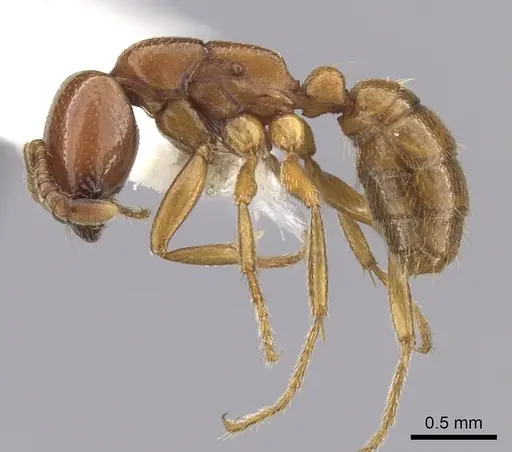
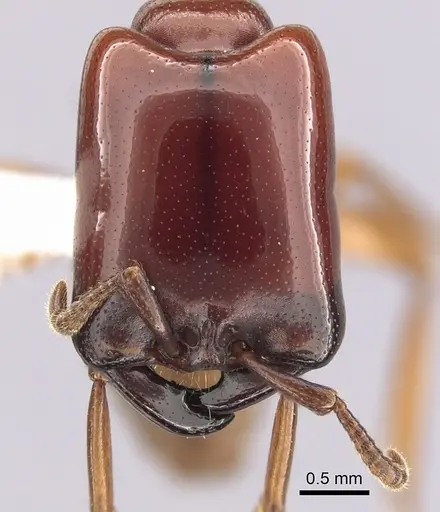
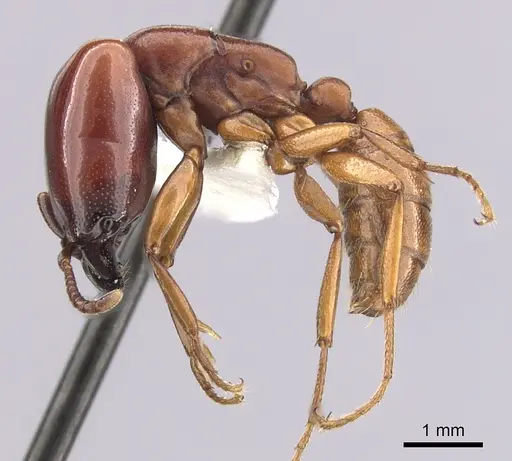
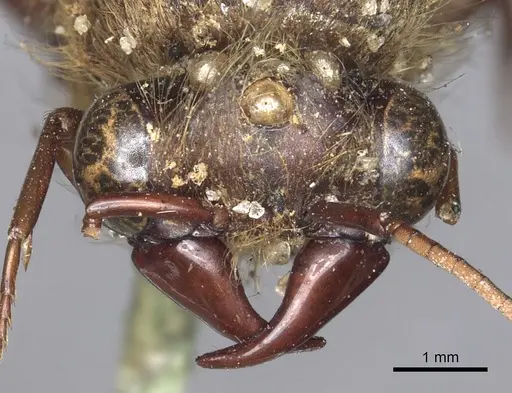
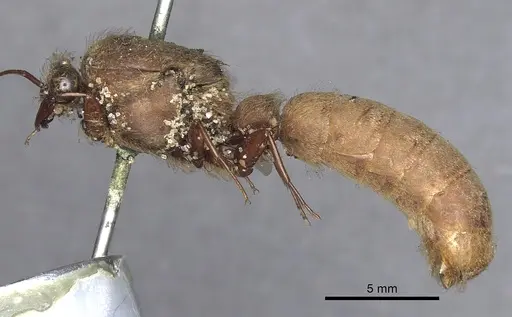
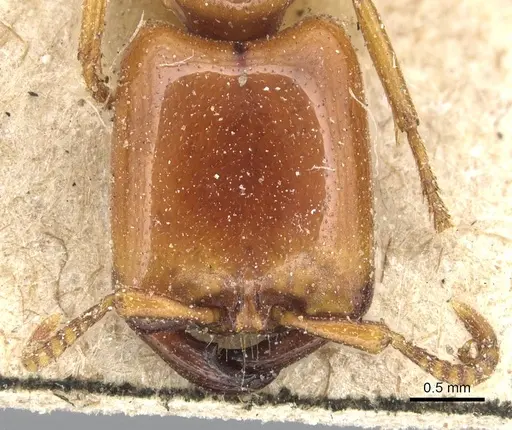
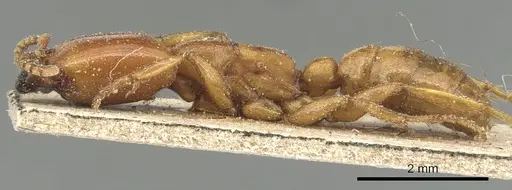
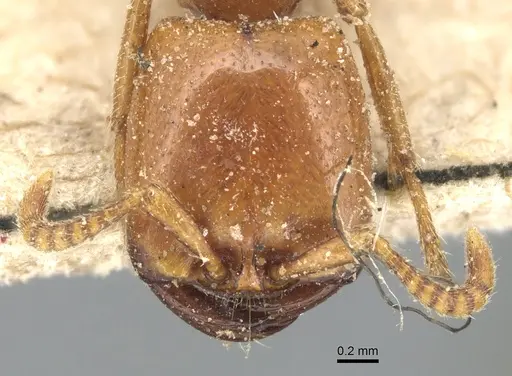
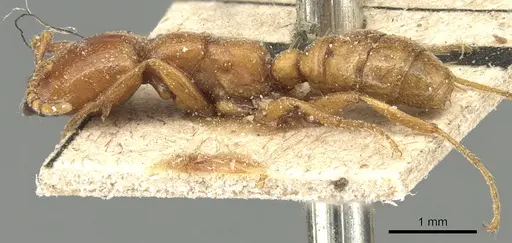
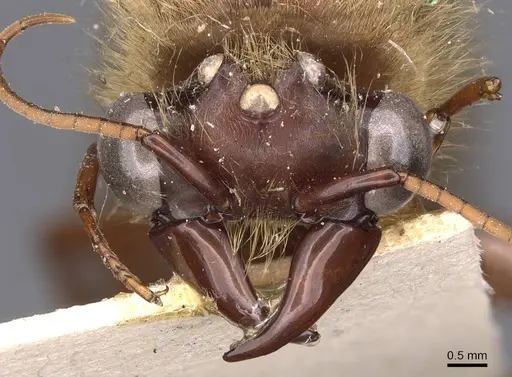
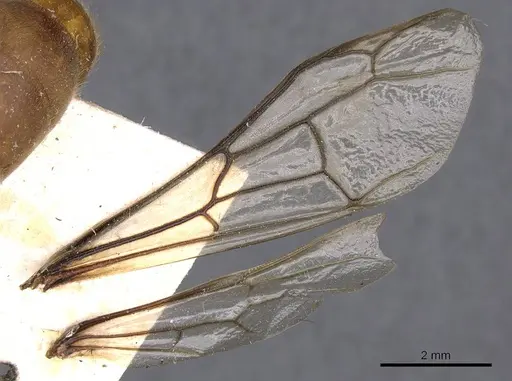
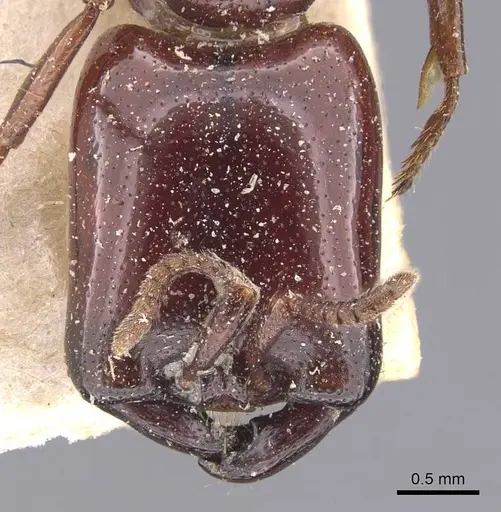
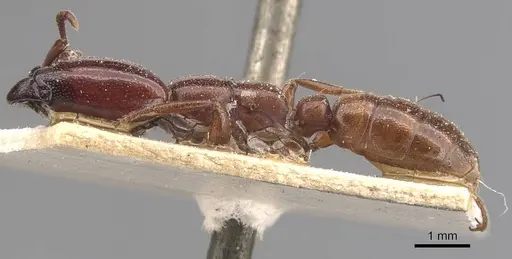
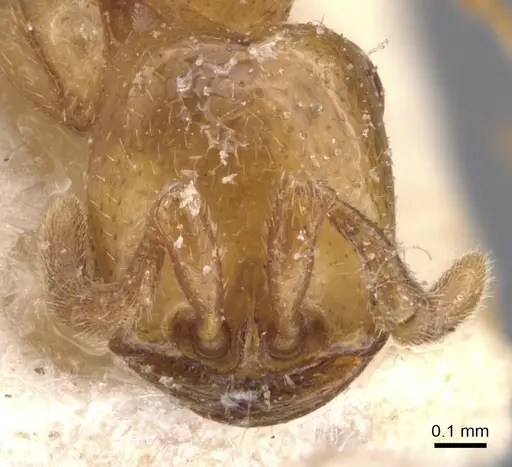
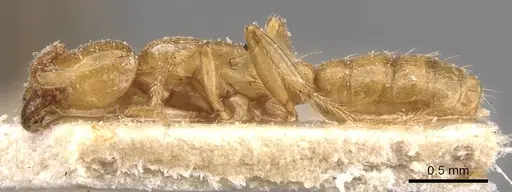
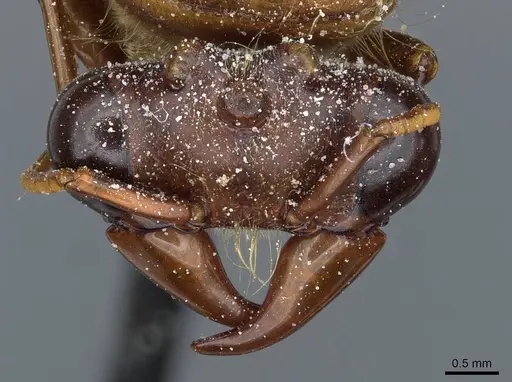
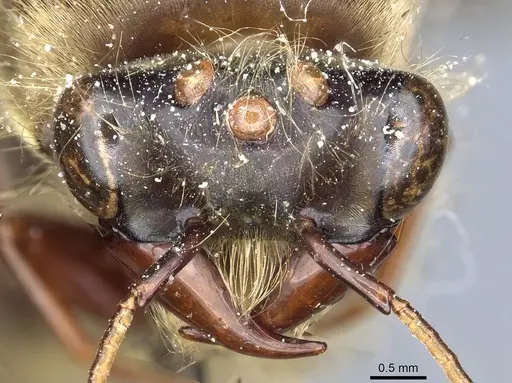
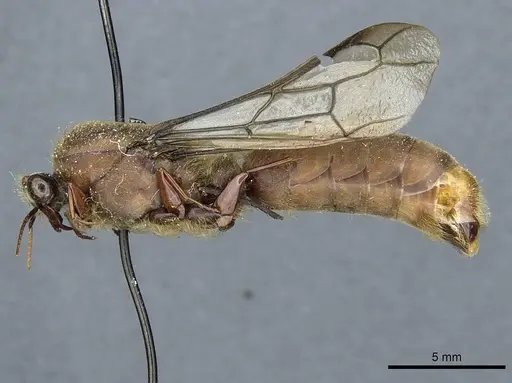
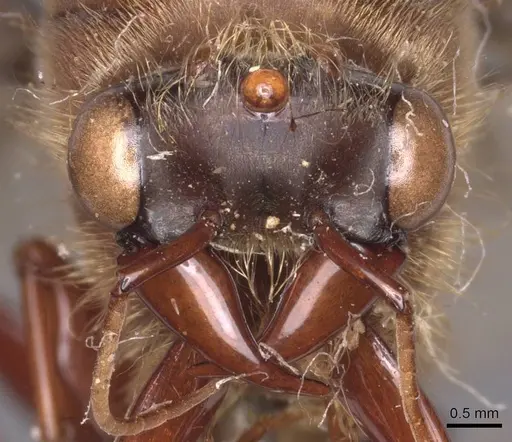
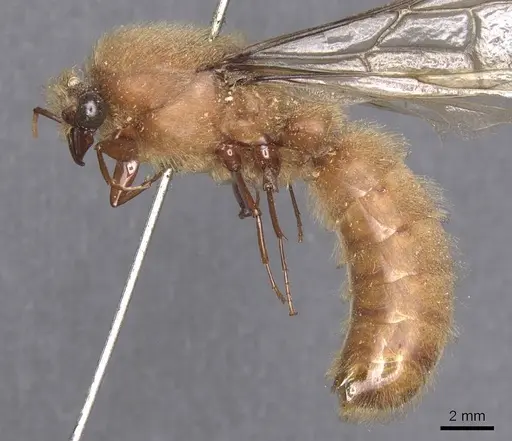
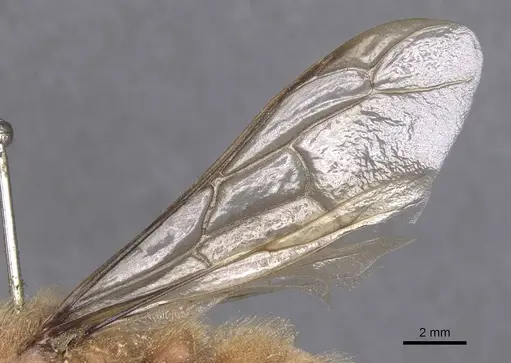
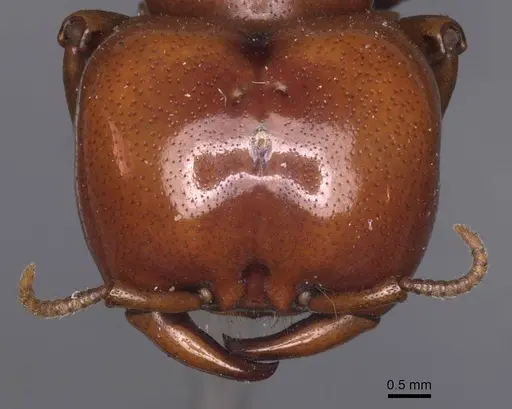
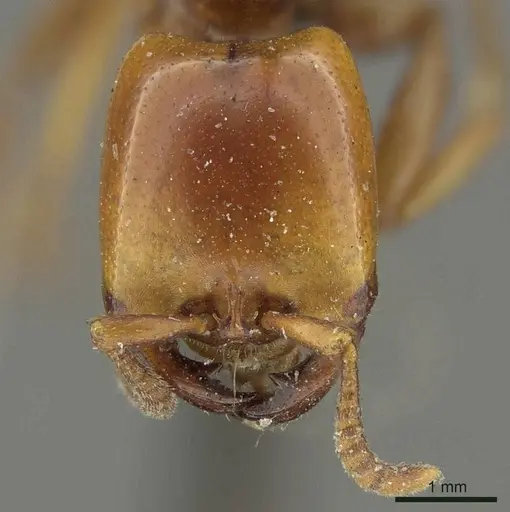
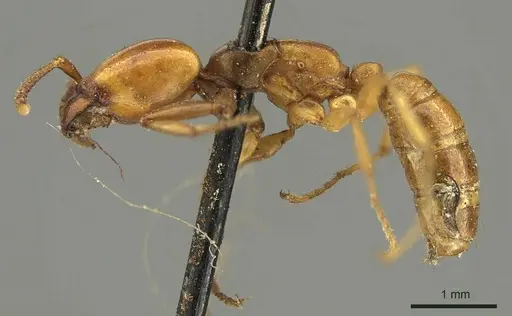
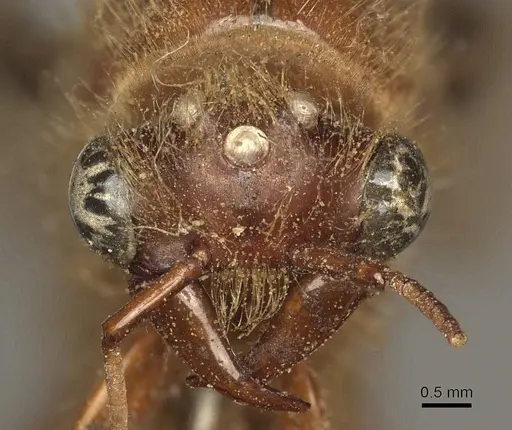
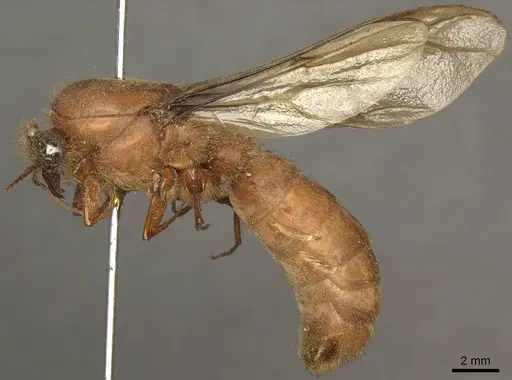
Dorylus affinis is a hypogaeic (underground-dwelling) army ant species native to tropical Africa and parts of the Middle East [1]. Workers are large and robust, with the largest specimens reaching 10mm in length. They have a distinctive rusty red coloration with a darker head, and as an underground species, they are eyeless or have greatly reduced eyes [1][2]. This species belongs to the Dorylus helvolus-group and is known by various common names including safari ant, driver ant, and army ant [3]. Colonies are nomadic and form seasonal temporary ant hills, with workers marching in massive columns of up to 50,000 individuals when food supplies dwindle [3]. The species has been recorded across wide areas of sub-Saharan Africa from Senegal to Kenya, with isolated populations in Turkey and Yemen [4][5].
Quick Summary
- Difficulty: Expert
- Origin & Habitat: Tropical Africa and Middle East, found in woodland, savanna, and forest edge habitats. They are hypogaeic (underground-dwelling) ants that forage below the surface and form temporary nests that relocate as food supplies are exhausted [1][3].
- Colony Type: Large colony structure with single queen. Colonies can reach massive sizes with tens of thousands of workers. The species is nomadic, meaning colonies regularly abandon their bivouac sites and march to new locations when food supplies are exhausted [3].
- Colony: Monogyne
- Size & Growth:
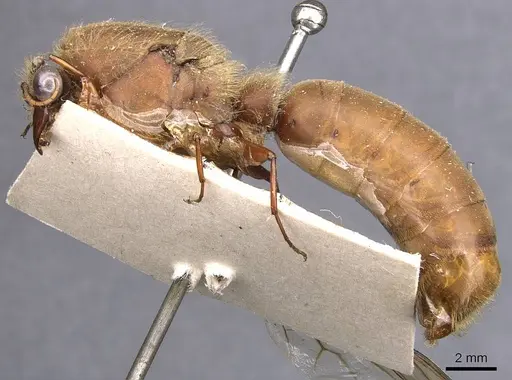
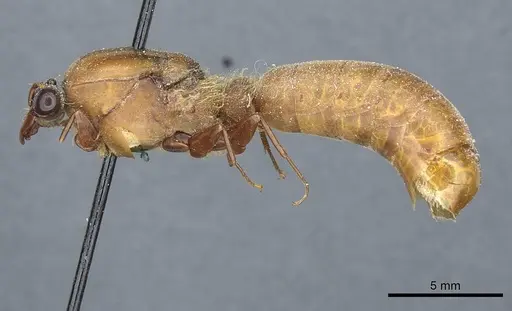
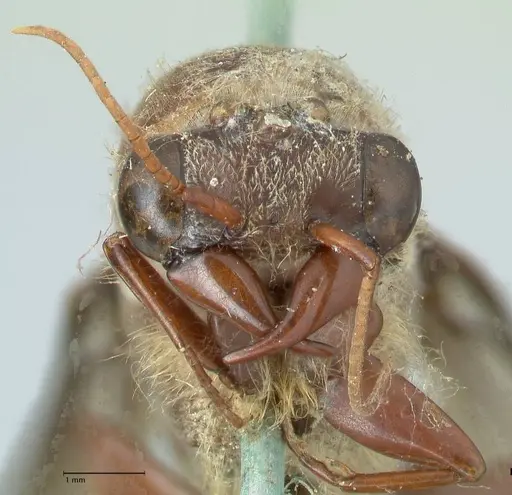
- Queen: Larger than workers, typical of Dorylus genus, queen illustrated in Boudinot et al. 2021 [6]
- Worker: Up to 10mm for largest workers [2]
- Colony: Colonies can contain 50,000 or more workers [3]
- Growth: Fast during nomadic phases, moderate during stationary phases
- Development: Unknown, typical Dorylus development is several months but specific timeline for D. affinis unconfirmed (Development is likely temperature-dependent. Army ant colonies have complex brood cycles synchronized with nomadic behavior.)
- Antkeeping:
- Temperature: Keep at 24-28°C. As a tropical species, they require warm conditions year-round. A heating cable on one side of the enclosure can provide the necessary warmth [3].
- Humidity: Moderate to high humidity (60-80%). Maintain substrate moisture but ensure good ventilation to prevent mold buildup.
- Diapause: No, being a tropical species, they do not require hibernation. However, colony activity may slow slightly during cooler periods.
- Nesting: This species is challenging to house in captivity. They require large spaces to accommodate their nomadic lifestyle. A naturalistic setup with deep substrate (at least 10-15cm) for tunneling is essential. They will form temporary chambers that they abandon periodically.
- Behavior: Dorylus affinis is a nomadic, predatory army ant. Workers are aggressive predators that hunt insects and other small invertebrates. They form massive marching columns when searching for food and establish temporary bivouac sites [3]. Workers have a painful sting though this species is less aggressive than some other Dorylus. Escape prevention is critical, they will readily disperse if given the chance. Their hypogaeic lifestyle means they are primarily active underground or in low-light conditions. They are beneficial in ecosystems as they prey on crop pests and other insects [3].
- Common Issues: massive colony size makes them extremely difficult to house in captivity, most antkeepers cannot provide adequate space, nomadic behavior means they constantly relocate, making stable observation impossible, requires constant live prey supply, they are obligate predators and will not accept sugar or dead food, hypogaeic lifestyle means they spend most time underground, making them less interactive than surface-nesting ants, escape risk is high due to their determined foraging behavior and ability to find weak points in enclosures
Why This Species Is Not Recommended for Most Antkeepers
Dorylus affinis represents one of the most challenging ant species to keep in captivity. Unlike typical ant-keeping where you can maintain a colony in a test tube or formicarium, army ants require conditions that most hobbyists cannot provide. These ants are nomadic by nature, they form temporary bivouacs (temporary nests) that they abandon every few weeks when food supplies are exhausted, then march in columns of up to 50,000 workers to establish new colonies [3]. This behavior is not something you can accommodate in a standard ant setup. Additionally, being hypogaeic (underground-dwelling), they prefer to stay hidden beneath the substrate, making them far less engaging to observe than surface-nesting species. Their massive colony size, constant need for live prey, and nomadic lifestyle make them suitable only for advanced antkeepers with significant space and resources. Even then, maintaining a healthy long-term colony is extremely difficult [3].
Housing and Space Requirements
If you attempt to keep Dorylus affinis, you would need an exceptionally large enclosure, think room-scale or dedicated space rather than a formicarium. The enclosure must have deep substrate (at least 10-15cm) to allow for tunneling and chamber construction. Because they are nomadic, you cannot expect them to stay in one location. They will dig new chambers and relocate within the enclosure regularly. The enclosure must have absolutely excellent escape prevention, army ants are persistent foragers that will find and exploit any gap or weakness. Some keepers use large plastic storage bins with modifications, but even these are often inadequate for the colony sizes involved. You must also provide a constant supply of live prey (insects) within the enclosure, which means regularly adding crickets, mealworms, or other insects that the ants can hunt. [3]
Feeding and Nutrition
Dorylus affinis is an obligate predator, they do not accept sugar sources, seeds, or dead food. Workers hunt and dismember insects and other small invertebrates [3]. In captivity, you would need to provide a constant supply of live prey. This is one of the most demanding aspects of keeping army ants. A colony of 50,000 workers will consume enormous quantities of insects. Some keepers report feeding dozens of crickets or other large insects daily to sustain a colony. The prey should be varied to ensure nutritional balance. Some Dorylus species have been observed accepting small vertebrates (like rodents) in the wild, but this is difficult to replicate safely in captivity. The hunting behavior is fascinating to observe, workers coordinate in groups to take down prey much larger than individual workers.
Temperature and Seasonal Care
As a tropical African species, Dorylus affinis requires warm temperatures year-round. Maintain enclosure temperatures between 24-28°C. Unlike temperate ant species, they do not require a winter hibernation period. In fact, cooler temperatures can slow or stop their activity entirely, disrupting their nomadic cycles. A heating cable placed on one side of the enclosure can provide localized warmth while allowing the ants to self-regulate by moving between warmer and cooler areas. However, you must ensure the heating element does not dry out the substrate or create dangerous hot spots. Monitor temperatures carefully and adjust heating based on colony behavior.
Behavior and Colony Dynamics
The most remarkable aspect of Dorylus affinis is their nomadic lifestyle. Unlike most ants that establish permanent nests, army ants continuously move their bivouac sites. When food supplies dwindle in an area, the entire colony, queen, brood, and all, forms a marching column and relocates [3]. This behavior is synchronized with their brood development: when larvae need feeding, the colony becomes nomadic and hunts aggressively, when pupae are developing, they enter a stationary phase. Workers are aggressive predators with a painful sting, though D. affinis is generally less aggressive than some other Dorylus species. They communicate primarily through chemical trails and vibrations. The colony structure includes distinct worker castes (major and minor workers) that perform different roles, majors may serve as soldiers or help carry heavy prey.
Frequently Asked Questions
Can I keep Dorylus affinis in a test tube?
No. Dorylus affinis is absolutely not suitable for test tube keeping. Their colonies can reach 50,000+ workers and they are nomadic, they constantly relocate their nests. A test tube cannot possibly accommodate their space requirements or allow for their natural behavior. This species is only suitable for advanced antkeepers with significant space and resources.
How long does it take for Dorylus affinis to develop from egg to worker?
The specific egg-to-worker development time for Dorylus affinis has not been documented in scientific literature. Based on related Dorylus species, development likely takes several months. Army ant development is also tied to their nomadic cycle, when colonies enter stationary phases, brood development progresses, when nomadic, the colony may not produce eggs. This makes precise timelines difficult to determine.
Are Dorylus affinis good for beginners?
No. Dorylus affinis is not recommended for beginners or even intermediate antkeepers. Their requirements are extreme: massive colony sizes reaching 50,000+ workers, constant live prey requirements, nomadic behavior requiring large spaces, and specific temperature and humidity needs. Most antkeepers cannot provide adequate housing or maintain the constant prey supply these ants need. This species is firmly in the expert category.
What do Dorylus affinis eat?
Dorylus affinis is an obligate predator that only accepts live insects and small invertebrates. They will not eat sugar water, honey, seeds, or dead food. In the wild, they hunt a wide variety of prey including insects, spiders, and occasionally small vertebrates. In captivity, you would need to provide a constant supply of live crickets, mealworms, roaches, or other insects. A colony of this size would require feeding dozens of insects daily.
Do Dorylus affinis need hibernation?
No. As a tropical African species, Dorylus affinis does not require hibernation or winter cooling. They should be kept warm year-round at 24-28°C. Cooler temperatures can disrupt their natural behavior cycles and may harm the colony. This is one of the few "simpler" aspects of their care, no seasonal temperature adjustments are needed.
How big do Dorylus affinis colonies get?
Dorylus affinis colonies can reach massive sizes, up to 50,000 or more workers [3]. This is one of the primary challenges in keeping them. The colony size, combined with their nomadic behavior, means you would need an exceptionally large enclosure to house them properly. Even then, maintaining a colony of this size long-term is extremely difficult.
Can I keep multiple Dorylus affinis queens together?
No. Dorylus affinis is a monogyne species with a single queen per colony. Unlike some ant species that can have multiple queens, army ant colonies typically have one queen that produces all the eggs. The queen is larger than workers and remains hidden within the bivouac. Combining unrelated queens would likely result in fighting.
Why are my Dorylus affinis dying?
There are many possible causes. The most common issues are: inadequate space for their nomadic behavior, insufficient live prey supply, incorrect temperature (too cold), improper humidity, or stress from relocation. Wild-caught colonies may also carry parasites or diseases that can cause colony collapse. Additionally, if the colony enters a nomadic phase and cannot find adequate prey, they may weaken and die. Without knowing your specific setup, it's impossible to diagnose the exact cause.
When will Dorylus affinis produce alates (reproductives)?
The timing of alate production in Dorylus affinis has not been specifically documented. In army ants, reproductive production is typically tied to colony size and seasonal cycles. Large, established colonies are more likely to produce alates. Nuptial flights in Dorylus species usually occur during rainy seasons in their native habitats. In captivity, producing alates is extremely rare and would require a very large, healthy, established colony.
References

This caresheet is licensed under CC BY-SA 4.0 .
CASENT0217156
View on AntWeb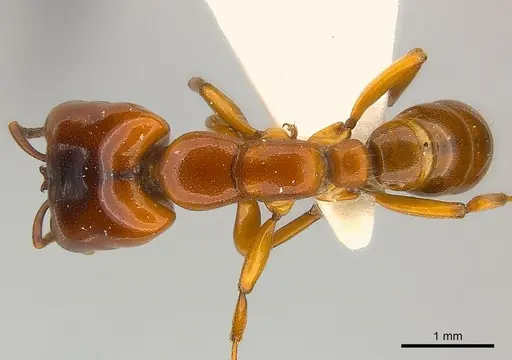
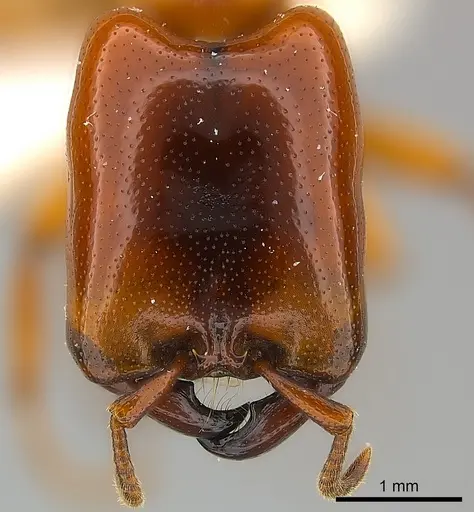
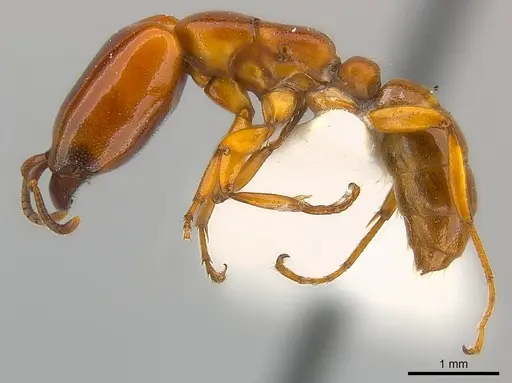
CASENT0217157
View on AntWeb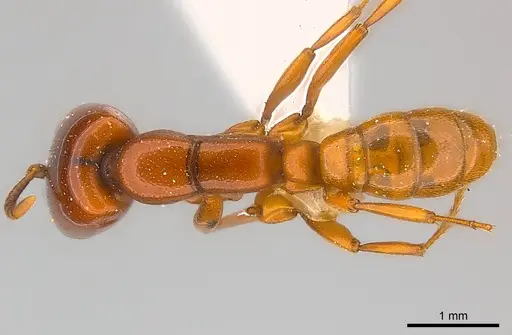
CASENT0217462
View on AntWeb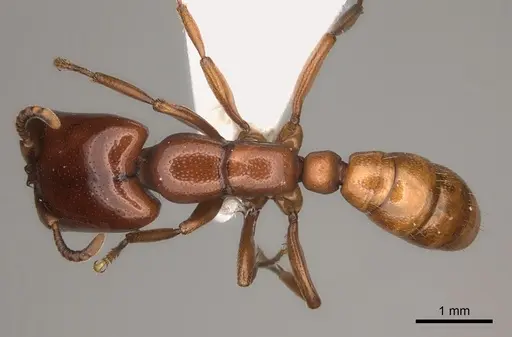
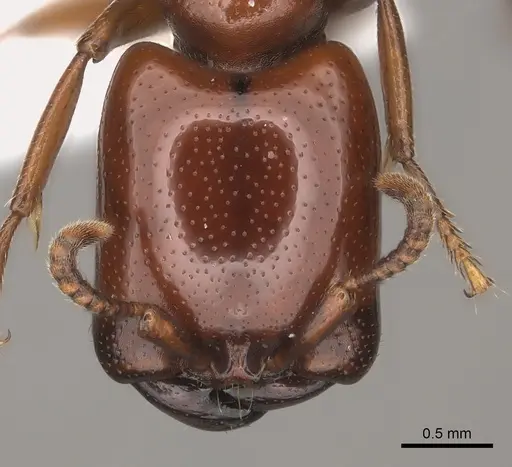
CASENT0249444
View on AntWeb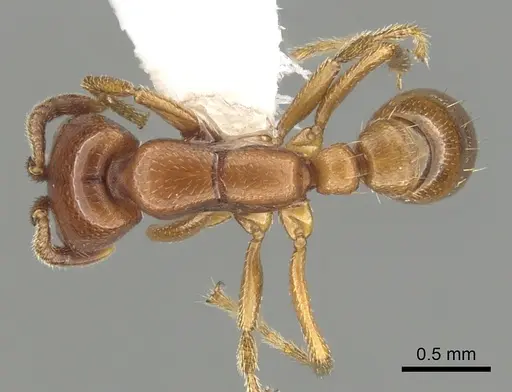
CASENT0249445
View on AntWeb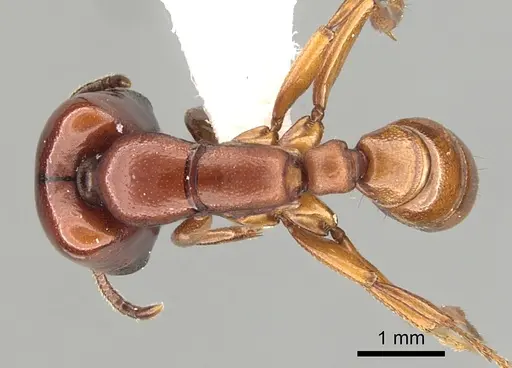
CASENT0901948
View on AntWeb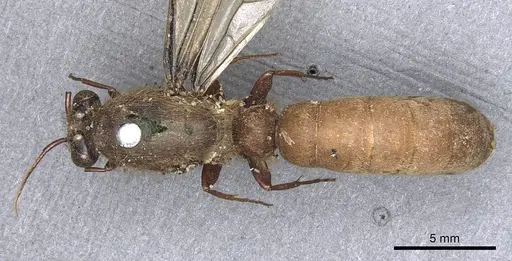
CASENT0903696
View on AntWeb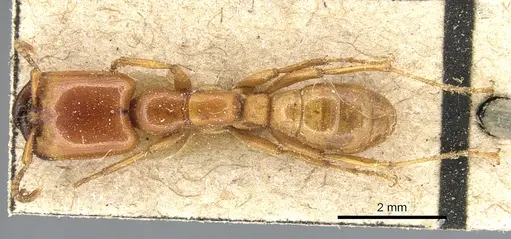
CASENT0903697
View on AntWeb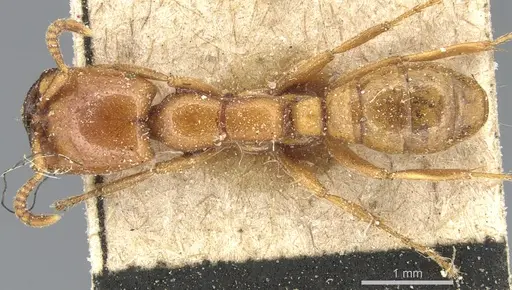
CASENT0905916
View on AntWeb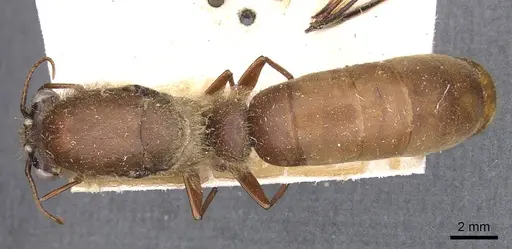
CASENT0905921
View on AntWeb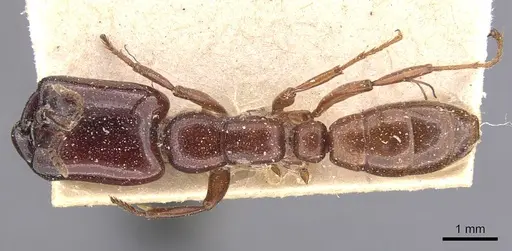
CASENT0905922
View on AntWeb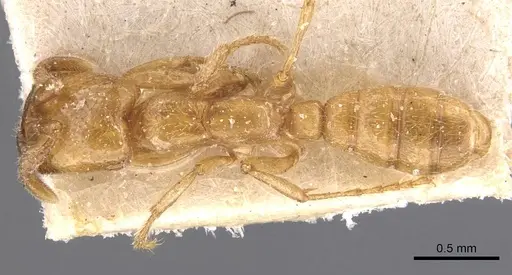
CASENT0911323
View on AntWeb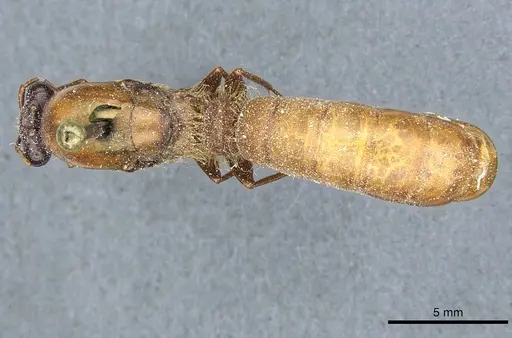
CASENT0911324
View on AntWeb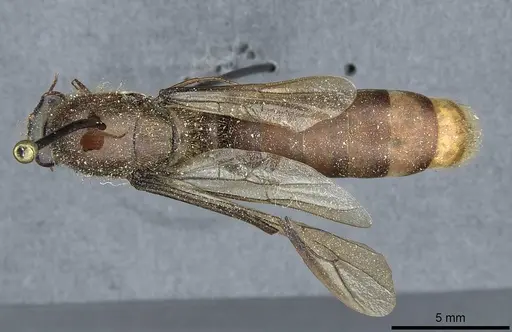
CASENT0911325
View on AntWeb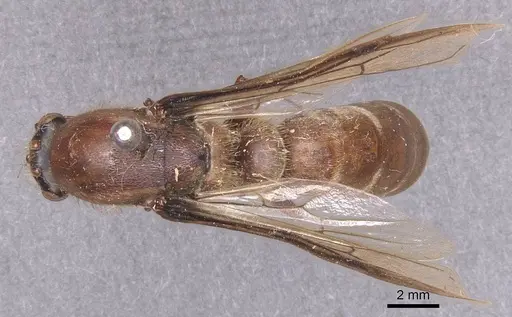
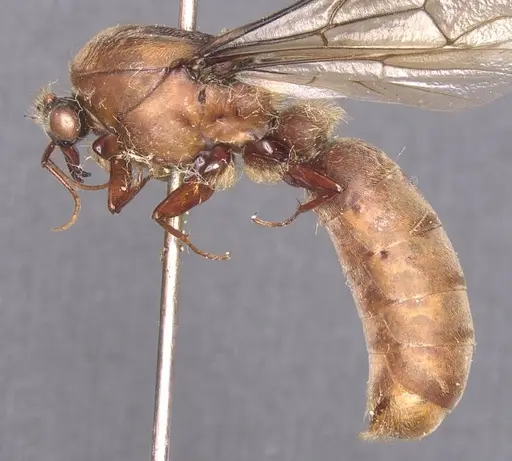
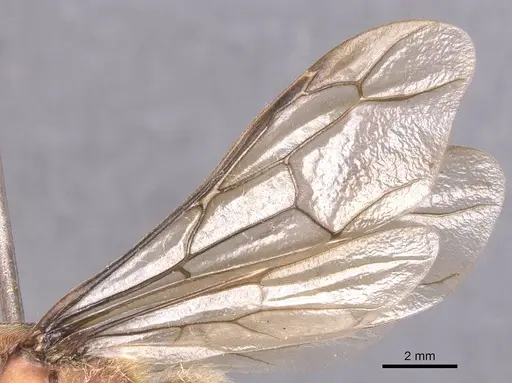
CASENT0911326
View on AntWeb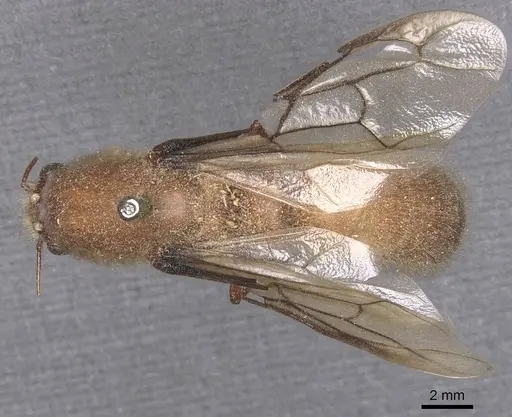
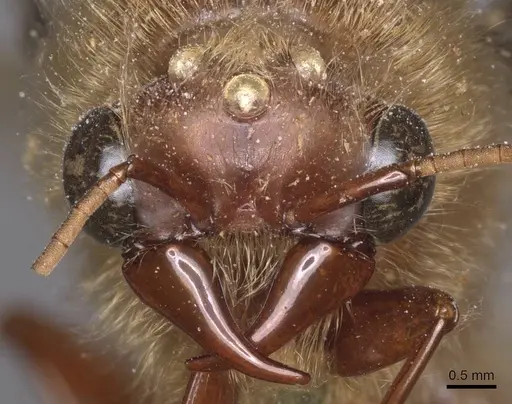
CASENT0911328
View on AntWeb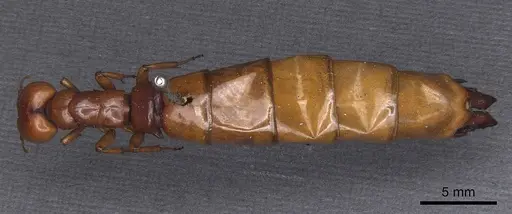
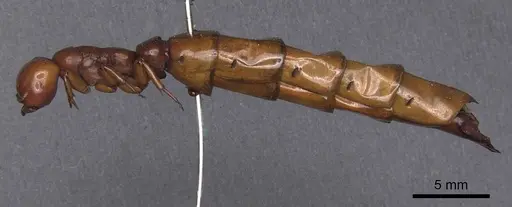
CASENT0911333
View on AntWeb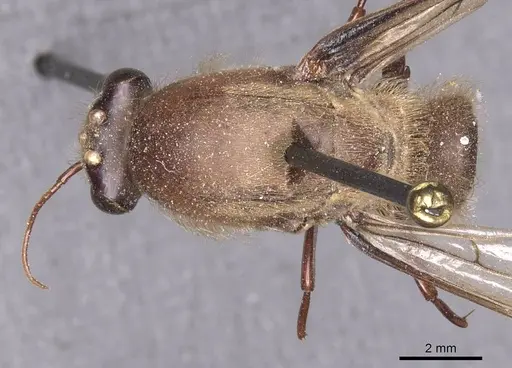
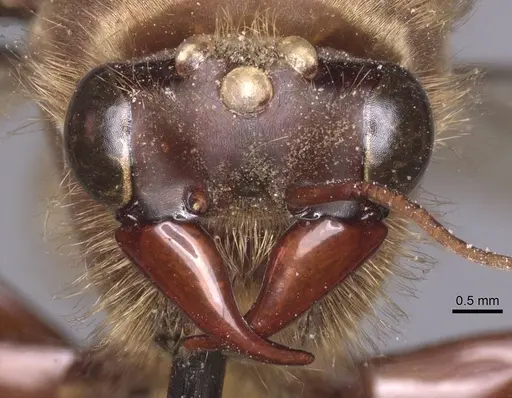
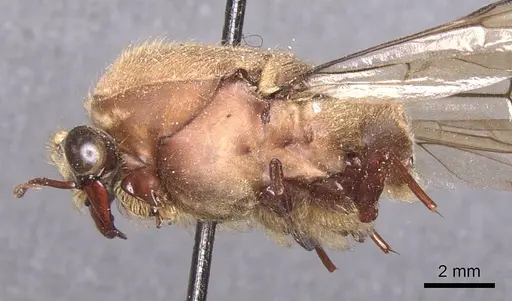
CASENT0915640
View on AntWeb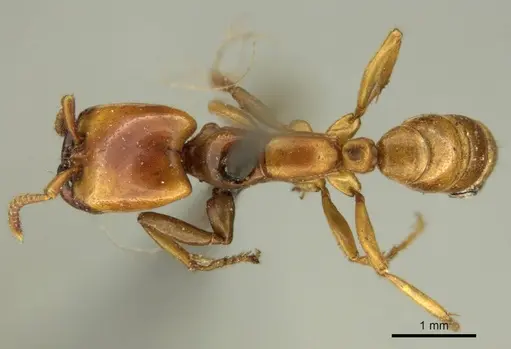
CASENT0915641
View on AntWeb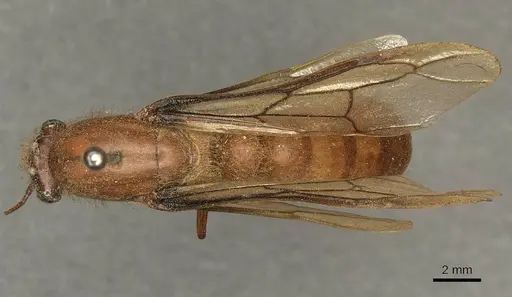
FOCOL1093
View on AntWeb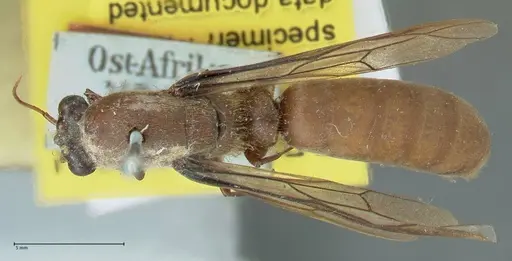
Literature
Loading...Loading products...