

Dolopomyrmex pilatus
- Scientific Name
- Dolopomyrmex pilatus
- Tribe
- Solenopsidini
- Subfamily
- Myrmicinae
- Author
- Cover & Deyrup, 2007
- Distribution
- Found in 1 countries
Dolopomyrmex pilatus Overview
Dolopomyrmex pilatus is an ant species of the genus Dolopomyrmex. It is primarily documented in 1 countries , including United States of America. Detailed taxonomic data and occurrence records can be further explored via authoritative databases such as AntWeb or the Global Biodiversity Information Facility (GBIF).
Dolopomyrmex pilatus
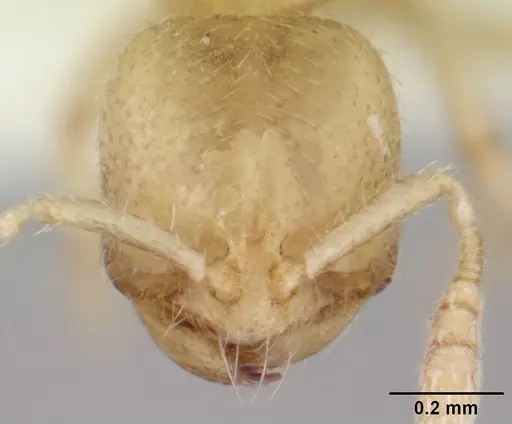
Dolopomyrmex pilatus is an extraordinarily rare subterranean ant and the only species in its genus, discovered in the southwestern United States in 2007. Workers are tiny at just 1.6-2.4mm, pale yellow, and nearly blind with vestigial or completely absent eyes. They have a distinctive 11-segmented antennae with an enormous 3-segmented club. Queens are remarkably large at 9.5mm compared to workers, one of the greatest size differences in ants. This species nests deep in desert soil, typically 30-50cm below the surface in hard, compacted sandy washes between desert flats and mountain foothills [1].
What makes this ant remarkable is its almost completely subterranean lifestyle. Workers rarely come to the surface and are almost never observed foraging in the open. They appear to be ambush predators, feeding primarily on termite nymphs and the brood of other ant species. The genus name translates to 'spear-bearing ambush ant', fitting for a predator that lurks underground waiting to strike [1]. This species is exceptionally rare in both the wild and in antkeeping, with virtually no established captive colonies.
Quick Summary
- Difficulty: Expert
- Origin & Habitat: Southwestern United States (Arizona, California, New Mexico) in desert wash habitats and transitional zones between desert and mountain foothills at elevations around 4700ft (1432m). Found in creosotebush scrub, mesquite-dominated zones, and occasionally salt flats near desert playas or arroyos [1][2].
- Colony Type: Likely single-queen (monogyne) colonies. Colony size is unknown but likely small based on the rarity of collection and subterranean lifestyle. Queens are enormous compared to workers, and colonies appear to have relatively few individuals [1].
- Colony: Monogyne
- Size & Growth:
- Queen: 9.5mm TL [1]
- Worker: 1.6-2.4mm TL [1]
- Colony: Unknown, likely small (under 100 workers) based on rarity of collection and subterranean habits [1]
- Growth: Unknown, likely slow given subterranean habits and small colony size
- Development: Unknown, no documented development data exists for this species (No research has documented development times. Related subterranean Myrmicines suggest 6-12 weeks at optimal temperature, but this is entirely speculative.)
- Antkeeping:
- Temperature: Based on desert habitat: aim for 24-30°C with a warm zone around 28°C. Provide a temperature gradient so ants can self-regulate. Avoid temperatures below 20°C for extended periods [1].
- Humidity: Keep relatively dry, desert species. Provide a moist soil chamber (around 30-50cm depth equivalent) but allow portions of the nest to dry out. Target 40-60% humidity in the outworld, with damp substrate in the deep nest chambers.
- Diapause: Likely required, this is a temperate/desert species from Arizona and New Mexico. Provide a cool period around 10-15°C for 2-3 months during winter. However, this is inferred from habitat and not directly studied [1].
- Nesting: Deep nest required, these ants naturally nest 30-50cm deep in compacted sandy soil. Use a plaster or acrylic nest with deep chambers (at least 10-15cm equivalent depth). A naturalistic setup with compacted sandy substrate works best. They prefer tight, dark chambers and rarely come to the surface [1].
- Behavior: Almost entirely subterranean, workers are blind or nearly blind and almost never emerge to forage in the open. They are ambush predators that likely wait in their tunnels for prey to pass by. Workers have a sting but are too small to affect humans. They are not aggressive and will retreat when disturbed. Escape risk is low since they avoid light and open spaces, but the tiny size (1.6mm) means standard escape prevention should still be used [1].
- Common Issues: this species is virtually unavailable in the antkeeping hobby, wild colonies are extremely rare and rarely collected, subterranean habits make them nearly invisible, keepers may rarely see their ants, no established care protocols exist, this would be a pioneering effort with no经验的参考, colony failure is likely since nothing is known about their captive requirements, they may refuse all standard ant foods and require live termite nymphs or ant brood
Discovery and Rarity
Dolopomyrmex pilatus was only described in 2007 by Stefan Cover and Mark Deyrup, making it one of the most recently discovered ant genera in North America. It was found during soil excavations at a desert wash in the Chiricahua Mountains of Arizona. The species has only been collected a handful of times, usually by accident when excavating nests of other ant species (particularly Pogonomyrmex imberbiculus). Workers are so rarely seen that they were initially overlooked despite extensive ant surveys in the American Southwest. This is likely because they almost never come to the surface and spend their entire lives underground [1].
In antkeeping, this species is essentially unavailable. There are no established captive colonies, and the extreme rarity of wild collection means most antkeepers will never encounter this species. If you somehow obtain a colony, you would be pioneering all captive care protocols.
Subterranean Lifestyle
This is one of the most subterranean ants known in North America. Workers have vestigial or completely absent eyes, they are essentially blind. Unlike many ants that forage on the surface, Dolopomyrmex workers remain underground in their tunnel systems, likely ambushing prey that wanders into their territory. Nests are found at impressive depths of 30-50cm below the surface, in hard, compacted sandy soil [1].
In captivity, this means you should provide deep nest chambers and minimize disturbance. These ants will not forage in an outworld the way most ants do. They may only emerge briefly to dispose of waste or when the nest is severely disturbed. A naturalistic setup with deep soil or a custom deep acrylic/plaster nest works best. Keep the nest dark and quiet [1].
Feeding and Diet
Based on limited observations, this species appears to be a specialized predator. In captivity, workers were observed feeding intermittently on fresh ant brood and termite nymphs, but they ignored other dead insects and sweet substances (honey/sugar). This suggests they are obligate predators on soft-bodied insects, particularly termites and the brood of other ants [1].
For captive care, you would need to provide live prey, specifically termite nymphs or the brood of other small ant species. Standard ant foods like mealworms, fruit flies, or honey water are likely refused. This makes them extremely difficult to keep, as maintaining a supply of live termite nymphs is challenging. Success would likely require establishing a termite culture or having access to regular live ant brood.
Temperature and Care
As a desert foothills species from Arizona and New Mexico, these ants are adapted to warm conditions with distinct seasonal variation. The type locality in the Chiricahua Mountains sits at about 4700 feet elevation, experiencing hot summers and cold winters. Based on this habitat, provide temperatures in the range of 24-30°C during the active season, with a cooler winter period for diapause around 10-15°C for 2-3 months [1].
Humidity should be kept relatively low, these are desert-adapted ants. Provide a moist deep chamber for the nest but allow other areas to dry out. The key challenge is replicating their deep-soil environment while still being able to observe and care for the colony. A plaster nest with deep chambers or a naturalistic setup with compacted sandy soil would be most appropriate.
Morphology and Identification
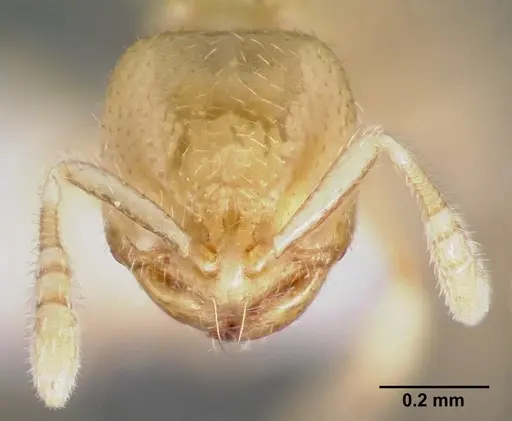
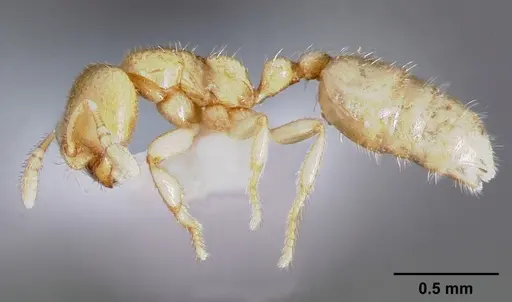
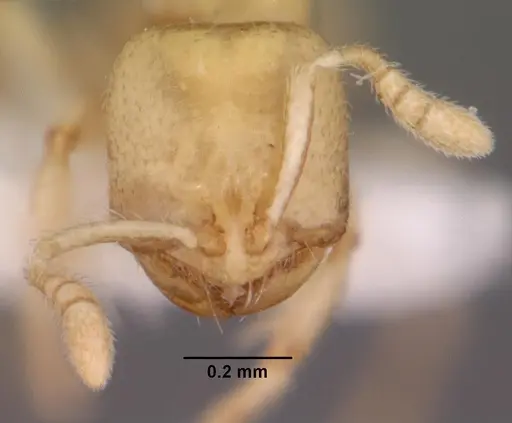
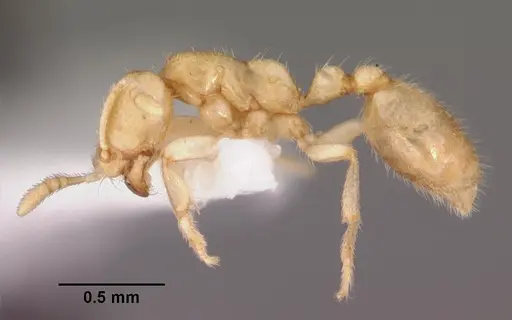
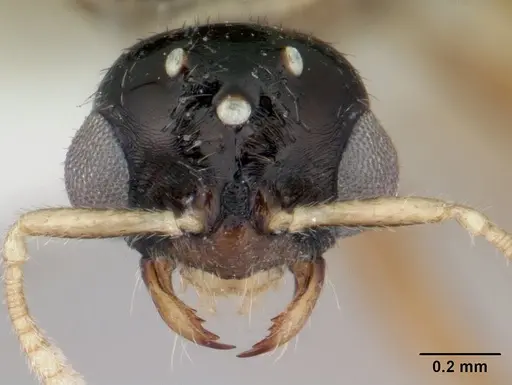
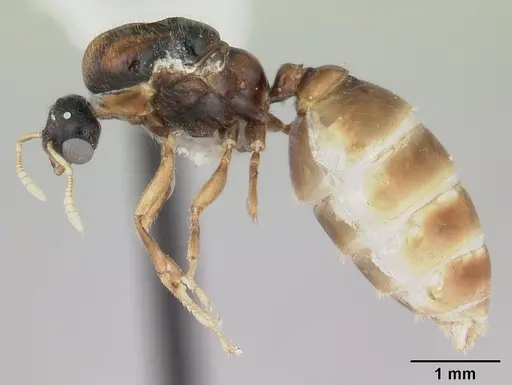
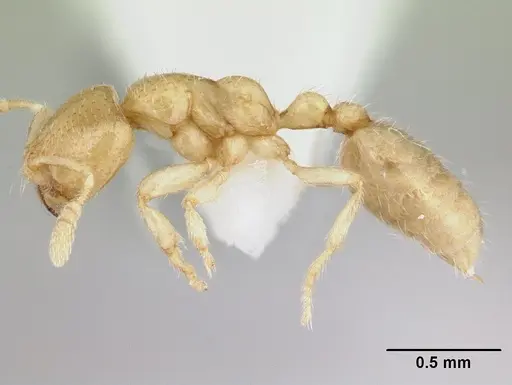
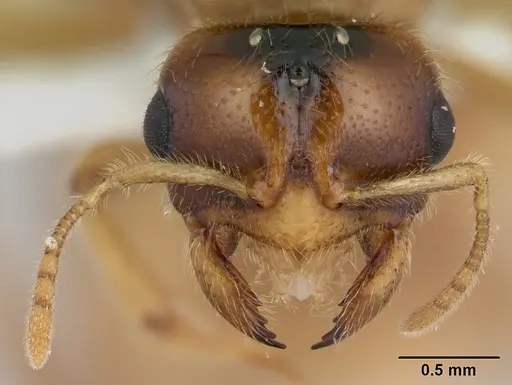
Workers are distinctive among North American ants. At just 1.6-2.4mm, they are tiny and pale yellow. Their most striking feature is the enormous 3-segmented antennal club, the antennae have 11 segments total, with the last three forming a club that is proportionally huge. Workers have vestigial eyes (sometimes completely absent) and a sting. The mesosoma has a distinctive hourglass shape when viewed from above due to lateral compression at the promesonotal juncture [1].
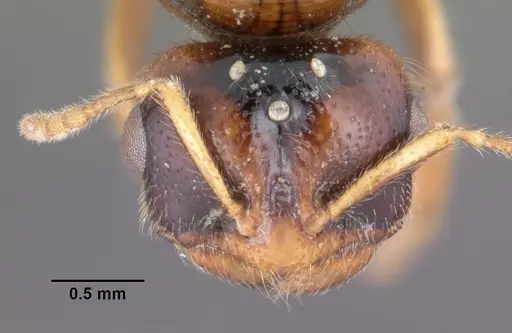
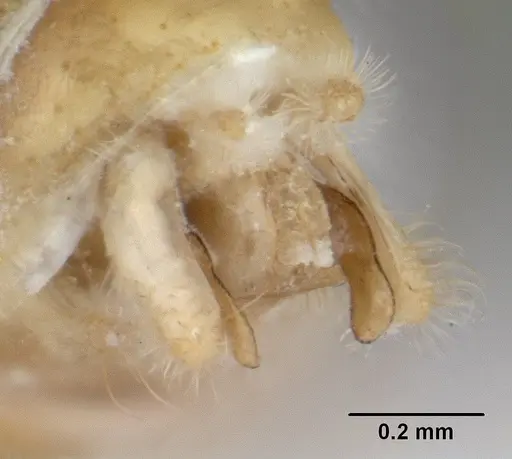
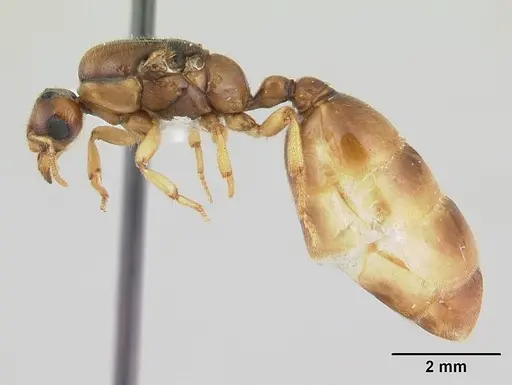
Queens are dramatically larger at 9.5mm, one of the greatest size disparities between queen and worker in ants. They are light to medium yellowish-brown with a distinctive dark brown spot on the back of the head around the ocelli. The massive mesosoma is adapted for subterranean life, being somewhat flattened. Males are intermediate at 5.0mm with distinctive morphology including a greatly enlarged first antennal segment [1].
Frequently Asked Questions
Can I keep Dolopomyrmex pilatus in captivity?
In theory yes, but in practice this species is essentially unavailable. They have never been collected in sufficient numbers to establish captive colonies, and no established care protocols exist. If you somehow obtained a wild colony, keeping them alive would require pioneering all aspects of their care.
What do Dolopomyrmex pilatus eat?
They appear to be specialized predators on soft-bodied insects. Observed colonies fed on termite nymphs and ant brood but ignored other insects and sugar. You would need to provide live prey, primarily termite nymphs or ant brood, as they do not accept standard ant foods [1].
How deep do Dolopomyrmex pilatus nest?
In the wild, nests are found 30-50cm deep in compacted sandy soil. In captivity, provide the deepest nest chambers possible, at least 10-15cm equivalent depth in a plaster or acrylic nest, or use a naturalistic setup with deep soil [1].
Are Dolopomyrmex pilatus good for beginners?
Absolutely not. This is an expert-only species that has never been kept in captivity. There are no care guides, they require specialized live prey (termite nymphs), and they are virtually impossible to obtain. Even experienced antkeepers would struggle with this species.
How big do Dolopomyrmex pilatus colonies get?
Unknown. Based on collection rarity and subterranean lifestyle, colonies are likely small, probably under 100 workers. They appear to be one of the rarest ants in North America [1].
Do Dolopomyrmex pilatus need hibernation?
Likely yes, based on their temperate/desert habitat in Arizona and New Mexico. A winter rest period of 2-3 months at 10-15°C is recommended, though this is inferred rather than directly studied.
Why are Dolopomyrmex pilatus so rarely seen?
They are almost entirely subterranean and nearly blind. Workers almost never come to the surface and are extremely difficult to find. Most collections have been accidental, when researchers were excavating nests of other ant species (particularly Pogonomyrmex) [1].
What is the best nest type for Dolopomyrmex pilatus?
A deep plaster or acrylic nest with chambers at multiple depths, or a naturalistic setup with compacted sandy soil. They need darkness, quiet, and deep chambers to replicate their natural 30-50cm deep nests [1].
Can I find Dolopomyrmex pilatus in the wild?
Extremely unlikely. They have only been collected a handful of times in Arizona, New Mexico, and California, usually by accident during excavations of other ant species' nests. Even professional myrmecologists rarely encounter them.
References

This caresheet is licensed under CC BY-SA 4.0 .
CASENT0003193
View on AntWeb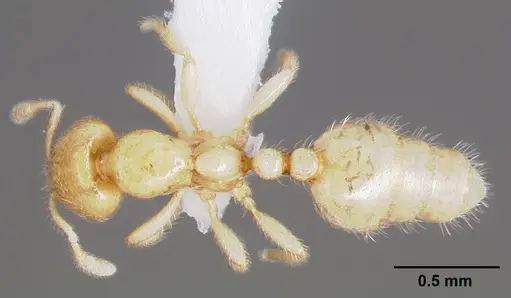
CASENT0102679
View on AntWeb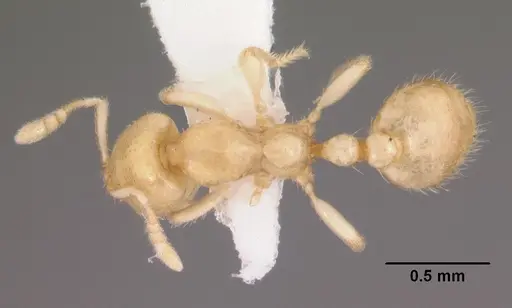
CASENT0102680
View on AntWeb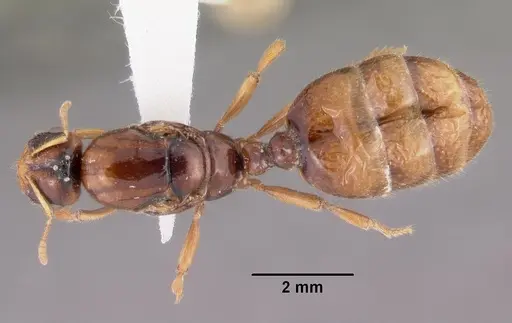
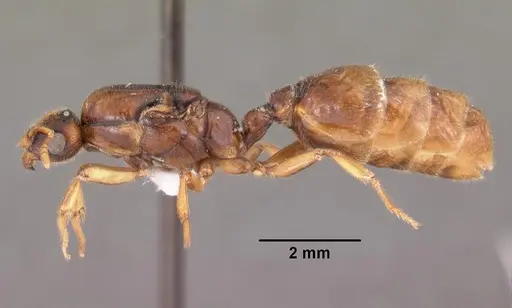
CASENT0106200
View on AntWeb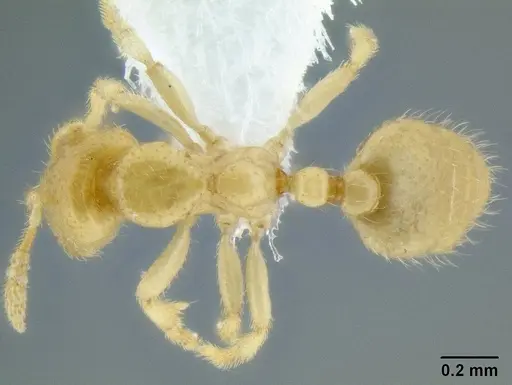
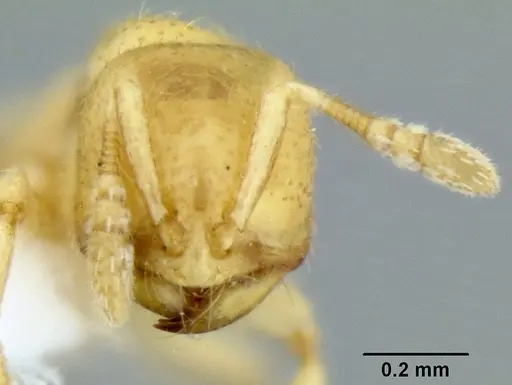
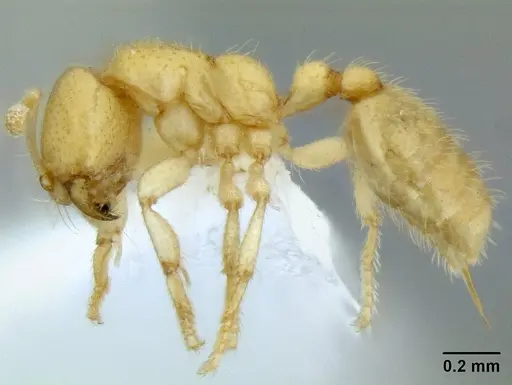
CASENT0178566
View on AntWeb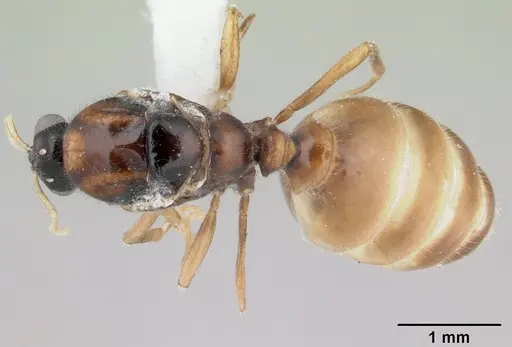
CASENT0178567
View on AntWeb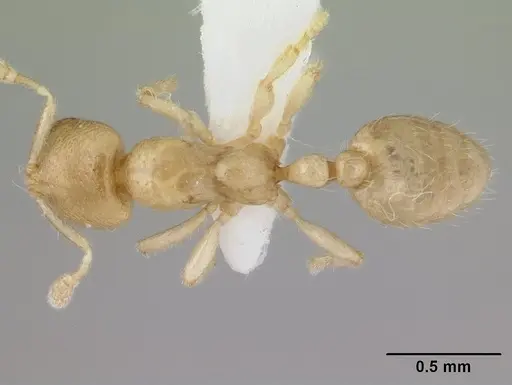
CASENT0178568
View on AntWeb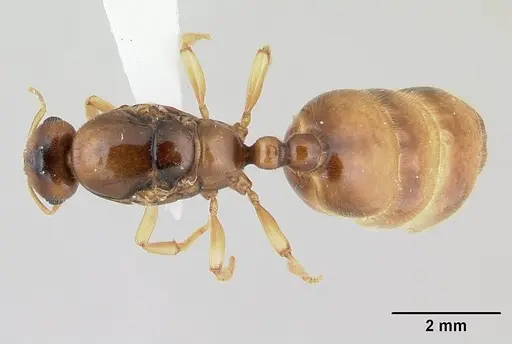
Literature
Loading...Loading products...