

Pogonomyrmex imberbiculus
- Scientific Name
- Pogonomyrmex imberbiculus
- Tribe
- Pogonomyrmecini
- Subfamily
- Myrmicinae
- Author
- Wheeler, 1902
- Distribution
- Found in 2 countries
Pogonomyrmex imberbiculus Overview
Pogonomyrmex imberbiculus is an ant species of the genus Pogonomyrmex. It is primarily documented in 2 countries , including Mexico, United States of America. Detailed taxonomic data and occurrence records can be further explored via authoritative databases such as AntWeb or the Global Biodiversity Information Facility (GBIF).
Pogonomyrmex imberbiculus
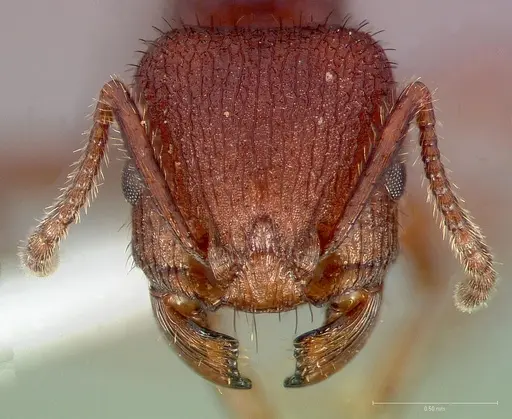
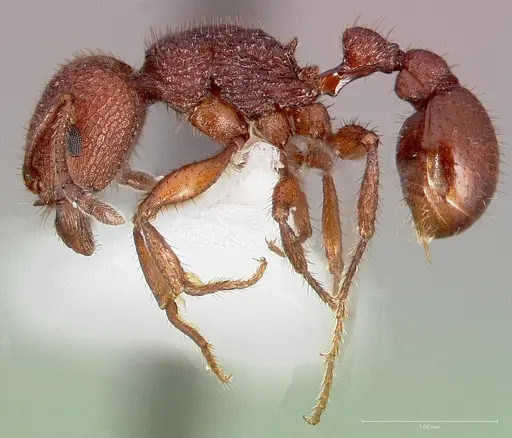
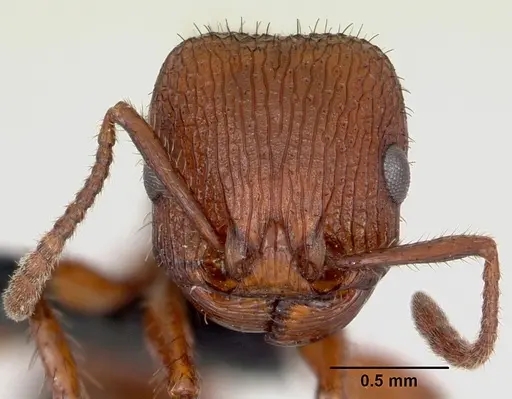
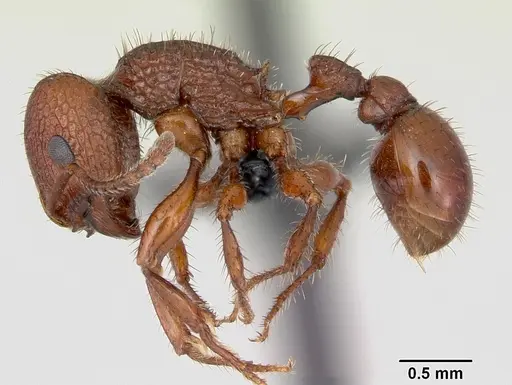
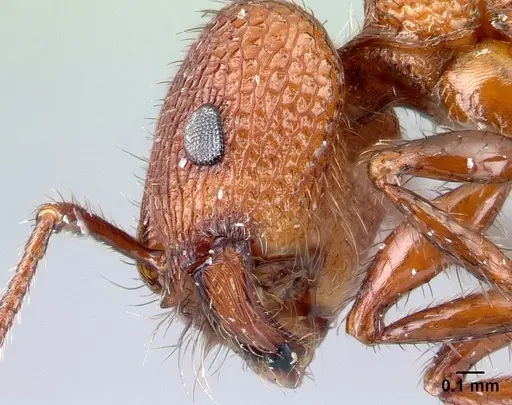
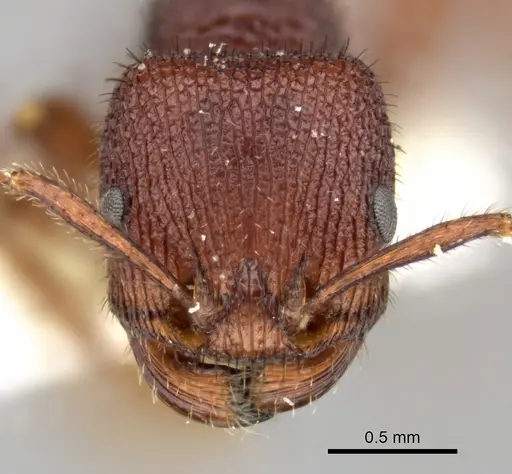
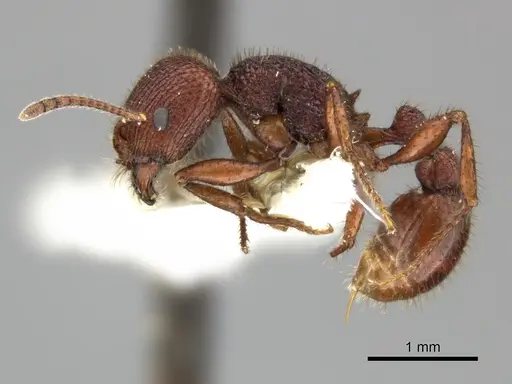
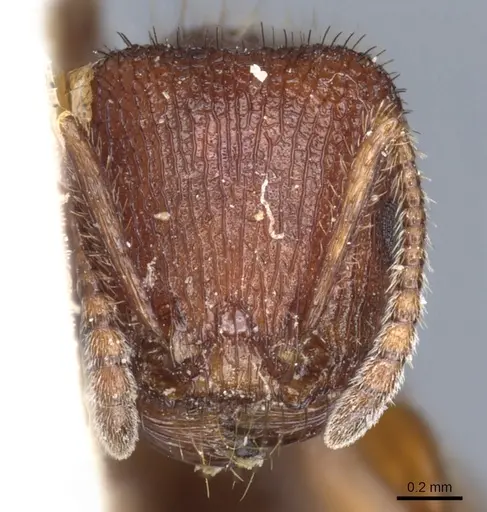
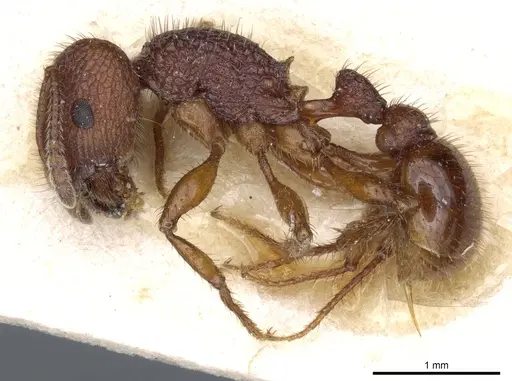
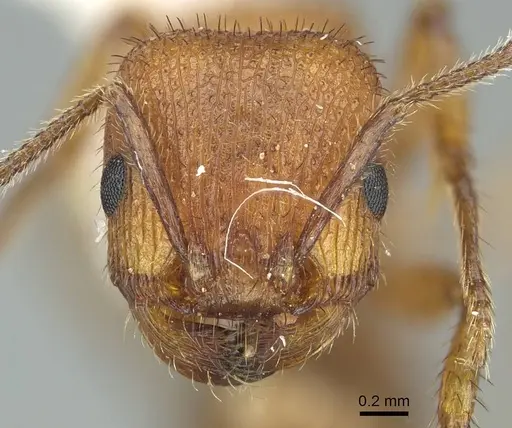
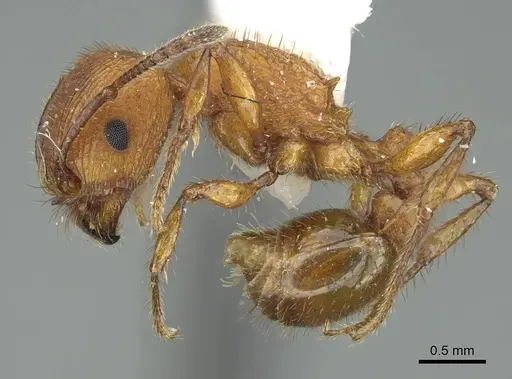
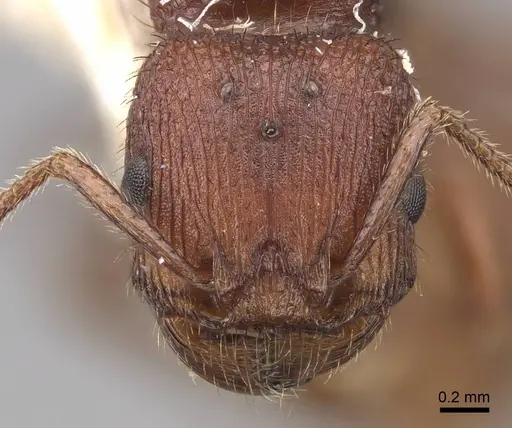
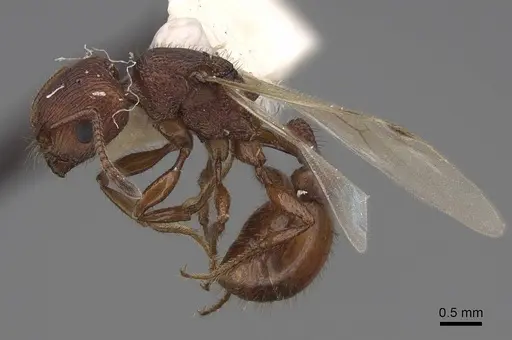
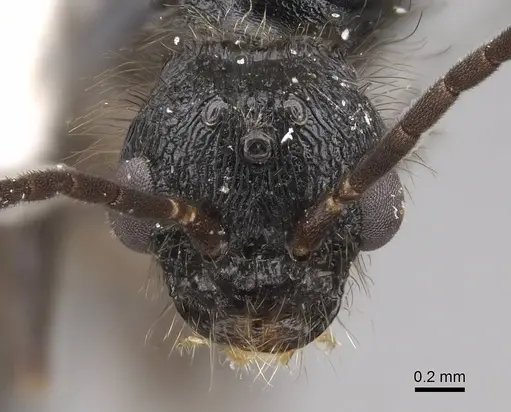
Pogonomyrmex imberbiculus is a small harvester ant native to the southwestern United States and northern Mexico. Workers measure 1.04-1.21mm and are easily recognized by a unique clypeal projection, a flange that sticks out in front of the antennae, making it the only North American Pogonomyrmex species with this feature. Queens are slightly larger at 1.11-1.28mm and come in two forms: typical winged queens and wingless intermorphs that can also head colonies. Colonies are small, typically containing fewer than 100 workers [1]. This species is famous for a remarkable behavior: its larvae can eat solid seeds, not just insects, workers crack seeds open and feed pieces to larvae, an unusual adaptation among ants. They are extremely docile and show no defensive behavior when disturbed, making them easy to study.
Quick Summary
- Difficulty: Easy
- Origin & Habitat: Chihuahuan Desert region, southwestern Oklahoma, western Texas, southwestern Colorado, southern New Mexico, southern Arizona, southern Nevada, southeastern California, and northern Mexico (Sonora, Chihuahua, Durango, Coahuila) [2][3][4]. They inhabit grasslands, open weedy areas, creosotebush scrub, and can extend up into juniper and oak forests. Nests are found in sandy soils to coarse rocky gravel, either under stones or directly in open ground, sometimes with a small crater mound about 4cm wide.
- Colony Type: Single-queen colonies (monogyne). Both typical winged queens and wingless intermorphs can establish colonies. Some nests with intermorphs contain multiple inseminated queens.
- Colony: Monogyne
- Founding: Claustral
- Size & Growth:
- Queen: 1.11-1.28mm
- Worker: 1.04-1.21mm
- Colony: Under 100 workers, small colonies [1][5]
- Growth: Slow, small colony size and likely extended development
- Development: Unconfirmed, estimate 8-12 weeks based on related Pogonomyrmex species (Brood is found in nests in August, suggesting summer development. Related Pogonomyrmex species typically take 2-3 months from egg to worker.)
- Antkeeping:
- Temperature: Warm conditions preferred, desert species. Keep around 24-28°C with a gradient. They are active during morning and late afternoon, avoiding midday heat.
- Humidity: Low to moderate, desert species. Keep nest substrate dry to slightly moist, avoid damp conditions. Provide a shallow water dish in the outworld.
- Diapause: Yes, likely requires a cool winter period (diapause) matching their temperate/desert origin. Reduce temperature to 10-15°C for 2-3 months.
- Nesting: Shallow nests with chambers connected to deeper galleries. In captivity, use a Y-tong or plaster nest with chambers scaled to their small size. They do well with a small outworld connected to a nest area.
- Behavior: Extremely docile, they show no defensive behavior when their nest is disturbed. Workers forage individually at a slow, steady pace, traveling up to 3 meters from the nest with average trips around 0.9m. They have two foraging periods: morning and afternoon/evening, avoiding the hottest midday hours. Workers may be aggressive to unfamiliar conspecifics dropped near the nest but generally tolerate neighboring colonies. Escape risk is moderate, their small size means standard escape prevention (Fluon, tight-fitting lids) is recommended.
- Common Issues: small colony size means slow growth, beginners may lose patience, desert species prone to mold in overly humid conditions, their docile nature may lead keepers to handle them roughly, always use gentle techniques, wild-caught colonies may have parasites that can devastate captive colonies
Housing and Nest Setup
Pogonomyrmex imberbiculus is a small harvester ant that does well in modest setups. A Y-tong (acrylic) nest or plaster nest works well, the chambers should be appropriately scaled to their tiny worker size (around 1mm). They prefer shallow nest structures with several broad chambers connected to deeper galleries, reflecting their natural nesting behavior under stones or in open soil. A small outworld (foraging area) connected to the nest is sufficient since colonies stay small. Provide a thin layer of sandy/gravel substrate in the outworld to mimic their natural desert habitat. Escape prevention is important, while not aggressive, their small size means they can slip through tiny gaps. Use Fluon on nest edges and ensure all connections are tight. [5][1]
Feeding and Diet
This species is primarily a seed harvester with a strong preference for grass seeds, but they also collect dead insects and other arthropods. In captivity, offer a variety of small seeds (grass seeds, millet, flax) as a staple, these should be cracked open by workers before being fed to larvae. Supplement with small insects like fruit flies, pinhead crickets, or mealworm pieces. What makes this species unique is that larvae can eat solid seeds directly, workers crack seeds open and distribute the softer portions to larvae, who chew and consume the starchy material. This is a remarkable adaptation not commonly seen in other ant species. Provide a shallow water dish with a cotton wick or sponge for drinking water. [1][5]
Temperature and Seasonal Care
As a Chihuahuan Desert species, Pogonomyrmex imberbiculus prefers warm conditions. Keep the nest area at 24-28°C with a slight gradient so workers can choose their preferred temperature. In the wild, they forage during two periods, morning and late afternoon/evening, avoiding the intense midday heat. This means they do best with a temperature cycle that includes cooler areas they can access. During winter, they likely require a diapause period. Reduce temperatures to 10-15°C for 2-3 months in winter to simulate their natural seasonal cycle. This helps maintain colony health and may trigger reproductive behavior in spring. [5]
Colony Structure and Development
Colonies are small, typically containing fewer than 100 workers [5]. This is a monogyne species with a single queen, though they also have wingless intermorph queens that can establish colonies, some nests contain multiple inseminated intermorph-queens. The founding queen seals herself in a chamber (claustral founding) and raises the first workers alone on stored body fat, as is typical for Pogonomyrmex. Growth is slow, expect several months from founding to first workers, and colonies may take years to reach 50-100 workers. Brood development occurs during summer months (brood found in August), and the annual cycle includes a winter rest period.
Behavior and Foraging
Workers forage individually at a slow, steady pace, they are not aggressive and show no defensive behavior when their nest is disturbed. This makes them one of the easiest Pogonomyrmex species to work with. Foragers travel up to 3 meters from the nest, with average foraging trips around 0.9 meters. Their daily activity pattern shows two peaks: morning and late afternoon/early evening, with a midday rest during the hottest hours. Workers may show aggression toward unfamiliar conspecifics dropped near their nest entrance but generally tolerate workers from neighboring colonies. Despite their docile nature, provide proper escape prevention as their small size allows them to slip through small openings. [1][5]
Frequently Asked Questions
Is Pogonomyrmex imberbiculus good for beginners?
Yes, this is an excellent beginner species. They are extremely docile, easy to handle, and don't require elaborate escape prevention like more aggressive species. Their small colony size also makes them manageable. The main challenges are their slow growth and providing appropriate warm, dry conditions.
How long does it take for the first workers to emerge?
The exact timeline is unconfirmed for this species, but based on related Pogonomyrmex species, expect 8-12 weeks from egg to first worker at optimal temperature (around 26°C). Growth is slow, and colonies remain small, this is normal for this species.
What do I feed Pogonomyrmex imberbiculus?
They are seed harvesters, offer small seeds like grass seeds, millet, or flax that workers can crack open. They also readily accept small insects like fruit flies, pinhead crickets, or mealworm pieces. The unique feature of this species is that larvae can eat seed material directly, not just insect protein.
Do they need hibernation?
Yes, they likely require a winter diapause period. Reduce temperatures to 10-15°C for 2-3 months during winter to match their natural seasonal cycle. This helps maintain colony health.
How big do colonies get?
Colonies remain small, typically under 100 workers. This is one of the smaller Pogonomyrmex species, and large colonies of hundreds or thousands of workers are not typical.
Can I keep multiple queens together?
This is a monogyne (single-queen) species. While they have wingless intermorph queens that can head colonies, combining unrelated foundress queens is not recommended and has not been documented as successful.
What makes this species special?
Pogonomyrmex imberbiculus is the only North American Pogonomyrmex with a distinctive clypeal flange projecting in front of the antennae. More remarkably, their larvae can eat solid seeds, workers crack seeds open and feed pieces to larvae, an unusual adaptation among ants. They are also extremely docile, making them easy to study and handle.
What temperature do they need?
Keep them warm at 24-28°C with a gradient. As desert ants, they prefer warm conditions but also need cooler areas to escape midday heat. A heating cable on one side of the nest creates an ideal temperature gradient.
When do mating flights occur?
Mating flights occur in mid-July. In captivity, if you have a mature colony, you may see alates (reproductives) developing in early summer, with flights typically occurring in July.
References

This caresheet is licensed under CC BY-SA 4.0 .
CASENT0005713
View on AntWeb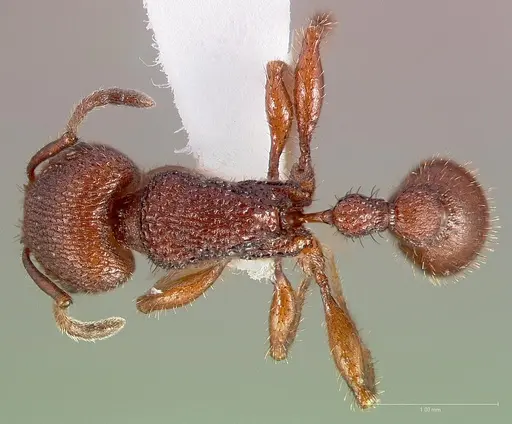
CASENT0066390
View on AntWeb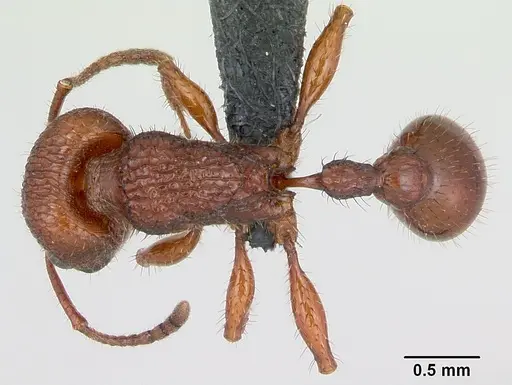
CASENT0217274
View on AntWeb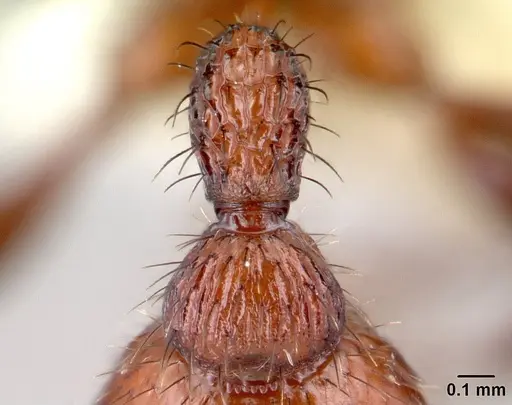
CASENT0235317
View on AntWeb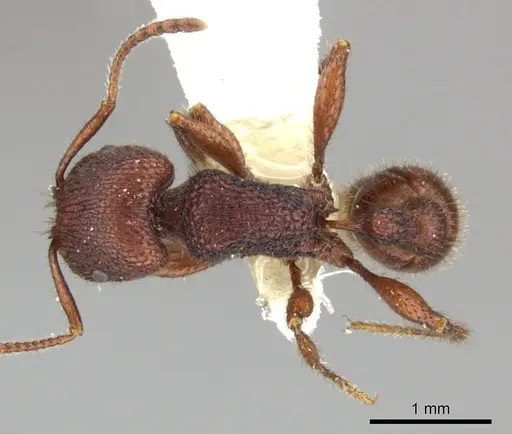
CASENT0904118
View on AntWeb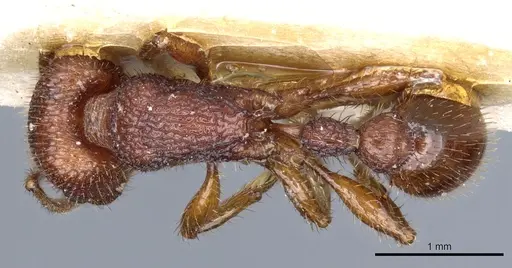
CASENT0914101
View on AntWeb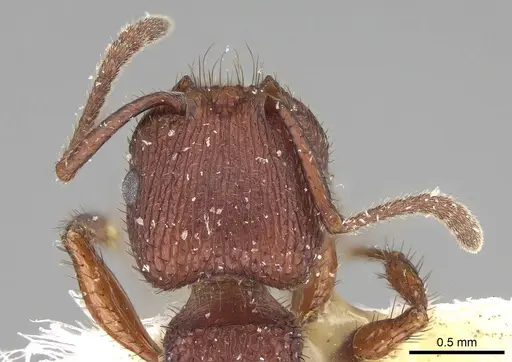
CASENT0914456
View on AntWeb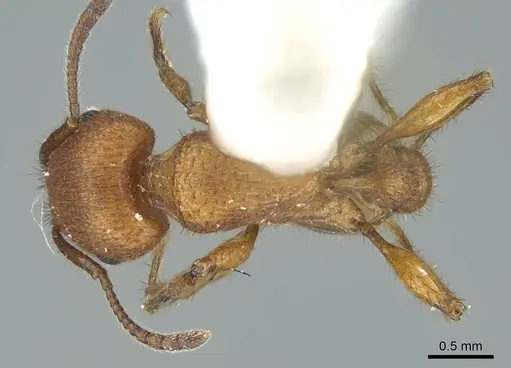
CASENT0923072
View on AntWeb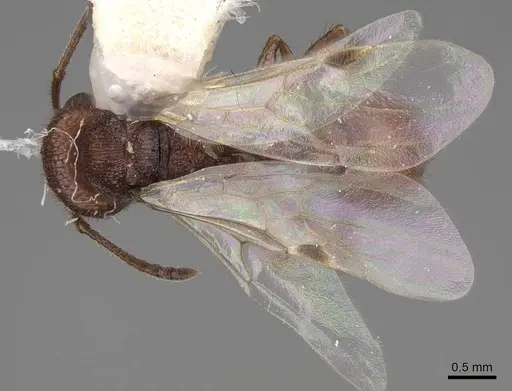
CASENT0923073
View on AntWeb
Literature
Loading...Loading products...