

Dolichoderus ypsilon
- Scientific Name
- Dolichoderus ypsilon
- Tribe
- Dolichoderini
- Subfamily
- Dolichoderinae
- Author
- Forel, 1902
- Distribution
- Found in 1 countries
Dolichoderus ypsilon Overview
Dolichoderus ypsilon is an ant species of the genus Dolichoderus. It is primarily documented in 1 countries , including Australia. Detailed taxonomic data and occurrence records can be further explored via authoritative databases such as AntWeb or the Global Biodiversity Information Facility (GBIF).
Dolichoderus ypsilon
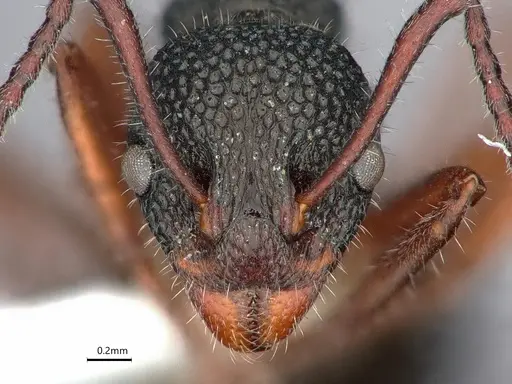
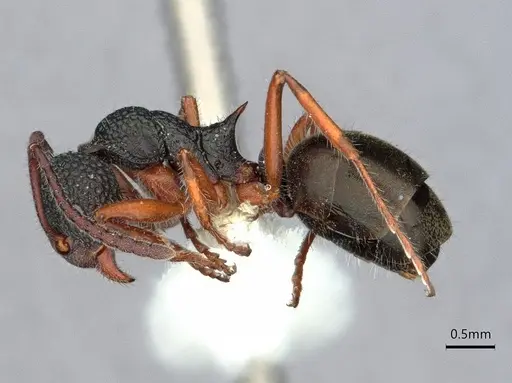
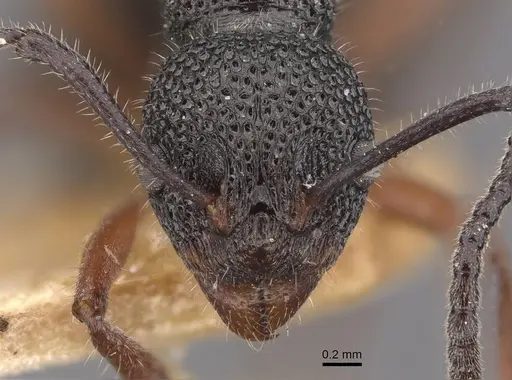
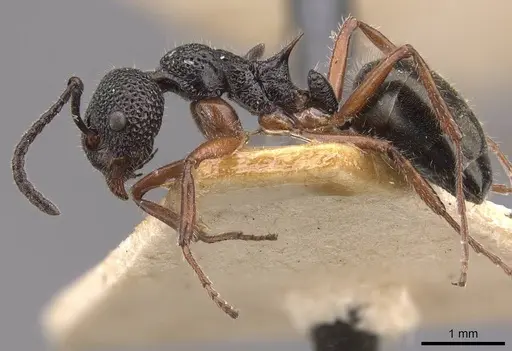
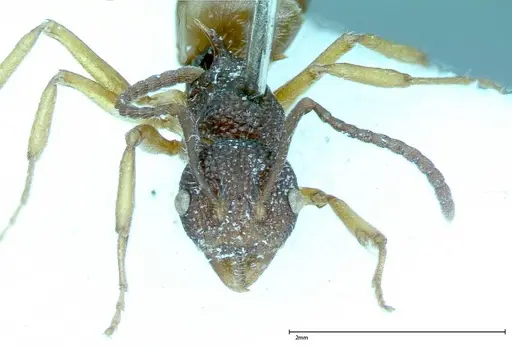
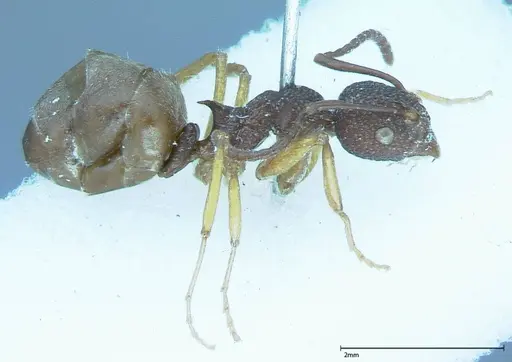
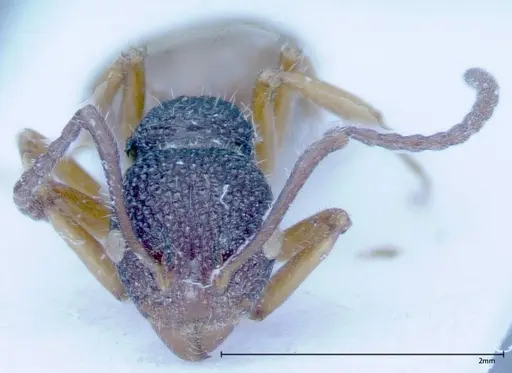
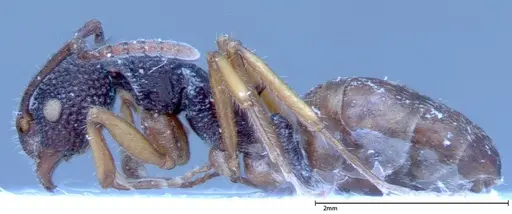
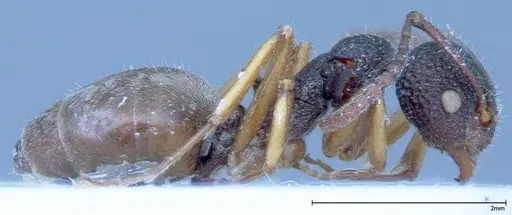
Dolichoderus ypsilon is a striking black ant native to south-west Western Australia, easily recognized by its jet-black body contrasted with entirely red or orange legs and spines [1]. Workers measure 1.05-1.22mm in head width, making them a medium-sized ant species [1]. This species belongs to the Dolichoderus scabridus group and is one of the best-known forms in the Perth region [2]. The most distinctive feature is the pair of elongated propodeal spines that form a narrow 'V' when viewed from the front, rising at angles of 45° or less [1].
What makes D. ypsilon interesting is its foraging behavior, unlike many ants that forage randomly, these ants form distinct columns while foraging, traveling along the ground and up into low vegetation and trees [3]. They are also known to tend aphids and other Hemiptera for honeydew, making them part of the broader ecosystem of southwestern Australia's forests [3].
Quick Summary
- Difficulty: Medium
- Origin & Habitat: Native to south-west Western Australia, specifically the Perth region and surrounding areas [1][2]. In the wild, they nest in soil under rocks or in rotten wood [3]. This species is one of the few Dolichoderus species that has been documented requiring cooler, moister conditions in its natural habitat [4]. All Australian Dolichoderus species are endemic to Australia, they are not found anywhere else in the world [3].
- Colony Type: Colony structure is unconfirmed. The colony type (single-queen monogyne vs multi-queen polygyne) has not been documented in scientific literature for this specific species.
- Size & Growth:
- Queen: Not specifically documented for this species. Based on related Dolichoderus species, queens would likely be larger than workers, possibly 5-7mm.
- Worker: Head width: 1.05-1.22mm, Head length: 1.14-1.29mm [1]
- Colony: Not documented in available literature. Related Dolichoderus species typically form colonies of several hundred to a few thousand workers.
- Growth: Unknown, no development studies exist for this species
- Development: Unconfirmed. Based on typical Dolichoderus patterns, estimate 6-10 weeks at optimal temperature, but this is a rough guess. (No direct development studies exist for this species. Temperature-dependent inference from related species suggests several months from egg to worker.)
- Antkeeping:
- Temperature: Keep at moderate temperatures. Since this species requires cooler, moister conditions in the wild [4], aim for 18-24°C with room temperature likely suitable in most homes. Provide a slight temperature gradient so ants can choose their preferred zone.
- Humidity: Requires higher humidity, these ants naturally inhabit cooler, moister forest conditions [4]. Keep the nest substrate consistently moist but not waterlogged. Mist occasionally and ensure water is available. The nest should have visible condensation without being soaked.
- Diapause: Likely yes. As a species from southwestern Australia with documented preference for cooler conditions [4], they probably experience a mild winter rest period. However, the exact diapause requirements are not documented in scientific literature.
- Nesting: In captivity, they do well in nests that mimic their natural habitat, soil-based or plaster nests with moderate moisture. They accept nests under rocks or in rotten wood in the wild [3], so a naturalistic setup with some soil depth, or a well-moistened plaster/acrylic nest works well. Avoid completely dry conditions.
- Behavior: Workers are diurnal, meaning they are active during the day [3]. They are general scavengers but also tend aphids for honeydew, this means they accept both protein foods and sugar sources [3]. They forage in columns along the ground and up vegetation [3], which is an interesting behavior to watch in an outworld setup. They are not particularly aggressive toward keepers but may spray formic acid when threatened (typical Dolichoderus defense). Escape risk is moderate, they are medium-sized ants but can climb well, so standard barrier methods work. They are not known escape artists like some tiny species.
- Common Issues: humidity management is critical, too dry and colonies will struggle, too wet and mold becomes a problem, wild-caught colonies may have parasites since this species is collected from the wild, their preference for cooler conditions means overheating can be fatal, colony size is unknown so new keepers may not know what to expect, foraging column behavior means they need adequate outworld space to exhibit natural movement
Housing and Nest Setup
Dolichoderus ypsilon does well in nests that hold moisture well. A plaster nest or acrylic nest with a water reservoir works nicely, these ants need consistent humidity. You can also use a naturalistic setup with soil as the substrate, which mimics their natural nesting in soil under rocks or in rotten wood [3]. Keep the nest moderately moist by adding water to a reservoir or misting occasionally. The outworld should be escape-proof, these ants can climb glass and smooth surfaces, so use Fluon or a barrier gel around the rim. Provide a shallow water dish and protein foods in the outworld.
Feeding and Diet
These ants are generalist scavengers that also tend aphids for honeydew [3]. In captivity, offer protein sources like small insects (fruit flies, small crickets, mealworms) and provide sugar water, honey, or diluted honeydew. Since they naturally tend Hemiptera, they are likely to accept sugar sources readily. Feed protein 2-3 times per week and keep sugar water available at all times. Remove uneaten protein after 24-48 hours to prevent mold.
Temperature and Seasonal Care
This species prefers cooler conditions than many other ants, in the wild they require cooler, moister forest environments [4]. Keep them at room temperature (18-24°C) rather than warm. Avoid placing the nest near direct heat sources or in hot rooms. During Australian winter (roughly June-August), you may need to slightly reduce temperatures to simulate their natural seasonal cycle, but a full hibernation may not be necessary if room temperatures stay moderate. Watch for behavioral changes, if workers become less active, slightly lower temperatures may help.
Foraging Behavior
One of the most interesting aspects of keeping D. ypsilon is watching their foraging behavior. In the wild, they form distinct columns while foraging, traveling along the ground and climbing into low vegetation and trees [3]. In your outworld, you might observe similar column-like movement patterns, especially when food is discovered. They are diurnal, so they are most active during daylight hours. This behavior makes them entertaining to watch and provides good feedback on whether your colony is thriving.
Frequently Asked Questions
How long does it take for Dolichoderus ypsilon to produce first workers?
The exact development time is unconfirmed for this species. Based on typical Dolichoderus patterns, expect 6-10 weeks from egg to worker at optimal temperature, but this is an estimate rather than documented fact.
What temperature do Dolichoderus ypsilon ants need?
Keep them at moderate temperatures between 18-24°C. This species naturally prefers cooler, moister conditions than many ants [4]. Room temperature is usually suitable, avoid heating the nest.
Can I keep multiple queens together?
The colony structure for this species is unconfirmed. Without documented evidence of multi-queen colonies, it is not recommended to house unrelated queens together.
What do Dolichoderus ypsilon ants eat?
They are general scavengers that accept protein (small insects) and sugar sources (honeydew, sugar water, honey) [3]. Feed protein 2-3 times weekly and keep sugar water available constantly.
Are Dolichoderus ypsilon good for beginners?
They are rated Medium difficulty. The main challenges are their humidity requirements and preference for cooler temperatures, which may be different from typical ant-keeping setups. They are not the hardest species but require attention to moisture levels.
Where is Dolichoderus ypsilon native to?
This species is restricted to south-west Western Australia, particularly the Perth region [1][2]. It is endemic to Australia and not found anywhere else in the world.
How big do Dolichoderus ypsilon colonies get?
The maximum colony size is not documented in available literature. Based on related species, colonies likely reach several hundred to a few thousand workers.
Do Dolichoderus ypsilon need hibernation?
Likely yes, given their preference for cooler conditions in the wild [4]. They probably experience a mild winter rest period, but the exact requirements are unconfirmed.
What makes Dolichoderus ypsilon easy to identify?
Their most distinctive feature is the black body with entirely red or orange legs and spines [1]. The propodeal spines form a narrow 'V' when viewed from the front, and the petiolar node has an angular dorsum [1].
References

This caresheet is licensed under CC BY-SA 4.0 .
CASENT0886023
View on AntWeb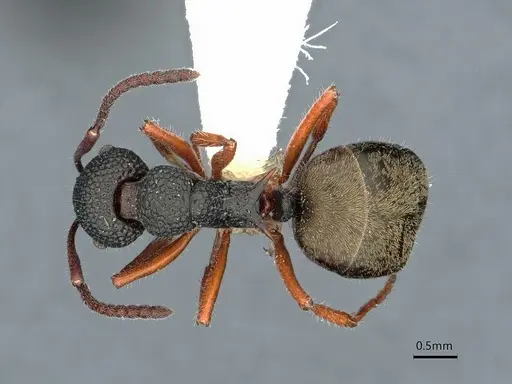
CASENT0909477
View on AntWeb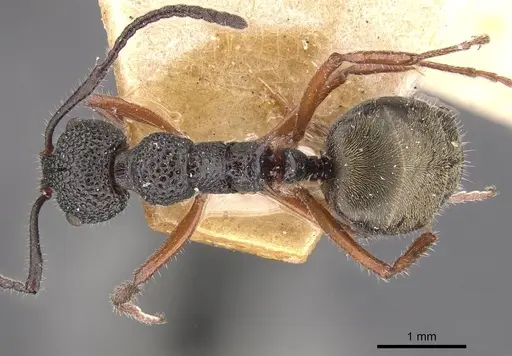
FOCOL0023
View on AntWeb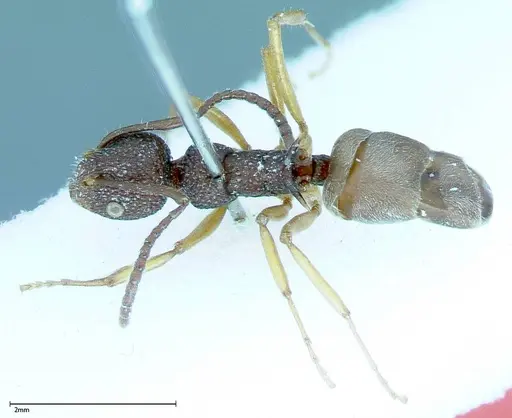
FOCOL0038
View on AntWeb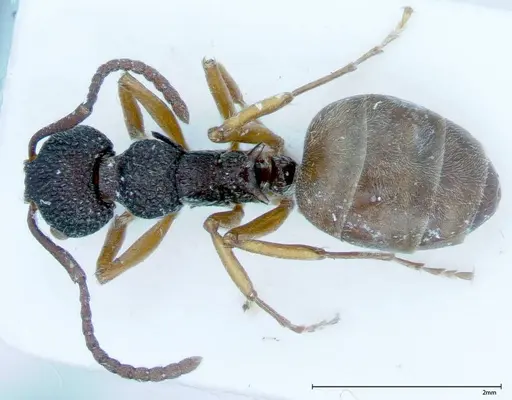
Literature
Loading...Loading products...