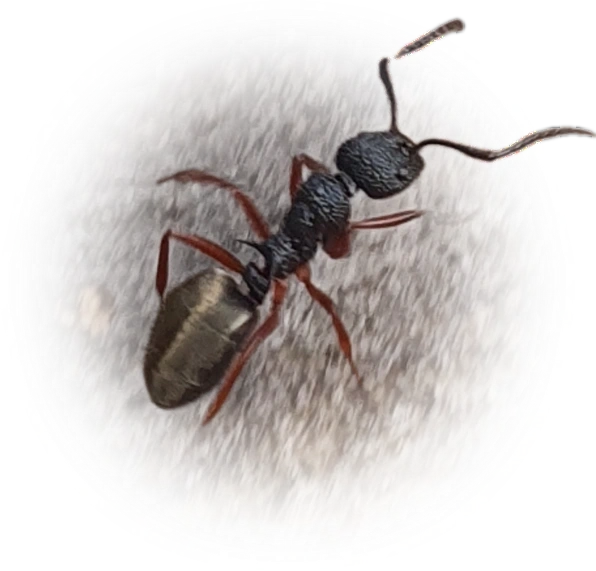

Dolichoderus scabridus
- Scientific Name
- Dolichoderus scabridus
- Tribe
- Dolichoderini
- Subfamily
- Dolichoderinae
- Author
- Roger, 1862
- Distribution
- Found in 1 countries
Dolichoderus scabridus Overview
Dolichoderus scabridus is an ant species of the genus Dolichoderus. It is primarily documented in 1 countries , including Australia. Detailed taxonomic data and occurrence records can be further explored via authoritative databases such as AntWeb or the Global Biodiversity Information Facility (GBIF).
Dolichoderus scabridus
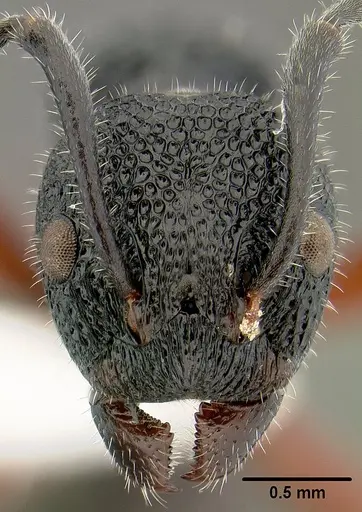
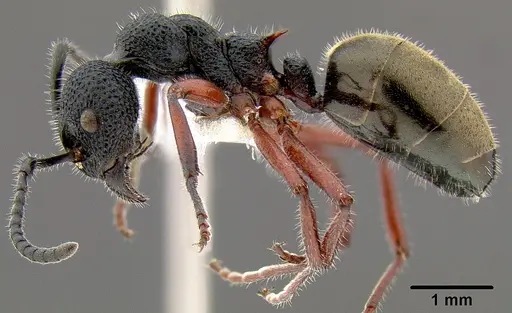
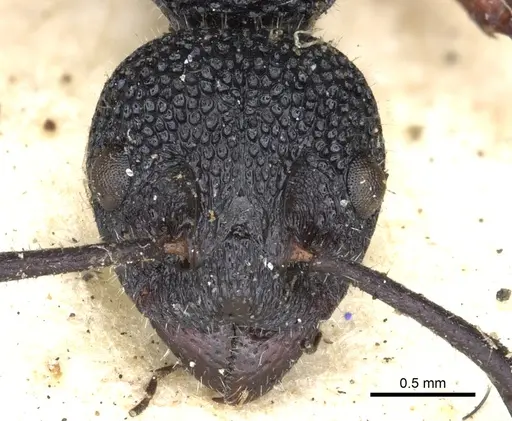
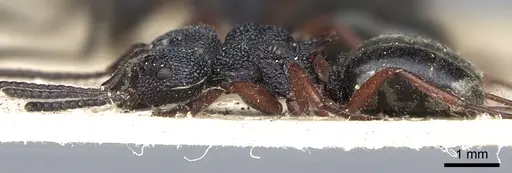
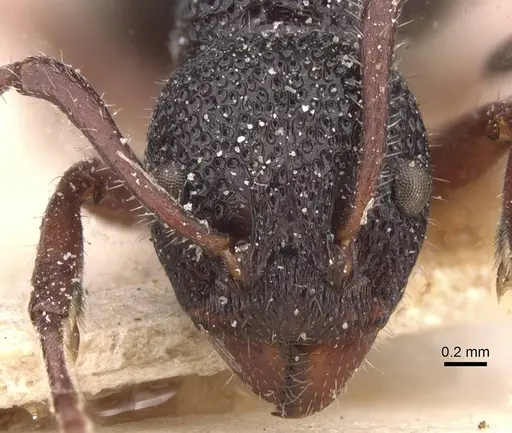
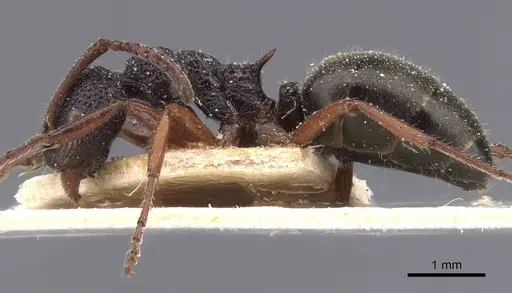
Dolichoderus scabridus is a medium-sized Australian ant recognizable by its black body and distinctive yellowish-red legs, which stand out against its dark coloration. Workers measure around 5-6mm with a robust build featuring elongated propodeal spines that point upward at about 45 degrees. This species belongs to the Dolichoderinae subfamily and is one of the most frequently encountered ants across eastern Australia, ranging from northeastern New South Wales down to the Adelaide region in South Australia [1].
What makes D. scabridus particularly interesting is its flexible colony structure. The scabridus group is known for having worker-like ergatoid queens, replacement reproductives that look more like workers than typical queens, allowing the colony to maintain reproductive capacity if the primary queen is lost [2]. This adaptation helps ensure colony survival in unpredictable Australian conditions.
Quick Summary
- Difficulty: Medium
- Origin & Habitat: Eastern Australia, found from northeastern New South Wales south to Adelaide, South Australia. Inhabits diverse forested habitats including mallee, spinifex, dry sclerophyll, wet sclerophyll, and pine plantations [1][3].
- Colony Type: Colonies contain a single queen, but the scabridus group has worker-like ergatoid queens that can serve as replacement reproductives if the primary queen dies [2]. This means colonies can maintain egg-laying capacity through multiple generations.
- Colony: Monogyne
- Founding: Claustral
- Size & Growth:
- Queen: Queens are similar in size to workers but with ergatoid (worker-like) morphology, approximately 5-6mm total length [1].
- Worker: Workers are 5-6mm (head width 1.26-1.47mm, head length 1.34-1.47mm) [1].
- Colony: Colony size is moderate, exact maximum unknown but related Dolichoderus species typically reach several hundred workers [1].
- Growth: Moderate, development timeline unconfirmed for this specific species but typical for Dolichoderus genus.
- Development: Estimated 6-10 weeks based on typical Dolichoderus development patterns at optimal temperature. (Development time is estimated based on related species, specific data for D. scabridus is not available.)
- Antkeeping:
- Temperature: Keep at 22-26°C. This species is classified as a Cold-Climate Specialist in Australian ecosystems [4], suggesting they can tolerate cooler conditions than many tropical ants. Room temperature within this range works well, with a slight gradient if possible.
- Humidity: Moderate humidity around 50-70%. They nest in soil under rocks and in rotting wood in nature [2], so provide a moist but not waterlogged substrate. Allow some drying between waterings.
- Diapause: Yes, Australian temperate origin means they likely require a winter rest period. Reduce temperature to 15-18°C for 2-3 months during winter months (Australian winter = June-August in Northern Hemisphere).
- Nesting: They naturally nest in soil under rocks, in rotten branches, logs, and stumps, and sometimes under bark [2][3]. In captivity, a naturalistic setup with soil substrate and flat stones or pieces of wood works well. Y-tong or plaster nests with moist chambers are also suitable.
- Behavior: Workers are diurnal and forage in characteristic columns on the ground, on rotten logs, and up tree trunks [2][3]. They are general scavengers and also tend aphids and other Hemiptera for honeydew. They are not particularly aggressive but will defend their colony. Escape risk is moderate, use standard barrier precautions. They have venom containing iridomyrmecin, though their sting is not considered dangerous to humans [5].
- Common Issues: colonies may struggle if kept too warm year-round, they need seasonal temperature cycling, wild-caught colonies can be difficult to establish in captivity due to stress, their spines can make them prone to getting stuck in cotton or smooth surfaces, overfeeding can lead to mold problems in naturalistic setups, ergatoid queen system means colony identification can be confusing for beginners
Housing and Nest Setup
Dolichoderus scabridus does well in naturalistic setups that mimic their natural nesting sites. In the wild, they nest in soil under rocks, in rotten branches, logs, stumps, and occasionally under bark [2][3]. For captivity, create a setup with a moist soil substrate and provide hiding spots like flat stones, pieces of rotting wood, or cork bark. You can also use a Y-tong (acrylic) nest with chambers filled with moist plaster or soil. The key is providing a humid, dark space where the colony can establish their brood chamber.
The outworld should allow for their natural foraging behavior, they forage in columns on the ground and up vertical surfaces [2]. A simple setup with a foraging area connected to a nest chamber works well. Use a water moat or fluon barrier for escape prevention, as these ants are moderate climbers but not particularly small.
Feeding and Diet
These ants are generalist scavengers with a sweet tooth. In nature, they forage in columns and collect honeydew from aphids and other Hemiptera [2]. In captivity, offer sugar water or honey water regularly (every few days), and supplement with protein sources like small insects (fruit flies, small mealworms, crickets) once or twice weekly.
They are diurnal foragers, so offer food during daylight hours for best acceptance. Remove uneaten sugar sources after 2-3 days to prevent mold. Protein should be offered in quantities the colony can consume within a day or two. Their moderate size means they can tackle prey items around their own body size or smaller.
Temperature and Seasonal Care
As a Cold-Climate Specialist species from temperate Australia [4], D. scabridus prefers cooler conditions than many tropical ants. Keep the nest area at 22-26°C during the active season. They can tolerate temperatures down to around 15°C without issue.
During winter (roughly November-February in the Northern Hemisphere), reduce temperatures to 15-18°C to provide a rest period. This mimics their natural seasonal cycle in Australia. Do not feed heavily during this time, the colony will be less active and consume less. Return to normal temperatures gradually in spring to trigger renewed activity and growth.
Avoid overheating, temperatures above 30°C can stress these ants. If your room is warm in summer, ensure good ventilation and consider moving them to a cooler location.
Behavior and Colony Dynamics
One of the most interesting aspects of D. scabridus is its colony structure. Like other species in the scabridus group, they have ergatoid queens, replacement reproductives that look more like workers than typical winged queens [2]. This means if the primary queen dies, an ergatoid can take over egg-laying duties. For antkeepers, this makes colony identification slightly trickier since you may see multiple larger workers that could be ergatoids.
Workers are diurnal and forage in characteristic columns [2][3]. They are not particularly aggressive but will readily defend the colony if threatened. Their venom contains iridomyrmecin [5], which is defensive rather than primarily for predation. They are not considered dangerous to humans.
Colony growth is moderate, expect the first workers (nanitics) within 6-10 weeks after founding, with the colony reaching several hundred workers over 1-2 years under good conditions.
Handling and Observation
Dolichoderus scabridus is a pleasure to observe. Their foraging columns are fascinating to watch, and their distinctive spines and pale legs make them visually striking. They are not overly skittish and will continue their activities even with some disturbance, making them good for observation.
When handling, use gentle techniques, they can be picked up with soft forceps or coaxed onto a piece of paper. Their spines are not harmful to humans but can make them harder to handle than smooth-bodied ants. They may play dead briefly if startled, but will resume activity quickly.
For photography, their dark body with contrasting yellowish-red legs makes them photogenic. They're large enough to capture good detail with basic macro equipment.
Frequently Asked Questions
How long does it take for Dolichoderus scabridus to produce first workers?
Based on typical Dolichoderus development, expect 6-10 weeks from egg to first worker at optimal temperature (22-26°C). This is an estimate since specific development data for this species is not available.
What do Dolichoderus scabridus eat?
They are generalist scavengers that accept sugar sources (honey water, sugar water) and protein (small insects). They also tend aphids for honeydew in nature [2]. Feed sugar water every few days and protein insects 1-2 times per week.
Can I keep multiple queens together?
This species is monogyne, colonies have a single primary queen. However, they have ergatoid (worker-like) replacement reproductives that can take over if the queen dies [2]. Do not attempt to combine unrelated foundress queens.
Do Dolichoderus scabridus need hibernation?
Yes, as a Cold-Climate Specialist from temperate Australia [4], they benefit from a winter rest period. Reduce temperature to 15-18°C for 2-3 months during winter. This helps maintain natural colony cycles.
What is the best nest type for Dolichoderus scabridus?
They naturally nest in soil under rocks and in rotting wood [2]. Naturalistic setups with moist soil substrate and flat stones or cork bark work well. Y-tong nests with moist chambers are also suitable.
Are Dolichoderus scabridus good for beginners?
They are medium difficulty, not as challenging as some exotic species but requiring more attention to temperature and seasonal care than truly easy species. Their moderate size and interesting behavior make them rewarding for intermediate keepers.
How big do Dolichoderus scabridus colonies get?
Colony size is moderate, expect several hundred workers under good conditions. The ergatoid queen system helps ensure colony continuity, but growth rate is moderate rather than fast.
Why are the legs yellowish-red?
This is a key identification feature for D. scabridus. The legs are distinctly lighter than the dark body color, which helps distinguish them from similar species like D. inferus (which has dark legs) [1].
References

This caresheet is licensed under CC BY-SA 4.0 .
CASENT0010672
View on AntWeb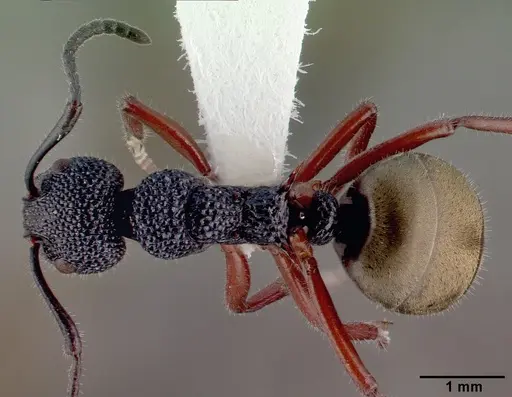
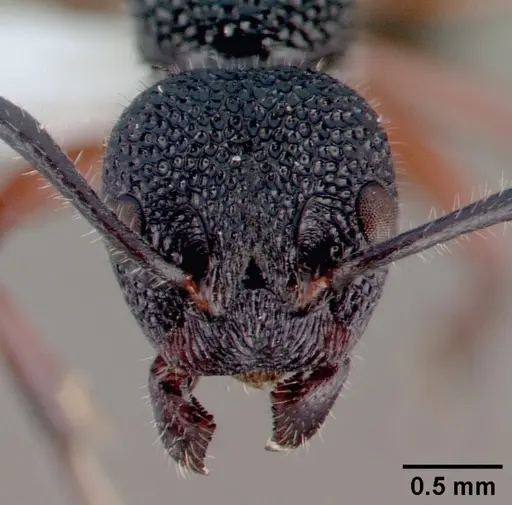
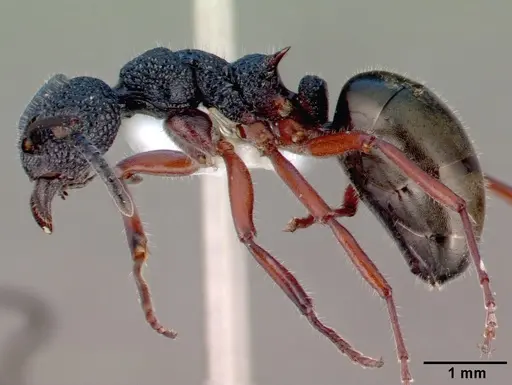
CASENT0106109
View on AntWeb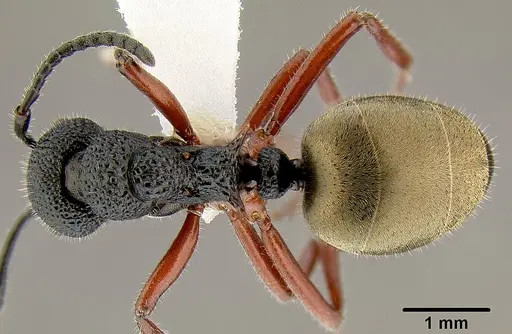
CASENT0902979
View on AntWeb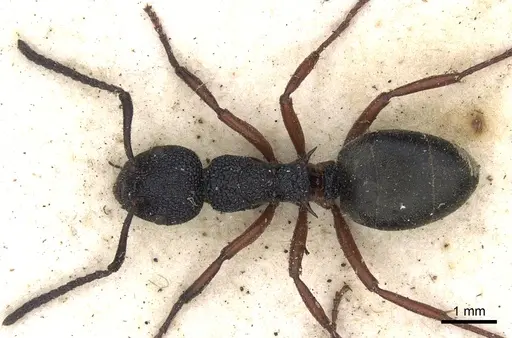
CASENT0911498
View on AntWeb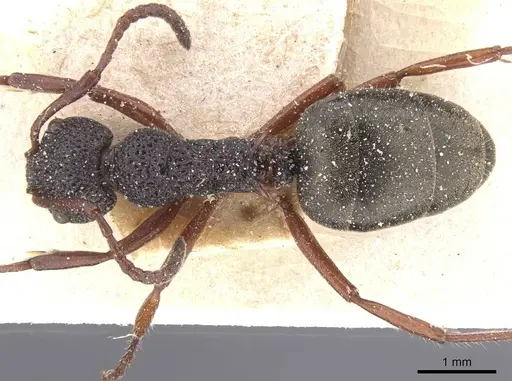
Literature
Loading...Loading products...