

Dolichoderus tuberifer
- Scientific Name
- Dolichoderus tuberifer
- Tribe
- Dolichoderini
- Subfamily
- Dolichoderinae
- Author
- Emery, 1887
- Distribution
- Found in 2 countries
Dolichoderus tuberifer Overview
Dolichoderus tuberifer is an ant species of the genus Dolichoderus. It is primarily documented in 2 countries , including Indonesia, Malaysia. Detailed taxonomic data and occurrence records can be further explored via authoritative databases such as AntWeb or the Global Biodiversity Information Facility (GBIF).
Dolichoderus tuberifer
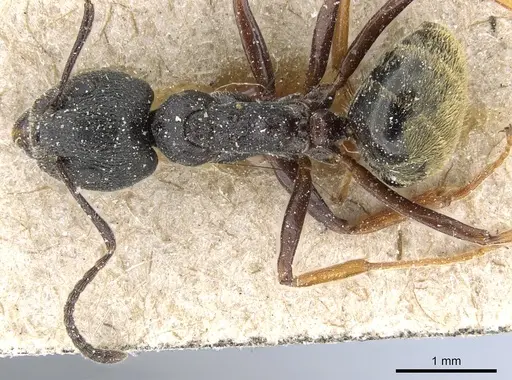
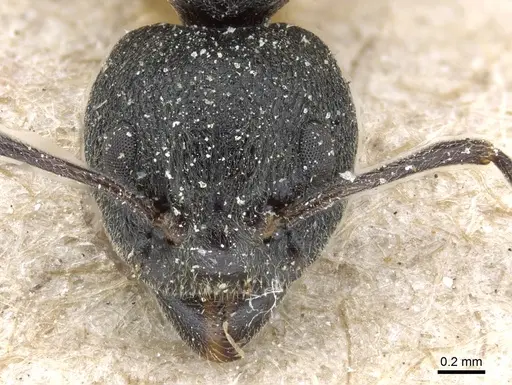
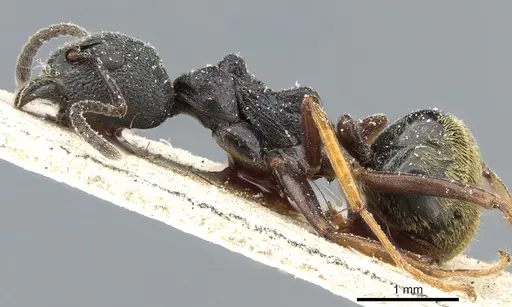
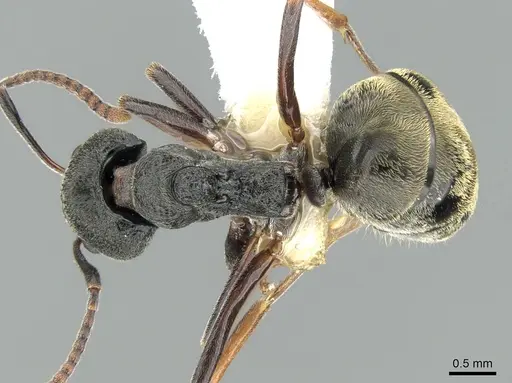
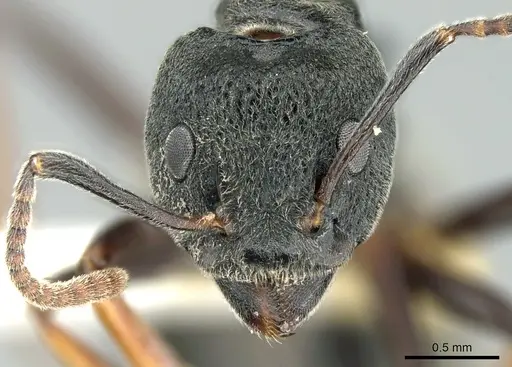
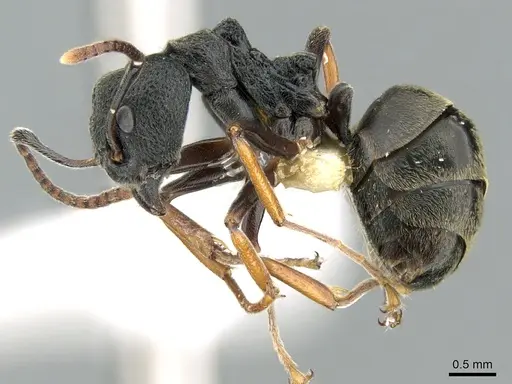
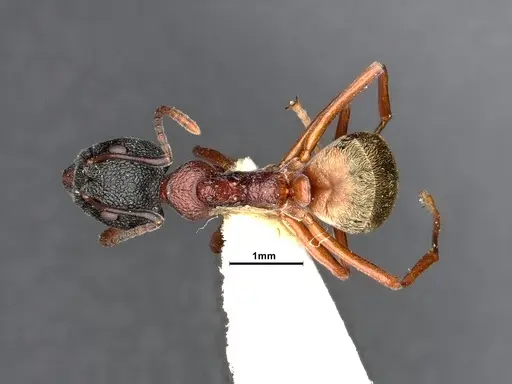
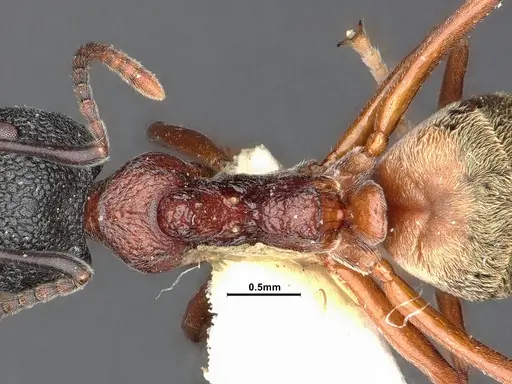
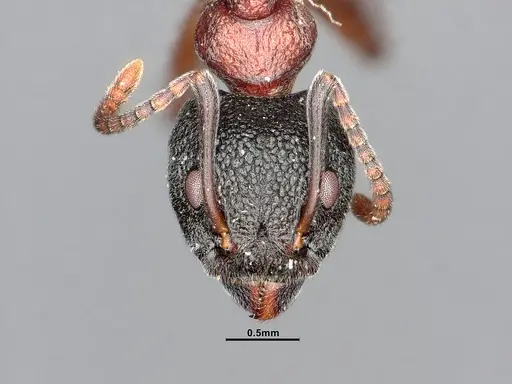
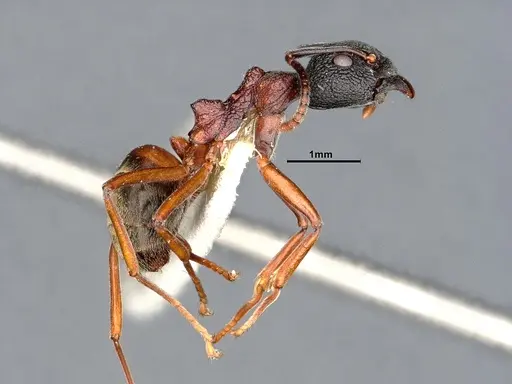
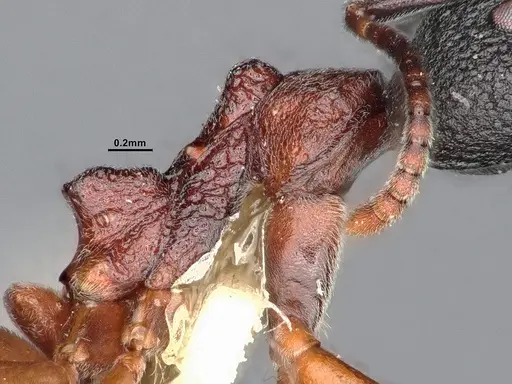
Dolichoderus tuberifer is a medium-sized ant belonging to the Dolichoderinae subfamily, found throughout Southeast Asia including Thailand and Indonesia. Workers measure 4.43-6.29 mm with a distinctive dark brown to black coloration and coarse areolate-rugose sculpturing on the head that creates a net-like pattern of pit-like meshes. The mesonotum has a characteristic bluntly conical hump shape. This species is a member of the Dolichoderus cuspidatus species group, commonly known as 'herdsmen ants' due to their unique relationship with mealybugs of the genus Malaicoccus, which they tend for honeydew just like shepherds tend livestock [1].
What makes D. tuberifer particularly fascinating is its nomadic lifestyle, unlike most ants that establish permanent nests, these herdsmen ants move their colonies periodically to follow their mealybug partners and access fresh food sources. The queens are unusual among ants in being ergatoid, meaning they are wingless and resemble workers more than typical alate queens. Some populations have lost their mealybug partners entirely through secondary adaptation [1].
Quick Summary
- Difficulty: Medium
- Origin & Habitat: Native to Southeast Asia, specifically the Malay Peninsula, West Sumatra, and southern North Sumatra. Also found throughout Thailand from northern mountain regions to southeastern areas. They inhabit mountain forests at altitudes around 1000 meters and mixed deciduous forests, typically nesting in tree trunks [1][2][3].
- Colony Type: Ergatoid queen system, queens are wingless and physically similar to workers. The species forms colonies with a single reproductive queen that remains wingless. Colonies maintain associations with Malaicoccus mealybugs for honeydew, though some populations have lost this partnership [1].
- Colony: Monogyne
- Size & Growth:
- Queen: 1.54-1.63 mm head length,1.61-1.76 mm head width [1]
- Worker: 4.43-6.29 mm total length,1.12-1.49 mm head length,1.08-1.49 mm head width [1]
- Colony: Unknown, likely moderate size based on typical Dolichoderus patterns
- Growth: Moderate
- Development: Unknown, not directly studied. Based on typical Dolichoderus development, estimate 6-10 weeks at optimal temperature (Development timeline unconfirmed for this specific species)
- Antkeeping:
- Temperature: Keep at 24-28°C as a starting point. This is a tropical to subtropical species from Southeast Asian mountain forests, so warmth is important but avoid overheating. Use a heating cable on one side of the nest to create a gentle gradient [1].
- Humidity: Moderate to high humidity, they come from humid forest environments. Keep nest substrate moist but not waterlogged. Provide a water tube for drinking water.
- Diapause: No, being a tropical species, they do not require hibernation. Maintain consistent warm temperatures year-round.
- Nesting: In the wild they nest in tree trunks. In captivity, a Y-tong (AAC) nest or plaster formicarium works well. Provide narrow chambers scaled to their medium size. They prefer dark, secure nesting areas. Because of their nomadic nature, they may benefit from occasional outworld exploration.
- Behavior: Dolichoderus tuberifer is a calm, non-aggressive species that avoids conflict. Workers are medium-sized and relatively slow-moving compared to many ants. They are specialized trophobiont herders, their primary food source is honeydew collected from mealybugs rather than hunting insects. They are not known for stinging and pose no danger to keepers. Escape risk is moderate, they are not particularly small but can squeeze through small gaps, so standard barrier precautions apply. Their nomadic tendency means they may relocate within the enclosure more than typical ants [4].
- Common Issues: maintaining mealybug partnerships, wild colonies rely on Malaicoccus mealybugs for nutrition, and captive colonies may struggle without this food source, nomadic behavior may cause stress, they may try to relocate frequently, which can be disruptive in captivity, tropical humidity requirements, too dry conditions can lead to colony decline, slow colony establishment, ergatoid queens may have different founding dynamics than typical claustral queens, limited availability, this is not a common species in the antkeeping hobby
Housing and Nest Setup
Dolichoderus tuberifer is best housed in a Y-tong (AAC) nest or plaster formicarium that provides dark, secure chambers. These ants prefer enclosed spaces and will settle more quickly in nests with limited light exposure. Because of their nomadic tendencies, ensure the outworld is properly connected and escape-proof, they may attempt to relocate. Chamber dimensions should accommodate their medium worker size (4-6mm). Include a water tube for humidity and drinking. A small test tube setup can work for founding colonies, but be prepared to upgrade as the colony grows. Avoid excessive ventilation that dries out the nest, they need consistent moisture [1].
Feeding and Diet
This is the most critical aspect of keeping D. tuberifer successfully. As herdsmen ants, they are specialized in harvesting honeydew from mealybugs. In captivity, you must replicate this trophobiosis. Provide sugar water or honey water as a primary energy source, this substitutes for the honeydew they would normally collect. Additionally, offer small insects like fruit flies or small crickets for protein. Some keepers have successfully maintained colonies by providing regular sugar sources, but the ideal setup includes keeping mealybugs (Malaicoccus species) in the enclosure for the ants to tend. If mealybugs are unavailable, offer sugar water constantly and protein prey 2-3 times per week [4][1].
Temperature and Humidity
Maintain temperatures in the range of 24-28°C. These are tropical ants from Southeast Asian forests, so they need consistent warmth. A heating cable placed on one side of the nest creates an appropriate gradient, allowing ants to self-regulate their temperature. Avoid temperatures below 22°C or above 30°C. For humidity, aim for moderate to high levels, keep the nest substrate slightly moist and provide a water tube. The substrate should feel damp but never waterlogged. Occasional misting of the outworld can help maintain humidity, but avoid direct misting on the nest. Good ventilation is important to prevent mold while maintaining humidity [1].
Colony Dynamics and Behavior
D. tuberifer exhibits fascinating nomadic behavior, unlike most ants that establish permanent nests, these herdsmen ants periodically relocate to follow their mealybug partners or access new resources. This means your colony may show restlessness and attempts to move within the enclosure. The ergatoid queen system is unusual: queens are wingless and physically resemble workers, which is rare among ants. Colonies likely have a single reproductive queen. Workers are calm and non-aggressive, not given to stinging. They communicate through chemical signals and may form trails when foraging for sugar sources. Understanding their nomadic nature is key to successful long-term keeping [4][1].
Acquisition and Legal Considerations
Dolichoderus tuberifer is not commonly available in the antkeeping hobby and may be difficult to acquire. If obtaining from the wild, ensure you have appropriate collection permits and that collection is legal in your jurisdiction. In many Southeast Asian countries where this species occurs, removing wildlife from protected areas is illegal. For keepers in North America or Europe, this species is unlikely to be available through commercial breeders. If you do obtain a colony, never release it outdoors, it is not native to most regions and could become invasive. Always check local regulations regarding ant keeping and release [1][3].
Frequently Asked Questions
How do I feed Dolichoderus tuberifer ants?
Feed them sugar water or honey water as a primary food source, this replaces the honeydew they would normally get from mealybugs. Offer small insects like fruit flies or small crickets for protein 2-3 times per week. The ideal setup includes keeping Malaicoccus mealybugs in the enclosure for them to tend, but sugar water alone can sustain colonies.
Do Dolichoderus tuberifer ants need hibernation?
No, they do not require hibernation. As a tropical species from Southeast Asia, they need warm temperatures year-round. Maintain 24-28°C consistently throughout the year.
What size do Dolichoderus tuberifer workers reach?
Workers range from 4.43-6.29 mm in total length, making them medium-sized ants. Queens are slightly larger at 1.54-1.63 mm head length but are wingless (ergatoid).
Are Dolichoderus tuberifer ants aggressive?
No, they are calm and non-aggressive. They are not known for stinging and pose no danger to keepers. They prefer to avoid conflict rather than engage in aggressive behavior.
How long does it take for Dolichoderus tuberifer to develop from egg to worker?
The exact development timeline has not been documented for this species. Based on typical Dolichoderus patterns, expect approximately 6-10 weeks from egg to first worker at optimal temperature (around 26°C).
Can I keep multiple Dolichoderus tuberifer queens together?
This species has an ergatoid queen system with single queens. Multiple unrelated queens would likely fight, similar to most monogyne species. There is no evidence that this species can form polygyne colonies.
What makes Dolichoderus tuberifer different from other ants?
They are 'herdsmen ants' that tend mealybugs (Malaicoccus species) for honeydew, similar to how shepherds tend sheep. They also have a nomadic lifestyle, periodically relocating their nests rather than staying in one location permanently. Additionally, their queens are ergatoid (wingless), which is unusual among ants.
What nest type is best for Dolichoderus tuberifer?
A Y-tong (AAC) nest or plaster formicarium works well. They prefer dark, secure chambers and moderate humidity. Ensure the nest has a water tube for moisture and a connection to an outworld for foraging.
Where is Dolichoderus tuberifer found in the wild?
They are native to Southeast Asia, specifically the Malay Peninsula, West Sumatra, and southern North Sumatra in Indonesia, as well as throughout Thailand. They live in mountain forests at around 1000m altitude and in mixed deciduous forests, typically nesting in tree trunks.
Is Dolichoderus tuberifer good for beginners?
This species is rated as medium difficulty and is not recommended for complete beginners. The main challenge is replicating their specialized diet, they are adapted to feeding on honeydew from mealybugs. Success requires attention to their nutritional needs and maintaining proper tropical conditions.
References

This caresheet is licensed under CC BY-SA 4.0 .
Literature
Loading...Loading products...