

Dolichoderus spurius
- Scientific Name
- Dolichoderus spurius
- Tribe
- Dolichoderini
- Subfamily
- Dolichoderinae
- Author
- Forel, 1903
- Distribution
- Found in 1 countries
Dolichoderus spurius Overview
Dolichoderus spurius is an ant species of the genus Dolichoderus. It is primarily documented in 1 countries , including Peru. Detailed taxonomic data and occurrence records can be further explored via authoritative databases such as AntWeb or the Global Biodiversity Information Facility (GBIF).
Dolichoderus spurius
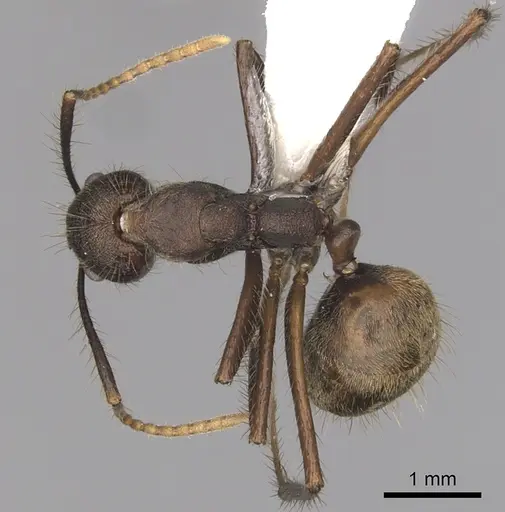
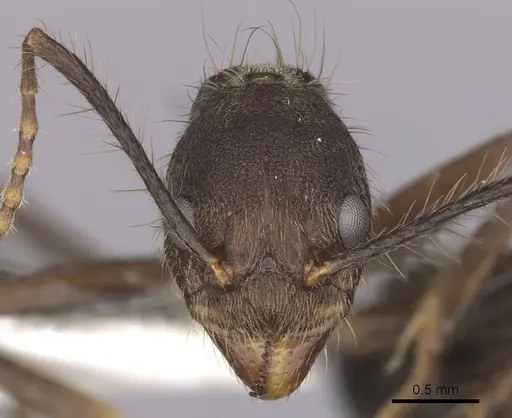
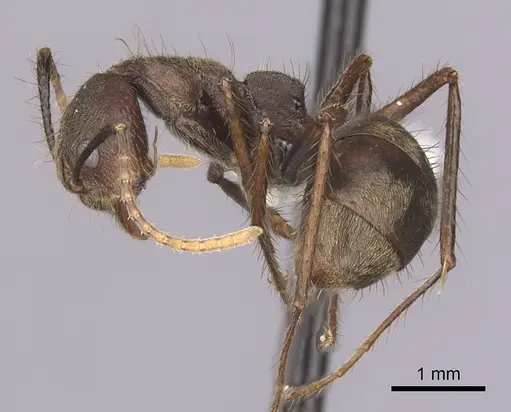
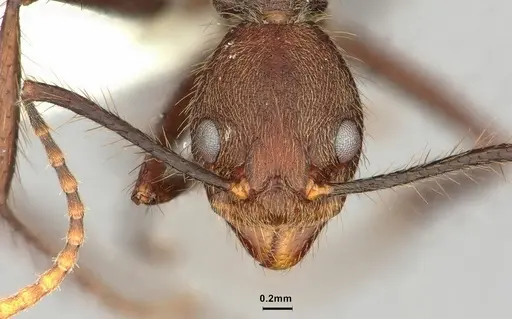
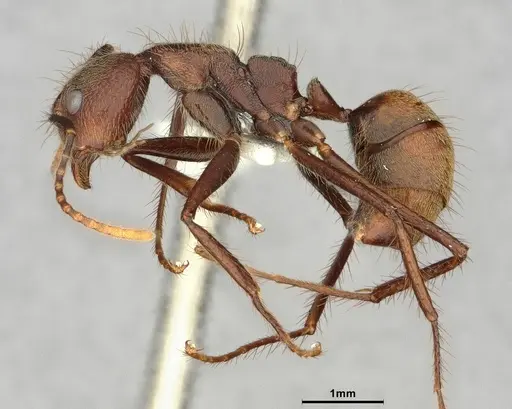
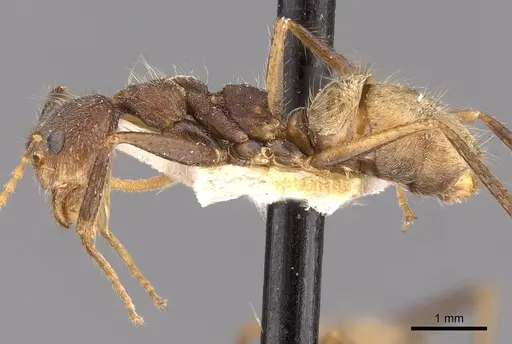
Dolichoderus spurius is a medium-sized ant species native to the Neotropical region, found across French Guiana, Guyana, Peru, Suriname, and Trinidad and Tobago [1]. Workers are dark in coloration with the characteristic two-toothed (bidentate) mandibles typical of the genus, which gives the species its original name as a variety of Dolichoderus bidens [1]. The genus Dolichoderus belongs to the subfamily Dolichoderinae, known for their ability to produce defensive secretions when threatened. This species was elevated from variety status to full species in 1993 and represents a relatively poorly studied ant in the hobby.
Quick Summary
- Difficulty: Unknown, likely Medium to Hard
- Origin & Habitat: Neotropical rainforests of South America, French Guiana, Guyana, Peru, Suriname, and Trinidad and Tobago [1]. Inhabits lowland tropical forest environments where it typically nests in rotting wood or under bark.
- Colony Type: Colony structure is unconfirmed. Most Dolichoderus species are monogyne (single queen colonies), though some can be polygyne. Further research needed.
- Size & Growth:
- Queen: Estimated 7-9mm based on genus patterns
- Worker: Estimated 4-6mm based on genus patterns
- Colony: Likely several hundred workers based on typical Dolichoderus colony sizes
- Growth: Unknown, likely moderate like related species
- Development: Estimated 6-8 weeks at tropical temperatures based on related Dolichoderus species (Development time is estimated from genus-level data, as species-specific research is unavailable)
- Antkeeping:
- Temperature: Keep at 24-28°C, mimicking warm tropical conditions. A slight temperature gradient allows the colony to self-regulate.
- Humidity: Maintain high humidity (70-80%) with moist substrate. These are forest-floor ants that prefer damp conditions.
- Diapause: No, as a tropical species, they do not require hibernation. Keep at stable warm temperatures year-round.
- Nesting: Provide a naturalistic setup with rotting wood pieces or a Y-tong/plaster nest with high humidity. They prefer dark, humid nesting chambers.
- Behavior: Dolichoderus ants are generally not aggressive and do not have a painful sting. When threatened, they may use abdominal glands to produce defensive secretions, a characteristic of the subfamily. Workers are active foragers that likely tend aphids for honeydew and hunt small insects. Escape risk is moderate, use standard barrier methods.
- Common Issues: tropical species requires stable warm temperatures, cold kills them quickly, high humidity needs can lead to mold if ventilation is poor, limited availability in the antkeeping hobby makes acquisition difficult, poorly documented species means care is based on genus inference rather than specific research, wild-caught colonies may not adapt well to captive conditions
Natural History and Distribution
Dolichoderus spurius is native to the Neotropical region of South America, with documented populations in French Guiana, Guyana, Peru, Suriname, and Trinidad and Tobago [1]. The species was originally described as a variety of Dolichoderus bidens by Forel in 1903 before being elevated to full species status by Mackay in 1993. These ants inhabit tropical lowland rainforests where they typically nest in decaying wood or under loose bark, common behavior for the genus. The warm, humid climate of their native range means they have not evolved any cold tolerance or winter dormancy mechanisms.
Housing and Nest Preferences
In captivity, Dolichoderus spurius does best in a naturalistic setup that mimics its forest-floor habitat. Provide a formicarium with high humidity, a Y-tong nest or plaster nest works well, as these materials hold moisture effectively. Include rotting wood pieces or cork bark within the setup to provide the dark, enclosed spaces these ants prefer. The outworld should be spacious enough for foraging, with a water test tube as a humidity source. Maintain substrate moisture but avoid waterlogging, which can kill the colony. Good ventilation is essential to prevent mold while maintaining the humidity levels this species requires.
Temperature and Humidity Requirements
As a tropical species, Dolichoderus spurius requires warm temperatures in the range of 24-28°C. Temperatures below 20°C can be harmful, and prolonged cold exposure will kill the colony. Provide a temperature gradient within the setup so workers can choose their preferred warmth. Humidity should be kept high at 70-80%, achieved through moist substrate and a water reservoir. These ants are adapted to the constantly warm and humid conditions of tropical rainforests, so stability is more important than variation. Unlike temperate species, they do not require any cooling period or hibernation, maintain tropical conditions year-round.
Feeding and Diet
Like other Dolichoderus species, D. spurius likely has an omnivorous diet typical of forest-floor ants. They probably feed on honeydew from aphids and scale insects in the wild, along with small insects and other protein sources. In captivity, offer a varied diet including sugar water or honey as an energy source, and protein sources such as small crickets, mealworms, or other insects. Feed protein 2-3 times per week and provide constant access to sugar sources. Remove uneaten food promptly to prevent mold. The specific dietary preferences of this species are not documented, so experimentation may be needed to determine optimal foods.
Behavior and Temperament
Dolichoderus ants are generally calm and not particularly aggressive toward keepers. When threatened, they may use their abdominal glands to produce defensive secretions, this is a characteristic behavior of the subfamily Dolichoderinae. Workers are active foragers that search the outworld for food. They do not have a painful sting, making them relatively safe to handle. Escape prevention should be standard, while not the smallest ants, they can still escape through small gaps. Use Fluon on container rims and ensure any connections between nest and outworld are secure. The colony will likely establish a clear foraging pattern once settled.
Frequently Asked Questions
How long does it take for Dolichoderus spurius to produce first workers?
The exact timeline is unconfirmed, but based on related Dolichoderus species, expect 6-8 weeks from egg to first worker at optimal tropical temperatures (24-28°C). This is an estimate based on genus patterns, as species-specific development data does not exist.
What temperature should I keep Dolichoderus spurius at?
Maintain temperatures between 24-28°C. This tropical species does not tolerate cool conditions, keep them warm year-round and avoid any temperatures below 20°C.
What do Dolichoderus spurius ants eat?
They likely eat honeydew and small insects in the wild. In captivity, offer sugar water or honey for energy and protein sources like small crickets, mealworms, or other insects. Feed protein 2-3 times weekly with constant sugar access.
Do Dolichoderus spurius need hibernation?
No, as a tropical species, they do not require hibernation or any cooling period. Keep them at stable warm temperatures year-round to mimic their natural tropical environment.
Is Dolichoderus spurius a good species for beginners?
This species is not recommended for beginners. It is poorly documented in both scientific literature and the antkeeping hobby, so care is based on genus inference rather than established protocols. Additionally, their specific humidity and temperature requirements can be challenging to maintain.
How big do Dolichoderus spurius colonies get?
Colony size is not documented specifically, but based on typical Dolichoderus patterns, colonies likely reach several hundred workers. This is an estimate from genus-level data.
Can I keep multiple Dolichoderus spurius queens together?
The colony structure of this species is unconfirmed. Most Dolichoderus species are monogyne (single queen), but some can be polygyne. Without specific research, combining multiple unrelated queens is not recommended.
What type of nest does Dolichoderus spurius prefer?
They prefer dark, humid nesting chambers. A Y-tong or plaster nest with high humidity works well. Include rotting wood pieces or cork bark to mimic their natural nesting in decaying wood.
Where is Dolichoderus spurius found?
This species is native to the Neotropical region, specifically French Guiana, Guyana, Peru, Suriname, and Trinidad and Tobago [1].
References

This caresheet is licensed under CC BY-SA 4.0 .
Literature
Loading...Loading products...