

Dolichoderus bidens
- Scientific Name
- Dolichoderus bidens
- Tribe
- Dolichoderini
- Subfamily
- Dolichoderinae
- Author
- Linnaeus, 1758
- Distribution
- Found in 9 countries
Dolichoderus bidens Overview
Dolichoderus bidens is an ant species of the genus Dolichoderus. It is primarily documented in 9 countries , including Brazil, Colombia, Ecuador. Detailed taxonomic data and occurrence records can be further explored via authoritative databases such as AntWeb or the Global Biodiversity Information Facility (GBIF).
Dolichoderus bidens
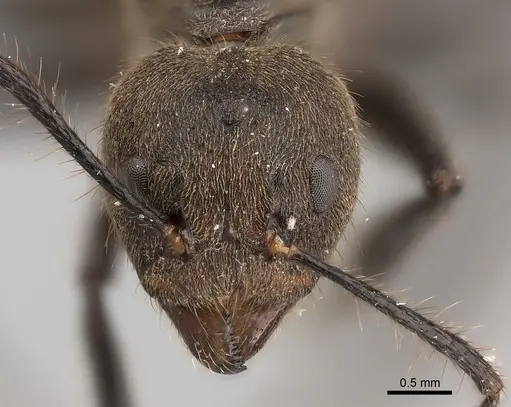
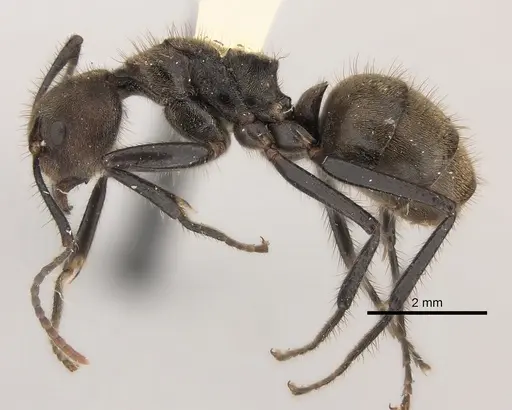
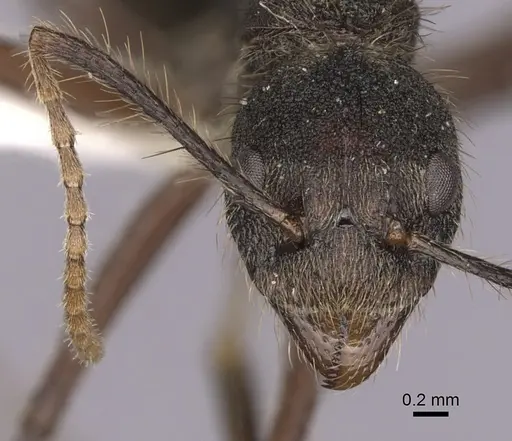
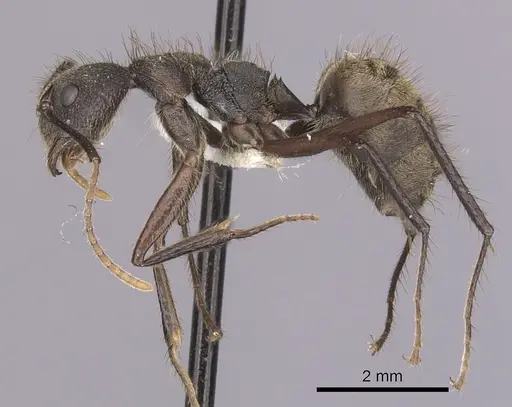
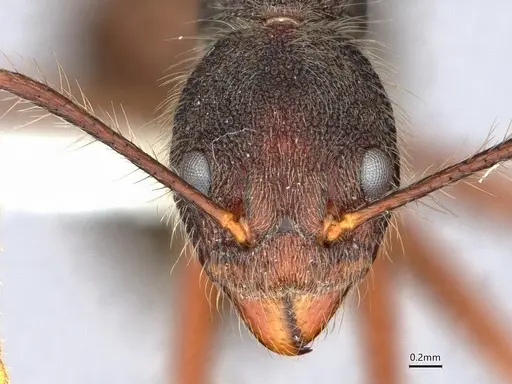
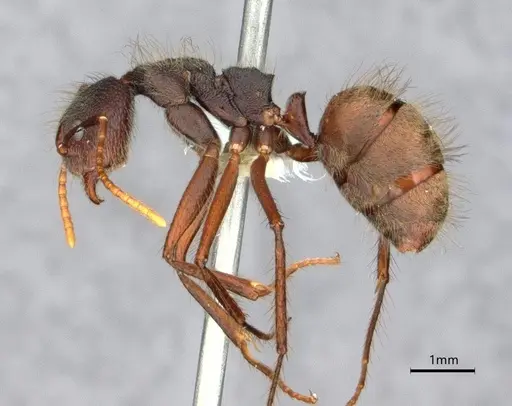
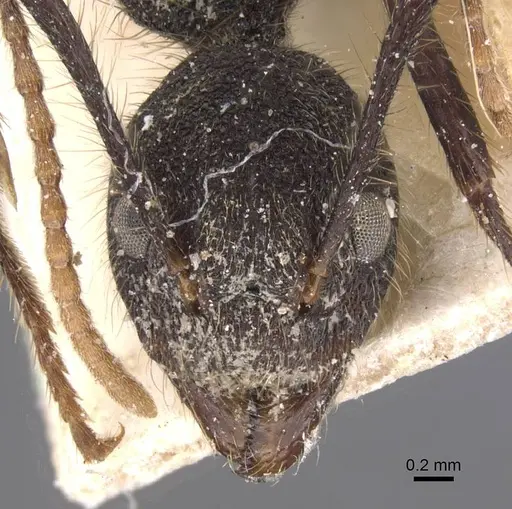
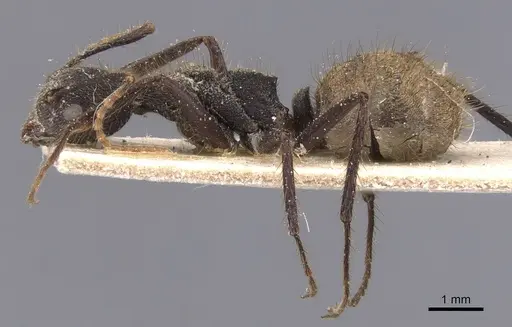
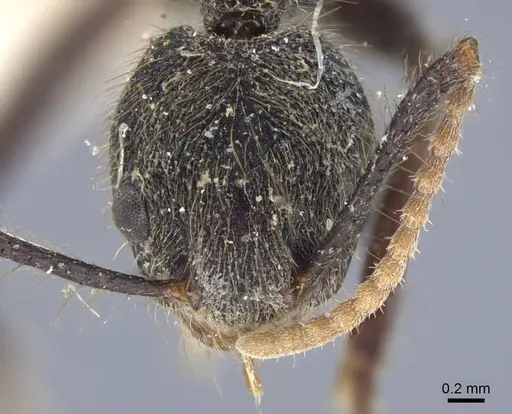
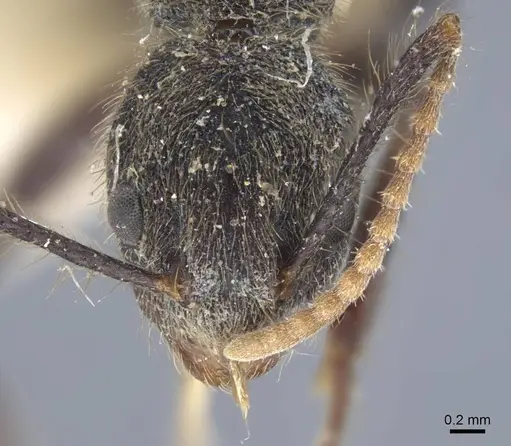
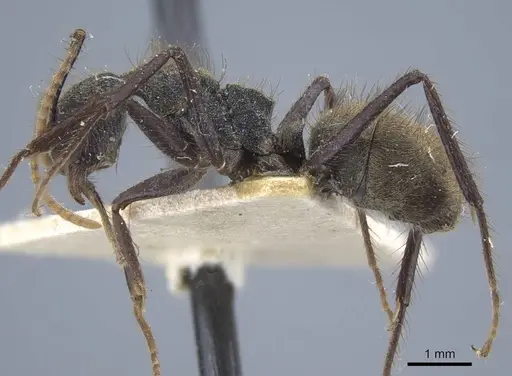
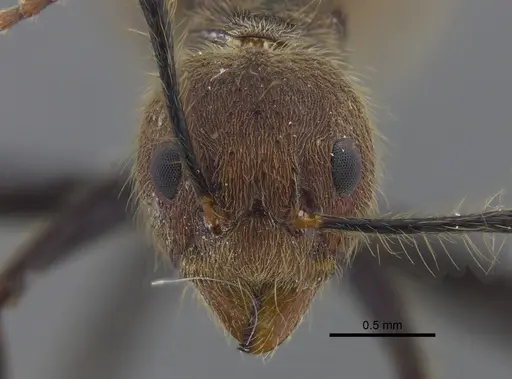
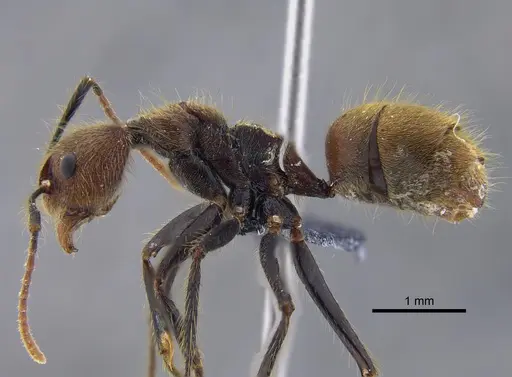
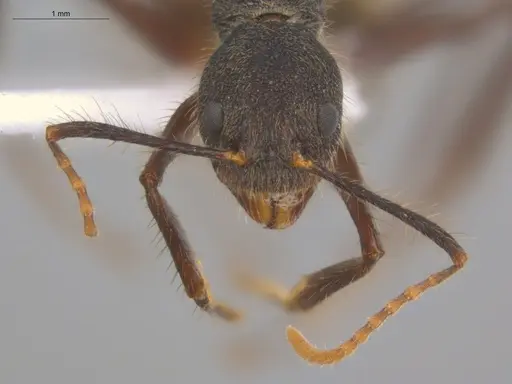
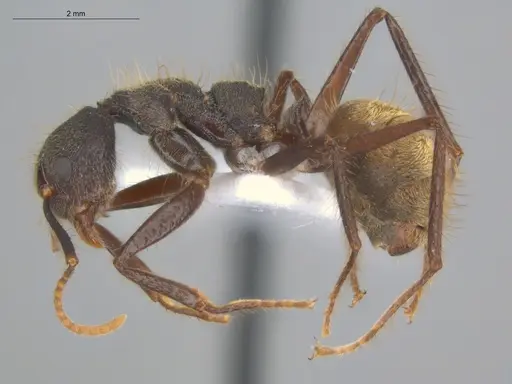
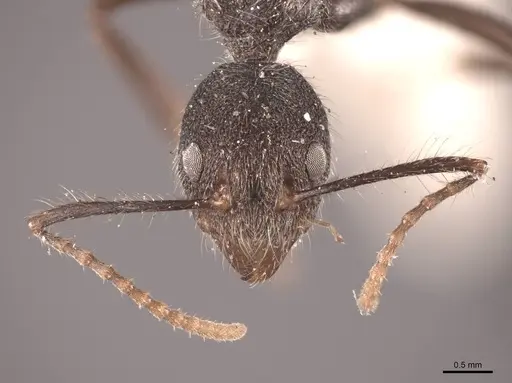
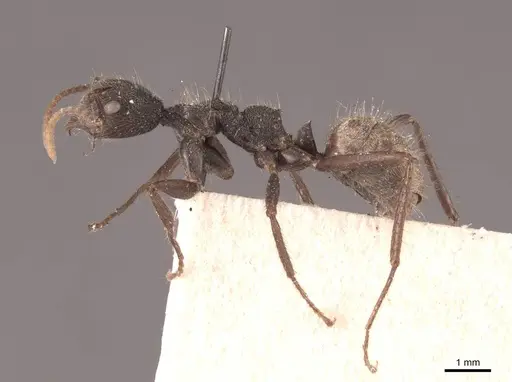
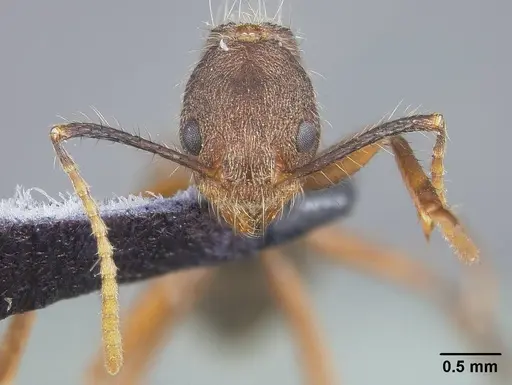
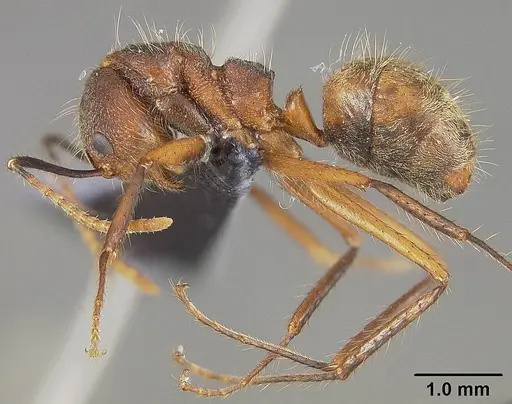
Dolichoderus bidens is a large, aggressive arboreal ant native to the Neotropical region, found from Colombia to southern Brazil. Workers measure around 9.5mm and have a distinctive appearance with brownish-black bodies, reddish legs and antennae, and large red-golden spots on the abdomen. These ants are territorial dominants in tree canopies, building distinctive carton nests under leaves that can cover single or multiple leaves. Colonies are polydomous, meaning they maintain multiple interconnected nests across different branches. They are active 24/7 and aggressively defend their host trees against intruders including leaf-cutter ants and army ants. This species is known for producing an audible alarm signal by tapping its abdomen against the substrate when threatened.
Quick Summary
- Difficulty: Medium
- Origin & Habitat: Neotropical region, Brazil, Colombia, Ecuador, French Guiana, Guyana, Suriname, and Trinidad and Tobago. Found in pioneer formations, secondary forests, and plantations [1][2].
- Colony Type: Polydomous colonies with multiple queens, colonies can reach a few thousand workers across dozens of interconnected carton nests [1][2].
- Colony: Optionally polygyne
- Founding: Claustral
- Size & Growth:
- Queen: Approximately 6-7mm based on genus patterns
- Worker: Approximately 9.5mm [3]
- Colony: A few thousand workers [1]
- Growth: Moderate, based on tropical arboreal ant patterns
- Development: Estimated 6-8 weeks at tropical temperatures based on genus patterns (Development time inferred from related Dolichoderus species, actual timeline unconfirmed for this specific species)
- Antkeeping:
- Temperature: Keep at 24-28°C. These are tropical ants requiring warm, stable conditions. A heating cable on one side of the nest creates a suitable gradient.
- Humidity: High humidity, aim for 70-80%. As arboreal ants, they prefer humid conditions but the nest should not be waterlogged. Mist occasionally and provide a water tube.
- Diapause: No, as a tropical species, they do not require hibernation. Maintain consistent temperatures year-round.
- Nesting: Arboreal species requiring vertical space and climbing structures. Provide a formicarium with multiple connected chambers or a naturalistic setup with leaves and branches. Y-tong nests with multiple chambers work well. They build carton nests so provide materials like paper or cardboard strips for nest construction.
- Behavior: Extremely aggressive and territorial. Workers defend the nest fiercely and will attack any perceived threat. They are active 24/7 and forage in tree canopies. They produce audible alarm signals by tapping their abdomen. Escape prevention is important, while not tiny, they are agile and determined. They feed primarily on honeydew but also hunt insects.
- Common Issues: aggressive behavior makes them difficult to handle, use caution when maintaining the nest, polydomous nature requires more space than single-nest species, need multiple connected chambers, tropical humidity requirements can lead to mold issues if ventilation is poor, audible alarm signals may startle keepers, tapping abdomen when disturbed, wild-caught colonies may have parasites that affect survival in captivity
Housing and Nest Setup
Dolichoderus bidens is an arboreal ant requiring vertical space and climbing structures. A Y-tong (acrylic) nest with multiple connected chambers works well, or you can create a naturalistic setup with artificial leaves and branches. Because they are polydomous (maintaining multiple nests), provide several connected chambers or areas. Include materials like small paper strips or cardboard pieces, they will use these to build their characteristic carton nests. The outworld should have plenty of climbing structures and vertical space. Use a water tube for humidity but avoid flooding the nest area. Escape prevention is important, while not tiny, they are agile and determined climbers. [2]
Feeding and Diet
In the wild, D. bidens feeds primarily on honeydew from Homoptera (aphids, scale insects, and related bugs) and hunts insect prey in tree crowns. In captivity, offer sugar water or honey as a constant energy source. For protein, provide small live insects like fruit flies, small crickets, or mealworms. They are active hunters so prey items should be offered regularly. Some keepers report they will accept protein baits. Feed every 2-3 days, removing uneaten prey after 24 hours to prevent mold. [2][1]
Temperature and Humidity
As a tropical species from the Amazon and surrounding regions, D. bidens requires warm and humid conditions. Keep temperatures between 24-28°C. A heating cable on one side of the nest creates a suitable gradient. Humidity should be maintained at 70-80%. These ants are accustomed to the humid rainforest environment, the nest substrate should be moist but not waterlogged. Mist occasionally and provide a water tube. Avoid cold drafts and temperatures below 20°C. [1]
Behavior and Temperament
This is an extremely aggressive and territorial species. Workers defend their nest fiercely and will attack any perceived threat. They are known to produce an audible alarm by tapping their abdomen against the substrate when disturbed, this is a distinctive behavioral trait. They are active 24/7 and maintain constant patrols of their territory. In the wild, they defend their host trees from leaf-cutter ants and army ants. When working with this species, use caution and avoid sudden movements. They are not suitable for keepers who want a hands-off approach or want to observe their colony frequently without disturbing it. [2]
Colony Structure and Growth
D. bidens forms polydomous colonies, meaning the colony maintains multiple interconnected carton nests rather than a single nest. Colonies can reach a few thousand workers. Each carton nest is built under host tree leaves, covering part or all of a leaf's surface or enveloping multiple contiguous leaves. Workers build these nests using wood pulp from dead tree trunks, reinforced with fungal mycelia. In captivity, you should provide multiple connected chambers to accommodate this polydomous structure. Growth is moderate, expect several months to a year before seeing significant colony growth from a founding queen. [2][1]
Seasonal Care and Nuptial Flights
As a tropical species, D. bidens does not require hibernation or diapause. Maintain consistent temperatures year-round. Nuptial flights occur in January, February, March, November, and December, with strong dependence on rainfall patterns. If you are trying to establish a colony from a newly mated queen, be aware that flight season corresponds to rainy season in their native range. Keep conditions stable and humid during what would be their breeding season.
Frequently Asked Questions
Can I keep Dolichoderus bidens in a test tube?
Test tubes are not ideal for this species. D. bidens is an arboreal, polydomous ant that builds carton nests under leaves. They need vertical space, climbing structures, and multiple connected chambers. A Y-tong nest or naturalistic setup with branches and artificial leaves is much more suitable.
How long until first workers with Dolichoderus bidens?
Based on related Dolichoderus species, expect first workers (nanitics) in approximately 6-8 weeks at optimal tropical temperatures (24-28°C). This is an estimate as specific development data for this species is not available.
Are Dolichoderus bidens good for beginners?
No, this species is not recommended for beginners. They are extremely aggressive, require specific arboreal housing with multiple chambers, need tropical temperature and humidity, and are difficult to handle. Their aggressive nature and specific care requirements make them better suited for experienced antkeepers.
How big do Dolichoderus bidens colonies get?
Colonies can reach a few thousand workers. They are polydomous, maintaining multiple interconnected carton nests rather than a single large nest. A mature colony may have dozens of nest structures spread across their enclosure.
Can I keep multiple queens together?
Yes, D. bidens is naturally polygynous (polygyne), colonies contain multiple queens in interconnected nests. However, introducing unrelated queens to an established colony may result in aggression. If starting a colony, a single mated queen is typically sufficient to establish a colony.
What do Dolichoderus bidens eat?
They primarily feed on honeydew from Homoptera (aphids and scale insects) and hunt insect prey. In captivity, provide sugar water or honey as a constant energy source, plus small live insects like fruit flies or small crickets for protein. Feed every 2-3 days.
Do Dolichoderus bidens need hibernation?
No, they do not require hibernation. As a tropical species from the Amazon region, they need consistent warm temperatures year-round. Keep them at 24-28°C continuously.
When to move to a formicarium?
Move from a founding setup to a larger formicarium once the colony reaches 20-30 workers and the test tube setup becomes cramped. Because they are polydomous, provide multiple connected chambers from the start rather than a single large chamber.
Why are my Dolichoderus bidens dying?
Common causes include: temperatures below 20°C (they need tropical warmth), low humidity causing desiccation, improper nesting setup (they need vertical space and climbing structures), or stress from too much disturbance. They are also sensitive to vibrations and sudden movements. Ensure proper heat and humidity before checking for other issues.
References

This caresheet is licensed under CC BY-SA 4.0 .
CASENT0217392
View on AntWeb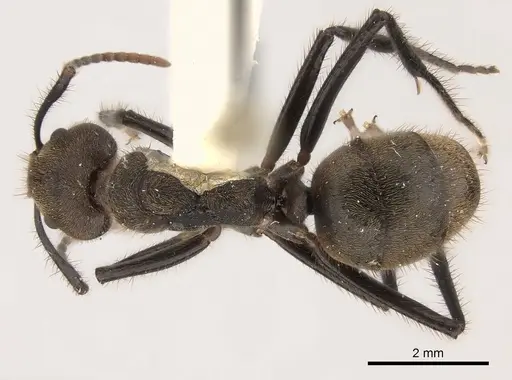
CASENT0249582
View on AntWeb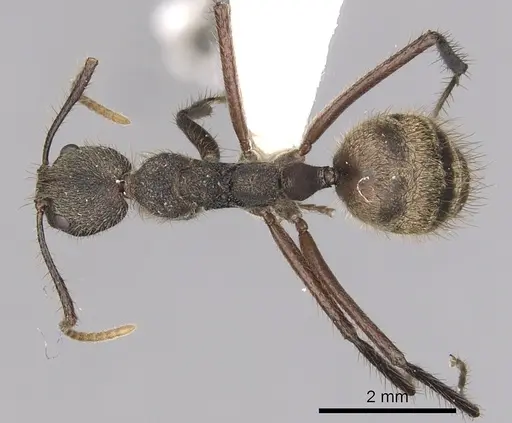
CASENT0886013
View on AntWeb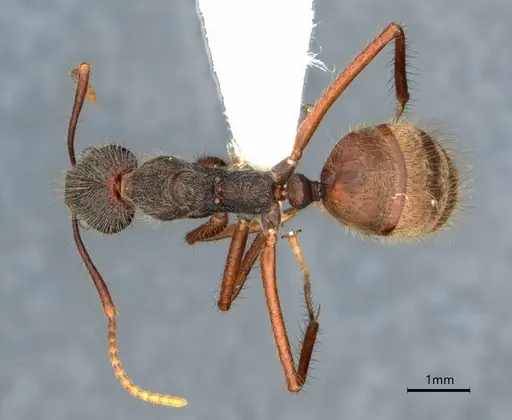
CASENT0909460
View on AntWeb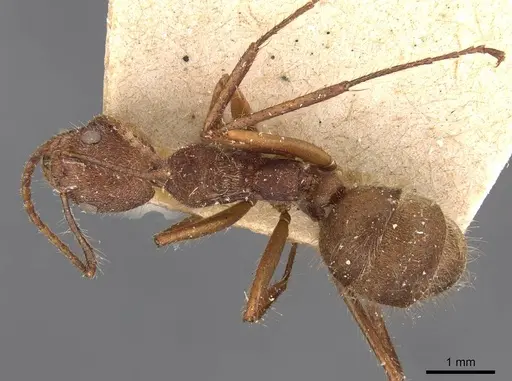
CASENT0911503
View on AntWeb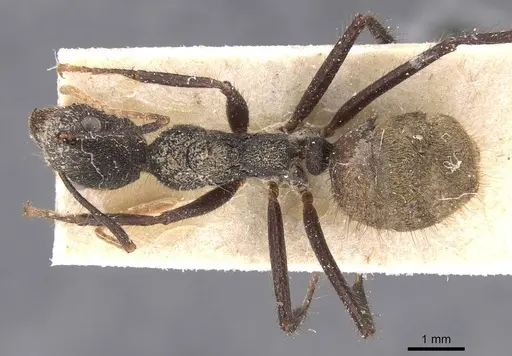
CASENT0917092
View on AntWeb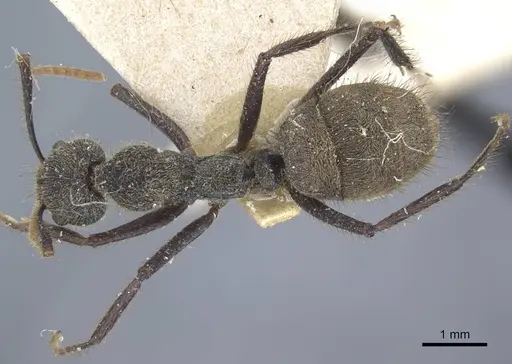
CBUMAGENT41843
View on AntWeb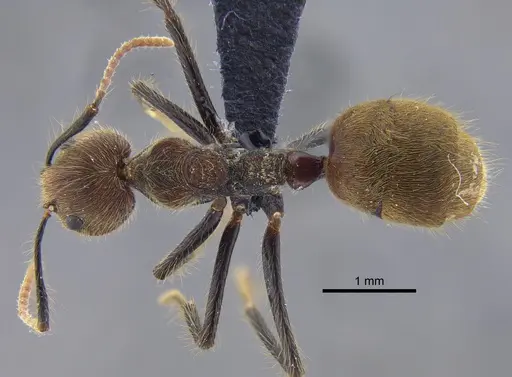
ECOFOG-MI15-0141-17
View on AntWeb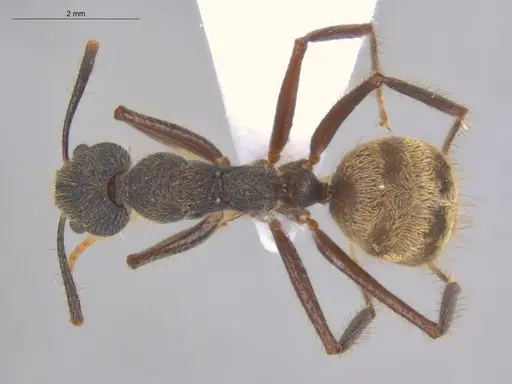
FMNHINS0000045058
View on AntWeb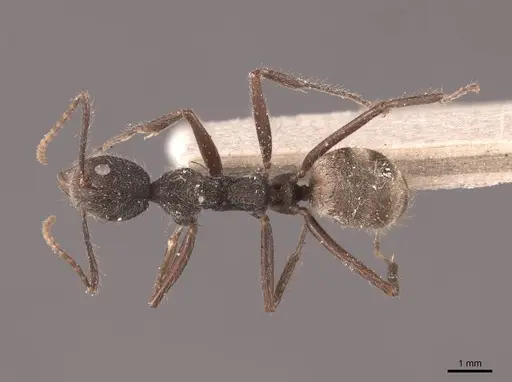
USNMENT00446009
View on AntWeb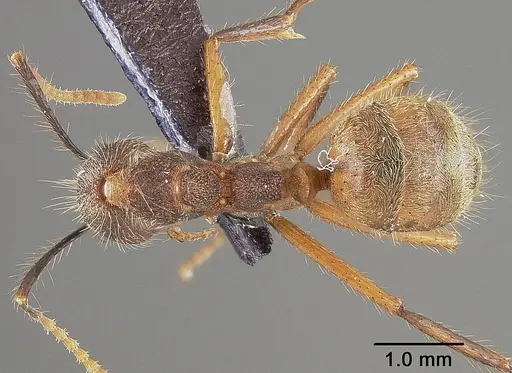
Literature
Loading...Loading products...