

Dolichoderus rugosus
- Scientific Name
- Dolichoderus rugosus
- Tribe
- Dolichoderini
- Subfamily
- Dolichoderinae
- Author
- Smith, 1858
- Distribution
- Found in 4 countries
Dolichoderus rugosus Overview
Dolichoderus rugosus is an ant species of the genus Dolichoderus. It is primarily documented in 4 countries , including Brazil, Colombia, Ecuador. Detailed taxonomic data and occurrence records can be further explored via authoritative databases such as AntWeb or the Global Biodiversity Information Facility (GBIF).
Dolichoderus rugosus
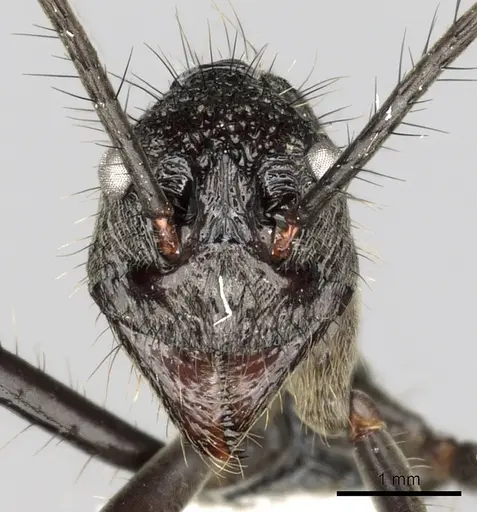
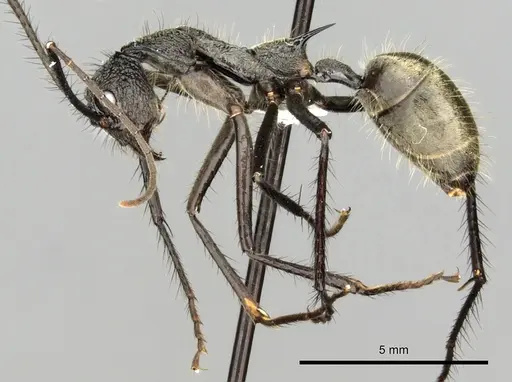
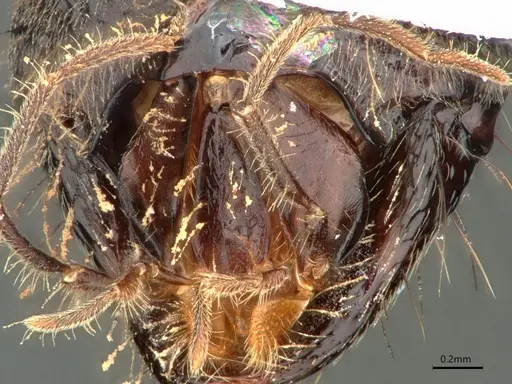
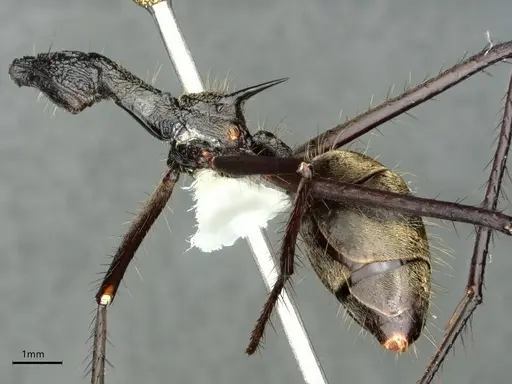
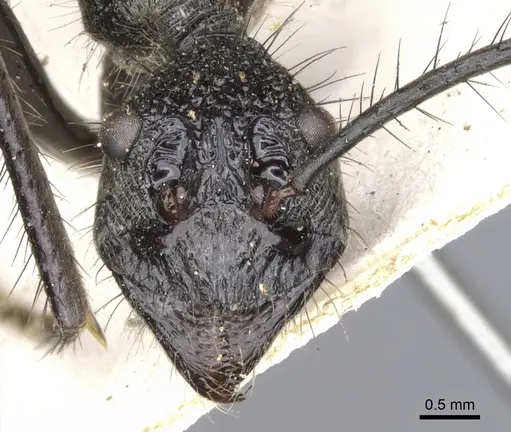
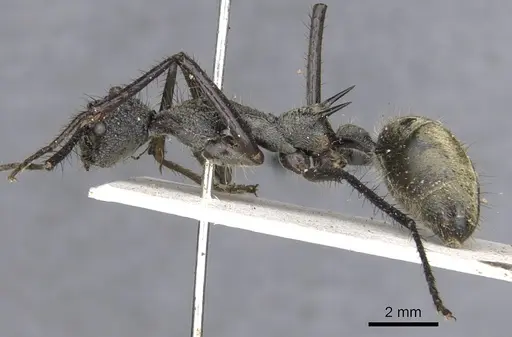
Dolichoderus rugosus is a Neotropical ant species originally described from Brazil in 1858 by Frederick Smith as Dolichoderus rugosus before being reclassified to Dolichoderus. Workers are relatively large at approximately 11.5mm, with distinctive features including strongly protruding eyes, very long antennae scapes, long propodeal spines, and a densely punctured gaster. This species is found across the Amazon basin region, from Colombia and Ecuador through Peru and Brazil to Bolivia and the Guianas.
These ants show fascinating anti-predator behavior, when threatened by army ants (Eciton hamatum), they evacuate their nests and carry their brood to safety. They can even detect the chemical odor of crushed army ants and will proactively evacuate at that warning signal. This makes them an interesting species for observing complex defensive behaviors in captivity.
Quick Summary
- Difficulty: Medium
- Origin & Habitat: Amazon rainforest region of South America, found in Bolivia, Brazil, Colombia, Ecuador, French Guiana, Guyana, Peru, and Suriname [1]. They inhabit humid tropical forest environments, typically in forested areas.
- Colony Type: Likely monogyne (single queen colonies) based on typical Dolichoderus genus patterns. Colony structure in this specific species has not been extensively studied.
- Colony: Monogyne
- Founding: Claustral
- Size & Growth:
- Queen: Estimated 12-15mm based on related Dolichoderus species, not directly measured for D. rugosus
- Worker: Approximately 11.5mm (5½ lines) [2]
- Colony: Estimated moderate colonies, likely several hundred workers based on genus patterns
- Growth: Moderate, estimated based on typical Dolichoderus development
- Development: Estimated 6-10 weeks at optimal temperature based on genus-level data for related Dolichoderus species (Development time is estimated from genus patterns since specific development data for D. rugosus is not available)
- Antkeeping:
- Temperature: Keep at 24-28°C, they are a tropical species requiring warm, stable temperatures. A heating cable on one side of the nest can create the necessary gradient.
- Humidity: High humidity required, aim for 70-85% relative humidity. Keep the nest substrate consistently moist but not waterlogged. These ants come from humid Amazon environments.
- Diapause: No diapause required, as a tropical species, they do not need hibernation. Maintain warm conditions year-round.
- Nesting: In captivity, they do well in Y-tong (AAC) nests or plaster nests that retain humidity. They are not picky about nest materials but need good moisture retention. A naturalistic setup with moist substrate also works well.
- Behavior: Dolichoderus rugosus is an active forager with moderate aggression when defending the colony. Workers are alert and responsive to threats, they will quickly evacuate the nest if they detect predator chemicals. They are not particularly aggressive toward keepers but will defend if provoked. Their escape risk is moderate since they are a reasonably sized ant, but standard escape prevention measures should still be used.
- Common Issues: high humidity maintenance can be challenging, monitor for mold growth, tropical temperature requirements mean you need heating in cooler climates, sensitive to disturbance, may evacuate brood if stressed, wild-caught colonies may have parasites that can cause problems in captivity
Housing and Nest Setup
Dolichoderus rugosus does well in Y-tong (AAC) nests or plaster formicariums that maintain humidity well. These are arboreal-leaning ants that prefer enclosed, humid spaces. Use a test tube setup for founding colonies, then transition to a proper nest once the colony reaches 20-30 workers. Ensure the nest has a water reservoir to maintain humidity levels. A small outworld area allows for foraging. Use standard escape prevention, while not tiny, they are active and will explore gaps.
Feeding and Diet
Like most Dolichoderus species, these ants are omnivorous. They readily accept sugar sources (honey water, sugar water) and protein foods. Feed them small insects like fruit flies, pinhead crickets, or mealworms. They are active foragers, so offer food 2-3 times per week for established colonies. Remove uneaten prey after 24-48 hours to prevent mold. Sugar water should be available constantly, replace every 2-3 days.
Temperature and Humidity Management
Maintain temperatures between 24-28°C year-round. This is a tropical species that does not tolerate cool conditions well. A small heating cable placed on one side of the nest creates a temperature gradient that allows the ants to self-regulate. Humidity should stay at 70-85%, check the nest regularly and rehydrate when needed. Avoid both drying out and waterlogging the substrate. Good ventilation helps prevent mold while maintaining humidity.
Behavior and Colony Dynamics
This species shows fascinating anti-predator behavior. When army ants attack, workers evacuate the nest carrying brood to safety. They can even detect the chemical odor of crushed army ants and will proactively evacuate at that warning signal. In captivity, this means they may be sensitive to vibrations, strong smells, or disturbances near the nest. They are not overly aggressive but will defend their colony if threatened. Workers are active foragers and will quickly discover and recruit to food sources.
Frequently Asked Questions
How long does it take for Dolichoderus rugosus to produce first workers?
Based on typical Dolichoderus development patterns, expect 6-10 weeks from egg to first worker at optimal temperature (24-28°C). This is an estimate since specific development data for this species is not available.
What temperature do Dolichoderus rugosus ants need?
Keep them at 24-28°C. These are tropical ants that need warm conditions year-round. A heating cable on one side of the nest can help maintain proper temperatures, especially in cooler climates.
Do Dolichoderus rugosus ants need hibernation?
No, they do not need hibernation. As a Neotropical species from the Amazon region, they require warm conditions year-round. Do not expose them to cool temperatures or attempt to cool them for winter.
What do Dolichoderus rugosus ants eat?
They are omnivorous. Offer sugar water or honey water as a constant food source, and protein foods like small insects (fruit flies, pinhead crickets, mealworms) 2-3 times per week.
Are Dolichoderus rugosus ants good for beginners?
They are intermediate difficulty. While not the hardest species, they do require specific conditions (high humidity, warm temperatures) that beginners need to monitor carefully. Their anti-predator behaviors make them interesting to observe.
How big do Dolichoderus rugosus colonies get?
Based on typical Dolichoderus patterns, colonies likely reach several hundred workers. The exact maximum is unknown for this specific species.
Can I keep multiple Dolichoderus rugosus queens together?
This species is likely monogyne (single queen). Combining unrelated queens is not recommended as they would likely fight. Only keep one queen per colony.
Why is my Dolichoderus rugosus colony evacuating?
This species is known for evacuating their nest when they detect predators, particularly army ants. They may also evacuate if they detect vibrations, strong smells, or if the nest conditions are unsuitable (too dry, too cold, or disturbed). Check that humidity and temperature are appropriate and minimize disturbances near the nest.
When should I move my Dolichoderus rugosus to a formicarium?
Move from a test tube setup to a proper nest once the colony reaches 20-30 workers. Ensure the new setup can maintain proper humidity levels, Y-tong or plaster nests work well for this species.
References

This caresheet is licensed under CC BY-SA 4.0 .
CASENT0217402
View on AntWeb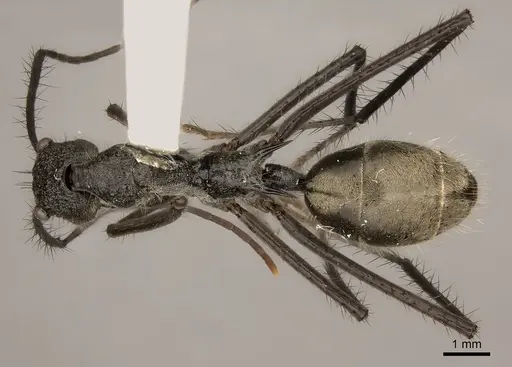
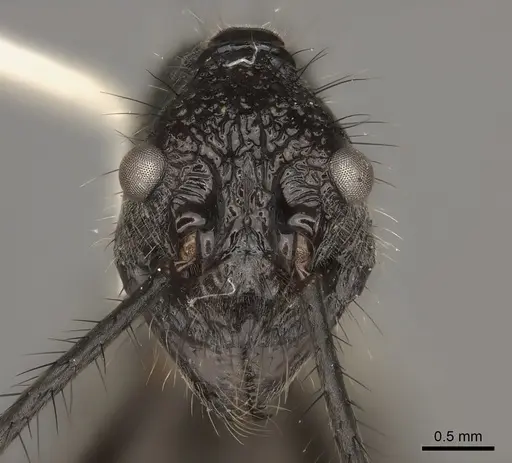
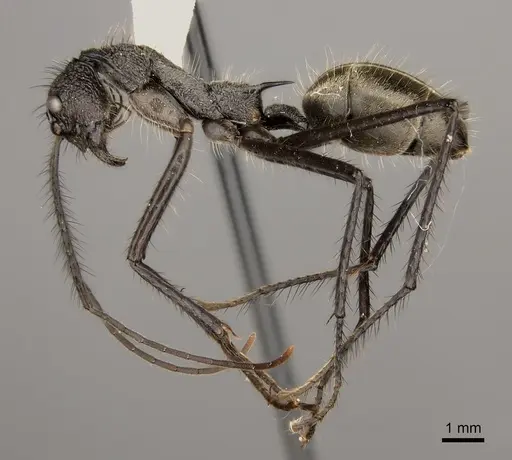
CASENT0249665
View on AntWeb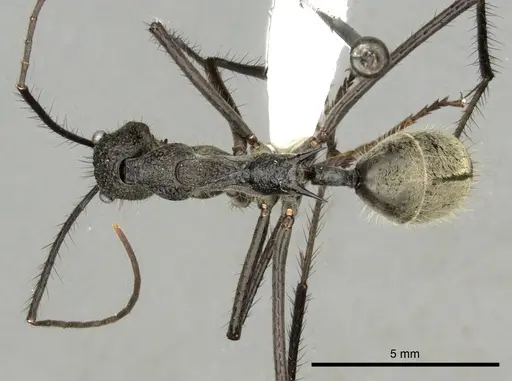
CASENT0866534
View on AntWeb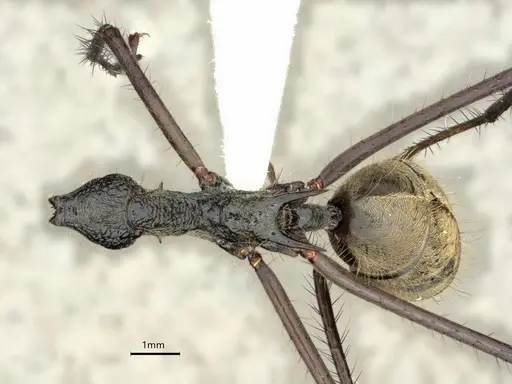
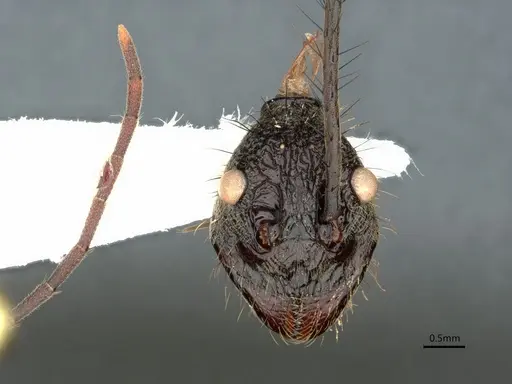
CASENT0902942
View on AntWeb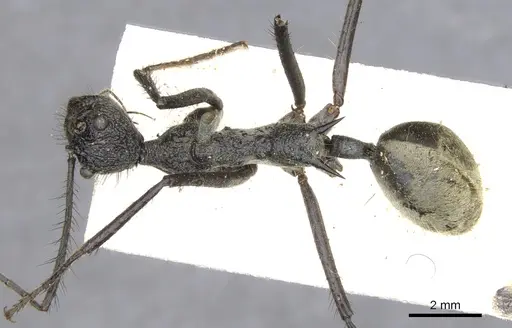
Literature
Loading...Loading products...