
Dolichoderus quadripunctatus exhibits a clear seasonal activity window. Peak activity is concentrated in August, with the overall period spanning March to September.
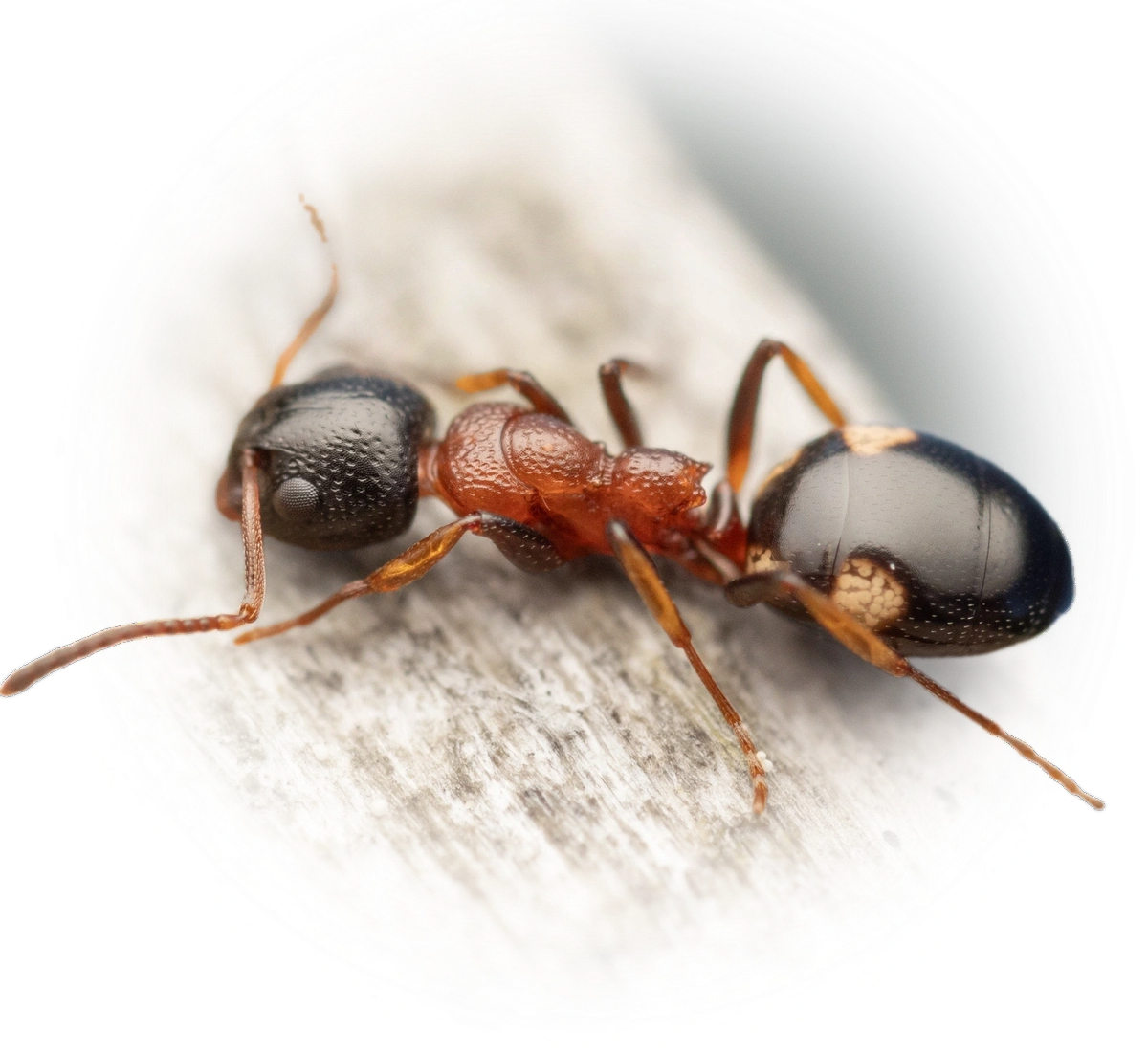
Dolichoderus quadripunctatus
- Scientific Name
- Dolichoderus quadripunctatus
- Tribe
- Dolichoderini
- Subfamily
- Dolichoderinae
- Author
- Linnaeus, 1771
- Common Name
- Four-Spotted Odorous Ant
- Distribution
- Found in 16 countries
- Nuptial Flight
- from March to September, peaking in August
AI Identifiable
try →
Dolichoderus quadripunctatus Overview
Dolichoderus quadripunctatus (commonly known as the Four-Spotted Odorous Ant) is an ant species of the genus Dolichoderus. It is primarily documented in 16 countries , including Austria, Bulgaria, Switzerland. Detailed taxonomic data and occurrence records can be further explored via authoritative databases such as AntWeb or the Global Biodiversity Information Facility (GBIF).
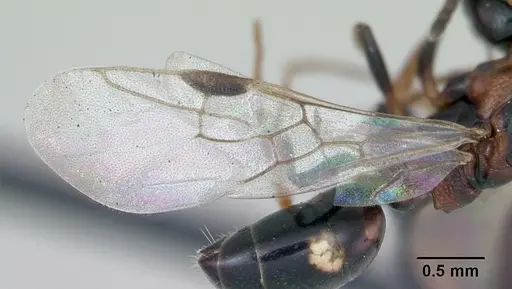
The nuptial flight of Dolichoderus quadripunctatus is a significant biological event, typically occurring from March to September, peaking in August. During this time, winged queens and males leave the nest to mate and establish new colonies.
Dolichoderus quadripunctatus - "Four-Spotted Odorous Ant"
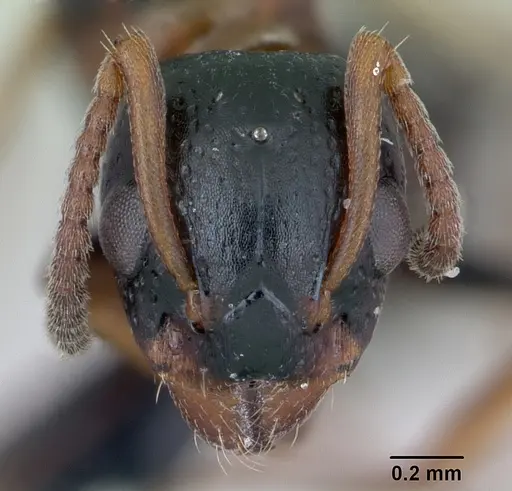
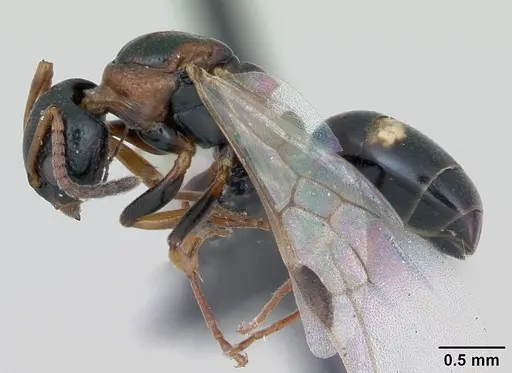
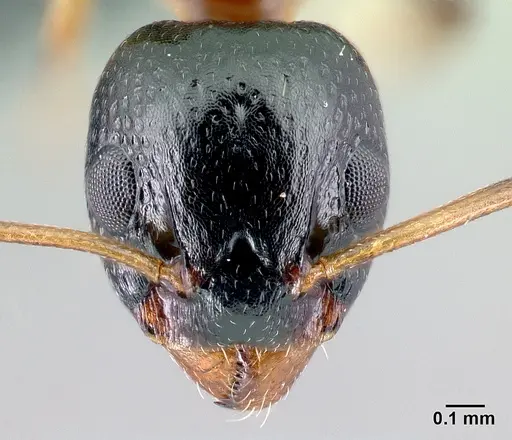
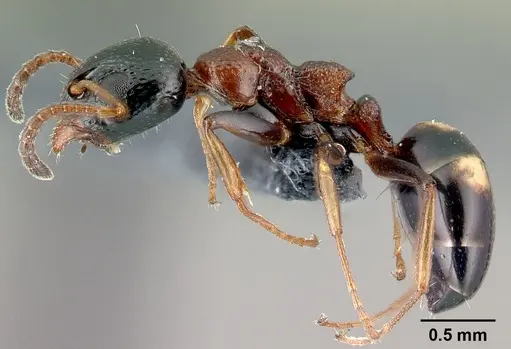
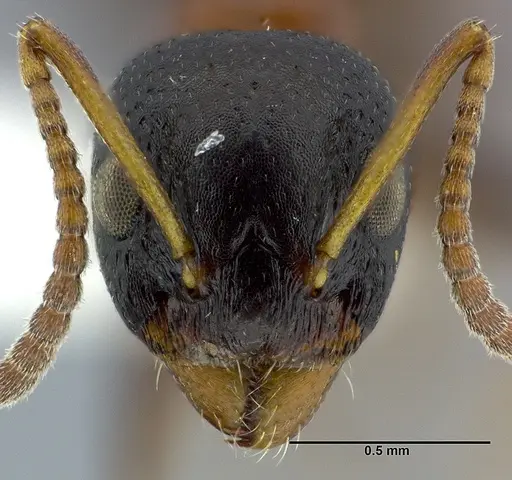
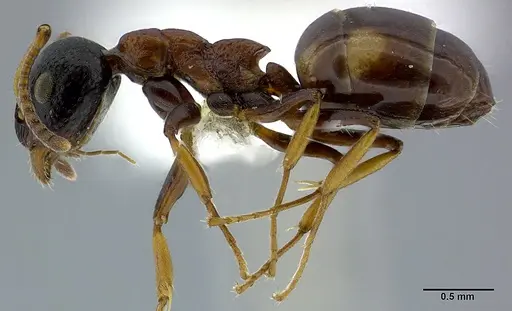
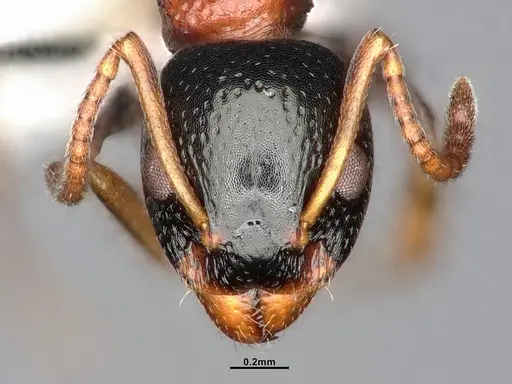
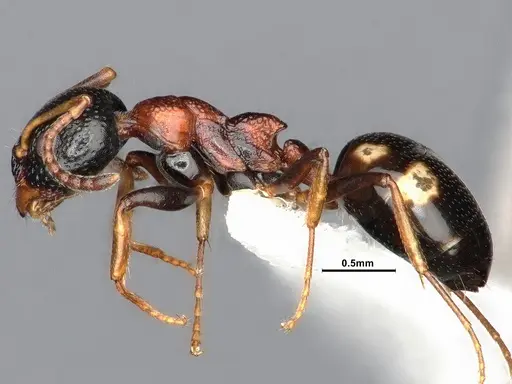
Dolichoderus quadripunctatus is a small arboreal ant native to Europe and western Asia. Workers measure 3-4mm with a distinctive appearance: a black head and abdomen, reddish mesosoma (middle body section), and four pale yellow or white spots on the abdomen that give this species its common name [1][2]. Queens are slightly larger at 4.5-5mm [3]. This species belongs to the Dolichoderinae subfamily and is known for its peaceful temperament and subordinate behavior in ant dominance hierarchies [3]. Colonies are typically monogyne (single-queen) but can form polydomous nest networks spanning multiple branches on the same tree [3]. The species is strongly arboreal, nesting almost exclusively in dead wood parts of deciduous trees such as oaks, walnuts, and fruit trees [4][2].
Quick Summary
- Difficulty: Medium
- Origin & Habitat: Native to the Palaearctic region spanning Europe from Portugal to the Caucasus and Iran. Found across central and southern Europe including France, Germany, Italy, Greece, and eastern Europe. In Greece, it occurs from sea level up to 860m altitude in damp, shaded habitats near streams and rivers [2][5]. Lives in dead wood of deciduous trees in warm, sunny locations like forest edges, old orchards, parks, and gardens [4].
- Colony Type: Monogyne (single-queen) colonies with polydomous nest structure. One main queenright nest with several branch nests inhabited by workers. Colonies typically contain 150-200 workers, occasionally up to 500 [4][3]. The species can form super colonies through adoption of fertilized gynes in subsidiary nests [3].
- Colony: Monogyne, Supercolonial
- Founding: Semi-claustral
- Size & Growth:
- Queen: 4.5-5mm [3]
- Worker: 3-4mm [1][2]
- Colony: 150-200 workers typically, up to 500 [4][3]
- Growth: Moderate
- Development: Estimated 6-10 weeks based on related Dolichoderus species. No specific development data available for this species. (Development likely occurs during warm summer months when temperatures are optimal (18-28°C). Workers are monomorphic, all the same size.)
- Antkeeping:
- Temperature: Keep between 18-28°C. Activity begins around 15°C. Optimal for brood development is 18-28°C [3]. Room temperature is generally suitable for this species.
- Humidity: Moderate humidity. As an arboreal species, it does not require high substrate humidity. Provide a water tube for drinking. The nest should be kept relatively dry, these ants prefer well-drained nesting cavities in wood.
- Diapause: Yes. Winter rest from late October to late March at approximately 15°C or below. No brood is produced during winter. Remarkable frost tolerance has been observed, colonies have survived temperatures as low as -15.8°C in poorly insulated nests [3].
- Nesting: Arboreal setup is essential. Provide dead wood, twigs, or cork bark for nesting. A wooden nest (Y-tong style) or cork bark setup works well. The nest cavity should be small, these ants live in narrow branches and twigs in nature. Can also use 3D-printed oak galls as artificial nests [2].
- Behavior: Peaceful and non-aggressive. Workers are subordinate to more dominant species like Lasius niger and avoid conflicts when possible [3]. When threatened, workers freeze motionless rather than fleeing or fighting [6]. They have a functional stinger but rarely use it, relying instead on anal gland secretions for defense and communication [3]. Foragers travel long distances along tree branches and vines to reach food sources. Workers are day-active and forage almost exclusively in tree canopies [4]. Escape risk is moderate, they are small but not particularly agile escape artists. Use standard barrier methods.
- Common Issues: polydomous colonies can be difficult to house, you may need multiple connected nest sections, as an arboreal species, they rarely descend to the ground so all food and water must be accessible in the arboreal zone, colonies are slow to establish and grow, requiring patience during founding, they are sensitive to disturbance, moving nests can cause stress and abandonment, finding dealate gynes for adoption can be challenging as they are rarely produced in large numbers
Queen Ant Activity Analysis 265 observations
Queen Activity by Hour 265 observations
Dolichoderus quadripunctatus queen activity peaks around 16:00 during the afternoon. Activity is spread across a 11-hour window (09:00–19:00). A secondary activity peak occurs around 12:00. Times may be influenced by human observation patterns.
Housing and Nest Setup
Dolichoderus quadripunctatus requires an arboreal-style setup that mimics its natural nesting preferences. In the wild, these ants nest in dead wood parts of deciduous trees, hollow branches, under bark, or in beetle boreholes [4][2]. For captive care, provide a wooden nest (Y-tong style) or cork bark setup with narrow chambers. The nest cavity should be small, these ants naturally inhabit tight spaces in twigs and branches. Multiple connected nest sections are ideal since colonies can become polydomous. The outworld should include branches, twigs, or vines that allow workers to forage at height. A water tube mounted at arboreal height provides drinking water. Avoid deep substrate layers, these ants rarely forage on the ground [3]. Temperature should be maintained between 18-28°C. Room temperature is typically suitable. Lighting cycle can follow normal day/night patterns.
Feeding and Diet
These ants have a varied diet combining carbohydrates and protein. They are primarily carbohydrate-oriented, feeding on flower nectar, honeydew from aphids, and ripe fruit [3]. Observed food sources include nectar from Rhododendron and cherry laurel, honeydew licked from aphid-infested leaves, and ripened stone fruits like apricots, plums, and peaches [3]. For protein, they consume small arthropods and, uniquely, trophic eggs produced by workers [3]. Workers also engage in necrophagous feeding and will consume bird droppings for minerals [3]. In captivity, offer sugar water or honey water regularly, and provide small insects like fruit flies or pinhead crickets as protein. Fresh fruit (especially stone fruits) can be offered. The key is that all food must be accessible at the arboreal level, these ants rarely descend to the ground to forage [4].
Colony Structure and Reproduction
This species has a complex social structure unique among European ants. Colonies are typically monogyne (single queen) but form polydomous networks, multiple nests connected by workers moving between them [3]. Torossian (1968) described three nest types: Type I is the main nest with the queen, Type II are subsidiary nests with workers only, and Type III are peripheral nests that can become new main nests [3]. New colonies can form in two ways: through adoption of fertilized gynes into existing branch nests, or through semi-claustral independent founding [3]. Males arise from unfertilized eggs laid by workers, while workers and gynes develop from fertilized eggs. The queen produces chemical inhibitors that prevent workers from laying eggs and larvae from developing into gynes [3]. Nuptial flights occur from late June through early September, primarily in evening and night hours [3]. Sexual production is low, colonies produce relatively few alates compared to many ant species.
Behavior and Defense
Dolichoderus quadripunctatus is known for its peaceful, non-aggressive temperament. In ant dominance hierarchies, it ranks as subordinate to aggressive species like Lasius niger [6][3]. When encountering other ants, workers typically avoid conflict rather than engage. When threatened, workers exhibit a distinctive defense behavior: they freeze completely and press against the substrate, remaining motionless until the threat passes [3]. They have a functional stinger but rarely use it, relying instead on anal gland secretions that produce a sharp, long-lasting taste deterrent to predators [6]. This chemical defense makes them unpalatable to vertebrates, taste tests showed their flavor is sharp and long-lasting compared to the mild taste of mimic species like Colobopsis truncata [6]. The species also responds to substrate vibrations, immediately halting activity when they detect woodpecker activity or other disturbances [3].
Seasonal Care and Overwintering
In captivity, these ants require a winter rest period. Activity ceases from late October through late March when temperatures drop below approximately 15°C [3]. During winter, workers cluster together in nest chambers but no brood is produced, this appears to be species-specific rather than a response to conditions [3]. The colony should be kept cool during this period, ideally around 10-15°C. Unlike many ants, D. quadripunctatus shows remarkable cold tolerance, colonies have survived outdoor temperatures as low as -15.8°C in poorly insulated nests in Carinthia, Austria [3]. In spring, activity resumes when temperatures rise above 15°C, typically late March or early April. The active season runs from approximately April through October, with peak activity during warm summer months. Nuptial flights occur from late June through early September [3].
Field Identification and Range
Workers are unmistakable due to their distinctive coloration: black head and abdomen, reddish mesosoma, and four pale yellow or white spots on the first two abdominal segments [1]. The spots are created by transparent areas in the cuticle where fat deposits show through, creating a visible contrast against the otherwise dark abdomen [6]. Workers measure 3-4mm and have the typical Dolichoderine body shape with a single petiole segment (no node). Queens are similar but larger (4.5-5mm) with a more robust thorax. Males are darker with yellowish scapes and tibiae. The species is widely distributed across the Palaearctic from Portugal east to the Caucasus and Iran, but is generally uncommon and often overlooked due to its arboreal lifestyle [5][2]. It reaches approximately 52.5°N in Europe and is most common in warm southern regions [3].
Frequently Asked Questions
Can I keep Dolichoderus quadripunctatus in a test tube?
Test tubes are not ideal for this species. They are arboreal ants that naturally nest in narrow twigs and hollow branches. A wooden nest (Y-tong style) or cork bark setup with small chambers is more appropriate. If you must use a test tube, provide additional structures at the arboreal level for foraging.
How long does it take for the first workers to appear?
Based on related Dolichoderus species, expect 6-10 weeks from egg to worker at optimal temperatures (18-28°C). This species is relatively slow-growing compared to some common ant species. Patience is required during the founding stage.
Do Four-spotted ants need hibernation?
Yes, they require a winter rest period. Keep the colony cool (10-15°C) from late October through late March. This species is cold-tolerant and even survives temperatures below freezing in the wild.
Are Dolichoderus quadripunctatus good for beginners?
This species is rated as medium difficulty. While not aggressive, they require specific arboreal housing and have slower colony growth than easier species. They are best suited for antkeepers who have kept at least one other arboreal or tree-dwelling species and understand their specific needs.
What do Dolichoderus quadripunctatus eat?
They are primarily carbohydrate-oriented. Offer sugar water or honey water regularly. They also accept small insects for protein, and will feed on flower nectar and ripe fruit. All food should be accessible at the arboreal level since they rarely descend to forage on the ground.
Can I keep multiple queens together?
No. This species is monogyne, colonies have a single queen. However, colonies can become polydomous (multiple nest sections) as they grow. Multiple unrelated foundress queens will fight and should not be housed together.
How big do colonies get?
Colonies typically reach 150-200 workers, though they can grow to 500 workers in optimal conditions. Growth is relatively slow compared to many common ant species.
Why are my ants not active?
Check the temperature, they become active around 15°C and are optimal between 18-28°C. Also ensure food is accessible at arboreal height. If it's winter (October-March), they may be in dormancy. These ants are sensitive to disturbance and may freeze when stressed.
References

This caresheet is licensed under CC BY-SA 4.0 .
CASENT0173127
View on AntWeb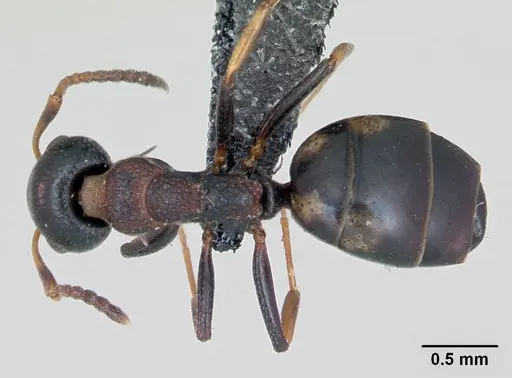
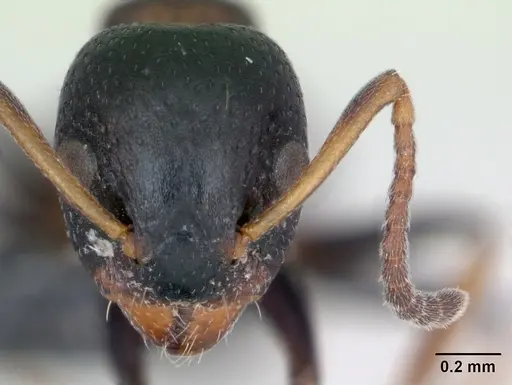
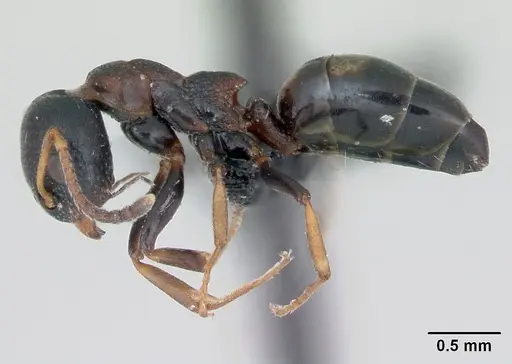
CASENT0173183
View on AntWeb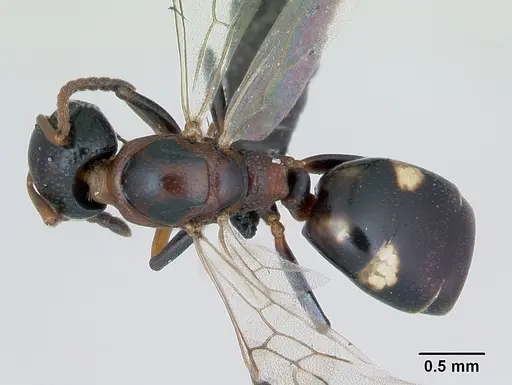
CASENT0179916
View on AntWeb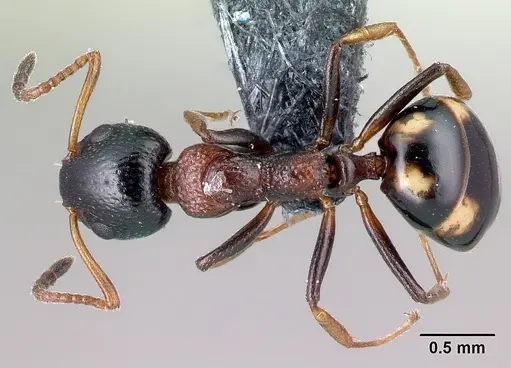
CASENT0246569
View on AntWeb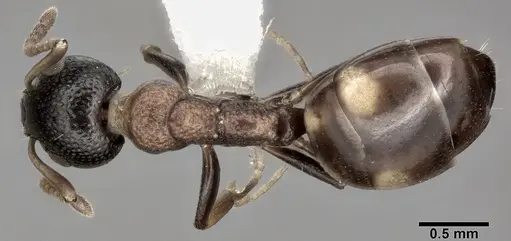
SMFHYM0008908
View on AntWeb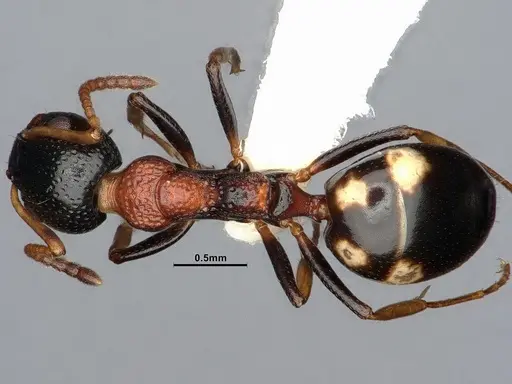
Literature
Loading...Loading products...