

Dolichoderus patens
- Scientific Name
- Dolichoderus patens
- Tribe
- Dolichoderini
- Subfamily
- Dolichoderinae
- Author
- Mayr, 1870
- Distribution
- Found in 2 countries
Dolichoderus patens Overview
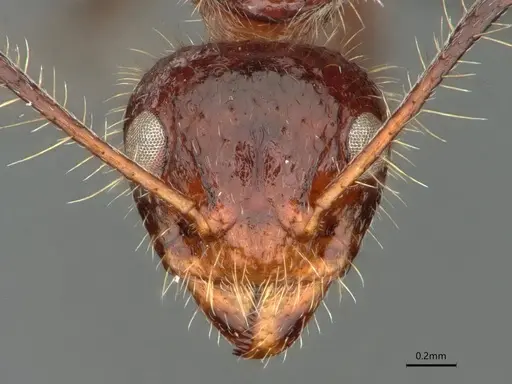
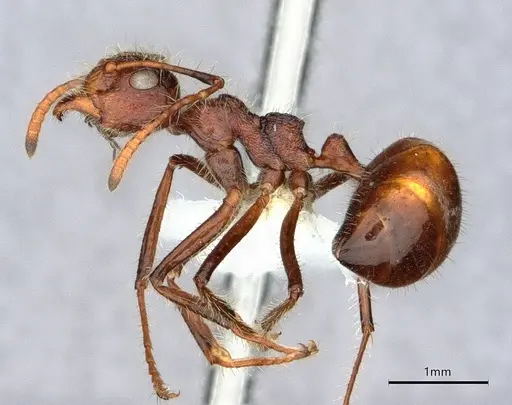
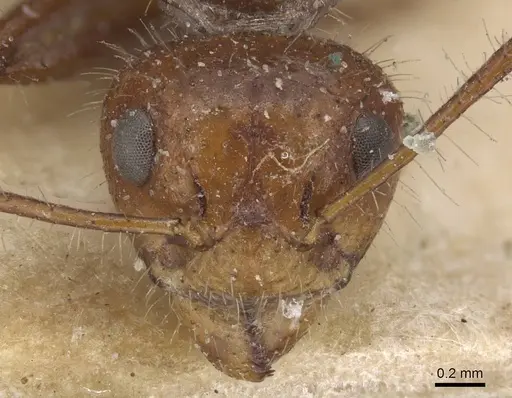
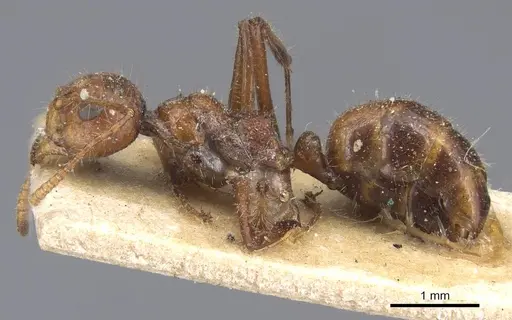
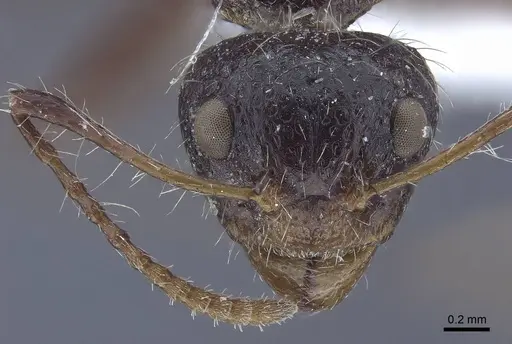
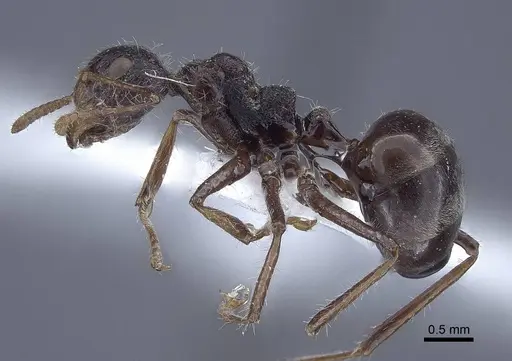
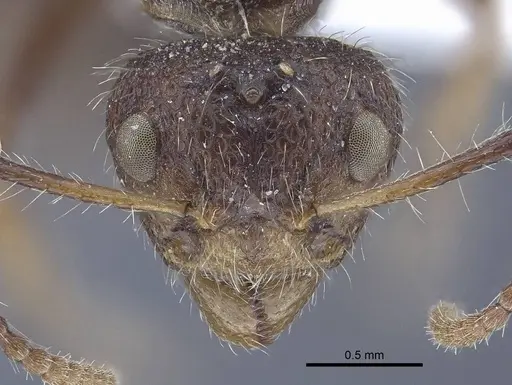
Dolichoderus patens is an ant species of the genus Dolichoderus. It is primarily documented in 2 countries , including Indonesia, Malaysia. Detailed taxonomic data and occurrence records can be further explored via authoritative databases such as AntWeb or the Global Biodiversity Information Facility (GBIF).
Dolichoderus patens
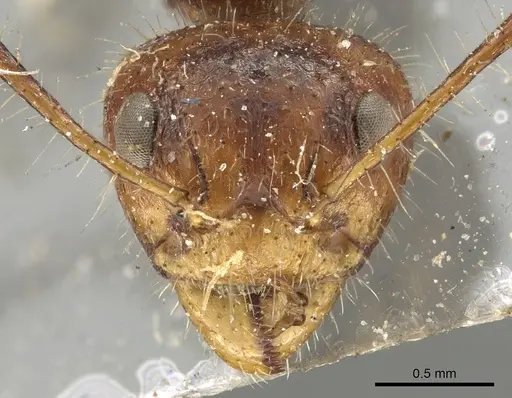
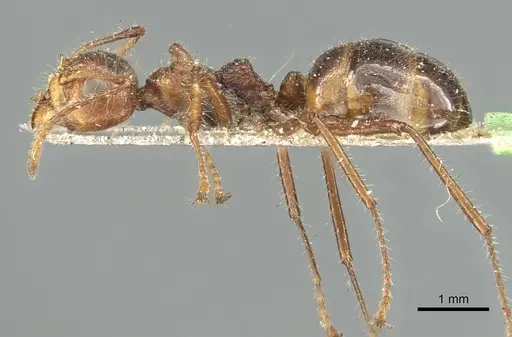
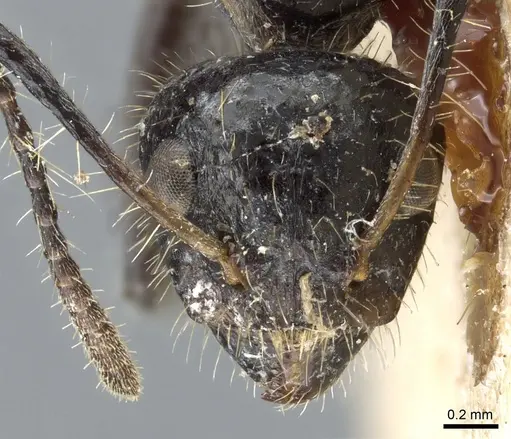
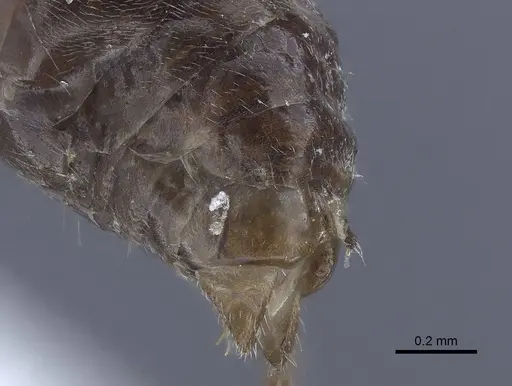
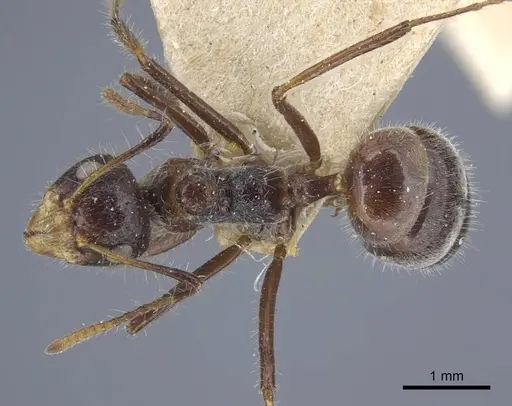
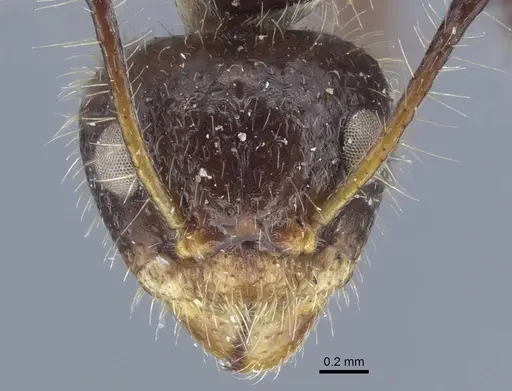
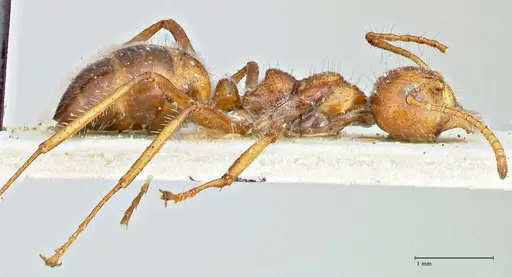
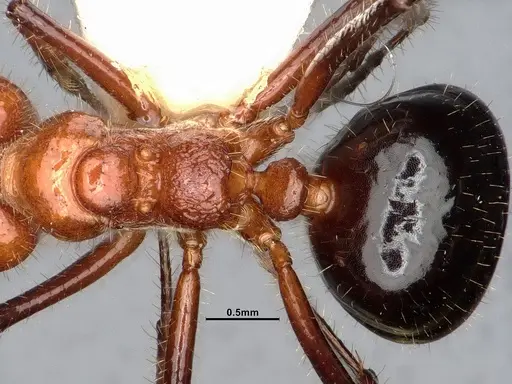
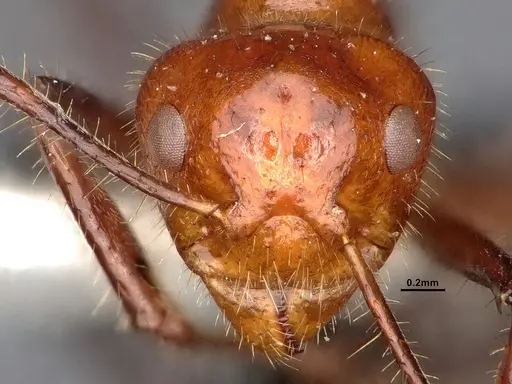
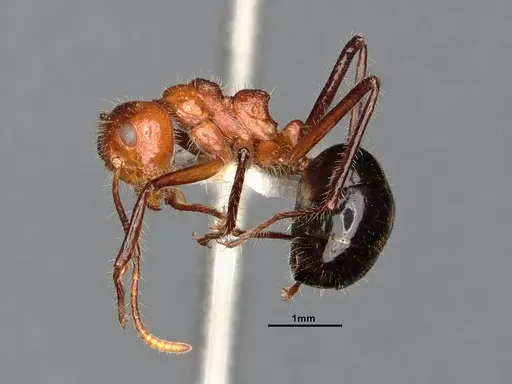
Dolichoderus patens is a tropical ant species native to Borneo, Peninsular Malaysia, and Java. Workers are yellow to reddish-brown with a shiny appearance and measure around 3-5mm. They belong to the Dolichoderus sulcaticeps species group and are known for their distinctive nesting behavior, they build multi-chambered carton nest pavilions on the undersurfaces of leaves, creating elaborate structures that house their trophobiotic partners [1]. These ants are polydomous, meaning they maintain multiple connected nest sites across several leaves rather than a single central nest. They communicate alarm signals by drumming their abdomen against the substrate, a unique behavioral trait among ants [1].
Quick Summary
- Difficulty: Medium
- Origin & Habitat: Borneo, Peninsular Malaysia, and Java, tropical rainforest canopy environment where they nest on the undersides of tree leaves [1][2]
- Colony Type: Polydomous colonies with multiple connected carton nest pavilions. Colonies maintain mealybugs (trophobiotic partners) both inside and outside the nest structures [1].
- Colony: Monogyne
- Size & Growth:
- Queen: Estimated 6-8mm based on genus patterns
- Worker: Estimated 3-5mm based on genus patterns
- Colony: Unknown, likely moderate colony size typical of Dolichoderus species
- Growth: Moderate, inferred from tropical Dolichoderus patterns
- Development: Estimated 6-8 weeks at tropical temperatures (24-28°C) based on related Dolichoderus species (Development time is estimated from genus-level data as specific species timing has not been documented)
- Antkeeping:
- Temperature: Keep at 24-28°C, they are tropical ants requiring warm, stable conditions
- Humidity: High humidity (70-85%), mimic the damp canopy environment. Keep nest substrate consistently moist but not waterlogged
- Diapause: No, being a tropical species, they do not require hibernation
- Nesting: These ants naturally build carton nest pavilions on leaf surfaces. In captivity, they do well in naturalistic setups with multiple small chambers or in acrylic/plaster nests with high humidity. They need space to create multiple connected nest sites
- Behavior: Dolichoderus patens are relatively non-aggressive foragers that maintain trophobiotic relationships with mealybugs. They communicate alarm signals by drumming their gaster against surfaces, a unique trait among ant species. Workers are active in the canopy layer and will tend their mealybug partners for honeydew. They have moderate escape risk due to their small size, use standard barrier precautions. They are not known for stinging.
- Common Issues: high humidity maintenance is critical, dry conditions will cause colony decline, polydomous nesting means they need more space than single-nest species, tropical temperature requirements mean they need heated setups in cooler climates, mealybug partners are essential, they rely on honeydew as a food source, carton nest material needs to be maintained at proper moisture levels
Nest Preferences and Housing
Dolichoderus patens naturally builds multi-chambered carton nest pavilions on the undersurfaces of leaves. The nest material resembles dried cow manure in color and is constructed from chewed plant fibers and wax secretions [3]. In captivity, you can simulate this with naturalistic setups using flat stones or cork bark pieces arranged to create narrow chambers. Alternatively, a Y-tong or acrylic nest with multiple connected chambers works well. The key is providing enough vertical space for the colony to expand across multiple chambers, they are polydomous and will use several connected spaces rather than a single compact nest. Keep the nest material slightly moist to maintain the carton-like consistency they prefer [1].
Feeding and Diet
These ants are herdsmen ants that maintain trophobiotic relationships with mealybugs. In the wild, they keep mealybugs inside and outside their nest pavilions and feed on the honeydew the mealybugs produce [1]. In captivity, you should provide sugar sources (honey water or sugar water) as a primary food, similar to how they would harvest honeydew. They will also accept small insects as protein. Live prey like fruit flies or small crickets should be offered periodically. The key difference from many other ant species is their reliance on sugar sources, the honeydew relationship makes them more sugar-dependent than predatory. Always have sugar water available and supplement with protein-rich foods.
Temperature and Care
As a tropical species from Borneo and Peninsular Malaysia, Dolichoderus patens requires warm conditions. Maintain temperatures between 24-28°C for optimal colony health and development. A heating cable or mat on one side of the nest can create the necessary warmth gradient. They do not require hibernation or diapause, keep them warm year-round. Temperature drops below 22°C for extended periods can stress the colony and slow or stop brood development. Monitor colony activity as a guide, if workers become less active or cluster together, the temperature may be too low. [1]
Behavior and Colony Structure
Dolichoderus patens exhibits fascinating behaviors unique among ants. They are polydomous, meaning the colony spreads across multiple nest sites connected by trails, this is why they need more space than typical single-nest ants [1]. Their alarm communication is particularly interesting: instead of releasing chemical alarm pheromones, they drum their gaster (abdomen) against the substrate to alert nestmates [1]. This drumming behavior is rare in ants and makes them relatively quiet colony members compared to species that use strong chemical alarms. They are not aggressive and do not have painful stings. The colony will establish mealybug partners if given access to them, creating a miniature ecosystem in your formicarium.
Humidity Requirements
These ants come from the humid tropical canopy of Southeast Asia and require high humidity to thrive. Keep the nest substrate consistently moist but never waterlogged, the goal is damp conditions similar to a forest floor or leaf surface. A humidity range of 70-85% is ideal. You can achieve this by misting the outworld regularly, using a water reservoir connected to the nest, or placing the setup in a room with natural humidity. Watch for condensation on the nest walls, this is a good sign that humidity is adequate. If the nest material dries out, the carton structures will become brittle and the colony may decline. [1]
Growth and Development
Specific development timelines for Dolichoderus patens have not been documented in scientific literature. Based on typical Dolichoderus patterns from related species, expect 6-8 weeks from egg to first worker at optimal tropical temperatures (24-28°C). Queens are likely claustral (they seal themselves in to raise the first brood alone) based on genus patterns, though this has not been directly confirmed for this species. Growth rate is moderate, not as fast as some tropical species but faster than temperate varieties. The first workers (nanitics) will be smaller than mature workers and the colony will gradually expand once the initial brood emerges.
Frequently Asked Questions
How long does it take for Dolichoderus patens to produce first workers?
The exact timeline is unconfirmed, but based on related Dolichoderus species, expect 6-8 weeks from egg to first worker at optimal temperatures of 24-28°C.
Can I keep Dolichoderus patens in a test tube setup?
Test tubes can work for founding colonies but will quickly become too small. These ants are polydomous and need multiple connected spaces. Move to a larger naturalistic or acrylic setup once the colony reaches 20-30 workers.
What do Dolichoderus patens eat?
They are sugar-dependent due to their mealybug-tending behavior. Provide constant access to sugar water or honey water, plus occasional small insects like fruit flies for protein.
Do Dolichoderus patens need hibernation?
No, being a tropical species from Borneo and Malaysia, they do not require hibernation. Keep them warm year-round at 24-28°C.
How big do Dolichoderus patens colonies get?
Colony size is not well documented, but based on genus patterns, expect several hundred to possibly over a thousand workers at maturity.
Are Dolichoderus patens good for beginners?
They are intermediate in difficulty. The main challenges are maintaining high humidity and providing adequate space for their polydomous nesting behavior. They are not aggressive and don't require special escape prevention beyond standard measures.
When should I move my colony to a formicarium?
Move from a test tube setup to a formicarium or naturalistic setup once the colony reaches 20-30 workers and the test tube becomes crowded. They need multiple connected chambers to exhibit natural polydomous behavior.
Why does my Dolichoderus patens colony have multiple nest sites?
This is normal, they are polydomous ants that naturally spread across multiple connected nest locations. In the wild, they build carton pavilions across several leaves. In captivity, provide multiple connected chambers to accommodate this behavior.
Can I keep multiple queens together in Dolichoderus patens?
This has not been documented in scientific literature. Based on the polydomous colony structure, multiple queens may be present in established colonies, but combining unrelated foundress queens is not recommended without evidence.
References

This caresheet is licensed under CC BY-SA 4.0 .
CASENT0886018
View on AntWeb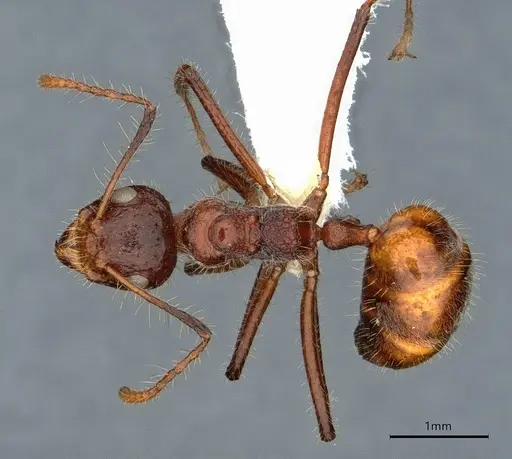
CASENT0902969
View on AntWeb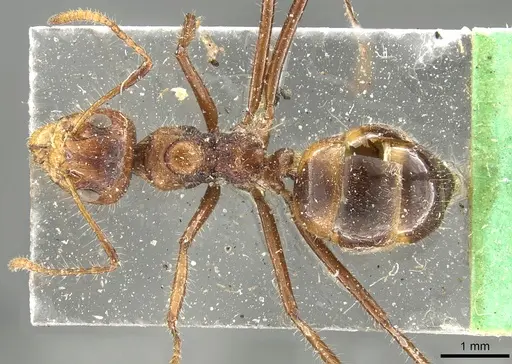
CASENT0905012
View on AntWeb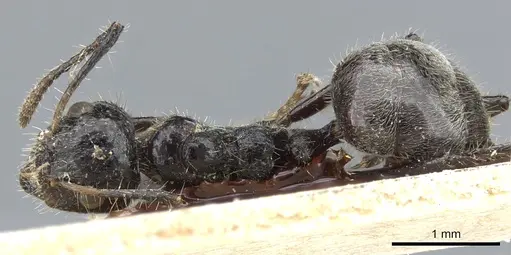
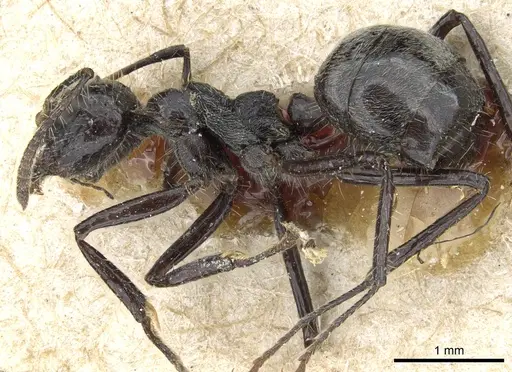
CASENT0909485
View on AntWeb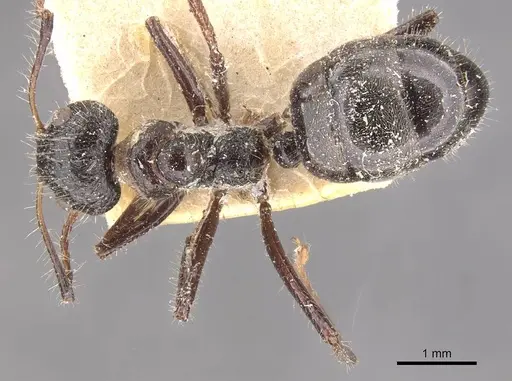
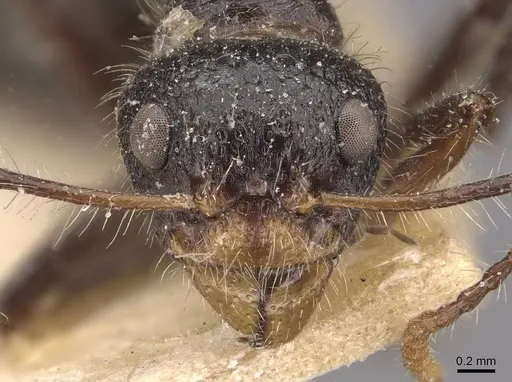
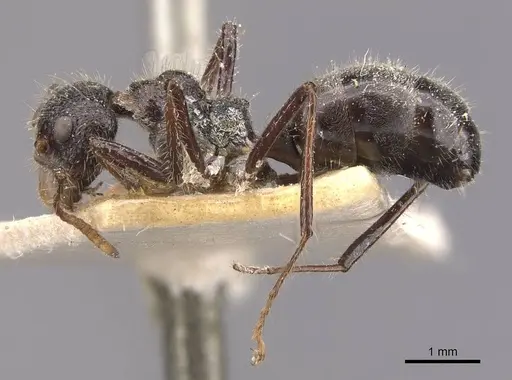
CASENT0915554
View on AntWeb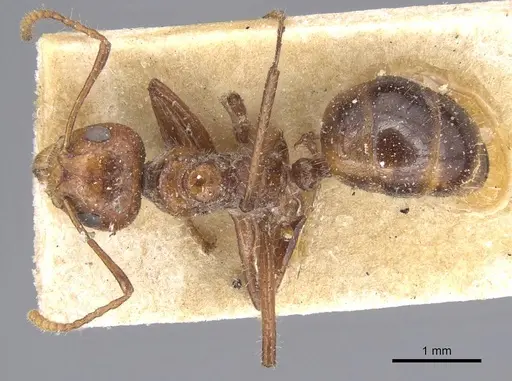
CASENT0916766
View on AntWeb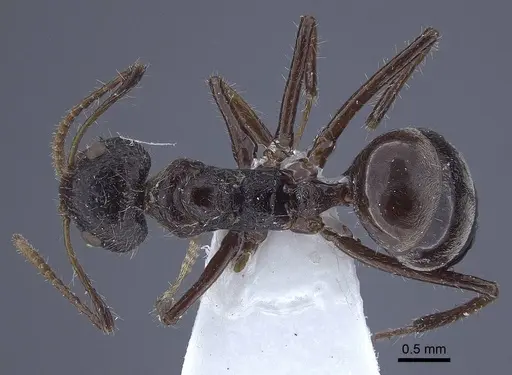
CASENT0916767
View on AntWeb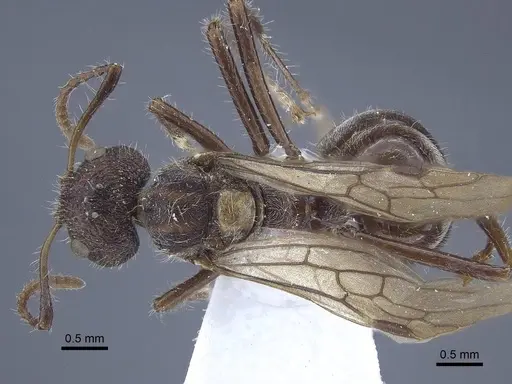
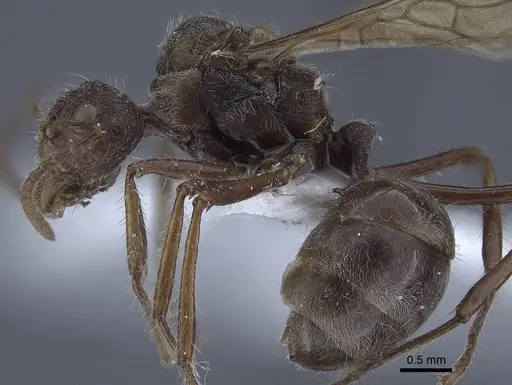
CASENT0916768
View on AntWeb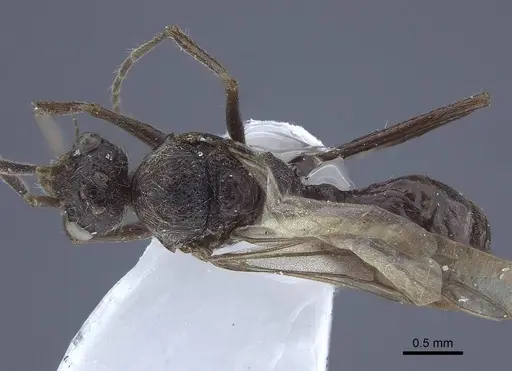
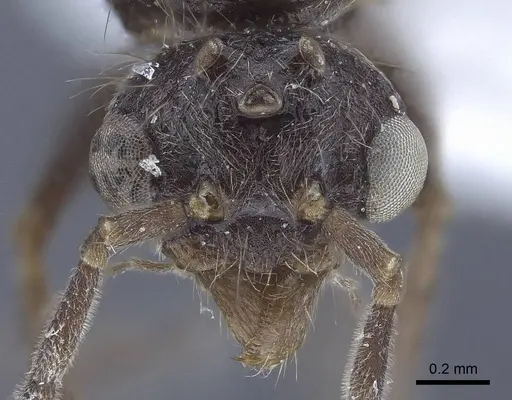
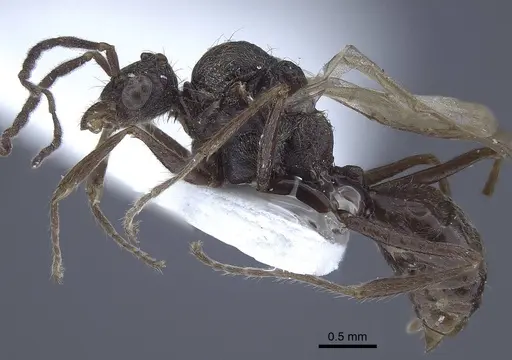
CASENT0917099
View on AntWeb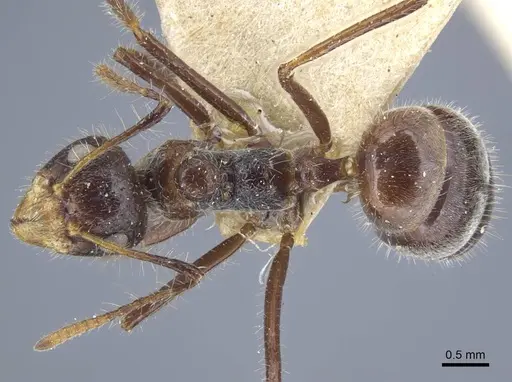
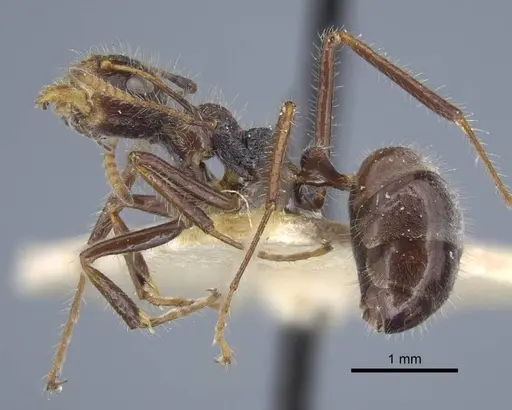
CASENT0917100
View on AntWeb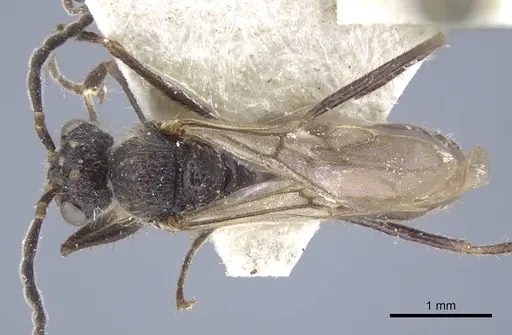
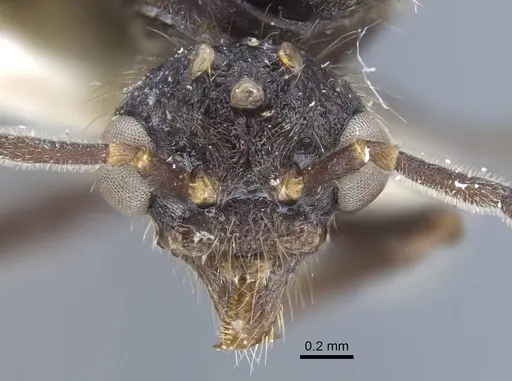
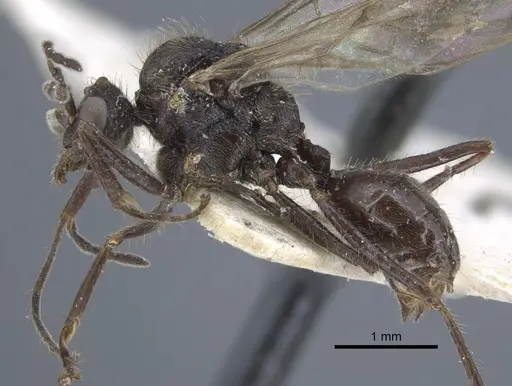
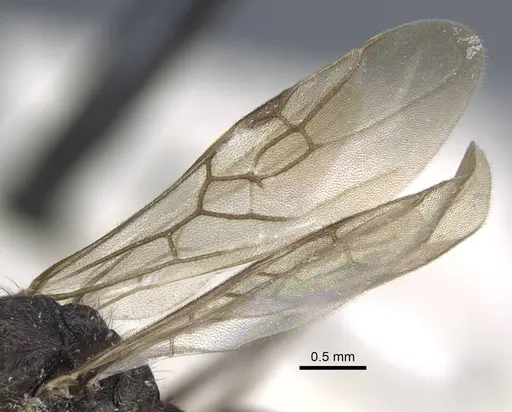
CASENT0917101
View on AntWeb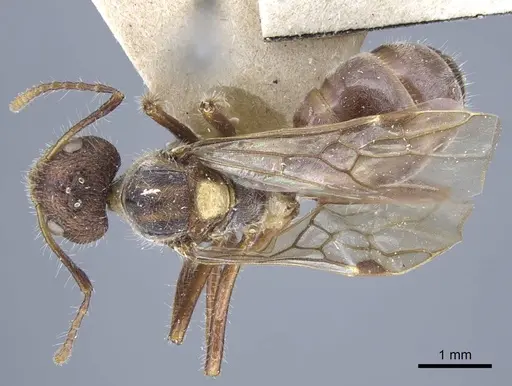
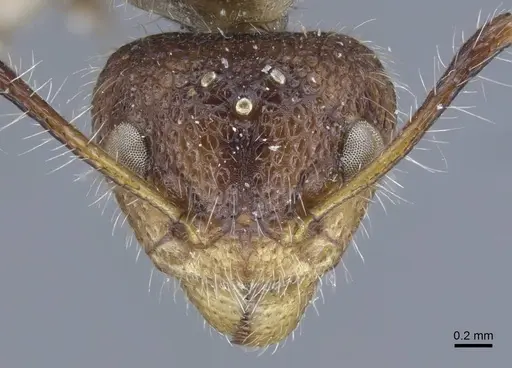
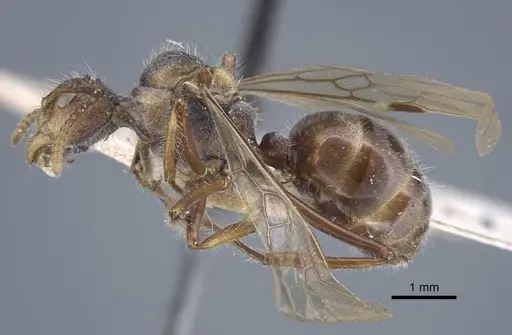
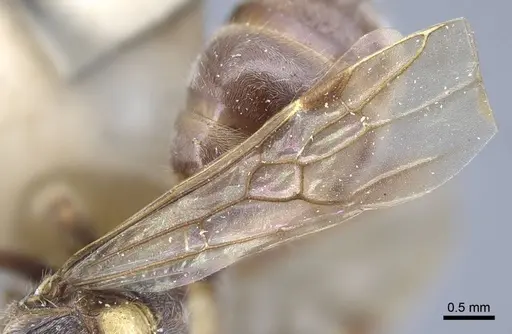
FOCOL0542
View on AntWeb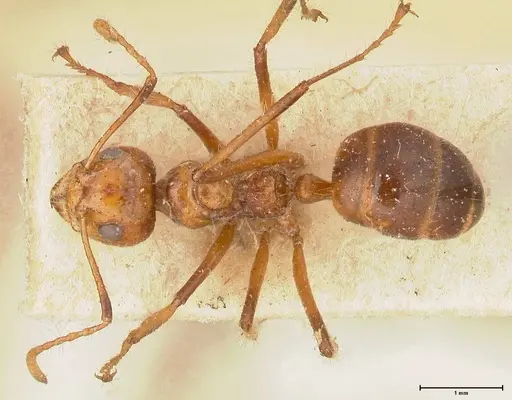
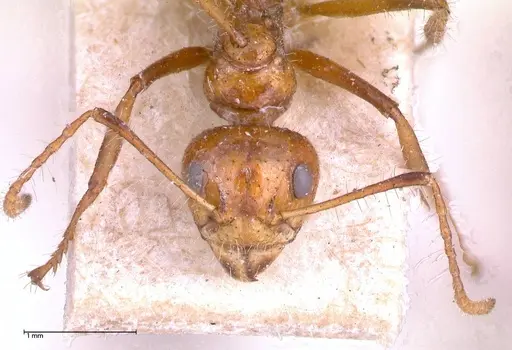
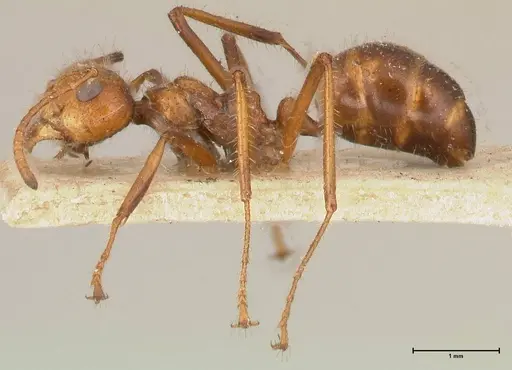
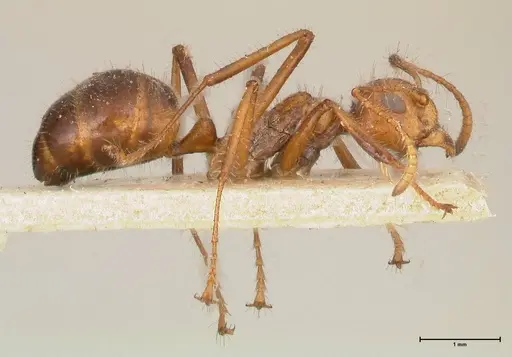
FOCOL2766
View on AntWeb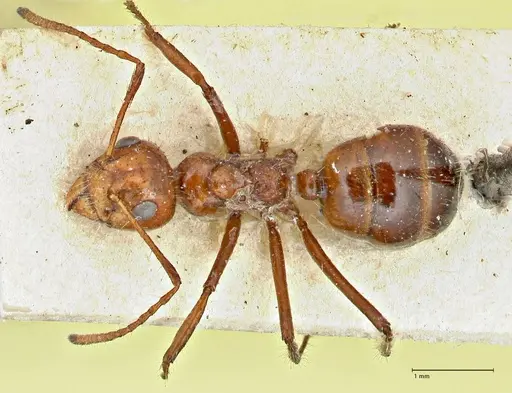
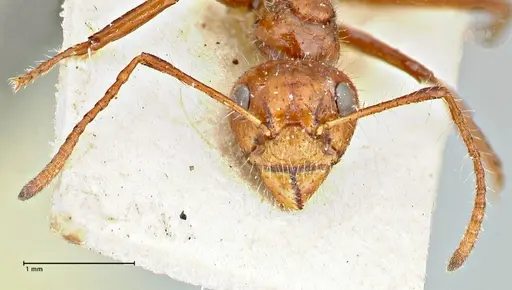
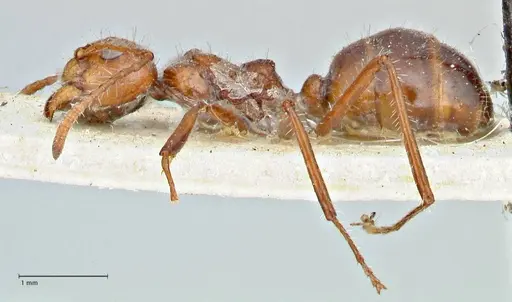
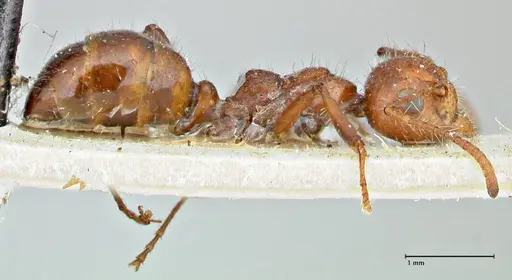
FOCOL2767
View on AntWeb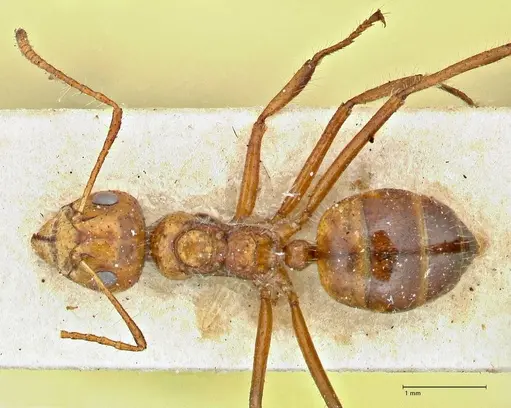
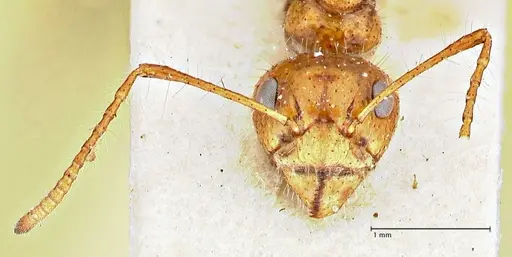
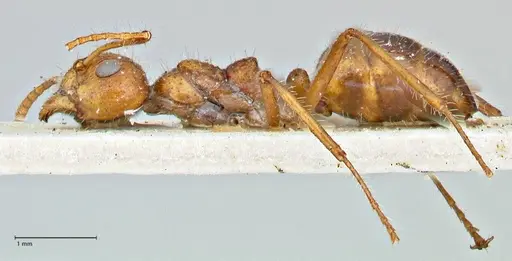
SMFHYM0008903
View on AntWeb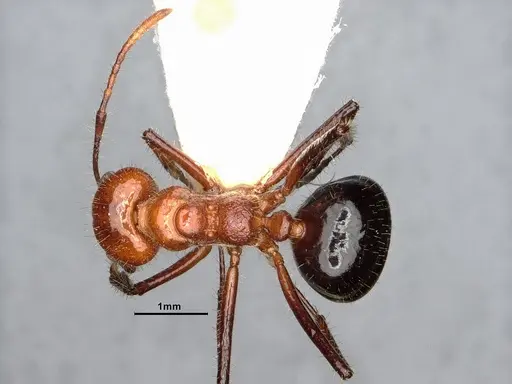
Literature
Loading...Loading products...