

Dolichoderus sulcaticeps
- Scientific Name
- Dolichoderus sulcaticeps
- Tribe
- Dolichoderini
- Subfamily
- Dolichoderinae
- Author
- Mayr, 1870
- Distribution
- Found in 3 countries
Dolichoderus sulcaticeps Overview
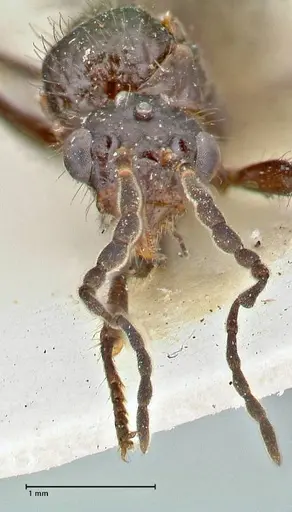
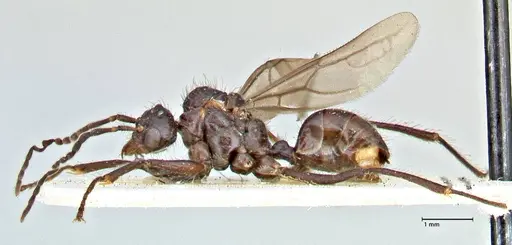
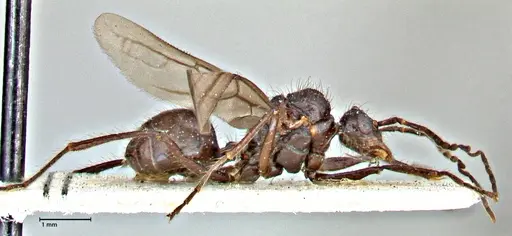
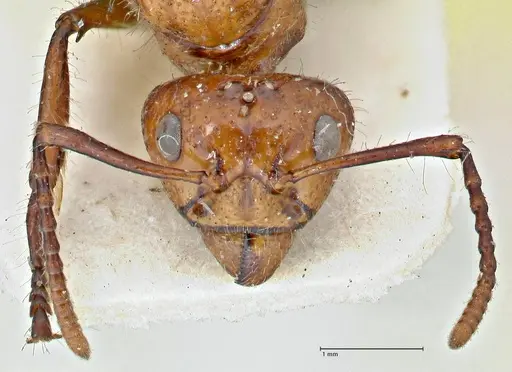
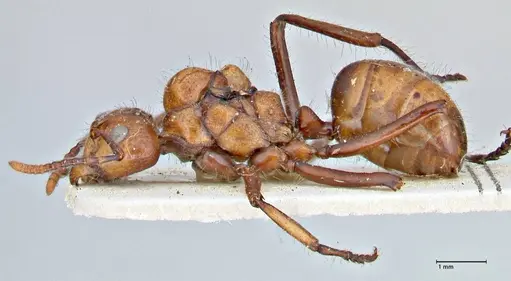
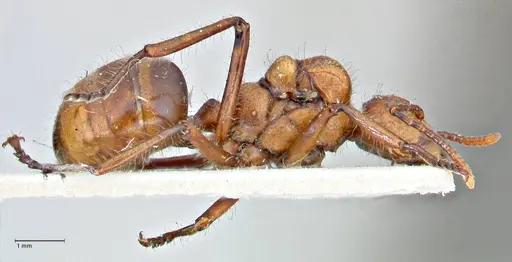
Dolichoderus sulcaticeps is an ant species of the genus Dolichoderus. It is primarily documented in 3 countries , including Indonesia, Malaysia, Singapore. Detailed taxonomic data and occurrence records can be further explored via authoritative databases such as AntWeb or the Global Biodiversity Information Facility (GBIF).
Dolichoderus sulcaticeps
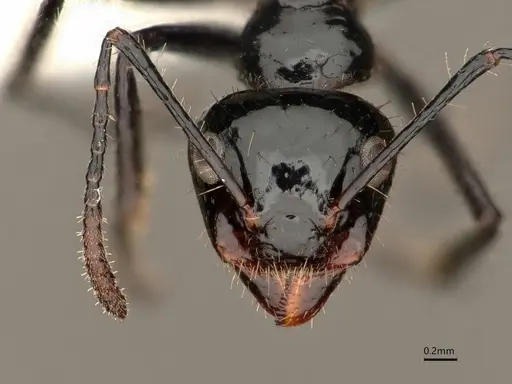
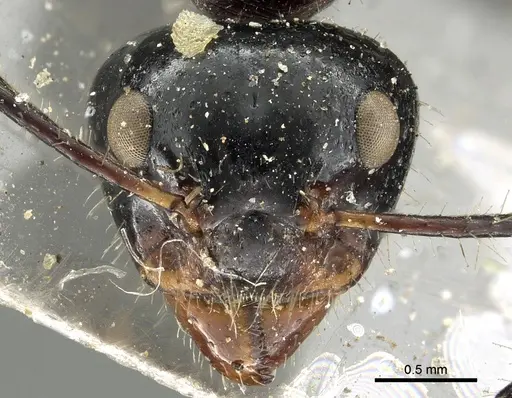
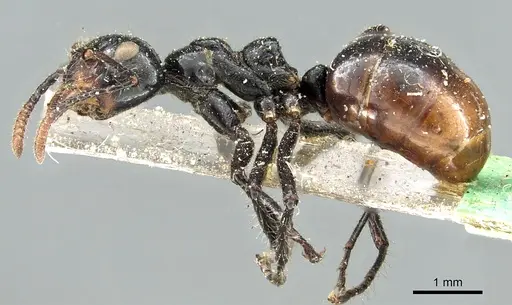
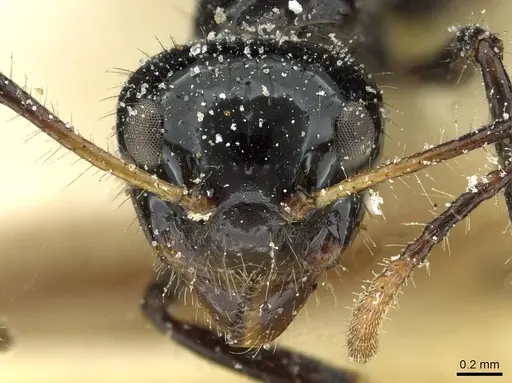
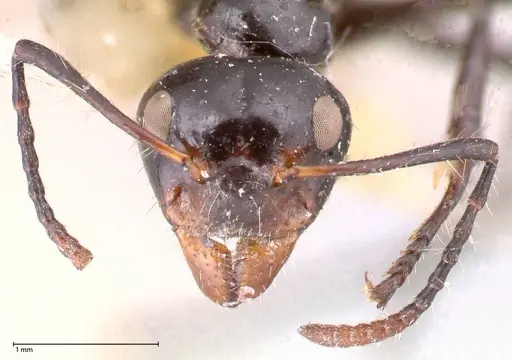
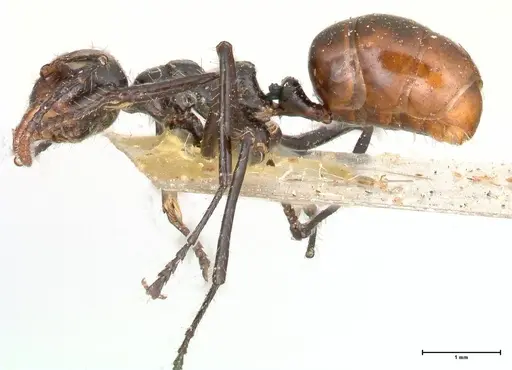
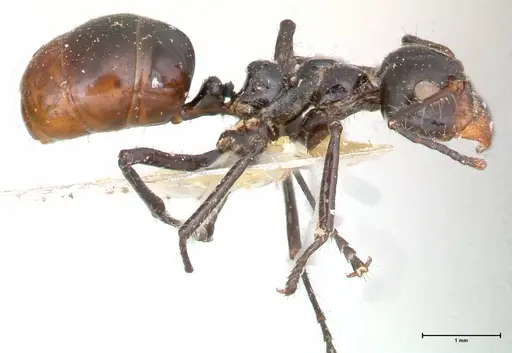
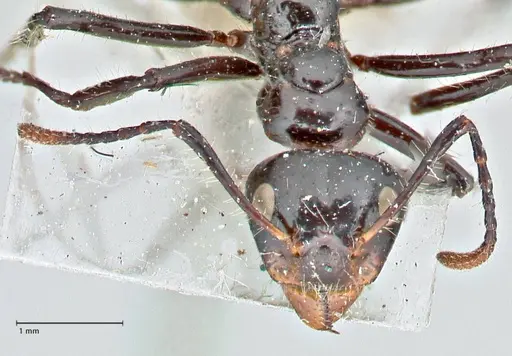
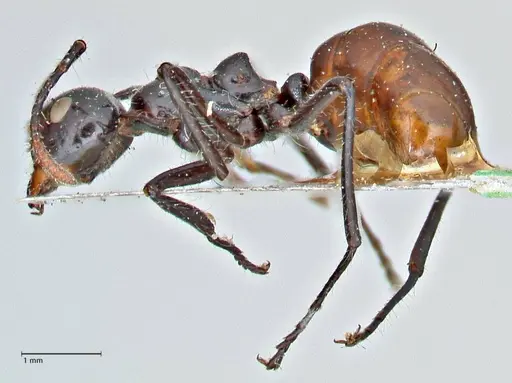
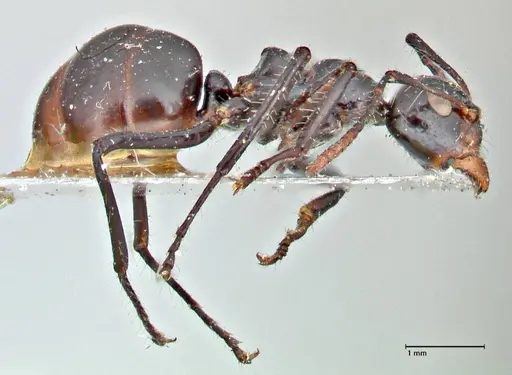
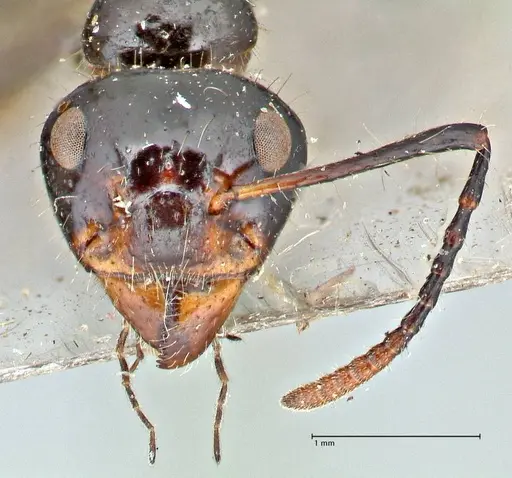
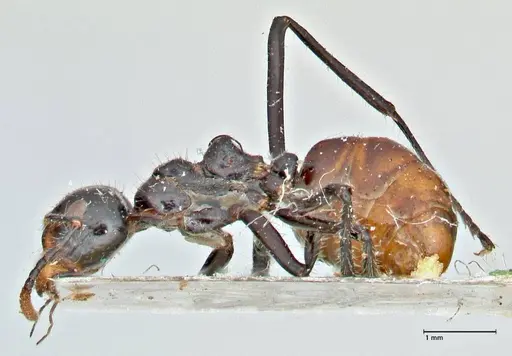
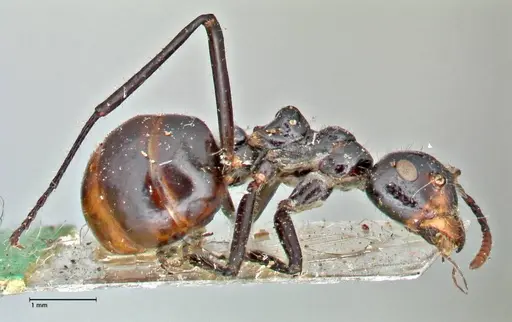
Dolichoderus sulcaticeps is a striking tropical ant native to Southeast Asia, found across Borneo, Java, Malaysia, Thailand, Vietnam, and surrounding regions. Workers are glossy black with a smooth, shining body, and many colonies show a distinctive yellow or reddish tip on the gaster. This is a large, impressive ant species with workers reaching 5-7mm. They are arboreal ants that build distinctive carton pavilion nests on the undersides of leaves, creating multi-chambered structures that house their mealybug and aphid partners. Colonies are massive, single foraging trails can exceed 130 meters, and they maintain multiple connected nest sites across their territory [1]. These ants are diurnal foragers that run along established arboreal trails, farming honeydew-producing insects inside their nests [1][2].
Quick Summary
- Difficulty: Medium
- Origin & Habitat: Southeast Asian tropical rainforests, particularly lowland dipterocarp forests in Borneo, Java, Malaysia, Thailand, Vietnam, and surrounding regions. They nest in arboreal carton pavilions on leaf undersides and sometimes in soil mounds [1][3].
- Colony Type: Polygynous (multiple queens) with polydomous nesting, colonies have many alate queens and maintain multiple connected nest sites across their territory [1].
- Colony: Polygyne
- Founding: Claustral
- Size & Growth:
- Queen: Estimated 9-12mm based on genus typical size (Dolichoderus queens are generally larger than workers)
- Worker: 5-7mm based on genus typical measurements
- Colony: Extremely large, colonies can have trails over 130 meters long with many thousands of workers [1]
- Growth: Moderate to fast, tropical species with year-round growth
- Development: Estimated 6-8 weeks at optimal tropical temperature (around 26-28°C) (Development times are estimated based on typical Dolichoderus patterns for this tropical species)
- Antkeeping:
- Temperature: Keep at 24-28°C, they are tropical ants requiring warm, stable conditions. A heating cable on one side of the nest creates a suitable gradient [1].
- Humidity: High humidity (70-85%), these rainforest ants need consistently moist conditions. Keep the nest substrate damp but not waterlogged.
- Diapause: No, as a tropical species, they do not require hibernation. Maintain warm conditions year-round [1].
- Nesting: These ants need vertical/arboreal space. A Y-tong (AAC) nest works well, or a naturalistic setup with multiple connected chambers. They prefer having multiple chambers and will expand into additional spaces. Provide climbing structures and branches [1].
- Behavior: These ants are active foragers that maintain long, permanent trail networks. They are diurnal and relatively non-aggressive, focusing on farming trophobionts (mealybugs, aphids) for honeydew rather than defending territory aggressively. Workers are fast-moving and can be skittish. Escape prevention is important, they are good climbers and will explore any gaps. They farm mealybugs and scale insects inside their nests, transporting them between nest chambers [1].
- Common Issues: tropical temperature requirements mean colonies can decline if kept too cool, never below 22°C, their large colony size and need for multiple chambers means they need spacious setups early on, they produce sooty mold from honeydew spills, keep the outworld clean, polydomous nature means they may abandon single-chamber nests if they outgrow them, wild-caught colonies may be stressed from habitat disruption and need time to acclimate
Housing and Nest Setup
Dolichoderus sulcaticeps needs more vertical and horizontal space than typical ground-nesting ants. They are arboreal by nature and will readily climb and explore. A Y-tong (AAC) formicarium with multiple connected chambers works well, or you can use a naturalistic setup with a formicarium connected to a spacious outworld that includes branches or other climbing structures. Because they are polydomous (maintaining multiple nest sites), providing extra connected chambers early helps prevent abandonment. The nest area should be dark (cover the sides) since these ants prefer darker nesting chambers. Ensure excellent escape prevention, they are good climbers and will find any gap in lid seals or tubing connections [1].
Feeding and Diet
These ants are primarily honeydew farmers. In captivity, offer sugar water or honey water constantly, they will consume it and also feed it to their trophobiont partners. For protein, offer small insects like fruit flies, small crickets, or mealworms. They will also accept other ant-compatible protein sources. Unlike many ants, they actively farm and protect mealybugs or scale insects if present in the setup. You can experiment with providing small amounts of these insects (mealybugs from pet stores work) if you want to observe their farming behavior. They also collect bird feces in the wild, so occasional organic matter may be accepted [1].
Temperature and Humidity
As a tropical Southeast Asian species, Dolichoderus sulcaticeps requires warm conditions year-round. Keep the nest area at 24-28°C. A small heating cable on one side of the nest creates a temperature gradient they can regulate by moving brood to optimal locations. Avoid temperatures below 22°C for extended periods. Humidity should be high (70-85%), mist the nest area occasionally and keep the water reservoir filled. The substrate should feel consistently damp but never waterlogged. These conditions mirror their natural rainforest habitat in Borneo, Java, and surrounding regions [1][3].
Colony Structure and Growth
This species forms extremely large colonies with multiple queens (polygynous) and maintains multiple nest sites (polydomous). In captivity, expect slow initial growth during the claustral founding phase, followed by steady expansion once the first workers (nanitics) emerge. Colonies can eventually grow to thousands of workers. Unlike many ants, they don't have distinct hibernation periods, growth continues year-round in warm conditions. The presence of multiple queens in wild colonies suggests your colony may eventually support multiple egg-layers, contributing to rapid growth once established [1].
Behavior and Foraging
Dolichoderus sulcaticeps is diurnal and maintains long-term foraging trails, in the wild, single trails can exceed 130 meters. They are active, fast-moving ants that will establish regular foraging routes in your setup. They are not particularly aggressive but will defend their nest if threatened. Their most fascinating behavior is the farming of trophobionts (mealybugs, aphids, scale insects), they protect these insects and 'milk' their honeydew secretions. If you provide mealybugs in the setup, you may observe this farming behavior. They are also known to collect bird feces in the wild, demonstrating their opportunistic foraging [1][2].
Frequently Asked Questions
How long does it take for Dolichoderus sulcaticeps to have first workers?
Expect first workers (nanitics) in about 6-8 weeks after the queen lays her first eggs, at optimal temperature (around 26-28°C). This is estimated based on typical Dolichoderus development patterns for tropical species.
Can I keep multiple Dolichoderus sulcaticeps queens together?
Yes, this species is naturally polygynous (multiple queens per colony) and will accept multiple queens. In fact, wild colonies typically have many alate queens. However, when combining unrelated foundress queens, introduce them carefully and monitor for aggression initially.
What temperature do Dolichoderus sulcaticeps need?
Keep them at 24-28°C. These are tropical ants that need warm conditions year-round. Never let temperatures drop below 22°C for extended periods. A heating cable on part of the nest helps maintain optimal temperatures.
Are Dolichoderus sulcaticeps good for beginners?
This species is rated as medium difficulty. They require warm, humid tropical conditions and need more space than typical ground-nesting ants due to their polydomous nature. They are rewarding but not ideal for complete beginners, some antkeeping experience helps.
What do Dolichoderus sulcaticeps eat?
They need constant access to sugar (honey water or sugar water) plus protein from small insects. They are honeydew farmers and will also tend mealybugs or scale insects if provided. Offer small insects like fruit flies or small mealworms as protein twice weekly.
How big do Dolichoderus sulcaticeps colonies get?
Extremely large, wild colonies can have foraging trails over 130 meters long with thousands of workers. In captivity, colonies can eventually reach several thousand workers with proper care.
Do Dolichoderus sulcaticeps need hibernation?
No, as a tropical species from Southeast Asia, they do not require hibernation. Keep them warm year-round (24-28°C) with no cooling period.
When should I move Dolichoderus sulcaticeps to a formicarium?
Move them when they outgrow their founding setup or test tube. Because they are polydomous and need multiple chambers, consider moving to a formicarium with connected chambers once the colony reaches 30-50 workers.
Why are my Dolichoderus sulcaticeps dying?
The most common causes are: temperatures too low (below 22°C), low humidity, or stress from disturbance. Check that your heating is adequate, the nest substrate is moist, and minimize vibrations and light exposure to the nest. Wild-caught colonies may also carry parasites.
References

This caresheet is licensed under CC BY-SA 4.0 .
CASENT0866516
View on AntWeb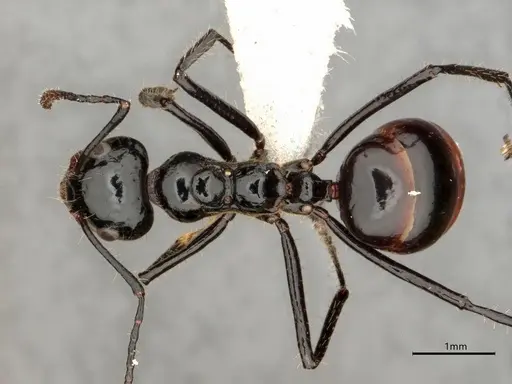
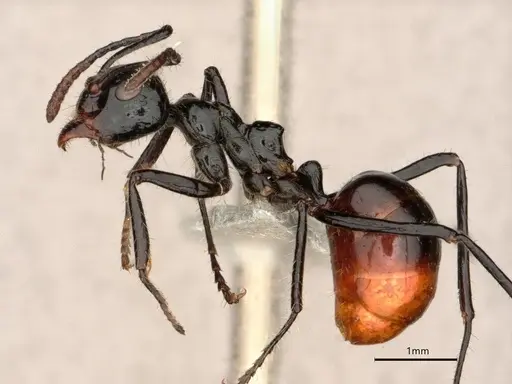
CASENT0902967
View on AntWeb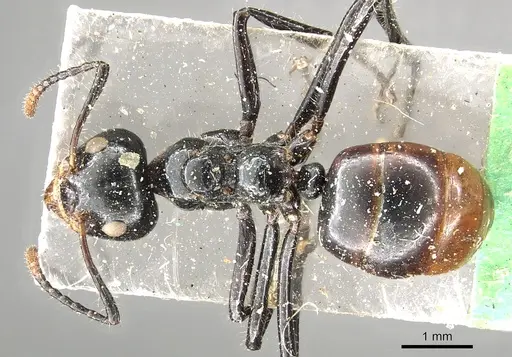
CASENT0911511
View on AntWeb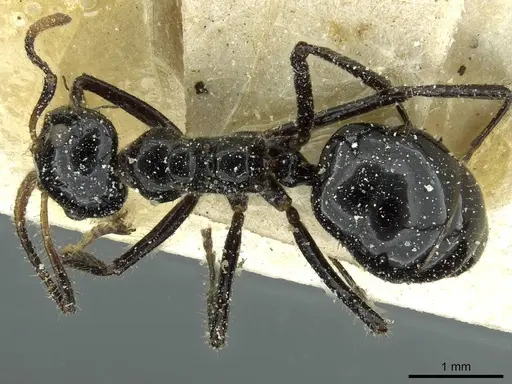
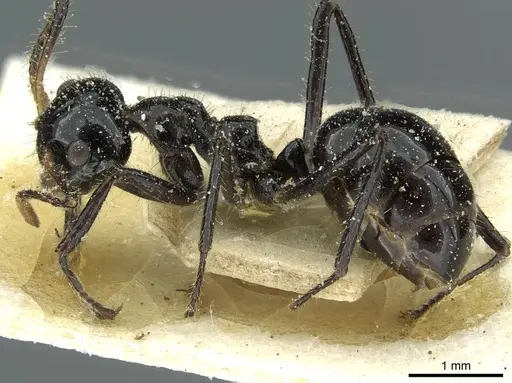
CASENT0915556
View on AntWeb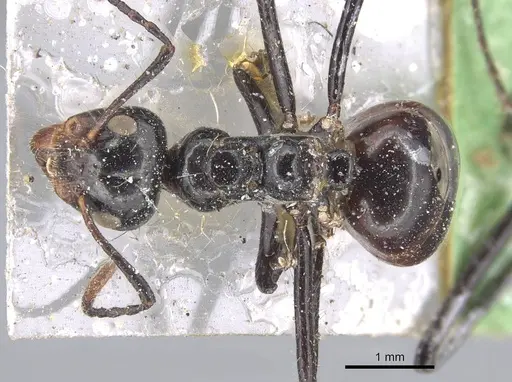
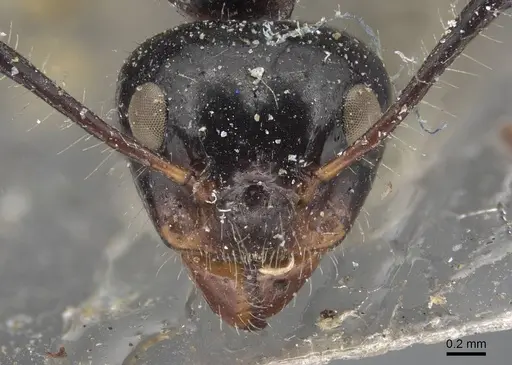
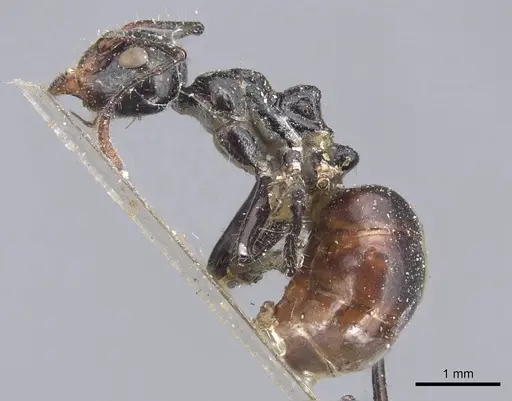
FOCOL0545
View on AntWeb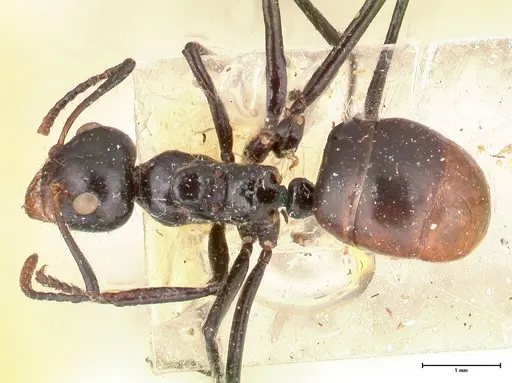
FOCOL2769
View on AntWeb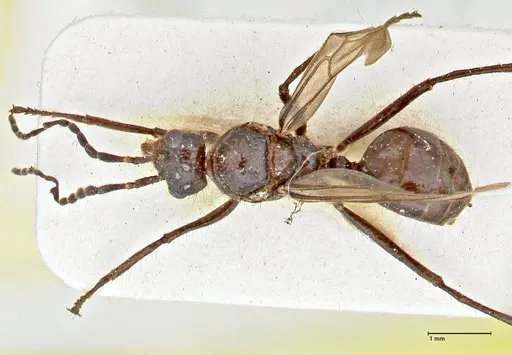
FOCOL2770
View on AntWeb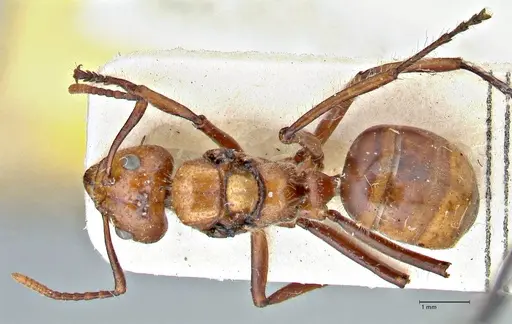
FOCOL2771
View on AntWeb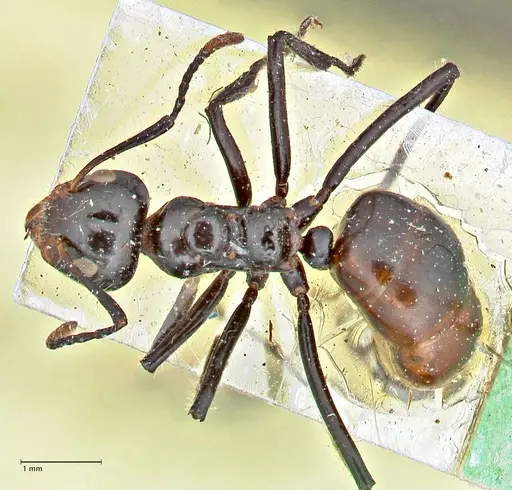
FOCOL2772
View on AntWeb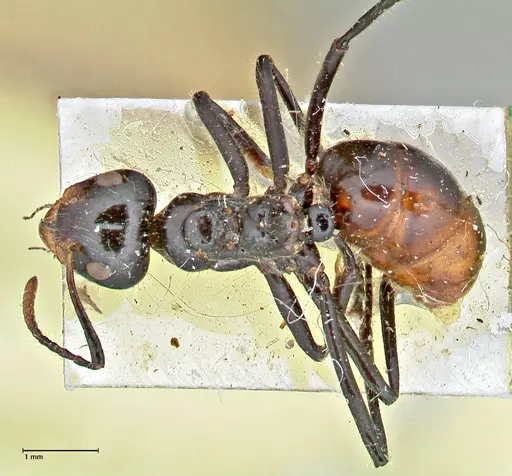
Literature
Loading...Loading products...