

Dolichoderus modiglianii
- Scientific Name
- Dolichoderus modiglianii
- Tribe
- Dolichoderini
- Subfamily
- Dolichoderinae
- Author
- Emery, 1900
- Distribution
- Found in 1 countries
Dolichoderus modiglianii Overview
Dolichoderus modiglianii is an ant species of the genus Dolichoderus. It is primarily documented in 1 countries , including Indonesia. Detailed taxonomic data and occurrence records can be further explored via authoritative databases such as AntWeb or the Global Biodiversity Information Facility (GBIF).
Dolichoderus modiglianii
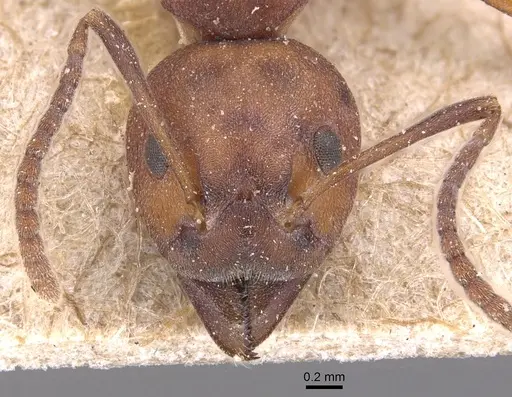
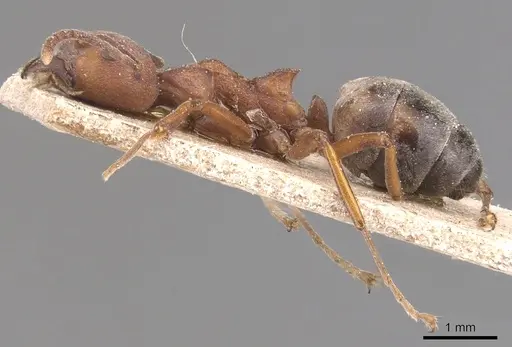
Dolichoderus modiglianii is a small to medium-sized ant measuring 4.76-5.89 mm in total length, belonging to the Dolichoderus cuspidatus species group known as 'herdsmen ants' [1]. Workers have a distinctive appearance with a high propodeum that distinctly overlies the mesonotum, and a mesonotum hump that is flat and evenly rounded with a median depression. The head and mesopleuron feature characteristic areolate-rugose sculpturing, creating a net-like pattern of irregular shallow pits. Coloration ranges from yellow-brown to reddish-brown and can reach black in some specimens [1]. This species is known only from the Mentawei Islands, specifically Sipora in Indonesia, making it a rare and geographically restricted species in the antkeeping hobby [1].
Quick Summary
- Difficulty: Medium
- Origin & Habitat: Mentawei Islands (Sipora), Indonesia, a tropical island archipelago off the west coast of Sumatra. The species is believed to be part of the 'herdsmen' ant group, which typically associates with mealybugs (Allomyrmococcini) for honeydew farming [1].
- Colony Type: Colony structure is unconfirmed. Like other Dolichoderus species, it may form single-queen colonies, but this has not been documented for this specific species. Queens and males remain undescribed [1].
- Size & Growth:
- Queen: Unknown, queen has not been described in scientific literature
- Worker: 4.76-5.89 mm total length, with head 1.24-1.49 mm and alitrunk 1.72-2.13 mm [1]
- Colony: Unknown, colony size has not been documented
- Growth: Unknown, no development data available
- Development: Unknown, no direct observations of colony development exist for this species. Based on typical Dolichoderus patterns, expect 6-10 weeks at tropical temperatures. (Development timeline is unconfirmed for this species. Related Dolichoderus species typically develop in 6-10 weeks at warm temperatures.)
- Antkeeping:
- Temperature: Keep at 24-28°C. This species comes from a tropical Indonesian island habitat, so warmth is essential for colony activity and brood development. Use a heating cable on one side of the nest to create a gentle gradient if room temperature is below this range.
- Humidity: Maintain moderate to high humidity, roughly 60-80%. The Mentawei Islands have a humid tropical climate. Keep the nest substrate consistently moist but not waterlogged. Provide a water tube for drinking water.
- Diapause: Unlikely, this is a tropical species from an equatorial region with minimal seasonal temperature variation. No diapause requirement is expected, but colony activity may slow slightly during cooler periods.
- Nesting: In captivity, provide a nest that mimics their natural habitat. Dolichoderus species typically nest in rotting wood, under bark, or in hollow twigs. A Y-tong (AAC) nest, plaster nest, or naturalistic setup with rotting wood works well. Keep nest chambers humid but with adequate ventilation to prevent mold.
- Behavior: Dolichoderus modiglianii belongs to the 'herdsmen' ant group, meaning they likely tend mealybugs for honeydew, similar to other members of the Dolichoderus cuspidatus species group. Workers are moderately active and forage individually. They are not typically aggressive but will defend the colony if threatened. Escape risk is moderate, these are medium-sized ants that can fit through small gaps, so standard escape prevention measures apply. They may be more arboreal than ground-nesting species, so provide climbing structures in the outworld.
- Common Issues: very limited species-specific care information, much is inferred from genus patterns, queen and male castes undescribed, founding behavior unknown, wild-caught colonies may be difficult to obtain due to restricted range, tropical humidity requirements can lead to mold issues if ventilation is poor, slow colony growth due to unknown development timeline may frustrate beginners
Species Identification and Background
Dolichoderus modiglianii was described by Emery in 1900 based on worker specimens collected by Elio Modigliani from the Mentawei Islands [1]. The species belongs to the Dolichoderus cuspidatus species group, commonly known as 'herdsmen ants' due to their association with mealybugs. This group is characterized by their unique behavior of tending and farming mealybugs (in the tribe Allomyrmococcini) for their honeydew secretion, similar to how aphids are farmed by other ant species. The species was later confirmed as valid by Dill in 2002,who also established that the synonym Dolichoderus modiglianii is the same species [1]. The Mentawei Islands are a small archipelago off the west coast of Sumatra, Indonesia, giving this species a very restricted geographic range.
Natural History and Foraging
The natural history of Dolichoderus modiglianii remains poorly documented, as is true for much of the herdsmen ant group. What is known suggests this species follows typical Dolichoderus behavior: workers forage individually rather than in large raiding parties, and they maintain mutualistic relationships with mealybugs. In the wild, these ants would likely be found in forested areas of the Mentawei Islands, potentially nesting in rotting wood, under bark, or in hollow twigs. Their diet in captivity should include sugar sources (honey water, sugar water) as they likely exploit honeydew from tended insects, along with protein sources like small insects. The association with mealybugs is a key part of their ecology, the ants protect the mealybugs and in return harvest their honeydew, a sugar-rich secretion. [1]
Housing and Nest Setup
For captive care, provide a nest that mimics the rotting wood habitat typical of Dolichoderus species. A Y-tong (AAC) acrylic nest works well, or a plaster nest with multiple chambers. The nest should be kept humid but with adequate ventilation to prevent mold buildup. In the outworld, provide a foraging area with some climbing structures since these ants may be somewhat arboreal. A test tube setup with a cotton plug water reservoir works for founding colonies, but you may need to transition to a proper nest as the colony grows. Because this is a tropical species, avoid temperatures below 22°C and maintain warmth in the 24-28°C range.
Feeding and Diet
Based on the species group behavior as 'herdsmen' ants, Dolichoderus modiglianii likely has a strong preference for honeydew and sugar sources. In captivity, offer sugar water or honey water regularly, changed every 2-3 days to prevent fermentation. Protein should come from small insects like fruit flies, pinhead crickets, or mealworms, offer these once or twice weekly. Since mealybug farming is their natural behavior, if you can obtain safe mealybugs (not from the wild due to potential parasites), they may form a natural food source, though this is not required for successful captivity. Always provide fresh drinking water.
Temperature and Seasonal Care
As a tropical species from the Mentawei Islands near the equator, Dolichoderus modiglianii requires warm, stable temperatures. Keep the nest area at 24-28°C with minimal temperature fluctuations. A small heating cable placed on one side of the nest can create a gentle gradient, but avoid direct heat that could dry out the nest. No diapause or hibernation is expected or recommended, these ants come from a region with year-round warm temperatures. Colony activity may slow during cooler periods, but they should remain active throughout the year. Room temperature in most homes should be adequate if kept in a warm room, otherwise use gentle bottom heating.
Frequently Asked Questions
How long does it take for Dolichoderus modiglianii to produce first workers?
The egg-to-worker timeline is unconfirmed for this species. Based on typical Dolichoderus genus patterns, expect approximately 6-10 weeks at optimal tropical temperatures (24-28°C). However, since this species has not been kept in captivity before, actual timelines are unknown.
What do Dolichoderus modiglianii ants eat?
Like other herdsmen ants, they likely prefer sugar sources (honeydew) in the wild. In captivity, offer sugar water or honey water as a constant food source, along with small insects like fruit flies or mealworms for protein. They are not aggressive predators but will accept typical ant foods.
Is Dolichoderus modiglianii a good species for beginners?
This species is not recommended for beginners due to the lack of species-specific care information. Most care guidelines are inferred from genus-level knowledge. If you're experienced with tropical Dolichoderus species or want to try a rare species, this could be interesting, but be prepared for a learning curve.
What temperature should I keep Dolichoderus modiglianii at?
Keep them at 24-28°C. This tropical species requires warmth year-round. Use a heating cable on one side of the nest if your room temperature is below this range, but avoid direct heat that could dry out the nest.
Do Dolichoderus modiglianii need a hibernation period?
No, hibernation is not required or recommended. This species comes from the Mentawei Islands near the equator, where temperatures remain warm year-round. Maintain consistent tropical temperatures throughout the year.
How big do Dolichoderus modiglianii colonies get?
Colony size is unknown for this species. Related Dolichoderus species typically form colonies of several hundred to a few thousand workers. Given the restricted range of this species, colonies may be on the smaller side.
Can I keep multiple Dolichoderus modiglianii queens together?
This has not been documented. The colony structure (single-queen vs multi-queen) is unconfirmed for this species. It is not recommended to combine unrelated queens without evidence they can form polygynous colonies.
What type of nest should I use for Dolichoderus modiglianii?
A Y-tong (AAC) acrylic nest, plaster nest, or naturalistic setup with rotting wood works well. These ants naturally nest in rotting wood and humid environments. Keep the nest humid but ensure adequate ventilation to prevent mold.
Where is Dolichoderus modiglianii found naturally?
This species is known only from the Mentawei Islands, specifically Sipora Island, off the west coast of Sumatra, Indonesia. This is a very restricted geographic range, making wild collection difficult.
References

This caresheet is licensed under CC BY-SA 4.0 .
CASENT0905025
View on AntWeb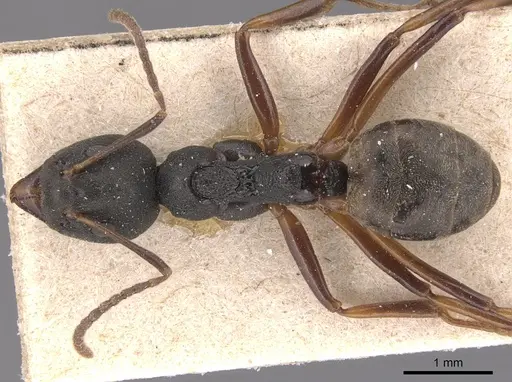
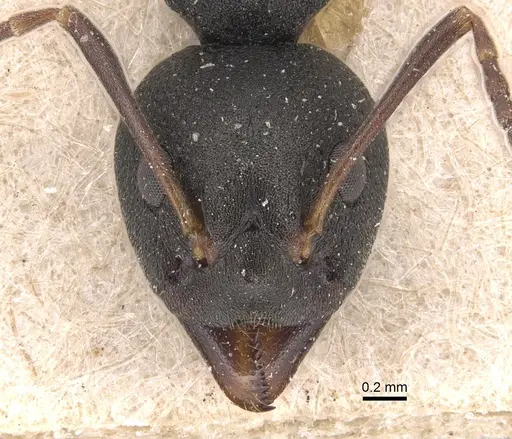
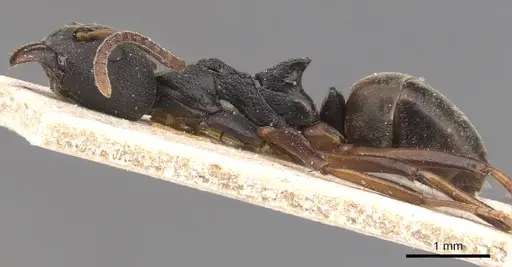
CASENT0905026
View on AntWeb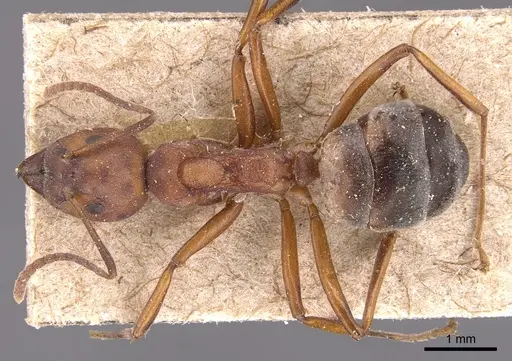
Literature
Loading...Loading products...