

Dolichoderus laotius
- Scientific Name
- Dolichoderus laotius
- Tribe
- Dolichoderini
- Subfamily
- Dolichoderinae
- Author
- Santschi, 1920
- Distribution
- Found in 2 countries
Dolichoderus laotius Overview
Dolichoderus laotius is an ant species of the genus Dolichoderus. It is primarily documented in 2 countries , including China, Thailand. Detailed taxonomic data and occurrence records can be further explored via authoritative databases such as AntWeb or the Global Biodiversity Information Facility (GBIF).
Dolichoderus laotius
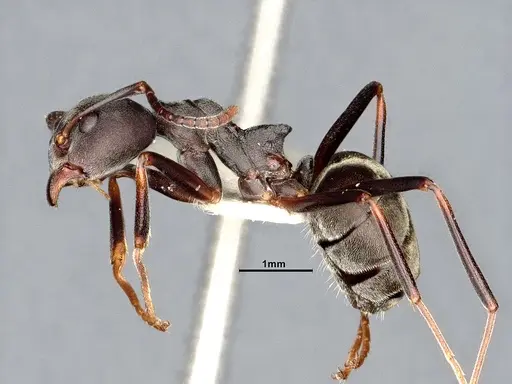
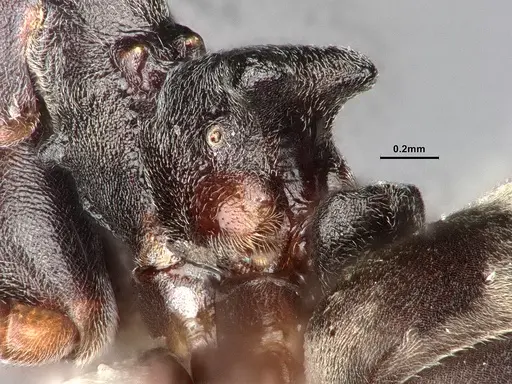
Dolichoderus laotius is a medium-sized ant belonging to the Dolichoderus cuspidatus species group, commonly known as herdsmen ants. Workers measure 5.00-6.67mm in total length, with a dark brown to black body and distinctive propodeum that rises steeply and overtops the mesonotum, featuring broad, plump corners that overhang the declivitous face [1]. This species is endemic to Laos and surrounding regions, with confirmed records from Laos, Northeastern Thailand, and Yunnan Province in southern China [2][3].
What makes D. laotius particularly interesting is its partnership with mealybugs. Like other herdsmen ants, it has a mutualistic relationship with the mealybug Thaimyrmococcus daviesi, the ants protect the mealybugs and in return harvest their honeydew secretions [1]. This species appears to be a habitat specialist, found exclusively in secondary forest environments rather than primary forest or agricultural areas [4].
Quick Summary
- Difficulty: Medium
- Origin & Habitat: Laos, Northeastern Thailand, and Yunnan Province, China. Found in secondary forest at elevations around 300-690m, typically on tree trunks [2][4].
- Colony Type: Colony structure is unconfirmed, queen has not been documented [1]. Based on related Dolichoderus species, likely single-queen (monogyne) colonies.
- Size & Growth:
- Queen: Unknown, queen has not been described in scientific literature [1]
- Worker: 5.00-6.67mm total length (HL 1.33-1.62mm, HW 1.25-1.62mm) [1]
- Colony: Unknown, no colony size data available
- Growth: Unknown, estimated moderate based on genus patterns
- Development: Unknown, estimated 6-10 weeks based on typical Dolichoderus development at tropical temperatures (No direct development data exists for this species. Estimates based on related herdsmen ants in the genus.)
- Antkeeping:
- Temperature: Keep at 22-26°C. As a tropical Southeast Asian species, they prefer warm conditions. A gentle temperature gradient allows ants to regulate their body temperature [2].
- Humidity: Moderate to high humidity (60-80%). Their native habitat in secondary forest of Laos/Thailand has consistent moisture. Keep nest substrate lightly moist but not waterlogged.
- Diapause: Unlikely, as a tropical species from Southeast Asia, they probably do not require a true hibernation period. Activity may slow slightly during cooler months.
- Nesting: Likely arboreal or semi-arboreal, in nature they are found on tree trunks [2]. Provide climbing structures like branches or cork bark. Y-tong (AAC) nests or naturalistic setups with wood elements work well. They may tend mealybugs in captivity, so consider providing opportunities for this behavior.
- Behavior: Generally calm and non-aggressive, typical of Dolichoderus ants. They are not known to sting and pose no danger to keepers. Workers forage on tree trunks and surrounding vegetation, hunting for small prey and tending their mealybug partners. Escape risk is moderate, medium-sized ants that cannot squeeze through standard test tube openings but may climb out of open setups. They are active foragers but not particularly fast-moving.
- Common Issues: queen documentation is lacking, founding behavior is unconfirmed and may be difficult to establish in captivity, habitat specialist, may be sensitive to environmental changes and unsuitable nest materials, mealybug partner requirements are unclear, may or may not thrive without their symbiotic partner, secondary forest specialist, may not adapt well to overly artificial or sterile setups, growth rate is unknown making it difficult to track colony development
Natural History and Distribution
Dolichoderus laotius is endemic to mainland Southeast Asia, with records from Laos, Northeastern Thailand, and Yunnan Province in southern China [2][3]. The species was first described by Santschi in 1920 from specimens collected in Laos, and subsequent research has confirmed its presence in Vientiane Province at around 300m elevation and in Yunnan at 690m elevation [2][3].
This ant is a habitat specialist restricted to secondary forest environments, it has not been found in primary forest or rubber plantations [4]. Workers are typically found on tree trunks, where they forage and tend their mealybug partners. The northern-most record comes from Yunnan, China, representing the edge of the species' range [2]. The association with secondary forest suggests these ants prefer more open, disturbed habitats rather than dense canopy environments.
The Herdsmen Ant Relationship
Dolichoderus laotius belongs to the Dolichoderus cuspidatus species group, commonly known as herdsmen ants. This group is characterized by their mutualistic relationship with mealybugs (family Pseudococcidae) [1]. Specifically, D. laotius has been documented associated with the mealybug Thaimyrmococcus daviesi in Northeastern Thailand [1].
In this relationship, the ants protect the mealybugs from predators and environmental threats, while the mealybugs produce honeydew, a sugary secretion that the ants harvest as a food source. This is similar to how aphids are tended by other ant species. In the wild, one worker was observed carrying a mealybug in its mandibles, suggesting active herding behavior [1].
For antkeepers, this association is fascinating but presents challenges. If you keep this species, you might consider providing small mealybugs oraphids as a food source, though success with establishing such partnerships in captivity is uncertain.
Identification and Morphology
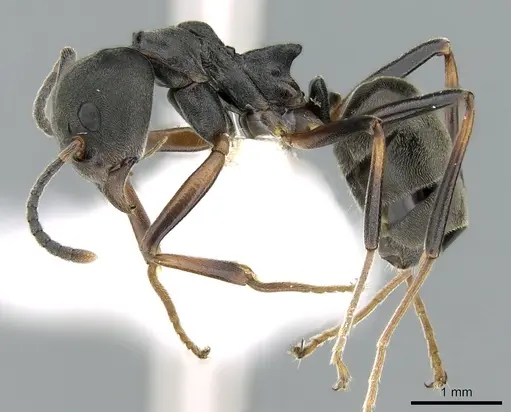
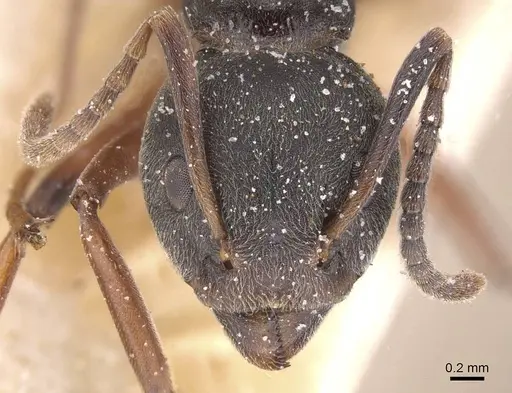
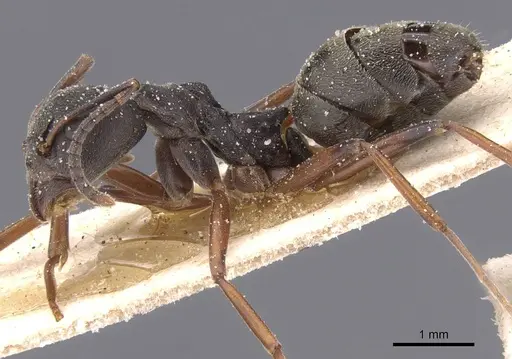
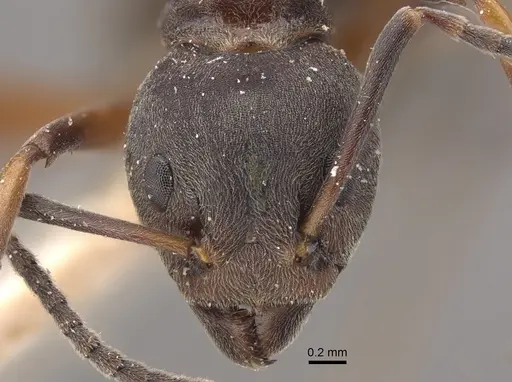
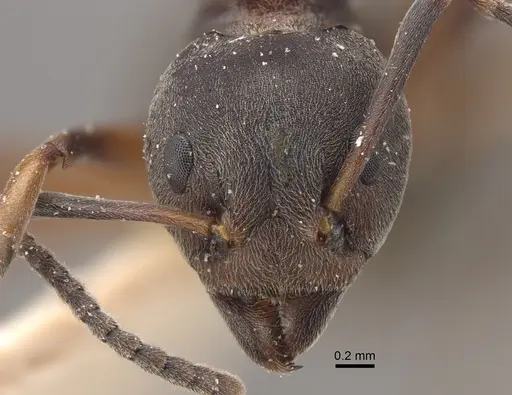
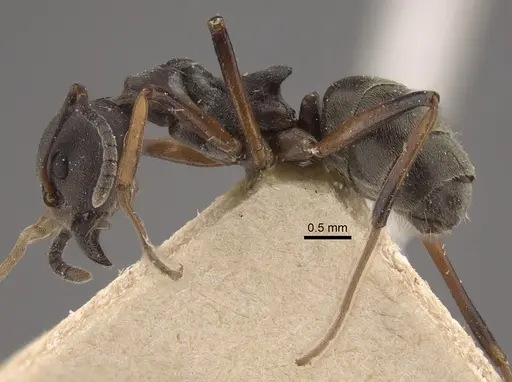
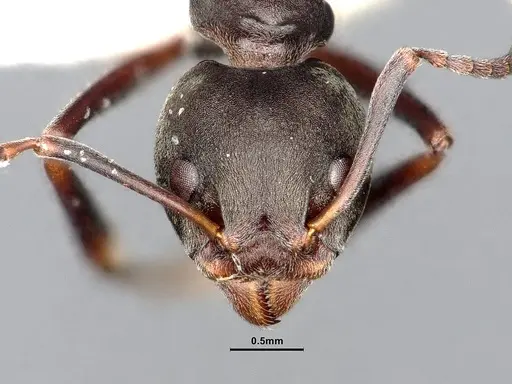
Dolichoderus laotius workers are distinctive within their species group. They measure 5.00-6.67mm in total length, making them medium-sized ants [1]. The most striking morphological feature is the propodeum, the rear portion of the alitrunk, which rises very steeply and high, typically overtopping the mesonotum. The upper corners are expanded into broad, plump processes that clearly overhang the declivitous face [1].
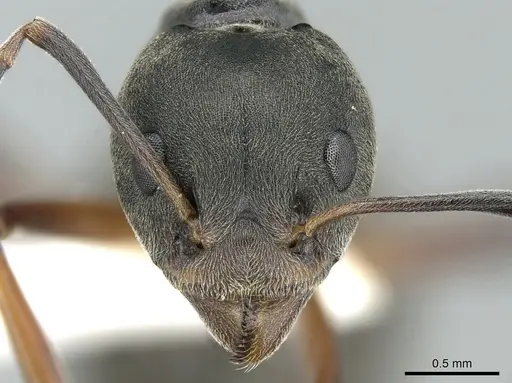
The body is dark brown to black, with the head being slightly longer than wide and featuring dense punctures (tiny pits) giving it a matte appearance. The alitrunk is similarly punctate, while the gaster (the rear portion of the ant) has a lighter greyish pubescence arranged fairly evenly across its surface [1]. These features help distinguish D. laotius from related species like D. erectilobus and D. pastorulus, which have different propodeum shapes.
Housing and Nest Setup
Based on their natural history as tree-trunk foragers in secondary forest, these ants would benefit from an arboreal or semi-arboreal setup. Provide climbing structures such as branches, cork bark, or bamboo sections that allow workers to traverse vertical surfaces. A Y-tong (AAC) nest with narrow chambers works well, or you could use a naturalistic setup with wood elements that mimics their natural environment.
Since they are associated with mealybugs, consider including small pieces of wood or bark where mealybugs might be kept if you attempt to establish this partnership. However, this is optional and the ants can likely thrive on a standard diet without their mealybug partners.
Temperature should be maintained at 22-26°C using a heating cable on one side of the nest if room temperature is insufficient. Humidity should be moderate (60-80%) with the nest substrate kept lightly moist. Provide a water tube for drinking and ensure adequate ventilation to prevent mold while maintaining humidity. [2][4]
Feeding and Diet
As herdsmen ants, Dolichoderus laotius likely has a mixed diet similar to other Dolichoderus species. They probably consume honeydew from their mealybug partners in the wild, along with small insects and other protein sources. In captivity, offer sugar water or honey water as a substitute for honeydew, along with small protein sources like fruit flies, small crickets, or mealworm pieces.
Feed protein sources 2-3 times per week, and provide a constant sugar source. Remove uneaten prey after 24-48 hours to prevent mold. While the mealybug partnership is interesting, do not rely on establishing this relationship, it is uncertain whether captive mealybugs will be accepted. [1]
Challenges and Considerations
This species presents several challenges for antkeepers. First, the queen has never been documented in scientific literature [1], meaning wild-caught colonies may be the only option, and colony founding in captivity has not been studied. Second, as a habitat specialist restricted to secondary forest [4], they may be sensitive to environmental conditions and may not adapt well to overly artificial setups.
Additionally, much about their colony development remains unknown, we don't know maximum colony size, growth rate, or exact development timeline. This makes it difficult to provide precise care guidelines. Start with standard Dolichoderus care and adjust based on your colony's behavior. If workers cluster near heat, increase temperature slightly, if they avoid heated areas, reduce temperature.
Finally, being endemic to a limited region, these ants may have specific requirements that differ from more common tropical ant species. Observe your colony closely and document their preferences.
Frequently Asked Questions
How long does it take for Dolichoderus laotius to produce first workers?
The exact egg-to-worker timeline is unknown for this species. Based on typical Dolichoderus development at tropical temperatures (22-26°C), estimate 6-10 weeks from egg to first worker. However, this is an educated guess rather than documented data.
What do Dolichoderus laotius ants eat?
They likely have a mixed diet: sugar sources (honeydew from mealybugs in the wild, sugar water or honey in captivity) and small protein (insects like fruit flies, small crickets, mealworms). Feed protein 2-3 times weekly and provide constant sugar water.
Can I keep multiple Dolichoderus laotius queens together?
This has not been documented. The colony structure is unconfirmed since the queen has never been described. Based on related Dolichoderus species, they likely form single-queen colonies. Do not combine unrelated queens without documented evidence that this species accepts pleometrosis.
What temperature do Dolichoderus laotius ants need?
Keep them at 22-26°C. As a tropical Southeast Asian species from Laos/Thailand/Yunnan, they prefer warm conditions. A temperature gradient allows workers to regulate their body temperature.
Are Dolichoderus laotius good for beginners?
This species is not ideal for beginners. Key challenges include: queen not documented (making colony establishment difficult), unknown colony structure, habitat specialist requirements, and limited availability. More common ant species are better choices for those new to antkeeping.
Do Dolichoderus laotius need hibernation?
Unlikely. As a tropical species from Southeast Asia, they probably do not require true hibernation. Activity may slow during cooler months, but a full diapause is not necessary.
What is the maximum colony size for Dolichoderus laotius?
Unknown, no colony size data exists in scientific literature. Related Dolichoderus species typically reach several hundred to a few thousand workers, but this is an estimate only.
Why are my Dolichoderus laotius dying?
Potential causes include: temperature too low (below 22°C) or too high (above 28°C), humidity extremes (too dry or waterlogged nest), poor ventilation causing mold, or stress from inadequate nesting space. As a habitat specialist, they may be sensitive to artificial conditions. Review your setup against their secondary forest habitat preferences.
When should I move Dolichoderus laotius to a formicarium?
Move them when the test tube colony reaches 20-30 workers and shows signs of outgrowing the tube (workers clustering on cotton, condensation issues). Provide a formicarium with climbing structures and maintain similar temperature and humidity conditions during the transition.
References

This caresheet is licensed under CC BY-SA 4.0 .
CASENT0906208
View on AntWeb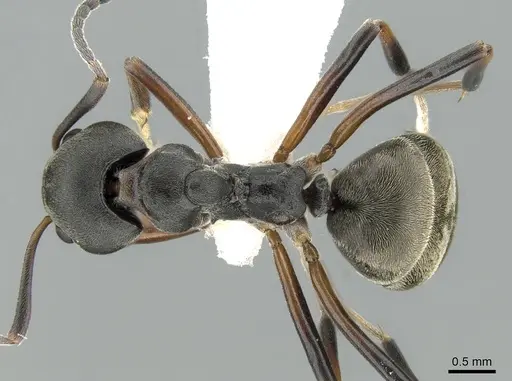
CASENT0911507
View on AntWeb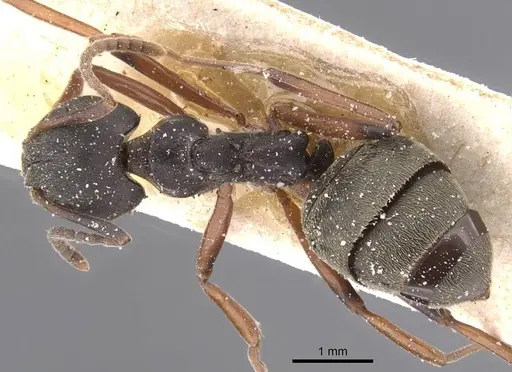
CASENT0917845
View on AntWeb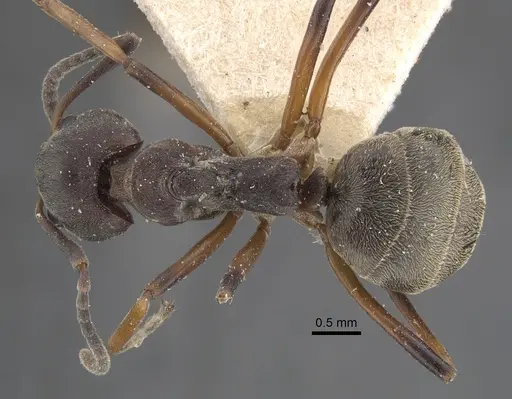
SMFHYM0008897
View on AntWeb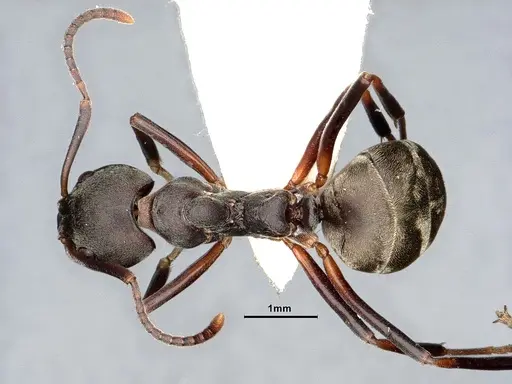
Literature
Loading...Loading products...