

Dolichoderus lamellosus
- Scientific Name
- Dolichoderus lamellosus
- Tribe
- Dolichoderini
- Subfamily
- Dolichoderinae
- Author
- Mayr, 1870
- Distribution
- Found in 10 countries
Dolichoderus lamellosus Overview
Dolichoderus lamellosus is an ant species of the genus Dolichoderus. It is primarily documented in 10 countries , including Brazil, Colombia, Costa Rica. Detailed taxonomic data and occurrence records can be further explored via authoritative databases such as AntWeb or the Global Biodiversity Information Facility (GBIF).
Dolichoderus lamellosus
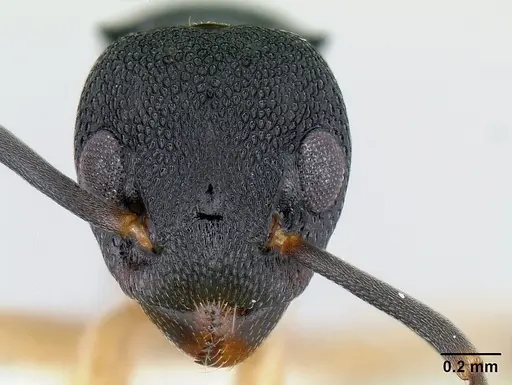
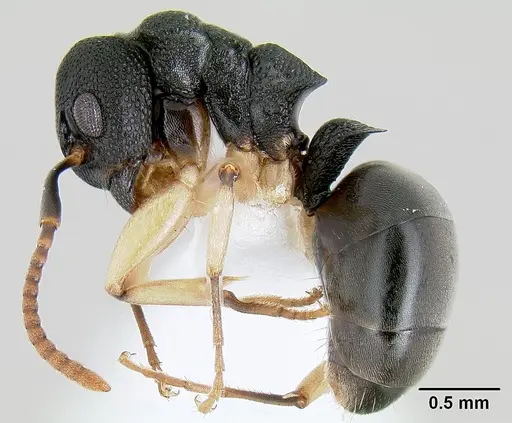
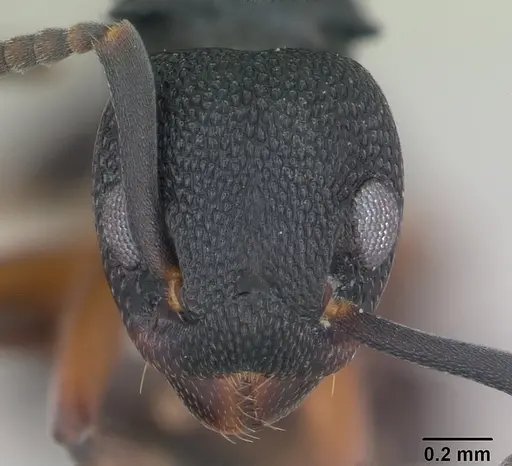
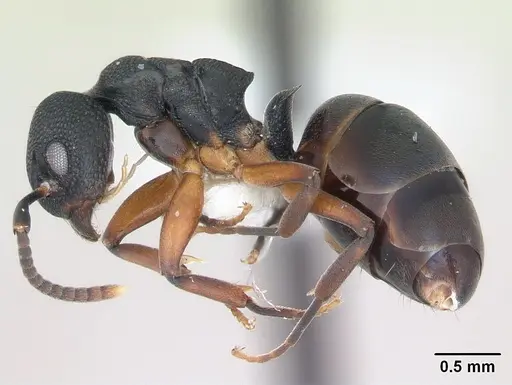
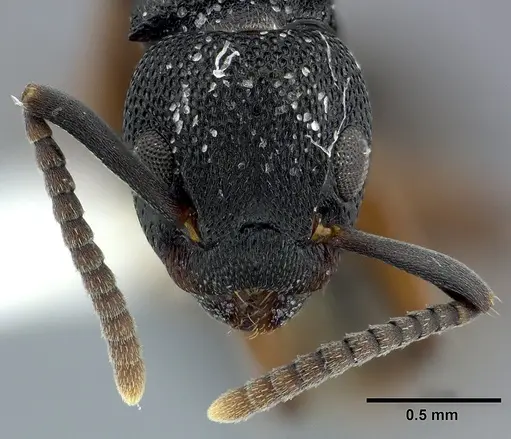
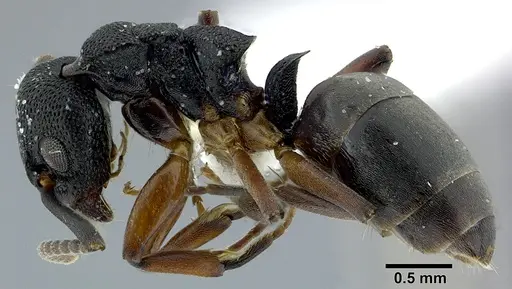
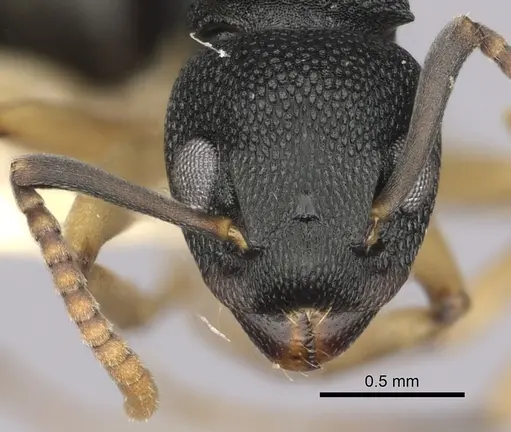
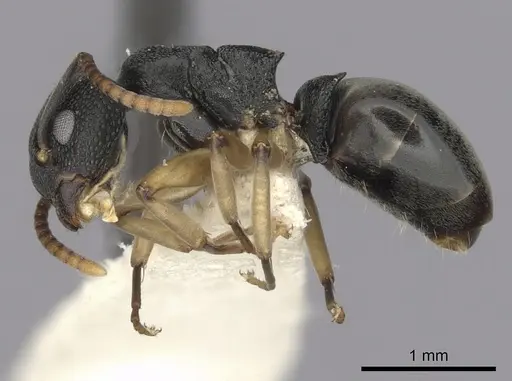
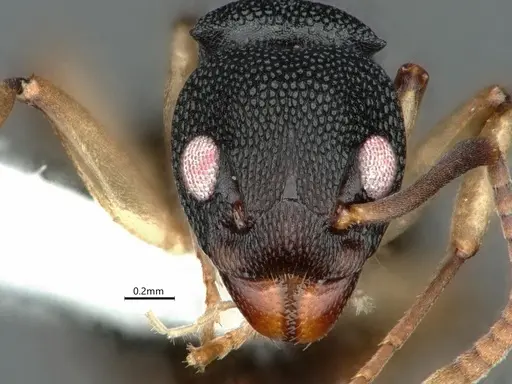
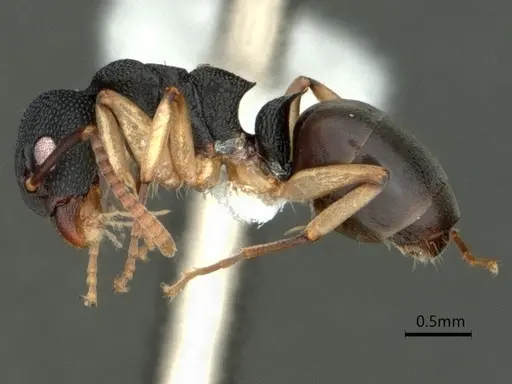
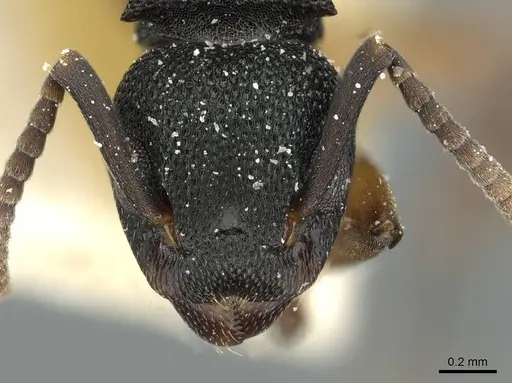
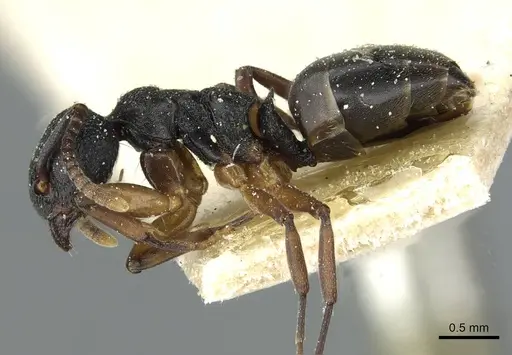
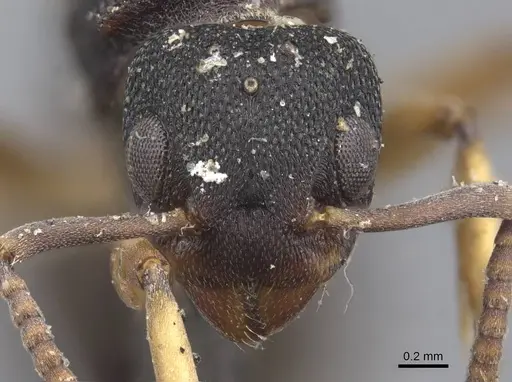
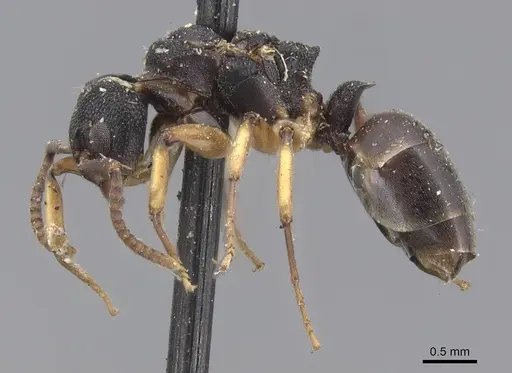
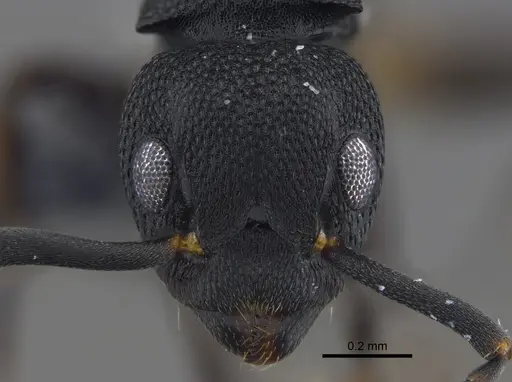
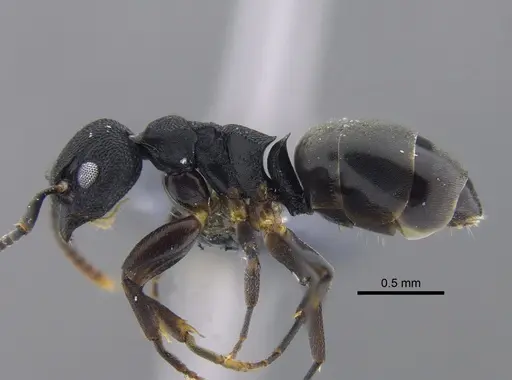
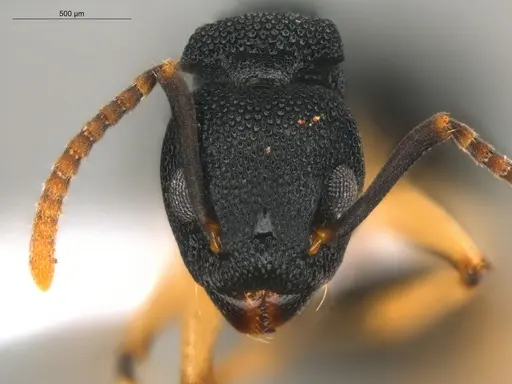
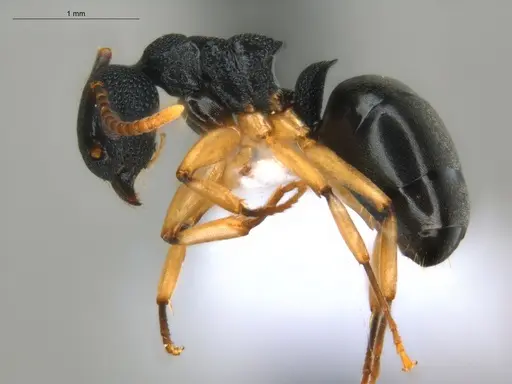
Dolichoderus lamellosus is a small Neotropical ant species native to Central and South America, ranging from Honduras down to Argentina. Workers are mostly black with orange legs and have a distinctive wide mesonotum (the middle body section). They are nearly hairless, which is unusual among ants. Queens measure around 4.6mm, making them a smaller species [1]. These ants are arboreal, meaning they live in trees, they nest in and under bark, in hollow stems, and sometimes in bromeliads or abandoned insect cocoons, typically at heights between 0.5 to 25 meters [2].
What makes D. lamellosus unusual is their colony structure and behavior. Colonies are small, typically under 80 workers, and appear to have only one queen. Workers are primarily active at night and move rapidly, but they are not aggressive when disturbed. Instead of fighting, they focus on rescuing their brood. Unlike many dolichoderine ants, they do not produce a defensive odor. They are most commonly found near water in riparian areas and are often associated with another species, Dolichoderus bispinosus [2].
Quick Summary
- Difficulty: Medium
- Origin & Habitat: Neotropical region, found from Honduras to Argentina, including Costa Rica, Colombia, Brazil, Ecuador, and the Amazon basin. They live in tropical forest canopies, nesting in tree bark and hollow stems, often near water sources like rivers and wetlands [2][3].
- Colony Type: Monogyne (single-queen colonies). Colonies are small, typically under 80 workers [2]. Queens are non-claustral, meaning they cannot found colonies alone, they must invade existing nests of other social insects [4][5].
- Colony: Monogyne
- Queen: Socially parasitic, Temporary parasitic
- Size & Growth:
- Queen: 4.6mm [1]
- Worker: Small (exact measurements not documented in available literature)
- Colony: Up to 80 workers [2]
- Growth: Slow, small colony size indicates slow development
- Development: Unknown, no direct development data available for this species (Based on their non-claustral founding strategy and small colony size, expect development to be slower than typical claustral ants. Related Dolichoderus species suggest 6-10 weeks at tropical temperatures, but this is an estimate.)
- Antkeeping:
- Temperature: Keep at 24-28°C. These are tropical ants that naturally live in warm, humid forest environments. A slight gradient allowing cooler areas around 22°C is beneficial. Room temperature in most homes may be too cool, consider a heating cable on one side of the nest [2].
- Humidity: High humidity is essential, aim for 70-85%. They naturally live in rainforest canopies and near water. Keep the nest substrate consistently moist but not waterlogged. Mist occasionally and provide a water tube for drinking. The substrate should feel damp to the touch.
- Diapause: No, these are tropical ants that do not hibernate. Maintain warm temperatures year-round. Do not expose them to temperatures below 20°C for extended periods.
- Nesting: Arboreal species need vertical space. They prefer nests with narrow chambers and multiple exits, mimicking tree bark cavities. Y-tong (AAC) nests or plaster formicariums work well. Provide materials like cork bark or small twigs for them to build carton structures. They may construct fine carton nests similar to their natural behavior [2].
- Behavior: Workers are fast-moving and primarily nocturnal. They are not aggressive and will flee rather than fight when disturbed. They do not produce the typical dolichoderine odor (which smells like vinegar). Escape risk is moderate, they are small but not extremely tiny. Use standard barrier methods like fluon on test tube rims. They are arboreal so they will explore vertically more than horizontally. Queens are attracted to lights, which may indicate nuptial flight timing [2].
- Common Issues: non-claustral queens require a host colony, this is the biggest challenge for keepers, as finding an appropriate host species is difficult, small colony size means slow growth and less resilience to mistakes, high humidity requirements can lead to mold if ventilation is poor, no documented captive breeding success means this species is extremely difficult to establish in captivity, tropical temperature requirements mean room temperature is often too cool
Colony Founding and Reproduction
This is perhaps the most critical aspect of D. lamellosus biology for keepers to understand. Unlike most ant species where the queen seals herself in a chamber and raises her first workers alone (claustral founding), D. lamellosus queens are non-claustral. They cannot found colonies independently. Instead, they must invade the nests of other social insects, likely other ant species or potentially social wasps or bees, to establish their colony [4][5]. This makes captive breeding extremely difficult, as you would need to provide both the parasitic queen and an appropriate host colony. Queens are attracted to lights, which suggests nuptial flights occur at night. The small colony size (max 80 workers) indicates colonies remain modest throughout their life [2].
Housing and Nest Setup
As an arboreal species, D. lamellosus needs a setup that mimics their natural tree-dwelling habitat. They naturally nest in and under bark, in hollow stems, and in carton structures they build themselves. For captivity, a Y-tong (AAC) nest or plaster formicarium works well. Provide narrow chambers (around 3-5mm wide) scaled to their small size. Add small pieces of cork bark, twigs, or similar materials they can use for nesting. They prefer multiple chambers connected by small tunnels. Because they are arboreal, they will use vertical space more than ground-nesting species. Ensure the nest has adequate ventilation to prevent mold while maintaining high humidity [2].
Feeding and Diet
In the wild, these ants are foragers that likely feed on honeydew from aphids and scale insects, plus small insects they catch. They are primarily nocturnal foragers, so offer food in the evening or at night. Provide a constant source of sugar water or honey diluted with water. For protein, offer small insects like fruit flies, pinhead crickets, or mealworm pieces. Because their colonies are small, feed sparingly, a small drop of sugar water every few days and a tiny piece of protein once or twice a week is sufficient. Remove uneaten food within 24 hours to prevent mold. Their small colony size means they cannot consume large quantities of food [2].
Temperature and Seasonal Care
D. lamellosus is a strict tropical species. Keep the nest area at 24-28°C with a slight gradient allowing workers to self-regulate. Room temperature in most homes (around 20-22°C) may be too cool, consider using a heating cable on one side of the nest to achieve optimal temperatures. They do not undergo diapause or hibernation. Maintain warm temperatures year-round. Avoid any exposure to temperatures below 20°C, as this could be fatal. High humidity (70-85%) is equally important, these ants naturally live in humid rainforest canopies near water. A water tube for drinking is essential, and occasional misting helps maintain humidity [2].
Behavior and Colony Dynamics
Workers are fast-moving and primarily nocturnal, though they may show some activity during dim daylight hours. When disturbed, they do not become aggressive or attack. Instead, they focus on rescuing their brood, they will carry their larvae and pupae to safety rather than fighting. This is unusual and makes them a docile species to handle. They do not produce the typical dolichoderine defensive odor (which many ants in this subfamily produce, often described as vinegar-like). Colonies remain small, typically under 80 workers, which is quite modest compared to many ant species. The small colony size combined with their parasitic founding strategy means these ants are challenging to keep long-term [2].
Frequently Asked Questions
Can I keep Dolichoderus lamellosus in a test tube?
A test tube can work for a small colony as a founding setup, but they are arboreal and prefer vertical space. For long-term housing, a Y-tong nest or plaster formicarium with narrow chambers and vertical climbing space is better. If using a test tube, ensure high humidity and add small twigs or bark pieces for them to nest around.
How long does it take for Dolichoderus lamellosus to produce first workers?
The exact development timeline is unconfirmed for this species. However, since they are non-claustral (requiring a host colony to found), the typical founding process does not apply. If you obtain an established colony, expect slow growth given their small maximum colony size of around 80 workers.
Can I keep multiple queens together?
No. This species is monogyne, colonies have a single queen. Multiple unrelated queens would likely fight. Even if you could introduce multiple queens to an existing colony, there is no documented evidence that polygynous (multi-queen) colonies occur in this species.
Are Dolichoderus lamellosus good for beginners?
No. This species is not recommended for beginners. The biggest challenge is that queens are non-claustral social parasites, they cannot found colonies alone and require a host colony. There are no documented captive breeding successes, and the small colony size makes them fragile. They also have specific high humidity and temperature requirements.
What do Dolichoderus lamellosus eat?
They are omnivorous. Offer sugar water or honey as a constant energy source. For protein, provide small insects like fruit flies, tiny crickets, or mealworm pieces. Feed in the evening since they are primarily nocturnal foragers. Remove uneaten food within 24 hours.
Do Dolichoderus lamellosus need hibernation?
No. These are tropical ants that do not hibernate or undergo diapause. Keep them warm year-round at 24-28°C. Do not expose them to temperatures below 20°C.
Why are my Dolichoderus lamellosus dying?
The most likely issues are: temperature too low (they need 24-28°C), humidity too low (they need 70-85%), or improper founding (non-claustral queens cannot establish without a host). Also check for mold, which thrives in humid conditions without adequate ventilation. Small colonies are fragile and can decline quickly if conditions are not optimal.
How big do Dolichoderus lamellosus colonies get?
Small, maximum around 80 workers. This is unusually small for ant colonies and indicates slow growth and a modest colony size throughout their life. This is one of the challenges of keeping this species, there is little buffer if the colony experiences losses.
References

This caresheet is licensed under CC BY-SA 4.0 .
CASENT0106159
View on AntWeb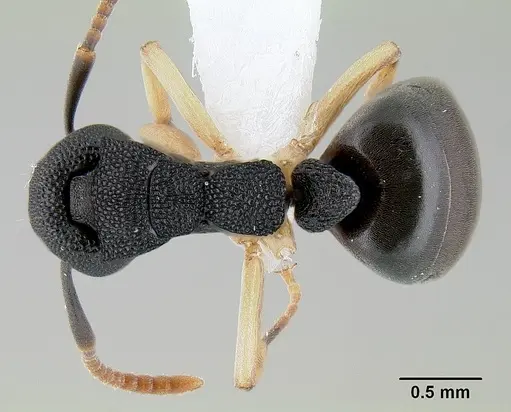
CASENT0173838
View on AntWeb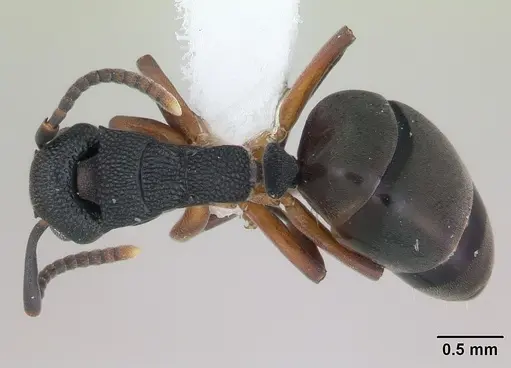
CASENT0246570
View on AntWeb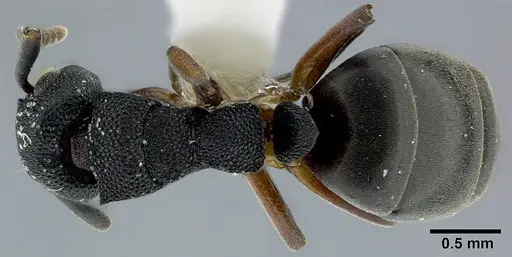
CASENT0249654
View on AntWeb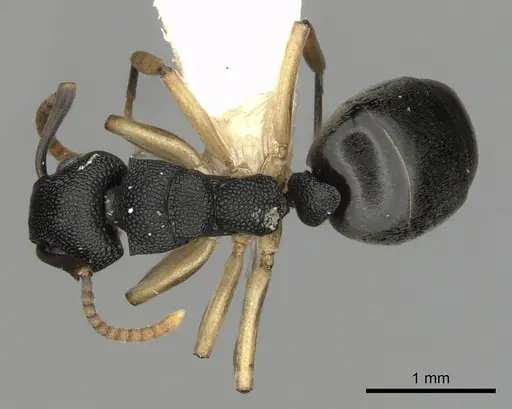
CASENT0866536
View on AntWeb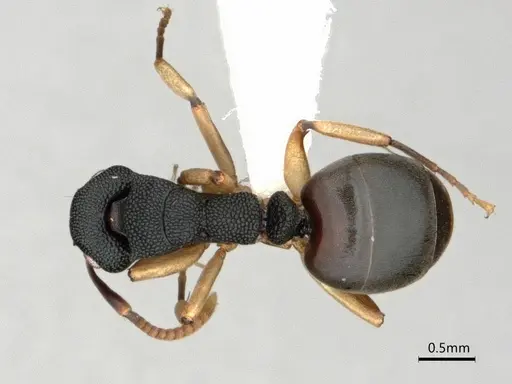
CASENT0911517
View on AntWeb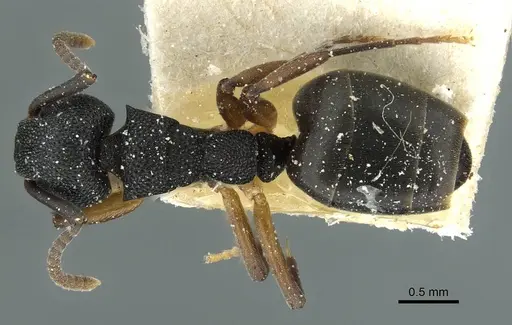
CASENT0915566
View on AntWeb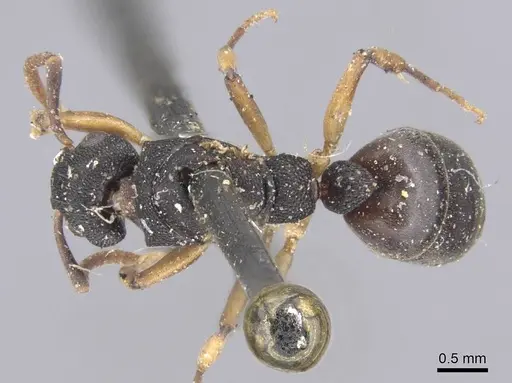
CBUMAGENT41848
View on AntWeb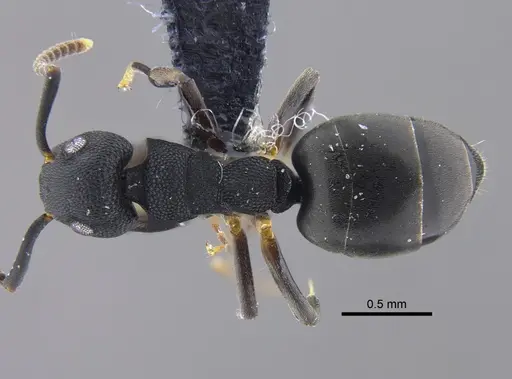
ECOFOG-HC-0083-01
View on AntWeb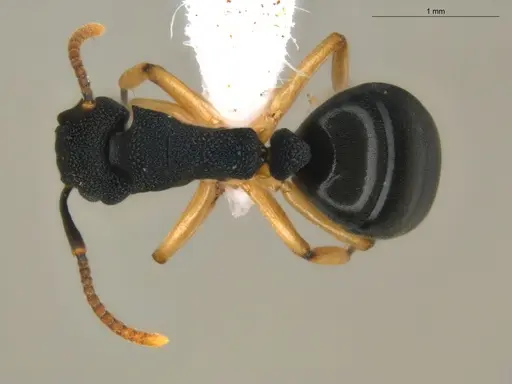
Literature
Loading...Loading products...