
Dolichoderus bispinosus shows a February to November flight window. Peak activity occurs in October and November, with nuptial flights distributed across 3 months.
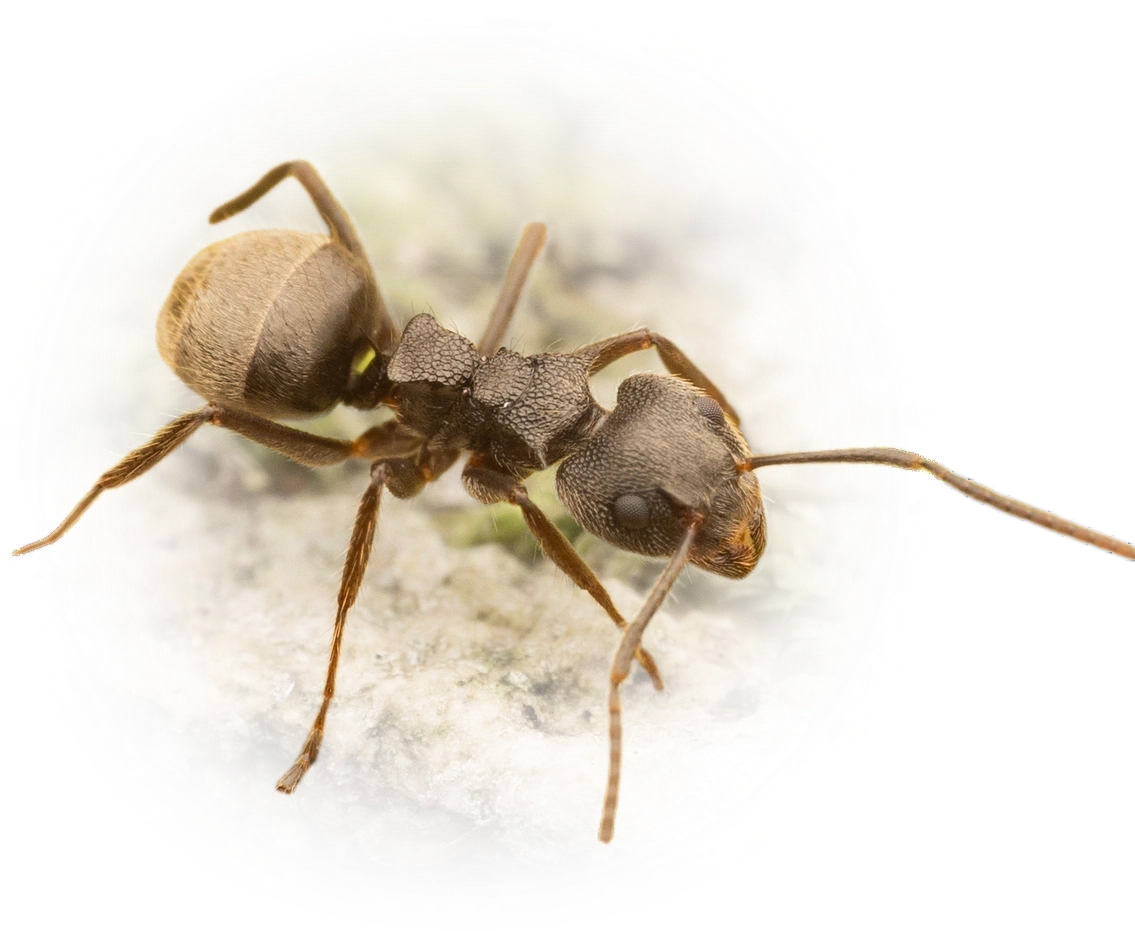
Dolichoderus bispinosus
- Scientific Name
- Dolichoderus bispinosus
- Tribe
- Dolichoderini
- Subfamily
- Dolichoderinae
- Author
- Olivier, 1792
- Distribution
- Found in 12 countries
- Nuptial Flight
- from February to November, peaking in October
AI Identifiable
try →
Dolichoderus bispinosus Overview
Dolichoderus bispinosus is an ant species of the genus Dolichoderus. It is primarily documented in 12 countries , including Brazil, Belize, Colombia. Detailed taxonomic data and occurrence records can be further explored via authoritative databases such as AntWeb or the Global Biodiversity Information Facility (GBIF).
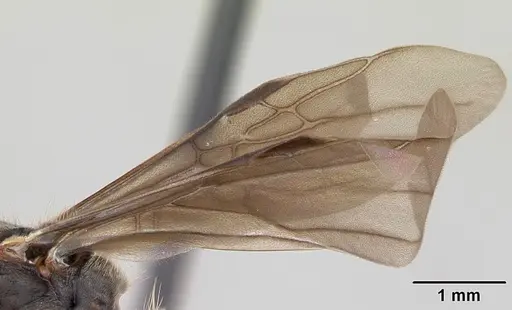
The nuptial flight of Dolichoderus bispinosus is a significant biological event, typically occurring from February to November, peaking in October. During this time, winged queens and males leave the nest to mate and establish new colonies.
Dolichoderus bispinosus
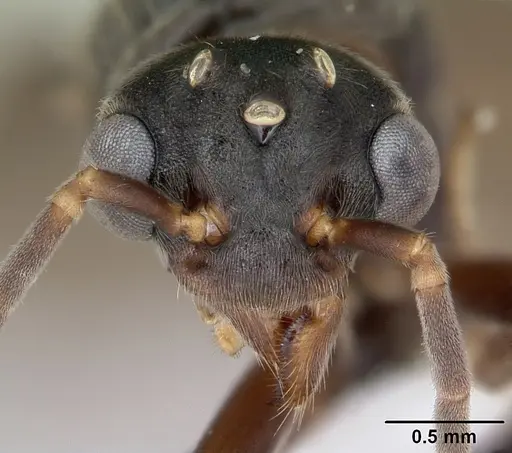
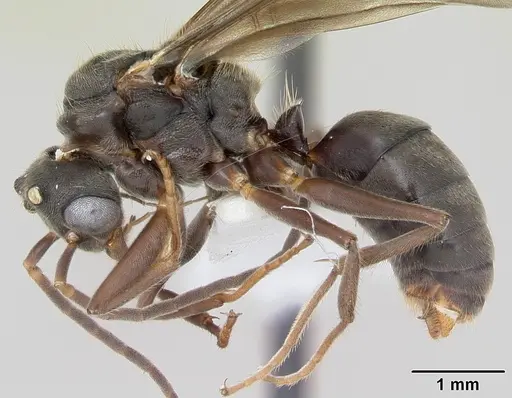
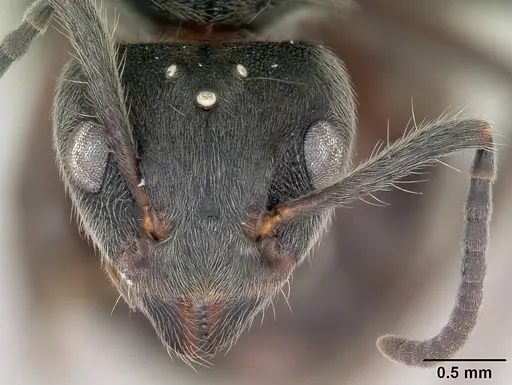
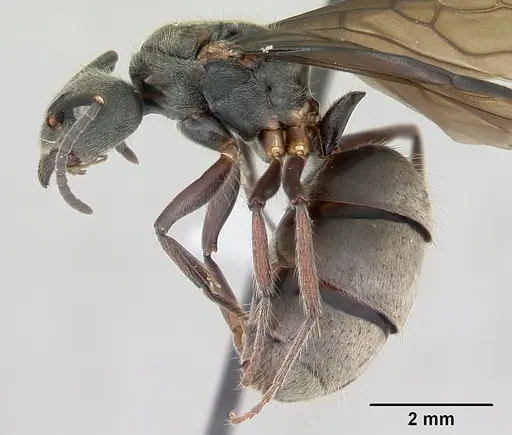
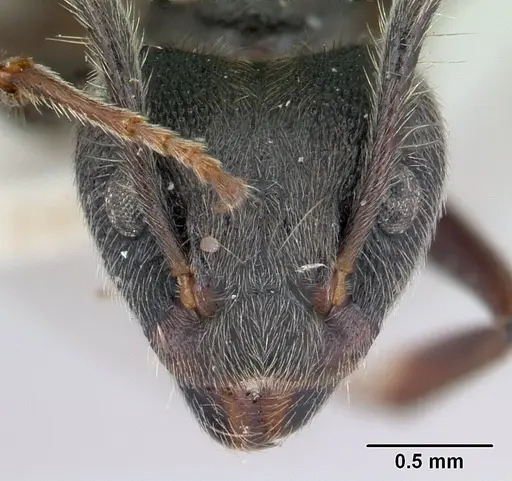
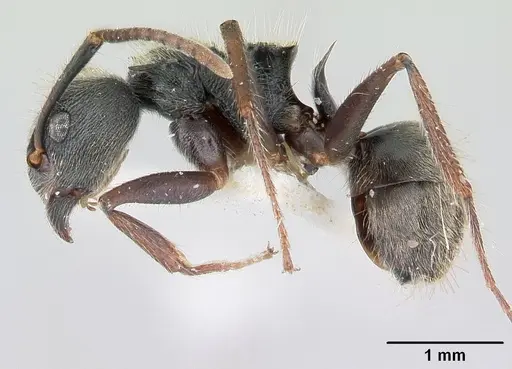
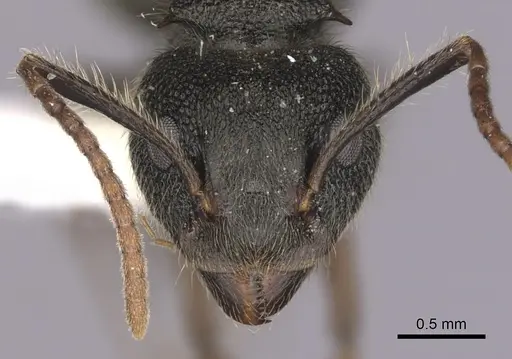
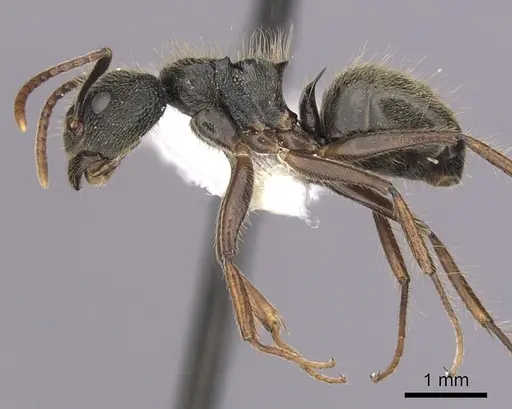
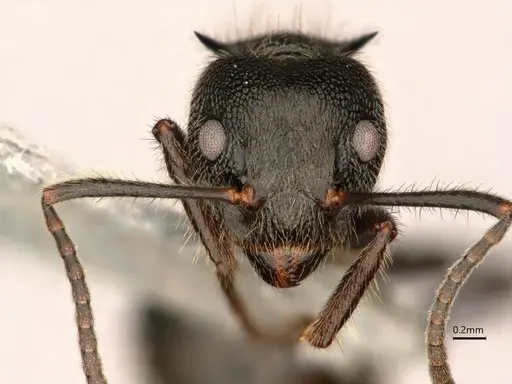
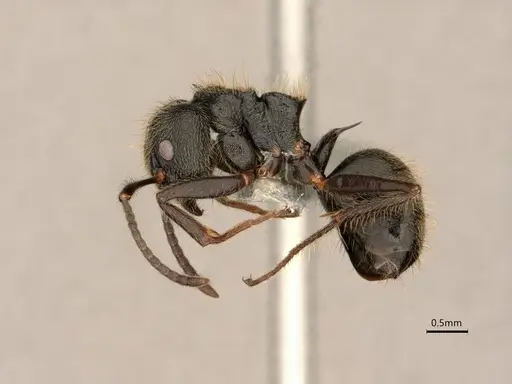
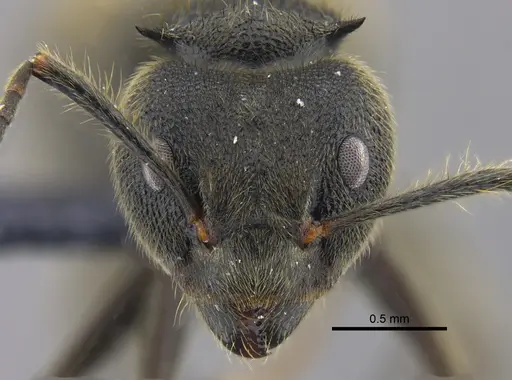
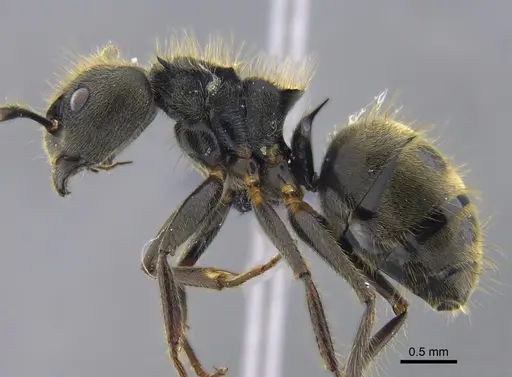
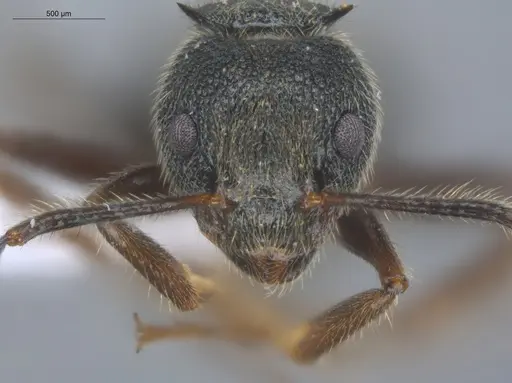
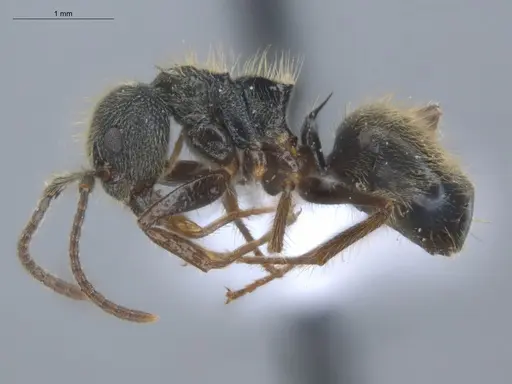
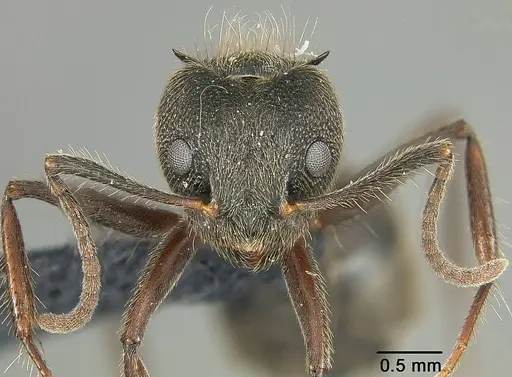
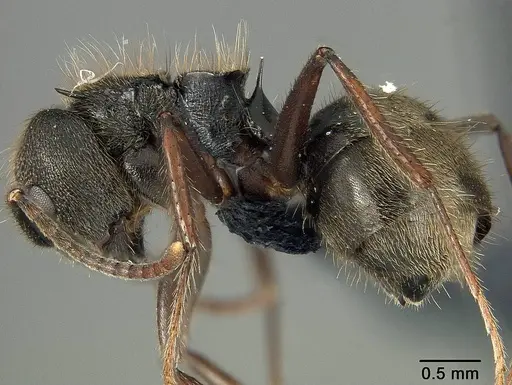
Dolichoderus bispinosus is a large, aggressive arboreal ant native to the Neotropics, ranging from Mexico down to Argentina. Workers measure 4.4-6.5mm and are solid black with distinctive pronotal spines and a spine on the petiole [1]. This species forms massive colonies with thousands of workers and multiple queens, making them one of the most common and widespread ants in the genus [2]. They are easily recognized by their aggressive defense of resources, willingness to run onto hands and bite, and a strong chemical odor similar to Tapinoma when disturbed [2].
What makes D. bispinosus particularly interesting is their ecological flexibility, they nest in tree cavities, hollow logs, carton termite nests, bromeliads, and even orchids, and they are fierce competitors in ant mosaics, often co-dominating canopy resources with other aggressive species [3]. They tend honeydew-producing insects and are effective predators, especially of termites [2].
Quick Summary
- Difficulty: Medium
- Origin & Habitat: Native to the Neotropical region from Mexico to Argentina, found in diverse habitats including disturbed areas (coffee and cacao plantations), second growth forest, and virgin rainforests up to 2100m elevation [2][4]. They are arboreal nesters, typically found in cavities in trees, hollow logs, or carton structures [2].
- Colony Type: Polygynous (multiple queens) and polydomous (multiple connected nests). A mature colony contains thousands of workers and sexuals. New colonies form through fission, a portion of the colony splits off to establish a new nest [2].
- Colony: Polygyne
- Founding: Claustral
- Size & Growth:
- Queen: Queens are very similar to workers, differing mainly in having smaller spines [5]. Estimated 6-7mm based on worker size range.
- Worker: 4.4-6.5mm [1]
- Colony: Thousands of workers, mature colonies are very populous [2]
- Growth: Moderate, based on claustral founding and tropical distribution
- Development: 6-8 weeks (estimated based on tropical Dolichoderine patterns and claustral founding) (Direct development data unavailable, claustral queens seal themselves in and raise first brood alone [6][7])
- Antkeeping:
- Temperature: Keep at 24-28°C. This is a tropical species with CTmax around 46°C [8]. They tolerate warm conditions well but avoid temperatures below 20°C.
- Humidity: Moderate to high, being arboreal, they prefer humid conditions but not saturated. Provide a water tube and keep the nest moderately moist.
- Diapause: No, as a tropical species, they do not require hibernation. Maintain consistent warm temperatures year-round.
- Nesting: Arboreal species, they do best in vertical or elevated setups that mimic their natural tree-nesting behavior. Y-tong nests, acrylic nests with multiple chambers, or naturalistic setups with wood pieces work well. They prefer enclosed dark spaces.
- Behavior: Extremely aggressive and pugnacious, workers will quickly run onto your hand and bite when the nest is disturbed [2]. They produce a strong chemical odor as defense. They are very fond of carbohydrate resources and will cluster around sugar sources. Workers are diurnal and very active foragers. Escape prevention is important, while not tiny, they are agile and determined. They are known to dominate resources and exclude other ant species [9].
- Common Issues: colonies can become extremely large, be prepared for rapid growth and need adequate space, aggressive behavior means they will bite readily, handle with care and use protective equipment when servicing the nest, strong odor production can be unpleasant in enclosed spaces, ensure good ventilation, polygynous colonies may have multiple egg-laying queens, splitting colonies is more complex than single-queen species, tropical species is sensitive to cold, keep well above room temperature in temperate climates
Nuptial Flight Activity Analysis 97 observations
Flight Activity by Hour 97 observations
Dolichoderus bispinosus nuptial flight activity peaks around 11:00 during the late morning to early afternoon. Activity is spread across a 19-hour window (05:00–23:00). A secondary activity peak occurs around 13:00. Times may be influenced by human observation patterns.
Housing and Nest Setup
Dolichoderus bispinosus is an arboreal species that nests in cavities in trees and elevated locations. In captivity, they do best in setups that provide vertical space and dark nesting chambers. Y-tong (AAC) nests or acrylic formicariums with multiple connected chambers work well. Because they form large colonies, plan for expandability from the start. Provide a water tube for humidity and ensure the outworld is escape-proof, these ants are agile and will exploit any gap. A foraging area with some vertical elements (branches, cork bark) mimics their natural canopy foraging. They accept a wide range of nest materials but prefer enclosed dark spaces over open designs. [4][2]
Feeding and Diet
These ants are opportunistic feeders with a strong preference for carbohydrates. They readily accept sugar water, honey, and nectar. They also tend honeydew-producing insects (scale insects, aphids, membracids) in captivity, you can provide artificial honeydew or small amounts of sugar water. For protein, they are effective predators in the wild, especially of termites, so offer small insects like fruit flies, small crickets, or mealworm pieces. Feed protein 2-3 times per week and keep a constant sugar source available. They are enthusiastic foragers and will quickly recruit to food sources. [1][2]
Temperature and Climate
As a tropical species from the Neotropics, D. bispinosus requires warm conditions. Maintain temperatures between 24-28°C for optimal colony activity and development. They can tolerate temperatures up to about 46°C before showing heat stress (curling up behavior) [8]. In cooler climates, use a heating cable or mat on one side of the nest to create a gradient. Avoid temperatures below 20°C as this can slow or stop colony development. No hibernation or winter rest is required, they remain active year-round at warm temperatures.
Colony Structure and Behavior
This species is polygynous, meaning colonies contain multiple reproductive queens. They are also polydomous, the colony spreads across multiple connected nests rather than a single central nest. In the wild, new colonies form through fission where a group of workers and queens split off to establish a new nest site. This means your colony can grow very large very quickly, mature colonies have thousands of workers [2]. The queens are similar in appearance to workers, differing mainly in having smaller spines [5]. When the colony is disturbed, workers produce a strong, distinctive odor and will aggressively defend by biting.
Handling and Temperament
Be prepared for aggression, these ants are extremely pugnacious and will not hesitate to bite when threatened. Workers quickly run toward disturbances and onto hands. They have both biting mandibles and chemical defenses. When working with this species, use caution: move slowly, have proper tools ready, and consider wearing gloves. The strong odor they produce is a characteristic shared with other Dolichoderine ants like Azteca and Tapinoma. Despite their aggression, they are fascinating to watch as they dominate resources and interact with other species in the outworld. [2]
Frequently Asked Questions
How long does it take for Dolichoderus bispinosus to produce first workers?
Based on claustral founding behavior, expect 6-8 weeks from egg to first worker at optimal temperatures (24-28°C). Queens seal themselves in and raise the first brood alone using stored fat reserves.
Can I keep multiple Dolichoderus bispinosus queens together?
Yes, this species is naturally polygynous, meaning colonies have multiple queens. Unlike many species where multiple queens will fight, D. bispinosus colonies function with several egg-laying queens. However, introducing unrelated queens to an established colony may still result in aggression.
What do Dolichoderus bispinosus eat?
They have a varied diet: carbohydrates (sugar water, honey, nectar/honeydew) and protein (small insects like fruit flies, crickets, termites). They are particularly fond of sugar sources and will readily tend to honeydew-producing insects.
Are Dolichoderus bispinosus good for beginners?
Medium difficulty, while they are hardy and adaptable, their large colony size, aggressive biting, and need for warm tropical conditions make them better suited for keepers with some experience. Their polygynous nature also makes colony splitting more complex.
How big do Dolichoderus bispinosus colonies get?
Very large, mature colonies contain thousands of workers. They are one of the most populous ant species in the Neotropics. Be prepared for significant space requirements as the colony matures.
Do Dolichoderus bispinosus need hibernation?
No, as a tropical species, they do not require hibernation. Maintain warm temperatures (24-28°C) year-round. Cold temperatures below 20°C can slow or stop colony development.
What temperature is ideal for Dolichoderus bispinosus?
Keep them at 24-28°C. They are tolerant of warm conditions up to about 46°C. Use a heating cable on one side of the nest to create a temperature gradient if your room temperature is below this range.
Why do my Dolichoderus bispinosus smell bad?
This is normal, they produce a strong, distinctive odor as a chemical defense when disturbed. This is characteristic of Dolichoderine ants. The odor is similar to Tapinoma species. Good ventilation helps manage the smell.
When should I move Dolichoderus bispinosus to a formicarium?
Start them in a test tube setup for founding. Once the colony reaches 30-50 workers and you see significant activity in the outworld, you can transition to a formicarium. Given their arboreal nature and large colony size, choose a spacious setup early.
Why is my Dolichoderus bispinosus colony declining?
Check temperature (should be 24-28°C), humidity, and food availability. Also watch for fungal infections, they can be parasitized by Ophiocordyceps fungi in the wild [10]. Ensure good ventilation while maintaining humidity. Cold stress and poor nutrition are the most common causes of colony decline in this species.
References

This caresheet is licensed under CC BY-SA 4.0 .
CASENT0173833
View on AntWeb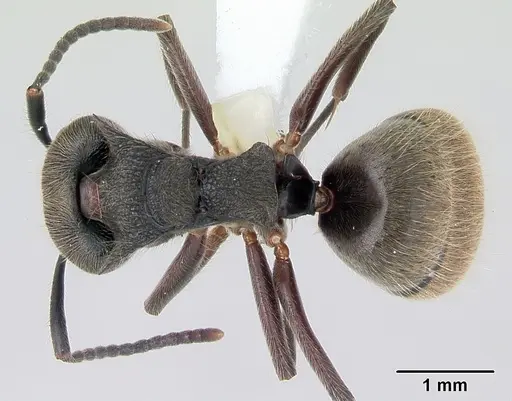
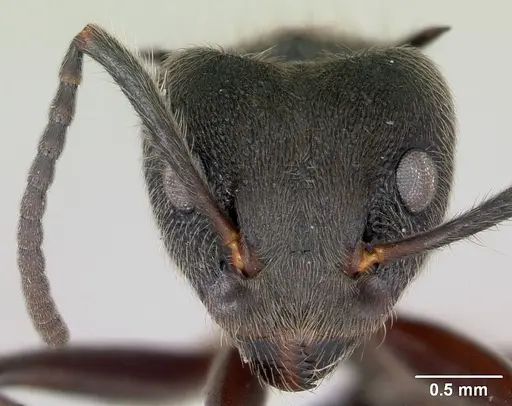
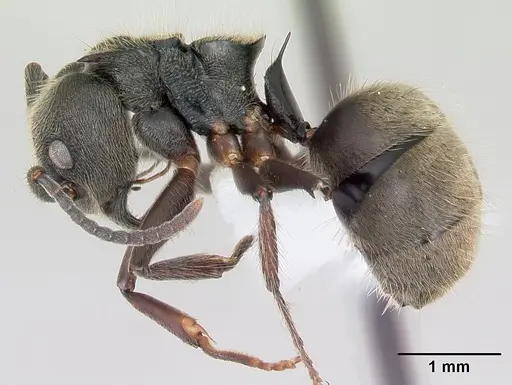
CASENT0173834
View on AntWeb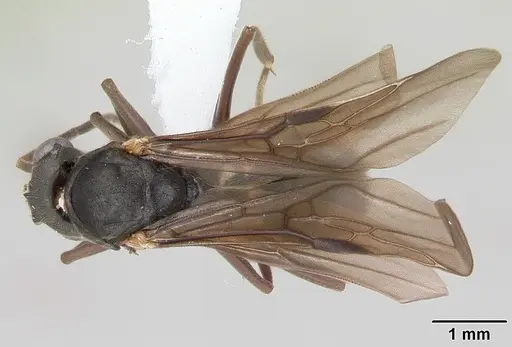
CASENT0173835
View on AntWeb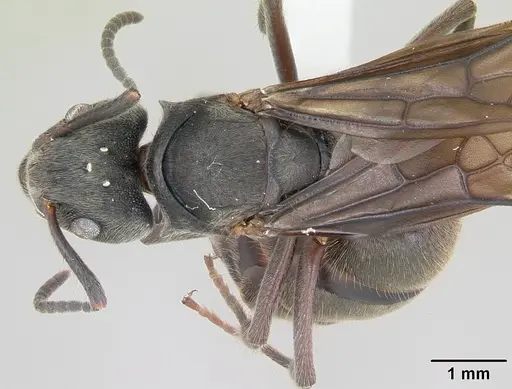
CASENT0178724
View on AntWeb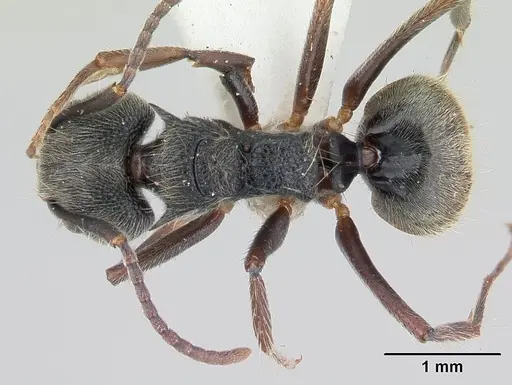
CASENT0191025
View on AntWeb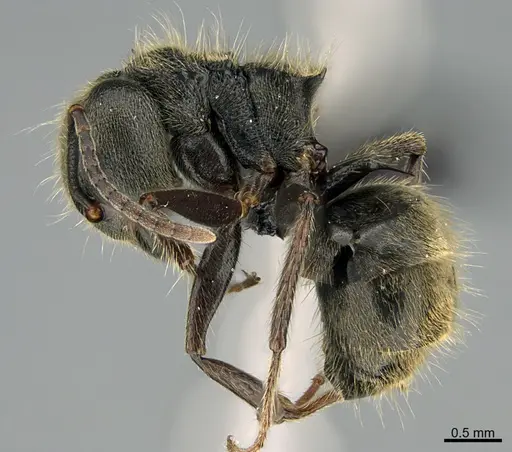
CASENT0249647
View on AntWeb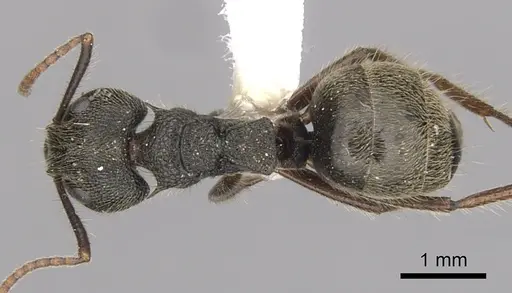
CASENT0866515
View on AntWeb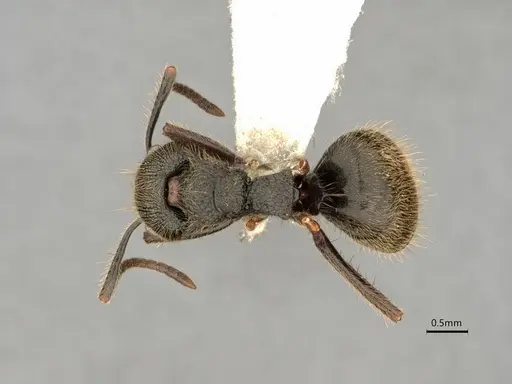
CBUMAGENT41844
View on AntWeb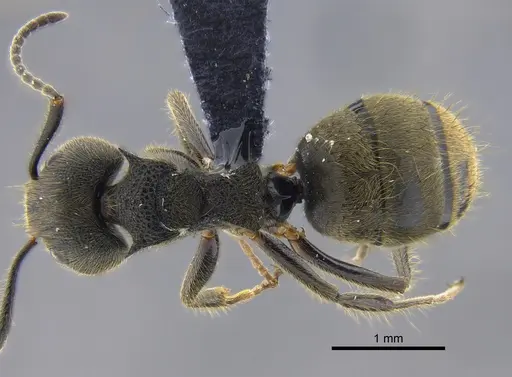
ECOFOG-IT14-1004-20
View on AntWeb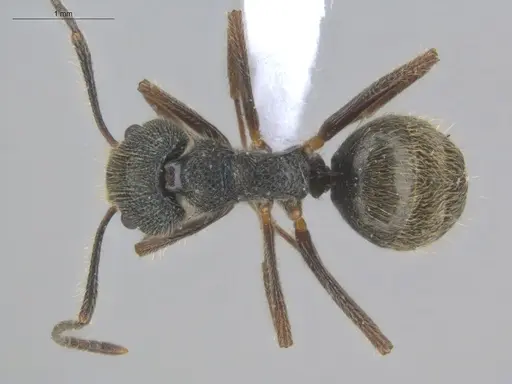
USNMENT01124239
View on AntWeb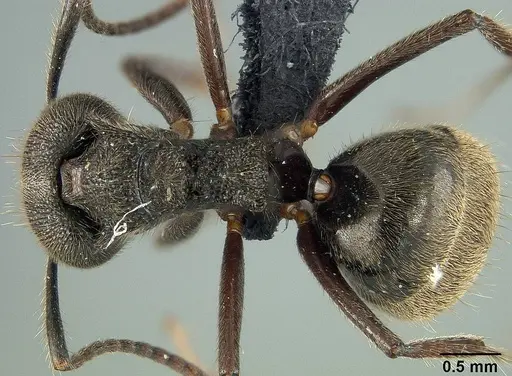
Literature
Loading...Loading products...