

Dolichoderus kinabaluensis
- Scientific Name
- Dolichoderus kinabaluensis
- Tribe
- Dolichoderini
- Subfamily
- Dolichoderinae
- Author
- Dill, 2002
- Distribution
- Found in 2 countries
Dolichoderus kinabaluensis Overview
Dolichoderus kinabaluensis is an ant species of the genus Dolichoderus. It is primarily documented in 2 countries , including Indonesia, Malaysia. Detailed taxonomic data and occurrence records can be further explored via authoritative databases such as AntWeb or the Global Biodiversity Information Facility (GBIF).
Dolichoderus kinabaluensis
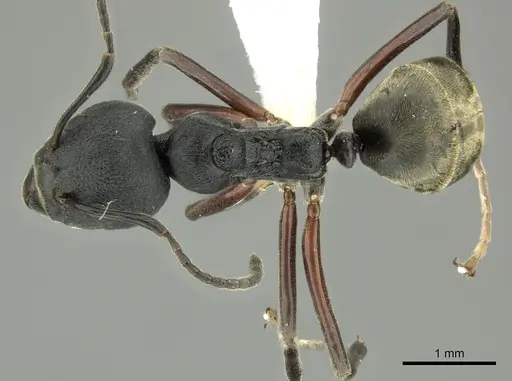
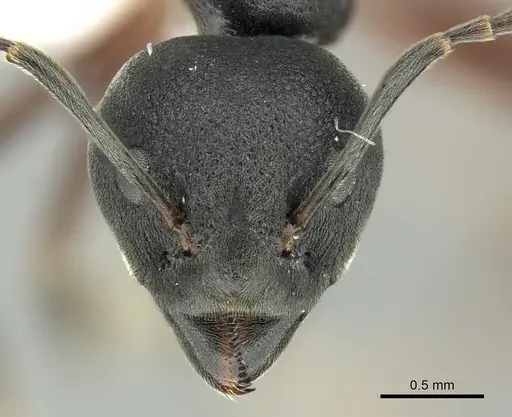
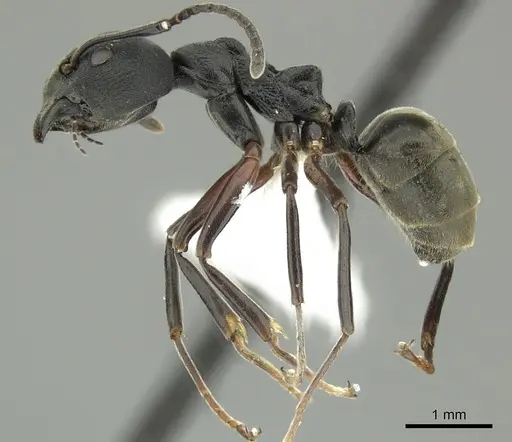
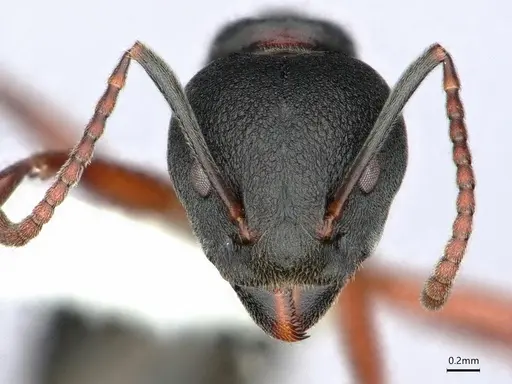
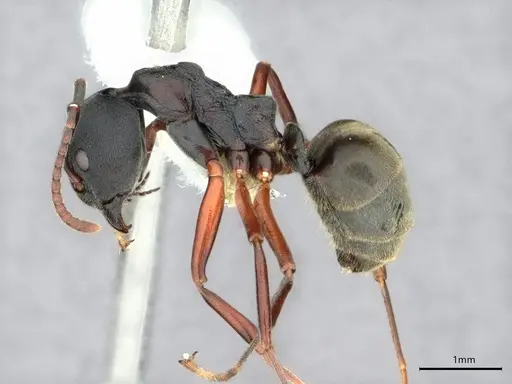
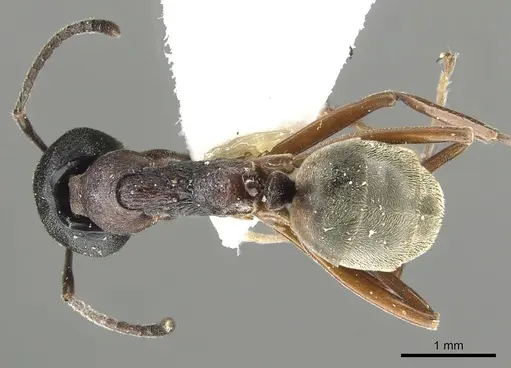
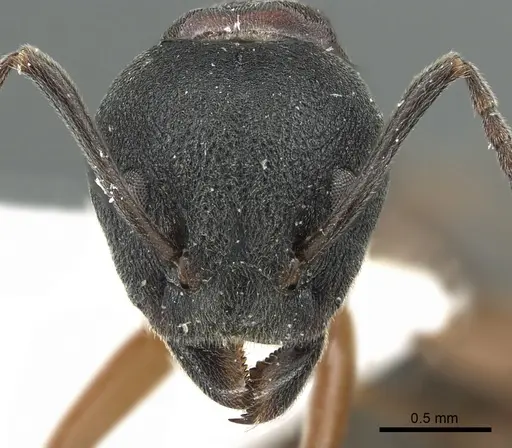
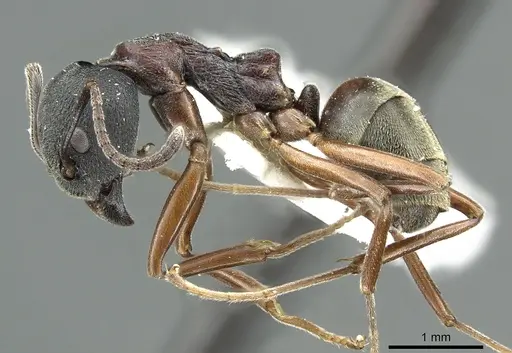
Dolichoderus kinabaluensis is a small to medium-sized ant belonging to the Dolichoderus cuspidatus species group, commonly known as 'herdsmen ants.' Workers measure 4.28-5.80 mm and feature a distinctive appearance with black to reddish-brown coloring, very dense golden-yellowish pubescence covering the body, and a rounded propodeum (the section between the thorax and abdomen). The gaster shows pubescence arranged in circular 'cowlicks' that can appear as golden stripes depending on light angle. This species is endemic to the mountains of Borneo, found at elevations between 860 and 2,300 meters in Sabah and East Sarawak [1].
As a herdsmen ant, D. kinabaluensis has a fascinating symbiotic relationship with mealybugs of the species Bolbococcus oresbius. The ants protect these sap-sucking insects and 'milk' them for honeydew, a sugar-rich excretion. The queen is unusual, she is ergatoid (wingless) and becomes strongly physogastric, meaning her abdomen swells dramatically with eggs to support very large colonies [1]. This is one of the more specialized Dolichoderus species available in the antkeeping hobby.
Quick Summary
- Difficulty: Medium
- Origin & Habitat: Montane Borneo (860-2,300m elevation) in Sabah and East Sarawak. Nests in subterranean cavities underground [1].
- Colony Type: Ergatoid queen (wingless, reproduces in nest), very large colonies documented [1]. Colony structure details unconfirmed.
- Size & Growth:
- Queen: 10.06 mm (ergatoid queen) [1]
- Worker: 4.28-5.80 mm [1]
- Colony: Very large colonies, exact numbers unconfirmed but among the largest for the genus [1]
- Growth: Moderate, estimated based on related Dolichoderus species
- Development: Estimated 6-10 weeks at optimal temperature based on genus-level data for Dolichoderinae (Development timeline not directly studied for this species. Estimates based on related herdsmen ants in the genus.)
- Antkeeping:
- Temperature: Montane species, keep cooler than typical tropical ants. Aim for 20-24°C with a gentle gradient. Avoid overheating. Room temperature (22-24°C) is likely suitable for most of the year.
- Humidity: Subterranean nester, requires consistently moist nest substrate. Keep the nest area damp but not waterlogged. Provide a water tube for drinking access.
- Diapause: Likely required, montane species from tropical Borneo may experience cooler periods at high altitude. Consider a light cool period (2-3 months at 15-18°C) during winter months if colony shows reduced activity.
- Nesting: Subterranean nester, prefers deep, dark spaces. Y-tong (AAC) nests or plaster nests with deep chambers work well. Provide soil or other substrate they can tunnel through. Avoid bright lighting on the nest.
- Behavior: Herdsmen ants are generally calm and not aggressive toward keepers. They are slow-moving compared to many ants and rely on their symbiotic mealybugs rather than active hunting. Workers forage for honeydew and may tend mealybugs in the outworld. They have a chemical defense but no functional stinger. Escape risk is moderate, workers are 4-6mm so standard barriers work well, but they can climb smooth surfaces. They are not strong climbers like some Dolichoderus species.
- Common Issues: mealybug dependency, colonies may struggle without access to honeydew or sugar sources, temperature sensitivity, montane origin means they can overheat easily in warm rooms, slow colony growth, large colony size takes time, beginners may lose patience, humidity management, too dry causes desiccation, too wet causes mold, queen replacement, ergatoid queen cannot found colonies alone, you need an established colony
Housing and Nest Setup
Dolichoderus kinabaluensis is a subterranean nester that prefers dark, humid spaces deep in the nest. Y-tong (AAC) nests work well because they provide the darkness and humidity control these ants need. Plaster or earth nests are also suitable, you can provide a layer of moist soil or sand that allows the ants to create their own chambers. The key is keeping the nest area consistently humid but not waterlogged.
Because they are herdsmen ants, include some space in the outworld where you can keep mealybugs (their symbiotic partners) or at least provide sugar sources. A test tube setup works for founding colonies, but established colonies need more space. The outworld should have a water tube for drinking, these ants do not rely on water from food like some species.
Lighting should be minimized on the nest area. These are dark-nesting ants that thrive with indirect or low light. You can use a red film over observation lights if you need to watch them. [1]
Feeding and Diet
As herdsmen ants, Dolichoderus kinabaluensis has a specialized diet centered around honeydew from mealybugs. In captivity, you can replicate this in several ways. The most authentic approach is to keep mealybugs (like the species Bolbococcus oresbius they associate with in the wild, or common aquarium/succulent mealybugs) in the outworld. The ants will tend these insects and harvest their honeydew.
Alternatively, provide sugar water, honey, or diluted maple syrup as a constant food source. Change these every few days to prevent mold. For protein, offer small insects like fruit flies, small crickets, or mealworms, though they are not active hunters like some ants.
Feed sugar sources constantly (replace every 2-3 days) and protein 1-2 times per week. Remove uneaten prey after 24 hours. The key insight is that these ants evolved to rely on honeydew, they may ignore protein initially if sugar sources are available. [1]
Temperature and Seasonal Care
Being a montane species from high-altitude Borneo, D. kinabaluensis prefers cooler temperatures than typical tropical ants. Keep the nest between 20-24°C, this is roughly room temperature for most homes. Avoid placing the nest near heat sources or in direct sunlight, as they can overheat easily.
The mountain habitat suggests they experience seasonal temperature variations. During winter or cooler months, you may notice reduced activity. Consider providing a light cool period (2-3 months at 15-18°C) if the colony becomes less active, though this may not be strictly necessary in room-temperature housing.
Monitor your colony, if workers cluster together and show reduced foraging, the temperature may be too low. If they avoid the nest area and cluster near the edges, they may be too warm. A small heating cable on one side of the nest can create a gradient if needed, but never heat the entire nest. [1]
Understanding the Ergatoid Queen
One of the most unusual aspects of D. kinabaluensis is the queen, she is ergatoid, meaning she is wingless and was born without wings. This is different from most ant species where new queens grow wings for their nuptial flight and then shed them after mating. Ergatoid queens never fly.
The queen also becomes strongly physogastric, her abdomen swells dramatically with eggs to support large colony growth. This adaptation allows her to produce enormous numbers of offspring, which explains the 'very large colonies' this species forms.
For antkeepers, this means you cannot start a colony from a single queen like you would with most species. Ergatoid queens cannot found colonies alone, they need workers to help raise the first brood. You must purchase an established colony with workers. When the colony grows, the physogastric queen will be obvious, she will look like her abdomen is filled with eggs, which she literally is. [1]
Behavior and Colony Dynamics
Dolichoderus kinabaluensis is a calm, non-aggressive species. Workers move deliberately and are not prone to biting or stinging. They rely on chemical defenses rather than physical confrontation. This makes them a good choice if you want to observe their interesting behaviors without aggressive escape attempts.
The herdsmen lifestyle means these ants have evolved to 'farm' rather than hunt. Workers will tend mealybugs in the outworld, protecting them and harvesting honeydew. If you keep mealybugs, you can watch this symbiotic relationship unfold, it's quite fascinating to see the ants 'milking' the mealybugs.
Colony growth is steady but not rapid. The ergatoid queen's physogastric condition allows for large eventual colony sizes, but it takes time to reach that point. Expect the first year to focus on establishment, with significant growth in years two and three. [1]
Frequently Asked Questions
How long does it take for Dolichoderus kinabaluensis to produce first workers?
The exact timeline is unconfirmed for this species, but based on related Dolichoderus species, expect 6-10 weeks from egg to worker at optimal temperature (around 22°C). Remember that you cannot start from a queen alone, you need an established colony with workers.
Can I keep multiple Dolichoderus kinabaluensis queens together?
The colony structure (monogyne vs polygyne) is unconfirmed for this species. However, because ergatoid queens cannot found colonies alone and require worker assistance, combining unrelated queens is not recommended. Stick with single-queen colonies for best success.
What do I feed Dolichoderus kinabaluensis?
These are herdsmen ants that rely on honeydew. Provide constant sugar sources (honey, sugar water, maple syrup) and optionally keep mealybugs in the outworld for an authentic diet. Offer small protein sources like fruit flies or tiny crickets occasionally.
Are Dolichoderus kinabaluensis good for beginners?
This species is rated as Medium difficulty. The main challenges are the need for an established colony (you cannot start from a founding queen), their preference for cooler temperatures, and their dependency on sugar/honeydew sources. Experienced antkeepers should have success, complete beginners may find the mealybug dependency challenging.
What temperature do Dolichoderus kinabaluensis need?
Keep them at 20-24°C, room temperature is usually ideal. They are a montane species from high-altitude Borneo and can overheat easily. Avoid temperatures above 26°C and keep them away from direct heat sources or sunlight.
How big do Dolichoderus kinabaluensis colonies get?
This species forms 'very large colonies', likely hundreds to over 1000 workers at maturity. The physogastric queen's massive egg production supports this large colony size. Growth takes time, but established colonies can become impressive.
Do Dolichoderus kinabaluensis need hibernation?
As a montane species from tropical Borneo, they may not need true hibernation, but they do experience cooler periods at high altitude. Consider a light cool period (2-3 months at 15-18°C) during winter if your colony shows reduced activity. This is optional rather than mandatory.
Why is my colony not growing?
Common causes include: temperatures too high or too low, insufficient sugar/honeydew (their primary food), low humidity causing desiccation, or the colony simply needs time, Dolichoderus species are not fast growers. Ensure sugar sources are always available and the nest is humid but not wet.
References

This caresheet is licensed under CC BY-SA 4.0 .
Literature
Loading...Loading products...