

Dolichoderus gibbifer
- Scientific Name
- Dolichoderus gibbifer
- Tribe
- Dolichoderini
- Subfamily
- Dolichoderinae
- Author
- Emery, 1887
- Distribution
- Found in 1 countries
Dolichoderus gibbifer Overview
Dolichoderus gibbifer is an ant species of the genus Dolichoderus. It is primarily documented in 1 countries , including Indonesia. Detailed taxonomic data and occurrence records can be further explored via authoritative databases such as AntWeb or the Global Biodiversity Information Facility (GBIF).
Dolichoderus gibbifer
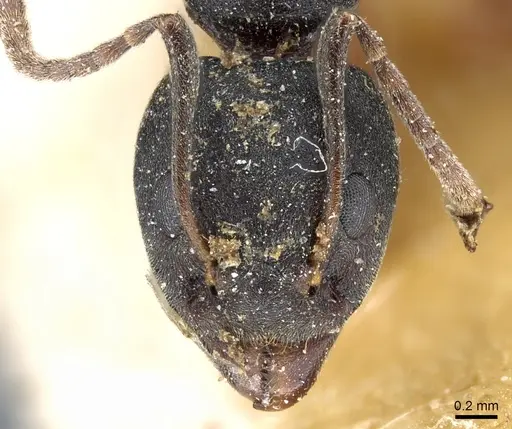
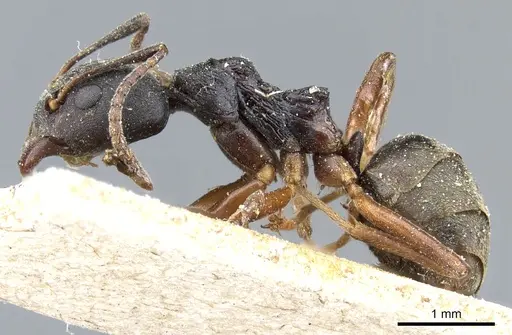
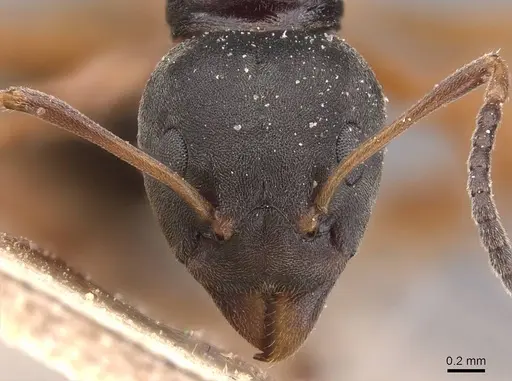
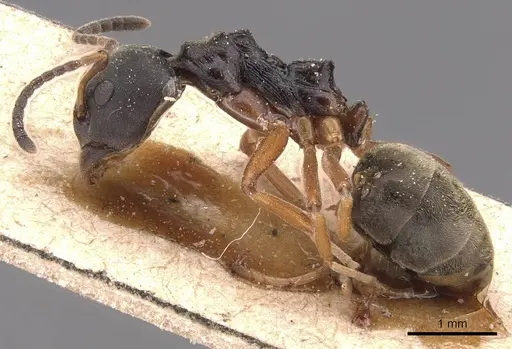
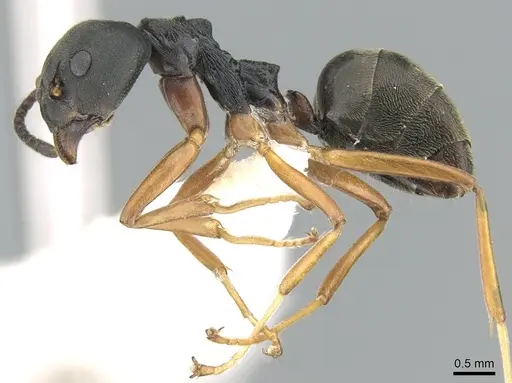
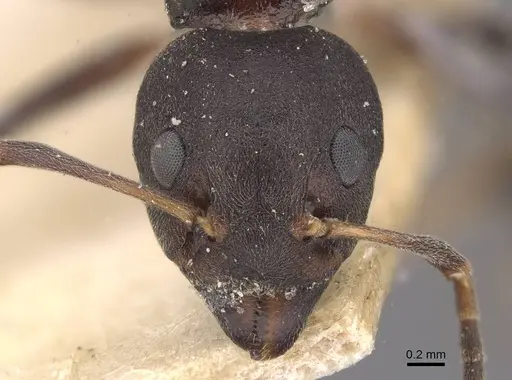
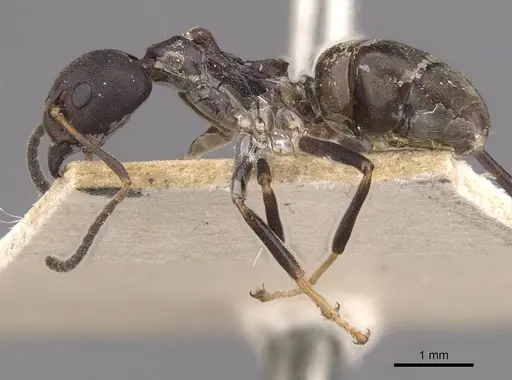
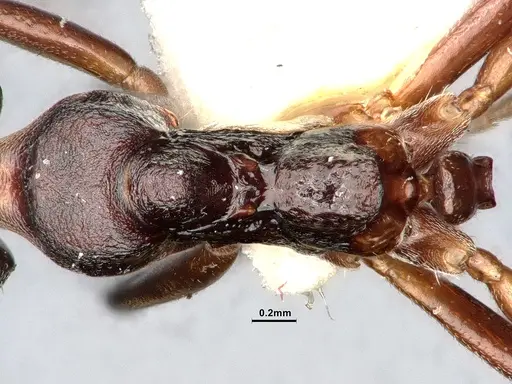
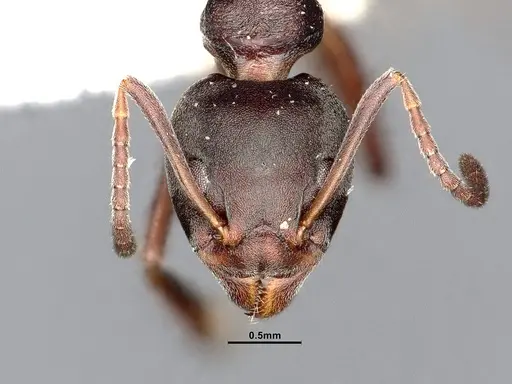
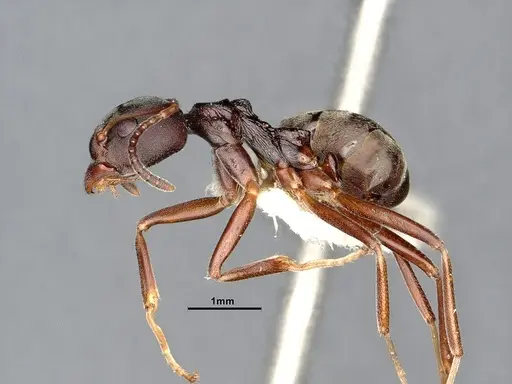
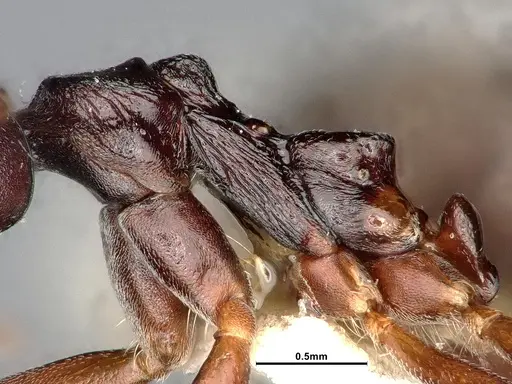
Dolichoderus gibbifer is a medium-sized ant native to the mountain forests of Java, Indonesia, where it lives at altitudes above 900m. Workers measure 4.78-5.74mm with a distinctive hump-shaped mesonotum and dark brown to black coloration. This species belongs to the Dolichoderus cuspidatus group and is famous for its 'herdsmen' lifestyle, it tends and protects mealybugs (Hippeococcus wegneri), which the ants carry around on their bodies in a unique riding behavior. The queen is wingless (ergatoid), which is unusual among ants. These ants nest in ground cavities and are nomadic, moving their nests periodically as they follow their mealybug partners.
Quick Summary
- Difficulty: Expert
- Origin & Habitat: Mountain rainforests of West and East Java, Indonesia at altitudes above 900m [1]. They inhabit evergreen montane forests that are restricted to the higher altitudes of volcano massifs in Java.
- Colony Type: Colonies appear to have a single ergatoid (wingless) queen. The queen is wingless with a large gaster, similar to other Dolichoderus cuspidatus group species [1]. Colonies are relatively small based on the nomadic herding lifestyle.
- Colony: Monogyne
- Size & Growth:
- Queen: Ergatoid queen, exact measurements not fully documented but larger than workers with prominent gaster [1]
- Worker: 4.78-5.74mm total length, head 1.18-1.39mm, alitrunk 1.56-1.97mm [1]
- Colony: Likely small to moderate, nomadic lifestyle suggests colonies do not reach massive sizes [2]
- Growth: Moderate, estimated based on tropical Dolichoderus patterns
- Development: Estimated 6-8 weeks at tropical temperatures based on genus-level data (Development timeline not specifically studied, estimates based on related Dolichoderus species)
- Antkeeping:
- Temperature: Keep at 24-28°C as a starting point. Java mountain forests are warm but not extremely hot, with moderate temperatures. Provide a gentle gradient allowing ants to self-regulate.
- Humidity: High humidity, mountain rainforest conditions. Keep nest substrate consistently moist but not waterlogged. Provide a water tube as a humidity source.
- Diapause: No, this is a tropical species from Java where temperatures remain warm year-round. No hibernation period is required.
- Nesting: Ground-nesting species that excavates cavities. In captivity, a naturalistic setup with moist soil/substrate or a Y-tong/plaster nest works well. They prefer enclosed dark spaces for nesting.
- Behavior: These ants are docile and non-aggressive. They are specialized trophobiont herders, they tend mealybugs and 'milk' them for honeydew. The most remarkable behavior is the riding behavior where mealybugs actually ride on the ants' bodies. They are nomadic and will move their nests to follow their mealybug partners. Workers are moderate foragers but primarily tend their partners. Escape risk is moderate, use standard barrier methods.
- Common Issues: specialized diet requirements, they primarily rely on trophobiont relationships, making them difficult to feed in captivity, nomadic nature may cause stress when confined to small spaces, tropical humidity needs may lead to mold issues if ventilation is poor, obtaining their specific mealybug partner (Hippeococcus wegneri) for a proper symbiotic relationship is extremely difficult, ergatoid queen means colonies may be slower to establish than typical claustral species
Housing and Nest Setup
Dolichoderus gibbifer requires a naturalistic setup that accommodates their ground-nesting and nomadic behavior. A setup with a spacious outworld connected to a nest chamber filled with moist soil or plaster works well. The nest chamber should be dark and enclosed, mimicking their natural ground cavity nesting. Because they are nomadic and follow their mealybug partners, consider providing multiple potential nest sites. Use a water tube for humidity and ensure the substrate stays consistently moist. A layer of leaf litter or decorations in the outworld helps them feel secure. Escape prevention is important, while not extremely small, they can squeeze through small gaps, so use proper barrier methods. [1]
Feeding and Diet
This is the most challenging aspect of keeping D. gibbifer. In nature, they are specialized trophobiont herders that primarily tend mealybugs (Hippeococcus wegneri) and collect the honeydew these insects produce. The mealybugs ride on the ants' bodies, creating a unique symbiotic relationship. In captivity, obtaining their specific mealybug partner is extremely difficult. As an alternative, you can offer sugar water or honey as a honeydew substitute, and occasionally small insects for protein. However, expect this species to be less responsive to standard ant feeds than generalist species. Their specialized diet is a major reason this species is rated as expert difficulty. [1][2]
Temperature and Humidity
As a tropical mountain species from Java, D. gibbifer requires warm and humid conditions. Maintain temperatures in the 24-28°C range with some variation allowed. A heating cable on one side of the nest creates a gradient. For humidity, aim for 70-85% relative humidity, these are mountain rainforest ants that experience consistent moisture. Keep the nest substrate moist but not waterlogged. A water tube connected to the nest helps maintain humidity. Avoid both stagnant air (causes mold) and excessive airflow (causes drying). The key is stability, sudden changes in temperature or humidity can stress these specialized ants. [1]
Behavior and Colony Dynamics
The most fascinating aspect of D. gibbifer is their herdsmen lifestyle. They are one of the few ant species that actively transport and carry their mealybug partners on their bodies, a behavior called 'riding' where the mealybugs cling to the ant's abdomen and are carried to new feeding sites. They are also nomadic, meaning they periodically move their nests to follow their mealybug partners as resources are depleted. This is unusual among ants and requires keeper flexibility. The queen is ergatoid (wingless), which is rare, she cannot fly and likely mates on or near the nest. Colonies are relatively docile and workers are not aggressive, making them safe to handle, but their specialized needs make them challenging to maintain long-term. [1][2]
Acquisition and Legal Considerations
Dolichoderus gibbifer is native to Java, Indonesia and is not commonly available in the antkeeping hobby. If you obtain this species, it will likely be from a specialized breeder or as a wild-caught colony. Always ensure your source is legal and ethical. These ants should never be released in non-native regions, while not considered invasive, releasing tropical species outside their range can cause ecological problems. Check your local regulations regarding ant keeping before acquiring this or any exotic species.
Frequently Asked Questions
How difficult is Dolichoderus gibbifer to keep?
This is an expert-level species. Their primary challenge is diet, they are specialized trophobiont herders that rely on mealybugs for honeydew. Obtaining their specific partner (Hippeococcus wegneri) is extremely difficult, and they may not thrive on standard ant foods. They also require high humidity and warm temperatures typical of tropical mountain forests.
What do Dolichoderus gibbifer ants eat?
In nature, they primarily eat honeydew from mealybugs (Hippeococcus wegneri) that they tend and carry on their bodies. In captivity, offer sugar water or honey as a substitute, plus small insects occasionally for protein. Do not expect them to readily accept standard ant feeds, their diet is highly specialized.
How big do Dolichoderus gibbifer colonies get?
Colony size is likely moderate, probably under 500 workers. This is because their nomadic lifestyle and dependence on mealybug partners limits how large colonies can grow before they need to relocate. The exact maximum colony size has not been documented in scientific literature.
Do Dolichoderus gibbifer need hibernation?
No. This is a tropical species from Java, Indonesia, where temperatures remain warm year-round. No hibernation or winter rest period is required. Keep them at stable warm temperatures throughout the year.
What is unique about Dolichoderus gibbifer?
They are 'herdsmen ants', one of the few ant species that actively tend mealybugs and carry them on their bodies in a unique riding behavior. They are also nomadic, moving their nests to follow their mealybug partners. Additionally, the queen is ergatoid (wingless), which is unusual among ants.
Can I keep multiple queens together?
This has not been documented in scientific literature. Given that the queen is ergatoid and colonies appear to have a single queen, keeping multiple unrelated queens together is not recommended. If you have multiple ergatoid queens, they may fight or stress each other.
What temperature should I keep Dolichoderus gibbifer at?
Keep them at 24-28°C as a starting point. Java mountain forests are warm but not extremely hot. Use a heating cable on one side of the nest to create a gentle gradient, allowing the ants to self-regulate. Avoid temperatures below 22°C or above 30°C.
How long does it take for the first workers to hatch?
The exact development timeline has not been specifically studied for this species. Based on related Dolichoderus species, expect approximately 6-8 weeks from egg to worker at optimal tropical temperatures (around 26°C).
What type of nest should I use?
A naturalistic setup with a moist soil chamber or a Y-tong/plaster nest works well. They are ground-nesting ants that prefer dark, enclosed spaces. The nest substrate should be kept consistently moist. Because they are nomadic, providing multiple potential nest sites may help reduce stress.
References

This caresheet is licensed under CC BY-SA 4.0 .
CASENT0905016
View on AntWeb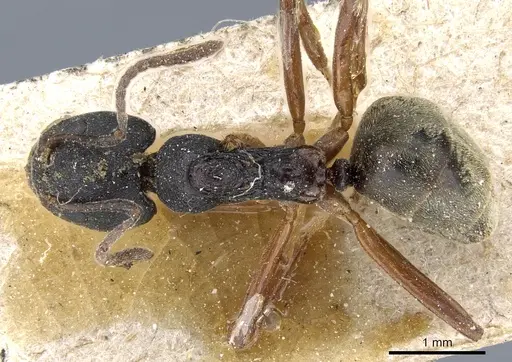
CASENT0905787
View on AntWeb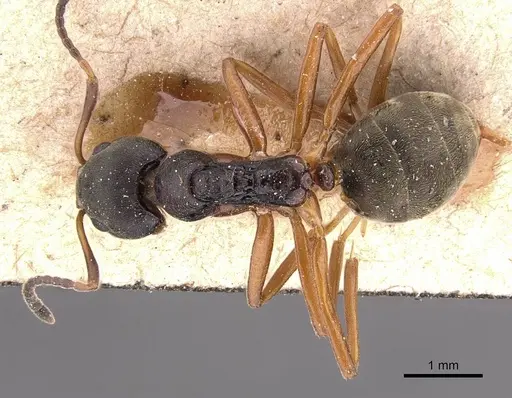
CASENT0906206
View on AntWeb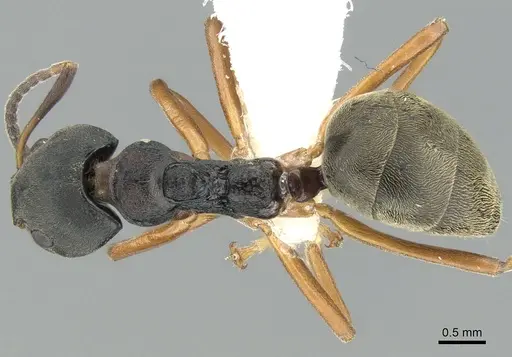
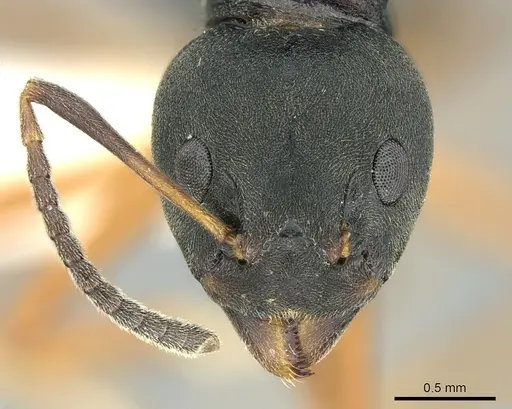
CASENT0909482
View on AntWeb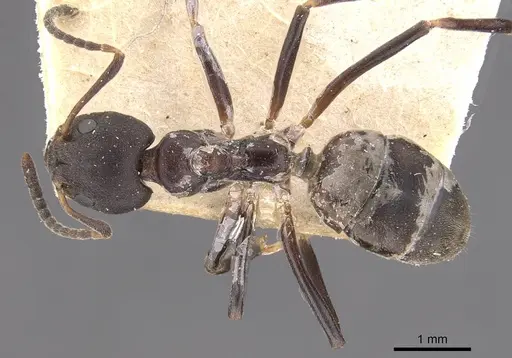
SMFHYM0008896
View on AntWeb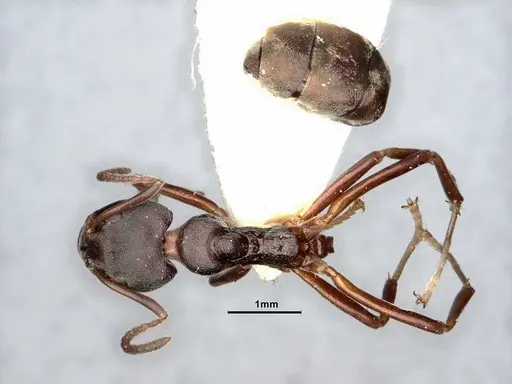
Literature
Loading...Loading products...