

Dolichoderus germaini
- Scientific Name
- Dolichoderus germaini
- Tribe
- Dolichoderini
- Subfamily
- Dolichoderinae
- Author
- Emery, 1894
- Distribution
- Found in 3 countries
Dolichoderus germaini Overview
Dolichoderus germaini is an ant species of the genus Dolichoderus. It is primarily documented in 3 countries , including Argentina, Brazil, Paraguay. Detailed taxonomic data and occurrence records can be further explored via authoritative databases such as AntWeb or the Global Biodiversity Information Facility (GBIF).
Dolichoderus germaini
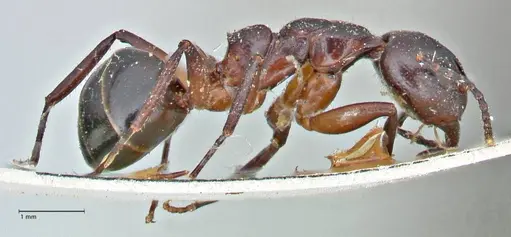
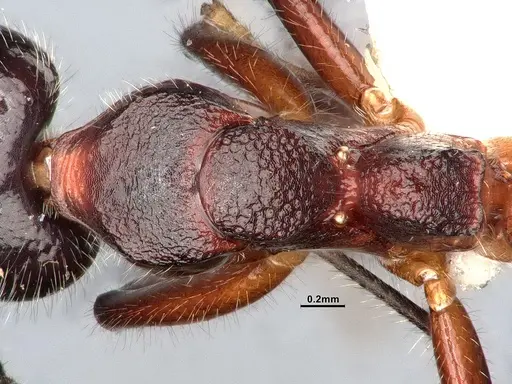
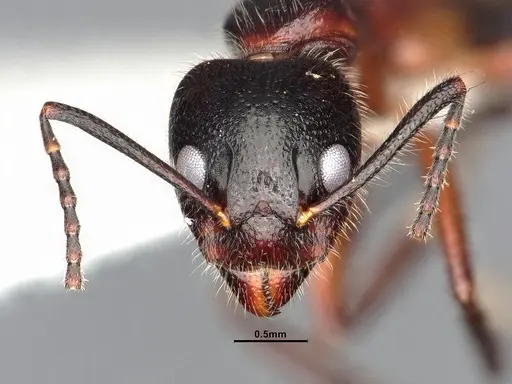
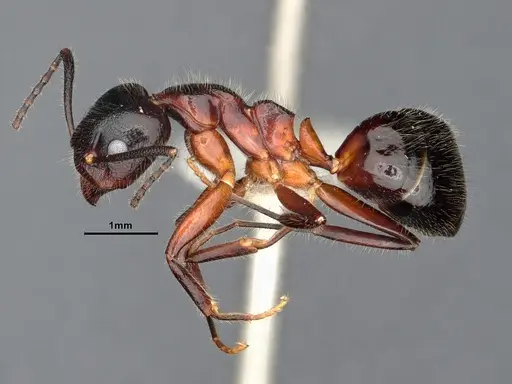
Dolichoderus germaini is a Neotropical ant species native to South America, found across Brazil, Paraguay, Peru, Ecuador, and Argentina. Workers are relatively small and feature the characteristic Dolichoderine body shape with a distinct constriction between the mesosoma and gaster. The species was originally described as Hypoclinea germaini in 1894 before being transferred to Dolichoderus. Queens measure approximately 2.5mm in total length with workers being significantly smaller. This species inhabits tropical and subtropical regions, particularly in areas with seasonal moisture patterns like the Brazilian Cerrado and Amazon basin areas. Note that some taxonomic references consider D. germaini a junior synonym of Dolichoderus diversus, though it remains widely recognized in antkeeping circles [1][2][3].
Quick Summary
- Difficulty: Medium
- Origin & Habitat: Native to the Neotropical region, Brazil, Paraguay, Peru, Ecuador, and Argentina. Found in tropical and subtropical habitats including the Brazilian Cerrado, Amazon basin areas, and seasonally dry forests of northeastern Brazil. Records exist from Pará state in the Amazon, the Caatingas biome, and the Serra da Bodoquena region [4][2][5][6].
- Colony Type: Colony structure is not well-documented in scientific literature. Based on typical Dolichoderus patterns, likely forms single-queen colonies (monogyne). Queens have been collected via light traps in Paraguay, suggesting nuptial flights occur during warm, humid seasons [1].
- Colony: Monogyne
- Founding: Claustral
- Size & Growth:
- Queen: Queens approximately 2.47-2.59mm in total length (measured from Paraguay specimens) [1]. Signal: estimated from measurements.
- Worker: Workers significantly smaller than queens, typical of Dolichoderus genus. Signal: estimated from genus patterns.
- Colony: Maximum colony size is not documented in available research. Based on related Dolichoderus species, likely reaches several hundred to a few thousand workers. Signal: estimated from genus patterns.
- Growth: Growth rate is not directly studied. Likely moderate, typical of tropical Dolichoderus species. Signal: estimated from genus patterns.
- Development: Development timeline is unconfirmed for this specific species. Based on typical Dolichoderus patterns in tropical conditions, estimate 6-10 weeks from egg to first worker at optimal temperature. Signal: estimated from genus patterns. (Temperature-dependent, tropical species typically develop faster at warmer temperatures within their tolerance range.)
- Antkeeping:
- Temperature: Keep at 22-26°C. This species comes from tropical and subtropical regions of South America, so warmth is important for colony health and brood development. A gentle temperature gradient allows ants to regulate their own conditions. Signal: inferred from geographic distribution.
- Humidity: Maintain moderate to high humidity (60-80%). Their natural habitat includes tropical forests and areas with seasonal moisture patterns. Keep the nest substrate consistently moist but not waterlogged. Provide a water source for drinking. Signal: inferred from habitat.
- Diapause: Diapause requirements are not well-documented for this species. As a tropical species from regions with mild winters, they likely have reduced activity periods rather than true hibernation. Consider a cool period (15-18°C) for 2-3 months during winter months if colony shows reduced activity. Signal: estimated from habitat.
- Nesting: In nature, they likely nest in soil, under stones, or in rotting wood in tropical forest settings. In captivity, standard formicarium setups work well, acrylic nests, Y-tong nests, or naturalistic setups with moist substrate. Provide moderate humidity and darkness. Signal: inferred from genus patterns and habitat.
- Behavior: Dolichoderus germaini is a relatively calm, non-aggressive species typical of the genus. Workers are active foragers that likely tend honeydew-producing insects and collect small insects. They do not have a painful sting, though they may emit defensive chemicals from their anal gland (characteristic of Dolichoderinae). They are not known to be escape artists, but use standard escape prevention as you would for any ant species. Workers are small but not extremely so, standard barrier methods are adequate. Signal: inferred from genus patterns.
- Common Issues: humidity control is critical, too dry and colonies stagnate, too wet and mold becomes a problem, tropical species are sensitive to cold, keep away from air conditioning and drafts, wild-caught colonies may carry parasites that can devastate captive colonies, slow initial growth during founding phase can lead to overfeeding or unnecessary intervention, queen loss during founding is common, ensure founding chamber is dark and undisturbed
Nest Preferences and Housing
Dolichoderus germaini can be housed in various captive setups including test tubes for founding colonies, acrylic formicariums, Y-tong nests, or naturalistic terrariums. For founding colonies, a simple test tube setup with a water reservoir works well, the queen will seal herself into a dark chamber and raise her first workers alone. Once the colony reaches 20-30 workers, consider moving to a more spacious formicarium. These ants prefer moderate humidity and darkness, so cover the nest area with a dark cloth or use nests with enclosed chambers. In naturalistic setups, provide moist soil or sand substrate and pieces of rotting wood or bark for them to nest in. Avoid nests that are too wet or too dry, aim for substrate that feels damp but doesn't have standing water. [1]
Feeding and Diet
Like other Dolichoderus species, D. germaini likely has an omnivorous diet typical of the genus. They probably feed on honeydew (the sugary waste from aphids and scale insects), nectar from flowers, and small insects for protein. In captivity, offer a varied diet: sugar water or honey diluted with water (1:4 ratio) as a constant sugar source, and protein sources like small crickets, mealworms, fruit flies, or other small insects. Feed protein 2-3 times per week, and keep sugar water available at all times. Remove uneaten food after 24-48 hours to prevent mold. Some keepers report that Dolichoderus species accept fruit occasionally, but protein remains the most important for colony growth. Fresh water should always be available.
Temperature and Seasonal Care
As a tropical species from South America, D. germaini requires warm conditions to thrive. Keep the nest area at 22-26°C, with a slight gradient if possible so workers can choose their preferred temperature. Avoid temperatures below 18°C for extended periods, and keep colonies away from air conditioning vents, cold windows, and drafty areas. During winter months in temperate regions, you may need to provide supplemental heating. If the colony shows reduced activity in winter, you can provide a cooler period (15-18°C) for 2-3 months, but this is not a true diapause, they simply slow down. Monitor colony behavior: active workers and brood development indicate good conditions, while lethargy and clustering may indicate temperatures are too low. [4]
Behavior and Colony Dynamics
Dolichoderus germaini is generally a calm, non-aggressive species. Workers are active foragers that search for food both on the ground and on vegetation. Like other Dolichoderinae ants, they may emit a pungent chemical odor when threatened, this is a defensive mechanism but poses no real danger to keepers. Colonies grow gradually during the founding phase, with the queen producing eggs that develop through larvae and pupae into workers. The first workers (nanitics) are typically smaller than mature workers and help the colony expand. Once established, colonies can grow to several hundred workers over time. These ants do not typically exhibit aggressive swarming or painful stinging behavior, making them suitable for keepers who want a relatively calm species. [1]
Frequently Asked Questions
How long does it take for Dolichoderus germaini to produce first workers?
The time from egg to first worker is not specifically documented for this species. Based on typical Dolichoderus patterns, expect 6-10 weeks at warm temperatures (24-26°C). The queen will remain in her sealed chamber for several weeks while laying eggs and tending to the brood until the first nanitic workers emerge.
What do Dolichoderus germaini ants eat?
They are omnivorous like other Dolichoderus species. Offer sugar water or honey water as a constant energy source, and protein sources like small crickets, mealworms, or fruit flies 2-3 times per week. They likely also feed on honeydew in the wild, so occasional sweet fruits may be accepted.
What temperature do Dolichoderus germaini colonies need?
Keep them warm at 22-26°C. This is a tropical species from South America, so they need consistent warmth. Avoid temperatures below 18°C for extended periods. A heating cable on one side of the nest can create a useful temperature gradient.
How big do Dolichoderus germaini colonies get?
Maximum colony size is not specifically documented, but based on related Dolichoderus species, colonies likely reach several hundred to a few thousand workers. Growth is gradual, expect several months to reach 50 workers from a founding colony.
Do Dolichoderus germaini ants need hibernation?
As a tropical species, they do not require true hibernation. However, in temperate climates during winter, you can provide a cooler period (15-18°C) for 2-3 months if the colony shows reduced activity. This is a rest period, not a deep hibernation like temperate species require.
Can I keep multiple Dolichoderus germaini queens together?
This is not recommended. While colony structure is not well-documented, Dolichoderus species typically form single-queen colonies. Combining unrelated foundress queens often leads to fighting and colony failure. It's best to start with one queen per colony.
What humidity level do Dolichoderus germaini ants need?
Maintain moderate to high humidity (60-80%). Their natural habitat includes tropical forests with moisture. Keep the nest substrate consistently moist but not waterlogged. Allow some drying between waterings to prevent mold issues.
Is Dolichoderus germaini a good species for beginners?
This species is rated as medium difficulty. While not the most challenging, it does require attention to temperature and humidity. Beginners should be prepared to maintain warm, humid conditions consistently. The relatively calm temperament makes them manageable once basic care requirements are met.
When should I move my Dolichoderus germaini colony to a formicarium?
Keep founding colonies in a simple test tube setup until they have 20-30 workers. At this point, you can move them to a proper formicarium with multiple chambers. Moving too early can stress the queen and cause colony failure. Wait until the colony is established and actively foraging.
References

This caresheet is licensed under CC BY-SA 4.0 .
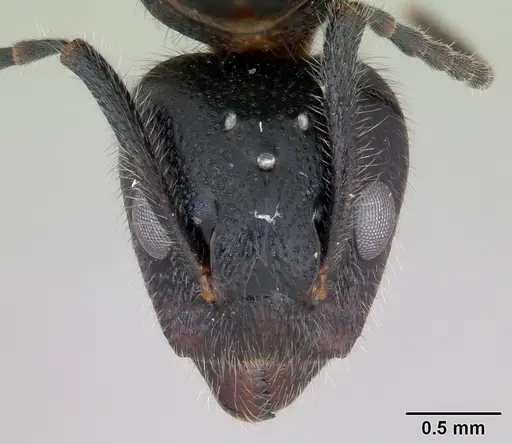
CASENT0173836
View on AntWeb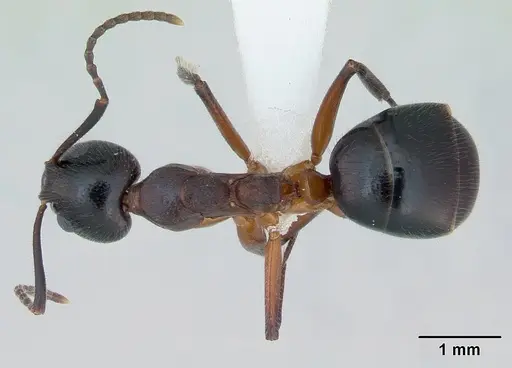
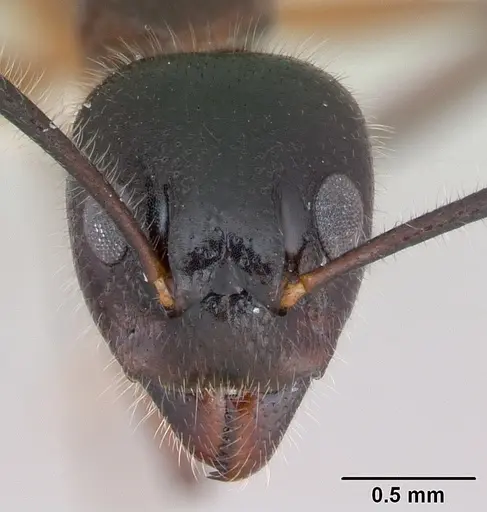
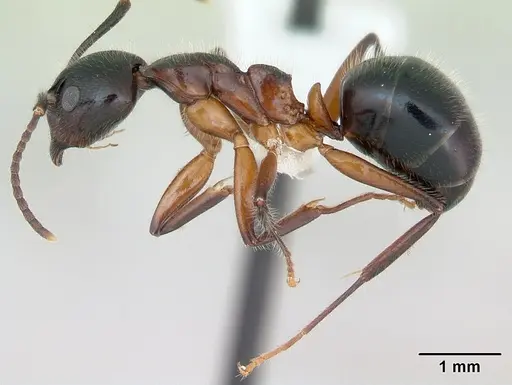
CASENT0173837
View on AntWeb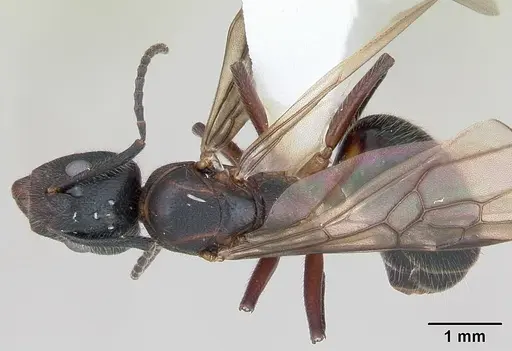
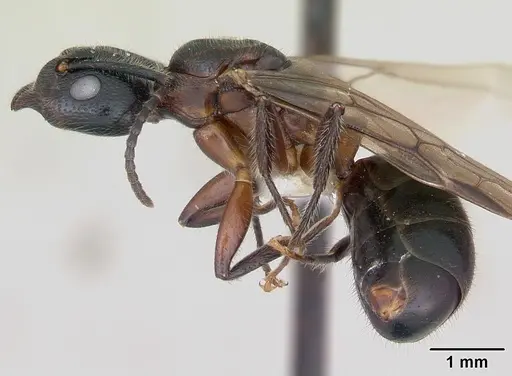
CASENT0905028
View on AntWeb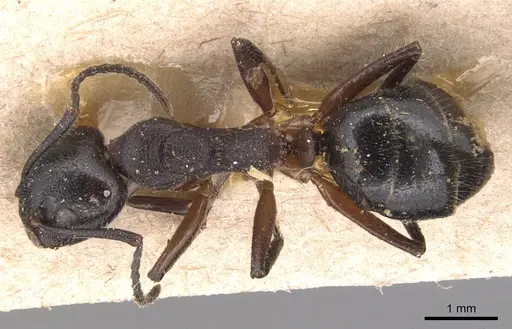
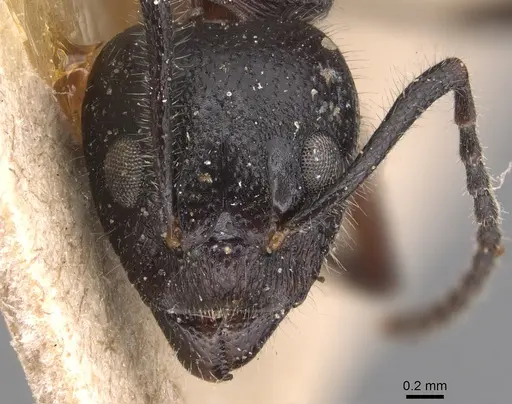
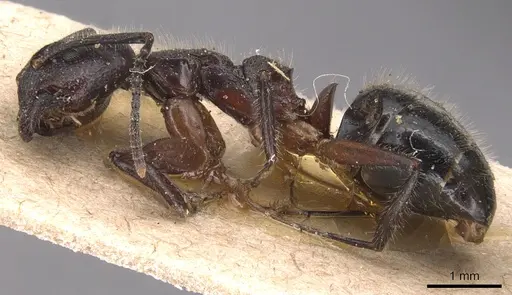
FOCOL2784
View on AntWeb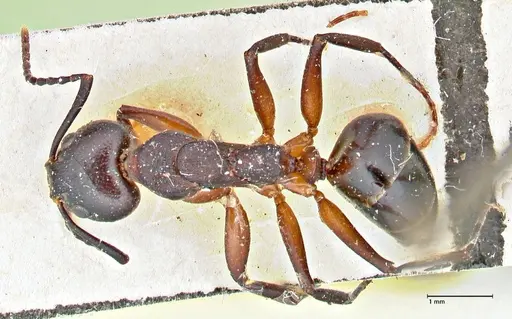
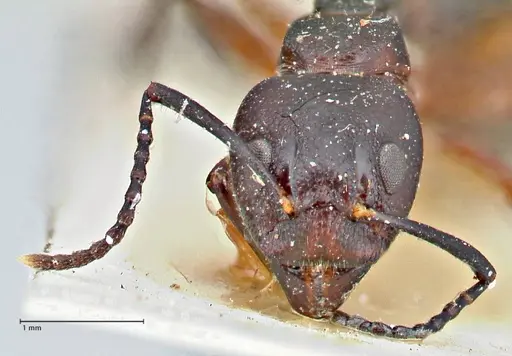
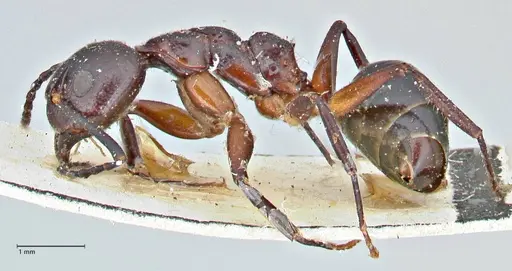
MHNGENTO0248801
View on AntWeb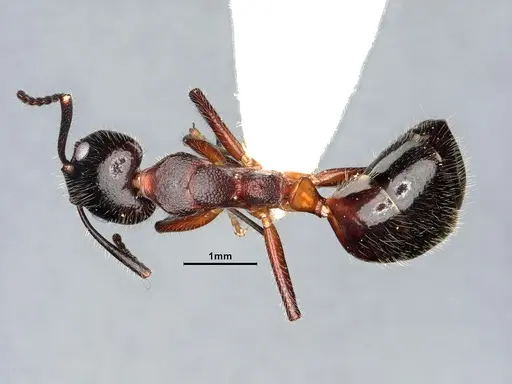
Literature
Loading...Loading products...