
Dolichoderus diversus shows a January to December flight window. Peak activity occurs in July and December, with nuptial flights distributed across 3 months.

Dolichoderus diversus
- Scientific Name
- Dolichoderus diversus
- Tribe
- Dolichoderini
- Subfamily
- Dolichoderinae
- Author
- Emery, 1894
- Distribution
- Found in 10 countries
- Nuptial Flight
- from January to December, peaking in July
AI Identifiable
try →
Dolichoderus diversus Overview
Dolichoderus diversus is an ant species of the genus Dolichoderus. It is primarily documented in 10 countries , including Brazil, Colombia, Costa Rica. Detailed taxonomic data and occurrence records can be further explored via authoritative databases such as AntWeb or the Global Biodiversity Information Facility (GBIF).
The nuptial flight of Dolichoderus diversus is a significant biological event, typically occurring from January to December, peaking in July. During this time, winged queens and males leave the nest to mate and establish new colonies.
Dolichoderus diversus
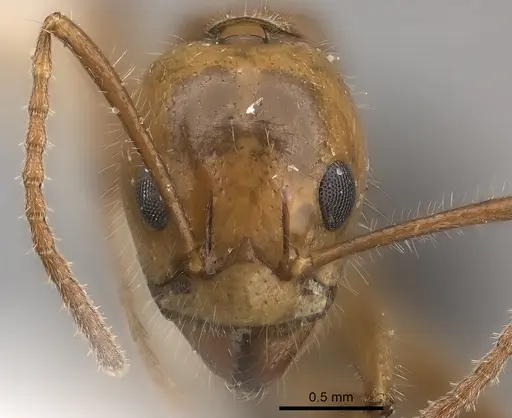
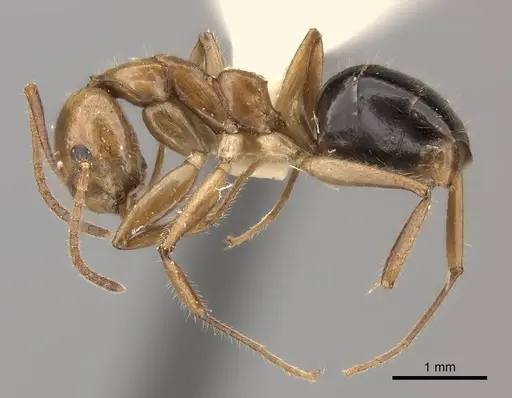
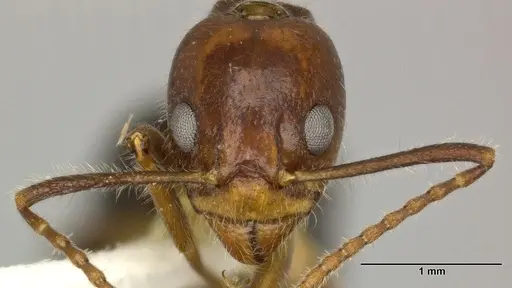
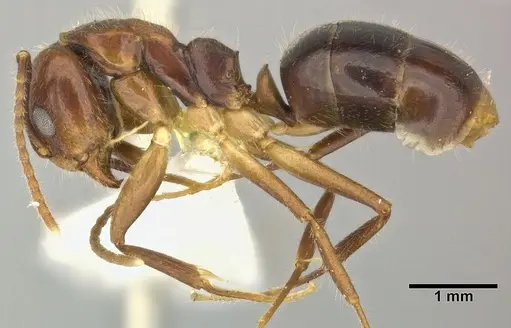
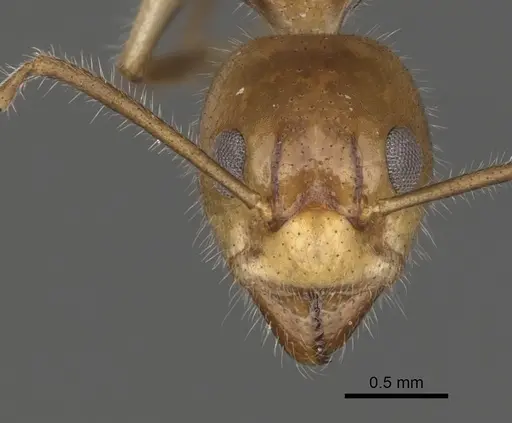
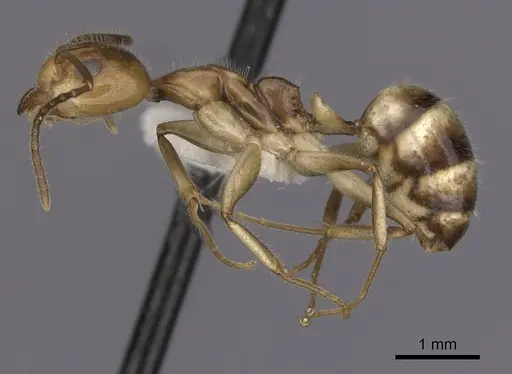
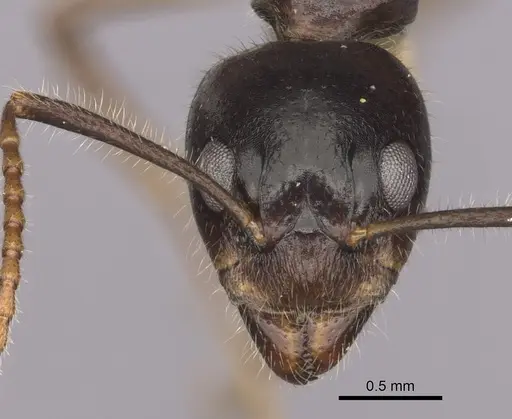
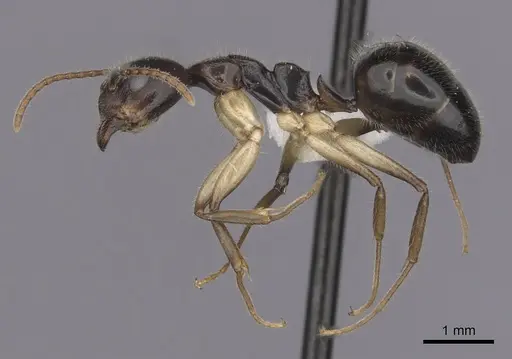
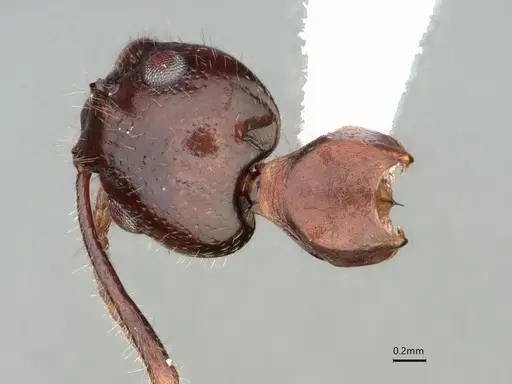
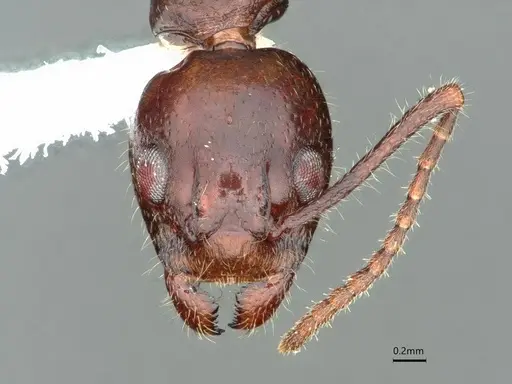
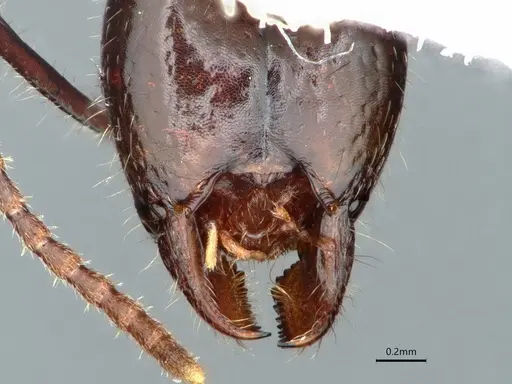
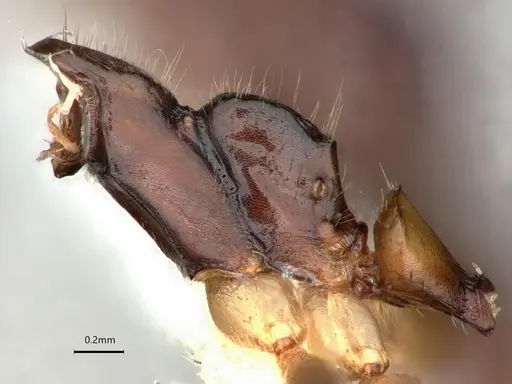
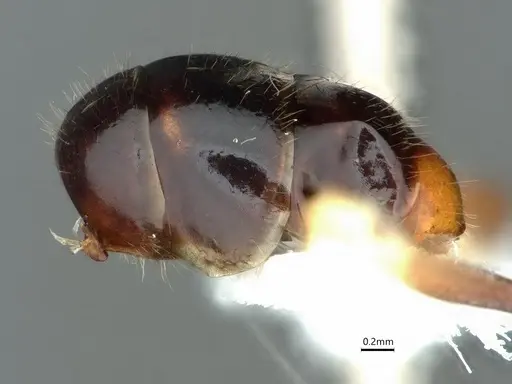
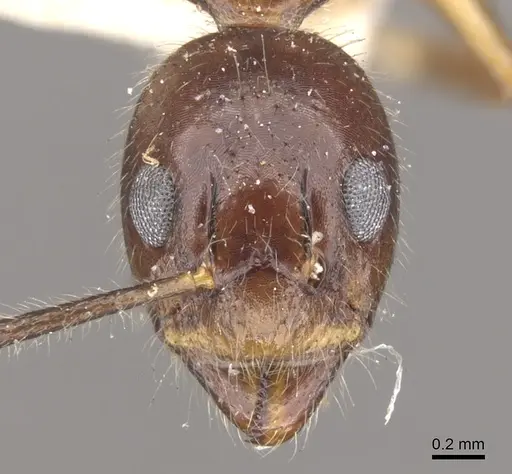
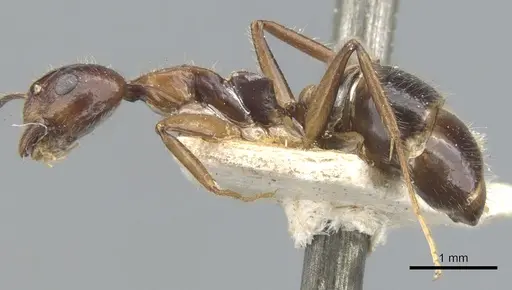
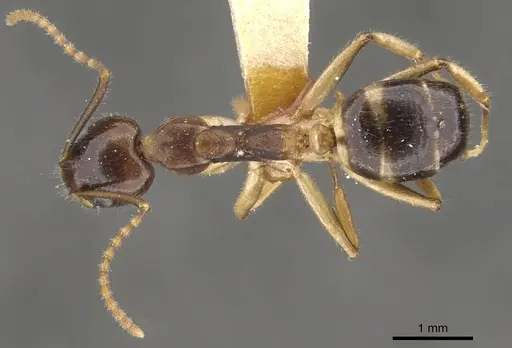
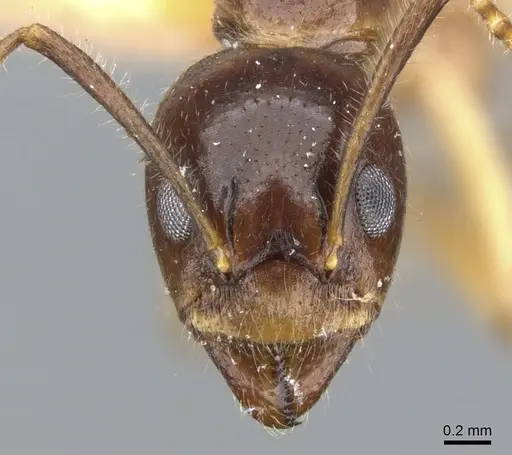
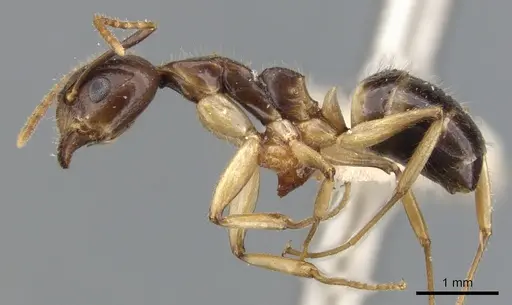
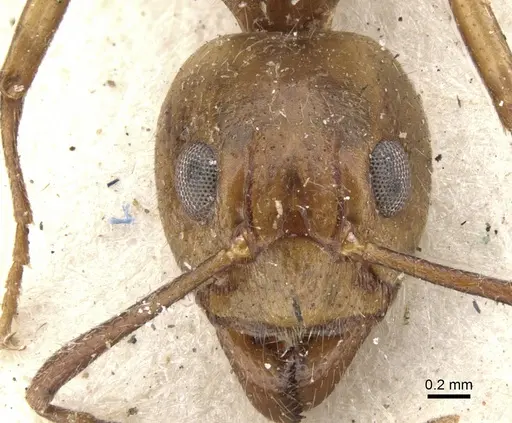
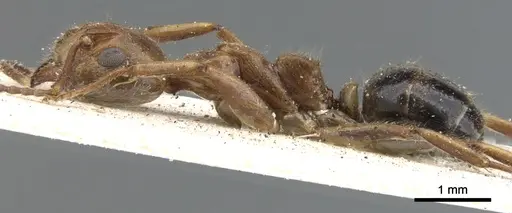
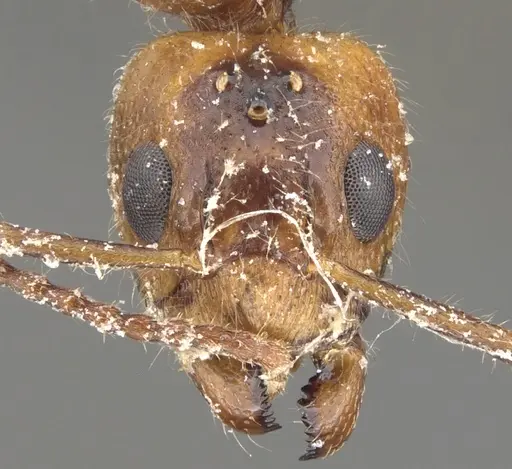
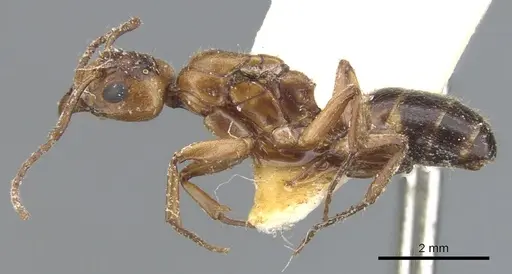
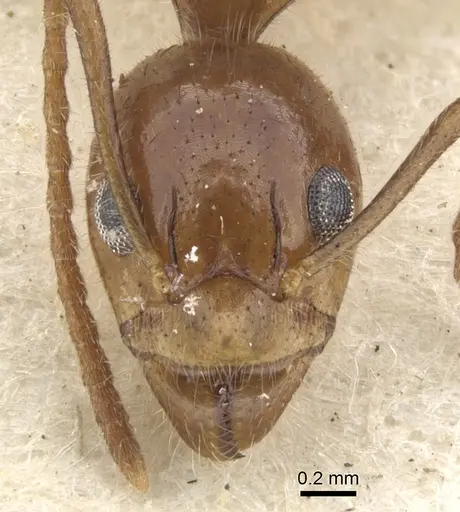
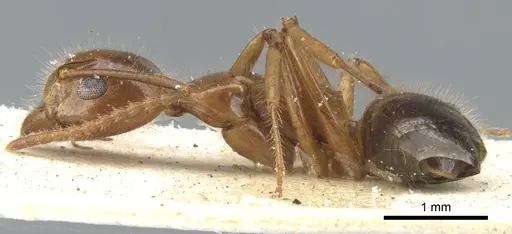
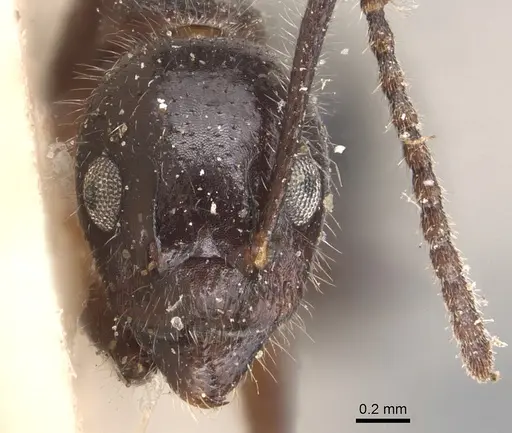
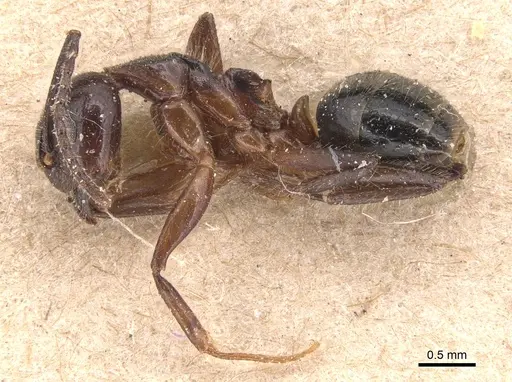
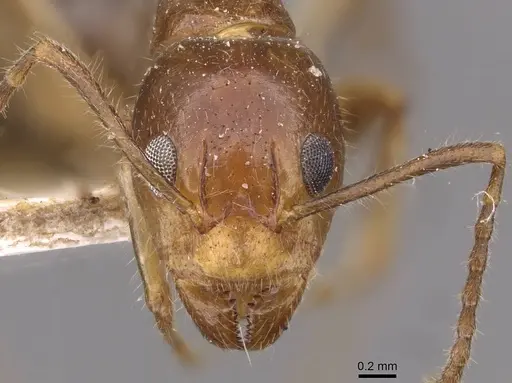
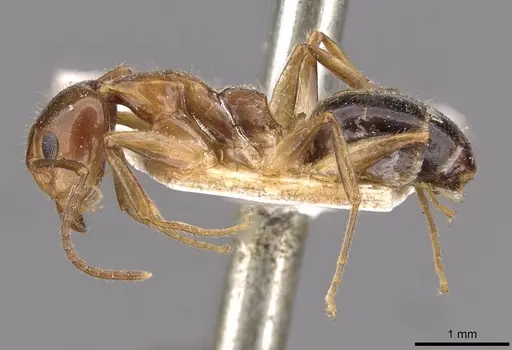
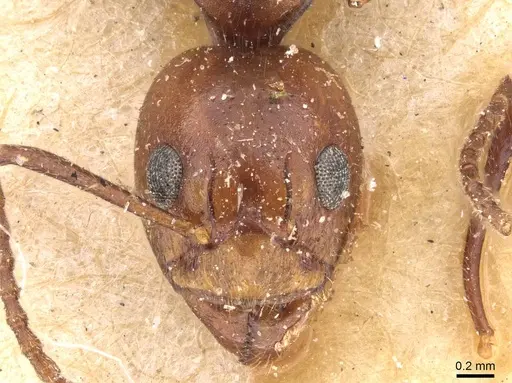
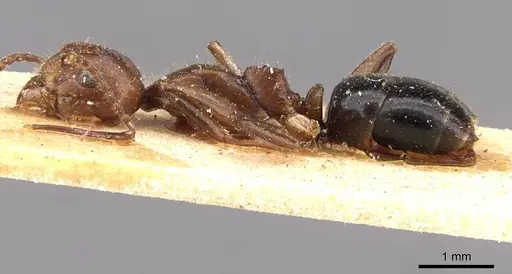
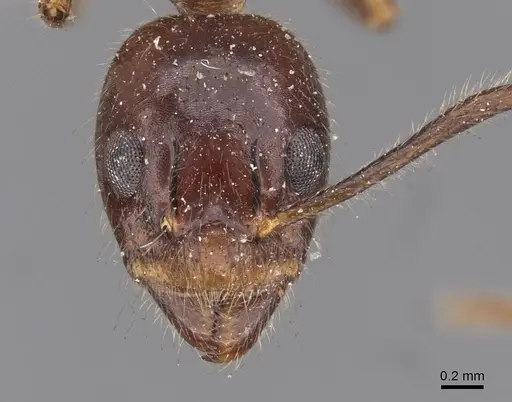
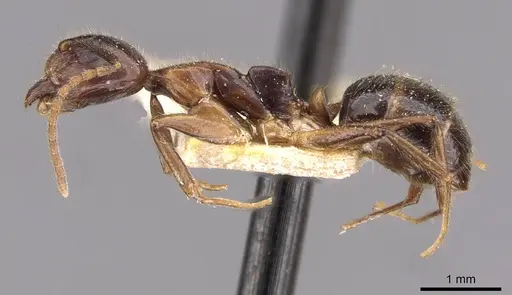
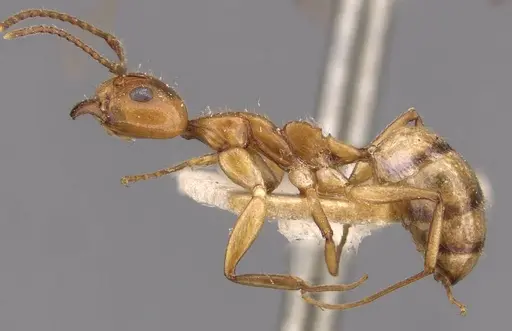
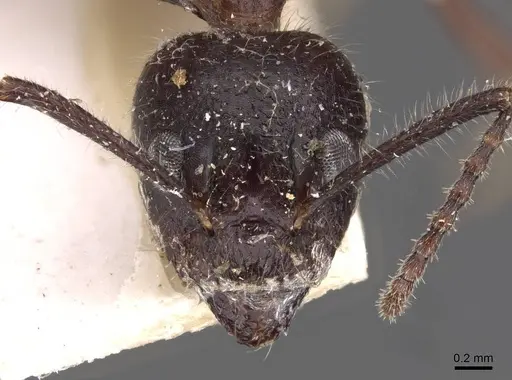
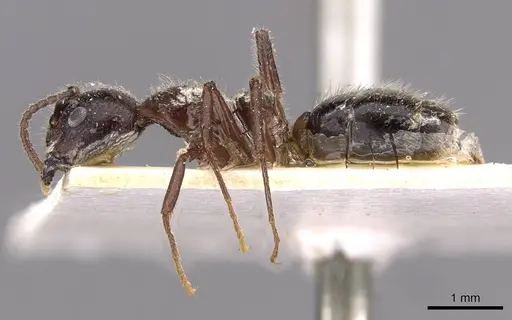
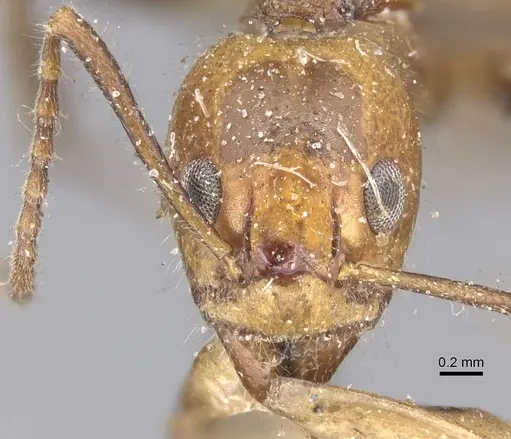
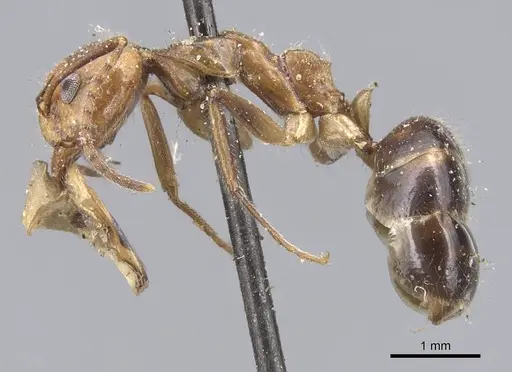
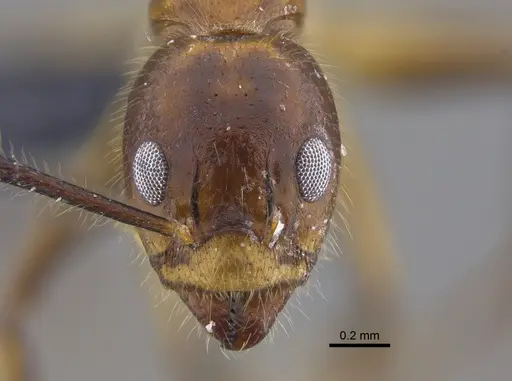
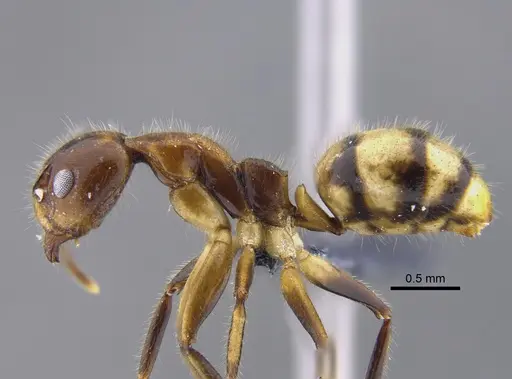
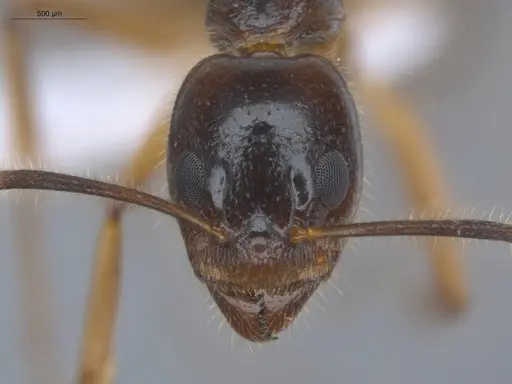
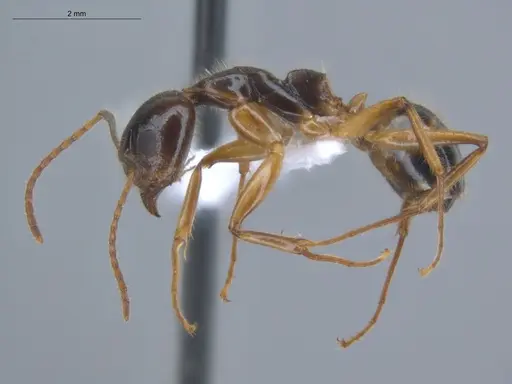
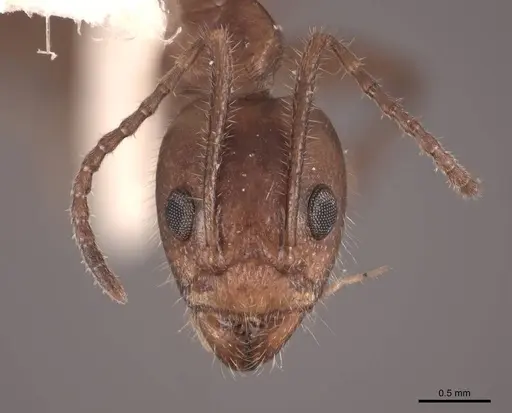
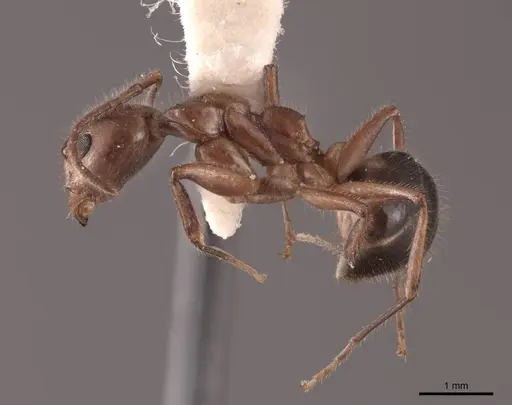
Dolichoderus diversus is a medium-sized reddish-brown ant native to the Neotropics, ranging from Mexico down to southern Brazil. Workers reach about 6mm and are covered in delicate erect hairs, giving them a distinctly fuzzy appearance compared to smoother related species like D. lutosus. The gaster is darker than the rest of the body, and the petiole is thin with poorly developed angles. These ants nest exclusively in small hollow twigs and stems, typically 9-10mm in diameter, often in forest edges, disturbed areas, and even mangrove swamps where they sometimes share nests with stingless bees and other ant species. Colonies can grow quite large, with over 1000 workers documented in some populations. Workers are fast-moving and will rapidly evacuate their nest when disturbed, making them challenging to observe but fascinating to watch once established.
Quick Summary
- Difficulty: Medium
- Origin & Habitat: Neotropical region, found from Mexico through Central America to southern Brazil, including Colombia, Costa Rica, Ecuador, Panama, Venezuela, French Guiana, and Trinidad. Nests in hollow twigs and stems in tropical forests, forest edges, disturbed areas, and mangrove swamps up to 800m elevation [1][2][3].
- Colony Type: Colony structure is not well-documented in scientific literature. Based on related Dolichoderus species, likely single-queen (monogyne) colonies, though this requires confirmation. Queens have been collected in various Mexican locations including Oaxaca and Veracruz [2].
- Colony: Monogyne
- Founding: Claustral
- Size & Growth:
- Queen: Approximately 6mm based on worker size and genus patterns, queens similar to workers in appearance [4][5].
- Worker: Approximately 6mm [5].
- Colony: Can form relatively large colonies with over 1000 workers [6].
- Growth: Moderate, based on typical Dolichoderus development patterns.
- Development: 6-10 weeks estimated based on related Dolichoderus species at tropical temperatures (around 24-28°C). (Development time is not specifically documented for this species. Estimates based on genus-level patterns for tropical Neotropical ants.)
- Antkeeping:
- Temperature: Keep at 24-28°C, these are tropical ants requiring warm, stable conditions. Room temperature within this range works well, or use a heating cable on one side of the nest to create a gentle gradient if needed [6].
- Humidity: Moderate to high humidity (60-80%). These ants naturally occur in tropical forests and mangrove areas with consistent moisture. Keep the nest substrate slightly moist but not waterlogged, with some drier areas available for the ants to regulate their own conditions [1].
- Diapause: No, as a tropical species, they do not require hibernation. Activity may slow slightly during cooler periods but they remain active year-round [1].
- Nesting: Provide narrow, horizontal nesting options that mimic their natural hollow twig habitat. Test tubes with small diameters (9-12mm) work well, or small acrylic nests with tight chambers. They prefer enclosed spaces with minimal light exposure. Avoid large, open formicaria, these ants feel secure in tight, dark cavities [1][6].
- Behavior: Workers are fast-moving and extremely alert, they will rapidly evacuate the nest at the slightest disturbance. This makes them exciting to watch but can challenge observation. They are not aggressive toward keepers and do not have a painful sting. They are arboreal to semi-arboreal, often foraging in the canopy or along tree trunks. Escape prevention should be good since they are medium-sized ants, but their speed means gaps in barriers should still be minimized. They likely tend aphids and collect honeydew like other Dolichoderus species, but specific dietary observations are limited [1][6].
- Common Issues: fast escape behavior, workers scatter quickly when nests are opened, making colony transfers difficult, nesting in very small cavities means test tube setups must have appropriate diameter (9-12mm) to mimic natural twigs, tropical humidity requirements can conflict with dry indoor environments in temperate climates, limited availability in the antkeeping hobby means established colonies are rarely available, wild-caught colonies may contain parasites including Ophiocordyceps fungi documented in their native range [7][8]
Nuptial Flight Activity Analysis 54 observations
Flight Activity by Hour 54 observations
Dolichoderus diversus nuptial flight activity peaks around 20:00 during the evening. Activity is spread across a 17-hour window (06:00–22:00). A secondary activity peak occurs around 22:00. Times may be influenced by human observation patterns.
Nest Preferences and Housing
Dolichoderus diversus naturally nests in small hollow twigs and stems, typically 9-10mm in diameter. In captivity, replicate this by providing test tubes with narrow chambers (9-12mm diameter) or small acrylic nests with tight-fitting chambers. They are not picky about nest materials, test tubes, Y-tong nests, and plaster nests all work well as long as the chambers are appropriately sized. The nest should be dark and enclosed, as these ants prefer confined spaces. Keep the nest humid but ensure ventilation prevents mold buildup. A water tube attached to the nest works well for maintaining humidity. Since they naturally nest in twigs, you can also provide natural twigs or bamboo sections as decorative elements in a naturalistic setup. Avoid large, open formicaria, the tight, enclosed spaces of test tubes or small acrylic nests mimic their natural nesting cavities best [1][6].
Feeding and Diet
Like other Dolichoderus species, D. diversus likely has an omnivorous diet typical of the genus. They probably feed on honeydew from aphids and scale insects, and will accept sugar water or honey as an energy source. For protein, offer small insects like fruit flies, small mealworms, or other appropriately sized prey. In their natural habitat, they forage in trees and shrubs, so they may prefer elevated feeding stations. While specific feeding observations are limited for this species, they are not specialized predators and should accept standard ant fare. Feed protein prey 2-3 times per week and provide a constant sugar source. Remove uneaten prey after 24-48 hours to prevent mold. Their fast movement means they will quickly discover and recruit to food sources [1].
Temperature and Seasonal Care
As a tropical species from the Neotropics, Dolichoderus diversus requires warm conditions year-round. Maintain temperatures between 24-28°C for optimal colony health and development. They occur naturally in lowland tropical areas and mangrove swamps where temperatures remain consistently warm. Room temperature in most homes may be sufficient if kept in the low-to-mid 70s°F (24-26°C), but you may need a small heating cable or mat during cooler months. Use a heating cable on one side of the nest to create a gentle temperature gradient, placing it on top of the nest to avoid drying out the substrate. Unlike temperate species, they do not require any cooling period or hibernation. Activity may naturally decrease slightly during cooler periods, but they should remain active year-round. Avoid temperatures below 20°C as this could stress the colony [6][2].
Behavior and Observation
The most notable behavior of D. diversus is their rapid escape response when disturbed. Workers will immediately scatter and evacuate the nest at the slightest vibration or light change. This makes them exciting to observe but can make colony transfers challenging. Work quickly but carefully when opening their nest, and have a catch container ready. They are not aggressive and do not have a painful sting, so they pose no danger to keepers. Their workers are medium-sized at about 6mm and covered in fine hairs, giving them a fuzzy appearance. They are arboreal to semi-arboreal in their foraging, often traveling along tree branches and trunks in the wild. In captivity, they will explore the outworld and establish foraging trails. Their speed and alertness make them fascinating to watch, workers move with purpose and can quickly mobilize recruitment to food sources. They are not colony-specifically aggressive and can be kept with other ant species in a naturalistic setup if space permits [1][6].
Field Observations and Ecology
In the wild, Dolichoderus diversus is a common species across its range and often found in disturbed habitats. They are frequently imported into the United States on banana debris and orchids, demonstrating their ability to survive in transported plant material. Their nesting association with stingless bees in mangrove swamps is unusual, they share dead twigs and stems with these bees, suggesting some tolerance for other social insects. They occur from sea level up to 800m elevation, showing adaptability to different altitudes within the tropics. Sexual castes (loose sexuals) have been collected in various months across their range, indicating nuptial flights occur throughout the year with peaks tied to rainfall patterns. They are parasitized by Ophiocordyceps fungi in their native range, which is a natural threat that wild colonies face. Colonies can reach over 1000 workers, making them moderately large for the genus [1][7][8][6].
Frequently Asked Questions
How long does it take for Dolichoderus diversus to produce first workers?
Based on typical Dolichoderus development patterns at tropical temperatures (24-28°C), expect 6-10 weeks from egg to first worker. This is an estimate since specific development timing has not been documented for this species. Be patient, founding colonies grow slowly at first as the queen raises her first brood alone.
What size nest should I use for Dolichoderus diversus?
Use narrow test tubes or small acrylic nests with chambers around 9-12mm in diameter. These ants naturally nest in hollow twigs of this size, so tight, enclosed spaces work better than large open formicaria. Test tubes with appropriate diameter work excellently for this species.
Are Dolichoderus diversus good for beginners?
This species is rated as medium difficulty. While not the hardest ant to keep, their fast escape behavior and specific nesting requirements (small cavities) can challenge beginners. Their tropical temperature and humidity needs also require more attention than temperate species. However, established colonies are rewarding to watch.
Do Dolichoderus diversus need hibernation?
No, they do not require hibernation. As a tropical species from the Neotropics, they need warm conditions year-round. Keep them at 24-28°C consistently. They may slow down slightly during cooler periods but do not enter diapause.
How big do Dolichoderus diversus colonies get?
Colonies can reach over 1000 workers based on field observations. They are considered relatively large colonies for the genus. Growth is moderate, expect several months to a year to reach 100+ workers.
What do Dolichoderus diversus eat?
They are omnivorous like other Dolichoderus species. Offer sugar water or honey as a constant energy source, and protein prey like small insects (fruit flies, small mealworms) 2-3 times per week. They likely also feed on honeydew from aphids in captivity.
Can I keep multiple queens together?
This has not been documented. Based on typical Dolichoderus genus patterns, they likely form single-queen colonies. It is not recommended to combine unrelated foundress queens as polygyny has not been documented for this species.
Why do my Dolichoderus diversus workers keep escaping?
This is normal behavior, workers are extremely fast and alert, designed to rapidly evacuate when their nest is disturbed. Use excellent escape prevention with tight-fitting lids and consider using fluon on tube rims. Work quickly when accessing the colony and have a catch container ready.
Where is Dolichoderus diversus found in the wild?
They range from Mexico down through Central America to southern Brazil, including Colombia, Costa Rica, Ecuador, Panama, Venezuela, French Guiana, and Trinidad. They nest in hollow twigs in tropical forests, forest edges, disturbed areas, and mangrove swamps up to 800m elevation.
References

This caresheet is licensed under CC BY-SA 4.0 .
CASENT0217394
View on AntWeb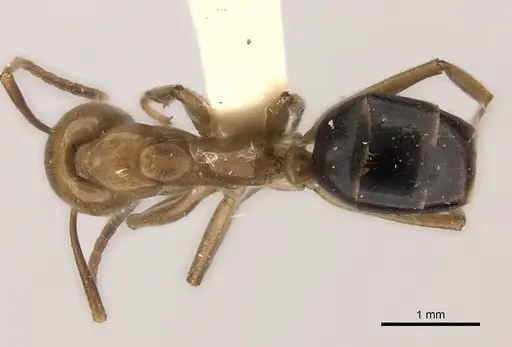
CASENT0246572
View on AntWeb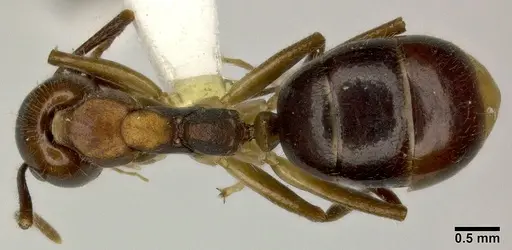
CASENT0249643
View on AntWeb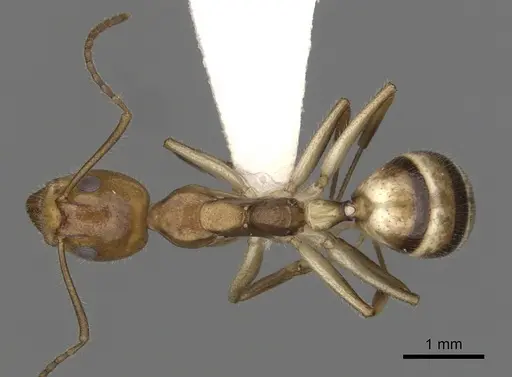
CASENT0249644
View on AntWeb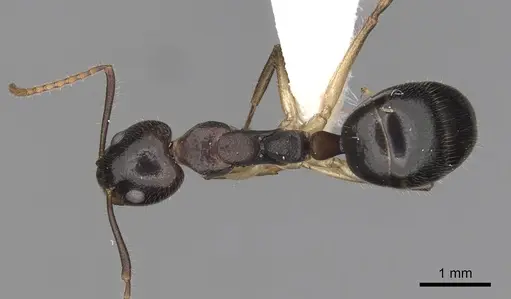
CASENT0866539
View on AntWeb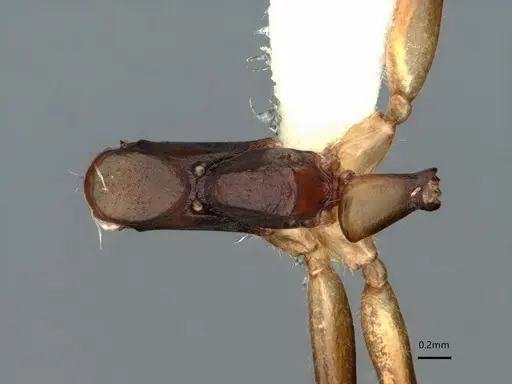
CASENT0902955
View on AntWeb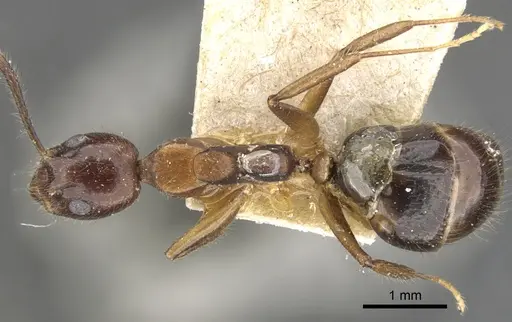
CASENT0902956
View on AntWeb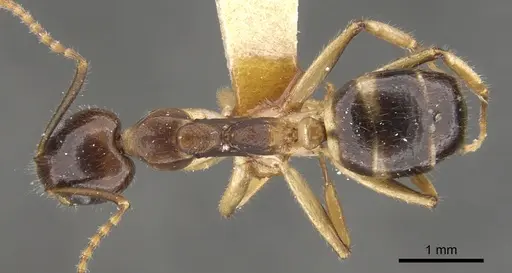
CASENT0902957
View on AntWeb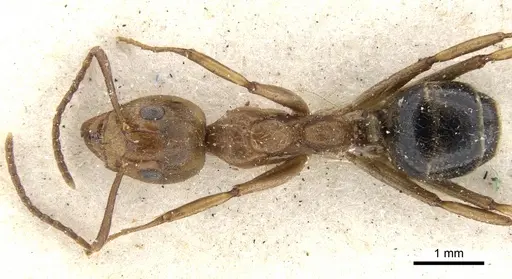
CASENT0902958
View on AntWeb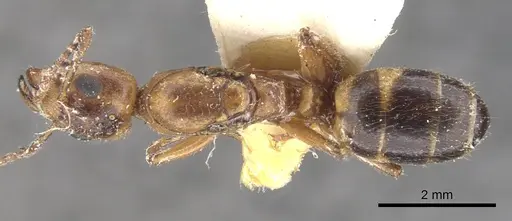
CASENT0902959
View on AntWeb
CASENT0905030
View on AntWeb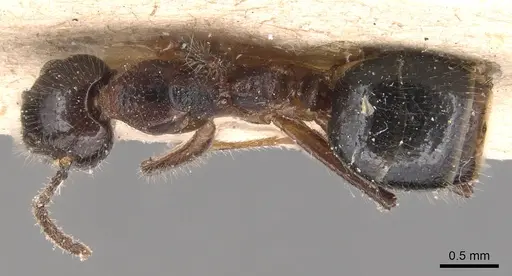
CASENT0909463
View on AntWeb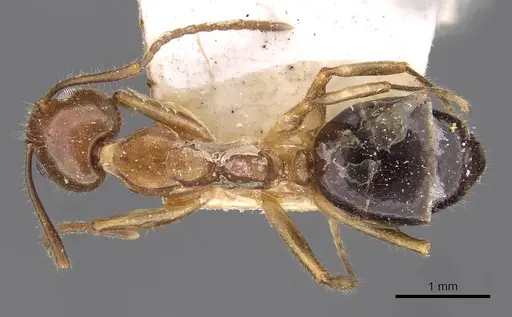
CASENT0909464
View on AntWeb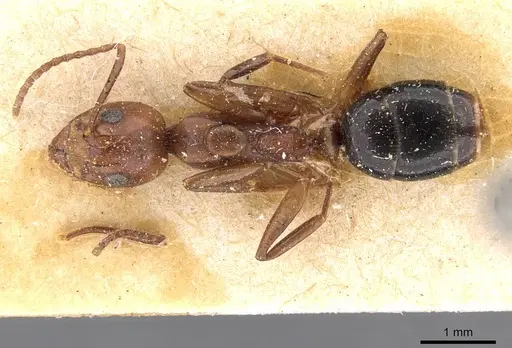
CASENT0909465
View on AntWeb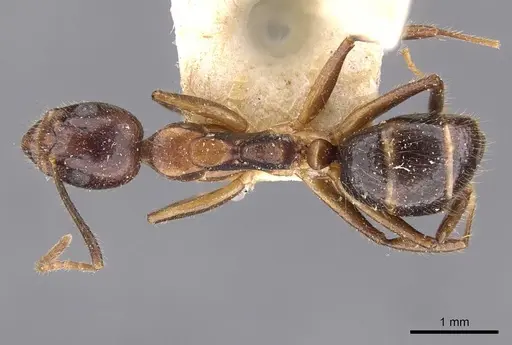
CASENT0909466
View on AntWeb
CASENT0909467
View on AntWeb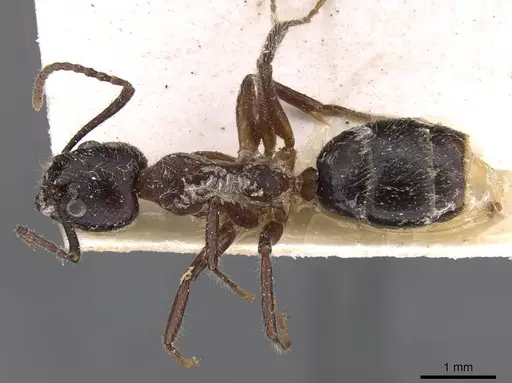
CASENT0915563
View on AntWeb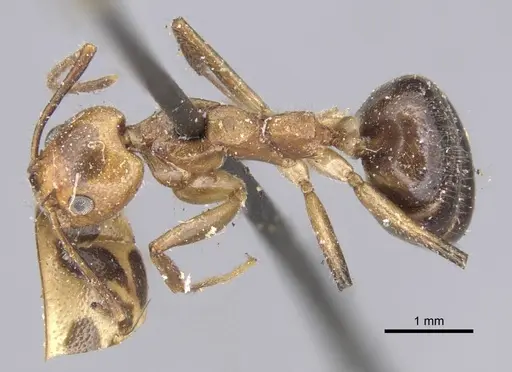
CBUMAGENT41846
View on AntWeb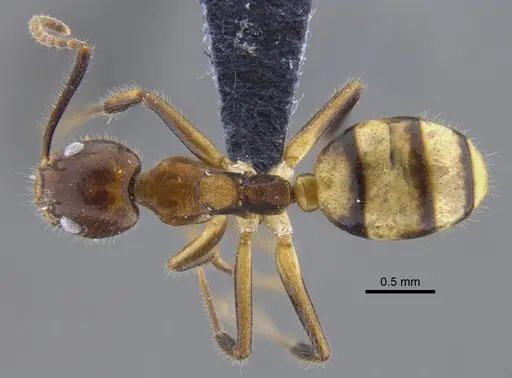
ECOFOG-BUG-0176-12
View on AntWeb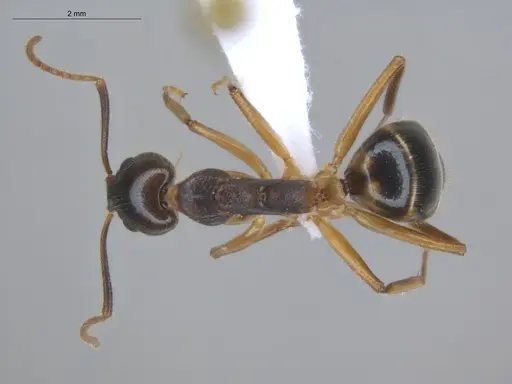
FMNHINS0000062996
View on AntWeb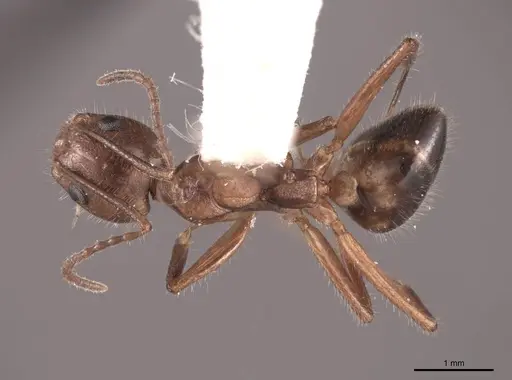
Literature
Loading...Loading products...