

Dolichoderus gagates
- Scientific Name
- Dolichoderus gagates
- Tribe
- Dolichoderini
- Subfamily
- Dolichoderinae
- Author
- Emery, 1890
- Distribution
- Found in 2 countries
Dolichoderus gagates Overview
Dolichoderus gagates is an ant species of the genus Dolichoderus. It is primarily documented in 2 countries , including Brazil, French Guiana. Detailed taxonomic data and occurrence records can be further explored via authoritative databases such as AntWeb or the Global Biodiversity Information Facility (GBIF).
Dolichoderus gagates
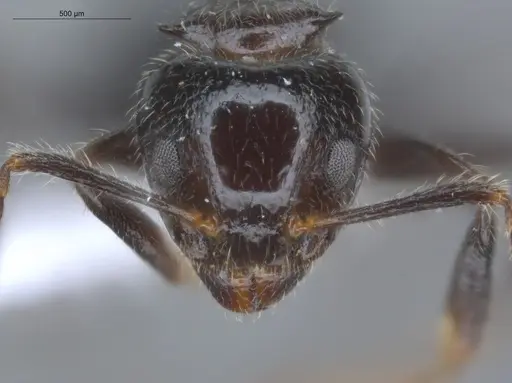
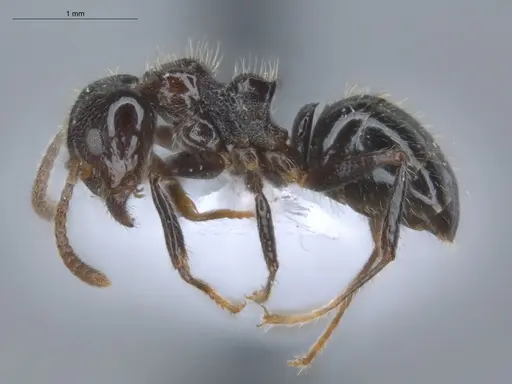
Dolichoderus gagates is a small to medium-sized ant species native to the Neotropical region, found across Brazil, Ecuador, French Guiana, Guyana, Suriname, Venezuela, and Bolivia [1]. Workers are dark in coloration, typically measuring around 3-4mm. This species belongs to the Dolichoderinae subfamily, which characteristically has a slit-shaped acidopore (chemical defense gland) rather than a stinger. In the wild, these ants inhabit Amazonian regions including both primary forests and agricultural areas, where they nest in rotting wood, under bark, or in soil cavities [2]. One documented ecological note shows they serve as prey for Eciton hamatum army ants, suggesting they are relatively non-aggressive and rely on escape rather than confrontation [3].
Quick Summary
- Difficulty: Medium
- Origin & Habitat: Neotropical rainforests of South America, Brazil, Ecuador, French Guiana, Guyana, Suriname, Venezuela, and Bolivia. Found in Amazonian lowland forests and agricultural areas [1][2].
- Colony Type: Colony structure is not well documented in scientific literature. Based on typical Dolichoderus patterns, likely monogyne (single queen) colonies, though some related species can be polygynous. Further research needed to confirm.
- Colony: Monogyne
- Founding: Claustral
- Size & Growth:
- Queen: Estimated 5-7mm based on genus patterns for small Dolichoderus species
- Worker: Approximately 3-4mm [1]
- Colony: Likely moderate colonies of several hundred workers based on genus typical sizes
- Growth: Moderate, estimated based on tropical Dolichoderus patterns
- Development: Estimated 6-8 weeks at tropical temperatures (25-28°C) based on related Dolichoderus species (Development time is inferred from genus patterns, not directly studied for this species)
- Antkeeping:
- Temperature: Keep at 24-28°C (warm tropical conditions). A gentle gradient allowing workers to self-regulate is ideal. Avoid temperatures below 22°C as this is a tropical species [3].
- Humidity: Maintain moderate to high humidity (60-80%). These are forest-dwelling ants that prefer consistently moist substrate. Allow some drying between waterings but never let the nest dry out completely.
- Diapause: No, as a tropical species from the Amazon basin, they do not require hibernation. Keep them at stable warm temperatures year-round.
- Nesting: In captivity, they do well in Y-tong (AAC), plaster, or naturalistic setups with rotting wood pieces. They prefer dark, humid nest chambers. Provide a water tube for humidity and ensure the outworld has access to the nest area.
- Behavior: Dolichoderus gagates is generally calm and non-aggressive. Like other Dolichoderus species, they have chemical defense rather than painful stings, they can secrete defensive chemicals from their acidopore but rarely bother keepers. Workers are active foragers that search for honeydew and small prey. They are not known to be escape artists, but use standard barrier methods (Fluon) as precaution. Their small size means they can slip through very small gaps, ensure all openings are sealed.
- Common Issues: tropical species cannot tolerate cool temperatures, keep warm year-round, small size means escape prevention must be thorough despite docile nature, limited scientific data means colony behavior may vary from typical genus patterns, wild-caught colonies may carry parasites from Amazonian habitats
Housing and Nest Setup
Dolichoderus gagates does well in several captive setups. Y-tong (acrylic) nests work excellently because they hold humidity well while allowing you to observe the colony. Plaster nests with water reservoirs are another good option, the constant moisture mimics their natural forest-floor habitat. Naturalistic setups with rotting wood pieces and soil also work well if you maintain proper humidity levels. The key is providing dark, humid nest chambers connected to a foraging area. A test tube setup can work for founding colonies, but you'll need to move them to a more permanent setup once the colony reaches 20-30 workers. Always provide a water tube or moisture source attached to the nest area.
Feeding and Diet
Like most Dolichoderus species, these ants are omnivorous with a preference for sweet liquids and protein. Offer sugar water, honey, or diluted maple syrup as a constant carbohydrate source. For protein, provide small insects like fruit flies, small crickets, or mealworm pieces. They will also collect honeydew if you offer aphid or scale insect setups, though this is optional. Feed protein 2-3 times per week, and keep sugar water available at all times. Remove uneaten prey after 24 hours to prevent mold. Young colonies (under 20 workers) may need only tiny amounts, a drop of sugar water and one small insect piece every few days is sufficient.
Temperature and Humidity Management
This is a tropical species, so warmth is essential. Keep the nest area at 24-28°C consistently. A small heating cable or heat mat on one side of the setup can create a temperature gradient, allowing workers to move between warmer and cooler areas. Room temperature (around 22-24°C) may be acceptable in warmer homes, but monitor colony activity, if workers seem sluggish, increase temperature slightly. Humidity should be moderate to high (60-80%). The substrate or nest material should feel damp but not waterlogged. Mist the outworld occasionally, but avoid getting water directly on the nest entrance. A water tube connected to the nest helps maintain humidity through evaporation. [3]
Behavior and Colony Dynamics
Dolichoderus gagates is a calm, non-aggressive species that makes for an interesting but not particularly dramatic pet ant. Workers are active and will forage throughout their enclosure, searching for food systematically. Unlike some ants, they do not have a painful sting, their defense is chemical secretion from the acidopore, which can be irritating but poses minimal risk to keepers. They are not known for territorial aggression and typically flee from threats rather than engage. Colonies grow at a moderate pace, with the queen laying eggs continuously once established. The first workers (nanitics) will be smaller than mature workers but should quickly begin foraging to support colony growth. [3]
Seasonal Care
As a tropical Amazonian species, Dolichoderus gagates does not require hibernation or winter cooling. Keep temperatures stable year-round at 24-28°C. Seasonal changes in the wild involve wet and dry seasons rather than temperature swings, so your colony may show slight activity changes during different times of the year, but this is usually minimal in captivity. Continue normal feeding and care throughout the year. If you live in a climate with cold winters, ensure your heating setup maintains proper temperatures even when room temperature drops.
Frequently Asked Questions
How long does it take for Dolichoderus gagates to produce first workers?
Based on related Dolichoderus species, expect first workers (nanitics) approximately 6-8 weeks after the queen lays eggs, assuming temperatures around 25-28°C. This timeline is estimated from genus patterns, as specific development data for this species is not available.
What do I feed Dolichoderus gagates?
Offer a constant source of sugar (sugar water, honey, or maple syrup) and protein 2-3 times per week (small insects like fruit flies, crickets, or mealworms). They will also accept honeydew from aphids if given the opportunity.
Can I keep multiple Dolichoderus gagates queens together?
The colony structure for this species is not well documented. Based on typical Dolichoderus patterns, they likely form single-queen colonies. It is not recommended to combine unrelated queens as this often leads to fighting.
What temperature do Dolichoderus gagates need?
Keep them warm at 24-28°C. This is a tropical Amazonian species that does not tolerate cool temperatures well. Avoid letting temperatures drop below 22°C.
Are Dolichoderus gagates good for beginners?
This species is rated as medium difficulty. They are docile and relatively easy to care for, but their tropical nature means temperature control is important. They can be a good intermediate species for keepers who have kept simpler ants and want something more specific.
How big do Dolichoderus gagates colonies get?
Based on genus patterns, colonies likely reach several hundred workers. Exact maximum size is not documented in scientific literature for this species.
Do they need hibernation?
No. As a tropical species from the Amazon basin, they do not require hibernation. Keep them at warm, stable temperatures year-round.
What size are Dolichoderus gagates workers?
Workers are approximately 3-4mm in length. Queens are estimated at 5-7mm based on genus patterns.
Where is Dolichoderus gagates found in the wild?
They are native to the Neotropical region, found in Brazil, Ecuador, French Guiana, Guyana, Suriname, Venezuela, and Bolivia. They inhabit Amazonian lowland forests and have been recorded in agricultural areas as well.
References

This caresheet is licensed under CC BY-SA 4.0 .
CASENT0905034
View on AntWeb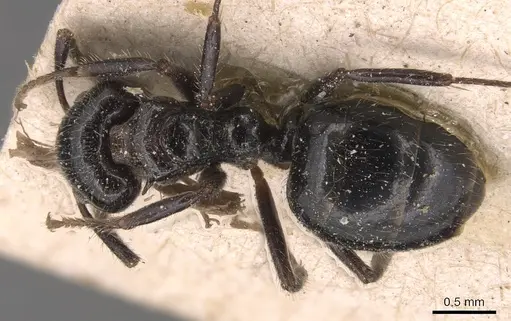
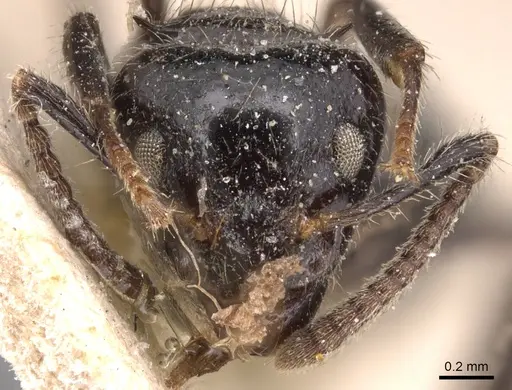
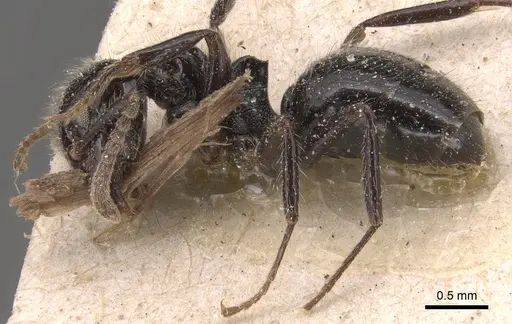
ECOFOG-IT14-0449-24
View on AntWeb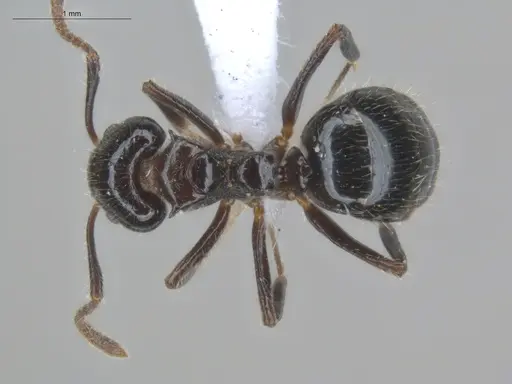
Literature
Loading...Loading products...