

Dolichoderus feae
- Scientific Name
- Dolichoderus feae
- Tribe
- Dolichoderini
- Subfamily
- Dolichoderinae
- Author
- Emery, 1889
- Distribution
- Found in 3 countries
Dolichoderus feae Overview
Dolichoderus feae is an ant species of the genus Dolichoderus. It is primarily documented in 3 countries , including Lao People's Democratic Republic, Myanmar, Thailand. Detailed taxonomic data and occurrence records can be further explored via authoritative databases such as AntWeb or the Global Biodiversity Information Facility (GBIF).
Dolichoderus feae
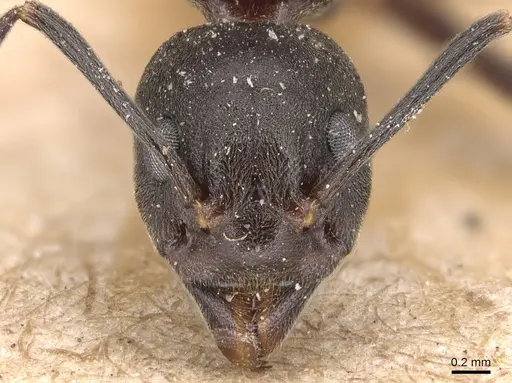
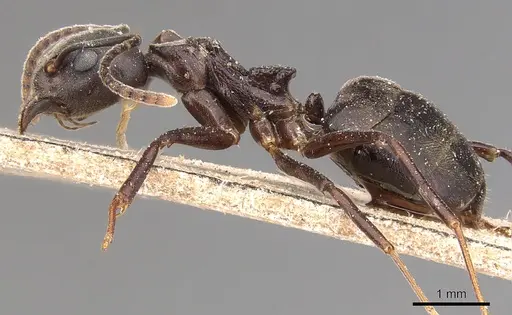
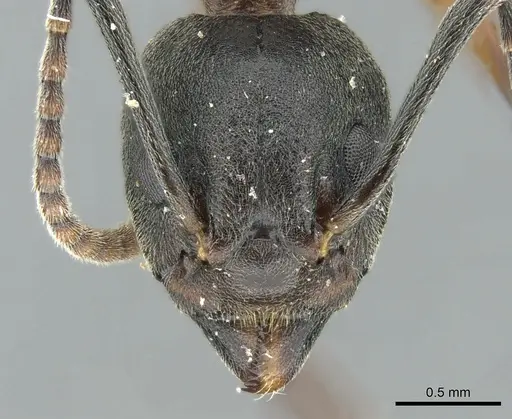
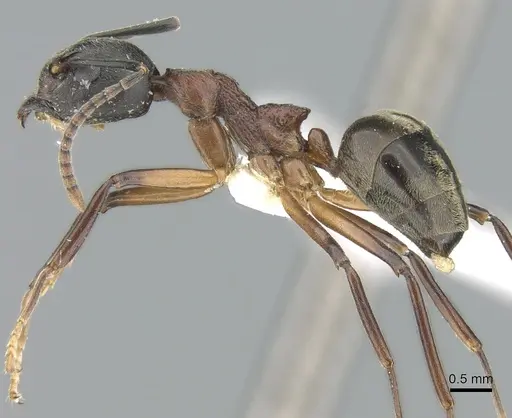
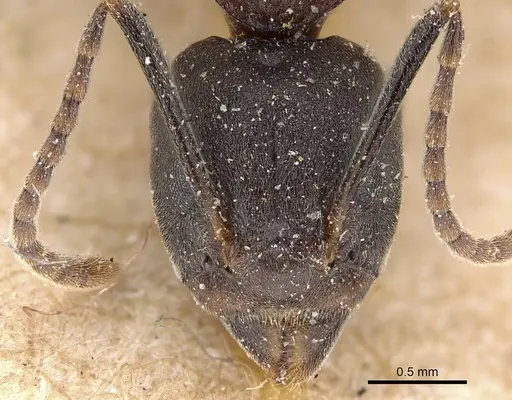
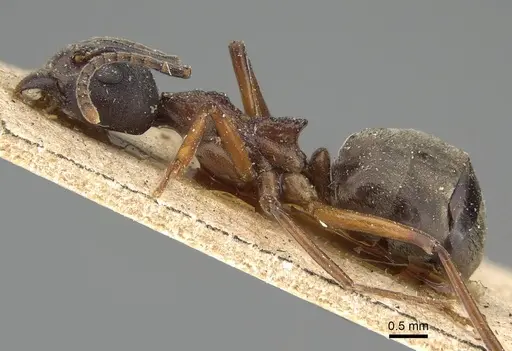
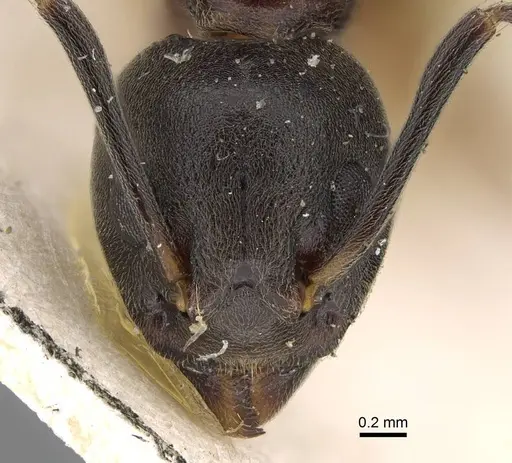
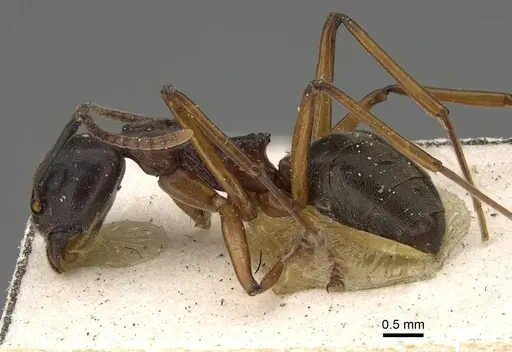
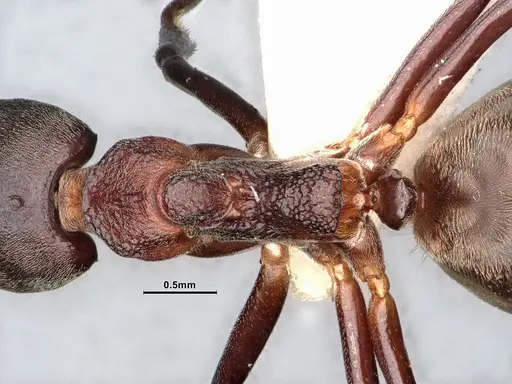
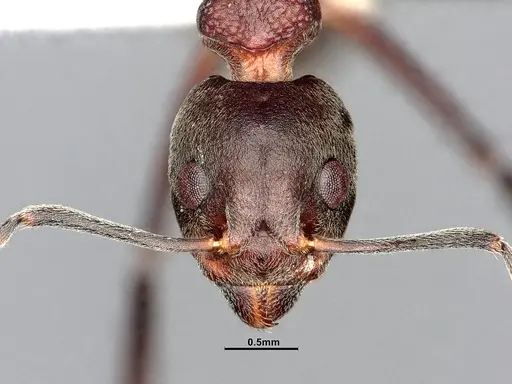
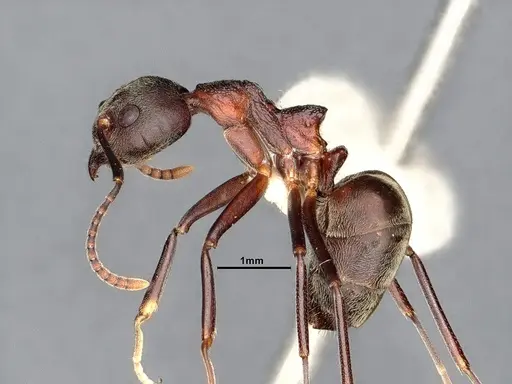
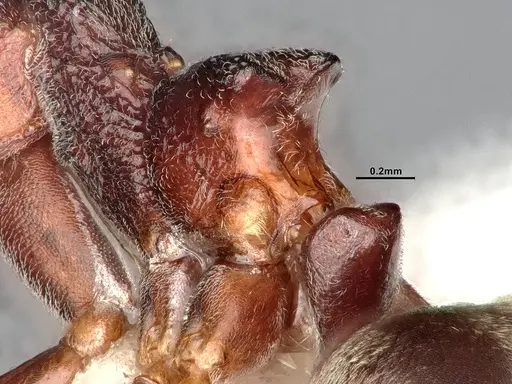
Dolichoderus feae is a medium-sized ant belonging to the Dolichoderus cuspidatus species group, known as 'herdsmen ants' for their relationship with mealybugs. Workers measure 4.88-6.79 mm with variable coloration ranging from reddish-brown to dark brown or black [1]. The head is densely and finely reticulate-punctate, and the species has distinctive body proportions with a low, flattened mesonotum and a sharply angled propodeum [1]. This ant is found across the Eastern Himalayas through Myanmar and Northern Thailand to the Isthmus of Kra, with populations also in southern China [1][2]. What makes D. feae stand out is its predominantly nocturnal lifestyle, unlike other herdsmen Dolichoderus species that are active during the day, these ants forage at night [1].
Quick Summary
- Difficulty: Medium
- Origin & Habitat: Evergreen mountain forests in Southeast Asia (above ~1000m elevation), found in India (Sikkim, Manipur, Meghalaya, Arunachal Pradesh), Myanmar, Thailand, and southern China (Yunnan Province) [1][3][2]
- Colony Type: Colony structure is unconfirmed. Based on typical Dolichoderus patterns, likely single-queen colonies but this requires verification.
- Founding: Semi-claustral
- Size & Growth:
- Queen: Unconfirmed, no specific measurements available for queens
- Worker: 4.88-6.79 mm [1]
- Colony: Unknown, no colony size data available
- Growth: Moderate, inferred from typical Dolichoderus development
- Development: 8-12 weeks at warm temperatures (Development time is estimated based on typical Dolichoderus patterns. Actual timeline may vary.)
- Antkeeping:
- Temperature: Keep at 22-26°C. As a mountain forest species from high elevation, they prefer cooler conditions than typical tropical ants. A temperature gradient allows them to choose their preferred zone.
- Humidity: Keep nest substrate moderately moist. In nature they nest in deep soil cavities, suggesting they need consistent moisture but not waterlogging. Provide a damp area they can move to if needed [1].
- Diapause: Likely yes, as a mountain species from temperate latitudes, they probably require a winter rest period. Further research needed.
- Nesting: Deep soil nests work best. In captivity, a naturalistic setup with deep substrate (at least 5-10cm) or a Y-tong/plaster nest with chambers allows them to create their preferred deep cavities. Avoid shallow setups [1].
- Behavior: Predominantly nocturnal, they forage and are most active at night, unlike most ant species [4]. As herdsmen ants, they likely tend mealybugs for honeydew and may show nomadic behaviors associated with trophobiont herding [5]. Workers are moderately sized and can defend themselves, but Dolichoderus species typically rely more on chemical defenses (formic acid) than stinging. Escape risk is moderate due to their size, standard barriers should suffice.
- Common Issues: nocturnal activity may concern keepers expecting daytime activity, this is normal for the species, deep nesting requirement means shallow formicaria are unsuitable, mealybug tending behavior means they need access to honeydew sources or sugar water, winter rest requirements are not well documented, may cause issues if kept warm year-round, limited availability in the antkeeping hobby means established colonies are rare
Natural History and Distribution
Dolichoderus feae belongs to the Dolichoderus cuspidatus species group, commonly called herdsmen ants due to their association with mealybugs (trophobionts). The species ranges from the Eastern Himalayas (Northeast India: Sikkim and Manipur) through Myanmar and Northern Thailand, along the mountain ranges of Tenasserim to the Isthmus of Kra. In China, they are found in Yunnan Province, including the Gaoligong Shan mountains [1][2][6]. They inhabit evergreen mountain forests at elevations above approximately 1000 meters above sea level, occasionally occurring at lower altitudes in deciduous monsoon forest areas [1]. This high-elevation mountain habitat distinguishes them from many other Dolichoderus species that prefer lowerland tropical environments.
Nocturnal Behavior
The most distinctive behavioral trait of Dolichoderus feae is its predominantly nocturnal activity pattern. Unlike other members of the Dolichoderus cuspidatus species group, which are typically active during the day, D. feae forages and moves primarily at night [1]. This likely represents an adaptation to avoid competition with other ant species or to cope with the cooler temperatures of their mountain forest habitat. For antkeepers, this means you should expect to see most activity in the evening and early morning hours. If you primarily observe your colony during daylight hours, you might think they are inactive, but they are simply waiting for darkness. Providing a light cycle that mimics natural day/night patterns will help maintain healthy activity rhythms.
Nesting Preferences
In the wild, Dolichoderus feae nests in soil cavities deep in the ground [1]. This is a key consideration for captive care, they need deeper nesting chambers than many other ant species. The species shows preference for moist soil environments in shaded forest areas. In captivity, a naturalistic setup with deep substrate (at least 5-10 centimeters) works well, allowing the ants to excavate chambers at their preferred depth. Y-tong (acrylic) nests with deep chambers or plaster nests that can maintain humidity are also suitable options. Avoid shallow formicaria or test tube setups that don't provide adequate depth. The nest should be kept away from direct light and positioned in a shaded area of your enclosure.
Feeding and Diet
As a herdsmen ant species, Dolichoderus feae likely feeds primarily on honeydew collected from mealybugs and other trophobionts, supplemented with protein from small insects [5]. In captivity, you should provide a sugar source (honey water or sugar water offered on a cotton ball) as a constant food source, plus protein-rich foods like small crickets, mealworms, or other insects. The nocturnal activity pattern means you should offer food in the evening and check the next morning to see what has been consumed. Unlike some Dolichoderus species that may be more predatory, D. feae probably relies heavily on trophobiosis. If they accept sugar water readily, this confirms honeydew-seeking behavior. Remove uneaten protein within 24-48 hours to prevent mold issues.
Temperature and Seasonal Care
As a mountain forest species from elevations above 1000 meters, Dolichoderus feae prefers cooler temperatures than typical tropical ants. Aim for a temperature range of 22-26°C in the nest area, with a slight gradient allowing workers to choose their preferred zone. Room temperature in most homes (20-24°C) should work well, but you may need to provide gentle warming during cooler months. Because they come from temperate latitudes with distinct seasons, they likely require a winter rest period (diapause). Reduce temperatures to around 15-18°C for 2-3 months during winter, reducing food offerings accordingly. This mimics the seasonal cycle they would experience in their natural mountain habitat. Monitor colony activity levels, if workers become less active and cluster together, they may be entering their rest period naturally. [1]
Colony Founding
The founding behavior of Dolichoderus feae has not been directly documented in scientific literature. Based on typical patterns within the Dolichoderus genus, the queen likely establishes her colony through semi-claustral founding, meaning she will leave the founding chamber periodically to forage for food during the early stages of colony development, rather than sealing herself away completely like claustral species. This differs from ants like Camponotus or Lasius where the queen relies entirely on stored fat reserves. If you are attempting to found a colony from a newly caught queen, you should expect to provide food (sugar water and small insects) during the founding phase. The queen will need to hunt and feed to produce eggs and raise the first workers.
Frequently Asked Questions
How long does it take for Dolichoderus feae to produce first workers?
The exact development timeline has not been documented for this species. Based on typical Dolichoderus patterns, expect 8-12 weeks from egg to first worker at warm temperatures (around 24-26°C). The semi-claustral founding method means the queen needs to forage, which may slightly extend development time compared to claustral species.
Is Dolichoderus feae a good species for beginners?
This is a medium-difficulty species. While not as challenging as some exotic species, it does have specific requirements, primarily the deep nesting habitat and nocturnal activity pattern, that make it better suited for keepers who already have some experience with ant husbandry. The limited availability in the hobby also means established colonies are rarely available.
Can I keep multiple Dolichoderus feae queens together?
The colony structure of this species has not been specifically studied. Dolichoderus species vary, some are single-queen (monogyne) while others accept multiple queens (polygyne). Without specific data on D. feae, combining unrelated queens is not recommended. If you catch a foundress, keep her alone until you confirm whether she has workers that might indicate a polygynous colony.
What should I feed my Dolichoderus feae colony?
As herdsmen ants, they primarily seek honeydew from mealybugs. In captivity, provide constant access to sugar water or honey water (offer on a cotton ball to prevent drowning). For protein, offer small insects like fruit flies, pinhead crickets, or mealworms. Feed protein 2-3 times per week and remove uneaten food within 24 hours.
Do Dolichoderus feae need hibernation?
As a mountain forest species from temperate latitudes, they likely require a winter rest period. Reduce temperatures to 15-18°C for 2-3 months during winter, reduce feeding, and keep them in a cool location. This mimics their natural seasonal cycle in the evergreen mountain forests they inhabit.
Why is my Dolichoderus feae colony not active during the day?
This is completely normal, Dolichoderus feae is predominantly nocturnal, unlike most ant species [1]. They will be most active in the evening, night, and early morning hours. During the day, they will likely remain in their nest or move slowly in shaded areas. This is not a sign of illness but their natural behavior.
What type of nest is best for Dolichoderus feae?
Deep nests are essential. In the wild, they nest in soil cavities deep in the ground [1]. A naturalistic setup with deep substrate (at least 5-10cm) works best, allowing them to excavate chambers. Y-tong (acrylic) nests with deep chambers or plaster nests that hold humidity are also suitable. Avoid shallow formicaria or test tube setups.
How big do Dolichoderus feae colonies get?
Colony size data is not available for this species. Based on typical Dolichoderus patterns and their medium worker size, colonies likely reach several hundred workers over several years. They are not known for the massive supercolonies seen in some other Dolichoderus species.
Where can I get Dolichoderus feae ants?
This species has limited availability in the antkeeping hobby. It is found in Southeast Asia (India, Myanmar, Thailand, China) and is not commonly traded. If available, it would typically be through specialty dealers who import from Southeast Asia. Check with exotic ant suppliers or consider connecting with antkeepers in regions where the species occurs.
References

This caresheet is licensed under CC BY-SA 4.0 .
CASENT0905020
View on AntWeb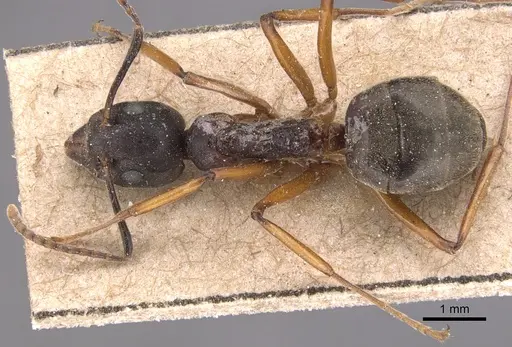
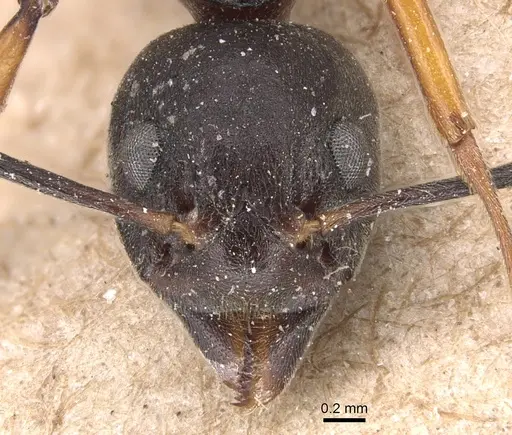
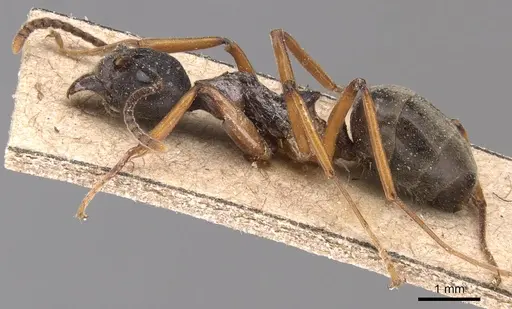
CASENT0905021
View on AntWeb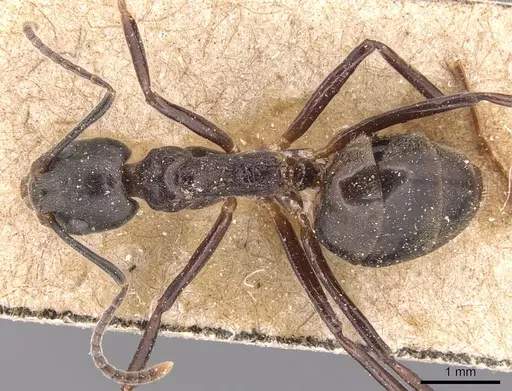
CASENT0906207
View on AntWeb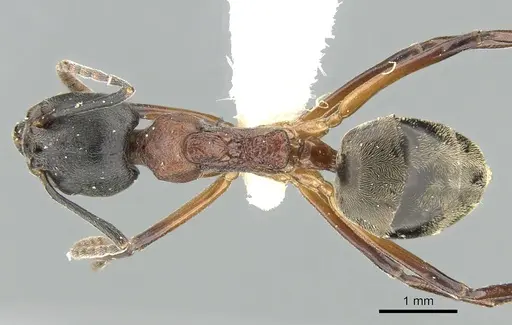
CASENT0922444
View on AntWeb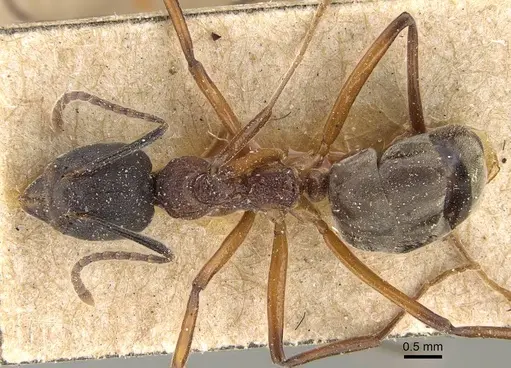
CASENT0922445
View on AntWeb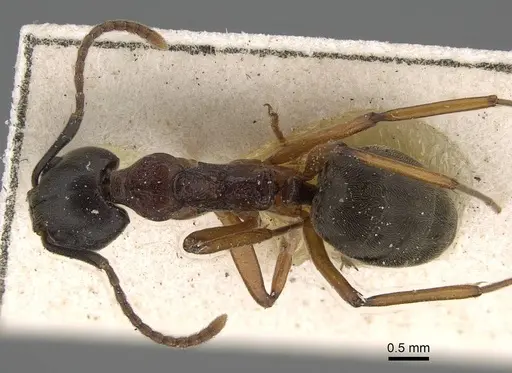
SMFHYM0008894
View on AntWeb
Literature
Loading...Loading products...