

Dolichoderus erectilobus
- Scientific Name
- Dolichoderus erectilobus
- Tribe
- Dolichoderini
- Subfamily
- Dolichoderinae
- Author
- Santschi, 1920
- Distribution
- Found in 2 countries
Dolichoderus erectilobus Overview
Dolichoderus erectilobus is an ant species of the genus Dolichoderus. It is primarily documented in 2 countries , including Thailand, Viet Nam. Detailed taxonomic data and occurrence records can be further explored via authoritative databases such as AntWeb or the Global Biodiversity Information Facility (GBIF).
Dolichoderus erectilobus
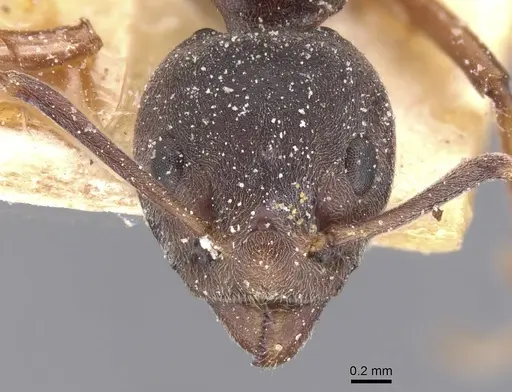
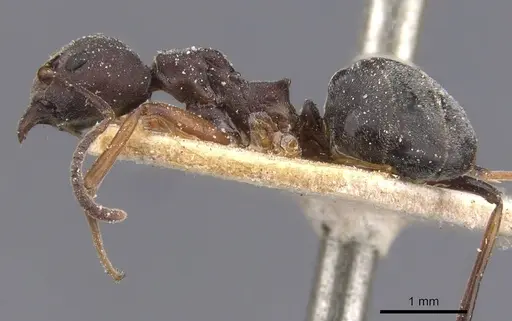
Dolichoderus erectilobus is a medium-sized ant species native to northern Vietnam and northern Thailand. Workers measure 4.8-5.8mm with a distinctive appearance featuring cone-like processes on the propodeum (the section just before the abdomen) and dense, evenly punctate sculpturing across the head and body. The head ranges from reddish to black, while the alitrunk can be reddish-brown to black. These ants belong to the Dolichoderus cuspidatus species group and are known as 'herdsmen ants', they form mutualistic relationships with mealybugs, tending and transporting them for their honeydew secretions [1]. Queens are ergatoid, meaning they are wingless and smaller than typical alate queens, measuring 6.7-7.3mm [1]. This species is notable for its nomadic nesting behavior and specialized trophobiont herding strategies, making it a fascinating species for antkeepers interested in obligate mutualisms.
Quick Summary
- Difficulty: Medium
- Origin & Habitat: Northern Vietnam and northern Thailand, in the Indomalaya region. These ants inhabit tropical forest environments where they associate with mealybugs (Paramyrmococcus chiengraiensis) for honeydew collection [1][2].
- Colony Type: Colonies appear to be monogyne (single queen) based on the ergatoid queen morphology. The queen is wingless and ergatoid, which is typical for herdsmen species in the D. cuspidatus group. Colonies likely reach moderate sizes, though exact maximums are unconfirmed.
- Colony: Monogyne
- Size & Growth:
- Queen: 6.7-7.3 mm [1]
- Worker: 4.8-5.8 mm [1]
- Colony: Unconfirmed, likely moderate (hundreds of workers) based on related species patterns
- Growth: Moderate, estimated based on typical Dolichoderus development
- Development: Estimated 6-10 weeks at optimal temperature based on genus-level data for related Dolichoderus species (Development time is inferred from genus patterns since species-specific data is unavailable. Expect moderate growth rate typical of tropical Dolichoderus.)
- Antkeeping:
- Temperature: Keep at 24-28°C, these are tropical ants from Southeast Asia that prefer warm, stable conditions. A gentle gradient allowing cooler areas around 22°C is beneficial [1].
- Humidity: Moderate to high humidity (60-80%). These forest-floor ants from tropical Thailand and Vietnam prefer damp conditions. Keep the nest substrate consistently moist but not waterlogged.
- Diapause: Unlikely, being a tropical species from northern Thailand/Vietnam, they likely remain active year-round with no true diapause. However, they may show reduced activity during cooler seasons.
- Nesting: In nature, they are nomadic and nest in various locations. In captivity, they do well in Y-tong (AAC), plaster, or naturalistic setups with multiple chambers. Provide damp substrate and avoid dry conditions. Their nomadic nature suggests they may benefit from occasional relocation opportunities.
- Behavior: Dolichoderus erectilobus is a calm, non-aggressive species typical of herdsmen ants. They are specialized trophobiont herders, they actively tend and transport mealybugs to access honeydew. Workers are moderately active foragers rather than aggressive defenders. They have a functional stinger but rarely use it, and the sting is mild for humans. Escape risk is moderate, these are medium-sized ants that can be contained with standard barriers, but they are agile and may explore for exits. Their nomadic nesting tendency means they may relocate if conditions become unfavorable.
- Common Issues: mealybug dependency, they require access to honeydew-producing insects (mealybugs or aphids) as a primary food source, which can be challenging to maintain in captivity, nomadic behavior may cause stress if the colony cannot relocate, provide spacious setups with multiple potential nest areas, tropical humidity requirements mean dry conditions can quickly lead to colony decline, slow colony establishment compared to faster-growing genera, beginners may lose patience, ergatoid queens are less robust than claustral queens and may require more careful founding conditions
Housing and Nest Setup
Dolichoderus erectilobus does well in Y-tong (AAC) nests, plaster nests, or naturalistic setups with multiple chambers. Because they are nomadic by nature, providing a spacious formicarium with several connected chambers gives them options. Keep the nest substrate consistently damp, these tropical forest ants need moisture to thrive. A water reservoir or moisture gradient helps maintain appropriate humidity. Since they tend mealybugs, consider including a section where you can maintain a small mealybug culture. Use standard escape prevention (fluon on edges), while not tiny, they are agile and will explore for exits. [1]
Feeding and Diet
As herdsmen ants, D. erectilobus has a specialized diet centered on honeydew from trophobionts. In captivity, you must provide a consistent honeydew source, this means maintaining a culture of mealybugs or aphids on a host plant within or near the nest setup. Additionally, offer sugar water or honey as a supplemental energy source. For protein, they will accept small insects like fruit flies, pinhead crickets, and mealworms. The key to success is establishing a sustainable mealybug culture, without this, the colony may struggle. Some keepers report success with increased sugar offerings if mealybugs are difficult to maintain, but this is suboptimal for their natural feeding behavior. [1]
Temperature and Seasonal Care
Maintain temperatures between 24-28°C for optimal colony health and development. Being from tropical northern Thailand and Vietnam, they do not require hibernation or diapause. Room temperature in most homes (around 22-24°C) is acceptable, but a slight increase to the mid-20s is ideal. They can tolerate brief temperature drops but should not be exposed to sustained cool conditions below 20°C. No special winter care is required, maintain consistent warmth year-round. Monitor for signs of stress if temperatures fluctuate significantly. [1]
Behavior and Colony Dynamics
This species exhibits typical herdsmen behavior, workers actively tend mealybugs, moving them to optimal feeding sites and protecting them from predators. They are not aggressive and lack powerful defensive mechanisms, making them suitable for observation of interesting mutualistic behaviors. The ergatoid queen (wingless) is smaller than typical alate queens and may be less claustrally independent during founding, she likely requires some worker assistance to raise the first brood. Colonies are moderately active and will establish foraging trails when food is available. Their nomadic tendency means they may relocate within the enclosure if conditions change. [1]
Acquiring and Founding
Due to the specialized nature of this species and its limited distribution, wild-caught colonies may be the primary source. When collecting, look for nests near mealybug-infested plants in northern Thailand or Vietnam. When introducing an ergatoid queen, provide a small, humid founding chamber with access to a mealybug food source if possible. The founding period may be more precarious than typical claustral species, the wingless queen cannot found independently and may need worker assistance from the start. Be patient during the founding phase as growth is typically moderate. [1]
Frequently Asked Questions
How long does it take for Dolichoderus erectilobus to produce first workers?
Based on typical Dolichoderus development patterns, expect 6-10 weeks from egg to first worker at optimal temperature (24-28°C). Ergatoid queens may have slightly different timelines than typical claustral queens, so monitor but don't expect rapid founding.
What do I feed Dolichoderus erectilobus?
They require honeydew as a primary food source. Maintain a culture of mealybugs or aphids on a small host plant within or near the nest. Supplement with sugar water/honey and small protein sources like fruit flies or pinhead crickets. The mealybug relationship is essential for long-term colony health.
Are Dolichoderus erectilobus good for beginners?
This species is rated as medium difficulty. While not the hardest species, the requirement to maintain a mealybug culture for honeydew makes them more challenging than typical ants. They are best suited for antkeepers who have kept at least one other species successfully and are interested in observing specialized mutualistic behaviors.
Can I keep multiple queens together?
This species appears to be monogyne (single queen colony). Combining unrelated queens is not recommended as it has not been documented and could result in fighting. Stick to single-queen colonies for best success.
Do Dolichoderus erectilobus need hibernation?
No, they do not require hibernation. Being tropical ants from northern Thailand and Vietnam, they remain active year-round. Maintain consistent warm temperatures (24-28°C) throughout the year.
How big do Dolichoderus erectilobus colonies get?
Colony size is not well documented, but based on related species in the D. cuspidatus group, colonies likely reach several hundred workers. They are not among the largest Dolichoderus species but can form substantial colonies over time.
Why is my colony declining?
The most common causes are: 1) lack of consistent honeydew source (mealybugs),2) too dry conditions,3) temperatures below optimal range,4) stress from excessive disturbance. Review your setup against their tropical humidity and warmth requirements, and ensure a sustainable mealybug culture is established.
References

This caresheet is licensed under CC BY-SA 4.0 .
CASENT0009956
View on AntWeb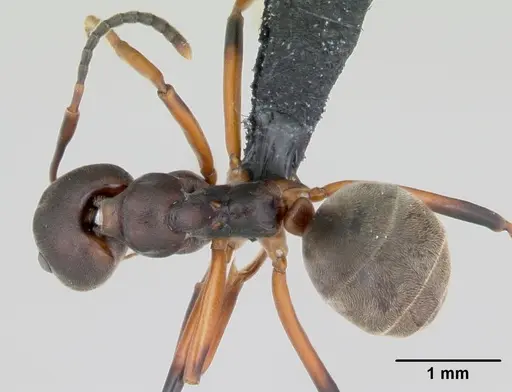
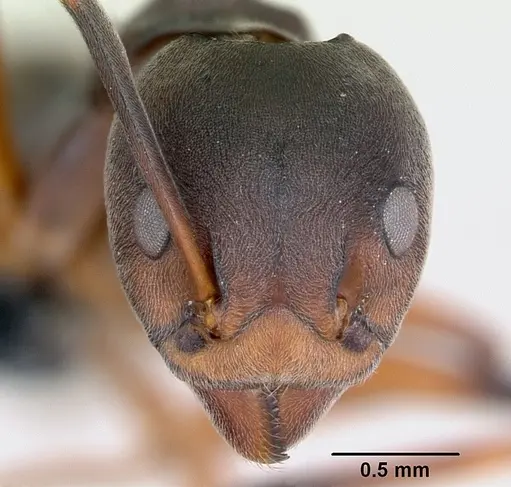
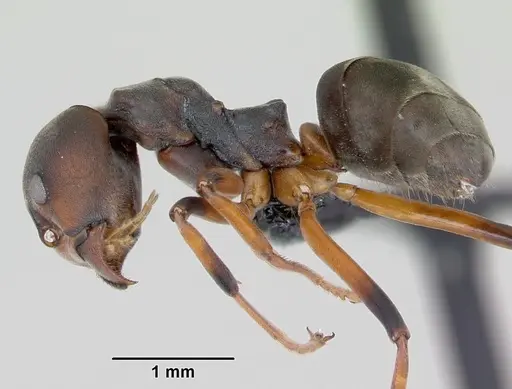
CASENT0009957
View on AntWeb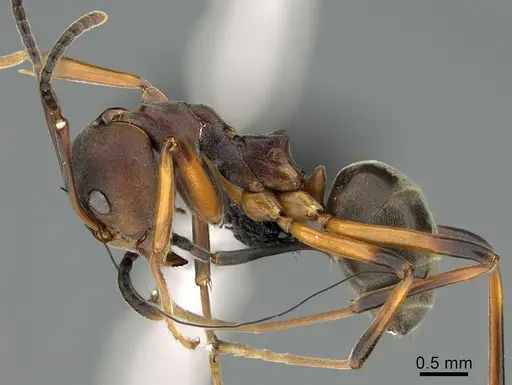
CASENT0249569
View on AntWeb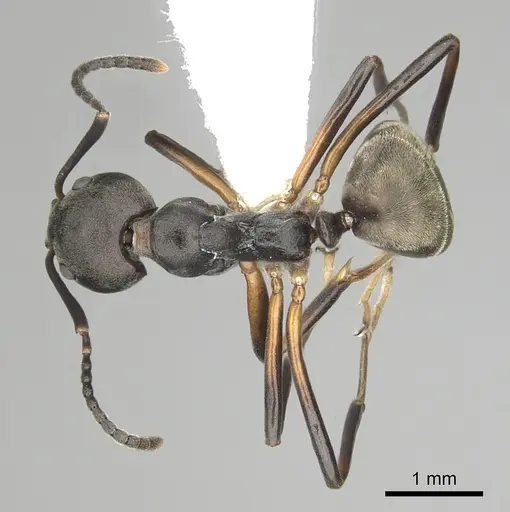
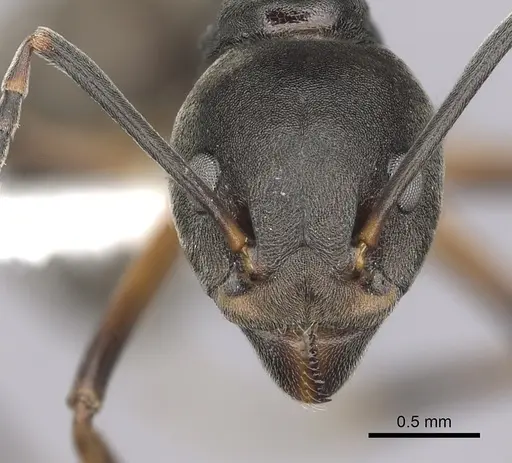
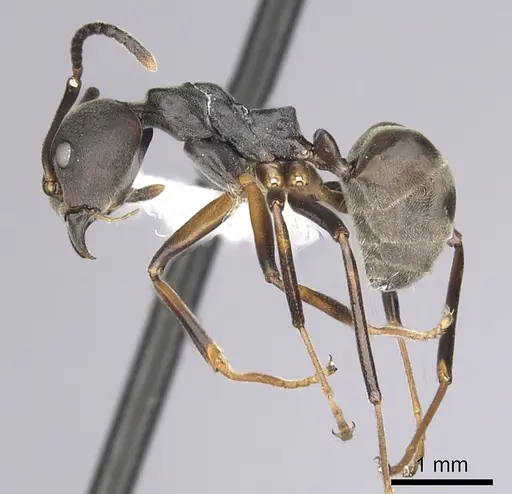
CASENT0911506
View on AntWeb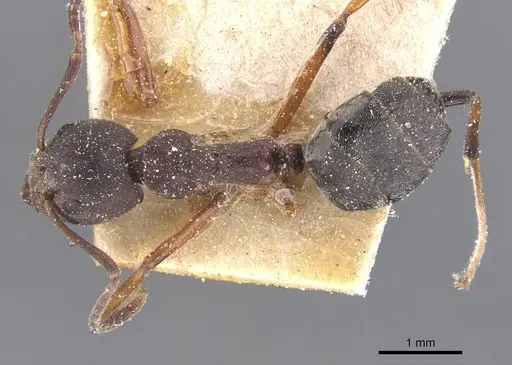
Literature
Loading...Loading products...