

Dolichoderus decollatus
- Scientific Name
- Dolichoderus decollatus
- Tribe
- Dolichoderini
- Subfamily
- Dolichoderinae
- Author
- Smith, 1858
- Distribution
- Found in 8 countries
Dolichoderus decollatus Overview
Dolichoderus decollatus is an ant species of the genus Dolichoderus. It is primarily documented in 8 countries , including Brazil, Colombia, Ecuador. Detailed taxonomic data and occurrence records can be further explored via authoritative databases such as AntWeb or the Global Biodiversity Information Facility (GBIF).
Dolichoderus decollatus
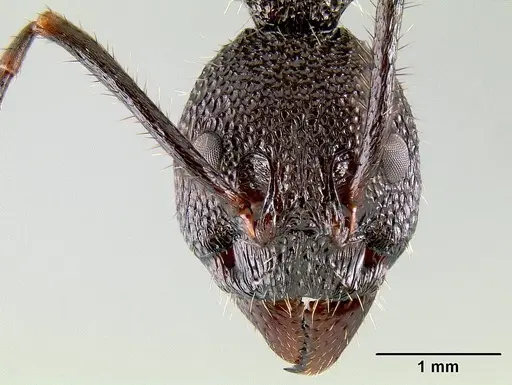
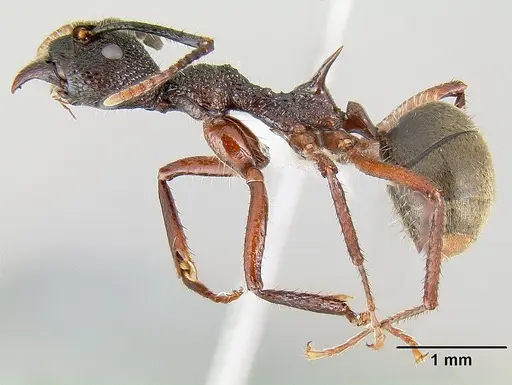
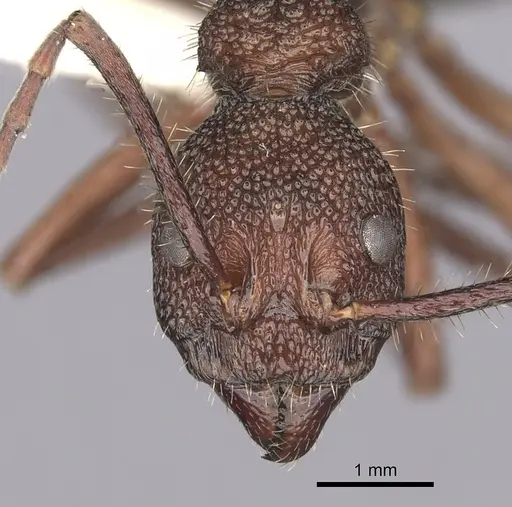
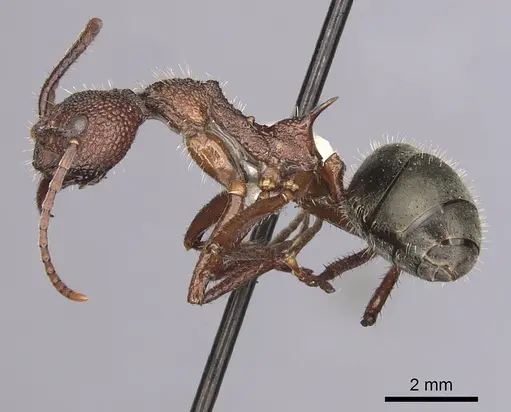
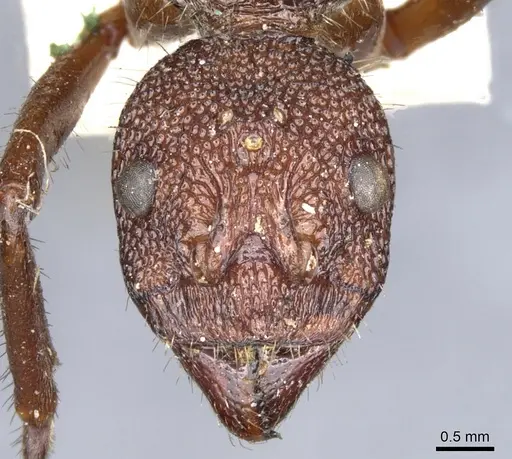
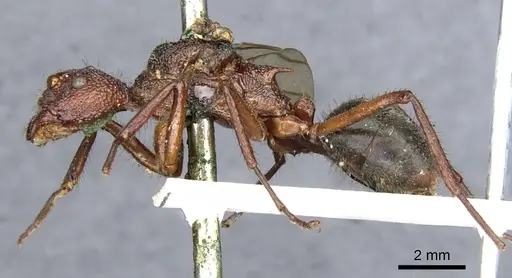
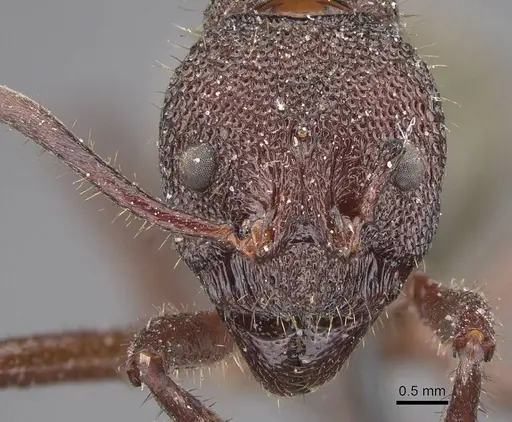
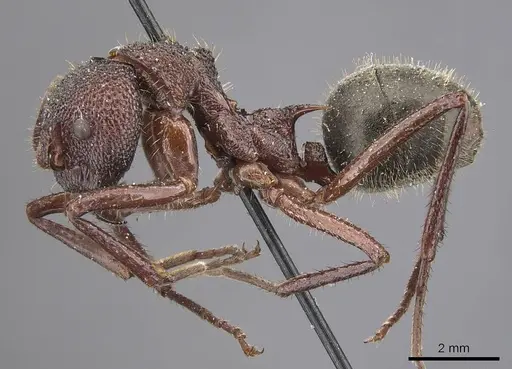
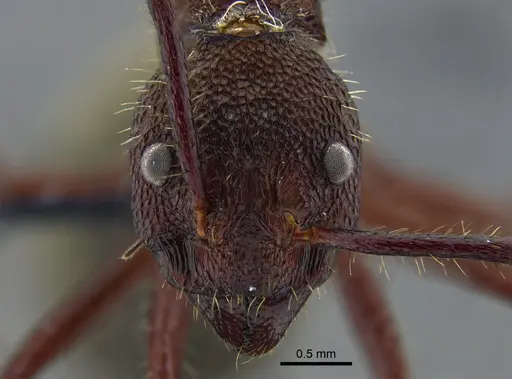
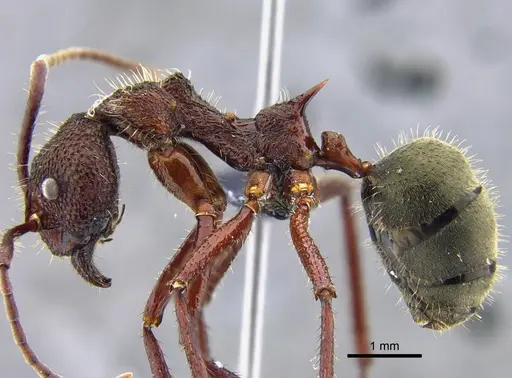
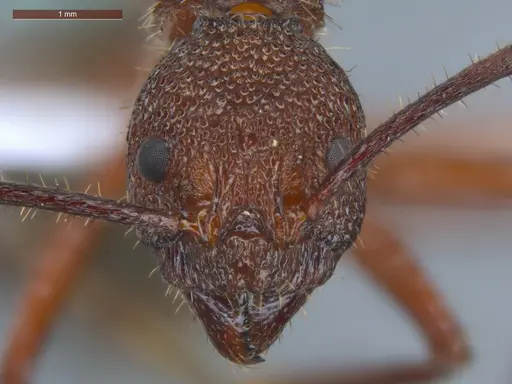
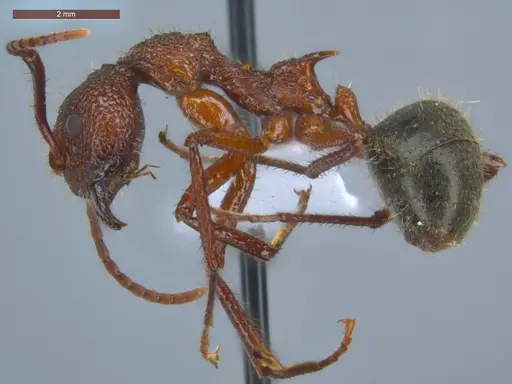
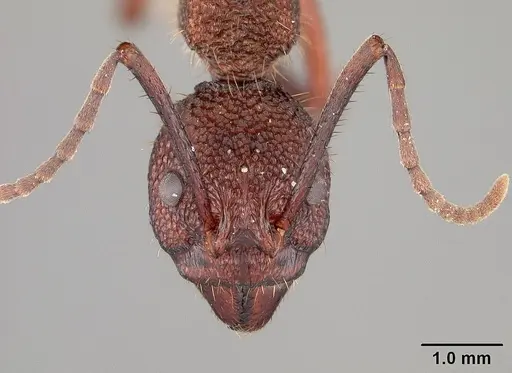
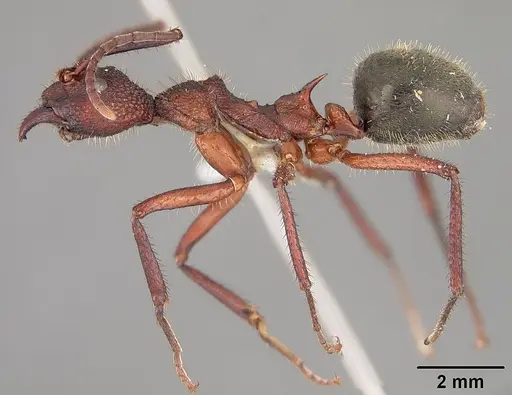
Dolichoderus decollatus is a large Neotropical ant species native to the Amazon basin and surrounding regions of South America. Workers measure around 6-8mm with a distinctive appearance featuring propodeal spines, a foveolate (pitted) head and mesosoma, and erect hairs on the scapes and pronotum. The head and mesosoma are brown to reddish-brown, with a darker gaster. Unlike the related D. attelaboides, this species does not have a neck-like prolongation of the head. Queens are significantly larger at approximately 12.7mm. This species forms associations in ant gardens with Odontomachus panamensis, where colonies typically have 1-2 nests located about 50 meters from other ant colonies [1][2]. They are found across a wide range from southern Panama through Brazil, including Colombia, Ecuador, Peru, Bolivia, Guyana, French Guiana, Suriname, and Trinidad and Tobago [3].
Quick Summary
- Difficulty: Medium
- Origin & Habitat: Native to the Neotropical region, Amazon basin and surrounding areas across Bolivia, Brazil, Colombia, Ecuador, French Guiana, Guyana, Peru, Suriname, and Trinidad and Tobago. Found in humid tropical rainforests, forest litter, and at elevations from near sea level to 1400m [4][3].
- Colony Type: Colony structure is not well documented in scientific literature. Found in ant gardens with Odontomachus panamensis, with colonies having 1-2 nests [1][2]. Further research needed on queen number and colony founding behavior.
- Size & Growth:
- Queen: Approximately 12.7mm (6 lines) [5], estimated from original description
- Worker: 6-8mm [6], based on Colombian specimens
- Colony: Unknown, no documented colony size studies found
- Growth: Unknown, no development timing data available
- Development: Unknown, no direct development studies found for this species (Development timeline has not been documented. Related Dolichoderus species in the genus typically develop from egg to worker in 4-8 weeks under tropical conditions, but this is an estimate for D. decollatus.)
- Antkeeping:
- Temperature: As a tropical species from the Amazon basin, keep them warm at 24-28°C. Room temperature in most homes should work well, but a heating cable on one side of the nest can provide additional warmth if needed. Avoid temperatures below 20°C as this species is adapted to consistently warm, humid conditions.
- Humidity: High humidity is essential, these are rainforest ants from the Amazon. Keep the nest substrate consistently moist but not waterlogged. The substrate should feel damp to the touch. Mist the outworld regularly and ensure the nest has access to a water tube. Good ventilation is important to prevent mold while maintaining humidity.
- Diapause: No, as a tropical species from the Amazon basin, they do not require hibernation or winter dormancy. They remain active year-round when kept at appropriate temperatures.
- Nesting: In the wild, they nest in forest litter and have been found in ant gardens. For captivity, a naturalistic setup with moist substrate (like a terrarium-style formicarium) works well. They prefer tight, humid chambers. Y-tong nests with moisture reservoirs can also work, but ensure humidity is maintained. Avoid dry setups.
- Behavior: Dolichoderus decollatus is a generally calm, non-aggressive species. Workers are moderate foragers and have been observed visiting flowers, including Heliconia hirsuta, where they show a retreat response when disturbed [7]. They are not known for stinging and are considered docile. As a large ant, escape prevention is moderately important, they are not tiny but can still squeeze through small gaps. Use standard barrier methods. They form associations with other ant species in ant gardens in the wild, suggesting they can coexist with other ants in captivity if space permits.
- Common Issues: tropical humidity requirements mean dry conditions quickly stress colonies, lack of documented care information means keepers must adapt from related species, wild-caught colonies may harbor parasites or face adaptation issues to captive conditions, their large size requires appropriately sized enclosures and chambers, ant garden association suggests they may need specific environmental features
Natural History and Distribution
Dolichoderus decollatus is widely distributed across the Neotropics, from southern Panama through the Amazon basin into Brazil, Bolivia, and across northern South America including Colombia, Ecuador, Peru, Guyana, French Guiana, Suriname, and Trinidad and Tobago [3][8]. They inhabit humid tropical rainforests, particularly in forest litter and at elevations ranging from near sea level to around 1400m in some regions like Táchira, Venezuela [4]. This species is part of the D. decollatus complex and shows phylogenetic clustering with D. attelaboides [9]. One of the most interesting aspects of their natural history is their association with ant gardens, mutualistic structures where ants and plants benefit each other. In Brazil, colonies have been found inhabiting ant gardens alongside Odontomachus panamensis, with colonies typically having 1-2 nests located approximately 50 meters from other ant species [1][2]. They have also been recorded visiting flowers of Heliconia hirsuta, where workers show a retreat response when disturbed [7].
Appearance and Identification
Workers of Dolichoderus decollatus are relatively large ants measuring 6-8mm, with a distinctive morphology that helps distinguish them from related species. The mesosoma is longer than wide, and both the head and mesosoma have a foveolate (pitted) texture. They possess propodeal spines, and the area between these spines along with the propodeal declivity features transverse parallel striations. Many erect hairs are present on the scapes and pronotum. Color-wise, the head and mesosoma are brown to reddish-brown, with the gaster being notably darker [6]. Queens are significantly larger at approximately 12.7mm (originally described as 6 lines in the original 1858 description) [5]. A key distinguishing feature from the similar D. attelaboides is that D. decollatus does not have the head prolonged into a neck [5]. The chromosome number has been documented as 2n = 38 with a karyotype formula of 2k6 M + 32 SM [9][10].
Housing and Nesting
In their natural habitat, Dolichoderus decollatus lives in forest litter and has been found in ant garden associations. For captive care, a naturalistic setup with moist substrate works best, think of a terrarium-style formicarium with damp soil or coconut fiber substrate. They prefer tight, humid chambers that mimic the moist conditions of the rainforest floor. Y-tong (acrylic) nests with moisture reservoirs can also work, but you must ensure humidity is consistently maintained. These are large ants, so provide appropriately sized chambers and passages. A water tube should always be available. Since they come from humid tropical environments, the outworld should also be misted regularly to maintain ambient humidity. Good ventilation is important to prevent mold while still retaining moisture.
Feeding and Diet
While specific feeding studies for D. decollatus are limited, Dolichoderus ants are generally omnivorous. In the wild, they have been observed visiting flowers (Heliconia hirsuta), suggesting they may feed on nectar and honeydew [7]. They likely also consume small insects and arthropods for protein. For captive colonies, offer a varied diet including sugar water or honey as an energy source, and protein sources such as small crickets, mealworms, or other appropriate-sized prey. Given their tropical origin and the observation of flower visitation, they may accept sweet liquids readily. Feed protein 2-3 times per week and ensure sugar sources are always available. Remove uneaten prey after 24-48 hours to prevent mold.
Temperature and Humidity Requirements
As a species native to the Amazon basin and humid tropical forests, Dolichoderus decollatus requires warm and humid conditions. Keep the nest area at 24-28°C, this is ideal for tropical ants. A heating cable placed on one side of the nest can create a gentle temperature gradient if your room temperature is below this range. Avoid temperatures below 20°C as prolonged cold can stress or kill colonies. Humidity is equally critical, keep the nest substrate consistently moist but not waterlogged. The substrate should feel damp to the touch. Mist the outworld regularly and ensure the nest has access to a water tube. Good ventilation helps prevent mold while maintaining the humid conditions these ants need. Unlike temperate species, they do not require hibernation or winter cooling.
Behavior and Temperament
Dolichoderus decollatus is generally a calm, non-aggressive species. Workers are moderate foragers and have been observed visiting flowers, where they show a retreat response when disturbed rather than aggressive defense [7]. They are not known for stinging and are considered docile handling. Their large size means they are not escape artists in the same way tiny ants are, but standard barrier methods should still be used. In the wild, they form associations in ant gardens with Odontomachus panamensis, suggesting they can coexist with other ant species [1][2]. This social tolerance might carry over to captivity, though caution is still advised when housing different species together. The colony structure in the wild consists of 1-2 nests per colony, which is relatively simple compared to some more complex ant societies.
Reproduction and Development
Detailed information on colony founding and development for D. decollatus is not well documented in scientific literature. The ovaries of workers have been studied and found to be of the meroistic polytrophic type (typical for Hymenoptera), with the right ovary having 7 ovarioles and the left ovary having 8 ovarioles [11]. All ovarioles were found to be completely developed with oocytes in various stages of maturation, suggesting workers may have reproductive potential [11]. This is unusual in ants where typically only the queen reproduces, and it may indicate potential gamergate (worker reproduction) behavior, though this has not been confirmed. Queens are large at approximately 12.7mm [5]. No specific data exists on egg-to-worker development time, but related Dolichoderus species typically develop from egg to adult worker in 4-8 weeks under optimal tropical conditions.
Frequently Asked Questions
How long does it take for Dolichoderus decollatus to go from egg to worker?
The exact egg-to-worker development time has not been documented for this species. Based on related Dolichoderus species in the genus, expect approximately 4-8 weeks under optimal tropical conditions (24-28°C). This is an estimate as no specific studies exist for D. decollatus.
What do Dolichoderus decollatus ants eat?
While specific dietary studies are limited, Dolichoderus ants are omnivorous. They likely feed on nectar, honeydew, and small insects. In captivity, offer sugar water or honey for energy and protein sources like small crickets or mealworms. They have been observed visiting flowers in the wild, suggesting they readily accept sweet liquids.
What temperature do Dolichoderus decollatus ants need?
Keep them warm at 24-28°C. As tropical Amazon ants, they need consistently warm conditions. Avoid temperatures below 20°C. A heating cable on one side of the nest can help maintain appropriate temperatures.
Do Dolichoderus decollatus need hibernation?
No, they do not require hibernation. As a tropical species from the Amazon basin, they remain active year-round when kept at appropriate temperatures (24-28°C). Do not cool them down for winter.
How big do Dolichoderus decollatus colonies get?
The maximum colony size is not documented in scientific literature. In the wild, colonies have been found with 1-2 nests in ant garden associations. Expect moderate-sized colonies based on related species in the genus.
Are Dolichoderus decollatus good for beginners?
They are rated as Medium difficulty. They are docile and do not sting, but they have specific humidity and temperature requirements typical of tropical ants. Beginners comfortable with maintaining warm, humid conditions can successfullly keep them.
What humidity level do Dolichoderus decollatus need?
High humidity is essential, these are rainforest ants. Keep the nest substrate consistently moist but not waterlogged. The substrate should feel damp to the touch. Mist the outworld regularly and ensure a water tube is always available.
Can I keep multiple queens together?
The colony structure (monogyne vs polygyne) has not been documented for this species. It is unknown whether they accept multiple queens or are single-queen colonies. Until more information is available, it is not recommended to combine unrelated queens.
What type of nest is best for Dolichoderus decollatus?
A naturalistic setup with moist substrate works best, like a terrarium-style formicarium with damp soil or coconut fiber. They prefer tight, humid chambers. Y-tong nests with moisture reservoirs can also work if humidity is maintained.
Where is Dolichoderus decollatus found in the wild?
They are native to the Neotropical region, the Amazon basin and surrounding areas across Bolivia, Brazil, Colombia, Ecuador, Peru, Guyana, French Guiana, Suriname, and Trinidad and Tobago. They live in humid tropical rainforests in forest litter.
Why are my Dolichoderus decollatus dying?
The most common causes are likely improper humidity (too dry) or temperatures below 20°C. As tropical ants, they need consistently warm, humid conditions. Wild-caught colonies may also carry parasites that can affect captive colonies. Ensure proper housing with adequate moisture and warmth.
References

This caresheet is licensed under CC BY-SA 4.0 .
CASENT0106165
View on AntWeb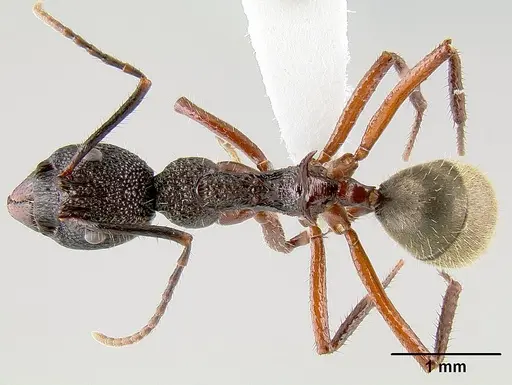
CASENT0249661
View on AntWeb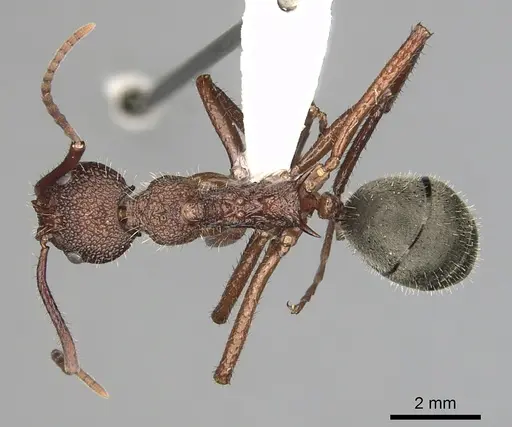
CASENT0902943
View on AntWeb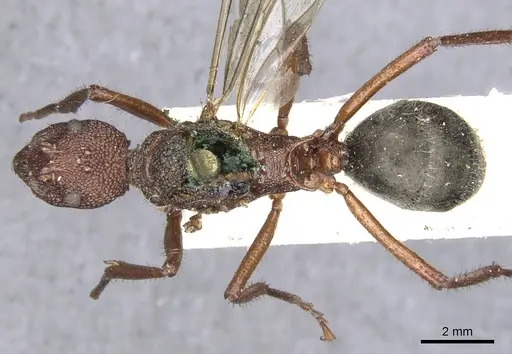
CASENT0915335
View on AntWeb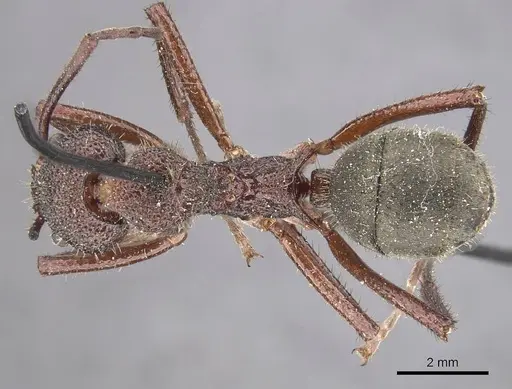
CBUMAGENT41943
View on AntWeb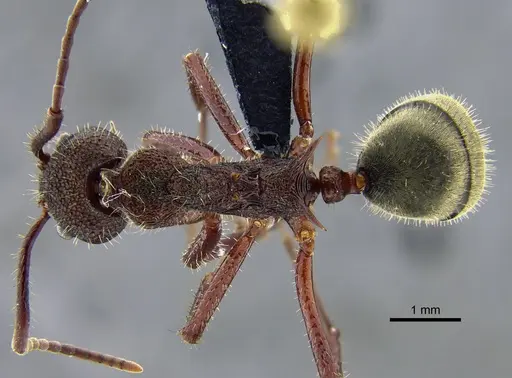
ECOFOG-TR17-0239-01
View on AntWeb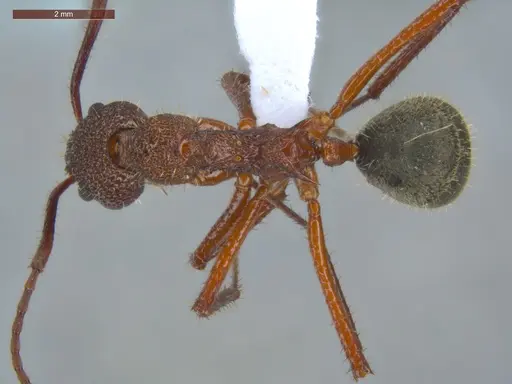
USNMENT00412866
View on AntWeb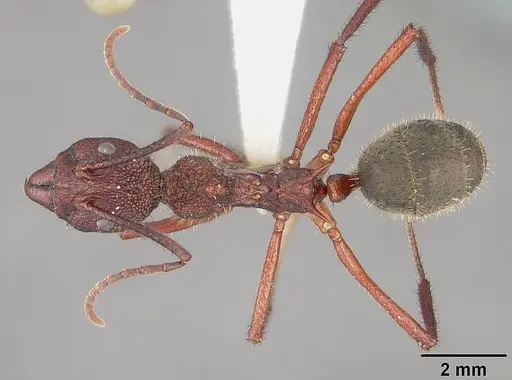
Literature
Loading...Loading products...