

Odontomachus panamensis
- Scientific Name
- Odontomachus panamensis
- Tribe
- Ponerini
- Subfamily
- Ponerinae
- Author
- Forel, 1899
- Distribution
- Found in 7 countries
Odontomachus panamensis Overview
Odontomachus panamensis is an ant species of the genus Odontomachus. It is primarily documented in 7 countries , including Brazil, Colombia, Costa Rica. Detailed taxonomic data and occurrence records can be further explored via authoritative databases such as AntWeb or the Global Biodiversity Information Facility (GBIF).
Odontomachus panamensis
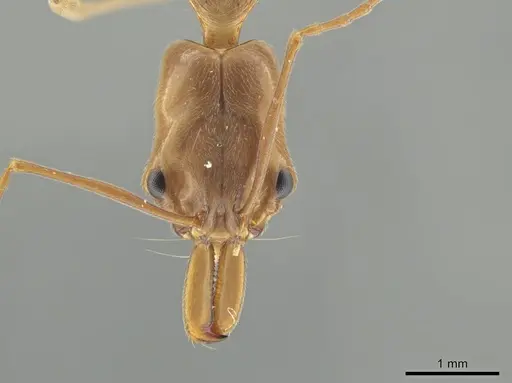
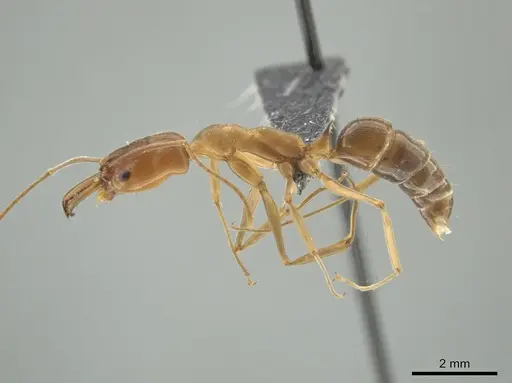
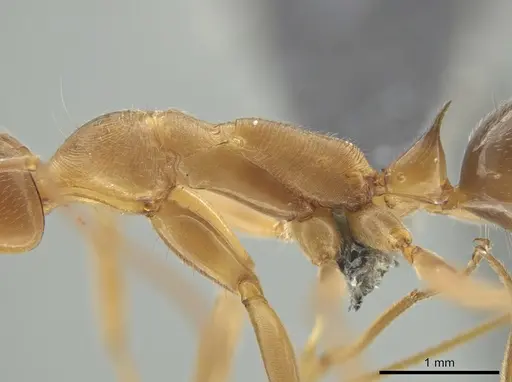
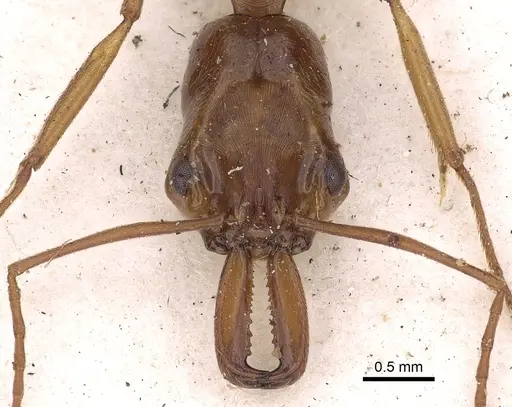
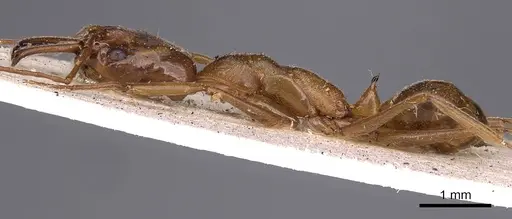
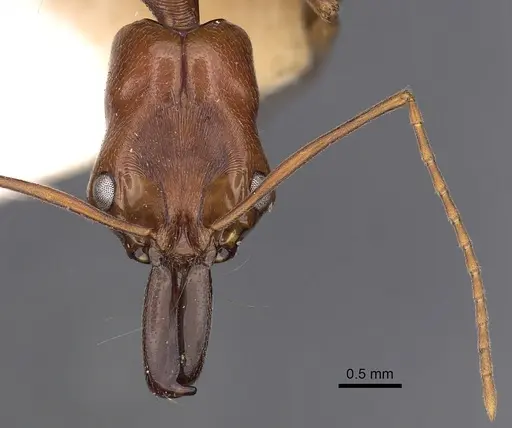
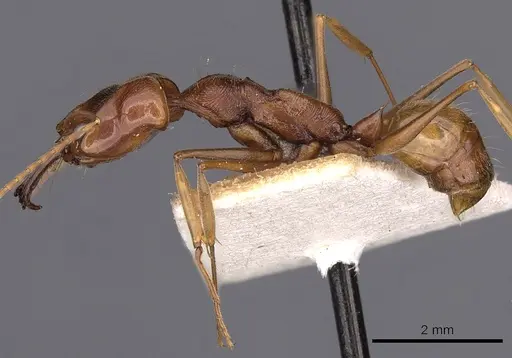
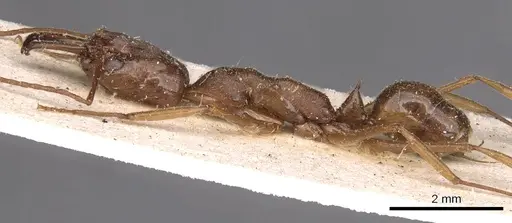
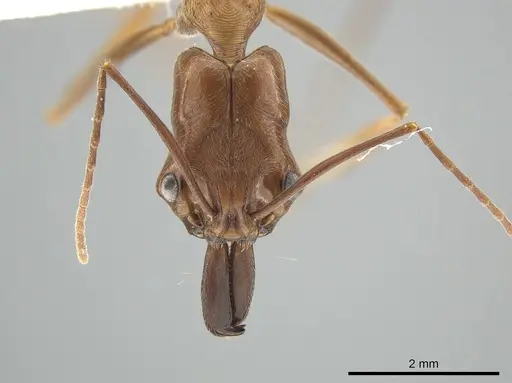
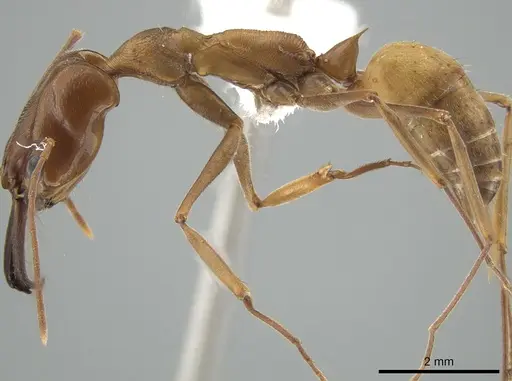
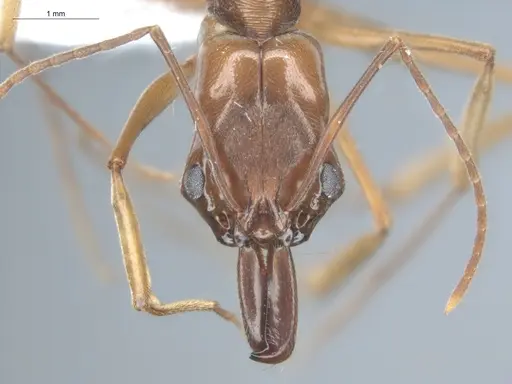
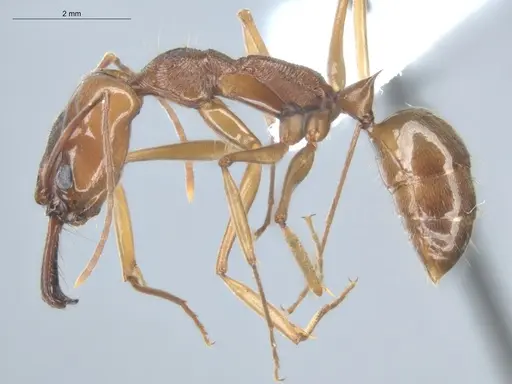
Odontomachus panamensis is a striking trap-jaw ant found throughout the Neotropics, from Panama down through Colombia, Ecuador, Brazil, and into French Guiana and Guyana. Workers are medium-sized at 9-12mm with a distinctive yellow to orangish body color, and they possess the characteristic large, powerful mandibles that give trap-jaw ants their name [1]. These ants are arboreal and nocturnal, nesting in epiphytes and specialized structures called ant gardens where they live alongside other ant species in a parabiotic relationship [1][2].
What makes O. panamensis truly special is their role as ant garden specialists. Workers actively collect and transport seeds from plants like Aechmea mertensii and Anthurium gracile back to their nests, incorporating them into the nest walls. This creates a mutualistic relationship where the plants get a growing substrate and the ants get a protected nest site [1]. They commonly associate with Crematogaster species (particularly C. limata and C. carinata) and Dolichoderus species in these gardens [2][3]. Colonies can grow quite large, reaching over 2,000 workers, and often maintain multiple nests (polycalic) [1].
Quick Summary
- Difficulty: Medium
- Origin & Habitat: Neotropical region, found in Brazil, Colombia, Costa Rica, Ecuador, French Guiana, Guyana, Panama, and Suriname. Inhabits lowland tropical forests, typically at elevations from sea level to around 550m. Nests in epiphytes and ant gardens in secondary forest and forest edge habitats [4][1].
- Colony Type: Likely polygynous (multiple queens) with polycalic colony structure, colonies maintain multiple nests and can reach over 2,000 workers [1]. Parabiotic associations with Crematogaster and Dolichoderus species are common.
- Colony: Optionally polygyne
- Founding: Semi-claustral
- Size & Growth:
- Queen: Approximately 12-14mm (estimated from genus patterns, not directly measured for this species)
- Worker: 9.1-11.5mm total length [1]
- Colony: Over 2,000 workers documented in mature colonies [1]
- Growth: Moderate, Ponerinae typically develop slower than many Myrmicinae
- Development: Estimated 8-12 weeks at optimal tropical temperatures (25-28°C) based on typical Ponerinae development patterns (Development times are not specifically documented for this species, estimates based on related trap-jaw ants)
- Antkeeping:
- Temperature: Keep warm at 24-28°C. As a Neotropical species, they need consistently warm temperatures year-round. A heating cable on one side of the nest can help maintain these temperatures, especially in cooler climates.
- Humidity: High humidity required, aim for 70-80%. These arboreal ants naturally live in humid forest environments. Keep the nest substrate consistently moist but not waterlogged, and provide a water tube for drinking.
- Diapause: No, as a tropical species, they do not require hibernation or winter dormancy. Maintain consistent temperatures year-round.
- Nesting: Arboreal specialists, they prefer nests that mimic their natural epiphyte habitat. Y-tong (AAC) nests work well, or a naturalistic setup with plants/decorations. Provide vertical spaces and multiple chambers. Avoid fully enclosed test tube setups, they prefer more open, ventilated nest structures.
- Behavior: Nocturnal and arboreal, workers are most active at night. They are predators using their powerful trap-jaw mandibles to capture prey. Moderate escape risk due to their size, standard barrier methods work well. Can be defensive when threatened and will readily bite. Not typically aggressive toward humans but will defend their nest vigorously. They forage actively and will hunt live prey.
- Common Issues: tropical temperature requirements mean they struggle in cool rooms without heating, arboreal nature means they need more vertical space than ground-nesting ants, standard horizontal test tube setups may not suit them, live prey requirement makes them less forgiving of feeding mistakes than sugar-feeding species, parabiotic nature means they may be stressed by isolation from associate species, though this is not required in captivity, polycalic colonies mean they may try to establish secondary nests outside their primary enclosure
Housing and Nest Preferences
Odontomachus panamensis is an arboreal species that naturally nests in epiphytes and ant gardens, so your setup should reflect this. A Y-tong (AAC) nest with multiple chambers works well, or you can go naturalistic with a formicarium that includes live plants or decorative elements they can incorporate into their nest structure. These ants are nocturnal, so provide a dark area for the nest while keeping the outworld lit for foraging activity.
Because they naturally live in elevated nest sites, consider providing some vertical space in their enclosure. They do not do well in simple test tube setups meant for ground-nesting ants, they need more ventilation and a more complex nest structure. The outworld should include climbing surfaces and places to forage. Escape prevention is important though not as critical as for tiny ants, their medium size means standard barriers work fine. [1]
Feeding and Diet
As predators with their iconic trap-jaw mandibles, O. panamensis primarily hunts live prey. In captivity, offer small insects like fruit flies, pinhead crickets, small roaches, and mealworms. They are active hunters and will readily attack prey that moves. Feed them prey items roughly every 2-3 days, adjusting based on colony size and consumption.
While primarily predatory, they may accept some sugar sources like honey water or sugar water, especially if live prey is scarce. However, protein from insects should make up the bulk of their diet. Unlike some ants that can survive on sugar alone, trap-jaw ants need regular protein to thrive. Make sure prey is small enough for workers to handle, their mandibles are designed for capturing small invertebrates, not tackling large prey.
Temperature and Seasonal Care
Keep your colony at 24-28°C consistently. As a Neotropical species from tropical forests, they have no tolerance for cool temperatures. In temperate climates, you'll need a heating cable or heat mat on one side of the nest to maintain these temperatures. Room temperature alone is often too cold, especially in winter.
Unlike temperate ant species, O. panamensis does not require hibernation or any seasonal temperature drops. They are active year-round when kept warm. A temperature gradient within the nest allows workers to choose their preferred warmth level. Monitor for signs of chilling, if workers cluster tightly together and show reduced activity, the temperature may be too low. [1]
Behavior and Defense
These ants are nocturnal and most active at night when they forage and hunt. Workers use their powerful trap-jaw mandibles to snap shut on prey, this is one of the fastest movements in the animal kingdom. When threatened, they will readily bite, and while the bite is not dangerous to healthy humans, it can be startling.
Their parabiotic nature means they naturally coexist with other ant species in the wild. In captivity, they can be kept in single-species colonies without issues. Workers are moderately aggressive in defense of the nest but not particularly territorial outside it. They are not major escape artists due to their medium size, so standard barrier methods work well. [1]
Colony Structure and Growth
O. panamensis forms large colonies that can exceed 2,000 workers. They are polycalic, meaning the colony maintains multiple nest sites, this is part of their natural ant garden lifestyle. In captivity, this may manifest as workers establishing secondary nest areas or exploring beyond their primary enclosure.
Queens are likely polygynous (multiple queens per colony), which contributes to their ability to grow large colonies quickly. Colony growth is moderate, Ponerinae species typically develop more slowly than many common pet ants. Expect the first workers (nanitics) to appear several months after the queen lays her first eggs, with the colony reaching several hundred workers over the first year or two. [1]
Unique Ant Garden Behavior
One of the most fascinating aspects of O. panamensis is their role in creating ant gardens. Workers actively collect seeds from specific plants (particularly Aechmea mertensii and Anthurium gracile) and transport them back to the nest. They incorporate these seeds into the nest structure, where they germinate and grow, creating a living nest [1].
In captivity, you might observe similar behavior if you provide suitable materials. Offering small seeds or plant matter may trigger this incorporation behavior. This is enrichment for them and reflects their natural instincts. The parabiotic relationships they form with Crematogaster and Dolichoderus species in the wild are also interesting, these are mutualistic associations where both species benefit from shared nesting space.
Frequently Asked Questions
Can I keep Odontomachus panamensis in a test tube?
Not recommended. These are arboreal ants that naturally nest in epiphytes and ant gardens, not in underground chambers. A Y-tong nest or naturalistic formicarium with plants works better. Test tubes don't provide the vertical space or ventilation they need.
How long does it take for first workers to appear?
Expect 8-12 weeks from egg to worker at optimal temperatures (25-28°C). This is based on typical Ponerinae development patterns since specific timing for this species hasn't been documented. The first workers will be smaller (nanitics) and will help the colony expand.
What do I feed Odontomachus panamensis?
Live insects are the primary food, fruit flies, small crickets, mealworms, and similar small prey. They are active predators that hunt using their trap-jaw mandibles. They may accept sugar water or honey occasionally, but protein from insects should make up the bulk of their diet.
Are Panama trap-jaw ants good for beginners?
They are intermediate difficulty. You need to provide warm temperatures (24-28°C), high humidity, and regular live prey. They are more demanding than sugar-feeding ants but less challenging than some specialized species. Their large colony size and interesting behavior make them rewarding once you have some antkeeping experience.
Do they need hibernation?
No. As a tropical Neotropical species, they do not require hibernation. Keep them warm year-round at 24-28°C. Temperature drops below 20°C can stress or kill them.
How big do colonies get?
Mature colonies can exceed 2,000 workers. They are polycalic, meaning they maintain multiple nest sites, which helps support such large colony sizes. Growth is moderate, expect several hundred workers in the first year or two.
Why are my ants dying?
The most common causes are: temperatures too low (they need 24-28°C), low humidity (they need 70-80%), lack of live prey (they need protein), or stress from too much handling. Check these parameters first. Also ensure they have adequate ventilation since they naturally live in well-aerated epiphyte nests.
Can I keep multiple queens together?
Yes, O. panamensis is polygynous in the wild, meaning colonies naturally have multiple queens. Introducing unrelated queens in captivity is generally accepted, though watch for initial aggression. Their natural colony structure supports multiple reproductive queens.
When should I move them to a formicarium?
Move them when the test tube or founding setup becomes too cramped, typically when the colony reaches 50-100 workers. Since they prefer arboreal setups, transition to a Y-tong or naturalistic formicarium rather than a horizontal ground-nesting style setup.
Are they aggressive?
They are not typically aggressive toward humans but will defend their nest vigorously if threatened. Workers are nocturnal predators and will attack prey that enters their territory. Their main defense is their powerful bite rather than coordinated stinging attacks.
References

This caresheet is licensed under CC BY-SA 4.0 .
CASENT0647073
View on AntWeb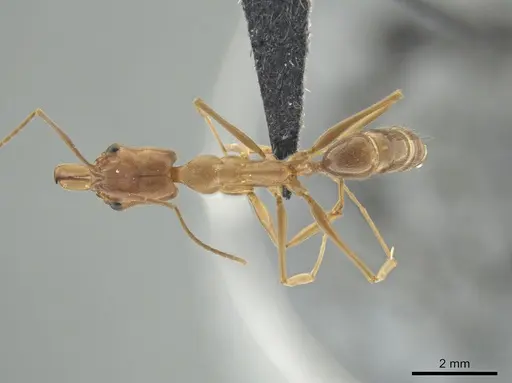
CASENT0900584
View on AntWeb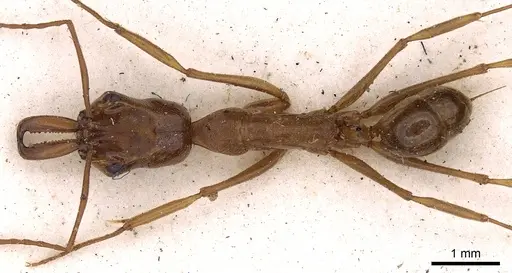
CASENT0900585
View on AntWeb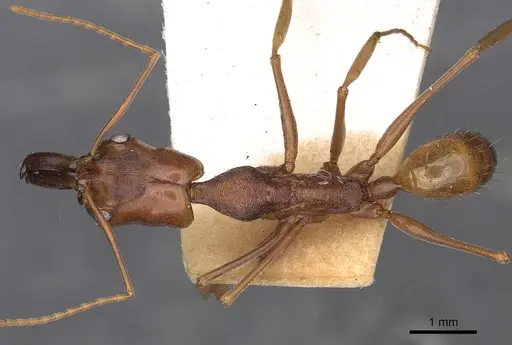
CASENT0907423
View on AntWeb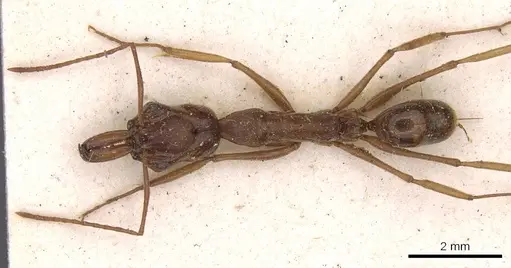
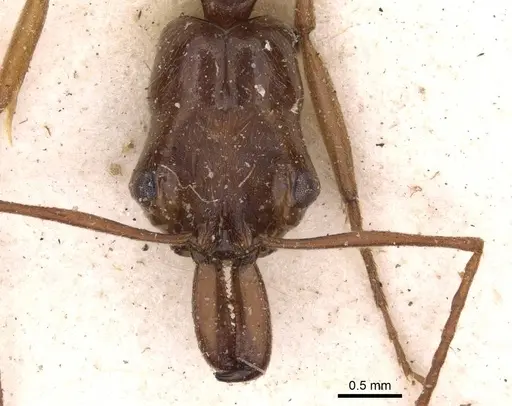
DZUP549121
View on AntWeb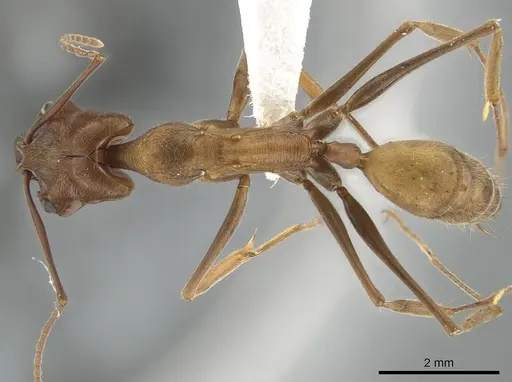
ECOFOG-HC-0044-04
View on AntWeb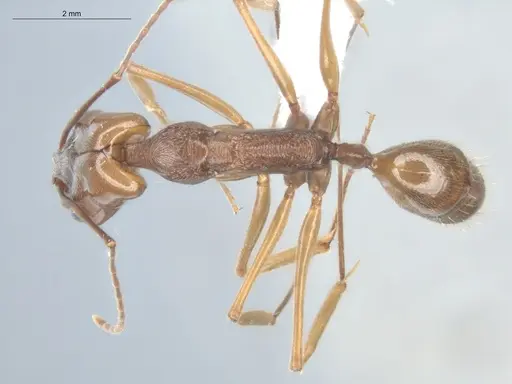
Literature
Loading...Loading products...