

Diplomorium longipenne
- Scientific Name
- Diplomorium longipenne
- Tribe
- Crematogastrini
- Subfamily
- Myrmicinae
- Author
- Mayr, 1901
- Common Name
- Pale Obscure ant
- Distribution
- Found in 2 countries
Diplomorium longipenne Overview
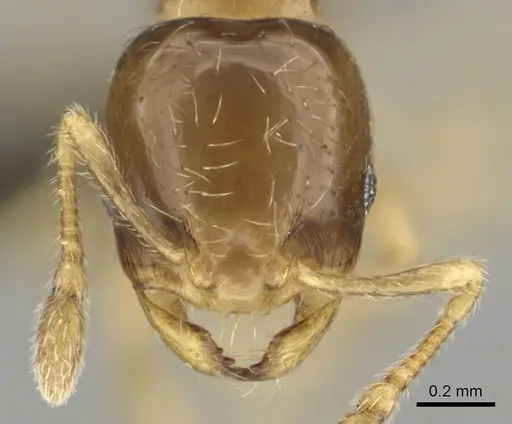
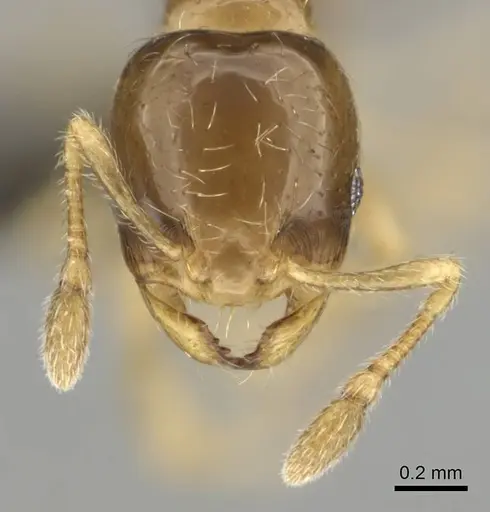
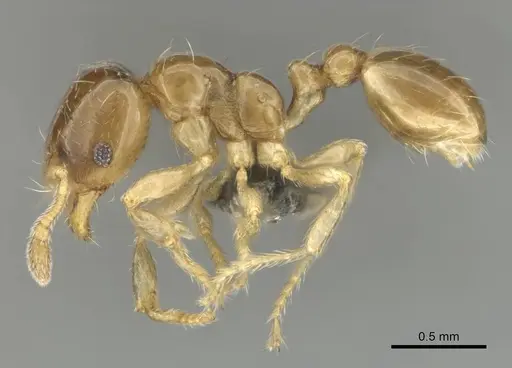
Diplomorium longipenne (commonly known as the Pale Obscure ant) is an ant species of the genus Diplomorium. It is primarily documented in 2 countries , including United States of America, South Africa. Detailed taxonomic data and occurrence records can be further explored via authoritative databases such as AntWeb or the Global Biodiversity Information Facility (GBIF).
Diplomorium longipenne - "Pale Obscure ant"
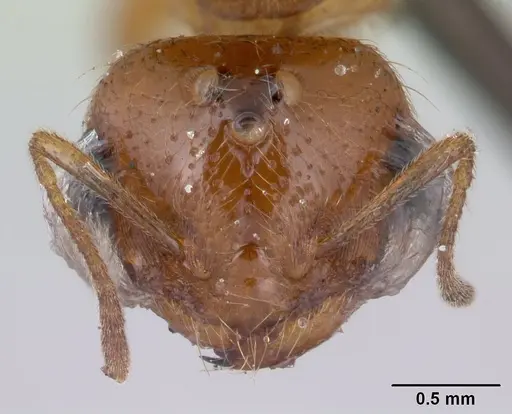
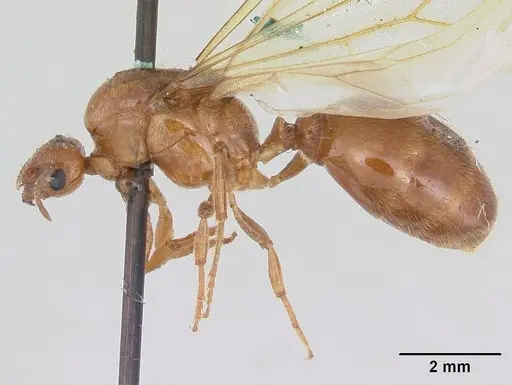
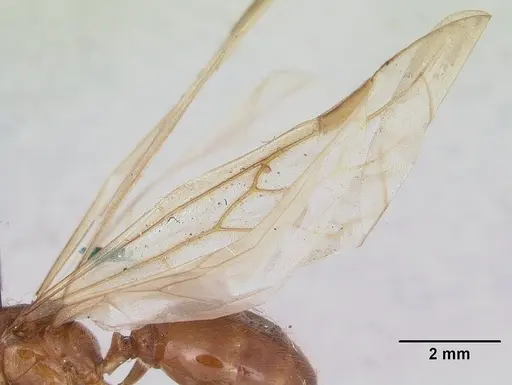
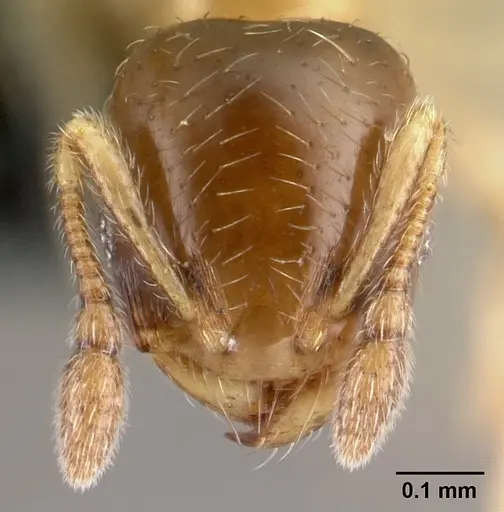
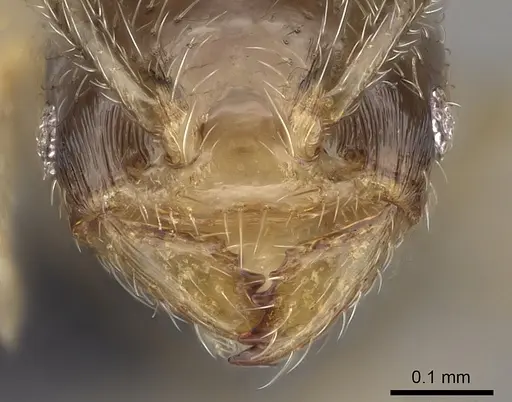
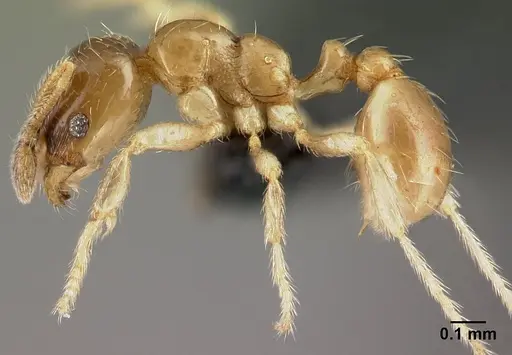
Diplomorium longipenne is a tiny myrmicine ant native to South Africa, specifically the Cape Province around Port Elizabeth. Workers are among the smallest ants you'll encounter, measuring just 1.8-1.9mm with a pale brown coloration and a distinctly shiny, polished appearance. Queens are dramatically larger at 9.5-10mm, making this one of the more size-dimorphic species in the Myrmicinae subfamily. The genus Diplomorium is closely related to Monomorium, and these ants can be distinguished by their swollen, evenly convex clypeus (the plate above the mandibles) and their enlarged postpetiole (the segment between the waist and the abdomen). This is an extremely rare species in the antkeeping hobby with virtually no documented captive colonies, making it a true challenge for experienced keepers seeking something unique.
Quick Summary
- Difficulty: Expert
- Origin & Habitat: South Africa (Cape Province, Port Elizabeth). Nests under stones in the ground in the Afrotropical region [1][2].
- Colony Type: Colony structure is unconfirmed. Based on related Monomorium species, likely single-queen (monogyne) but this has not been documented.
- Size & Growth:
- Queen: 9.5-10mm [1]
- Worker: 1.8-1.9mm [1]
- Colony: Unknown, no colony size data exists for this species
- Growth: Unknown, no development data exists for this species
- Development: Unknown, no direct measurements exist. Based on similar tiny Myrmicinae, estimate 6-10 weeks at optimal temperature. (No development data exists for this species. Estimates based on genus-level patterns for small Myrmicinae from southern Africa.)
- Antkeeping:
- Temperature: Keep around 22-26°C. This range is typical for southern African ants and aligns with related Monomorium species. A gentle gradient allowing workers to self-regulate is recommended.
- Humidity: Moderate humidity around 50-70%. In nature they nest under stones in the ground, suggesting they prefer stable, moderately moist conditions rather than extremes.
- Diapause: Unknown, no data on overwintering requirements. South African ants may experience cooler winters but the species has not been studied for diapause needs.
- Nesting: Natural nesting is under stones in the ground. For captivity, a small test tube setup or Y-tong nest with tight chambers scaled to their tiny 2mm workers would be appropriate. Avoid large, open spaces.
- Behavior: Behavior is unstudied. Based on related species, they are likely generalist foragers that scavenge and collect small prey. Their tiny size (1.8mm workers) makes them vulnerable and escape prevention must be excellent, these ants can squeeze through standard test tube barriers. They possess a functional stinger but given their size, it poses minimal threat to humans. Queens are claustral (seal themselves in to raise first workers) based on genus patterns, though this has not been directly confirmed for Diplomorium.
- Common Issues: this species has never been documented in captivity, all care recommendations are estimates based on related species, tiny worker size means escape prevention must be excellent using fine mesh barriers, no breeding data exists, finding a mated queen would be extremely difficult, nothing is known about their diet in captivity, start with sugar water and small live prey, the relationship with Messor capensis is unknown, they may be occasional nest-sharing commensals or this was coincidental
Rarity and Collection Challenges
Diplomorium longipenne is one of the rarest ant species in the world when it comes to antkeeping. It has never been documented in captive husbandry, and very little is known about its biology in the wild. The species was described by Mayr in 1901 from specimens collected near Port Elizabeth, South Africa, and aside from a few taxonomic notes, virtually no biological research has been conducted on it. The only ecological observation is that it has been found nesting under stones in the ground, sometimes in the same location as Messor capensis, though whether this represents a meaningful relationship or simply coincidental co-occurrence is unknown. For keepers, this means finding a mated queen would be extraordinarily difficult, as the species is not commonly encountered even in its native range. If you do obtain wild-caught specimens, document your observations carefully as they would contribute valuable knowledge to the antkeeping community. [1]
Housing and Nest Setup
Given their tiny worker size of 1.8-1.9mm, housing requires careful attention to escape prevention. Standard test tube setups work well for founding colonies, but you must use fine mesh barriers or cotton with a tight seal, these ants can easily slip through gaps that would contain larger species. The nest chamber should be appropriately scaled to their small size, with tight passages rather than large open spaces. Based on their natural nesting behavior (under stones in the ground), a naturalistic setup with a flat stone or slate as a cover over a small chamber would mimic their natural environment. Alternatively, a small Y-tong or acrylic nest with narrow chambers works well for tiny Myrmicinae. Keep the nest in a quiet location with minimal vibration, as small ants are more sensitive to disturbances. [1]
Feeding and Diet
The diet of Diplomorium longipenne has not been studied, so all recommendations are estimates based on related Monomorium species. These tiny ants are likely generalist scavengers and predators, feeding on small insects, honeydew, and nectar. For captivity, offer sugar water (honey or sucrose solution) as a constant energy source. For protein, start with the smallest available live prey, fruit flies, pinhead crickets (very small), or other tiny arthropods. Given their minute size, even springtails may be too large initially, consider cutting prey into smaller pieces or culturing very small feeder insects. Observe carefully to see what they accept, and remove uneaten food promptly to prevent mold. Do not expect rapid acceptance of novel foods, this is an unexplored species and patience will be required.
Temperature and Seasonal Care
No specific thermal data exists for this species, but it originates from the Cape Province of South Africa, which has a temperate to subtropical climate. Aim for a temperature range of 22-26°C, which is typical for many southern African ants. A slight temperature gradient within the nest allows workers to self-regulate. If your room temperature falls within this range naturally, that may be sufficient without additional heating. Regarding diapause or winter rest, no data exists. Many southern African ants do experience cooler winters but may not require a true hibernation period. If you choose to provide a cooler period (15-18°C for 2-3 months), observe colony behavior, if they remain active, they may not need a formal diapause. Err on the side of stability rather than imposing conditions we cannot confirm this species requires. [1]
Frequently Asked Questions
How long does it take for Diplomorium longipenne to go from egg to worker?
This is unknown, no development data exists for this species. Based on similar tiny Myrmicinae, estimate 6-10 weeks at optimal temperature (around 24°C).
Can I keep multiple queens together?
Not documented. The colony structure of this species has never been studied. Based on related Monomorium species, they are likely single-queen colonies, but this is unconfirmed. Do not attempt combining unrelated queens.
Do Diplomorium longipenne ants sting?
Yes, they possess a functional stinger. However, given their tiny 1.8mm size, the stinger is too small to penetrate human skin in most cases. They pose no significant danger to keepers.
Are Diplomorium longipenne good for beginners?
No. This is an expert-level species due to complete lack of captive data. Everything about their care is an educated guess. They are virtually never available in the antkeeping hobby.
How big do colonies get?
Unknown, no colony size data exists for this species. Related Monomorium species typically reach a few hundred workers, but this is purely an estimate.
What do I feed Diplomorium longipenne?
No specific feeding data exists. Based on related species, offer sugar water (honey/sucrose) as a constant energy source and small live prey like fruit flies or tiny crickets for protein. Start with small portions and observe acceptance.
Do they need hibernation?
Unknown. No data exists on diapause requirements. Southern African ants may experience cooler winters but may not require a formal hibernation period. If you provide a cooler period, keep it mild (15-18°C) and short (2-3 months).
Where is Diplomorium longipenne found?
Only in South Africa, specifically the Cape Province around Port Elizabeth. They nest under stones in the ground in the Afrotropical region.
When do nuptial flights occur?
Unknown, no nuptial flight data exists for this species. The timing of reproduction has not been documented in any scientific literature.
References

This caresheet is licensed under CC BY-SA 4.0 .
CASENT0102360
View on AntWeb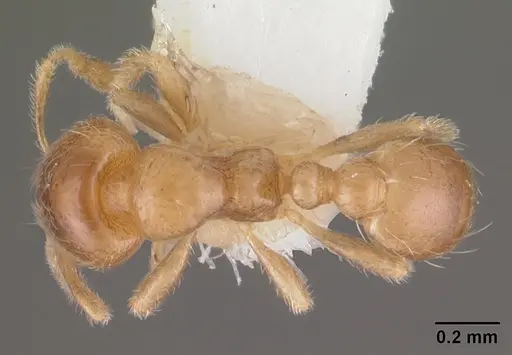
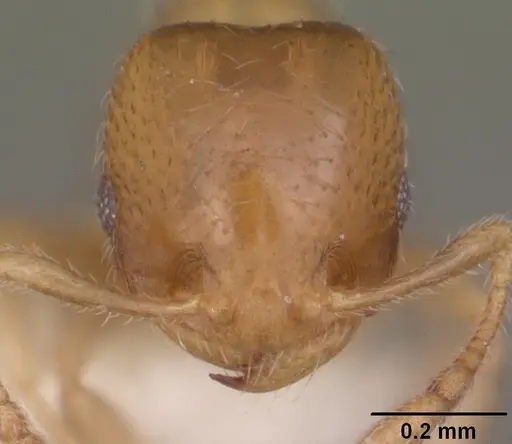
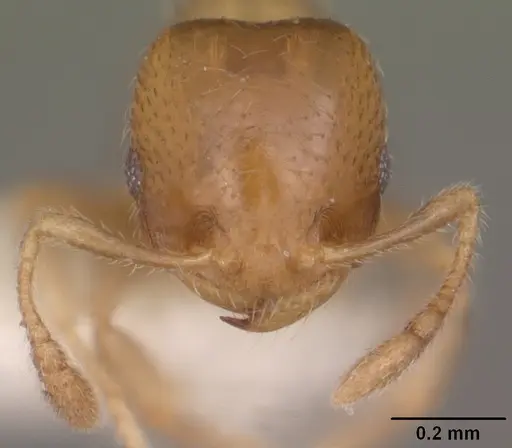
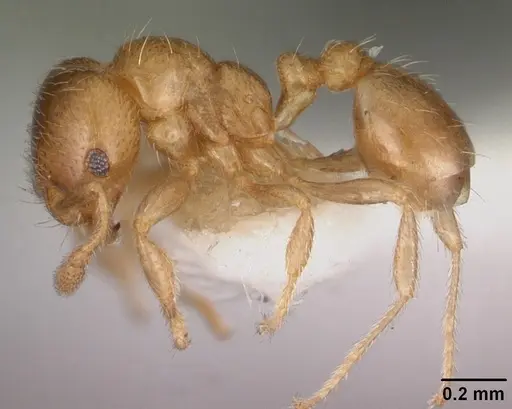
CASENT0178564
View on AntWeb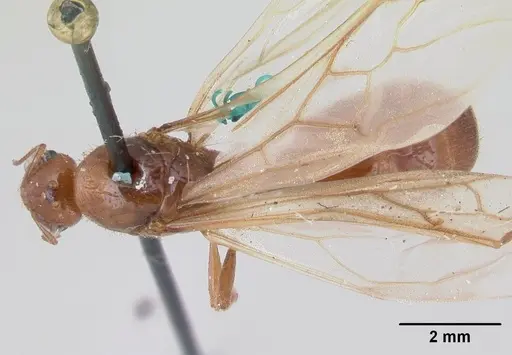
CASENT0217046
View on AntWeb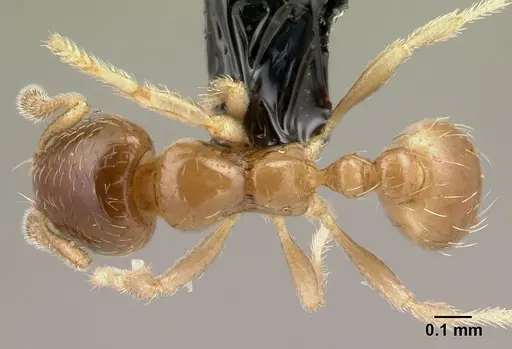
CASENT0813025
View on AntWeb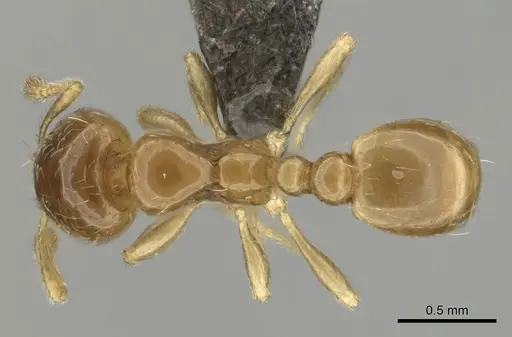
CASENT0916035
View on AntWeb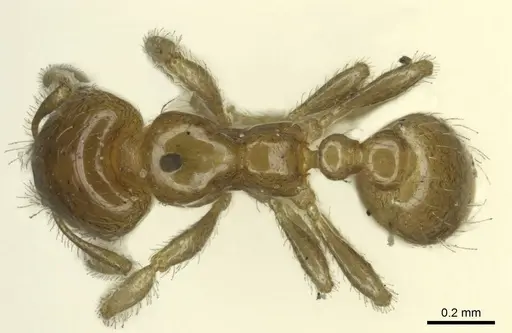
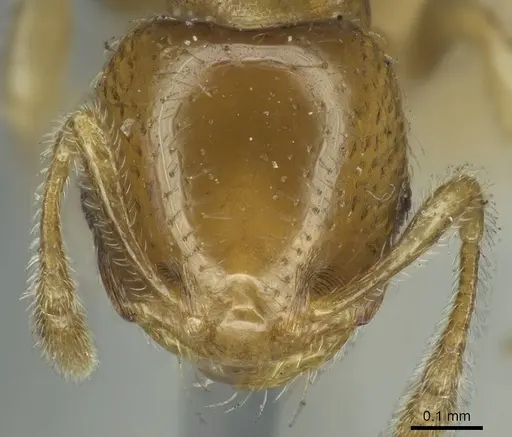
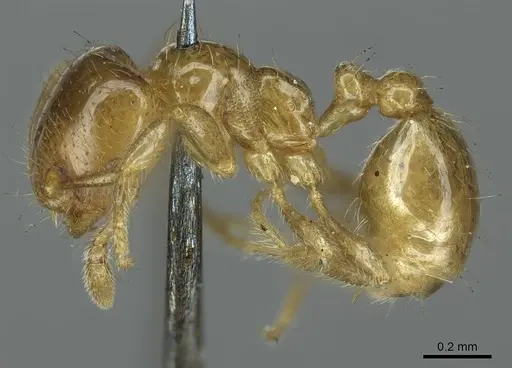
Literature
Loading...Loading products...