

Diaphoromyrma sofiae
- Scientific Name
- Diaphoromyrma sofiae
- Tribe
- Attini
- Subfamily
- Myrmicinae
- Author
- Fernández <i>et al.</i>, 2009
- Distribution
- Found in 1 countries
Diaphoromyrma sofiae Overview
Diaphoromyrma sofiae is an ant species of the genus Diaphoromyrma. It is primarily documented in 1 countries , including Brazil. Detailed taxonomic data and occurrence records can be further explored via authoritative databases such as AntWeb or the Global Biodiversity Information Facility (GBIF).
Diaphoromyrma sofiae
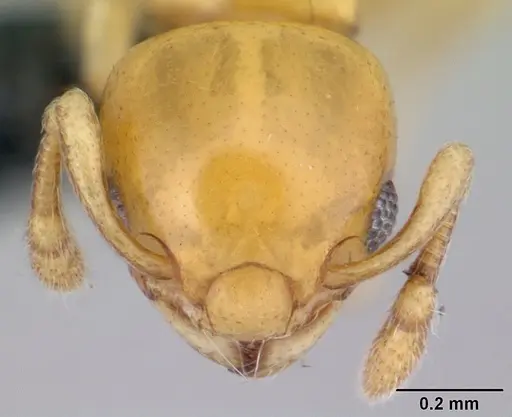
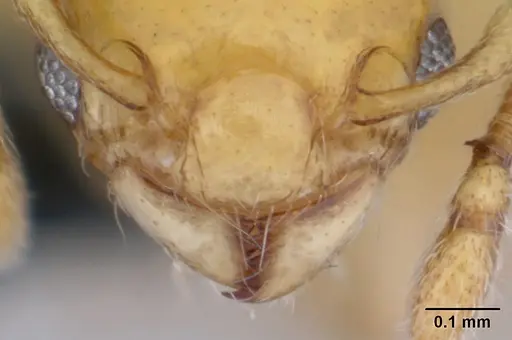
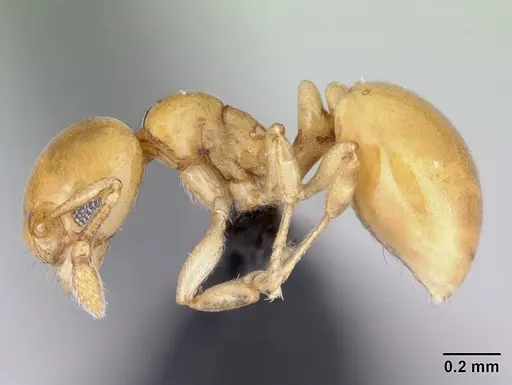
Diaphoromyrma sofiae is an extremely rare tiny ant species and the only member of its genus. Workers measure just 2.1-2.5mm in total length, making them one of the smallest ants you'll encounter. They have a distinctive yellow body with dark eyes and mandibular teeth, a broadly triangular head, and unusually, only 9 antenna segments (most ants have 10-12). Their most unique feature is the very low position of the postpetiole and a special sternal configuration on the first gastric segment that is unlike any other ant in the subfamily Myrmicinae [1]. This species is known only from the Atlantic coastal forest of Bahia, Brazil, where it lives in leaf litter [1]. The queen, male, and larvae have never been described, only workers exist in museum collections [1].
Quick Summary
- Difficulty: Expert
- Origin & Habitat: Atlantic coastal forest of Bahia, Brazil. Found in rainforest remnants in forested valleys on the coastal plateau, typically in areas with vegetation in early to medium regeneration stage, often near eucalypt plantations [1]. Lives in leaf litter on the forest floor.
- Colony Type: Unknown, only worker caste has been described. Colony structure has not been documented.
- Size & Growth:
- Queen: Unknown, queens have never been described [1]
- Worker: 2.1-2.48mm total length [1]
- Colony: Unknown, only known from litter samples, never from established colonies [1]
- Growth: Unknown
- Development: Unknown, no data available on development (Development timeline unconfirmed. Based on being a tiny tropical Attini, expect relatively fast development if similar to related genera, but this is purely speculative.)
- Antkeeping:
- Temperature: Keep warm, around 24-28°C. This is a tropical species from coastal Brazil where temperatures remain warm year-round [1].
- Humidity: High humidity required. In nature they live in leaf litter in the humid Atlantic forest floor. Keep substrate consistently moist but not waterlogged.
- Diapause: Unknown, being a tropical species from Bahia, they likely do not require a true diapause, but may have reduced activity during cooler periods.
- Nesting: Natural nesting is in leaf litter and soil. In captivity, a small test tube setup or a small naturalistic setup with moist substrate would be appropriate. Given their tiny size, they need very small chambers and passages.
- Behavior: Behavior is unstudied. Based on being in tribe Attini (which includes fungus-growers and generalist foragers), they likely forage in leaf litter for small particles. Their tiny size and yellow coloration suggest they may be cryptic foragers. Escape prevention is critical due to their very small size, they can squeeze through the tiniest gaps. Aggression level is unknown.
- Common Issues: no documented captive husbandry, this is an essentially undescribed species in captivity, tiny size makes escape prevention extremely difficult, no information on queen founding or colony establishment, unknown diet, what they eat in captivity is completely unstudied, no known availability in the antkeeping hobby, extremely rare in collections
Why This Species Is So Challenging
Diaphoromyrma sofiae represents one of the most poorly documented ants in the entire antkeeping hobby. This species was only described in 2009,and since then, no one has documented finding a queen, male, or larvae. Every specimen ever collected is a worker caught in leaf litter samples using Winkler traps (a method that extracts ants from sifted leaf litter). This means we have essentially zero biological information: no one knows how they found colonies, what they eat, how they reproduce, or anything about their colony structure [1]. For antkeepers, this means there is no established husbandry knowledge, no proven feeding protocols, and no documented success in keeping them alive. This is not a species for beginners, it's a species for researchers or advanced keepers willing to experiment with completely uncharted territory.
Natural History and Distribution
This species is known only from the state of Bahia in northeastern Brazil, specifically from a few rainforest fragments in the Santa Cruz Cabrália area near Porto Seguro. The region is the southern edge of the Atlantic coastal forest, a biodiversity hotspot. They were found in forest remnants surrounded by eucalypt plantations, not pristine habitat, but regenerating forest valleys on the coastal plateau [1]. The ants were collected using Winkler traps from leaf litter samples, meaning they live in the top layer of decomposing leaves on the forest floor. They were found in 4-25% of samples depending on the site, making them uncommon but not extremely rare in their limited range [1]. The specific name 'sofiae' honors myrmecologist Sofia Campiolo who helped fund the research survey [1].
Identification and Unique Features
Diaphoromyrma sofiae is the only species in its genus, making identification straightforward if you can confirm the genus. Workers are tiny (2.1-2.5mm), uniformly yellow with dark eyes and teeth, and have a smooth, shining body. The most distinctive features are the 9-segmented antenna (most Myrmicinae have 10+) and the very low position of the postpetiole relative to the gaster, this is actually unique among all Myrmicinae ants [1]. They also have a special abdominal structure where the first gastral sternite has pair of curved extensions visible in dorsal view [1]. These are subtle features requiring microscopy to confirm. For antkeepers, the main takeaway is their tiny yellow coloration and small size, they could be confused with other small yellow litter ants, so genus confirmation is important.
Tentative Care Recommendations
Since no one has successfully kept this species in captivity (as far as documented), any advice is highly speculative. Based on their natural habitat in Brazilian leaf litter, you should aim for: high humidity (like a tropical terrarium), warm temperatures (24-28°C), and very small enclosure spaces. Being in tribe Attini, they may be fungus-growers (like leaf-cutter ants) or they may be generalist foragers, this is completely unknown. If they are fungus-growers, they would need fungal substrate, if generalists, they might accept small prey and sugar. Given the complete lack of information, the safest approach is to keep them in a small test tube setup with moist substrate, maintain high humidity, and offer tiny prey items (like springtails) alongside sugar water. But honestly, this is experimental territory, expect to be a pioneer if you attempt this species [1].
Legal and Ethical Considerations
This species is endemic to a very limited range in Brazil (Bahia state). It is not widely available in the antkeeping hobby, and most specimens in museums were collected during specific research surveys. If you somehow obtain this species, it would almost certainly be from a research colony or a very specialized source. Do not release any ant into the wild in non-native areas, this is an invasive species concern. However, given their extremely limited native range and the fact that no established captive populations exist, this is more of a theoretical concern than a practical one. The primary ethical consideration is that wild populations are small and localized, collecting for the pet trade could potentially impact wild populations of this already rare species. [1]
Frequently Asked Questions
Can I keep Diaphoromyrma sofiae as a pet ant?
Technically yes, but this is not recommended for anyone except experienced researchers. No one has documented successfully keeping this species, queens, larvae, and colony establishment have never been described. There is no established care protocol, no known diet, and no documented success in captivity. You would be pioneering completely uncharted territory with almost no guidance available.
What do Diaphoromyrma sofiae eat?
Unknown. As members of tribe Attini, they could be fungus-growers (cultivating fungus for food) or generalist foragers. No one has documented their diet in the wild or captivity. If you attempt to keep them, offering tiny live prey (like springtails) and sugar water would be the most logical starting point, but success is entirely uncertain.
How big do Diaphoromyrma sofiae colonies get?
Unknown. We have no data on colony size, they've only been collected as individual workers in litter samples, never from established colonies. The maximum colony size is completely undocumented.
Are Diaphoromyrma sofiae good for beginners?
No. This is an expert-only species due to the complete lack of documented husbandry information. Beginners should stick to well-established species like Lasius niger, Camponotus species, or other commonly kept ants where care protocols are well understood.
Where does Diaphoromyrma sofiae live in the wild?
Only in the Atlantic coastal forest of Bahia, Brazil, specifically in the Santa Cruz Cabrália area near Porto Seguro. They live in leaf litter on the forest floor of rainforest remnants. This is an extremely limited endemic range.
How long do Diaphoromyrma sofiae workers live?
Unknown. No one has documented worker lifespan for this species. Typical ant worker lifespans range from weeks to years depending on the species, but specific data for D. sofiae does not exist.
Do Diaphoromyrma sofiae need hibernation?
Unknown, but unlikely. Being a tropical species from coastal Brazil (near the equator), they likely experience year-round warm temperatures without a true winter diapause. They may have reduced activity during cooler periods, but a formal hibernation is probably not necessary.
References

This caresheet is licensed under CC BY-SA 4.0 .
ANTWEB1038231
View on AntWeb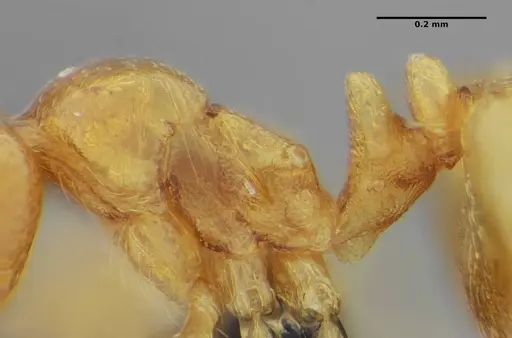
CASENT0178237
View on AntWeb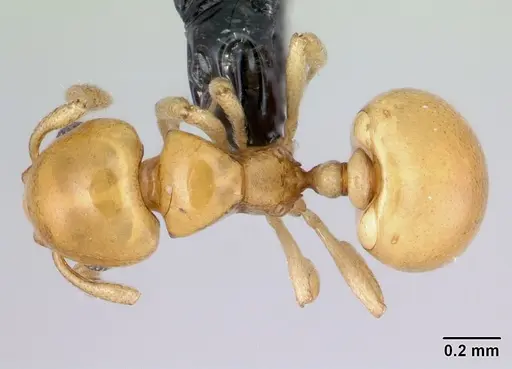
Literature
Loading...Loading products...