

Diacamma schoedli
- Scientific Name
- Diacamma schoedli
- Tribe
- Ponerini
- Subfamily
- Ponerinae
- Author
- Shattuck & Barnett, 2006
- Distribution
- Found in 2 countries
Diacamma schoedli Overview
Diacamma schoedli is an ant species of the genus Diacamma. It is primarily documented in 2 countries , including Australia, Papua New Guinea. Detailed taxonomic data and occurrence records can be further explored via authoritative databases such as AntWeb or the Global Biodiversity Information Facility (GBIF).
Diacamma schoedli
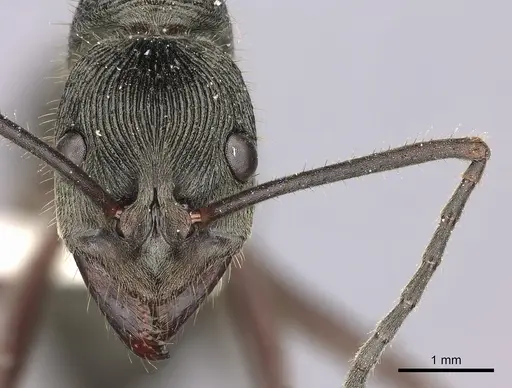
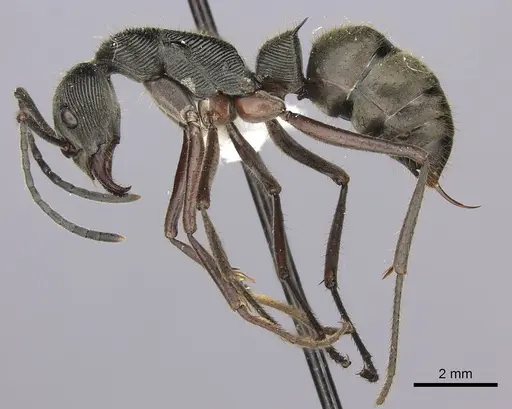
Diacamma schoedli is a medium-sized ponerine ant native to the eastern coast of Queensland, Australia. Workers measure 2.47-2.76mm in head length and have a distinctive dark reddish-black to black body with slightly lighter legs. They feature finely striate mandibles, distinct rugae on the dorsal surfaces of the pronotum and head, and narrowly spaced petiolar spines. This species is one of several Diacamma species known for their unique social structure, they are 'queenless' ants that reproduce through gamergates (reproductive workers). The species extends from Torres Strait and Bamaga at the tip of Cape York Peninsula south to Innisfail, with an isolated record in western Queensland's Gulf Country [1].
Quick Summary
- Difficulty: Medium
- Origin & Habitat: Eastern coastal Queensland, Australia (tropical to subtropical). Found from Torres Strait south to Innisfail, typically in moist forested areas. Sympatric with Diacamma australe in some areas [1].
- Colony Type: Queenless, colonies reproduce through gamergates (reproductive workers). This is a distinctive trait of the genus Diacamma, where functional queens are replaced by mated workers that continue reproducing. Single-queen colonies in the traditional sense do not occur, reproduction is handled by gamergates.
- Special: Gamergates
- Size & Growth:
- Queen: N/A, this species is queenless, reproduction is via gamergates (reproductive workers)
- Worker: 2.47-2.76mm head length,2.00-2.22mm head width [1]
- Colony: Unknown for this specific species, typical Diacamma colonies reach several hundred workers
- Growth: Moderate, inferred from related Diacamma species and Ponerinae patterns
- Development: 6-10 weeks estimated based on typical Ponerinae development at tropical temperatures (Development time is estimated from related species, specific data for D. schoedli is not available. Ponerine ants typically develop faster in warmer conditions.)
- Antkeeping:
- Temperature: Keep at 24-28°C. This is a tropical Australian species from coastal Queensland, so warmth is important. A gentle gradient allowing workers to self-regulate is ideal. Room temperature in most homes (22-25°C) should work well.
- Humidity: Moderate to high, aim for 60-80% humidity. Queensland's coastal areas are humid. Keep the nest substrate moist but not waterlogged. Provide a water source.
- Diapause: No, being a tropical species from northern Queensland, they do not require true hibernation. However, they may slow down slightly during cooler winter months if room temperature drops.
- Nesting: In nature they likely nest in soil or rotting wood in forested areas. For captivity, a Y-tong (AAC) nest or plaster nest works well. They prefer tight, dark chambers. A naturalistic setup with moist substrate can also work. Avoid dry, airy conditions.
- Behavior: Diacamma schoedli is a moderately active ant with typical Ponerine foraging behavior, they hunt for small prey and likely tend aphids for honeydew. Workers are not particularly large but are well-equipped with mandibles for capturing prey. They may be defensive if threatened, as typical of Ponerinae. Escape prevention should be moderate, they are not tiny ants but can squeeze through small gaps. Gamergates (reproductive workers) will be present in established colonies, which is normal for this genus.
- Common Issues: gamergate dominance disputes can cause colony stress, some Diacamma species have conflicts when new gamergates attempt to establish, tropical species are sensitive to cold, keep warm or colonies may decline, overheating is a risk, while they need warmth, direct heat sources can kill them, wild-caught colonies may have parasites that are difficult to treat in captivity, colonies may be slow to establish compared to more common ant species
Understanding the Queenless Colony Structure
Diacamma schoedli belongs to a fascinating group of ants known as 'queenless ants', the genus Diacamma is famous for having no distinct queen caste. Instead, reproduction is handled by gamergates, which are workers that have become reproductive and can lay eggs. This is a rare trait in the ant world, making Diacamma species particularly interesting for antkeepers. In established colonies, you will observe workers rather than a large queen, the largest, most dominant workers are typically the gamergates. When a colony loses its gamergate(s), other workers may compete to take over reproduction, which can sometimes cause brief periods of tension in the colony. This is normal behavior for the species and usually resolves without intervention. [1]
Housing and Nest Setup
For Diacamma schoedli, a Y-tong (acrylic) nest or plaster nest works well. These ants prefer tight, dark chambers that mimic their natural nesting sites in soil or rotting wood. The nest should have a water reservoir or moisture system to maintain appropriate humidity. Because they come from Queensland's coastal areas, they appreciate some humidity but the nest should not be constantly wet. A small outworld for foraging allows you to observe their hunting behavior. Ensure the formicarium has adequate ventilation to prevent mold while maintaining moisture. Some keepers successfullly use naturalistic setups with moist soil/terrarium-style enclosures, which can work well for this species. [1]
Feeding and Diet
As a Ponerine ant, Diacamma schoedli is primarily predatory. They will hunt and consume small insects and arthropods. In captivity, offer small live prey such as fruit flies, small crickets, mealworms, and other appropriately-sized insects. They likely also consume honeydew from aphids in nature, so offering sugar water or honey occasionally may be accepted, though protein-rich prey should form the bulk of their diet. Feed them small prey items 2-3 times per week, adjusting based on colony size and appetite. Remove any uneaten prey after 24-48 hours to prevent mold. A constant water source should always be available. [1]
Temperature and Seasonal Care
Keep Diacamma schoedli warm, aim for 24-28°C. This tropical Australian species from coastal Queensland does not tolerate cold well. Room temperature in most homes should be suitable, but you may need a gentle heat source in cooler climates. Use a heating cable or heat mat on one side of the nest to create a temperature gradient, allowing workers to self-regulate. Place the heat source on top of the nest, not underneath, to avoid drying out the nest too quickly. Unlike temperate species, they do not require a true hibernation period. However, if room temperatures drop significantly in winter, the colony may become less active, this is normal and they should recover when warmed. Avoid temperatures below 20°C for extended periods. [1]
Colony Dynamics and Behavior
One of the most fascinating aspects of keeping Diacamma schoedli is observing their unique social dynamics. Without a queen, the colony is organized around gamergates, typically the oldest or most dominant workers that have become reproductive. You may notice some workers are more active and spend more time in the nest while others focus on foraging. When gamergates die or are removed, workers will compete to become the new reproductive, which can sometimes result in brief aggressive encounters. This is normal and usually resolves as one worker establishes dominance. The colony will continue functioning with this alternative reproductive system, which is one of the reasons Diacamma is considered evolutionarily advanced. [1]
Handling and Observation
Diacamma schoedli workers are moderately sized and can be observed with the naked eye, making them interesting to watch. They are active foragers and will readily hunt prey in the outworld. Their mandibles are well-developed for capturing prey, and they can deliver a sting if threatened (though the sting is mild for humans). When observing, you may notice tandem-running behavior where one worker leads another to food sources, this is common in Ponerine ants. They are not aggressive toward keepers but will defend the nest if disturbed. Always use proper escape prevention, though they are not particularly prone to escaping compared to smaller species. [1]
Frequently Asked Questions
How do I identify Diacamma schoedli workers?
Workers are 2.47-2.76mm in head length with a dark reddish-black to black body. They have distinct rugae (wrinkles) on the head and pronotum, finely striate mandibles, and narrowly spaced petiolar spines on the rear. The first gastral segment is essentially smooth, which helps distinguish them from similar species like Diacamma australe [1].
Why doesn't my Diacamma schoedli have a queen?
This is normal! Diacamma schoedli is a 'queenless' ant, the genus Diacamma reproduces through gamergates (reproductive workers) rather than a distinct queen caste. The largest/most dominant workers in the colony are the gamergates that lay eggs. This is a unique and fascinating trait of this genus.
How long does it take for Diacamma schoedli to produce first workers?
Specific development data for D. schoedli is not available, but based on typical Ponerinae development at 24-28°C, expect 6-10 weeks from egg to worker. Growth is moderate, faster than many larger ant species but slower than some tropical invasives.
What do I feed Diacamma schoedli?
They are primarily predatory. Offer small live prey such as fruit flies, small crickets, mealworms, and other insects. They may also accept sugar water or honey occasionally. Protein-rich prey should form the main diet. Feed small prey items 2-3 times per week.
What temperature do Diacamma schoedli need?
Keep them at 24-28°C. This tropical Australian species needs warmth and does not tolerate cold well. Room temperature is usually suitable, or use a gentle heat source on one side of the nest. Avoid temperatures below 20°C.
Can I keep multiple Diacamma schoedli colonies together?
It is not recommended to combine unrelated colonies. Diacamma colonies establish their own social hierarchy and introducing外来 workers typically results in aggression. Each established colony should be kept separately.
How big do Diacamma schoedli colonies get?
Colony size data for this specific species is not documented, but typical Diacamma colonies reach several hundred workers. Growth is moderate, expect a colony of 50-100 workers within the first year with good care.
Do Diacamma schoedli need hibernation?
No, they do not require hibernation. Being a tropical species from northern Queensland, they are active year-round at room temperature. They may slow slightly in cooler winter months but no special winter care is needed.
Are Diacamma schoedli good for beginners?
They are considered intermediate difficulty. While not as challenging as some exotic species, their unique queenless social structure and specific temperature requirements make them better suited for keepers who have some experience with ant keeping. They are fascinating and rewarding for those willing to learn their specific needs.
What humidity do Diacamma schoedli need?
Aim for 60-80% humidity. They come from Queensland's humid coastal areas. Keep the nest substrate moist but not waterlogged. A water reservoir in the nest helps maintain appropriate humidity. Avoid both drying out and excessive moisture.
Where is Diacamma schoedli native to?
Eastern coastal Queensland, Australia, from Torres Strait and Bamaga at the tip of Cape York Peninsula south to Innisfail. There is also a single record from western Queensland's Gulf Country. They live in moist forested areas along the coast [1].
References

This caresheet is licensed under CC BY-SA 4.0 .
CASENT0260419
View on AntWeb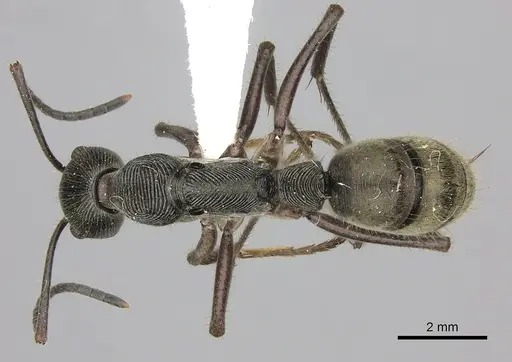
CASENT0887816
View on AntWeb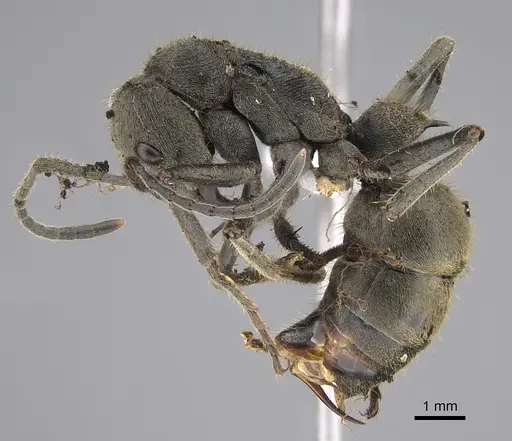
Literature
Loading...Loading products...