

Diacamma australe
- Scientific Name
- Diacamma australe
- Tribe
- Ponerini
- Subfamily
- Ponerinae
- Author
- Fabricius, 1775
- Distribution
- Found in 1 countries
Diacamma australe Overview
Diacamma australe is an ant species of the genus Diacamma. It is primarily documented in 1 countries , including Australia. Detailed taxonomic data and occurrence records can be further explored via authoritative databases such as AntWeb or the Global Biodiversity Information Facility (GBIF).
Diacamma australe
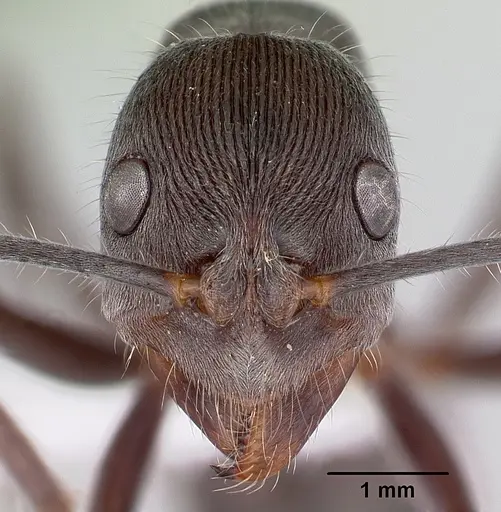
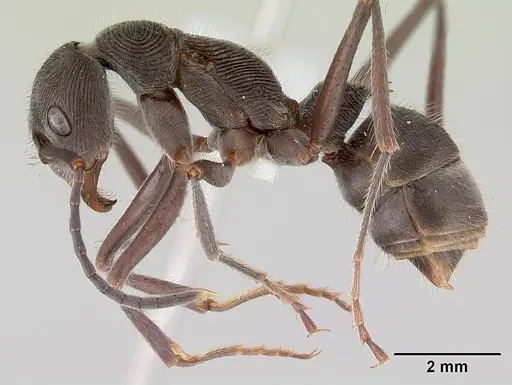
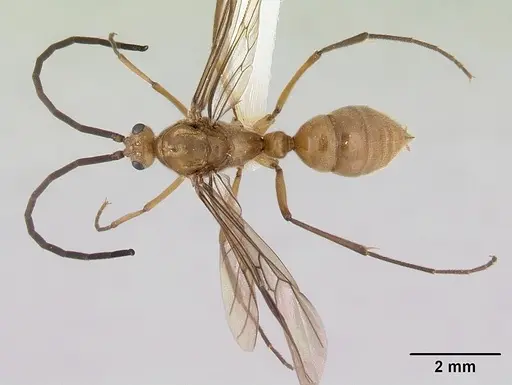
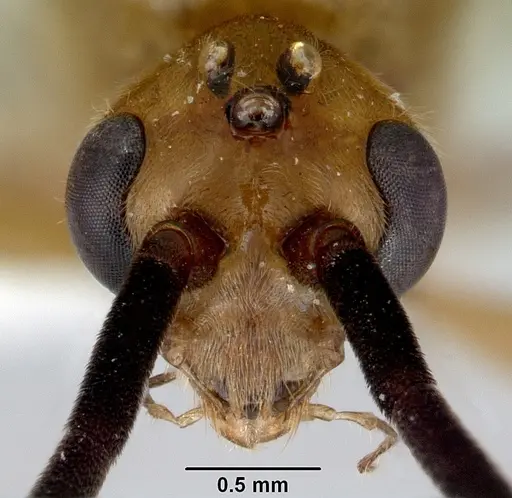
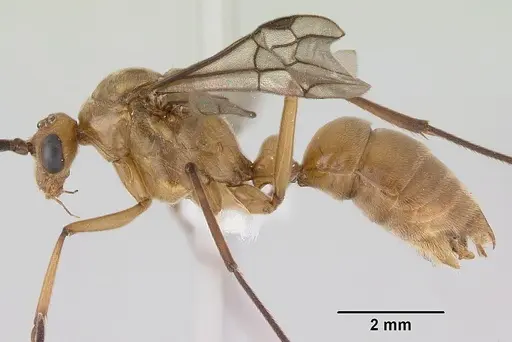
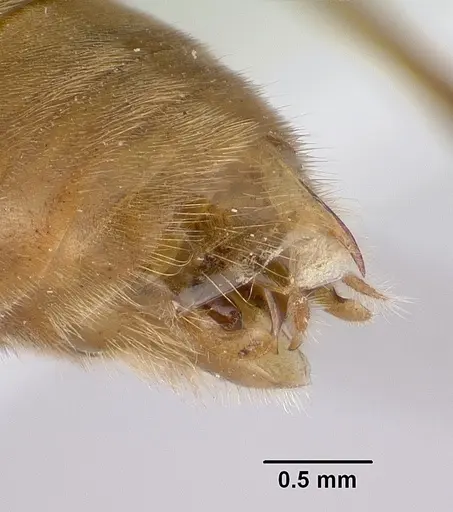
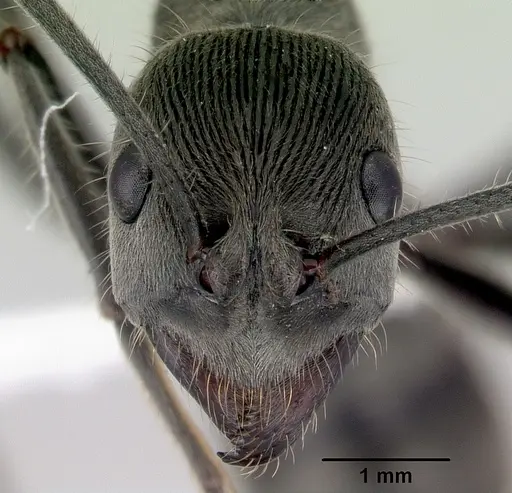
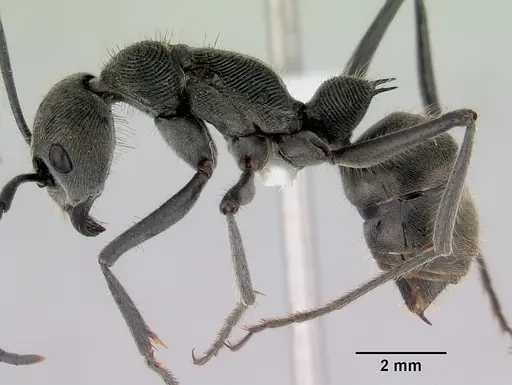
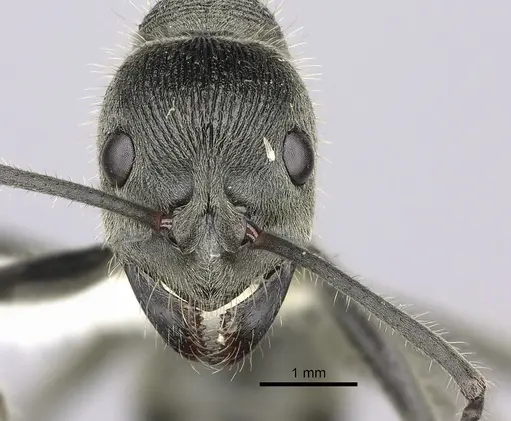
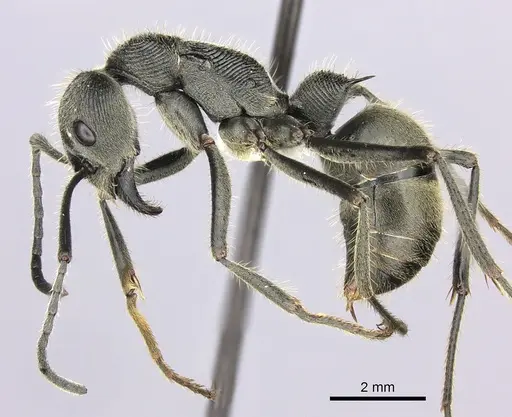
Diacamma australe is a medium-sized ponerine ant native to northern Queensland, Australia. Workers measure 2.55-2.88mm in head length with a distinctive block-like petiolar node and strong sculpturing on the first gastral tergite covering the posterior two-thirds [1]. This species is famous for being queenless, instead of a queen, colonies are headed by a single mated worker called a gamergate, which retains unique bladder-like thoracic appendages called gemmae that all other workers have bitten off [2]. The gemmae contain about 500 glandular cells that produce sexual attractants, and the gamergate uses these to maintain reproductive dominance by mutilating every newly emerged worker [3]. Colonies average around 130 workers [4].
Quick Summary
- Difficulty: Medium
- Origin & Habitat: Northern Queensland coast, Australia, found in tropical to subtropical coastal areas [1]
- Colony Type: Queenless colonies with a single gamergate (mated worker). No true queen caste exists. The gamergate retains gemmae (thoracic appendages) while all other workers are mutilated, preventing them from reproducing [2][4].
- Special: Gamergates
- Size & Growth:
- Queen: N/A, queenless species. Gamergate (reproductive worker) is the largest reproductive.
- Worker: Workers: HL 2.55-2.88mm, HW 2.06-2.35mm [1]
- Colony: Up to approximately 130 workers on average (129±56) [4]
- Growth: Moderate
- Development: Unknown for this specific species, development likely follows typical Ponerinae patterns of 6-10 weeks at warm temperatures. Related Japanese Diacamma species suggest similar timelines. (Development time is unconfirmed for D. australe specifically. Expect 6-10 weeks based on genus patterns.)
- Antkeeping:
- Temperature: Keep at 24-28°C. Being a tropical Australian species, they prefer warm conditions. A gentle gradient with a heating cable on one side of the nest works well.
- Humidity: Moderate to high humidity (60-80%). These ants come from the humid Queensland coast, so keep the nest substrate slightly moist but not waterlogged.
- Diapause: No, being a tropical species from northern Queensland, they do not require hibernation. Keep them warm year-round.
- Nesting: In the wild, they nest in soil and rotting wood. In captivity, a Y-tong (AAC) nest or plaster formicarium with moist substrate works well. They prefer dark, humid nest chambers.
- Behavior: These ants are aggressive and territorial. Workers are active foragers that hunt small invertebrates. The gamergate maintains dominance through physical mutilation, she bites off the gemmae of newly emerged workers, which permanently prevents them from mating [2]. Mutilated workers become timid and inactive, while unmutilated callows are aggressive and actively compete for reproductive status. Escape prevention is important, use fluon on test tube rims and fine mesh on outworld openings.
- Common Issues: gamergate loss can cause colony instability, without the reproductive worker, workers may fight to determine a new gamergate, mutilation behavior may seem concerning but is normal, the gamergate must prevent workers from reproducing, tropical species requires warm temperatures year-round, cold can slow or stop brood development, small colony size means slower population growth compared to many common ant species, stress from disturbance can cause workers to become aggressive and may lead to gamergate abandonment
Understanding the Queenless System
Diacamma australe is one of the most fascinating ants for keepers because it lacks a true queen caste entirely. Instead, reproduction is handled by a gamergate, a mated worker that retains her gemmae (those distinctive bladder-like thoracic appendages) while mutilating all other workers [2]. This is fundamentally different from typical ants where a queen monopolizes reproduction through pheromones. The gamergate physically visits each newly emerged callow worker and bites off her gemmae, a process that can take several hours per callow [2]. Mutilated workers become permanently unable to mate and their behavior changes dramatically, they become timid and inactive, while unmutilated workers are aggressive and actively dominate nestmates [2]. When a gamergate dies or is removed, workers compete violently, with the oldest unmutilated callow typically becoming the new reproductive. This makes colony dynamics particularly interesting to observe.
Housing and Nest Setup
These ants do well in Y-tong (AAC) nests or plaster formicariums that maintain humidity. They prefer dark, humid conditions similar to their natural habitat in northern Queensland's coastal forests. Use a test tube setup with a water reservoir for founding colonies or small groups. For established colonies, provide a nest chamber that can hold 100-200 workers with multiple connected chambers. The outworld should have a fine mesh cover as these ants are active and may attempt to escape. Keep nesting material consistently moist but not soggy, they avoid both overly dry and waterlogged conditions. A small foraging area with a sugar water station and protein prey will be readily accepted. [1]
Feeding and Diet
Diacamma australe is a predatory species that actively hunts small invertebrates. In captivity, offer small live prey such as fruit flies, pinhead crickets, mealworms, and other small insects. They also readily accept sugar water or honey as an energy source. Feed protein prey 2-3 times per week, and keep a constant supply of sugar water available. Workers are aggressive foragers and will readily tackle prey larger than themselves through coordinated attacks. Remove uneaten prey after 24-48 hours to prevent mold. The gamergate typically feeds first, followed by workers, so ensure adequate food is available for the entire colony.
Temperature and Seasonal Care
Being a tropical species from northern Queensland, Diacamma australe requires warm temperatures year-round. Maintain nest temperatures between 24-28°C for optimal brood development and colony activity. A heating cable placed on one side of the nest creates a gentle gradient allowing ants to thermoregulate. Do not allow temperatures to drop below 20°C for extended periods as this can slow development and weaken the colony. Unlike temperate species, they do not require any diapause or winter cooling. Room temperature in heated homes is often suitable, but monitor with a thermometer. High humidity (60-80%) complements the warm conditions, mist the outworld occasionally and ensure the nest substrate stays damp.
Colony Dynamics and Behavior
Watching a Diacamma colony reveals complex social interactions not seen in typical ant species. The gamergate is identifiable by her intact gemmae and typically more active, aggressive behavior. She constantly patrols the nest, occasionally approaching callows to attempt mutilation [2]. Workers hold callows still during mutilation, this cooperative behavior is the only time workers assist in reproductive control. After mutilation, workers become subordinate and spend more time in nest maintenance. When the gamergate is removed, chaos ensues as unmutilated workers compete for dominance. The first to successfully mate becomes the new gamergate. This system makes D. australe particularly engaging to keep, as you can observe reproductive hierarchy in action, something impossible with queen-right species.
Common Challenges
The biggest challenge with Diacamma australe is obtaining a colony initially, as they're not commonly available in the antkeeping hobby. Once established, the main issues are maintaining proper temperature and humidity, being tropical, they are less forgiving of cool or dry conditions than temperate species. Colony loss of the gamergate can be stressful as the colony must undergo the violent process of selecting a replacement. Avoid frequent nest disturbances as this can cause the gamergate to abandon brood or become aggressive. Also watch for escape attempts, while not tiny, they are active and will exploit any gaps in your setup. Finally, their relatively small colony size (max ~130 workers) means growth is slower than many beginner species, requiring patience. [4]
Frequently Asked Questions
How does Diacamma australe differ from ants with queens?
Unlike typical ants, D. australe has no queen caste. Instead, a single mated worker called a gamergate reproduces. She retains unique gemmae (thoracic appendages) while biting off the gemmae of all other workers to prevent them from mating [2]. This physical mutilation is how reproductive dominance is maintained.
Can I keep multiple Diacamma australe colonies together?
No, combining unrelated colonies will result in aggressive fighting. Each colony has only one gamergate, and introducing workers from different colonies will trigger territorial aggression. Only keep one colony per setup.
How do I identify the gamergate in my colony?
The gamergate is the only worker with intact gemmae, those small bladder-like structures on her thorax. All other workers have had theirs bitten off by the gamergate. She is also typically more active and aggressive within the nest [2].
What happens if my gamergate dies?
When a gamergate dies or is removed, workers fight to determine a new reproductive. The oldest unmutilated callow (newly emerged worker) will typically become aggressive, mate with any males that enter the colony, and begin mutilating her sisters to establish dominance [2]. This transition period can be violent but usually resolves within days.
Do Diacamma australe ants sting?
Yes, as a Ponerine ant they have a functional stinger. However, their sting is mild and rarely penetrates human skin due to their small size. The main defense is their aggressive biting rather than stinging.
How long does it take for first workers to appear?
Exact development time is unconfirmed for D. australe, but based on related Diacamma species, expect 6-10 weeks from egg to worker at optimal temperatures (24-28°C). This is slower than many common ant species.
Are Diacamma australe good for beginners?
They are intermediate in difficulty. While fascinating due to their unique queenless system, they require warm tropical conditions year-round and are less forgiving of husbandry mistakes than temperate species. Their slower colony growth also requires patience.
What do I feed Diacamma australe?
Offer small live insects (fruit flies, pinhead crickets, mealworms) as protein 2-3 times per week, plus constant access to sugar water or honey. They are active predators and will readily hunt prey in the outworld.
Do they need hibernation?
No, as a tropical species from northern Queensland, they do not require any diapause. Keep them warm (24-28°C) year-round. Cold temperatures can slow or stop brood development.
How big do colonies get?
Colonies typically reach around 130 workers on average (129±56) [4]. This is smaller than many common ant species, but colonies are long-lived and the complex social dynamics make them engaging to watch.
References

This caresheet is licensed under CC BY-SA 4.0 .
CASENT0172071
View on AntWeb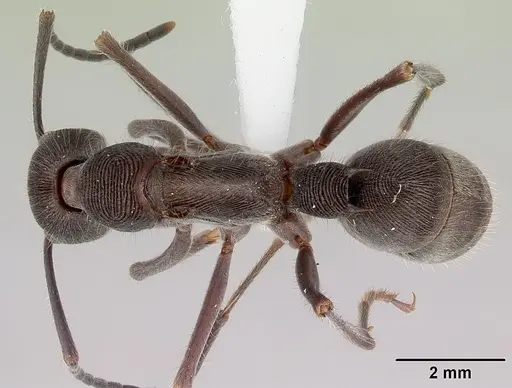
CASENT0172072
View on AntWeb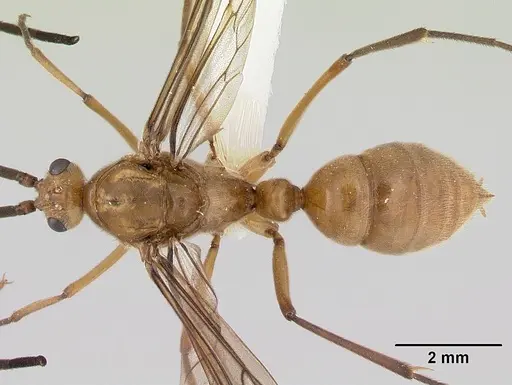
CASENT0172073
View on AntWeb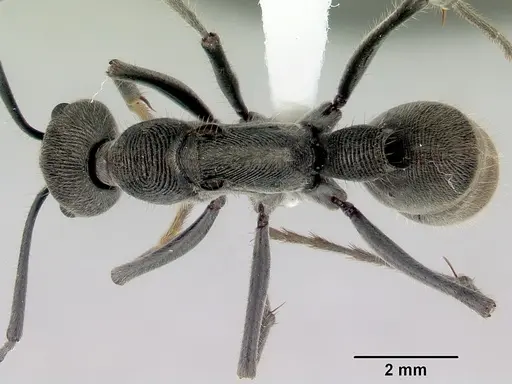
CASENT0260415
View on AntWeb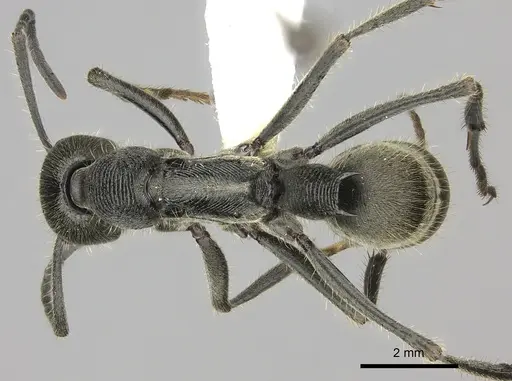
Literature
Loading...Loading products...