

Crematogaster zoceensis
- Scientific Name
- Crematogaster zoceensis
- Tribe
- Crematogastrini
- Subfamily
- Myrmicinae
- Author
- Santschi, 1925
- Distribution
- Found in 1 countries
Crematogaster zoceensis Overview
Crematogaster zoceensis is an ant species of the genus Crematogaster. It is primarily documented in 1 countries , including China. Detailed taxonomic data and occurrence records can be further explored via authoritative databases such as AntWeb or the Global Biodiversity Information Facility (GBIF).
Crematogaster zoceensis
Crematogaster zoceensis is a small to medium-sized ant native to central and eastern China. Workers measure 3.0-3.8mm with a brown-red to dark brown body, and the rear portion of the abdomen is noticeably darker [1]. They have distinctive yellow-white standing hairs and pubescence that is sparse but neatly arranged. Queens are larger at 6.0-7.0mm and have a yellow-brown coloration with relatively shiny bodies [1]. This species nests in ground cover and leaf litter in forested habitats across a wide elevation range of 574-1,770 meters [2]. It is similar in appearance to Crematogaster matsumurai but can be distinguished by its coarser pronotum striae and longer propodeum spines [1].
Quick Summary
- Difficulty: Medium
- Origin & Habitat: Central and eastern China, primarily in forested habitats including conifer-broadleaf forest, semi-evergreen broadleaf forest, walnut forest, and Masson pine forest at elevations of 574-1,770 meters [2][3].
- Colony Type: Colony structure is unconfirmed for this species. Crematogaster ants are typically polygynous (multi-queen), but specific data for C. zoceensis is lacking.
- Size & Growth:
- Queen: 6.0-7.0mm [1]
- Worker: 3.0-3.8mm [1]
- Colony: Unknown, no colony size data available for this species
- Growth: Moderate, estimated based on typical Crematogaster patterns
- Development: 6-8 weeks, estimated based on typical Myrmicinae development at room temperature (Development time is not directly documented for this species. This estimate is based on typical genus patterns.)
- Antkeeping:
- Temperature: Keep at room temperature, roughly 20-26°C. Based on their elevation range (574-1,770m) in temperate forests, they likely tolerate a range from cool to moderately warm. Start at room temperature and adjust based on colony activity [2].
- Humidity: Moderate to high humidity preferred. In nature they inhabit forest floor environments with leaf litter. Keep the nest substrate consistently moist but not waterlogged, with some drier areas available for the ants to regulate their own humidity [2].
- Diapause: Yes, as a species from temperate China, they likely require a winter rest period. Provide hibernation at 5-10°C for 2-3 months during winter months.
- Nesting: In nature they nest in ground cover and leaf litter [2]. In captivity, they do well in test tubes for founding colonies, then can be moved to naturalistic setups with soil/leaf litter or acrylic nests with moist substrate. They prefer nests with multiple small chambers.
- Behavior: Crematogaster ants are known for their distinctive heart-shaped abdomen and their ability to raise it defensively when threatened. Workers are active foragers that search both on plants and on the ground surface [2]. They are not particularly aggressive but will defend their nest vigorously. Their small size (3.0-3.8mm) means escape prevention requires fine mesh barriers, they can squeeze through surprisingly small gaps.
- Common Issues: escape prevention is critical due to their small size, use fine mesh and tight-fitting lids, colonies may be slow to establish initially, patience is required during founding, overheating can be fatal, avoid temperatures above 30°C, wild-caught colonies may carry parasites that can decimate captive colonies, too much moisture can drown colonies, ensure proper drainage in nests
Nest Preferences
In the wild, Crematogaster zoceensis nests within ground cover and leaf litter in forested habitats [2]. They show a preference for nesting in areas with moderate ground cover rather than open spaces. For captive care, a test tube setup works well for colony founding, use a standard test tube with a water reservoir plugged with cotton. Once the colony reaches 20-30 workers, you can transition to a naturalistic setup with a soil substrate mixed with leaf litter, or an acrylic formicarium with moist chambers. They do best in nests that provide multiple connected chambers rather than single large spaces. The nest material should retain moisture well but allow for some drying to prevent mold issues.
Feeding and Diet
Crematogaster ants are generalist omnivores. They readily accept sugar sources such as honey water or sugar water, and they also need protein from prey items. Offer small insects like fruit flies, small crickets, or mealworms. In the wild, they forage on both plants and the ground surface [2], so they are adaptable foragers. Feed them a few times per week, offer protein prey 2-3 times weekly and keep a constant sugar water source available. Remove any uneaten prey after 24-48 hours to prevent mold. They are not particularly picky eaters and should accept most common ant foods, but variety helps maintain colony health.
Temperature and Seasonal Care
This species comes from temperate regions of China with distinct seasons. They do well at room temperature (20-26°C) and can tolerate cooler conditions given their elevation range in mountain forests [2]. During the active season (spring through fall), maintain temperatures in the low-to-mid 20s°C. In winter, they require a diapause period, reduce temperatures to 5-10°C for 2-3 months. This winter rest is important for colony health and longevity. Do not keep them at elevated temperatures year-round as this can stress the colony and reduce lifespan. A simple way to provide this is to move them to an unheated room or basement during winter months.
Behavior and Temperament
Crematogaster zoceensis workers are active and agile foragers. They search for food both on vegetation and on the ground [2], making them interesting to watch. When threatened, they have the characteristic Crematogaster defense behavior, they raise their heart-shaped abdomen and can release a foul-smelling chemical from their glands. They are not aggressive toward humans and rarely sting, though their small size makes them hard to handle anyway. Workers are relatively long-lived compared to some other ant species, which helps colonies persist. They are not territorial in an aggressive sense and can coexist with other ant species in shared spaces, though they will defend their nest area.
Colony Establishment
Starting a colony from a wild-caught queen is the most common approach. Collect a mated queen after nuptial flights (timing in China would typically be spring to early summer). Place her in a test tube setup with a water reservoir. She will seal herself in a chamber and lay eggs, this is typical claustral founding for the genus, though it has not been directly documented for this species. The first workers (nanitics) will be smaller than normal workers and will emerge after several weeks. Once workers are present, you can begin offering small food items. Colonies grow at a moderate pace, expect 6-12 months to reach 50 workers under good conditions. Be patient during the founding phase as this is when most colony losses occur.
Frequently Asked Questions
How long does it take for Crematogaster zoceensis to produce first workers?
Based on typical Crematogaster development patterns, expect first workers (nanitics) to emerge in approximately 6-8 weeks after the queen lays eggs. This timeline assumes room temperature (around 22-25°C). Development may be slower at cooler temperatures.
What do Crematogaster zoceensis ants eat?
They are omnivores that accept both sugar and protein. Offer sugar water or honey water as a constant energy source. For protein, provide small insects like fruit flies, pinhead crickets, or small mealworms. Feed them 2-3 times per week with protein, and keep sugar water available at all times.
Do Crematogaster zoceensis ants sting?
They are not known for stinging humans. Their primary defense is raising their distinctive heart-shaped abdomen and releasing chemicals, not stinging. They are safe to handle and unlikely to cause any pain or harm.
What temperature do Crematogaster zoceensis ants need?
Room temperature (20-26°C) is suitable for this species. They can tolerate cooler conditions given their mountain forest habitat. Keep them at room temperature during the active season and provide a cool winter period (5-10°C) for 2-3 months for proper diapause.
Can I keep Crematogaster zoceensis in a test tube?
Yes, test tubes work well for colony founding. Use a standard test tube with a water reservoir and cotton plug. Keep it horizontal so the queen can retreat to the dry end. Once the colony reaches 20-30 workers, consider transitioning to a larger setup with more space.
How big do Crematogaster zoceensis colonies get?
Colony size data is not available for this specific species. Based on typical Crematogaster patterns, expect colonies to potentially reach several hundred workers over time with good care. They are not among the largest ant species.
Do Crematogaster zoceensis need hibernation?
Yes, as a species from temperate China, they require a winter rest period. Reduce temperatures to 5-10°C for 2-3 months during winter. This mimics their natural seasonal cycle and helps maintain colony health. Do not skip hibernation as it can stress the colony.
Are Crematogaster zoceensis good for beginners?
They are rated as medium difficulty. They are more forgiving than some species but require attention to escape prevention due to their small size. They need seasonal temperature changes for proper hibernation. If you can provide proper housing and winter care, they are manageable for intermediate antkeepers.
Why are my Crematogaster zoceensis dying?
Common causes include: escape due to inadequate barriers (they are tiny), overheating (keep below 30°C), excessive moisture causing drowning, parasites from wild-caught colonies, or stress from improper hibernation. Check your setup for these issues and adjust accordingly.
When should I move Crematogaster zoceensis to a formicarium?
Move them when the test tube becomes crowded, typically when the colony reaches 20-40 workers. They do well in naturalistic setups with soil and leaf litter, or acrylic nests designed for small Myrmicinae. Ensure the new setup maintains proper humidity.
References

This caresheet is licensed under CC BY-SA 4.0 .
CASENT0912689
View on AntWeb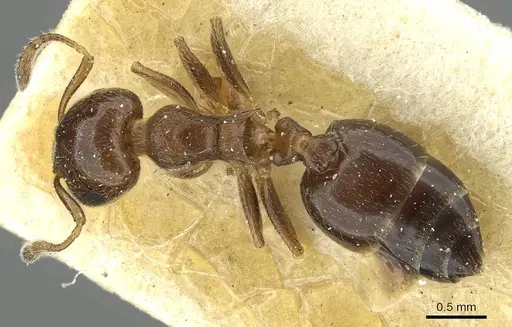
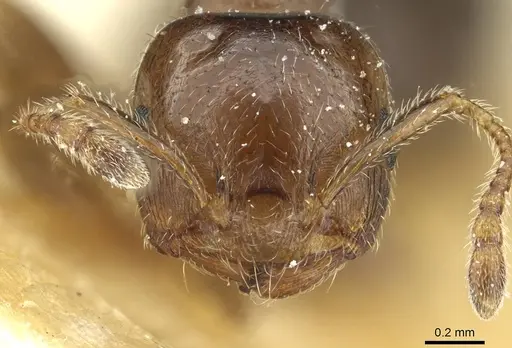
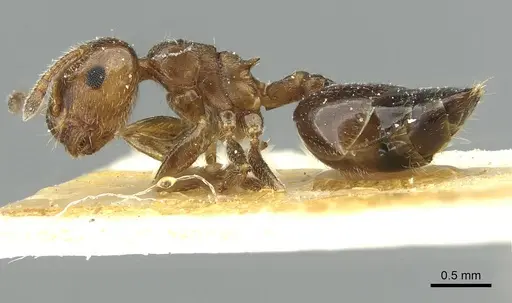
Literature
Loading...Loading products...