

Crematogaster weberi
- Scientific Name
- Crematogaster weberi
- Tribe
- Crematogastrini
- Subfamily
- Myrmicinae
- Author
- Emery, 1911
- Distribution
- Found in 1 countries
Crematogaster weberi Overview
Crematogaster weberi is an ant species of the genus Crematogaster. It is primarily documented in 1 countries , including Papua New Guinea. Detailed taxonomic data and occurrence records can be further explored via authoritative databases such as AntWeb or the Global Biodiversity Information Facility (GBIF).
Crematogaster weberi
Crematogaster weberi is a small arboreal ant species native to New Guinea, specifically found in the Irian Jaya region of Indonesia. These ants belong to the Xiphocrema subgenus and are part of the Crematogaster tetracantha group [1]. Like other Crematogaster species, they are known as 'acrobat ants' due to their ability to raise their heart-shaped gaster over their head when threatened. Workers are small and typically dark in coloration. This species inhabits the Australasian region, specifically the tropical rainforests of New Guinea where they likely nest in rotting wood, hollow stems, or under bark [2].
This species is poorly documented in scientific literature, so much of what we know comes from general Crematogaster genus patterns. They are arboreal by nature and likely prefer warm, humid conditions matching their New Guinea rainforest habitat. Their small size and active foraging behavior make them engaging ants to observe, though specific care requirements are based on genus-level knowledge rather than species-specific studies.
Quick Summary
- Difficulty: Medium
- Origin & Habitat: New Guinea (Irian Jaya, Indonesia), tropical rainforest environment [1][2]
- Colony Type: Likely monogyne (single queen) based on typical Crematogaster patterns, though this is unconfirmed for this specific species
- Size & Growth:
- Queen: Estimated 6-8mm based on genus patterns
- Worker: Estimated 2-4mm based on genus patterns
- Colony: Unknown for this species, likely several hundred workers based on typical Crematogaster colony sizes
- Growth: Moderate, based on genus patterns
- Development: Estimated 6-8 weeks at optimal tropical temperatures (25-28°C), based on typical Crematogaster development (Development time is inferred from genus-level data since species-specific studies are unavailable)
- Antkeeping:
- Temperature: Keep at 24-28°C (tropical range). A heating cable on one side of the nest creates a gradient allowing ants to self-regulate. New Guinea species require consistent warmth [2].
- Humidity: High humidity (70-80%) matching rainforest origin. Keep nest substrate consistently moist but not waterlogged. Provide a water tube for drinking access.
- Diapause: Unlikely, as a tropical species from New Guinea, they probably do not require a true hibernation period. However, slight temperature reduction during winter months may be beneficial.
- Nesting: Arboreal preferences, they nest in rotting wood, hollow stems, or under bark in nature. In captivity, a Y-tong (AAC) nest or plaster nest with wood elements works well. They prefer tight, enclosed chambers scaled to their small size.
- Behavior: Active and fast-moving ants that forage extensively. They are defensive and will raise their gaster when threatened, this is where they get the name 'acrobat ants.' They likely recruit nestmates to food sources through chemical trails. Their small size makes them capable of escaping through tiny gaps, use fine mesh and excellent escape prevention. They are likely omnivorous, accepting both sugar sources and protein foods.
- Common Issues: escape prevention is critical due to their tiny size, they squeeze through the smallest gaps, limited species-specific information means care is based on genus patterns rather than documented studies, high humidity requirements can lead to mold if ventilation is poor, tropical temperature needs may be difficult to maintain in cooler climates, wild-caught colonies may have parasites that affect captive survival
Housing and Nest Preferences
Crematogaster weberi is an arboreal species that in nature nests in rotting wood, hollow plant stems, and under bark. For captive care, a Y-tong (AAC) nest or plaster nest with wooden elements mimics their natural preferences well. They prefer tight chambers and narrow passages scaled to their small worker size. Avoid tall, open spaces that can make them feel exposed. A test tube setup can work for founding colonies, but consider transitioning to a more elaborate nest as the colony grows. They do well with moderate to high humidity levels and benefit from a water tube for drinking access. The nest should have some vertical orientation elements since they naturally climb and forage in elevated locations. [1][2]
Feeding and Diet
Like other Crematogaster species, these ants are omnivorous and will accept a variety of foods. Offer sugar water, honey, or diluted maple syrup as a constant carbohydrate source. For protein, provide small insects such as fruit flies, small mealworms, or cricket pieces. They are active foragers and will quickly recruit nestmates to food sources. Feed protein foods 2-3 times per week, removing any uneaten prey after 24 hours. Fresh fruit can also be offered occasionally. Since this species comes from a tropical environment with abundant honeydew-producing insects, they likely have a strong sweet tooth, ensure sugar sources are always available. [2]
Temperature and Humidity Requirements
As a species from New Guinea's tropical rainforests, Crematogaster weberi requires warm and humid conditions. Maintain temperatures between 24-28°C consistently. A heating cable placed on one side of the nest creates a temperature gradient allowing ants to regulate their own exposure to heat. Humidity should be kept high at 70-80%, this can be achieved by keeping the nest substrate moist and using a water tube. Avoid placing the nest near air conditioning or drafty areas that could cause temperature fluctuations. Consistent warmth and humidity are more important than precise measurements, observe colony behavior and adjust accordingly. [2]
Behavior and Temperament
Crematogaster weberi exhibits the characteristic 'acrobat ant' behavior where workers can raise their heart-shaped gaster over their thorax and head when threatened. This defensive posture, combined with their ability to emit alarm pheromones, makes them quite defensive of their nest. They are fast-moving and active foragers that will establish chemical trails to food sources. Workers are small but determined, and the colony will quickly respond to perceived threats. They are not typically aggressive toward humans but will defend their nest vigorously. Their small size means excellent escape prevention is essential, use fine mesh on all openings and consider applying fluon to barrier zones. [2]
Colony Development and Growth
Colony growth is expected to be moderate, with the first workers (nanitics) emerging after an estimated 6-8 weeks at optimal temperatures. The exact timeline is based on typical Crematogaster genus development patterns since species-specific data is unavailable. Colonies likely reach several hundred workers at maturity. The queen is relatively small compared to some other ant genera, which influences founding behavior, she likely seals herself in a small chamber and raises the first brood alone using stored fat reserves (claustral founding). Growth can be supported by consistent feeding and optimal temperature maintenance.
Seasonal Care and Overwintering
As a tropical species from New Guinea, Crematogaster weberi does not require true hibernation. However, slight temperature reductions during winter months (if your room naturally cools) are generally tolerated and may help simulate natural seasonal cycles. Do not allow temperatures to drop below 20°C for extended periods. Continue feeding at regular intervals, though colony activity may decrease slightly during cooler periods. If you use heating equipment, maintain it year-round to keep within the 24-28°C range. The key is consistency, avoid dramatic temperature swings that could stress the colony. [2]
Frequently Asked Questions
How long does it take for Crematogaster weberi to produce first workers?
Based on typical Crematogaster development patterns, expect first workers (nanitics) approximately 6-8 weeks after the queen lays eggs, assuming temperatures around 25-28°C. This is an estimate since species-specific development data is not available.
What do Crematogaster weberi ants eat?
They are omnivorous. Offer constant access to sugar sources (honey, sugar water, maple syrup) and protein foods 2-3 times weekly (small insects like fruit flies, mealworms, or cricket pieces). They likely have a strong preference for sweet foods due to their tropical origin.
What temperature do Crematogaster weberi ants need?
Keep them warm at 24-28°C consistently. A heating cable on one side of the nest creates a gradient. As a New Guinea tropical species, they need consistent warmth year-round.
Are Crematogaster weberi ants good for beginners?
This species is rated Medium difficulty. While they are active and interesting to watch, the lack of species-specific documentation means care is based on genus patterns. Their small size and escape ability require attention to containment. They have specific humidity and temperature needs typical of tropical ants.
Do Crematogaster weberi ants sting?
Crematogaster ants have a stinger but due to their small size, the sting is typically not painful to humans. However, they can emit irritating chemicals and are defensive of their nest. The characteristic 'acrobat' behavior (raising their gaster) is their primary defense mechanism.
Can I keep multiple Crematogaster weberi queens together?
This is unconfirmed for this specific species. Most Crematogaster species are monogyne (single queen), but some can be polygynous. Combining unrelated queens is not recommended without documented evidence that the species tolerates this.
What type of nest is best for Crematogaster weberi?
A Y-tong (AAC) nest or plaster nest with wooden elements works well. They prefer arboreal-style setups with tight chambers scaled to their small size. Avoid open, airy designs that don't provide enclosed spaces.
How big do Crematogaster weberi colonies get?
The maximum colony size is unknown for this species. Based on typical Crematogaster patterns, colonies likely reach several hundred workers at maturity.
Do Crematogaster weberi ants need hibernation?
No, as a tropical New Guinea species, they do not require true hibernation. Slight temperature reductions in winter are tolerated but keep temperatures above 20°C.
Why are my Crematogaster weberi ants escaping?
Their small size makes them excellent escape artists. Use fine mesh on all openings, ensure lids fit tightly, and apply fluon or similar barriers to prevent escapes. Check for any tiny gaps they could squeeze through.
References

This caresheet is licensed under CC BY-SA 4.0 .
CASENT0193599
View on AntWeb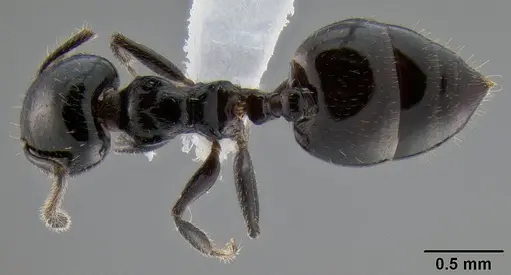
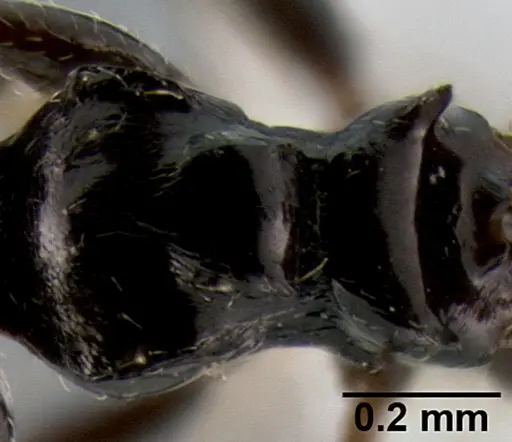
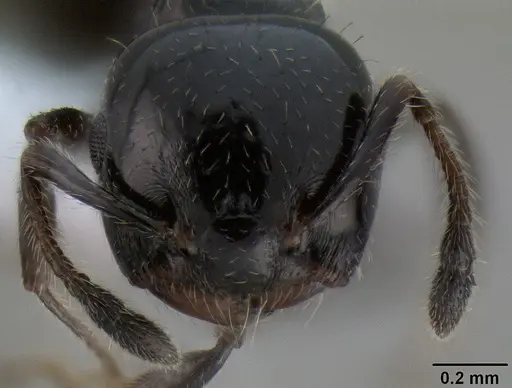
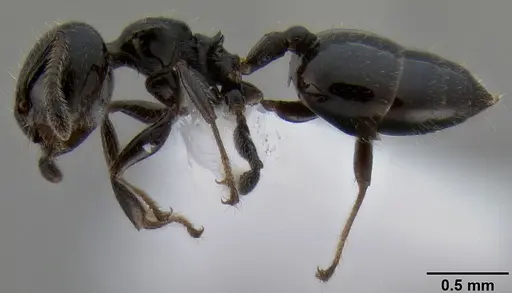
Literature
Loading...Loading products...