

Crematogaster tetracantha
- Scientific Name
- Crematogaster tetracantha
- Tribe
- Crematogastrini
- Subfamily
- Myrmicinae
- Author
- Emery, 1887
- Distribution
- Found in 1 countries
Crematogaster tetracantha Overview
Crematogaster tetracantha is an ant species of the genus Crematogaster. It is primarily documented in 1 countries , including Papua New Guinea. Detailed taxonomic data and occurrence records can be further explored via authoritative databases such as AntWeb or the Global Biodiversity Information Facility (GBIF).
Crematogaster tetracantha
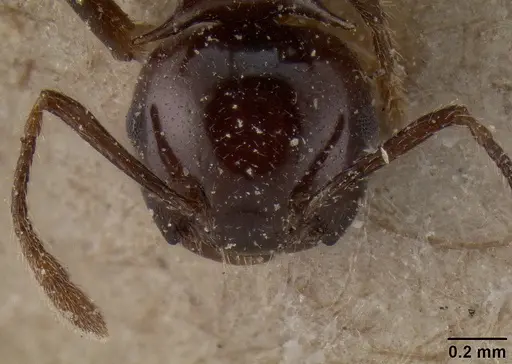
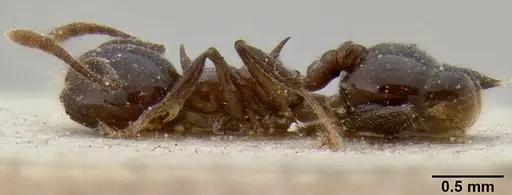
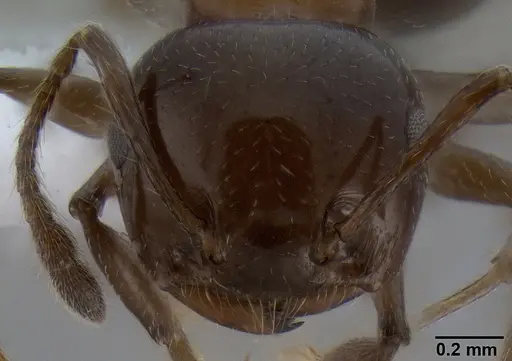
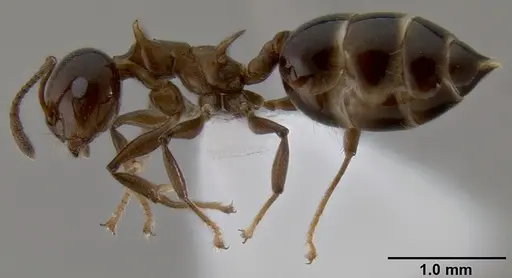
Crematogaster tetracantha is a small ant species native to Papua New Guinea in the Australasian region. These ants belong to the Xiphocrema subgenus and are part of the Crematogaster tetracantha species group, characterized by their distinctly developed pronotal shoulders that form noticeable spines [1]. Workers are typical of the genus, small, with a distinctive heart-shaped abdomen that they raise over their head when threatened, giving them the common name 'acrobat ants'. The species is distributed eastward of Wallace's Line, a zoogeographic boundary separating Asian and Australian fauna [1]. This species remains poorly studied in the scientific literature, with limited information available about its specific biology and colony structure.
Quick Summary
- Difficulty: Unknown, insufficient keeper experience documented
- Origin & Habitat: Papua New Guinea, Australasian region. Found in tropical forest habitats typical of the region [1][2].
- Colony Type: Colony structure is unconfirmed. Based on typical Crematogaster patterns, likely single-queen colonies but this requires verification.
- Size & Growth:
- Queen: Unknown, no specific measurements available. Estimated 5-7mm based on genus typical size range.
- Worker: Unknown, no specific measurements documented. Typical Crematogaster workers range 2-5mm [2].
- Colony: Unknown, no colony size data available for this species.
- Growth: Unknown, no development data available. Estimated moderate based on genus patterns.
- Development: Unknown, not directly studied. Based on related tropical Crematogaster species, estimate 4-8 weeks at warm temperatures. (This is a rough estimate based on genus-level data. Specific timeline for this species has not been documented.)
- Antkeeping:
- Temperature: Tropical species, keep warm at 24-28°C. A heating cable on one side of the nest creates a suitable gradient. This is inferred from the species' tropical origin in Papua New Guinea.
- Humidity: Tropical forest conditions, keep substrate moderately moist. Provide a water tube for drinking access. Mist occasionally but avoid waterlogging.
- Diapause: Unlikely, as a tropical species from Papua New Guinea, year-round activity is expected. No documented diapause requirement.
- Nesting: Natural nesting habits unconfirmed. Based on related species in the Xiphocrema subgenus, they likely nest in rotting wood, under bark, or in hollow stems. In captivity, a Y-tong (AAC) nest or plaster formicarium with moderate humidity works well for Crematogaster species.
- Behavior: Crematogaster tetracantha exhibits typical acrobat ant behavior, workers raise their abdomen over their head when disturbed as a defensive display. They are likely arboreal or semi-arboreal nesters based on subgenus patterns. Workers are active and foragers, likely tending honeydew-producing insects and hunting small prey. Escape prevention should be moderate, while smaller than many ants, standard barriers typically suffice. Their small size means some escape risk exists, but they are not as prolific escape artists as extremely tiny species.
- Common Issues: lack of species-specific care information makes guidance uncertain, tropical humidity requirements may be challenging in dry climates, small worker size creates some escape risk without proper barriers, no documented captive breeding success to reference, limited availability, rarely collected or traded
Species Identification and Taxonomy
Crematogaster tetracantha belongs to the Xiphocrema subgenus, a group of Crematogaster ants characterized by their distinctly developed pronotal shoulders that form spine-like projections [1]. This species is part of the Crematogaster tetracantha species group and is classified within clade C alongside related species like C. fruhstorferi, C. mjobergi, and others [1]. The species was originally described by Emery in 1887 from specimens collected at Ramoi in Papua New Guinea [2]. The distribution is centered in the Australasian region, specifically Papua New Guinea, with most records falling eastward of Wallace's Line [1].
Natural History and Habitat
Crematogaster tetracantha is found exclusively in Papua New Guinea, a tropical region with high humidity and warm temperatures year-round. While specific habitat preferences are not documented in scientific literature, the species likely inhabits forest environments typical of the region. The Xiphocrema subgenus generally contains species that nest in rotting wood, under bark, or in hollow plant stems, often in more humid microhabitats. As tropical ants from the Australasian region, they would have evolved in stable warm conditions without seasonal temperature swings. This suggests they likely prefer consistent warmth and humidity rather than tolerance for temperature variation. [1]
Housing and Nesting in Captivity
Since specific nesting data is unavailable for C. tetracantha, housing recommendations must be based on what works for related Crematogaster species. A Y-tong (AAC) nest or plaster formicarium provides good humidity control and works well for small Myrmicinae ants. The nest should have chambers scaled to their small size, avoid overly large, open spaces. Provide a water tube or moist cotton as a water source. Place the nest in a warm area (24-28°C) or use a heating cable on one side to create a temperature gradient. An outworld for foraging allows you to observe workers as they search for food. Escape prevention should include standard barriers, while small, they are not extremely tiny ants that require fine mesh.
Feeding and Diet
The specific diet of C. tetracantha has not been documented, but Crematogaster species are generalist omnivores. In the wild, they typically feed on honeydew from aphids and scale insects, nectar from plants, and small insects they can capture. In captivity, offer a varied diet: sugar water or honey as an energy source, and protein sources like small crickets, mealworms, or fruit flies. Live prey is enrichment and stimulates natural foraging behavior. Feed protein 2-3 times per week and keep sugar water available at all times. Remove uneaten prey after 24 hours to prevent mold. Start with small portions and observe what your colony consumes.
Temperature and Seasonal Care
As a tropical species from Papua New Guinea, C. tetracantha requires warm conditions year-round. Maintain temperatures between 24-28°C for optimal activity and brood development. A heating cable placed on top of the nest (never under, as it can dry out the nest too quickly) helps maintain warmth. Room temperature may be sufficient in warm homes, but monitor with a thermometer. Unlike temperate species, no hibernation or winter diapause is expected or recommended. Sudden temperature drops should be avoided. If your home is cool, consider a small heat mat or place the colony in a warmer room. Consistent warmth supports colony growth and worker activity.
Behavior and Handling
Crematogaster tetracantha exhibits the characteristic defensive behavior of acrobat ants, when threatened, workers raise their abdomen over their head, exposing the glandular tip. This is a warning display, and while they may release defensive chemicals, most Crematogaster species are not considered dangerous to humans. They are active foragers and likely maintain moderate activity levels in captivity. Workers are small but visible to the naked eye. They are not aggressive toward humans and rarely bite. Standard observation and feeding can be done without special protective measures. The species is not well-documented in captivity, so observe your colony's behavior and adjust care accordingly.
Frequently Asked Questions
How do I care for Crematogaster tetracantha ants?
Care information is limited since this species is rarely kept. Based on tropical Crematogaster needs: keep warm (24-28°C), maintain moderate humidity, and feed sugar water plus small protein prey. Use a Y-tong or plaster nest with good humidity control. This is an estimated care level, actual keeper experience with this species is not documented.
What do Crematogaster tetracantha eat?
Like other Crematogaster species, they likely accept sugar sources (honey, sugar water) and small insects (fruit flies, pinhead crickets, mealworms). Offer a varied diet and remove uneaten prey after 24 hours.
How long does it take for Crematogaster tetracantha to develop from egg to worker?
This has not been directly documented. Based on related tropical Crematogaster species, estimate 4-8 weeks at optimal warm temperatures (around 26°C).
Do Crematogaster tetracantha ants sting?
Crematogaster ants can bite and release defensive chemicals, but they are not considered dangerous to humans. Their main defense is raising the abdomen in a warning display.
What temperature do Crematogaster tetracantha need?
Keep them warm at 24-28°C. This is inferred from their tropical origin in Papua New Guinea. Use a heating cable or heat mat if your room temperature is below this range.
How big do Crematogaster tetracantha colonies get?
Colony size is unknown, no published data exists for this species. Based on typical Crematogaster patterns, moderate colony sizes of several hundred workers are likely.
Do Crematogaster tetracantha need hibernation?
No, as a tropical species from Papua New Guinea, they do not require hibernation. Keep them warm year-round.
Is Crematogaster tetracantha good for beginners?
This species is not recommended for beginners due to lack of documented care information and likely rarity in the antkeeping hobby. Better-established Crematogaster species like C. scutellaris or C. lineolata are more suitable for those new to antkeeping.
Can I keep multiple Crematogaster tetracantha queens together?
Colony structure (monogyne vs polygyne) has not been documented for this species. Without data, combining unrelated queens is not recommended.
Where is Crematogaster tetracantha found?
This species is native to Papua New Guinea in the Australasian region. It was originally described from specimens collected at Ramoi.
References

This caresheet is licensed under CC BY-SA 4.0 .
CASENT0171219
View on AntWeb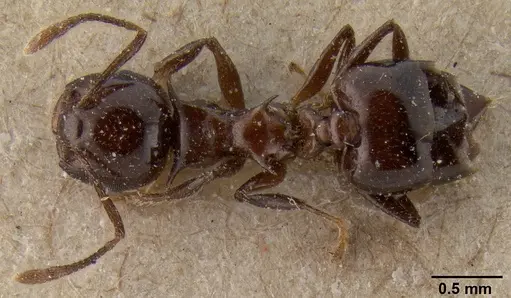
CASENT0193113
View on AntWeb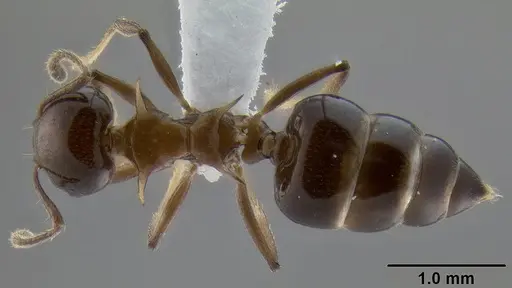
Literature
Loading...Loading products...