Crematogaster walshi - "Acrobat Ant / Cocktail Ant"
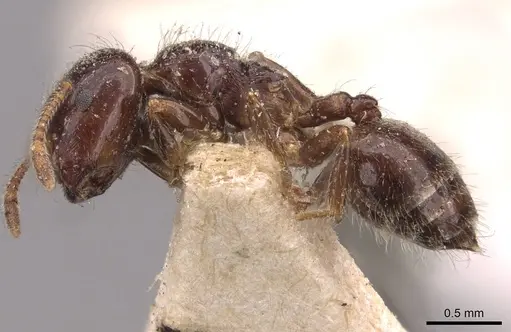
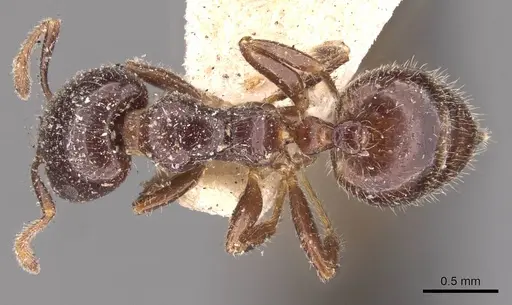
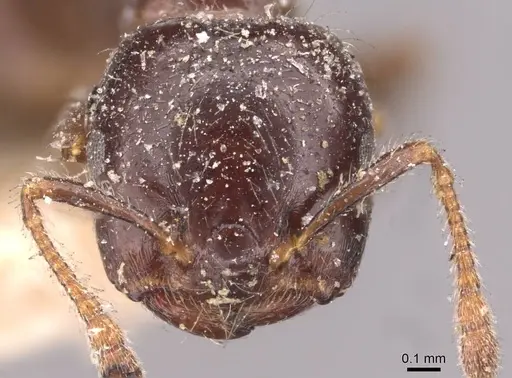
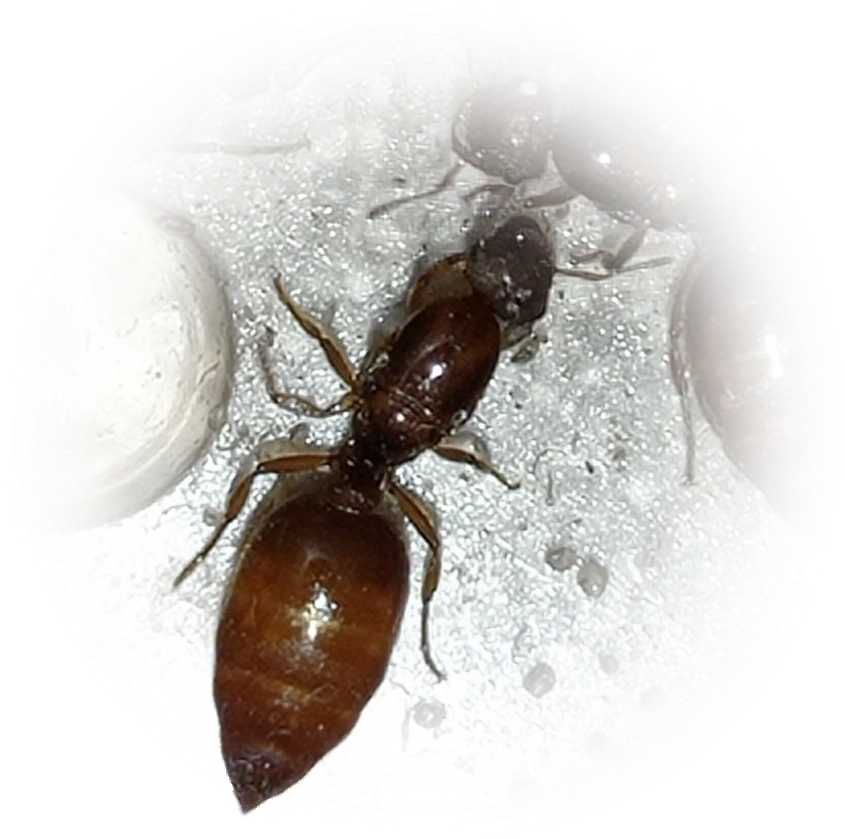
Crematogaster walshi, part of the diverse Acrobat Ant or Cocktail Ant genus, are easily recognized by their distinctive heart-shaped gaster (abdomen), which they famously raise over their heads when alarmed or defending. These medium-sized ants exhibit a unique posture that gives them their common names. Workers typically range from 2 to 4 mm in length, while queens are noticeably larger, usually around 7 to 9 mm. Their appearance can vary in coloration, often reddish-brown to dark brown or black. Beyond their unique defensive stance, they are active foragers and predators, known for their cooperative hunting strategies and complex trail-laying. They also form fascinating mutualistic relationships with plants and sap-feeding insects, making them a captivating species for antkeepers to observe.
- Difficulty: Medium
- Origin & Habitat: India, Sri Lanka in Forests, Woodlands, Shrublands, and Urban areas. They typically nest arboreally in dead wood, hollow stems, or under bark, but can also be found nesting in the ground or rotting logs. In urban environments, they might nest within structures..
- Colony Type: Monogyne, though some Crematogaster species can be polygynous. Ergatogynes (intermediate castes) producing trophic eggs have been reported in the genus., claustral (queen seals herself in a chamber to raise the first brood) founding.
- Size & Growth:
- Queen: 7-9mm
- Worker: 2-4mm
- Colony: Medium (thousands) to Large (tens of thousands), with some large colonies being polydomous (multiple nests).. Fast (given adequate protein and conditions) growth.
- Antkeeping:
- Temperature: Maintain a temperature range of 21-25°C for optimal development. Avoid temperatures consistently above 28°C, as this can be harmful. A heat mat can be beneficial if your keeping area is too cool..
- Humidity: Aim for humidity levels between 50-60% within the nest. While adaptable, consistent humidity is crucial for brood development..
- Diapause: Required. 2-3 months at 8-12°C.
- Nesting: These ants prefer nests that mimic their natural arboreal habitats. Good options include wooden nests, cork nests, or acrylic setups with ample substrate space. They appreciate tight spaces and can also thrive in traditional formicariums designed for their size..
- Behavior: Medium (towards prey and rival ants, or when nest is disturbed) aggressiveness.
- Common Issues: Humidity fluctuations, Mold in nest, Colony stalling if underfed, Queen stress during founding (avoid excessive checking), Lack of adequate ventilation in outworld for defensive secretions.
For anyone delving into Crematogaster walshi care, you'll quickly become familiar with their signature 'acrobat' display. These incredible ants have a truly remarkable defense mechanism: when their colony feels threatened, workers will dramatically arch their distinctive heart-shaped gaster over their heads, as if performing a balancing act. This isn't just for show; it allows them to precisely apply a defensive venom topically, a unique form of chemical warfare rather than a direct sting. While it’s certainly a captivating sight in your formicarium, remember that this 'cocktail' pose is a strong indicator of stress within the colony, so try to keep disturbances to a minimum to ensure your ant family remains calm and happy.
When it comes to feeding your Crematogaster walshi colony, you'll find them to be quite straightforward and eager eaters. These adaptable ants are omnivorous foragers, readily accepting a diverse menu of insect proteins – think small crickets, fruit flies, or even pieces of mealworms. Don't forget their sweet tooth either; they absolutely love sugar sources like honey-water or specialized ant sugar jelly. Providing a consistent balance of both protein and carbohydrates is paramount to fueling their impressive, rapid colony growth and ensuring the overall vitality of your ant farm. Be prepared, because once they’re well-established, you’ll witness their numbers swell quite quickly!
Despite their intriguing behaviors, it's worth noting that established Crematogaster colonies can exhibit a strong territorial streak. If you’re an antkeeper with multiple species, it's crucial to maintain ample separation between their setups to prevent any skirmishes or unwanted interactions. Additionally, offering a spacious outworld with excellent ventilation is an absolute must. Why? Because when these ants feel agitated or threatened, they are known to release formic acid fumes. Proper airflow in your formicarium’s outworld will ensure these secretions dissipate safely, maintaining optimal air quality for your industrious workers and a comfortable environment for your observation.
One of the most rewarding aspects of caring for Crematogaster walshi is the opportunity to witness their incredible hunting and recruitment behaviors firsthand. It's a true spectacle! Once a sharp scout ant locates a promising food source, it wastes no time laying intricate chemical trails, signaling its nestmates. What follows is a flurry of coordinated action as numerous worker ants emerge, collaborating seamlessly to subdue and transport prey that can often be significantly larger than themselves back to the safety of their formicarium. This highly organized, cooperative effort is a beautiful demonstration of their efficient social structure, providing endless fascination for any dedicated antkeeping enthusiast.