

Crematogaster bingo
- Scientific Name
- Crematogaster bingo
- Subgenus
- Orthocrema
- Tribe
- Crematogastrini
- Subfamily
- Myrmicinae
- Author
- Forel, 1908
- Distribution
- Found in 2 countries
Crematogaster bingo Overview
Crematogaster bingo is an ant species of the genus Crematogaster. It is primarily documented in 2 countries , including Argentina, Brazil. Detailed taxonomic data and occurrence records can be further explored via authoritative databases such as AntWeb or the Global Biodiversity Information Facility (GBIF).
Crematogaster bingo
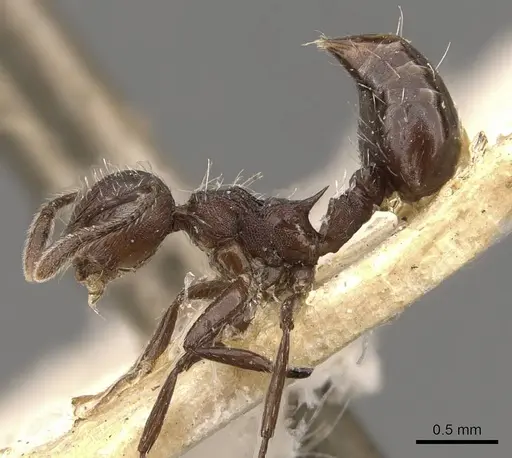
Crematogaster bingo is a small Neotropical ant species native to Brazil and Argentina. Workers are tiny, typically measuring 2-4mm, with the characteristic heart-shaped gaster (abdomen) that Crematogaster ants are known for, they can raise it over their heads in a defensive display, giving them the common name 'acrobat ants'. The genus Crematogaster is one of the most diverse ant groups worldwide, recognized by their distinctive two-segmented petiole and the ability to excrete defensive chemicals from their gaster tip when threatened [1]. This species was originally described from São Paulo, Brazil in 1908 by Forel [2]. Little specific research exists on C. bingo, but like most Crematogaster species, they likely nest in rotting wood, under bark, or in arboreal cavities in the Atlantic Forest regions of their range.
Quick Summary
- Difficulty: Medium
- Origin & Habitat: Native to the Neotropical region, specifically Brazil (São Paulo state) and northern Argentina. They inhabit Atlantic Forest environments, typically nesting in rotting wood, under loose bark, or in arboreal cavities [1].
- Colony Type: Colony structure is unconfirmed for this specific species. Most Crematogaster species are monogyne (single queen), though some can form polygyne colonies. The genus is known for flexible colony structures depending on the species [1].
- Colony: Monogyne
- Founding: Claustral
- Size & Growth:
- Queen: Estimated 5-7mm based on genus patterns for small Crematogaster species [1].
- Worker: 2-4mm based on genus patterns [1].
- Colony: Estimated several hundred workers based on typical Crematogaster colony sizes [1].
- Growth: Moderate, Crematogaster colonies typically grow at a moderate pace, reaching several hundred workers over 1-2 years under good conditions.
- Development: Estimated 6-8 weeks at optimal temperature based on genus patterns for tropical Crematogaster species [1]. (Development time is estimated from related tropical Crematogaster species. Warmer temperatures within their tolerance range will speed development.)
- Antkeeping:
- Temperature: Keep at 22-26°C. As a Neotropical species from Brazil, they prefer warm conditions. A heating cable on one side of the nest can create a gentle gradient if room temperature is below this range [1].
- Humidity: Moderate to high humidity (60-80%). They prefer moist nest conditions similar to their forest floor and arboreal habitats. Keep the nest substrate consistently damp but not waterlogged, with some drier areas available for the ants to self-regulate.
- Diapause: Unlikely, as a Neotropical species from tropical/subtropical Brazil, they do not require a true hibernation. However, they may slow down slightly during cooler winter months if room temperature drops.
- Nesting: Y-tong (acrylic) nests or plaster nests work well. They prefer tight, humid chambers similar to their natural nesting in rotting wood and under bark. Avoid overly dry environments. Test tube setups can work for founding colonies but may need upgrading as the colony grows.
- Behavior: Crematogaster bingo will likely show typical Crematogaster behavior, they are active foragers that can be defensive when threatened. Workers are small but agile. They can excrete defensive chemicals from their gaster, which is their primary defense mechanism. They are not aggressive toward humans but will defend their nest vigorously. Their small size means escape prevention is important, use fine mesh and tight-fitting barriers. They are good climbers and may attempt to escape through small gaps.
- Common Issues: escape prevention is critical due to their tiny size, they can squeeze through remarkably small gaps, colonies may fail if humidity drops too low, they need consistent moisture, slow founding phase can frustrate beginners, claustral queens seal themselves in and may not emerge for weeks, wild-caught colonies may carry parasites that can devastate captive colonies, overfeeding can lead to mold problems in their humid environment
Nest Preferences and Housing
Crematogaster bingo will do well in Y-tong (acrylic) nests or plaster nests that can hold humidity. They naturally nest in rotting wood and under bark, so a setup that provides moist, tight chambers mimics their natural environment well. Test tube setups work for founding colonies, use a water reservoir connected to a cotton ball to maintain humidity. The chambers should be appropriately sized for their small worker size (2-4mm). Avoid dry environments or materials that don't hold moisture well. As the colony grows to several hundred workers, consider upgrading to a larger formicarium with multiple chambers. [1]
Feeding and Diet
Like most Crematogaster species, they are omnivorous and will accept both sugar sources and protein. Offer sugar water, honey, or diluted syrup as a constant carbohydrate source. For protein, provide small insects like fruit flies, pinhead crickets, or mealworm pieces. They are active foragers, so place food in the outworld where they can find it easily. Remove uneaten protein after 24-48 hours to prevent mold in their humid setup. Some Crematogaster species also collect honeydew from aphids in the wild, so they may readily accept sugar solutions. [1]
Temperature and Seasonal Care
Keep your colony at 22-26°C. As a Neotropical species from Brazil, they prefer warm, stable temperatures. A heating cable placed on part of the nest can help maintain optimal temperatures if your room is cooler. Avoid temperature extremes, sudden drops below 18°C or spikes above 30°C can stress the colony. Unlike temperate species, they do not require hibernation. During winter months, if your room temperature naturally drops, the colony may slow down slightly in activity but should remain healthy if kept above 18°C. [1]
Behavior and Defense
Crematogaster ants are known for their distinctive defensive behavior, when threatened, they can raise their heart-shaped gaster over their heads and excrete defensive chemicals. This is their primary defense mechanism rather than stinging. Workers are small but active and will readily forage for food in the outworld. They are good climbers and may explore vertical surfaces. Their small size makes them quick colonizers of new spaces but also means they can escape through tiny gaps. Always use excellent escape prevention with fine mesh barriers and tight-fitting lids. [1]
Colony Founding
Queens are likely claustral, they seal themselves in a small chamber and survive entirely on stored fat reserves while raising the first brood. The founding phase can take 4-8 weeks before the first nanitic (first-generation) workers emerge. During this time, the queen will not forage and should be left undisturbed. After workers emerge, they will gradually begin foraging for food. The colony will grow slowly at first, then accelerate as the worker force increases. Be patient during founding, disturbing the queen during this critical period can cause colony failure. [1]
Frequently Asked Questions
How long does it take for Crematogaster bingo to produce first workers?
Expect 6-8 weeks from egg to first worker at optimal temperature (22-26°C). This is typical for tropical Crematogaster species. The queen seals herself in during founding and relies on stored energy reserves until her first workers emerge.
What do Crematogaster bingo ants eat?
They are omnivorous. Offer sugar water, honey, or diluted syrup as a constant carbohydrate source. For protein, provide small insects like fruit flies, pinhead crickets, or small mealworm pieces. Remove uneaten protein after 24-48 hours to prevent mold.
Do Crematogaster bingo ants sting?
They do not sting. Their primary defense is excreting chemicals from their gaster when threatened, they can raise their abdomen over their heads in a defensive display. They are not dangerous to humans.
What temperature do Crematogaster bingo ants need?
Keep them at 22-26°C. As a Neotropical species from Brazil, they prefer warm conditions. A heating cable on part of the nest can help if your room temperature is below this range.
Are Crematogaster bingo good for beginners?
They are rated as Medium difficulty. The main challenges are maintaining proper humidity and escape prevention due to their tiny size. They are not the easiest species for complete beginners, but with proper research they can be kept successfully.
How big do Crematogaster bingo colonies get?
Based on typical Crematogaster colony sizes, expect several hundred workers at maturity. Growth is moderate over 1-2 years under good conditions.
Do Crematogaster bingo ants need hibernation?
No. As a Neotropical species from tropical Brazil, they do not require hibernation. They may slow down slightly during cooler winter months if room temperature drops, but a true diapause is not necessary.
What type of nest is best for Crematogaster bingo?
Y-tong (acrylic) nests or plaster nests work well. They prefer humid environments with tight chambers. Test tubes can work for founding colonies but may need upgrading as the colony grows. Avoid dry materials.
Why are my Crematogaster bingo dying?
Common causes include: low humidity (they need consistent moisture), escape through tiny gaps (use fine mesh), stress from disturbance during founding, or parasites from wild-caught colonies. Check that humidity is adequate and that there are no escape routes.
Can I keep multiple Crematogaster bingo queens together?
Not recommended without specific research on this species. Most Crematogaster are monogyne (single queen). Combining unrelated queens has not been documented for C. bingo and could result in fighting.
References

This caresheet is licensed under CC BY-SA 4.0 .
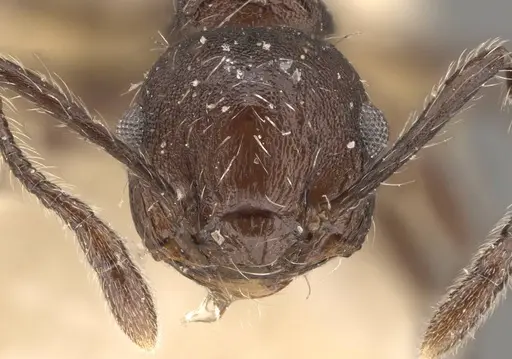
CASENT0908443
View on AntWeb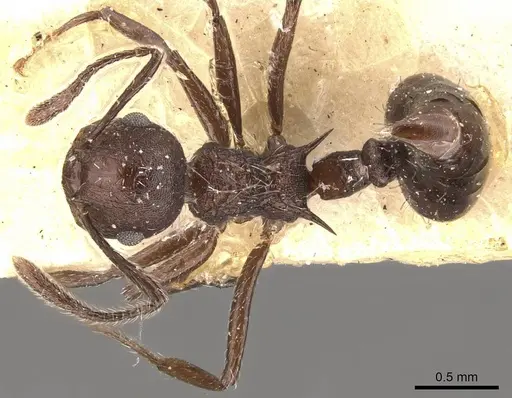
Literature
Loading...Loading products...