

Crematogaster thalia
- Scientific Name
- Crematogaster thalia
- Subgenus
- Orthocrema
- Tribe
- Crematogastrini
- Subfamily
- Myrmicinae
- Author
- Forel, 1911
- Distribution
- Found in 1 countries
Crematogaster thalia Overview
Crematogaster thalia is an ant species of the genus Crematogaster. It is primarily documented in 1 countries , including Paraguay. Detailed taxonomic data and occurrence records can be further explored via authoritative databases such as AntWeb or the Global Biodiversity Information Facility (GBIF).
Crematogaster thalia
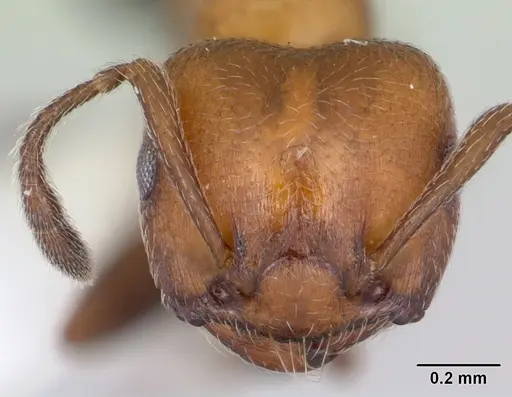
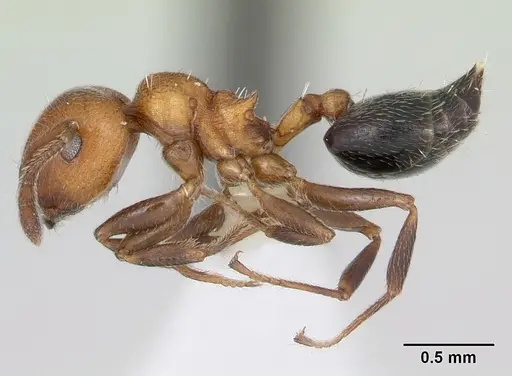
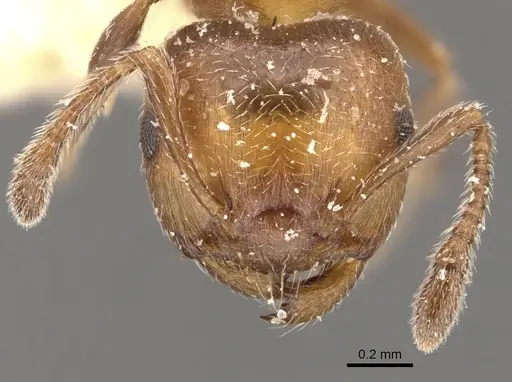
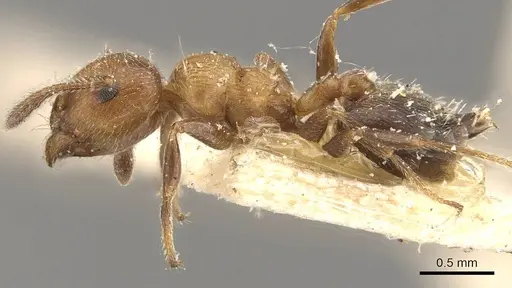
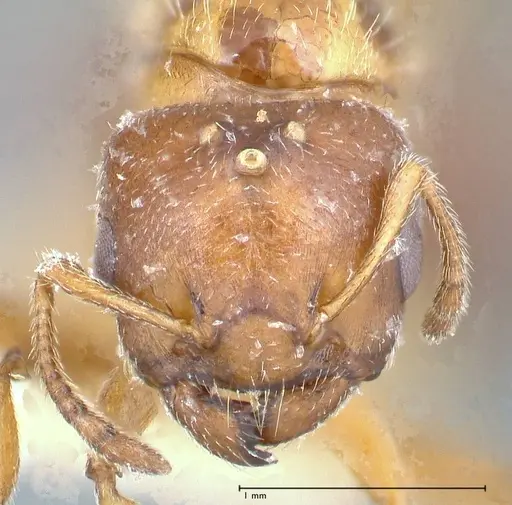
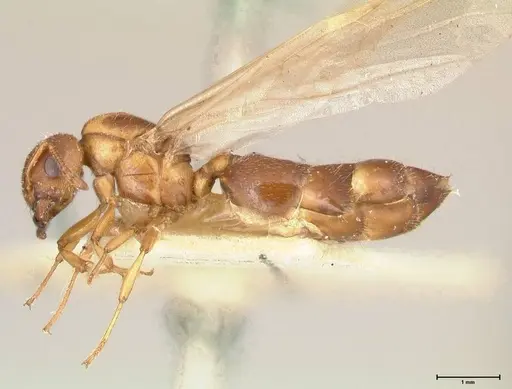
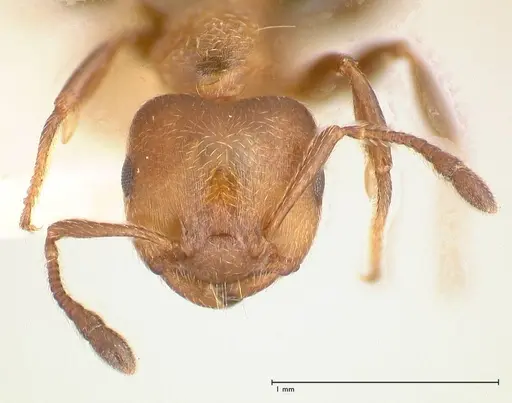
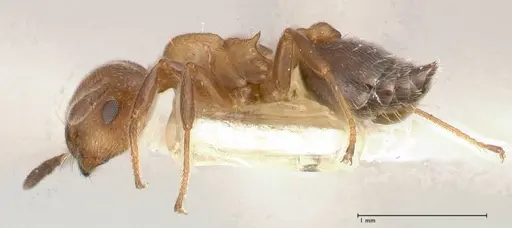
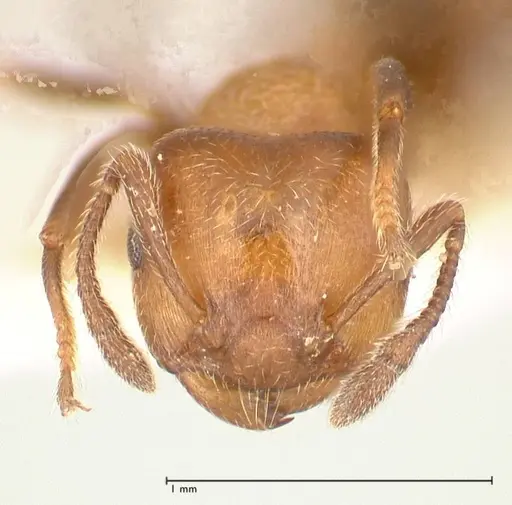
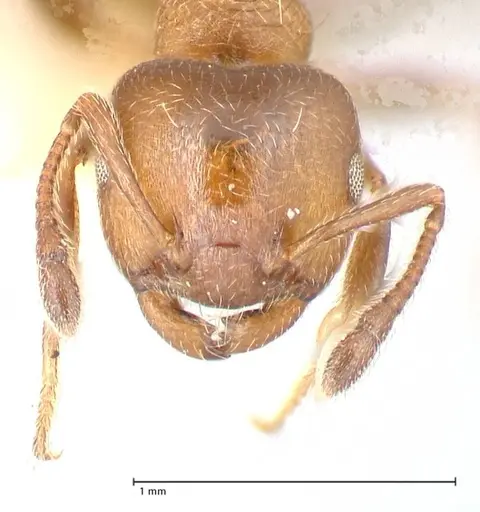
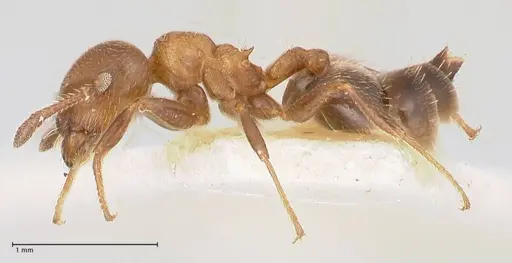
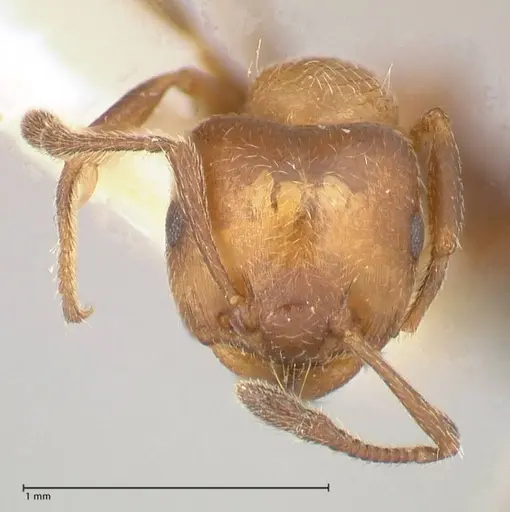
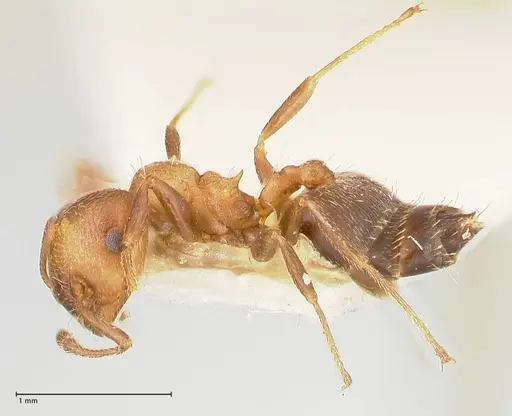
Crematogaster thalia is a small to medium-sized ant species native to the Neotropical region, specifically found in Paraguay and northern Argentina. Workers are moderately setose (hairy) with a distinctive heart-shaped gaster that they raise over their thorax when threatened, giving them the common name 'acrobat ants'. The mesosoma is large and light-colored, and they possess a nearly spinelike anteroventral petiolar tooth. This species belongs to the Crematogaster crinosa complex and was elevated from subspecies to full species status by Longino in 2003 [1]. As with other Crematogaster, they are arboreal or semi-arboreal nesters, often found in rotting wood or under bark in forest habitats.
Quick Summary
- Difficulty: Medium
- Origin & Habitat: Native to the Neotropical region, Paraguay and northern Argentina. Found in forest habitats where they typically nest in rotting wood, under bark, or in arboreal locations [2].
- Colony Type: Colony structure is unconfirmed for this specific species. Based on typical Crematogaster patterns, they are likely monogyne (single queen) colonies, though some related species can be polygyne. Further research is needed to confirm.
- Size & Growth:
- Queen: Approximately 6-7mm based on related species in the genus [2].
- Worker: Approximately 3-4mm based on genus descriptions [2].
- Colony: Likely reaches several hundred workers based on typical Crematogaster colony sizes, though unconfirmed for this specific species.
- Growth: Moderate, based on typical genus development patterns.
- Development: Estimated 6-8 weeks at optimal temperatures based on related species in the genus. This is an inference, not a direct measurement for this species. (Temperature-dependent, tropical species typically develop faster at warm temperatures.)
- Antkeeping:
- Temperature: Keep at 22-26°C. As a Neotropical species, they prefer warm conditions. A gentle temperature gradient allows them to self-regulate [2].
- Humidity: Moderate to high humidity (60-80%). They prefer damp but not waterlogged conditions. Provide a water source via test tube setup.
- Diapause: Likely minimal or no true diapause given their tropical origin. However, they may show reduced activity during cooler periods. This is inferred from related species.
- Nesting: Based on natural history, they prefer nesting in rotting wood, under bark, or in similar semi-arboreal setups. Y-tong (AAC) nests or plaster nests with wood sections work well. They do well with some verticality in their nest setup.
- Behavior: Crematogaster thalia is not particularly aggressive but will defend the nest vigorously if threatened. When disturbed, workers raise their abdomen over their head as a defensive display, this is their signature 'acrobat' behavior. They are active foragers and will search for honeydew and small prey. Escape prevention is important as they are small and can squeeze through small gaps. They are not known for painful stings but may bite or spray formic acid.
- Common Issues: limited specific data means care recommendations are partly inferred from genus patterns, escape prevention is important due to small worker size, humidity control is needed to prevent nest drying out, slow founding phase, claustral queens need patience during colony establishment, wild-caught colonies may carry parasites that can affect captive success
Housing and Nest Setup
Crematogaster thalia does well in Y-tong (AAC) nests or plaster nests with added wood sections to mimic their natural arboreal nesting preferences. The nest should have chambers sized appropriately for their 3-4mm workers, not too large, as they prefer snug spaces. Include a water source via test tube connected to the nest. Because they are semi-arboreal, they appreciate some vertical space in the outworld. Use a barrier like fluon on test tube rims to prevent escape, as their small size allows them to squeeze through tiny gaps. [2]
Feeding and Diet
Like other Crematogaster species, C. thalia is omnivorous with a preference for sweet liquids. Offer sugar water, honey, or diluted honeydew regularly. They also need protein from small insects like fruit flies, small mealworms, or pinhead crickets. Feed protein prey 2-3 times per week and keep sugar sources available constantly. They are active foragers and will readily search out food in the outworld. [2]
Temperature and Seasonal Care
Maintain temperatures between 22-26°C. As a Neotropical species from Paraguay and Argentina, they prefer warm, stable conditions. A heating cable on one side of the nest can create a gentle gradient. They do not require true hibernation but may show reduced activity during cooler periods. Avoid temperatures below 18°C for extended periods. [2]
Behavior and Defense
The signature behavior of Crematogaster is the 'acrobat' defense, when threatened, workers raise their abdomen over their head, similar to a scorpion pose. They may also bite or spray formic acid. They are not typically aggressive but will defend the nest vigorously if disturbed. Workers are active and will forage widely in the outworld. This species is not considered dangerous to humans. [2]
Colony Establishment
Founding queens likely seal themselves in a chamber and raise the first brood alone (claustral founding), based on typical genus patterns. This is inferred, not directly documented for this species. The founding phase requires patience, it may take 6-10 weeks before the first workers (nanitics) emerge. Do not disturb the queen during this critical period. Once the colony establishes, growth is moderate.
Frequently Asked Questions
How long does it take for Crematogaster thalia to produce first workers?
Based on typical genus development patterns, expect 6-8 weeks from egg to first worker at optimal temperatures (22-26°C). This is an estimate, not a direct measurement for this specific species.
Can I keep Crematogaster thalia in a test tube setup?
Yes, test tube setups work well for founding colonies. Ensure the cotton is properly packed and provide a sugar source in the outworld. Once the colony reaches 20-30 workers, consider moving to a more spacious Y-tong or plaster nest.
Do Crematogaster thalia ants sting?
They are not known for painful stings. Their primary defense is the acrobat display where they raise their abdomen, and they may bite or spray formic acid if handled roughly. They are not considered dangerous to humans.
What do Crematogaster thalia eat?
They are omnivorous. Offer sugar water, honey, or honeydew as a constant carbohydrate source. Feed protein (small insects like fruit flies, tiny mealworms) 2-3 times per week.
Are Crematogaster thalia good for beginners?
This species is rated as Medium difficulty. They are more challenging than common Lasius species due to specific temperature and humidity needs, but they are not among the most difficult ants. They require more attention to escape prevention due to their small size.
How big do Crematogaster thalia colonies get?
Based on related species, colonies likely reach several hundred workers. The exact maximum is unconfirmed for this specific species.
Do Crematogaster thalia need hibernation?
Likely no true hibernation is required, as they are from a tropical region. They may show reduced activity during cooler periods, but a full diapause is probably not necessary.
When should I move Crematogaster thalia to a formicarium?
Move from test tube to a formicarium when the colony reaches approximately 20-30 workers or when the test tube shows signs of mold or drying. Y-tong nests work well for this species.
Can I keep multiple Crematogaster thalia queens together?
The colony structure is unconfirmed for this species. Based on typical Crematogaster patterns, they are likely monogyne (single queen). Combining unrelated queens is not recommended without evidence they can coexist.
Why is my Crematogaster thalia colony dying?
Common causes include: temperature too low (below 18°C), humidity too dry, mold in the nest, or escape due to inadequate barriers. Also ensure they have access to both sugar and protein foods.
References

This caresheet is licensed under CC BY-SA 4.0 .
CASENT0173951
View on AntWeb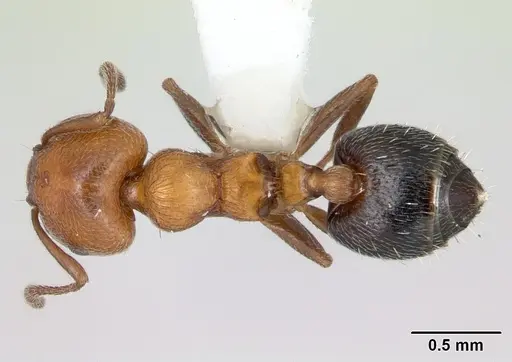
CASENT0908395
View on AntWeb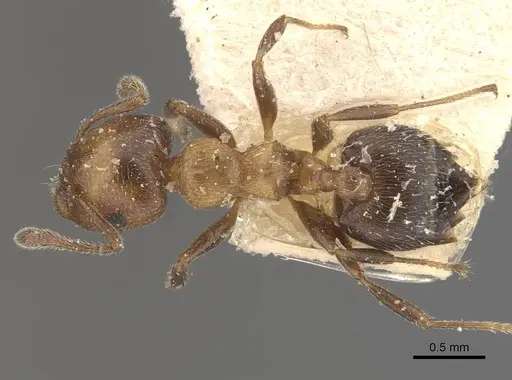
FOCOL0644
View on AntWeb
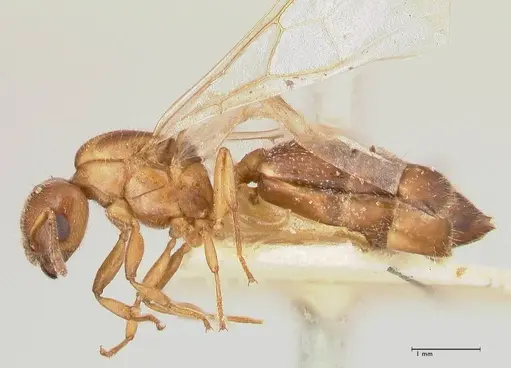
FOCOL0645-1
View on AntWeb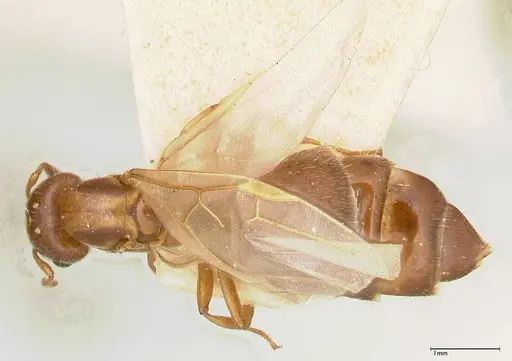
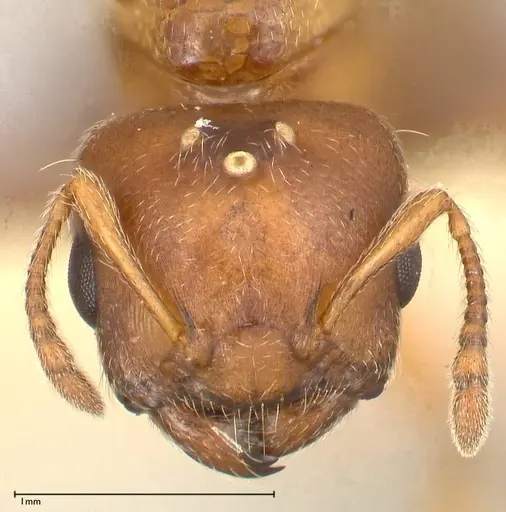
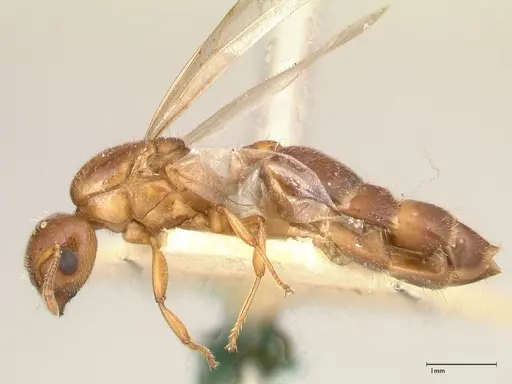
FOCOL0645-2
View on AntWeb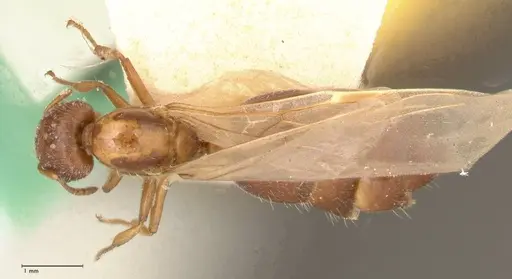
FOCOL0646-1
View on AntWeb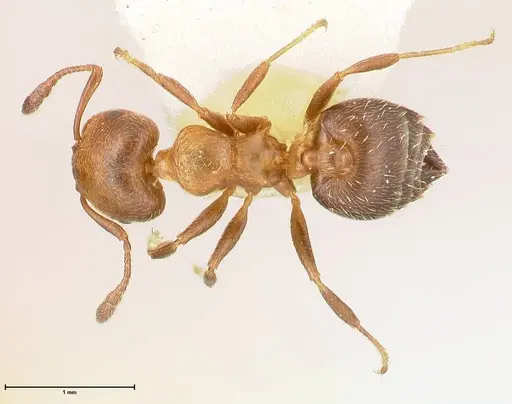
FOCOL0646-2
View on AntWeb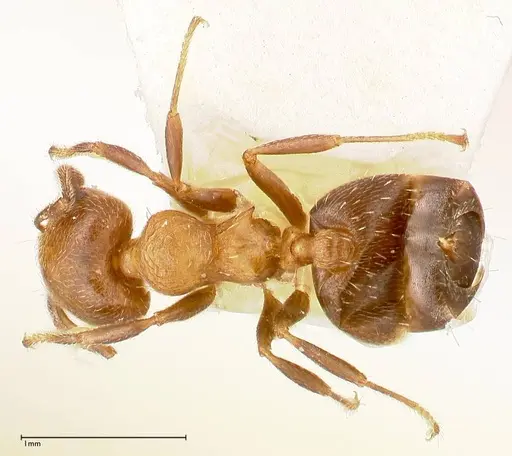
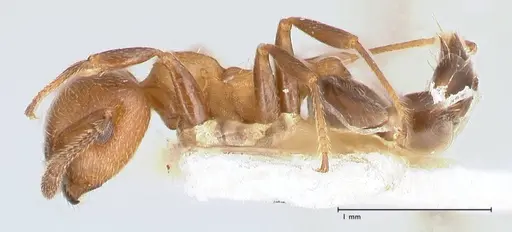
FOCOL0647-1
View on AntWeb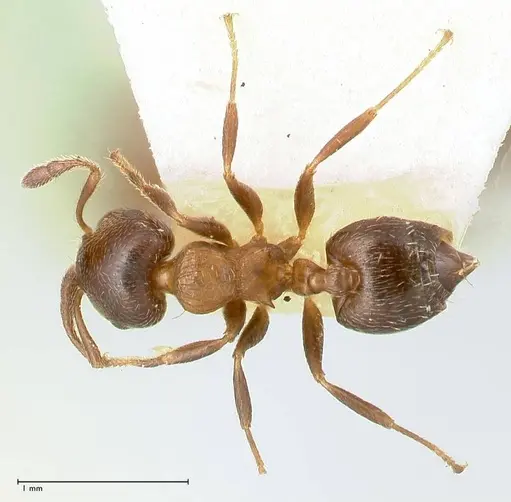
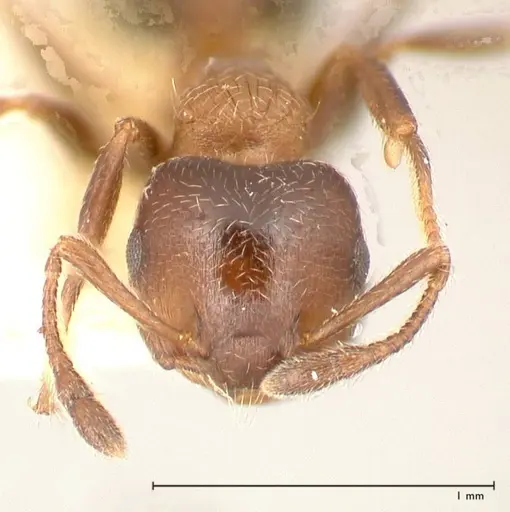
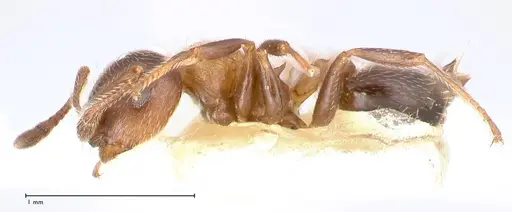
FOCOL0647-2
View on AntWeb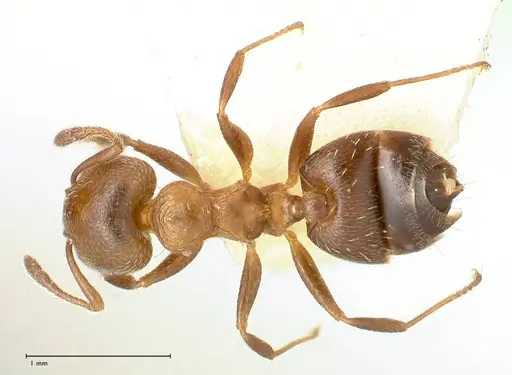
FOCOL0647-3
View on AntWeb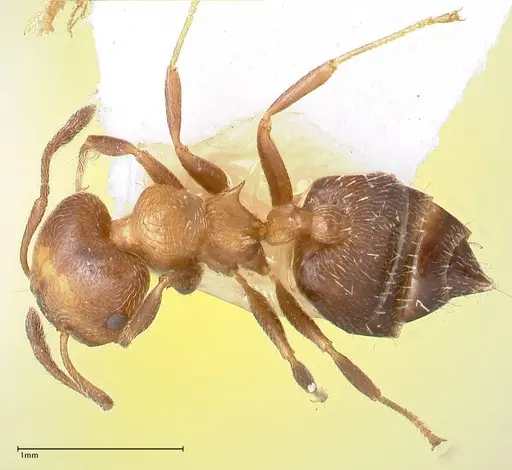
Literature
Loading...Loading products...