

Crematogaster tavaratra
- Scientific Name
- Crematogaster tavaratra
- Tribe
- Crematogastrini
- Subfamily
- Myrmicinae
- Author
- Blaimer, 2013
- Distribution
- Found in 1 countries
Crematogaster tavaratra Overview
Crematogaster tavaratra is an ant species of the genus Crematogaster. It is primarily documented in 1 countries , including Madagascar. Detailed taxonomic data and occurrence records can be further explored via authoritative databases such as AntWeb or the Global Biodiversity Information Facility (GBIF).
Crematogaster tavaratra
Crematogaster tavaratra is a small to medium-sized ant species endemic to the far north of Madagascar. Workers measure 0.83-1.03 mm in head width and have distinctive long propodeal spines that help separate them from related species. They are typically yellow to dirty-orange with brown or black abdominal segments, though some specimens are uniformly brown. This species belongs to the Crematogaster kelleri group and is known only from two dry deciduous forest locations at low elevations (60-225m), Reserve Analamerana and Foret d'Orangea. Colonies nest arboreally in dead branches above ground, making them one of the more specialized arboreal nesters in the genus [1].
Quick Summary
- Difficulty: Expert
- Origin & Habitat: Northern Madagascar dry deciduous forests at elevations 60-225m. Known only from Reserve Analamerana and Foret d'Orangea [1][2].
- Colony Type: Colony structure is unconfirmed. Based on genus patterns, likely single-queen colonies but multiple-queen arrangements may be possible.
- Size & Growth:
- Queen: Queens are 1.38-1.45 mm head width,2.26-2.34 mm Weber's length [1].
- Worker: Workers are 0.83-1.03 mm head width,0.90-1.12 mm Weber's length [1].
- Colony: Maximum colony size is unknown. Based on related species, likely reaches several hundred workers.
- Growth: Growth rate is unconfirmed. Based on typical Crematogaster patterns, expect moderate development.
- Development: Egg-to-worker timeline is unconfirmed for this species. Based on typical Crematogaster development at warm temperatures (24-28°C), estimate 6-10 weeks from egg to first worker. (This is an estimate based on genus-level data since no species-specific development studies exist.)
- Antkeeping:
- Temperature: Keep nest area at 24-28°C. As a Madagascar species from dry forests, they likely prefer warm conditions with some variation. A heating cable on one side of the nest creates a suitable gradient.
- Humidity: Moderate humidity around 50-70%. Their dry forest habitat suggests they tolerate drier conditions than rainforest species. Keep nest substrate slightly moist but allow drying periods between waterings.
- Diapause: Diapause requirements are unconfirmed. Madagascar species from dry forests may have reduced activity during dry seasons rather than true hibernation. Consider a cool period (15-18°C) for 2-3 months during winter months if colony shows reduced activity.
- Nesting: Arboreal nester, they naturally nest in dead branches above ground. In captivity, use a Y-tong (AAC) nest, plaster nest, or naturalistic setup with cork bark or wooden branches. Provide vertical space and narrow chambers scaled to their small size. Avoid fully horizontal setups.
- Behavior: Workers are small but active foragers. Crematogaster species have a characteristic habit of raising their gaster when disturbed, displaying the stinger. They are generally not aggressive but will defend the nest. Escape prevention is important, their small size means they can squeeze through small gaps. Use fine mesh and tight-fitting barriers.
- Common Issues: arboreal nesting means standard test tube setups may not be ideal, provide vertical space or arboreal-style nest, small size requires excellent escape prevention with fine mesh barriers, limited distribution means wild-caught colonies are rare and may have been illegally collected, dry forest origin means they may be sensitive to overwatering and poor ventilation, very rare in the hobby, captive husbandry methods are not well established
Natural History and Distribution
Crematogaster tavaratra is one of the most restricted ant species in Madagascar, known only from two dry deciduous forest locations in the far north, Reserve Analamerana and Foret d'Orangea. This extreme restriction earned it the species name 'tavaratra, ' which means 'those from the north' in Malagasy language. The species occurs at low elevations between 60-225 meters and co-occurs with Crematogaster kelleri at the Analamerana locality. Unlike many Crematogaster species that nest in soil or under stones, C. tavaratra is arboreal, nesting exclusively in dead branches suspended above ground [1][2].
Identification and Morphology
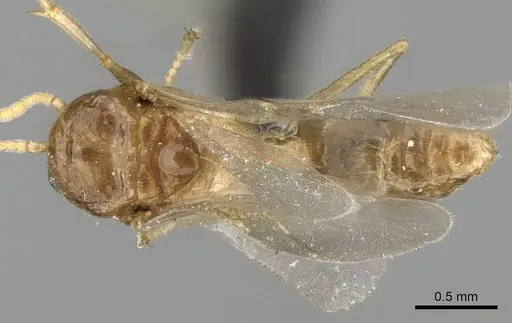
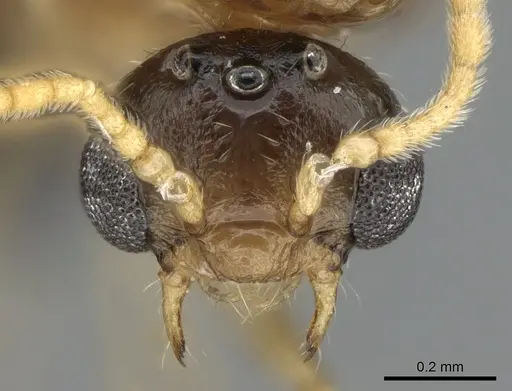
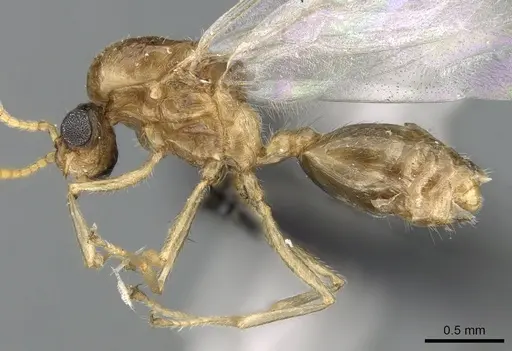
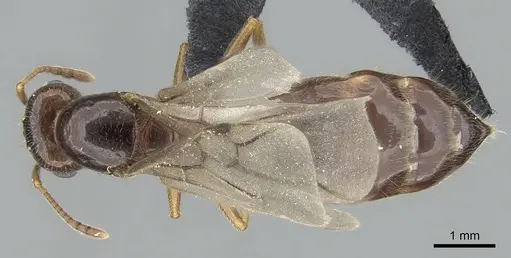
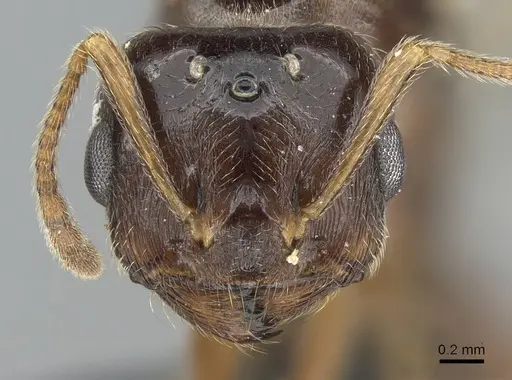
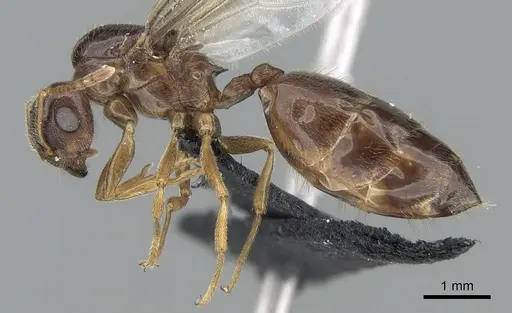
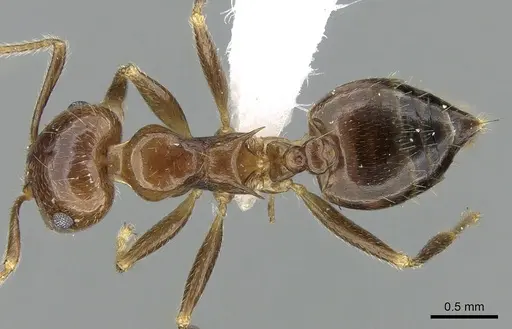
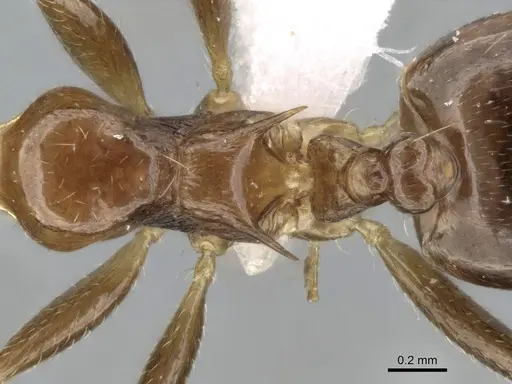
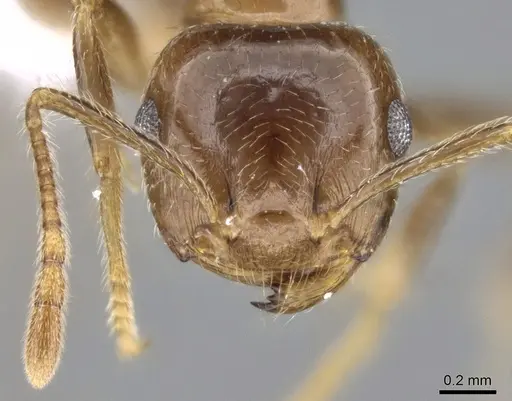
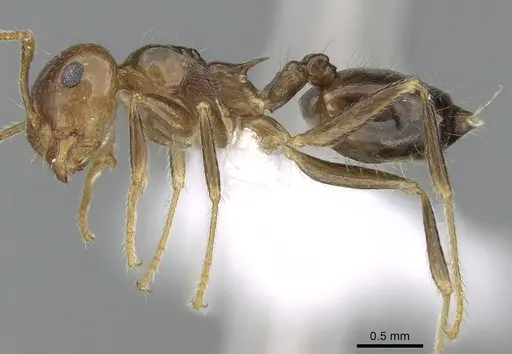
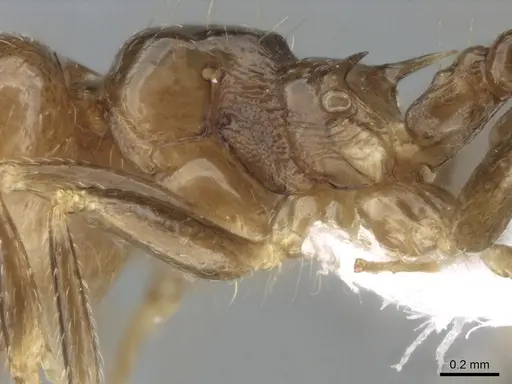
Workers of Crematogaster tavaratra can be identified by their small to medium size (head width 0.83-1.03 mm) and distinctive features including a deep median postpetiolar impression that clearly bisects the postpetiole into two lobes. The propodeal spines are medium-sized, spiniform, straight, and moderately diverging when viewed from above. The propodeal spiracle is situated distinctly below and not confluent with the base of the propodeal spines, a key diagnostic feature. Workers have abundant long erect pilosity on the face and abdominal segments. Color is variable: either yellow or dirty-orange with abdominal segments four through seven brown or black, or uniformly brown. Queens are larger (head width 1.38-1.45 mm) with proportionally longer spines than other species in the C. kelleri group [1].
Nest Preferences and Housing
As an arboreal nester that naturally lives in dead branches, Crematogaster tavaratra requires housing that accommodates their natural nesting behavior. Y-tong (AAC) nests work well because they provide dark, enclosed chambers. Plaster nests are also suitable and allow you to control humidity more precisely. For naturalistic setups, use cork bark, wooden branches, or bamboo sections. Avoid standard test tube setups, while they can work for founding colonies, established colonies benefit from vertical space and multiple chambers. The nest should have narrow passages scaled to their small worker size (under 1mm). Provide an outworld area for foraging that is easy to clean.
Feeding and Diet
Crematogaster species are omnivorous, typically feeding on honeydew, nectar, and small insects. In captivity, offer sugar water or honey as a constant energy source. For protein, provide small insects such as fruit flies, pinhead crickets, or mealworm pieces. Based on genus patterns, they likely accept a wide variety of foods but may prefer small prey items. Feed small amounts of protein 2-3 times per week and keep sugar water available at all times. Remove uneaten prey after 24-48 hours to prevent mold.
Temperature and Seasonal Care
As a Madagascar species from dry deciduous forests, Crematogaster tavaratra likely prefers warm conditions in the range of 24-28°C. Use a heating cable on one side of the nest to create a temperature gradient, allowing workers to self-regulate by moving between warmer and cooler areas. Place the heating on top of the nest, not underneath, to avoid evaporating moisture too quickly. During winter months, you may reduce temperatures to 15-18°C for 2-3 months if the colony shows reduced activity, but this appears to be a cool period rather than true hibernation. Monitor colony behavior, if workers remain active year-round, maintaining stable warm temperatures is likely fine.
Behavior and Temperament
Crematogaster tavaratra workers are active foragers with typical Crematogaster behavior. When threatened, they exhibit the characteristic defensive posture of raising their abdomen to display the stinger. They are generally not highly aggressive toward keepers but will defend their nest vigorously. Workers are small (under 1mm) but agile and can move quickly through the outworld. Escape prevention is critical, their small size allows them to squeeze through tiny gaps. Use tight-fitting lids, fine mesh (0.5mm or smaller), and apply Fluon or similar barriers to the rim of the outworld. They are not known to be particularly difficult to keep but their arboreal nature and small size require attention to housing and escape prevention.
Frequently Asked Questions
Can I keep Crematogaster tavaratra in a test tube?
Test tubes can work for founding colonies, but established colonies prefer arboreal-style housing with vertical space. Consider moving to a Y-tong or plaster nest once the colony reaches 20-30 workers.
How long does it take for the first workers to emerge?
The egg-to-worker timeline is unconfirmed for this species. Based on typical Crematogaster development at 24-28°C, expect first workers (nanitics) approximately 6-10 weeks after the queen lays eggs.
Do Crematogaster tavaratra ants sting?
Yes, Crematogaster species have stingers and will use them when threatened. However, their small size means the sting is typically not painful to humans. The main concern is their defensive behavior, they may raise their abdomen and attempt to sting if the nest is disturbed.
What do Crematogaster tavaratra eat?
Based on genus patterns, they are omnivorous. Offer sugar water or honey constantly for energy, and small insects (fruit flies, pinhead crickets, mealworm pieces) 2-3 times per week for protein.
Are Crematogaster tavaratra good for beginners?
No. This species is rated Expert difficulty due to several factors: their arboreal nesting requirements differ from common species, they are very rare in the hobby with limited captive husbandry information, their small size requires excellent escape prevention, and they come from a very restricted natural range making wild collection problematic.
Do Crematogaster tavaratra need hibernation?
True hibernation is not confirmed. As a Madagascar dry forest species, they may experience a cool, dry season with reduced activity rather than cold-induced dormancy. Consider providing a cool period (15-18°C) for 2-3 months during winter if the colony naturally slows down.
When should I move Crematogaster tavaratra to a formicarium?
Move from a founding test tube setup to a proper nest (Y-tong, plaster, or naturalistic) when the colony reaches 20-40 workers or when the test tube shows signs of stress (condensation issues, mold). Arboreal species appreciate vertical space, so choose a nest design that provides this.
How big do Crematogaster tavaratra colonies get?
Maximum colony size is unknown for this species. Based on related species in the C. kelleri group, colonies likely reach several hundred workers. They are not among the largest Crematogaster species.
Can I keep multiple Crematogaster tavaratra queens together?
Colony structure is unconfirmed for this species. Combining unrelated queens is not recommended since it has not been documented. If you obtain a multi-queen colony, keep them together only if they are already established as a group and show no aggression.
Why are my Crematogaster tavaratra dying?
Common causes include: overwatering (they're from dry forests), poor escape prevention (they're tiny), temperature extremes outside their preferred range, and stress from improper housing. Ensure moderate humidity, excellent escape barriers, temperatures of 24-28°C, and appropriate arboreal-style nesting.
References

This caresheet is licensed under CC BY-SA 4.0 .
Literature
Loading...Loading products...