

Crematogaster subdentata
- Scientific Name
- Crematogaster subdentata
- Tribe
- Crematogastrini
- Subfamily
- Myrmicinae
- Author
- Mayr, 1877
- Distribution
- Found in 7 countries
Crematogaster subdentata Overview
Crematogaster subdentata is an ant species of the genus Crematogaster. It is primarily documented in 7 countries , including Afghanistan, Azerbaijan, Iran. Detailed taxonomic data and occurrence records can be further explored via authoritative databases such as AntWeb or the Global Biodiversity Information Facility (GBIF).
Crematogaster subdentata
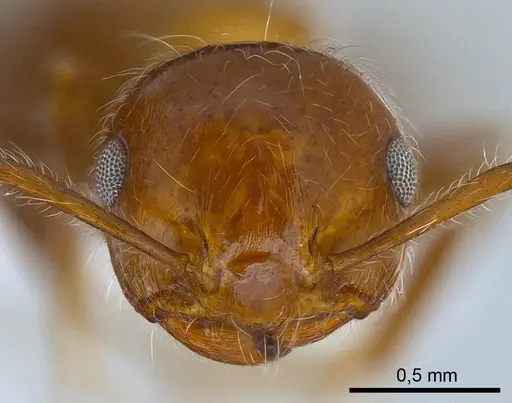
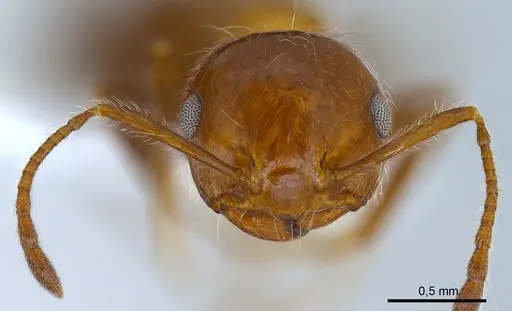
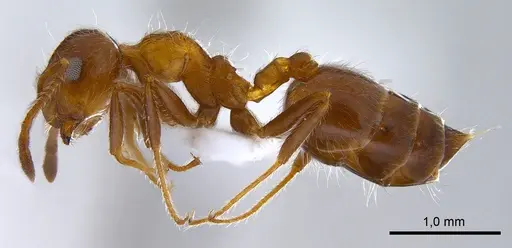
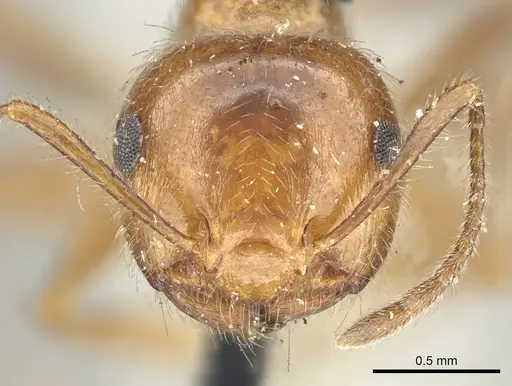
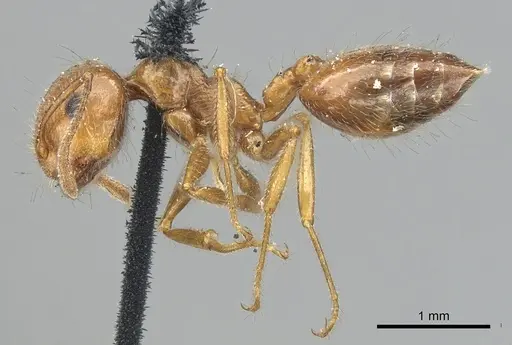
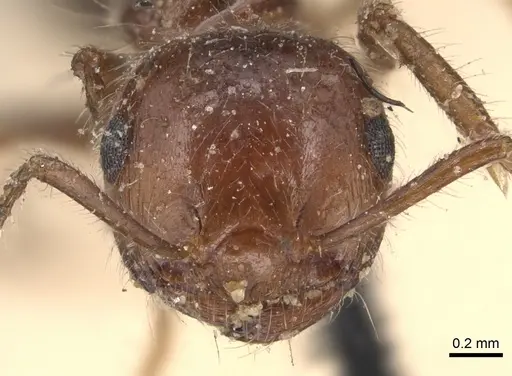
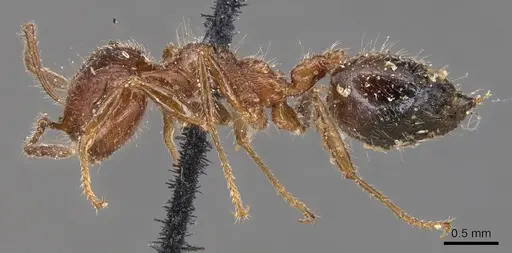
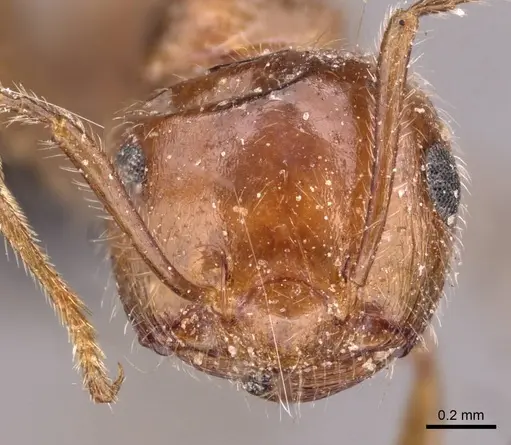
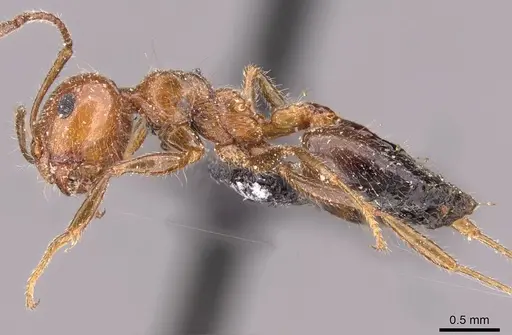
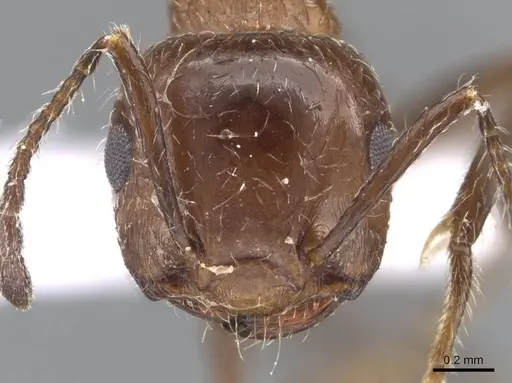
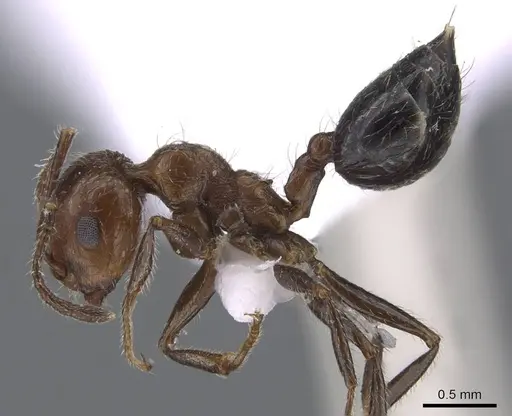
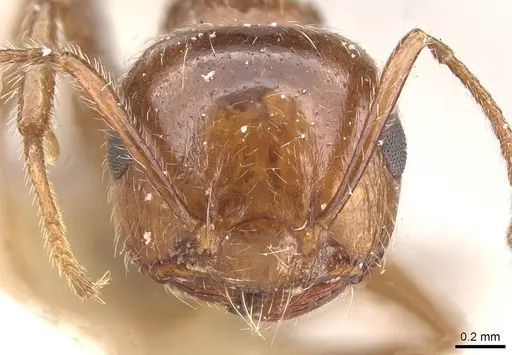
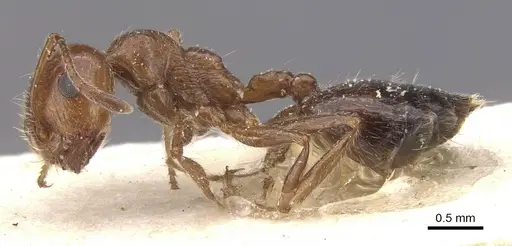
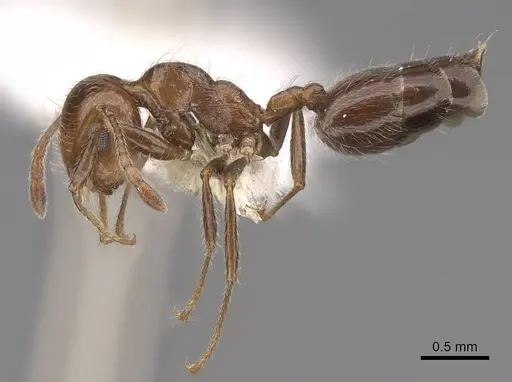
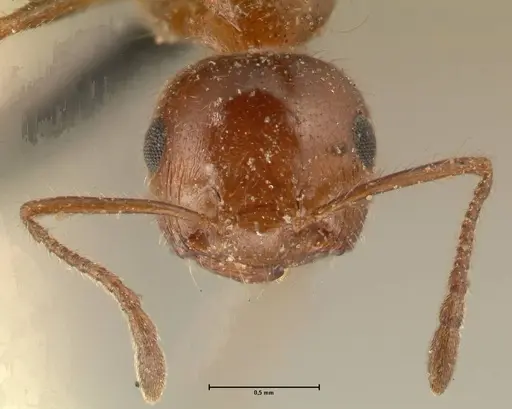
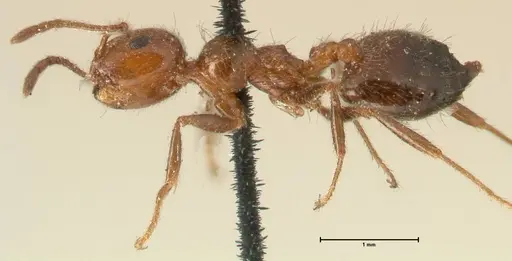
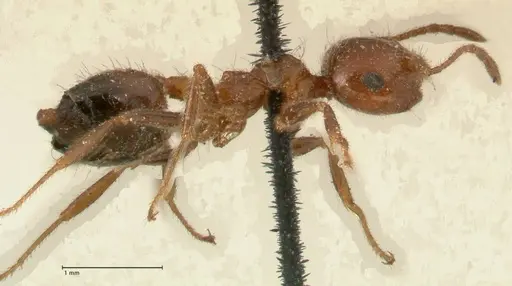
Crematogaster subdentata is a small myrmicine ant native to Central Asia, ranging from 2.9-3.3mm in worker size [1]. In their native desert habitat of the Kyzylkum region, they live in small monogyne colonies near saxaul trees, but in urban environments they become highly invasive, forming massive supercolonies with hundreds of nests and thousands of queens [2]. These ants are arboreal by nature, nesting in dead wood, under tree bark, and in wooden structures. They are easily recognized by their habit of raising their gaster over their head like a scorpion when threatened, and they deliver a painful bite combined with topical venom application. Their most remarkable trait is their extreme flexibility in colony structure, what starts as a simple single-queen colony in the wild can explode into a supercolony in captivity or when introduced to new areas.
Quick Summary
- Difficulty: Medium
- Origin & Habitat: Native to Central Asia (Turkmenistan, Uzbekistan, Kyrgyzstan, Kazakhstan, Iran, Afghanistan, western China, Mongolia) where they inhabit desert areas with saxaul vegetation and oases [2][3]. Has invaded Crimea, southern Ukraine, and Rostov-on-Don in Russia [2]. Found in parkland and trees in moderate rainfall areas of Iran [4].
- Colony Type: Flexible, naturally monogyne (single queen) in desert habitats but becomes polygynous (multiple queens) and forms supercolonies in urban environments [2]. In native Kyzylkum desert: monogyne,100-200 workers. In urban Tashkent: supercolonies with 17.7±4.4 queens per nest. In invasive Crimea: 53.0±8.7 queens per nest [2].
- Colony: Optionally polygyne, Supercolonial
- Founding: Claustral
- Size & Growth:
- Queen: Estimated 5-7mm based on genus typical size
- Worker: 2.9-3.3mm [1]
- Colony: In native habitat: 100-200 workers (monogyne). In urban/invasive areas: thousands to hundreds of thousands of workers in supercolonies [2]
- Growth: Fast, supercolonies can grow extremely rapidly in suitable conditions
- Development: Estimated 5-7 weeks based on typical Crematogaster development (Development time inferred from genus patterns, not directly studied for this species)
- Antkeeping:
- Temperature: Keep at 22-28°C. They tolerate a wide range as evidenced by their success in both hot Central Asian deserts and temperate invaded areas. A gentle gradient is beneficial.
- Humidity: Moderate, adaptable. In native desert they tolerate dry conditions, in invaded areas they thrive in varied humidity. Provide a water tube and occasional misting.
- Diapause: Not required, in heated indoor environments they remain active year-round. In unheated spaces they may slow down during winter but don't need true hibernation.
- Nesting: Arboreal by nature, prefer wood-based nests like Y-tong, acrylic, or plaster nests with narrow chambers. They will also nest in dead wood, under bark, and in wooden formicaria. Avoid entirely soil-based setups.
- Behavior: Highly active and aggressive toward other ant species. Workers are territorial and will defend foraging areas vigorously. They are excellent climbers and will explore vertical surfaces readily. Their sting is well-developed but the tip is blunt, they apply venom topically by wiping on victims rather than injecting. They raise their gaster over their head in a defensive display. Escape risk is moderate due to their small size, use standard barrier methods. They form foraging trails and can organize large-scale raids on food sources.
- Common Issues: colonies can become extremely populous very quickly, be prepared for exponential growth, supercolony formation in captivity may lead to aggression toward keepers and difficulty managing population, they are invasive, never release specimens in non-native areas, small size means they can squeeze through standard barrier gaps, use fine mesh, queens may fight if multiple are introduced, introduce gradually or expect polygynous structure to develop naturally
Housing and Nest Preferences
Crematogaster subdentata is an arboreal species that naturally nests in dead wood, under tree bark, and in woody debris. In captivity, they do best in wood-based or acrylic nests (Y-tong style works well) with chambers sized appropriately for their small 3mm workers. They prefer nests with some vertical space since they naturally climb and forage in elevated areas. Provide an outworld connected to the nest where they can forage, these ants are highly active and will establish regular foraging trails. They adapt well to various nest materials but avoid fully soil-based setups. A water tube for humidity should be provided, and occasional light misting helps maintain appropriate moisture levels. [2][3]
Feeding and Diet
These ants are primarily trophobionts, they have a strong mutualistic relationship with aphids and feed heavily on honeydew. In captivity, offer sugar water, honey, or diluted syrup constantly as a carbohydrate source. For protein, they accept most small insects including fruit flies, pinhead crickets, and mealworms. They are omnivorous and will also consume small invertebrates and even carrion. In their native range, they are known to store dried aphids and scale insects in special nest chambers for lean periods [3]. Their diet should be balanced with regular protein offerings (2-3 times per week) and constant access to sugar sources. They are aggressive foragers and will quickly mobilize many workers to food sources.
Temperature and Seasonal Care
Crematogaster subdentata tolerates a broad temperature range from their native Central Asian deserts to temperate invaded areas. Keep them at 22-28°C for optimal activity and growth. They do not require hibernation, in fact, colonies in heated buildings remain active year-round. In unheated spaces during winter, they may show reduced activity but will bounce back quickly when warmed. Their adaptability is remarkable: in the Kyzylkum desert they survive extreme heat, while in Crimea and Rostov-on-Don they thrive in temperate climates. A heating cable on one side of the nest can create a beneficial gradient, but room temperature within their range is usually sufficient. [2][3]
Colony Structure and Behavior
This species shows remarkable flexibility in colony structure, one of the keys to its invasive success. In their native Kyzylkum desert habitat, colonies are strictly monogyne (single queen) and small with 100-200 workers [2]. But in urban environments, they readily form polygynous colonies with multiple queens and eventually supercolonies spanning huge areas. In Tashkent, they form supercolonies with hundreds of nests covering 1-3 km², and in invaded Crimea, supercolonies reach 270 hectares [2]. Workers are aggressive toward other ant species and will dominate resources. Within supercolonies, workers from different nests are tolerant of each other, a key invasive trait. They communicate through chemical signals and form well-organized foraging trails.
Defense and Handling
When threatened, Crematogaster subdentata workers raise their gaster over their head in a distinctive scorpion-like display, this is their signature behavior. Their sting is present but unusual: the tip is blunt and spatulate, so they cannot inject venom like typical ants. Instead, they apply venom topically by wiping their stinger directly on the victim [2]. They bite painfully and can release formic acid. For handling, use caution, while their venom delivery method is less dangerous than injecting species, they can still deliver painful bites. Always use proper escape prevention and handle their small size carefully. Their aggressive nature means they will readily defend their territory.
Invasive Potential and Legal Considerations
Crematogaster subdentata is a documented invasive species. It has spread from Central Asia to Crimea (early 2000s) and Rostov-on-Don (1980s), forming massive supercolonies that displace native ant species [2]. It is considered a potentially dangerous invasive that can damage forests, parks, gardens, and wooden constructions. In captivity, you must NEVER release this species in North America, Europe, or any non-native region. They are already established in parts of Ukraine and southern Russia, and their spread is facilitated by transportation of wood and building materials. Check local regulations before keeping this species, some areas may have restrictions on invasive ant species.
Frequently Asked Questions
Can I keep Crematogaster subdentata in a test tube?
Test tubes work for founding colonies, but due to their arboreal nature and tendency to form large colonies quickly, you should plan to move them to a proper nest (Y-tong or acrylic) once the colony reaches 20-30 workers. They need vertical space and wood-based nesting material to thrive long-term.
How long does it take for first workers to appear?
Based on typical Crematogaster development, expect first workers (nanitics) in about 5-7 weeks after the queen lays eggs. Development is faster in warmer temperatures (26-28°C) and slower in cooler conditions.
Will multiple queens live together in one colony?
Yes, this species is facultatively polygynous. In the wild they start as single-queen colonies, but in urban or captive conditions they readily accept multiple queens and will form polygynous structures. Queens may initially fight but typically establish hierarchies or territorial divisions.
Do Crematogaster subdentata ants sting?
They have a sting but use it differently than typical ants. Their sting tip is blunt, so they cannot inject venom, instead they wipe venom topically onto the victim. They also bite painfully and can release formic acid. The bite is the more concerning aspect for keepers.
Are Crematogaster subdentata good for beginners?
Medium difficulty, they are hardy and adaptable but their invasive potential, rapid colony growth, and aggressive behavior require responsible management. They are not recommended as a first ant but are manageable for intermediate keepers.
What do Crematogaster subdentata eat?
They are omnivorous with a strong preference for sugar. Offer sugar water, honey, or diluted syrup constantly. For protein, feed small insects like fruit flies, pinhead crickets, or mealworms 2-3 times per week. They will also consume small invertebrates and carrion.
Do they need hibernation?
No, they do not require true hibernation. In heated indoor environments they remain active year-round. In unheated spaces they may slow down during winter but this is not a diapause requirement.
Why are my Crematogaster subdentata dying?
Common causes include: too dry conditions (provide water tube), insufficient protein (feed more insects), temperature extremes outside their 22-28°C range, or stress from excessive disturbance. Their small size also makes them vulnerable to drowning in water tubes, ensure proper setup.
How big do colonies get?
In captivity, colonies can grow to thousands of workers within a year under optimal conditions. In the wild, supercolonies contain hundreds of thousands to millions of workers across hundreds of nests. Be prepared for exponential growth.
When do they have nuptial flights?
Nuptial flights occur in late August to September in their native range [2]. In captivity, if kept warm year-round, alates may appear seasonally. Mated gynes can found new colonies far from the maternal colony, which helps explain their invasive spread.
Are they aggressive toward other ant species?
Extremely aggressive. They dominate other ant species and will win conflicts through superior numbers, painful bites, and venom. In invaded areas, they have displaced native species like Myrmica bergi. Keep them completely separated from other ant colonies.
References

This caresheet is licensed under CC BY-SA 4.0 .
ANTWEB1008065
View on AntWeb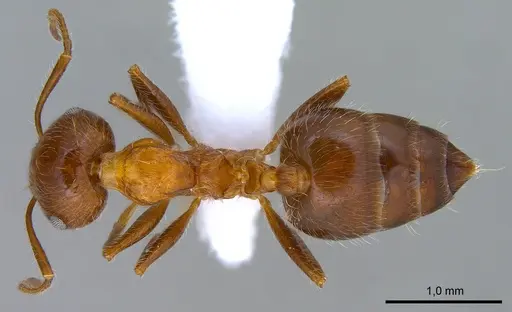
CASENT0902140
View on AntWeb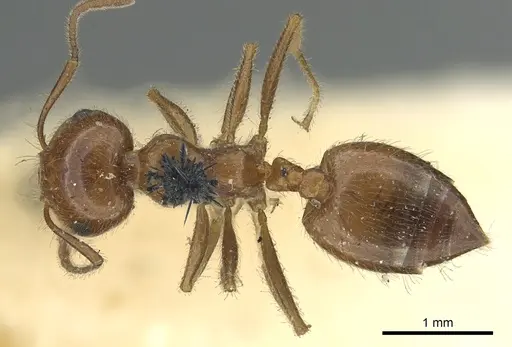
CASENT0904502
View on AntWeb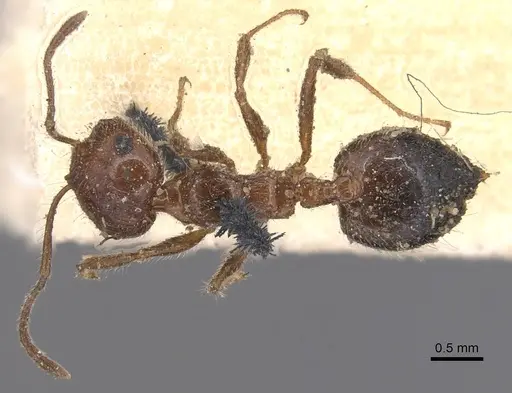
CASENT0908493
View on AntWeb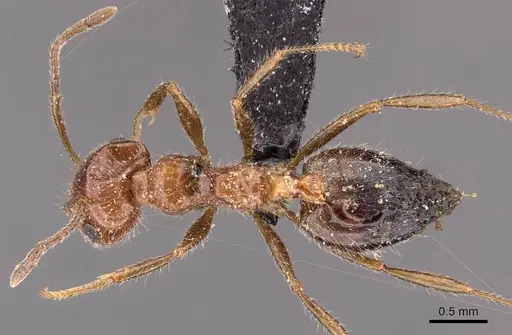
CASENT0910242
View on AntWeb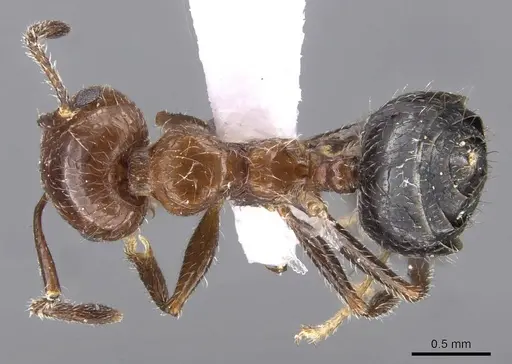
CASENT0912725
View on AntWeb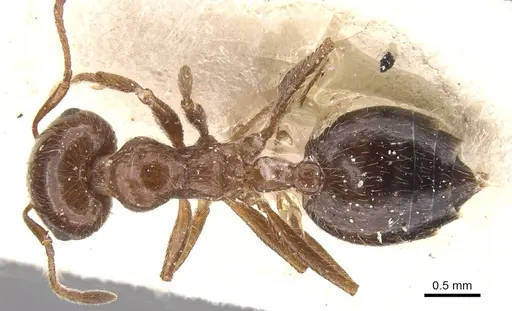
CASENT0919657
View on AntWeb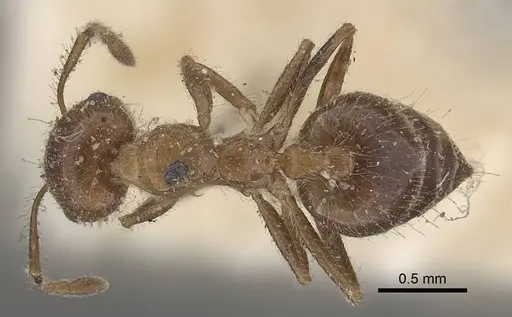
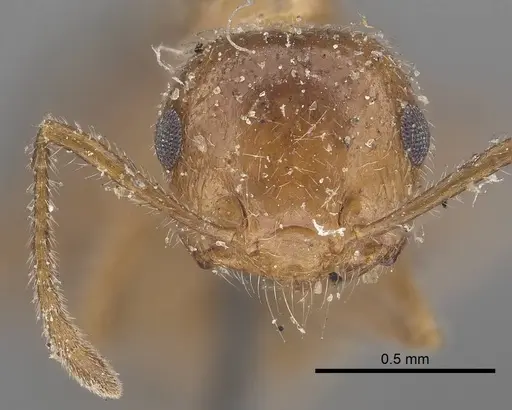
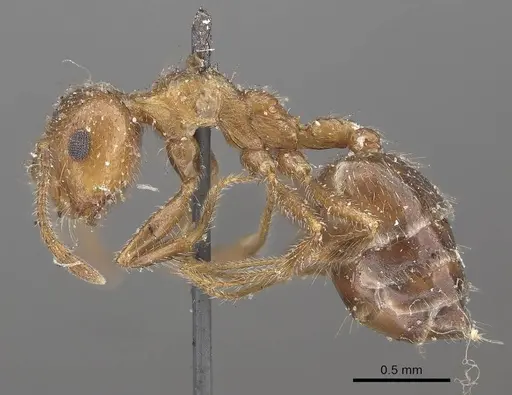
CASENT0922719
View on AntWeb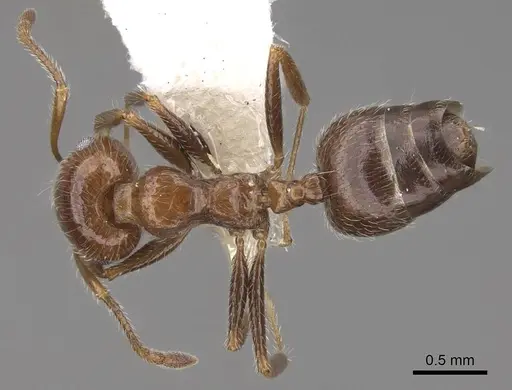
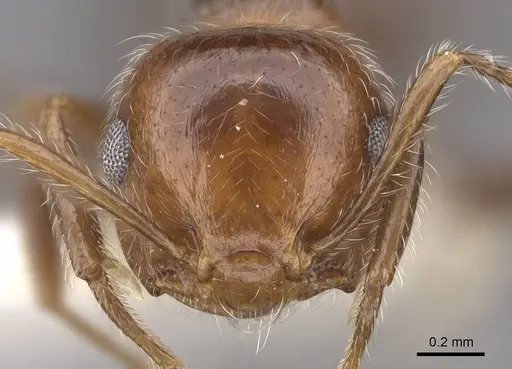
FOCOL1445
View on AntWeb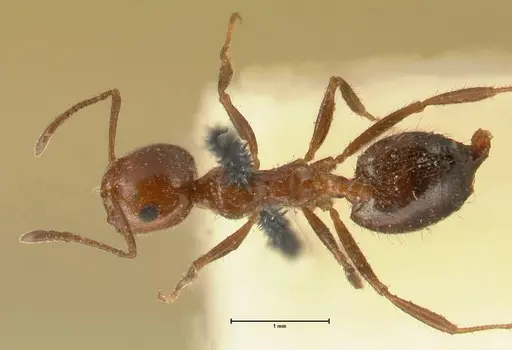
Literature
Loading...Loading products...