

Crematogaster subcircularis
- Scientific Name
- Crematogaster subcircularis
- Tribe
- Crematogastrini
- Subfamily
- Myrmicinae
- Author
- Mayr, 1879
- Distribution
- Found in 1 countries
Crematogaster subcircularis Overview
Crematogaster subcircularis is an ant species of the genus Crematogaster. It is primarily documented in 1 countries , including Malaysia. Detailed taxonomic data and occurrence records can be further explored via authoritative databases such as AntWeb or the Global Biodiversity Information Facility (GBIF).
Crematogaster subcircularis
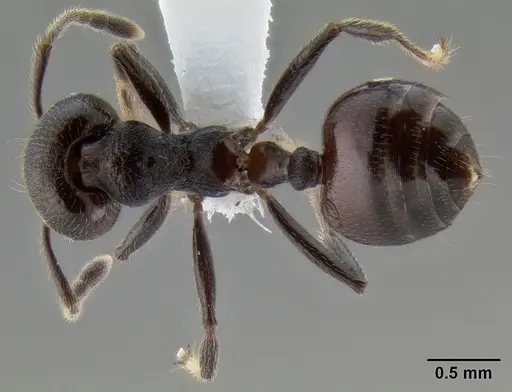
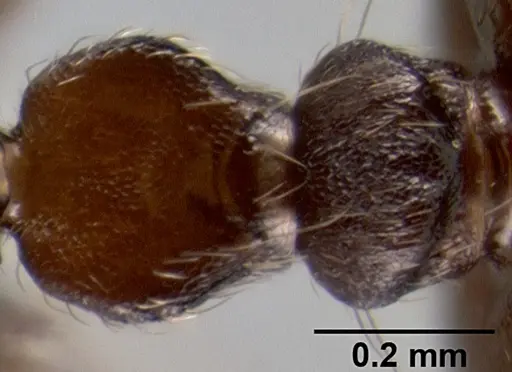
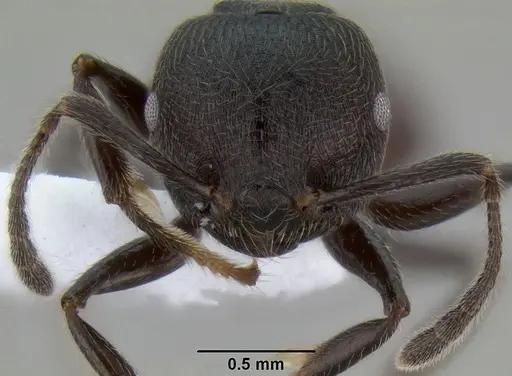
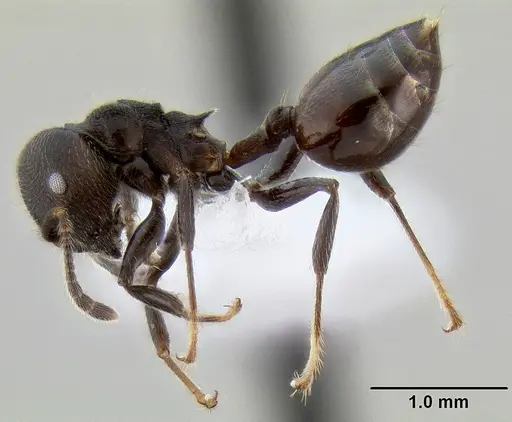
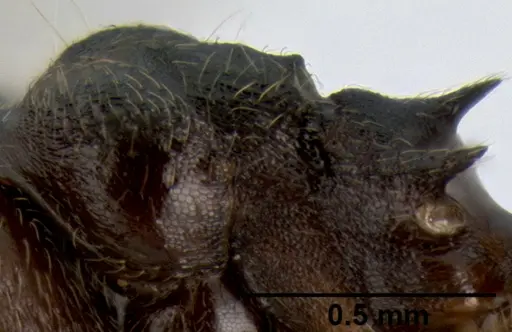
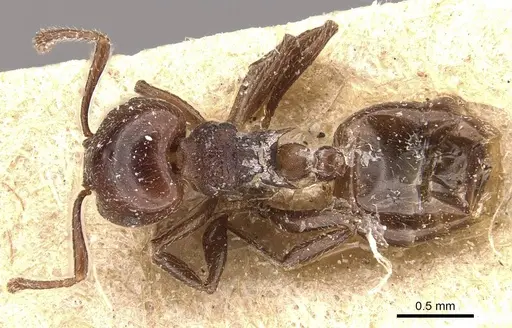
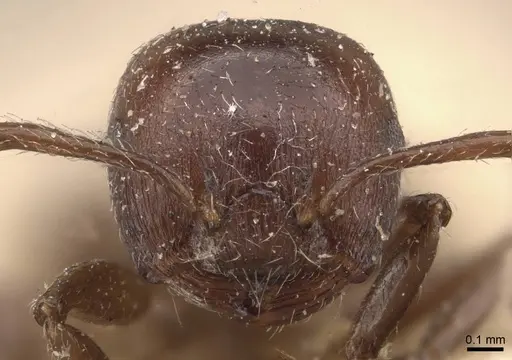
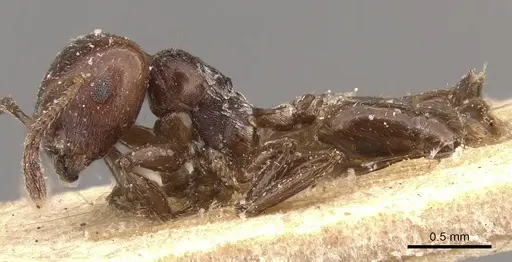
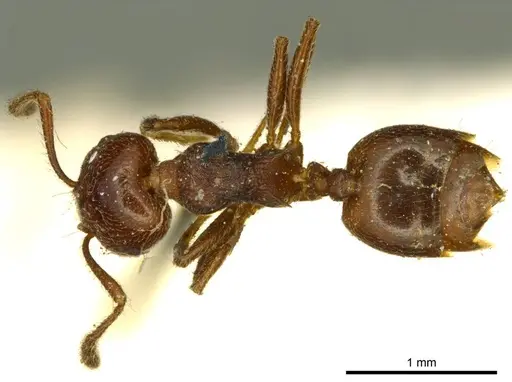
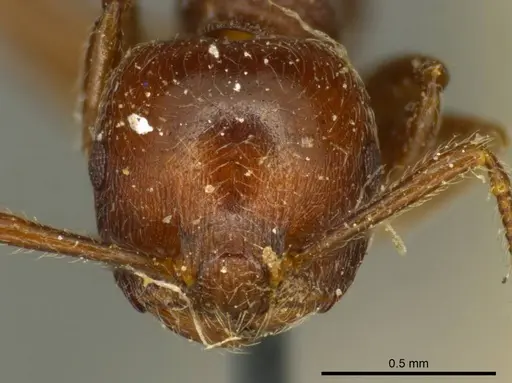
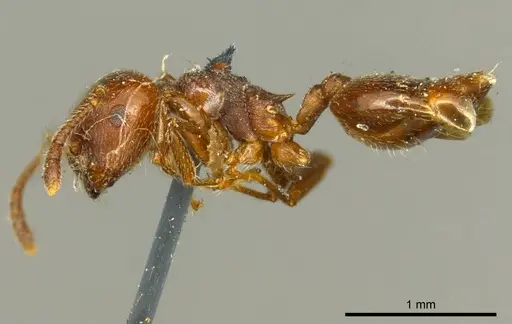
Crematogaster subcircularis is a small to medium-sized ant species belonging to the Crematogaster inflata group. Workers measure approximately 3-4mm and are characterized by their distinctive four-segmented antennal club and comma-shaped metapleural gland opening. These ants are native to the mountainous regions of Southeast Asia, specifically found in the Sundaic region including Borneo, Malaysia, and Java at elevations between 600-1250 meters [1]. The species is considered a relict, having diverged from its closest relatives around 11.45 million years ago and surviving in high-altitude forest refugia while related species moved to lower elevations [1]. Like other Crematogaster species, they have a distinctive heart-shaped gaster that they can raise and curl over their body, giving them their 'acrobat ant' common name.
Quick Summary
- Difficulty: Medium
- Origin & Habitat: Mountainous areas of the Sundaic region in Southeast Asia, including Borneo, Malaysia (Sarawak, Fraser's Hill), and Java. They inhabit highland forests at elevations of 600-1250 meters [1].
- Colony Type: Colony structure is unconfirmed. As a member of the Physocrema subgenus, they likely form single-queen colonies, though this requires confirmation [2].
- Size & Growth:
- Queen: Estimated 5-7mm based on genus patterns
- Worker: Approximately 3-4mm based on typical Crematogaster morphology
- Colony: Unknown, but likely moderate (several hundred workers) based on genus patterns
- Growth: Moderate, inferred from tropical mountain habitat
- Development: 6-10 weeks, estimated based on related Crematogaster species from similar habitats (Development may be slightly slower than lowland tropical species due to cooler native elevations)
- Antkeeping:
- Temperature: Keep at 22-26°C. As a high-altitude species from mountainous Southeast Asia, they prefer conditions cooler than typical lowland tropical ants. A gentle gradient allowing them to self-regulate is ideal [1].
- Humidity: Maintain 60-80% humidity. Their native highland forest habitat experiences consistent moisture. Keep the nest substrate damp but not waterlogged, with some drier areas available.
- Diapause: No true diapause required. As a tropical mountain species, they do not experience cold winters. However, slight temperature reductions during cooler months may be beneficial.
- Nesting: In nature, they likely nest in rotting wood, under bark, or in hollow twigs in forest habitats. In captivity, Y-tong nests, plaster nests, or naturalistic setups with rotting wood work well. They prefer enclosed, humid nest spaces.
- Behavior: Crematogaster subcircularis is an active forager with typical acrobat ant behavior, workers will raise their gaster when threatened and can deliver a mild sting. They are generalist foragers, likely collecting honeydew and small prey. Escape prevention should be moderate, while not among the smallest ants, they can still squeeze through small gaps. They are moderately aggressive when defending the colony.
- Common Issues: high-altitude origins mean they may struggle in warm, dry environments typical of indoor heating, colony size remains unknown, start small and expand care as the colony grows, humidity management is critical, too dry causes desiccation, too wet promotes mold, mild sting potential, handle gently and use proper protection if needed, limited availability in the antkeeping hobby due to their restricted mountain distribution
Natural History and Origin
Crematogaster subcircularis is a relict species with a fascinating evolutionary history. It belongs to the Crematogaster inflata group and is distributed exclusively in the mountainous regions of the Sundaic Southeast Asia, found in Borneo, Malaysia, and Java at elevations between 600-1250 meters [1]. Molecular dating suggests this species diverged from its closest relatives approximately 11.45 million years ago, making it an ancient lineage that survived in high-altitude forest refugia during ice ages while related species like C. modiglianii moved to lower elevations (0-600m) [1]. This explains why they are now found only in isolated highland populations, they are essentially living fossils that retreated to cooler mountain forests as the climate changed. Their current distribution includes specific locations like Fraser's Hill in Malaysia (1000m), Poring in Borneo (600-700m), Crocker Range in Borneo (1100m), and Cikaniki in Java (1000-1250m) [1].
Temperature and Humidity Requirements
Because C. subcircularis comes from high-altitude mountainous habitats, their temperature requirements differ from typical lowland tropical ants. Keep the nest area at 22-26°C, which is cooler than what many other Southeast Asian Crematogaster species prefer. This moderate temperature range reflects their origin in mountain forests where temperatures are milder than in lowland rainforests. A heating cable on one side of the nest can create a gentle gradient, allowing workers to self-regulate by moving between warmer and cooler areas. For humidity, maintain 60-80% relative humidity. Their native habitat in highland forests experiences consistent moisture. The nest substrate should remain damp but never waterlogged, aim for substrate that feels moist to the touch without standing water. Provide some drier areas within the setup so ants can choose their preferred microclimate. Avoid placing the setup near heating vents or in direct sunlight, as overheating and drying out are the primary risks for this species. [1]
Nesting and Housing
In their natural habitat, C. subcircularis likely nests in rotting wood, under loose bark, or within hollow twigs in forest environments, typical nesting sites for Crematogaster species in forested areas. For captive care, Y-tong (acrylic) nests or plaster nests work well, as both can maintain stable humidity levels. Naturalistic setups with pieces of rotting wood or bark also mimic their natural environment and can be used. The nest should have chambers scaled appropriately for a colony of several hundred workers, with narrow passages that make the ants feel secure. Since they originate from humid forest habitats, ensure the nest material can hold moisture without becoming saturated. Test tube setups can work for founding colonies, but transfer to a more spacious formicarium once the colony reaches 30-50 workers. Always provide an outworld for foraging with easy access to food and water.
Feeding and Diet
Crematogaster species are generalist foragers with varied diets. In the wild, they likely feed on honeydew from aphids and scale insects, small insects and arthropods, and plant secretions. In captivity, offer a balanced diet including sugar water or honey as an energy source (provide this constantly in a test tube or cotton wick), protein sources like small crickets, mealworms, fruit flies, or other small insects (offer 2-3 times per week), and occasional treats like small pieces of fruit. Remove uneaten prey after 24-48 hours to prevent mold. Fresh water should always be available. Since this is a high-altitude species with potentially lower metabolism than lowland tropical ants, be careful not to overfeed, monitor how quickly they consume food and adjust accordingly.
Behavior and Colony Care
Like all Crematogaster species, C. subcircularis has the characteristic 'acrobat' behavior where workers can raise and curl their gaster over their body, especially when threatened. They have a mild sting, though it's typically not dangerous to healthy humans, it may cause brief discomfort similar to a mosquito bite. The colony should be treated with respect and gentle handling. Workers are active foragers and will establish trails to food sources. Colonies grow moderately, expect several months to reach significant numbers. As the colony expands, they may need larger nest spaces and more foraging area. Monitor for signs of stress like workers avoiding the nest area, unusual lethargy, or colony decline, which often indicates temperature or humidity problems. This species is not well-documented in captivity, so careful observation and adjustment of care based on colony behavior is important.
Frequently Asked Questions
How long does it take for Crematogaster subcircularis to produce first workers?
Based on related Crematogaster species from similar habitats, expect 6-10 weeks from egg to first worker. The founding queen will remain in her sealed chamber until nanitic (first) workers emerge. This timeline may vary based on temperature, slightly cooler conditions at high altitudes may result in slower development.
What temperature is best for Crematogaster subcircularis?
Keep them at 22-26°C. This is cooler than typical tropical ants because they come from high-altitude mountain forests in Southeast Asia. A gentle temperature gradient allowing workers to self-regulate is ideal.
Do Crematogaster subcircularis ants sting?
Yes, they can sting, but the sting is mild. Like other Crematogaster species, they can raise their gaster and deliver a minor sting if threatened. For most people, it causes brief discomfort similar to a mosquito bite. Handle gently and avoid provoking the colony.
How big do Crematogaster subcircularis colonies get?
Colony size is not well documented, but based on genus patterns, expect moderate colonies of several hundred workers. Growth is moderate, colonies will expand over several months to a few years.
What humidity do they need?
Maintain 60-80% humidity. Their native highland forest habitat is consistently humid. Keep the nest substrate damp but not waterlogged, and provide some drier areas for the ants to choose from.
Are Crematogaster subcircularis good for beginners?
This species is rated as Medium difficulty. While not the most challenging ant to keep, they require more specific conditions than beginner species, specifically cooler temperatures and higher humidity reflecting their mountain habitat. Some experience with antkeeping is helpful.
What do Crematogaster subcircularis eat?
They are generalists. Feed sugar water or honey constantly for energy, protein sources like small insects (crickets, mealworms, fruit flies) 2-3 times per week, and occasional fruit. Fresh water should always be available.
Do they need hibernation?
No, they do not require true hibernation. As a tropical mountain species from Southeast Asia, they do not experience cold winters. Slight temperature reductions during cooler months may be beneficial but are not necessary.
When should I move them to a formicarium?
Move from a test tube setup to a formicarium once the colony reaches 30-50 workers or the test tube becomes crowded. Y-tong or plaster nests work well for this species.
Where is Crematogaster subcircularis found in the wild?
They are found only in mountainous areas of the Sundaic region in Southeast Asia: Borneo, Malaysia (Sarawak, Fraser's Hill), and Java, at elevations between 600-1250 meters. They are considered a relict species that survived in high-altitude forest refugia.
Can I keep multiple queens together?
Colony structure is not well documented for this species. Based on Physocrema subgenus patterns, they likely form single-queen colonies. Combining unrelated queens is not recommended without documented evidence of success.
Why are my ants dying?
The most common issues are overheating (keep below 26°C), too dry conditions (maintain humidity), and poor nutrition. As a high-altitude species, they are sensitive to warm, dry environments. Check your temperature and humidity levels first. Also ensure they have access to fresh water and proper nutrition.
References

This caresheet is licensed under CC BY-SA 4.0 .
Literature
Loading...Loading products...