

Crematogaster snellingi
- Scientific Name
- Crematogaster snellingi
- Subgenus
- Orthocrema
- Tribe
- Crematogastrini
- Subfamily
- Myrmicinae
- Author
- Longino, 2003
- Distribution
- Found in 3 countries
Crematogaster snellingi Overview
Crematogaster snellingi is an ant species of the genus Crematogaster. It is primarily documented in 3 countries , including Costa Rica, Honduras, Nicaragua. Detailed taxonomic data and occurrence records can be further explored via authoritative databases such as AntWeb or the Global Biodiversity Information Facility (GBIF).
Crematogaster snellingi
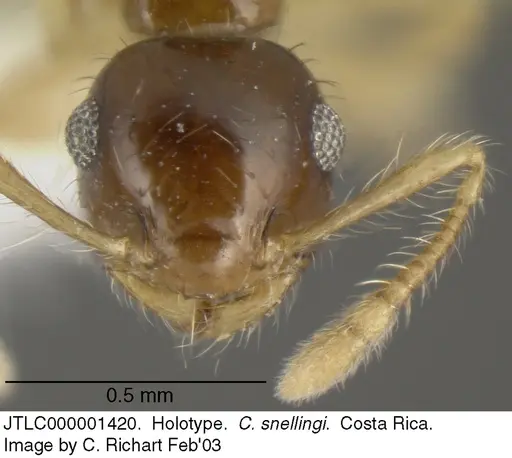
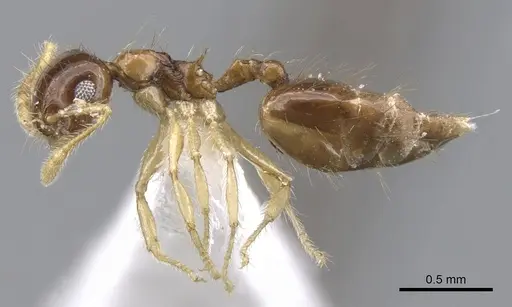
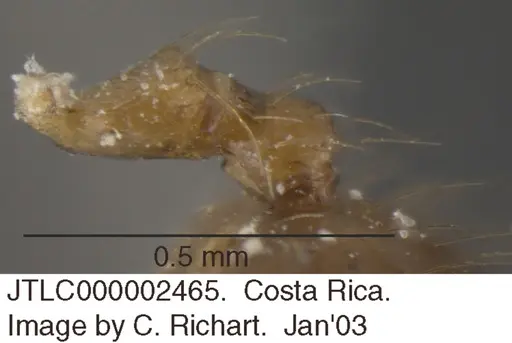
Crematogaster snellingi is a small to medium-sized ant native to the wet forests of Costa Rica and Honduras. Workers measure 0.5-0.6mm in head length and are known for their distinctive appearance: a shiny face with erect setae, relatively long upturned propodeal spines, and a subquadrate dorsal face on the petiole. Color varies significantly across their range, they can be dark red-brown overall, or bicolored with a darker head and gaster contrasting against a lighter mesosoma and legs. This species was described in 2003 by ant expert John Longino and named after Roy Snelling, a prominent ant researcher. What makes this species particularly interesting is how variable it is, workers from montane habitats tend to be more robust, while lowland populations are smaller and lighter colored. They are a nocturnal forager that visits extrafloral nectaries and can be attracted to sweet baits.
Quick Summary
- Difficulty: Medium
- Origin & Habitat: Costa Rica and Honduras, lowland and mid-montane wet forest habitats [1]
- Colony Type: Colony structure is unconfirmed, no wild nests have ever been found [1]
- Size & Growth:
- Queen: Undescribed, queen morphology not documented
- Worker: 0.5-0.64mm head length [1]
- Colony: Unknown, this is an infrequently collected species with no documented colony sizes
- Growth: Unknown, likely moderate based on related tropical Crematogaster species
- Development: Estimated 5-8 weeks at tropical temperatures based on genus patterns (No direct development data exists for this species. Related tropical Crematogaster typically develop from egg to worker in 5-8 weeks at warm temperatures.)
- Antkeeping:
- Temperature: Keep at 24-28°C, they come from warm tropical wet forests in Costa Rica
- Humidity: High humidity around 70-80%, their natural habitat is wet forest understory
- Diapause: No, this is a tropical species that does not experience cold winters
- Nesting: No natural nest has ever been found. Based on related species and their forest floor foraging behavior, they likely nest in rotting wood, under bark, or in soil cavities. A naturalistic setup with moist substrate or a Y-tong/plaster nest works well
- Behavior: These ants are nocturnal foragers, most specimens have been collected at night on low vegetation. They are attracted to extrafloral nectaries and will visit sweet food sources. They have not been observed being aggressive and are considered relatively docile. Their small size means they can escape through tiny gaps, use fine mesh barriers. Workers are monomorphic, meaning all workers are the same size.
- Common Issues: no documented colony founding means you may struggle to establish a colony from a single queen, their small size makes escape prevention critical, they can squeeze through standard formicarium gaps, no wild nests have been found, so optimal nesting conditions are uncertain, this is a poorly studied species, expect some trial and error with care, high humidity requirements can lead to mold problems if ventilation is poor
Housing and Nest Setup
Since no natural nest has ever been found for this species, you'll need to make educated guesses based on related Crematogaster behavior and their forest floor habitat. They likely nest in moist rotting wood or soil cavities in the wild. A Y-tong (acrylic) nest with narrow chambers works well, or you can use a naturalistic setup with moist soil and hiding structures. These ants need high humidity, keep the nest substrate consistently moist but not waterlogged. Because they are small (workers are only about 0.5mm in head length), ensure your formicarium has appropriately sized chambers and passages. Escape prevention is critical, these tiny ants can squeeze through gaps that larger species cannot. Use tight-fitting lids and fine mesh on any ventilation holes. [1]
Feeding and Diet
In the wild, these ants are nocturnal foragers that visit extrafloral nectaries on plants, this means they will readily accept sugar sources like honey water or sugar water. Longino also attracted workers to baits made of mixed honey and vegetable shortening placed on the ground at night. This confirms they are attracted to sweet foods. They likely supplement their diet with small insects and other protein sources, as most Crematogaster are omnivorous. Offer a drop of honey water or sugar water regularly, and provide small insects like fruit flies or pinhead crickets as protein. Since they forage at night, you might notice more activity in the evening hours. [1]
Temperature and Humidity
Crematogaster snellingi comes from the wet forests of Costa Rica, a tropical environment with warm temperatures and high humidity year-round. Keep the nest at 24-28°C, this is warm for most ant species but appropriate for tropical forest ants. Room temperature may be sufficient if your home is in this range, otherwise use a heating cable on one side of the nest to create a gentle gradient. Humidity should be high, around 70-80%. The substrate should feel consistently moist but not soggy. Mist the outworld occasionally and consider using a water reservoir in your formicarium to maintain humidity. Do not let the nest dry out, these are forest ants that need moisture. [1]
Behavior and Activity Patterns
This species is primarily nocturnal, most specimens have been collected at night while foraging on low vegetation. They have been observed visiting extrafloral nectaries during the day, which is when they are most likely to be seen in the open. Workers are monomorphic, meaning all workers are the same size rather than having major and minor castes. They are not known to be aggressive and likely rely on their small size and nocturnal habits to avoid predators. When threatened, Crematogaster ants can raise their abdomen and release a defensive chemical, but this species is not considered particularly aggressive. Their small size also means they are good climbers and may attempt to escape if given the chance, always use excellent escape prevention. [1]
Colony Establishment
Establishing this species in captivity presents challenges. No wild nest has ever been found, so we don't know their exact colony structure or founding behavior. Most likely, founding queens are claustral, they seal themselves in a chamber and raise their first workers on stored body fat, as is typical for Crematogaster. However, this has not been confirmed. If you obtain a queen, keep her in a test tube setup with a water reservoir, maintain high humidity, and keep her warm at around 26°C. Do not disturb her during the founding period. Once workers arrive, you can gradually introduce them to a larger setup. Finding a mated queen may be difficult since this species is infrequently collected and their nuptial flight timing is unknown. [1]
Frequently Asked Questions
How long does it take for Crematogaster snellingi to produce first workers?
The exact timeline is unknown since this species has never been bred in captivity. Based on related tropical Crematogaster species, expect around 5-8 weeks from egg to first worker at tropical temperatures (26-28°C). Be patient, this is a poorly studied species and founding can be slow.
What do Crematogaster snellingi ants eat?
They are attracted to sweet foods, honey water, sugar water, and nectar are readily accepted. They also need protein from small insects like fruit flies, pinhead crickets, or similar small prey. Offer sugar water constantly and protein 2-3 times per week.
Can I keep Crematogaster snellingi in a test tube?
Yes, test tubes work well for founding colonies. Use a test tube with a water reservoir and cotton plug, keep it warm (26°C), and maintain high humidity around the tube. Once the colony reaches 20-30 workers, you can move them to a formicarium.
Do Crematogaster snellingi ants sting?
Crematogaster ants have the ability to bite and release defensive chemicals, but this species is small and not considered dangerous to humans. Their main defense is escaping or raising their abdomen when threatened.
Are Crematogaster snellingi good for beginners?
This species is not ideal for beginners. It is poorly studied with no documented colony founding behavior, requires high humidity and warm temperatures, and can easily escape due to its tiny size. If you're new to antkeeping, consider a more established species like Lasius niger or Camponotus floridanus first.
Do Crematogaster snellingi need hibernation?
No, they do not need hibernation. This is a tropical species from Costa Rica that does not experience cold winters. Keep them warm year-round at 24-28°C.
Why are my Crematogaster snellingi dying?
Common causes include: too low humidity (keep substrate moist), temperatures outside their 24-28°C range, escape through tiny gaps, or stress from disturbance during founding. Since this species is poorly known, also consider that wild-caught colonies may have parasites or other health issues.
How big do Crematogaster snellingi colonies get?
The maximum colony size is unknown, no wild colonies have ever been documented. Based on related species, colonies likely reach several hundred workers. This is a small, infrequently collected species, so large colonies are probably rare.
When do Crematogaster snellingi alates (reproductives) appear?
The timing of nuptial flights is unknown. This species has never been documented in reproductive condition, and their mating behavior has not been studied.
Can I keep multiple Crematogaster snellingi queens together?
We don't know if this species is monogyne (single queen) or polygyne (multiple queens). No wild nests have been found to determine colony structure. Combining unrelated queens is not recommended since this has not been studied and could result in fighting.
References

This caresheet is licensed under CC BY-SA 4.0 .
CASENT0914643
View on AntWeb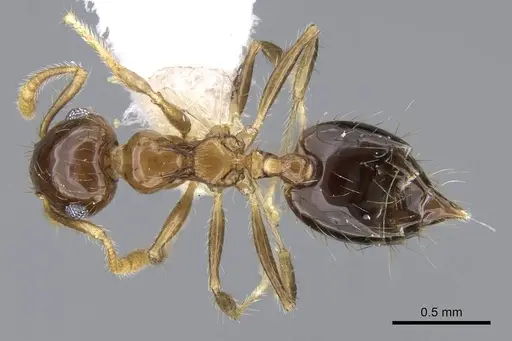
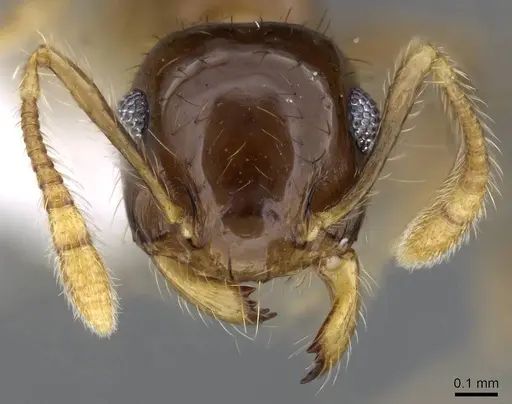
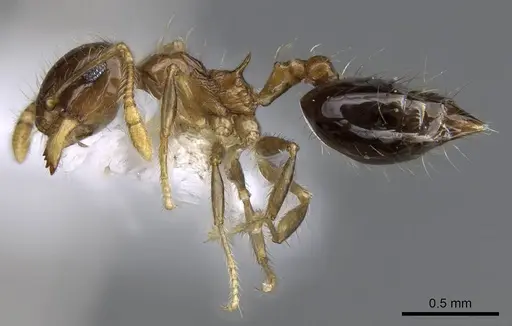
JTLC000001420
View on AntWeb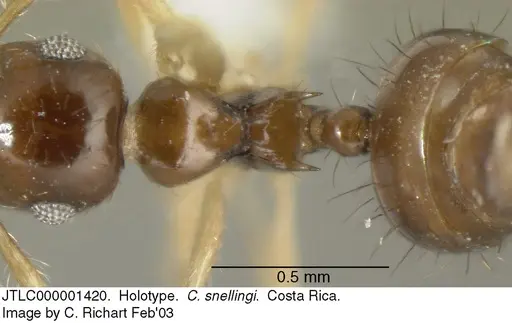
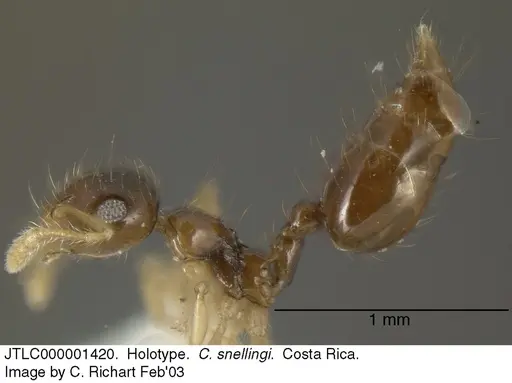
JTLC000001421
View on AntWeb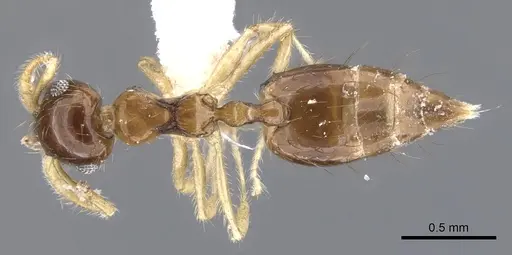
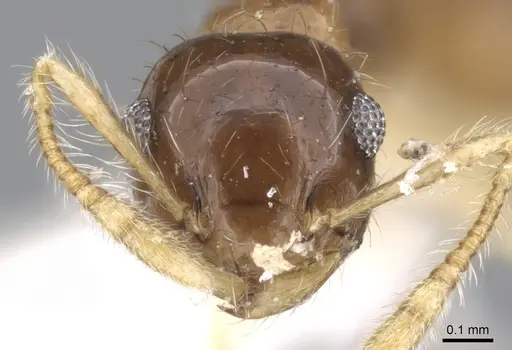
JTLC000002465
View on AntWeb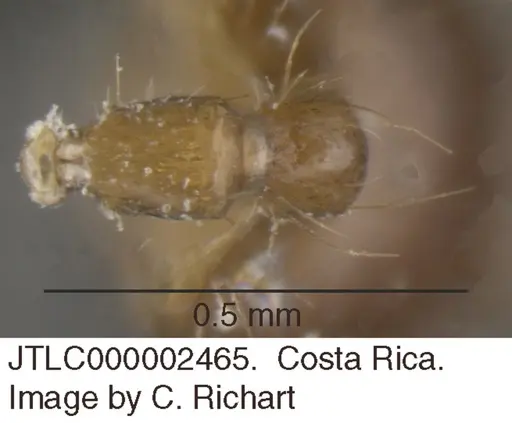
Literature
Loading...Loading products...