

Crematogaster sericea
- Scientific Name
- Crematogaster sericea
- Subgenus
- Orthocrema
- Tribe
- Crematogastrini
- Subfamily
- Myrmicinae
- Author
- Forel, 1912
- Distribution
- Found in 1 countries
Crematogaster sericea Overview
Crematogaster sericea is an ant species of the genus Crematogaster. It is primarily documented in 1 countries , including Brazil. Detailed taxonomic data and occurrence records can be further explored via authoritative databases such as AntWeb or the Global Biodiversity Information Facility (GBIF).
Crematogaster sericea
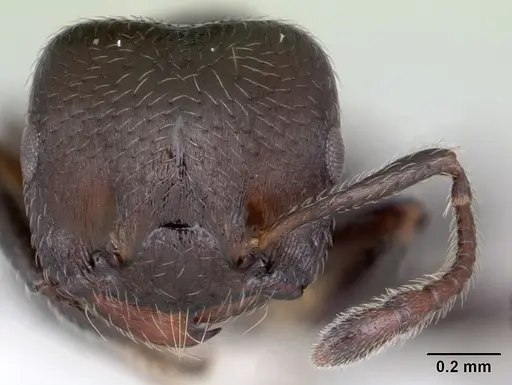
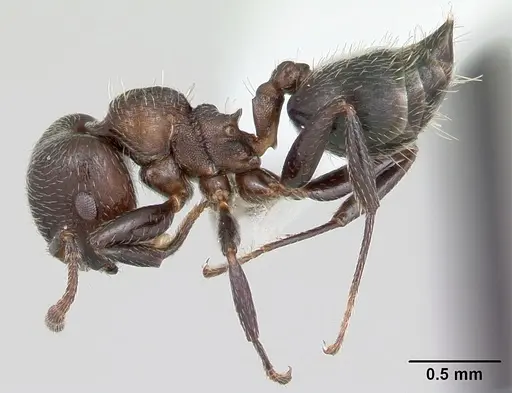
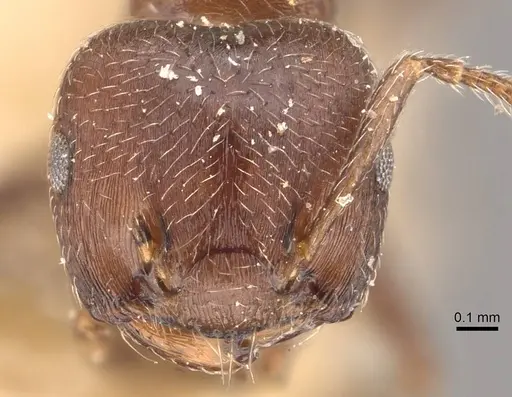
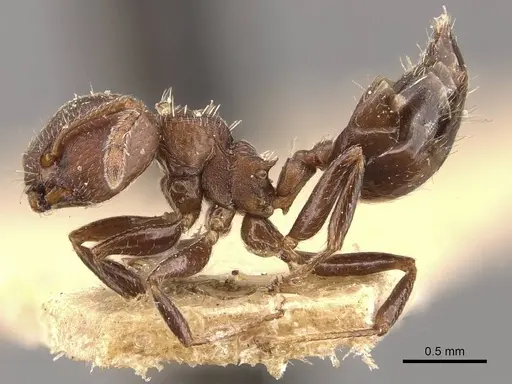
Crematogaster sericea is a small Myrmicinae ant native to southern South America, found in Brazil, Paraguay, Argentina, and Uruguay. Workers are typically 3-5mm with the characteristic heart-shaped abdomen that Crematogaster ants are known for, they can raise their gaster over their head like an acrobat, which is how they got their common name. This species belongs to the Crematogaster crinosa complex and was elevated to full species status in 2003 [1]. They are part of the Crematogastrini tribe and have been documented in southern Brazil, particularly in Rio Grande do Sul [2].
This is a poorly studied species with limited published research on its specific biology. What we know comes primarily from its distribution in the Neotropical region and genus-level patterns. These ants are likely generalist foragers that nest in rotting wood or under bark in forest environments. Their small size and arboreal tendencies mean they need careful attention to escape prevention.
Quick Summary
- Difficulty: Medium
- Origin & Habitat: Southern South America, Brazil, Paraguay, Argentina, and Uruguay. Found in the Neotropical region, particularly documented in southern Brazil (Rio Grande do Sul) [2]. Likely inhabits forest edges and woodland areas with rotting wood for nesting.
- Colony Type: Colony structure is unconfirmed for this specific species. Many Crematogaster are monogyne (single queen), though some can be polygyne. Based on genus patterns, expect single-queen colonies.
- Colony: Monogyne
- Founding: Claustral
- Size & Growth:
- Queen: Estimated 6-8mm based on genus patterns
- Worker: Estimated 3-5mm based on genus patterns
- Colony: Likely several hundred workers based on typical Crematogaster colony sizes
- Growth: Moderate, typical for Myrmicinae
- Development: Estimated 6-8 weeks at optimal temperature based on genus patterns (Development time is estimated from related Crematogaster species. Actual timing may vary.)
- Antkeeping:
- Temperature: Aim for 22-26°C. These are Neotropical/temperate ants from southern South America, so they prefer warmth but not extreme heat. A gentle gradient allowing them to move between temperatures works best.
- Humidity: Keep moderate to high humidity, aim for 60-80%. They prefer damp but not waterlogged conditions. Provide a water source via test tube setup.
- Diapause: Yes, likely required. Southern Brazilian ants experience seasonal changes. Provide a cool period around 10-15°C for 2-3 months during winter.
- Nesting: Y-tong (AAC) nests or test tube setups work well. They prefer tight, humid chambers. Given their small size, ensure passages aren't too large. Naturalistic setups with rotting wood or bark pieces are also suitable.
- Behavior: Crematogaster sericea workers are active foragers that will scout for food and recruit nestmates. They are generally not aggressive toward keepers but will defend their nest if threatened. Their small size makes them excellent escape artists, fine mesh barriers are essential. They have the characteristic acrobat behavior of raising their abdomen when disturbed, which can help them deliver formic acid.
- Common Issues: escape prevention is critical due to their very small size, use fine mesh and tight-fitting lids, poorly documented species means care is based on genus patterns, be prepared to adjust conditions, overheating can be fatal, avoid temperatures above 30°C, colonies may struggle if humidity drops too low, monitor substrate moisture, wild-caught colonies may have parasites or diseases that cause colony failure
Housing and Nest Setup
For Crematogaster sericea, a test tube setup works well for founding colonies. The queen will seal herself into a chamber and raise her first workers (nanitics) without leaving. Once the colony reaches 15-20 workers, you can transition to a small formicarium or Y-tong nest. These ants prefer humid conditions, so ensure the nest material retains moisture well. Avoid large, open spaces in the nest, tight chambers scaled to their tiny size help them feel secure. A small outworld area allows for foraging and food placement.
Feeding and Diet
Crematogaster ants are generalist foragers. Offer protein sources like small insects (fruit flies, pinhead crickets, mealworms), and provide sugar water or honey as an energy source. They typically accept both sweet liquids and protein prey. Feed small amounts every 2-3 days, removing uneaten food to prevent mold. A constant supply of sugar water is recommended for adult ants, with protein offered 2-3 times per week depending on colony size.
Temperature and Seasonal Care
Keep your colony at 22-26°C for optimal development. These ants come from southern South America where temperatures are warm but not tropical, they don't need extreme heat. During winter (roughly November to February in the Southern Hemisphere), reduce temperatures to 10-15°C for a diapause period. This mimics their natural seasonal cycle and helps maintain colony health. Avoid placing the nest near direct sunlight or heat sources that could cause overheating.
Behavior and Handling
Crematogaster sericea workers are active and curious. They will readily explore their outworld and recruit nestmates to food sources. When threatened, they raise their abdomen in the characteristic 'acrobat' pose and may release formic acid as a defense. They are not particularly aggressive toward keepers but will defend their nest. Their small size means they can squeeze through tiny gaps, always use fine mesh (at least 0.5mm) for escape prevention.
Frequently Asked Questions
How long does it take for Crematogaster sericea to have first workers?
Expect first workers (nanitics) around 6-8 weeks after the queen lays eggs, assuming optimal temperature (around 24°C). This is an estimate based on related Crematogaster species, as specific development data for C. sericea is not published.
Do Crematogaster sericea ants sting?
Crematogaster ants can deliver formic acid as a defense, but they lack a stinger like many Myrmicinae. They may bite and spray acid, which can be irritating but is not dangerous to humans.
Can I keep multiple Crematogaster sericea queens together?
This is not recommended. While some Crematogaster species can be polygynous, the colony structure of C. sericea is not well documented. Combining unrelated queens typically leads to fighting and colony failure. It's best to start with a single queen.
What temperature do Crematogaster sericea need?
Keep them at 22-26°C. They prefer warmth but not extreme heat. A temperature gradient allowing workers to choose their preferred spot is ideal. Avoid temperatures above 30°C.
Do Crematogaster sericea need hibernation?
Yes, they likely need a diapause period. Since they come from southern South America (Brazil, Argentina), they experience seasonal temperature changes. Provide a cool period around 10-15°C for 2-3 months during winter.
How big do Crematogaster sericea colonies get?
Based on typical Crematogaster sizes, colonies likely reach several hundred workers. This species is not known for supercolonies.
What do Crematogaster sericea eat?
They are generalist foragers. Offer small insects (fruit flies, pinhead crickets, small mealworms) for protein, and provide sugar water or honey consistently. They will also collect honeydew if aphids are available.
Are Crematogaster sericea good for beginners?
This species is rated Medium difficulty. While not the easiest species, Crematogaster are generally hardy once established. The main challenges are their small size (escape prevention) and the fact that this specific species is poorly documented, so you may need to adjust care based on colony behavior.
When should I move my colony to a formicarium?
Move from test tube to a formicarium once the colony reaches 15-30 workers. Make sure the new nest has appropriately sized chambers, tight spaces work better than large open areas for this tiny species.
Why are my Crematogaster sericea dying?
Common causes include: low humidity (keep substrate moist), temperatures that are too high or too low, escape-related losses (use fine mesh), or stress from wild-caught colonies. Ensure they have a constant water source and sugar supply. If the colony is newly caught, parasites or disease may be the issue.
References

This caresheet is licensed under CC BY-SA 4.0 .
CASENT0173950
View on AntWeb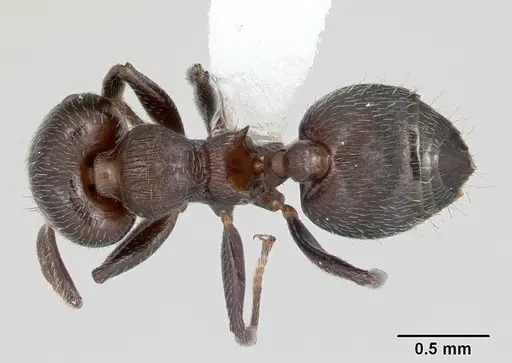
CASENT0908404
View on AntWeb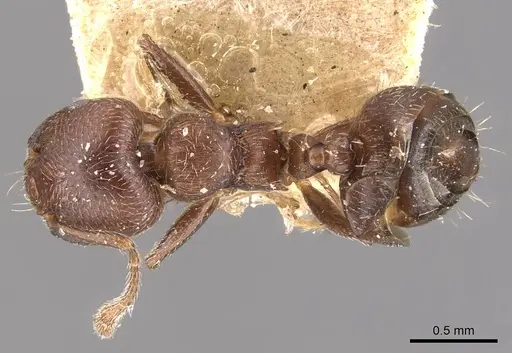
Literature
Loading...Loading products...